
While dealing with the bird-seed alien grasses, it is worth remembering the garden escapes. These tend to be sufficiently distinctive that you probably won’t need to key them out: just learn them directly by jizz. 
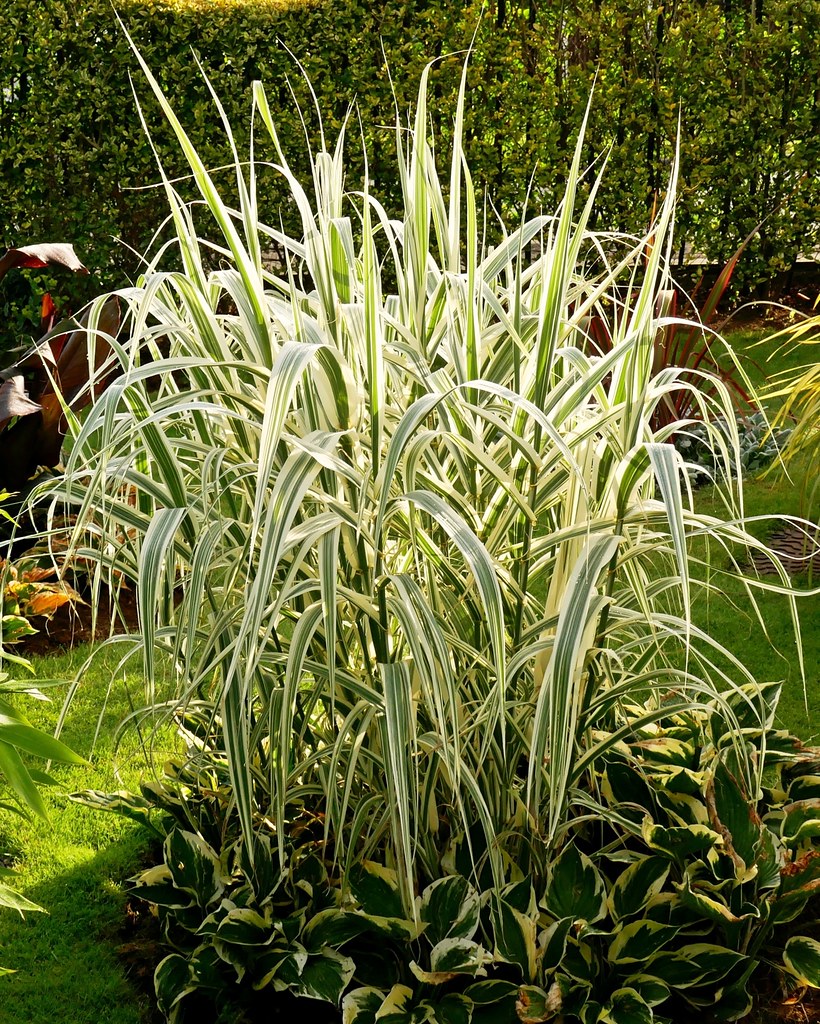
I’ll run through them quickly order of plant size, starting with the gigantic Arundo donax (left), often seen in its variegated form A. donax var. versicolor.

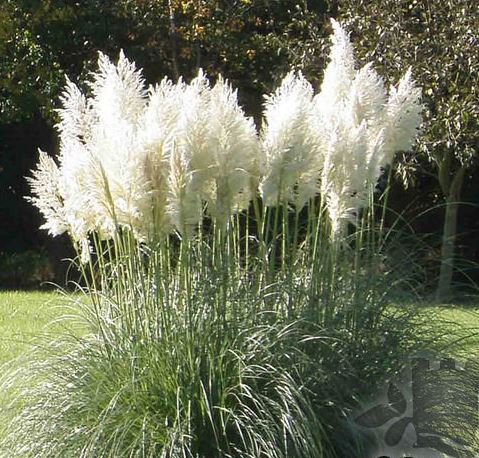
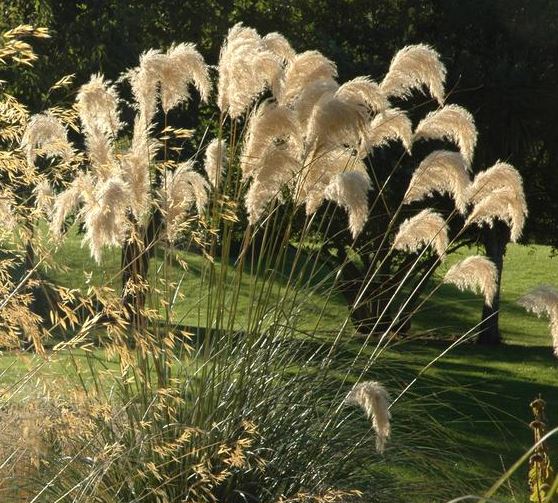
The two Pampas grasses are easy to tell apart in flower: the upright, snowy white panicle is Cortaderia selloana (common in England) and the ginger-coloured droopy panicle is Cortaderia richardii (common in Scotland)
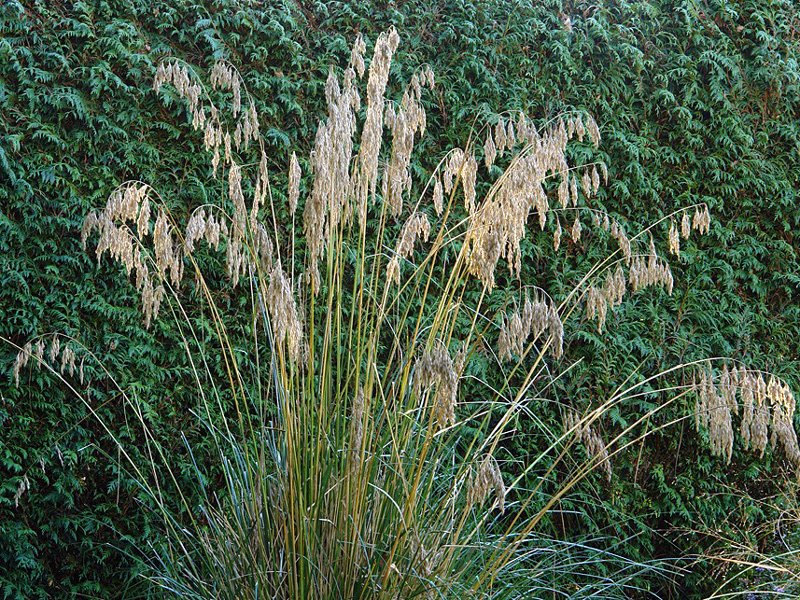
Less often seen, but in many ways more attractive, is Ampelodesmos mauritanicus

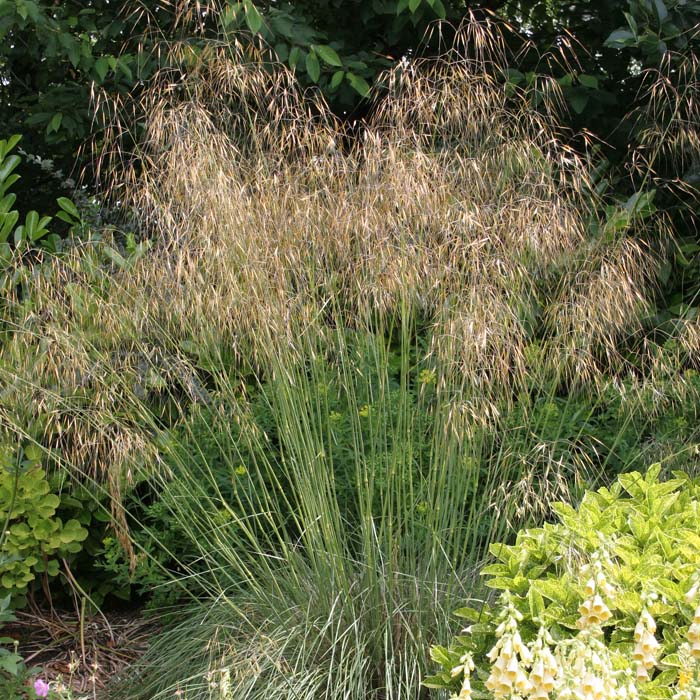
Slightly smaller tussocks of narrow, blue-green leaves, but with towering golden flower stems are likely to be Stipa gigantea (nowadays, Celtica gigantea).
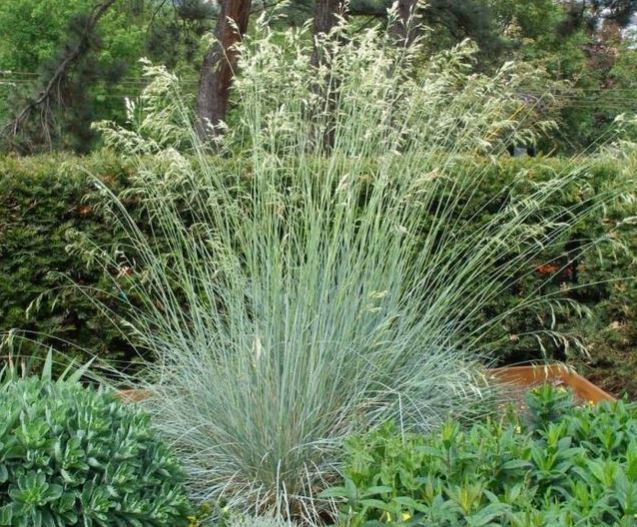
Smaller again, but also forming blue-green tussocks, is Helictotrichon sempervirens
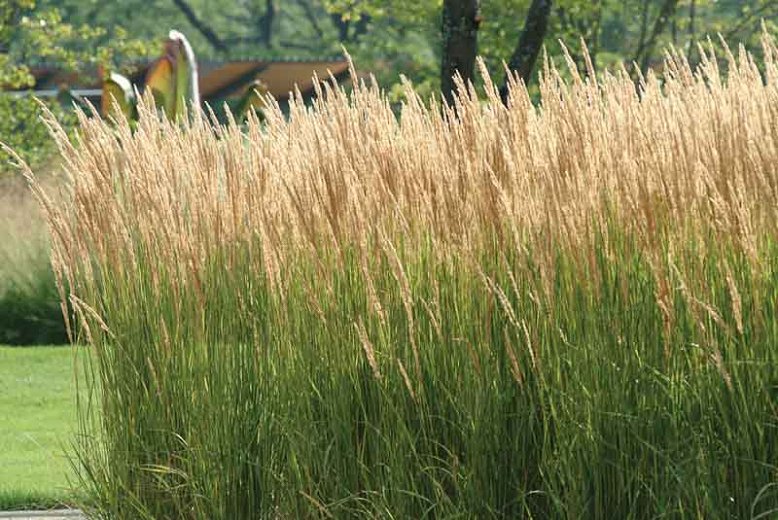
The next one is highly fashionable, and all-but-ubiquitous in modern bedding schemes, both private and municipal. It is Calamagrostis × acutiflora 'Karl Foerster', which forms a bolt-upright phalanx of stems that last all through the winter.
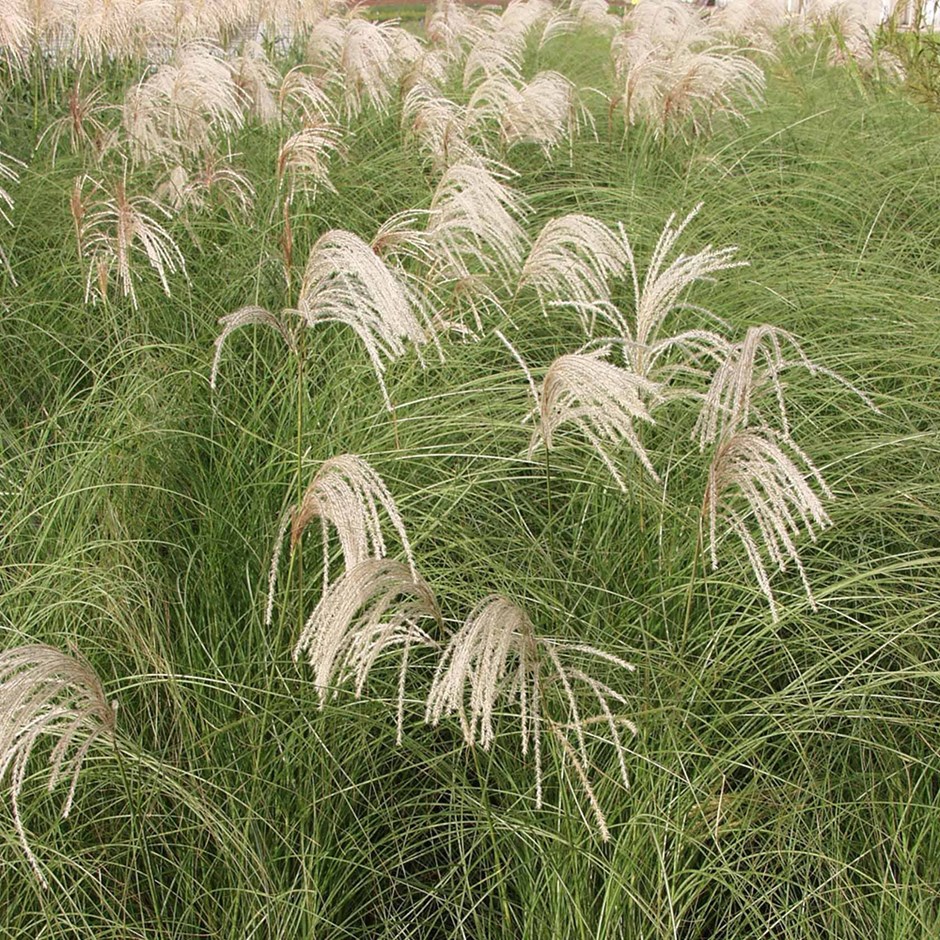
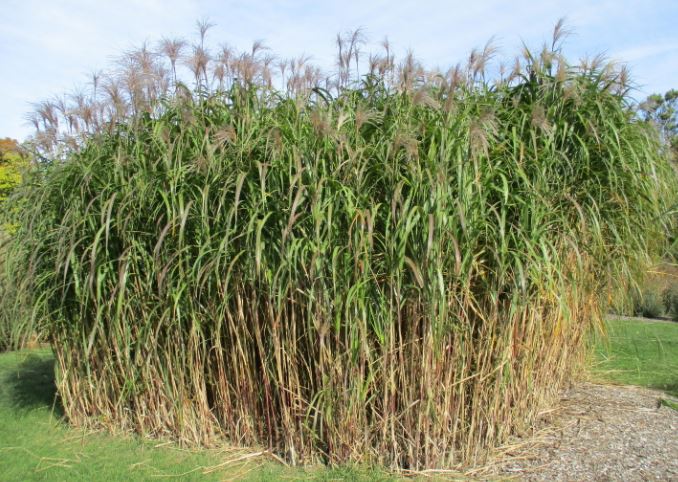
Very popular in suburban gardens, and self-sown on nearby pavements, is Miscanthus sinensis (left). You'll often see the striped cultivar 'Zebrinus'. The massive hybrid Miscanthus x giganteus (Elephant Grass, right) is grown commercially as a biomass crop.
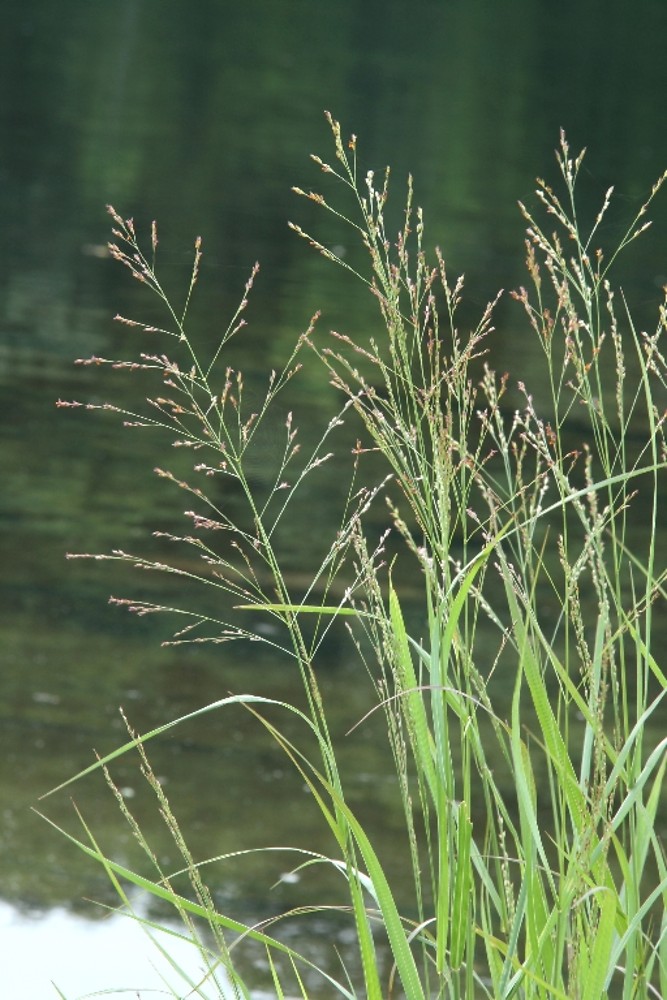
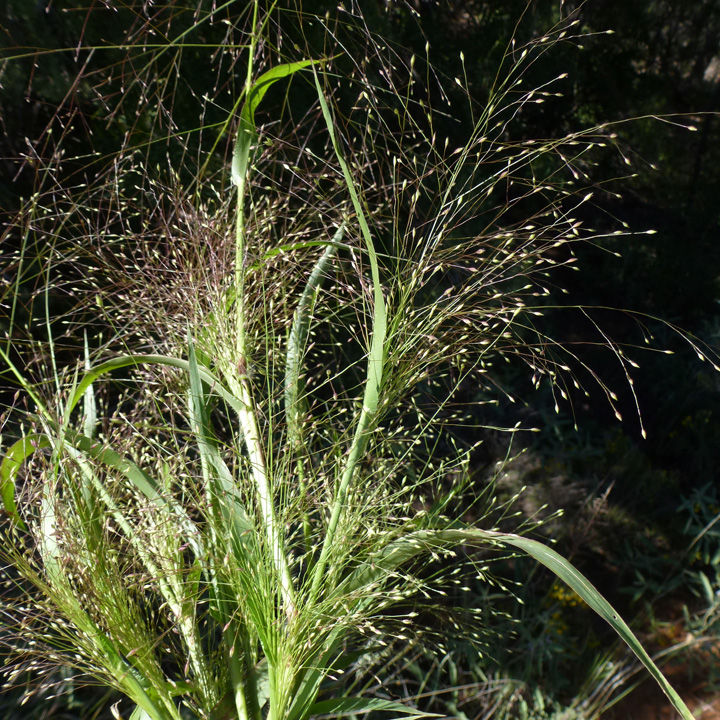
A garden plant with a mass of tiny spikelets on hair-thin stalks is most likely to be Panicum virgatum (left). The close relative P. capillare (right) is a bird-seed alien.
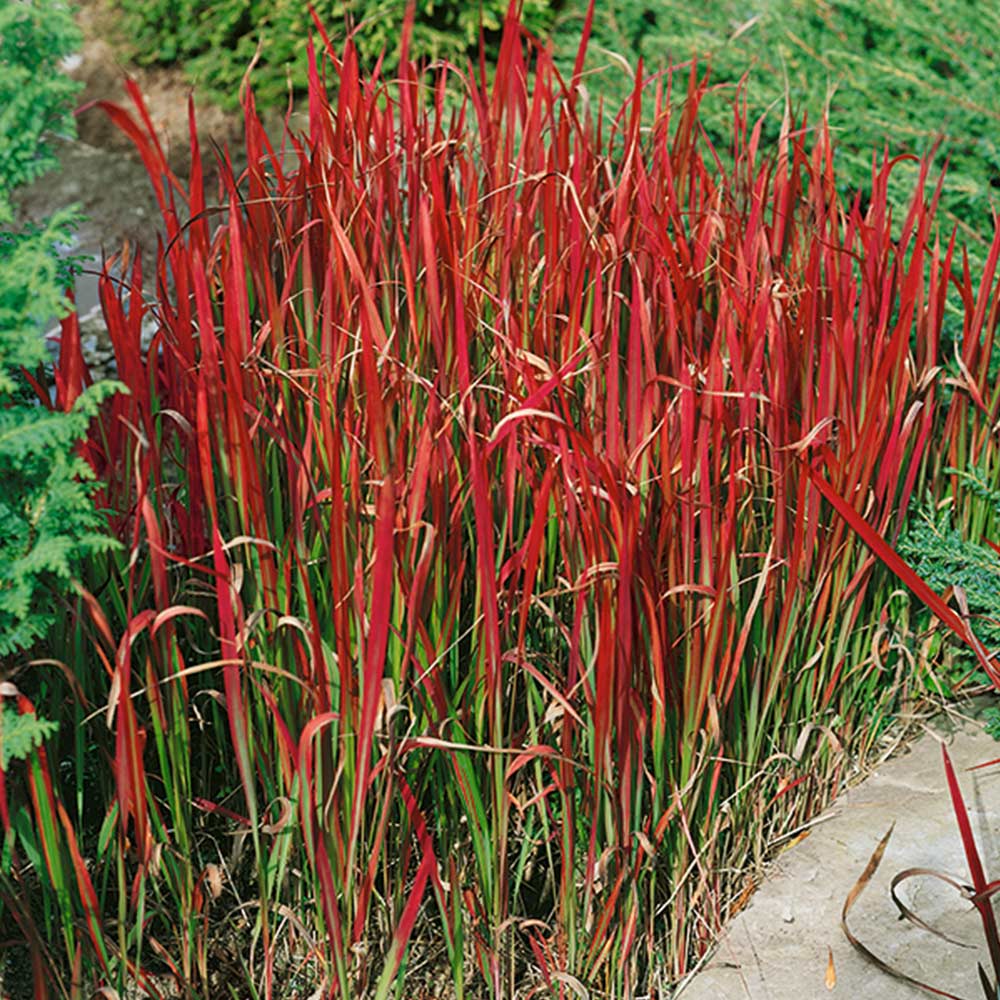
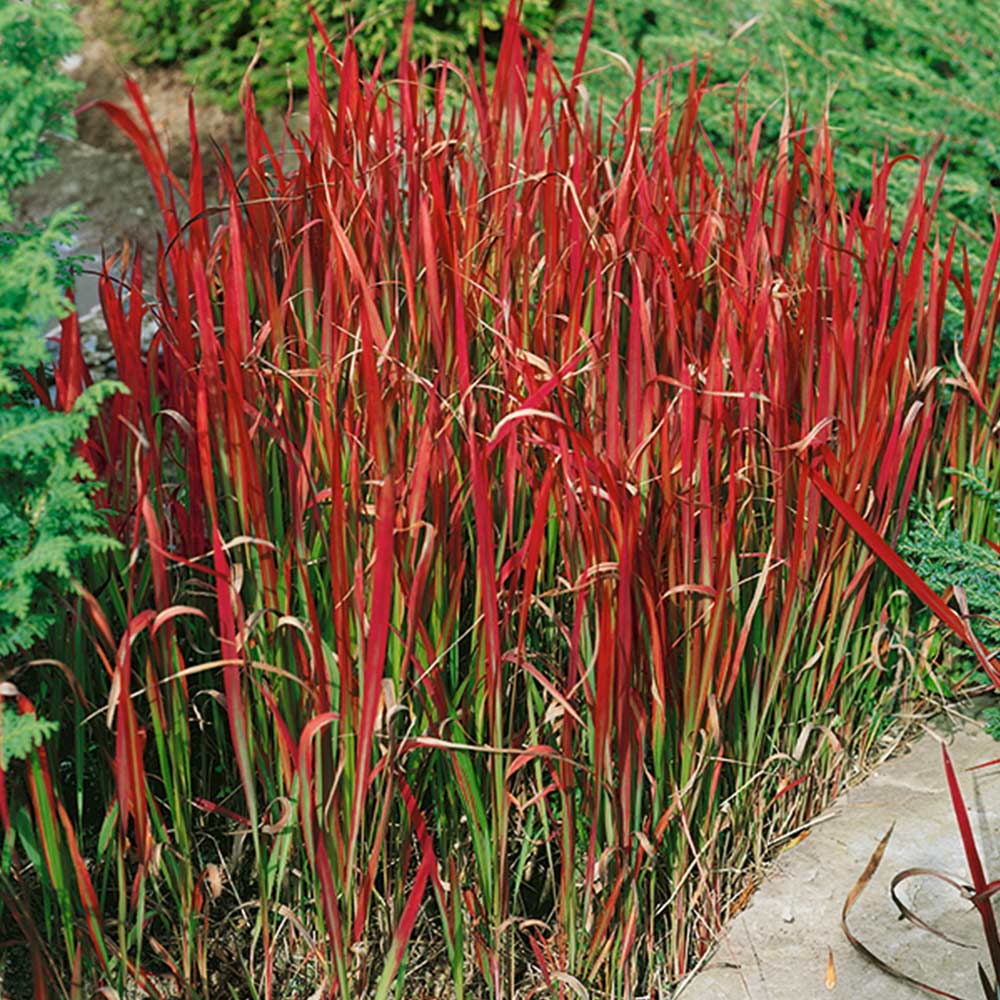
Brilliant blood-red leaves, held rigidly upright, are Imperata cylindrica ‘Rubra’
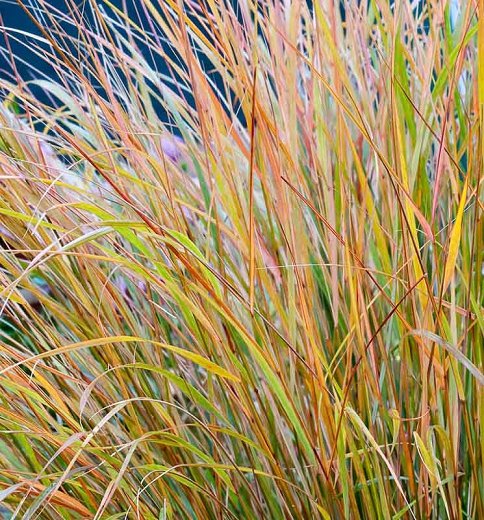
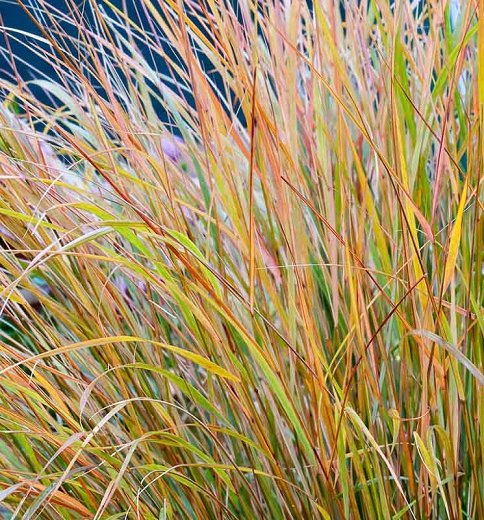
Brown, red and gold leaves in an open tussock are Anemanthele lessoniana
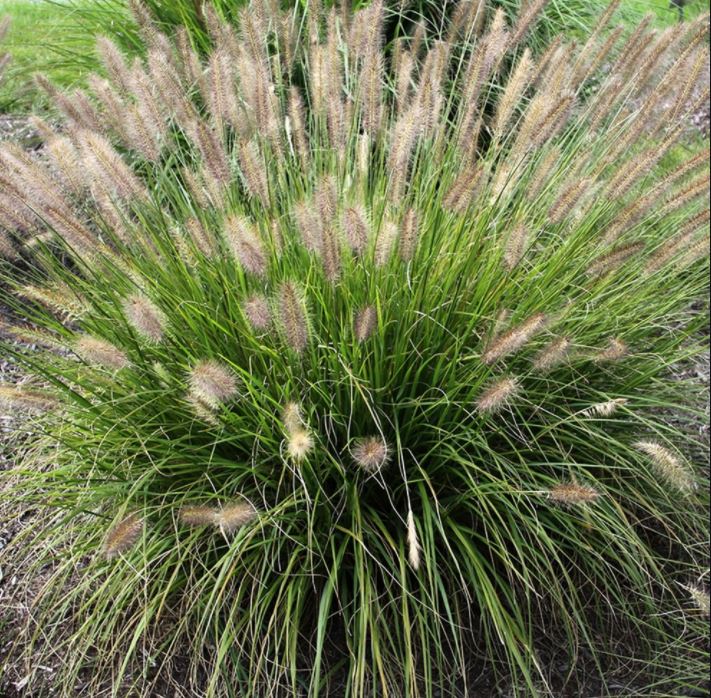
Dirty-white bottle-brush flowers are Pennisetum alopecuroides. More colourful bottle-brushes are Pennisetum setaceum ‘Rubrum’

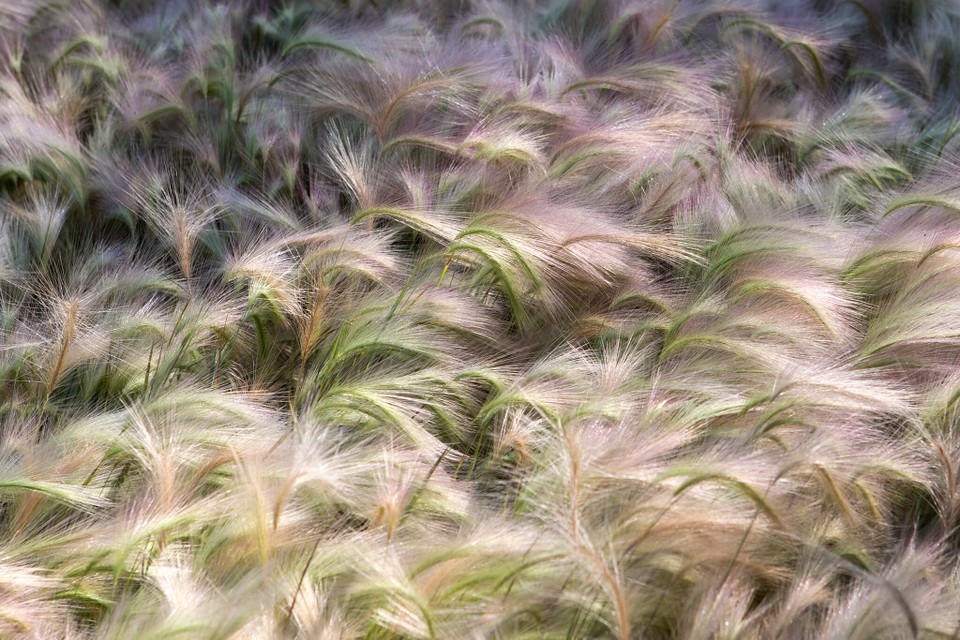
Spectacular when planted en masse is the Foxtail Barley Hordeum jubatum
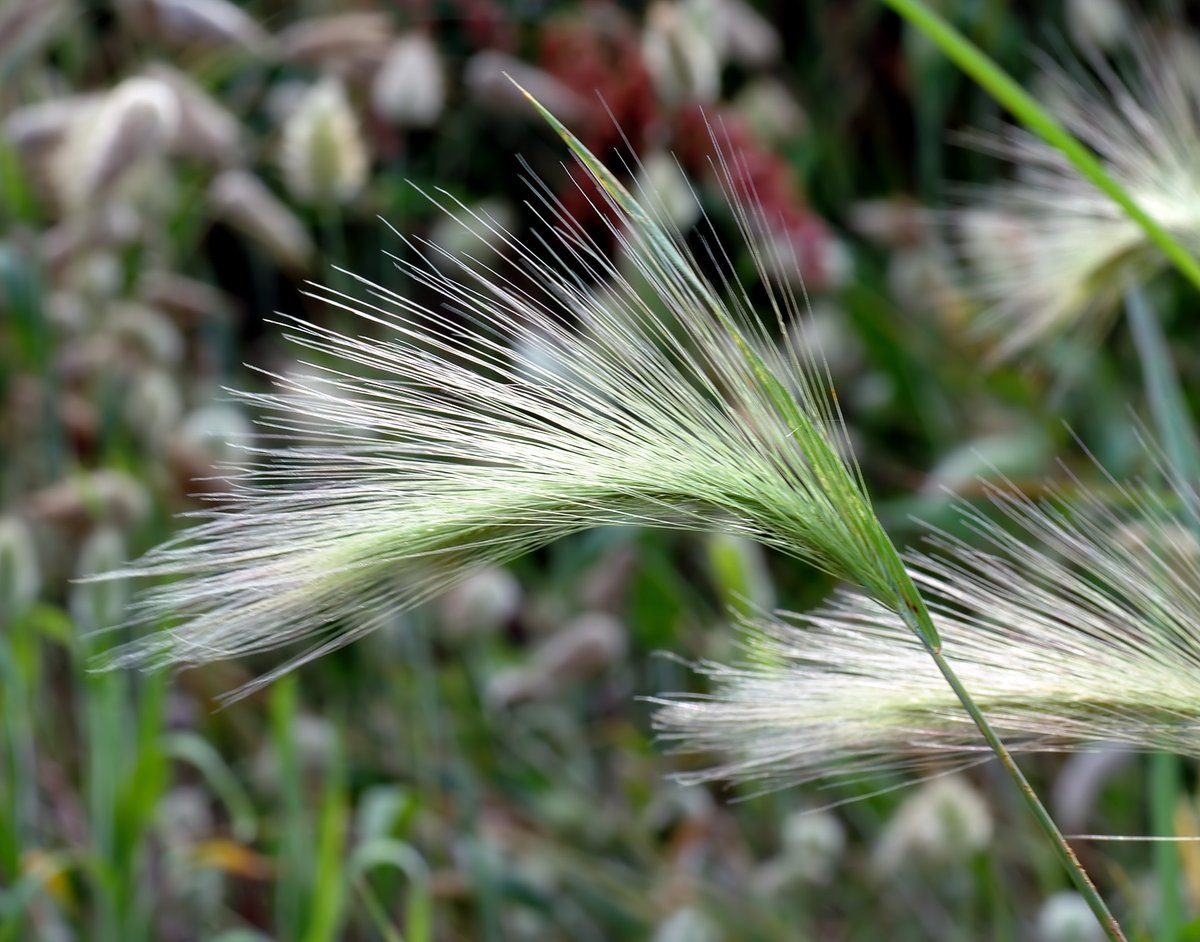
One of the most frequently seen garden escapes is Stipa tenuissima (nowadays Nassella tenuissima). With its incredibly delicate stems, you will see Needle-grass self-sown close to street-planters on urban pavements and on waste ground in villages.

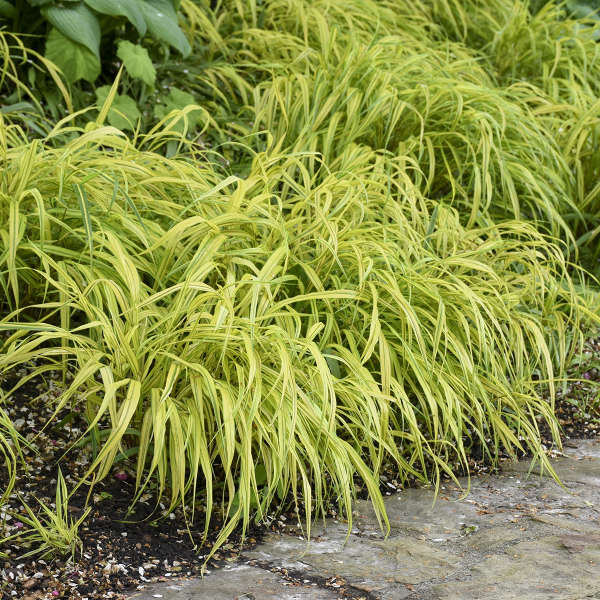
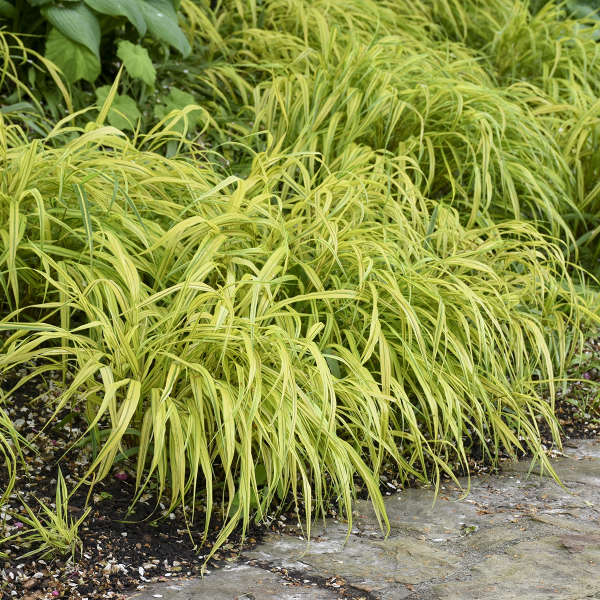
Very distinct tussocks of pale lemon-yellow, striped leaves are most likely to be Hakonechloa macra ‘Aureola’
Dense blue tussocks of needle-like leaves are Festuca glauca, often self-sown on pavements next to gardens where it has been planted. Most often seen is the cultivar 'Elijah Blue'
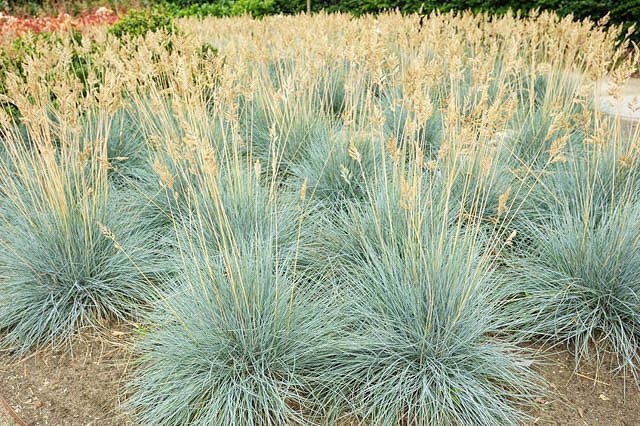
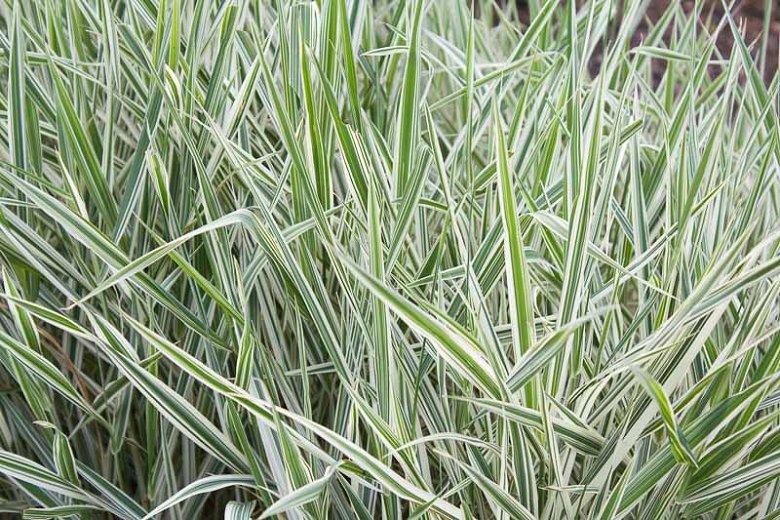
Lastly, the commonest of all the variegated garden grasses, Phalaris arundinacea ‘Picta’ known affectionately as Gardener’s Garters
That's the end of this very superficial run-through of the horticultural grasses that you are most likely to see as escapes. We shall continue with a more detailed look at the bird-seed aliens in a forthcoming thread.

• • •
Missing some Tweet in this thread? You can try to
force a refresh






