Mick Crawley Profile picture
Sep 7, 2020 18 tweets 7 min read Read on X
While dealing with the bird-seed alien grasses, it is worth remembering the garden escapes. These tend to be sufficiently distinctive that you probably won’t need to key them out: just learn them directly by jizz. ImageImageImageImage
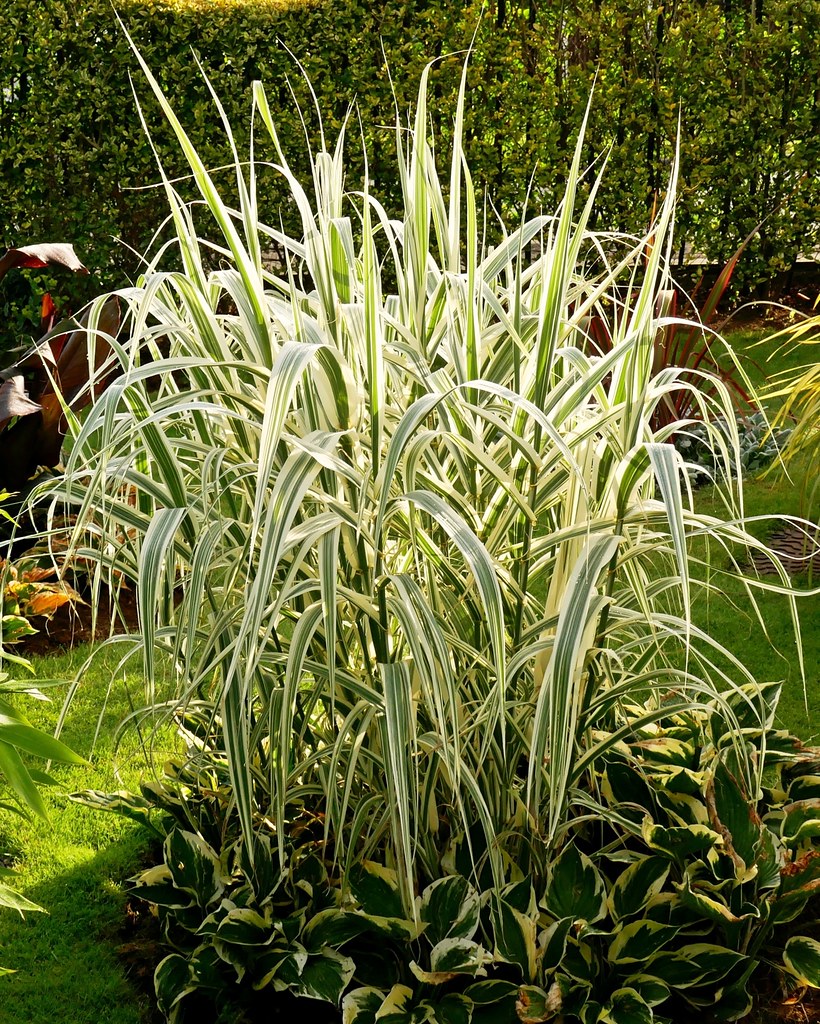
I’ll run through them quickly order of plant size, starting with the gigantic Arundo donax (left), often seen in its variegated form A. donax var. versicolor. ImageImage
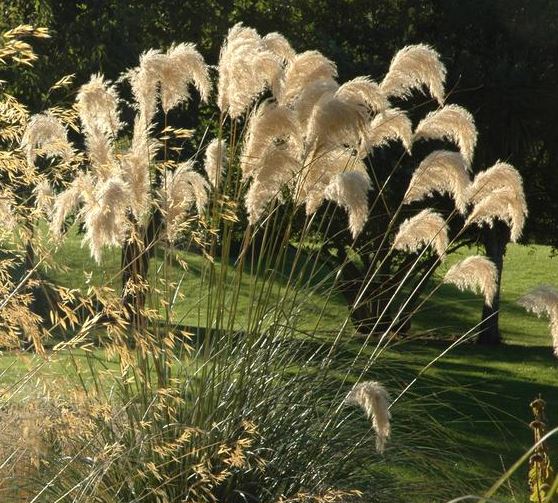
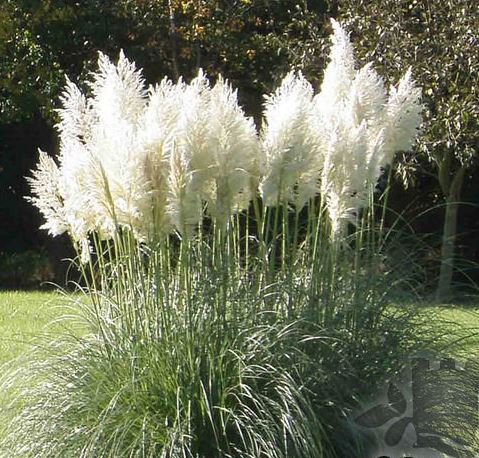
The two Pampas grasses are easy to tell apart in flower: the upright, snowy white panicle is Cortaderia selloana (common in England) and the ginger-coloured droopy panicle is Cortaderia richardii (common in Scotland) ImageImage
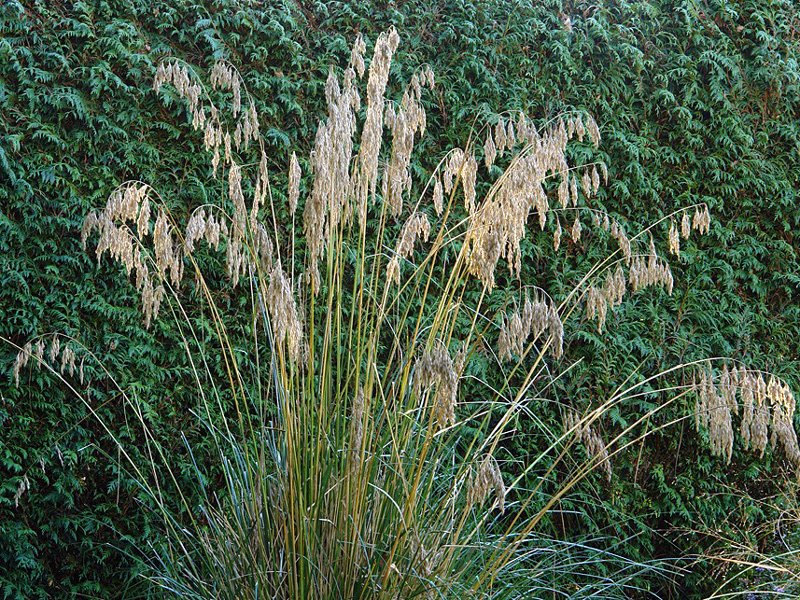
Less often seen, but in many ways more attractive, is Ampelodesmos mauritanicus Image
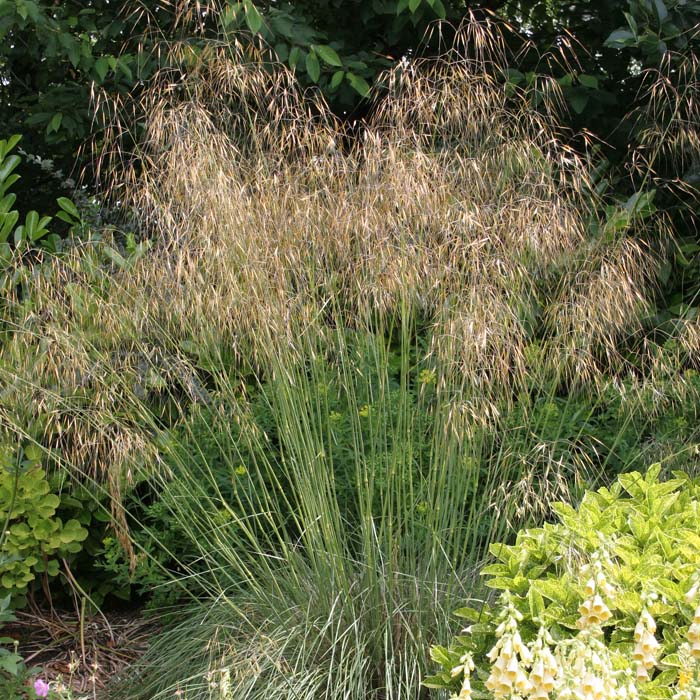
Slightly smaller tussocks of narrow, blue-green leaves, but with towering golden flower stems are likely to be Stipa gigantea (nowadays, Celtica gigantea). Image
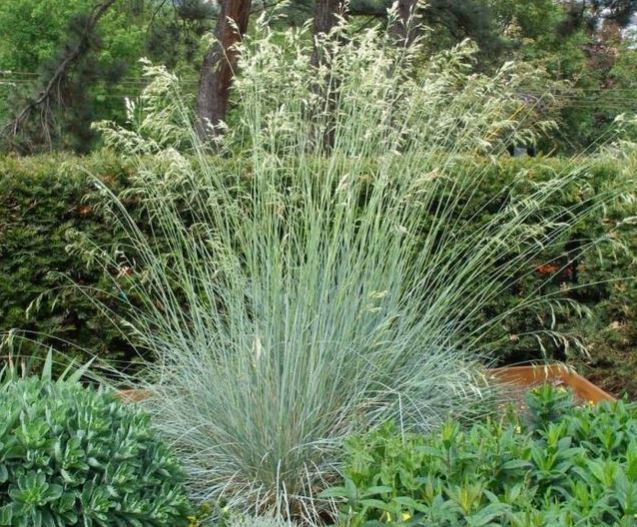
Smaller again, but also forming blue-green tussocks, is Helictotrichon sempervirens Image
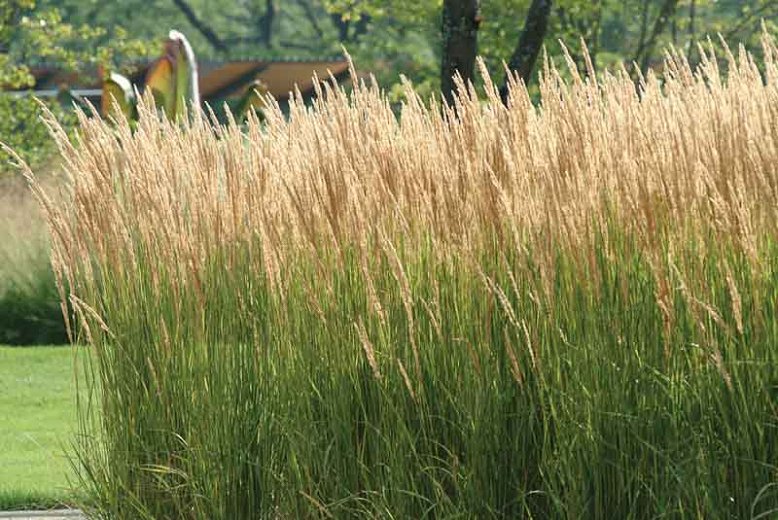
The next one is highly fashionable, and all-but-ubiquitous in modern bedding schemes, both private and municipal. It is Calamagrostis × acutiflora 'Karl Foerster', which forms a bolt-upright phalanx of stems that last all through the winter. Image
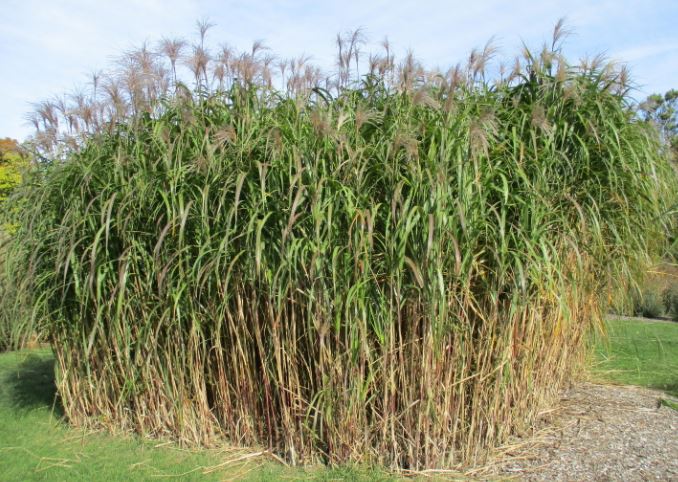
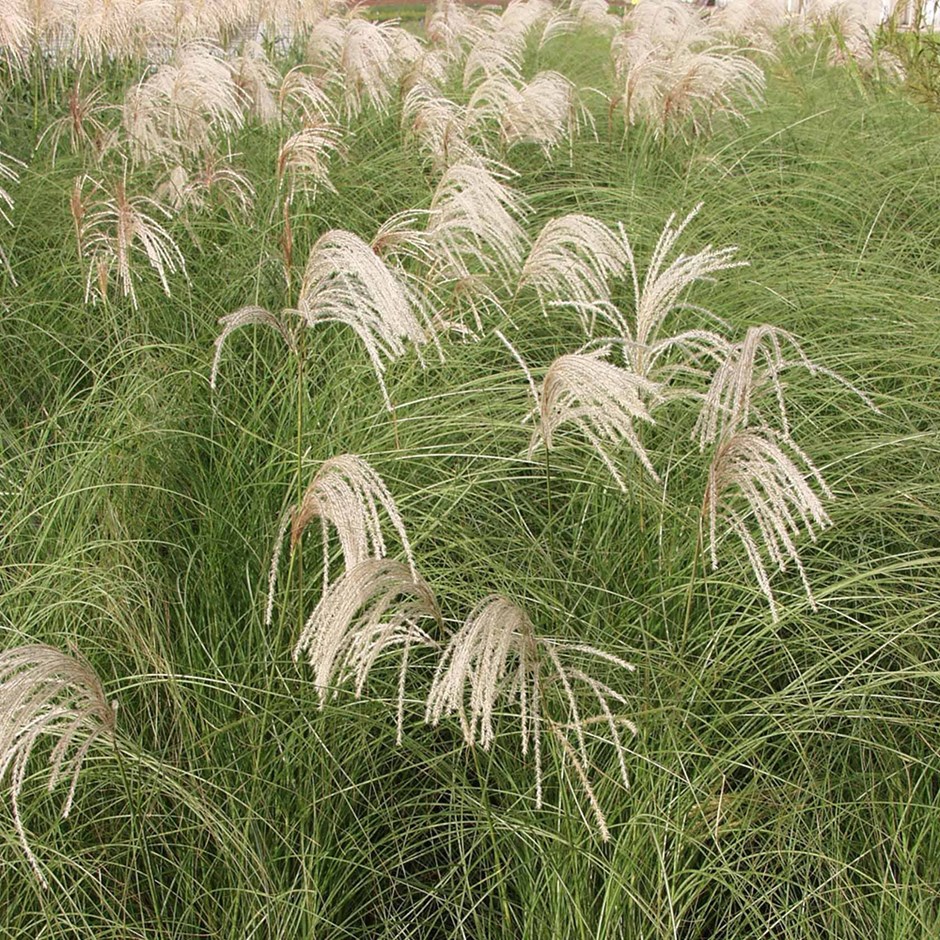
Very popular in suburban gardens, and self-sown on nearby pavements, is Miscanthus sinensis (left). You'll often see the striped cultivar 'Zebrinus'. The massive hybrid Miscanthus x giganteus (Elephant Grass, right) is grown commercially as a biomass crop. ImageImage
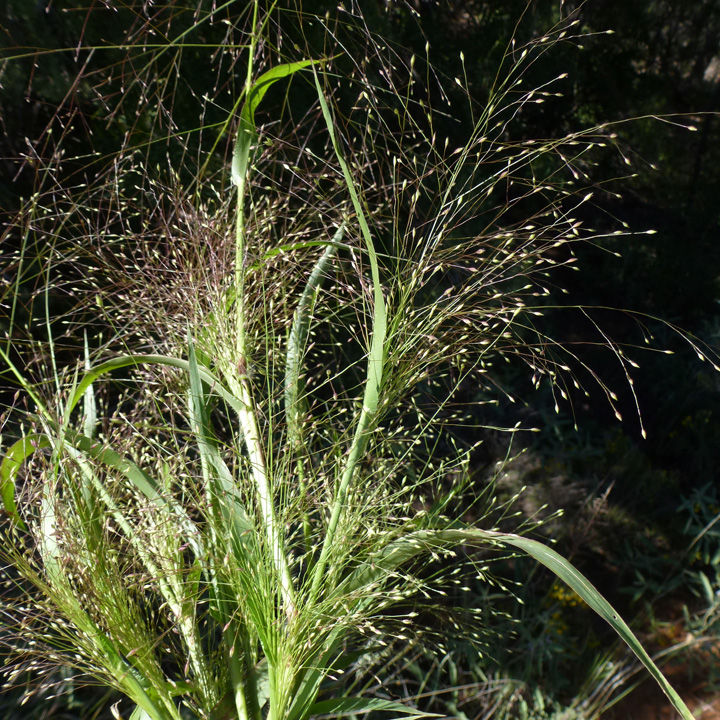
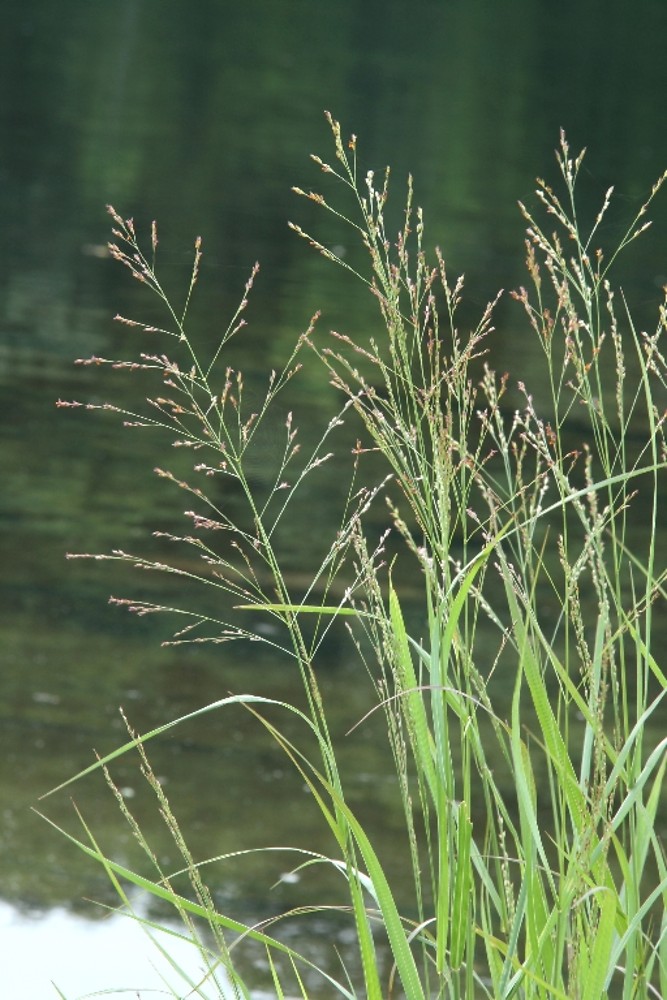
A garden plant with a mass of tiny spikelets on hair-thin stalks is most likely to be Panicum virgatum (left). The close relative P. capillare (right) is a bird-seed alien. ImageImage
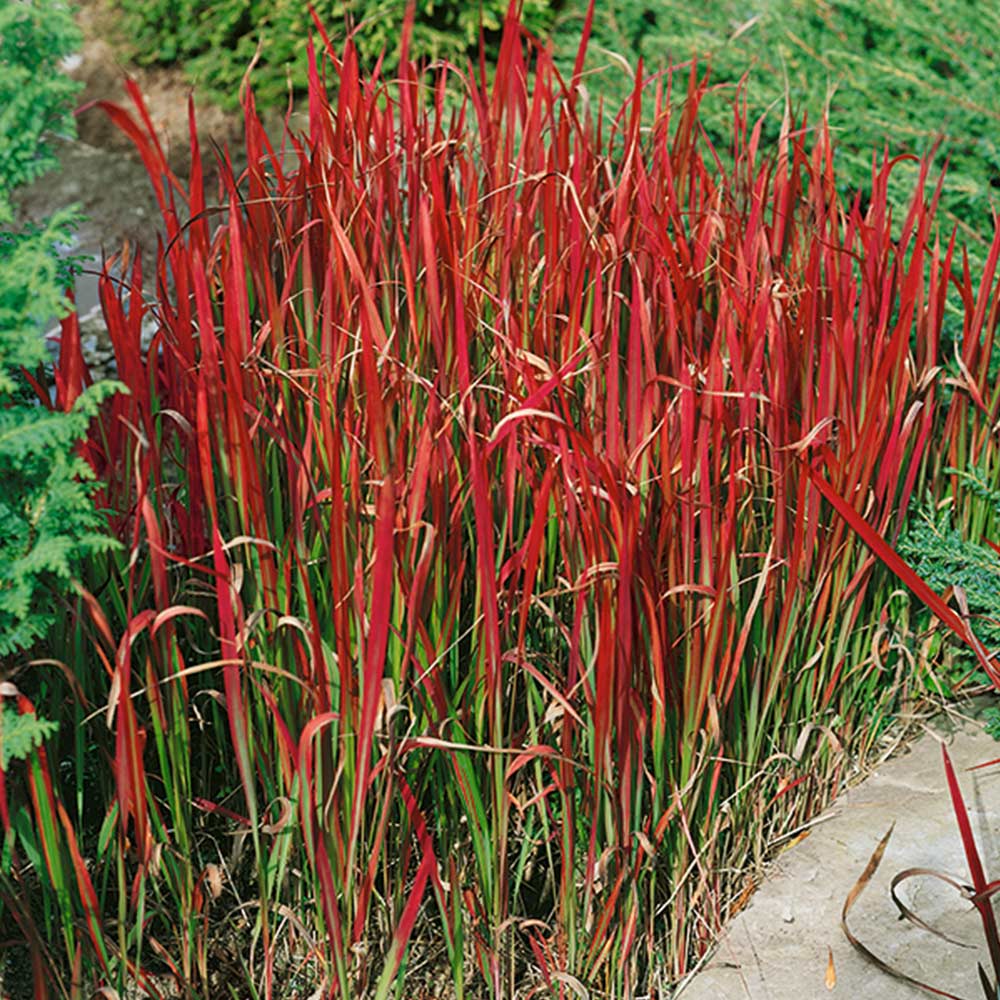
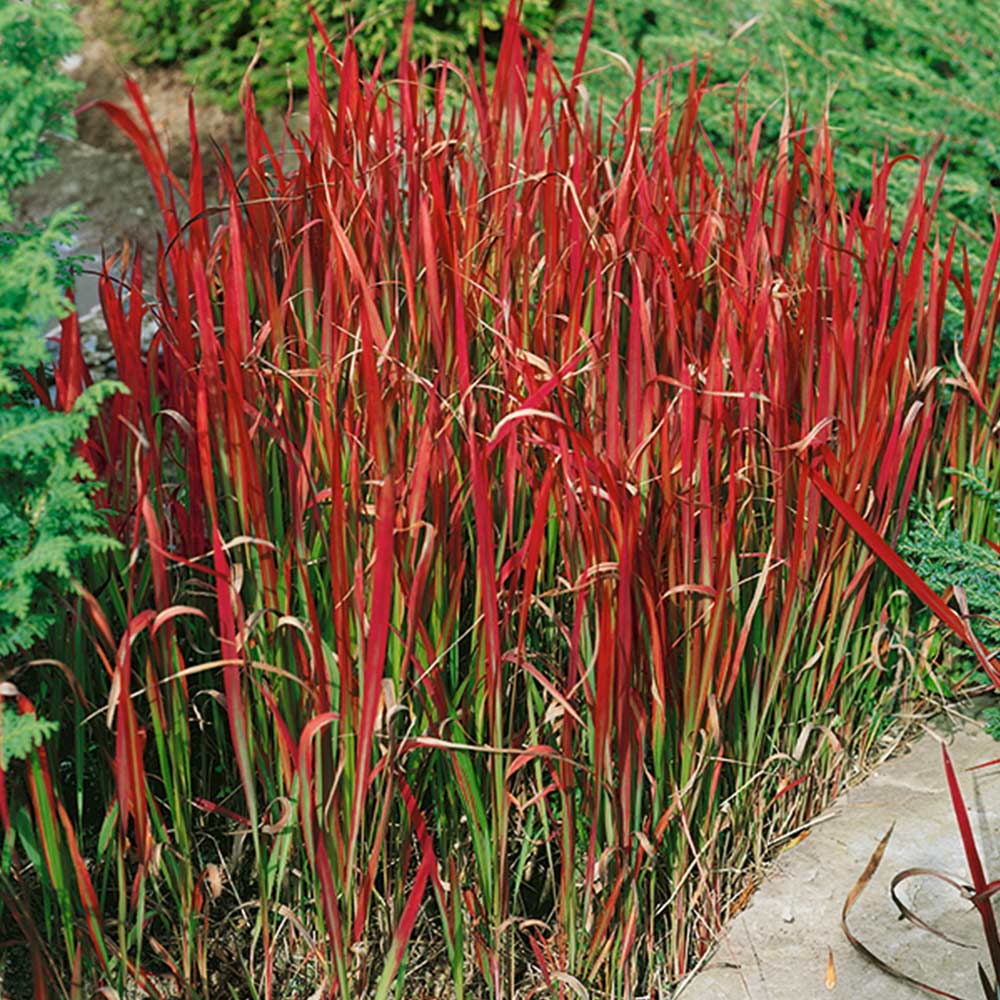
Brilliant blood-red leaves, held rigidly upright, are Imperata cylindrica ‘Rubra’ Image
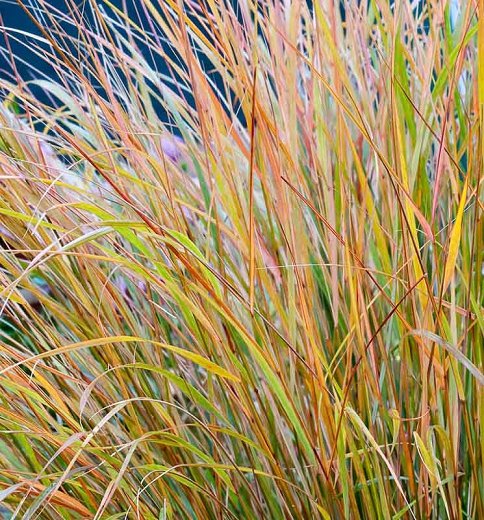
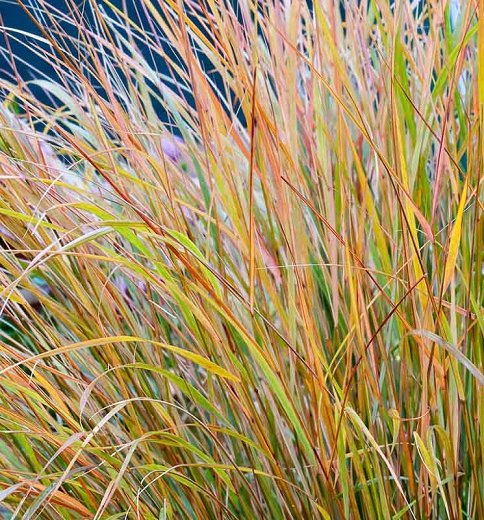
Brown, red and gold leaves in an open tussock are Anemanthele lessoniana Image
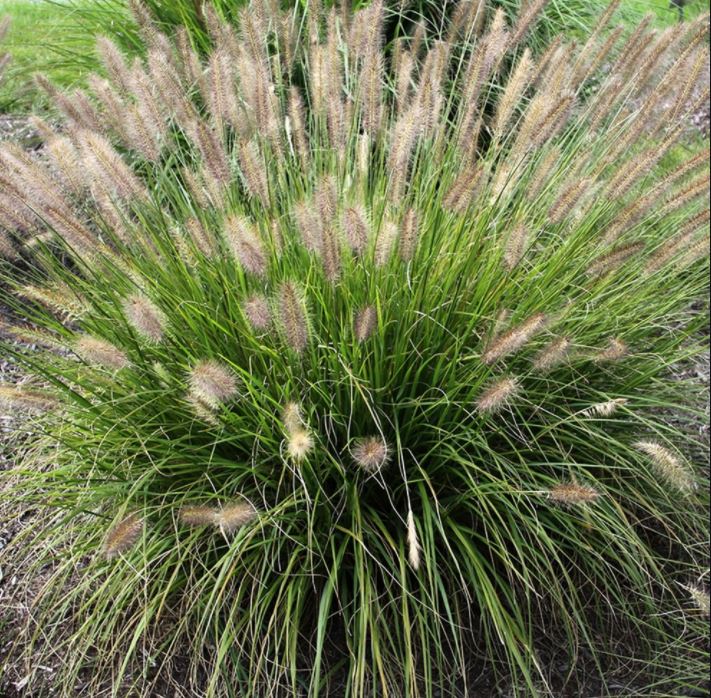
Dirty-white bottle-brush flowers are Pennisetum alopecuroides. More colourful bottle-brushes are Pennisetum setaceum ‘Rubrum’ ImageImage
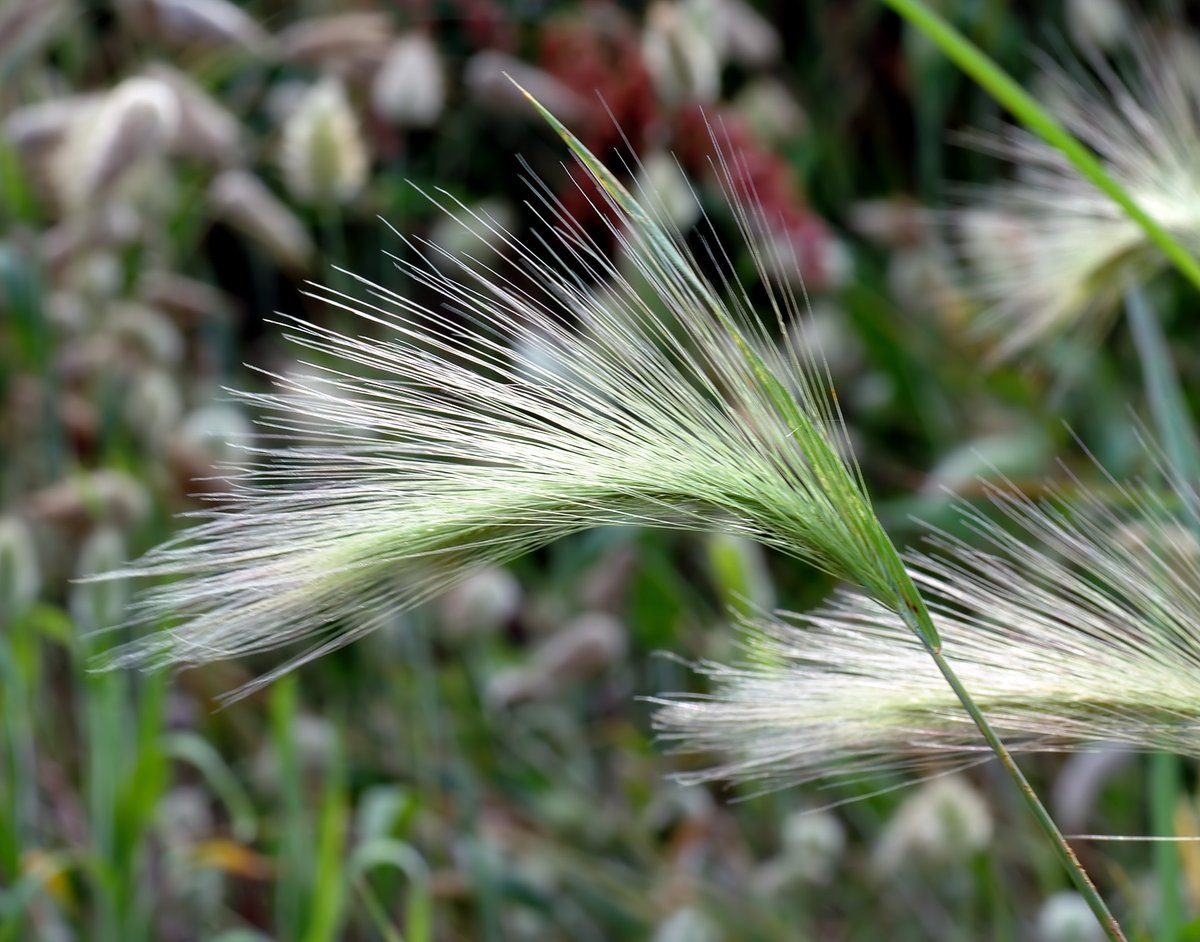
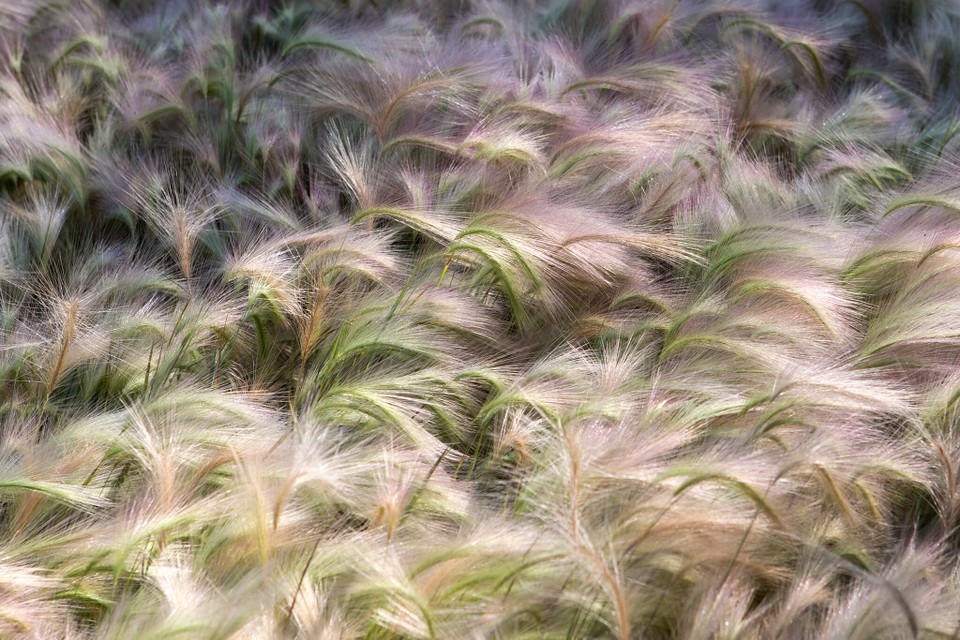
Spectacular when planted en masse is the Foxtail Barley Hordeum jubatum ImageImage
One of the most frequently seen garden escapes is Stipa tenuissima (nowadays Nassella tenuissima). With its incredibly delicate stems, you will see Needle-grass self-sown close to street-planters on urban pavements and on waste ground in villages. Image
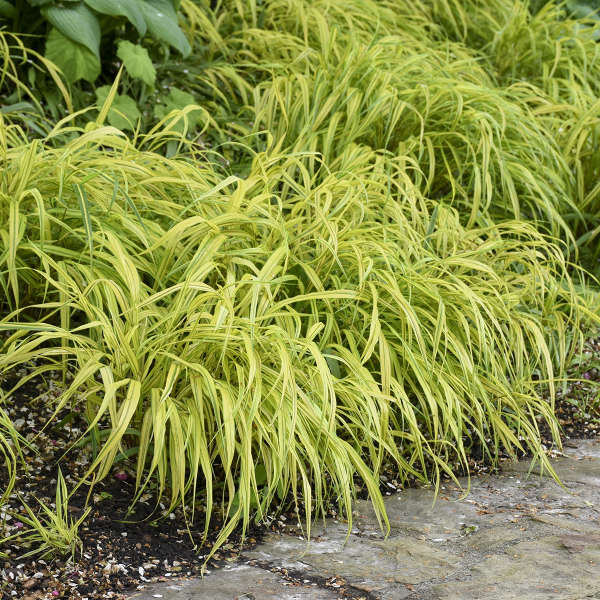
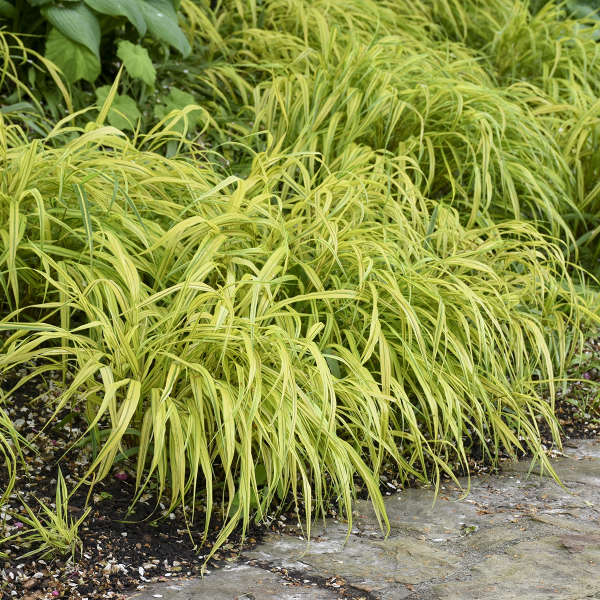
Very distinct tussocks of pale lemon-yellow, striped leaves are most likely to be Hakonechloa macra ‘Aureola’ Image
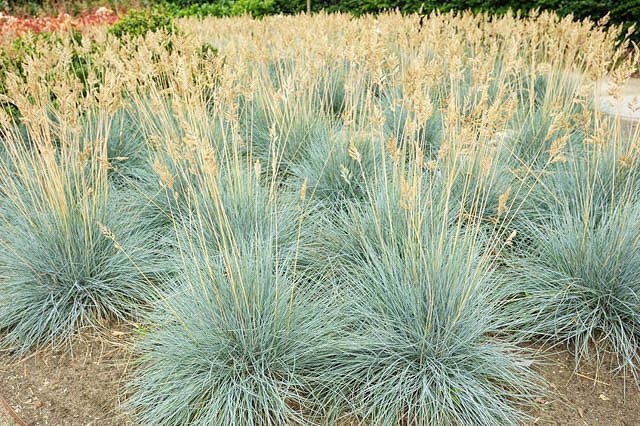
Dense blue tussocks of needle-like leaves are Festuca glauca, often self-sown on pavements next to gardens where it has been planted. Most often seen is the cultivar 'Elijah Blue' Image
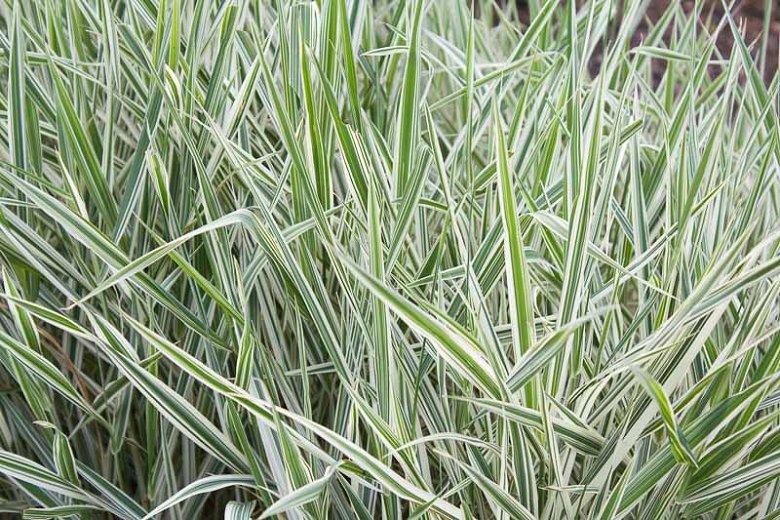
Lastly, the commonest of all the variegated garden grasses, Phalaris arundinacea ‘Picta’ known affectionately as Gardener’s Garters Image
That's the end of this very superficial run-through of the horticultural grasses that you are most likely to see as escapes. We shall continue with a more detailed look at the bird-seed aliens in a forthcoming thread. Image

• • •

Missing some Tweet in this thread? You can try to force a refresh

 

Keep Current with Mick Crawley

Mick Crawley Profile picture

Stay in touch and get notified when new unrolls are available from this author!

Read all threads

This Thread may be Removed Anytime!

PDF

Twitter may remove this content at anytime! Save it as PDF for later use!

Try unrolling a thread yourself!

how to unroll video
  1. Follow @ThreadReaderApp to mention us!

  2. From a Twitter thread mention us with a keyword "unroll"
@threadreaderapp unroll

Practice here first or read more on our help page!

More from @crawley_mick

Jul 7, 2024
Really interesting development in the population dynamics of Ragwort at Silwood. After 4 years of rock-bottom plant numbers (2020, 2021, 2022 and 2023) when the study population looked like this: Image
there are real signs of a come-back in 2024: Image
This is what the Ragwort population has done since 1981. You can see the 8 population peaks and the subsequent crashes. Then the 4 years of essentially no plants (and no Cinnabar moths either, of course) between 2020 and 2023. Then this year 3.26 flowering stems per square metre. Image
Read 8 tweets
Aug 2, 2023
This is what Ashurst looks like in a ‘ragwort year’. There are more than 10 flowering individuals per square metre. Image
This is what Ashurst looks like this year (1 August 2023). There’s not a single ragwort plant in sight. Image
So what is going on ? Between 1980 and 2019 ragwort numbers fluctuated dramatically but there were no extended periods of very low plant densities (less than 1 m-2). Since 2020 we’ve seen 4 consecutive years with exceptionally low numbers. Image
Read 12 tweets
Jul 25, 2023
Identifying rushes. The three annual species of Section Tenageia can be tricky to tell apart. The common species is Juncus bufonius (left) and the two rarer species are J. foliosus (upper right) and J. ranarius (lower right).

Image
Image
Image
They all have flat or inrolled bifacial (grass-like) leaves on the stem (the basal leaves are typically withered by flowering time). The diffuse panicle is interspersed with leaf-like bracts and each flower has 2 small bracteoles. Image
Juncus foliosus is the easiest to identify: its leaves are more than 1.5mm wide (left) and the seeds have longitudinal ridges (x20, right A).
Image
Image
Read 6 tweets
Jul 20, 2023
Identifying rushes. The reason why our 31 Juncus spp. are so tricky to identify is that the genus is so complicated botanically. It’s worth starting by looking at each of the 10 Sections that are represented in UK, just so that you can see the issues involved. Image
Section 1: Graminei (J. planifolius, 1 sp.) Image
Section 2: Caespitosi (J. capitatus, 1 sp.) Image
Read 39 tweets
Jul 18, 2023
Identifying grasses. It’s obviously a Brome, but which Brome is it ? First, we need to identify the genus (i.e. is it Bromus, or Bromopsis, or Anisantha or Ceratochloa ?). This is the lower half of Key H on p. 1033.
Image
Image
#6 Are the lemmas strongly keeled on the back (left) or not (right). Definitely not keeled, so on to #7
Image
Image
#7 Always a tricky one. Annual or perennial? Look at the roots and check for the absence of rhizomes. See if there are any non-flowering shoots. No rhizomes and no sterile shoots, so annual is the best bet. On to #10. Image
Read 9 tweets
Jul 17, 2023
Seaside Grass Quiz. This is arranged by habitat (sand-dune, dune slack, rocks & shingle, cliff and tidal mud-flat) then by plant size within habitat (big, medium, small). Answers tomorrow. Image
Sand Dune Big 1. Image
Sand Dune Big 2. Image
Read 24 tweets

Did Thread Reader help you today?

Support us! We are indie developers!


This site is made by just two indie developers on a laptop doing marketing, support and development! Read more about the story.

Become a Premium Member ($3/month or $30/year) and get exclusive features!

Become Premium

Don't want to be a Premium member but still want to support us?

Make a small donation by buying us coffee ($5) or help with server cost ($10)

Donate via Paypal

Or Donate anonymously using crypto!

Ethereum

0xfe58350B80634f60Fa6Dc149a72b4DFbc17D341E copy

Bitcoin

3ATGMxNzCUFzxpMCHL5sWSt4DVtS8UqXpi copy

Thank you for your support!

Follow Us!

:(