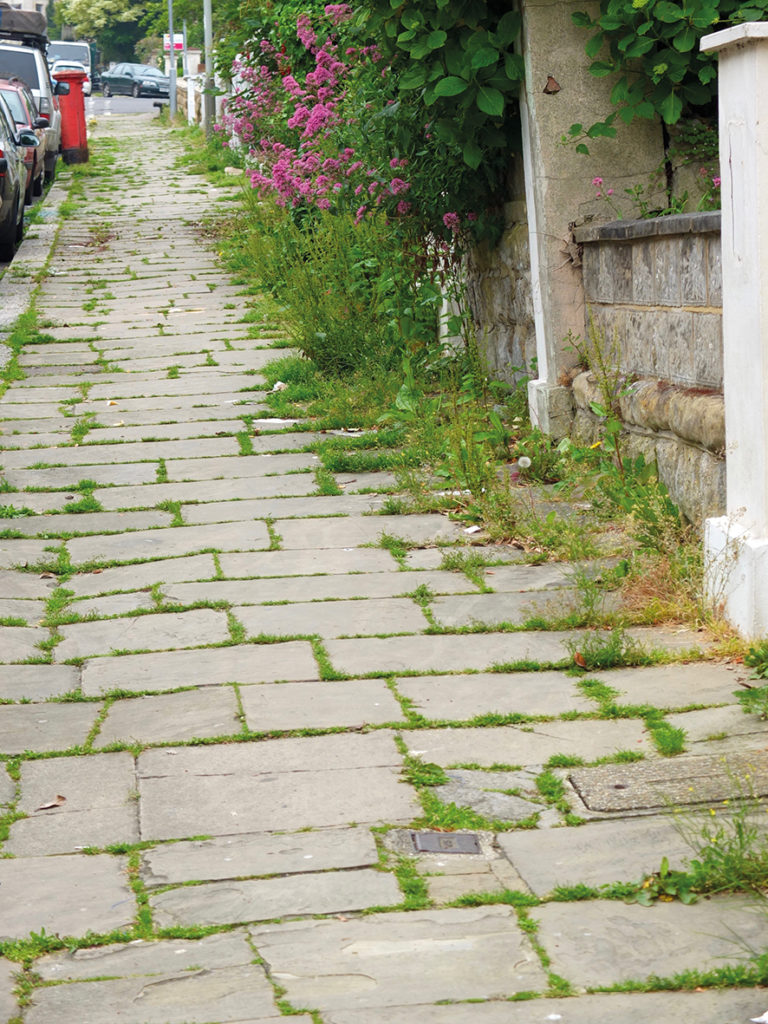
Bottom-of-the-Wall Flora revisited. This lockdown is starkly different for botanizing, because so little is in flower compared to the first lockdown last spring. Not to mention the darkness, which is always a bit of a damper on plant-hunting. 

Still, this is a really interesting time for urban plants because nearly everything is visible, just as juveniles rather than adults. What’s more, seedlings are extremely fresh and perky-looking at this time of year.

Learning seedlings opens up a whole new world of botanical fun. But Identifying them isn’t as hard as you might first think, because there's a good chance you'll remember what species are here from having seen them in flower during the first lock-down.
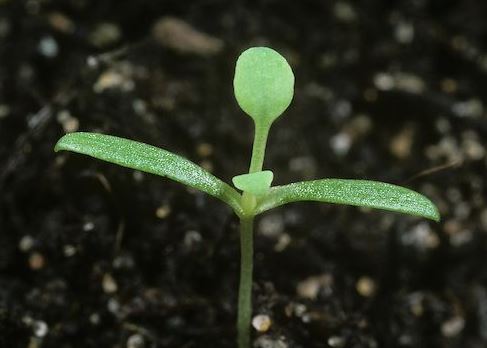
A bit of botany to begin with. You need to distinguish cotyledons and the first true leaves. Cotyledons are part of the embryonic plant inside the seed. Most pavement plants have epigeal cotyledons expanding after germination of the seed and typically becoming photosynthetic.
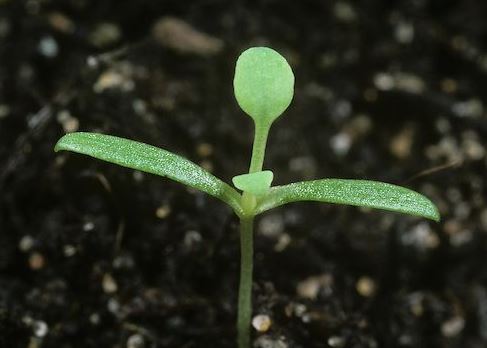
This is because epigeal germination is associated with small seeds and most pavement plants have small seeds. Hypogeal cotyledons remain below ground and don't become photosynthetic. Their seeds are typically much bigger (e.g. nuts and acorns)

Cotyledons are inserted lowest on the stem, usually distinctly different in shape and, unlike the first leaves, very rarely hairy. This seedling of Papaver rhoeas has sessile linear cotyledons but oval petiolate leaves.
Getting started. There are a few things to do. Use your x10 to see what kind of hairs are on the leaf (simple, glandular, branched, stellate, etc.). Use your imagination to figure out whether the older leaves will be lobed. Break off a leaf to look for exudates (e.g. latex).


As usual, we'll start with the easy ones. No species has more abundant or conspicuous seedlings in town at the moment that Cleavers (Galium aparine). Look for them wherever there were Nettles (Urtica dioica).

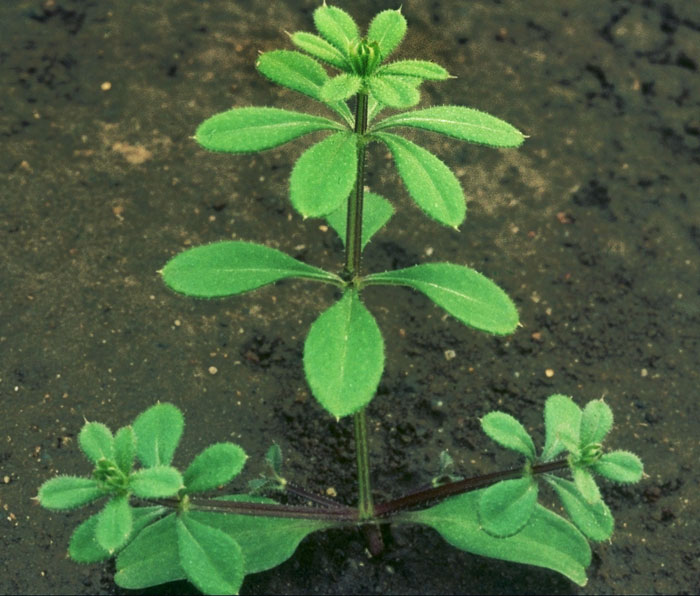
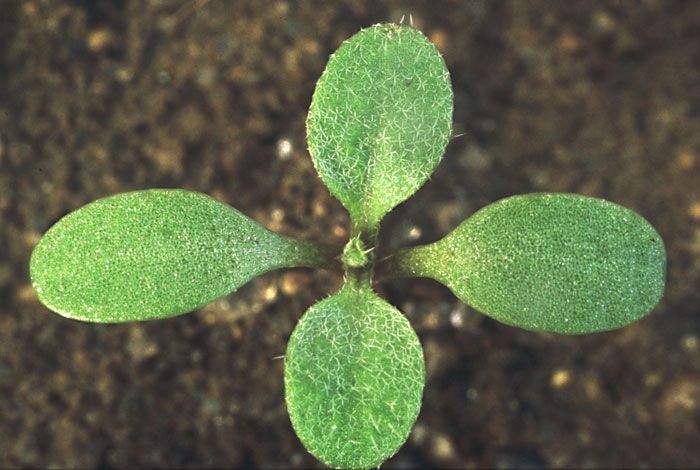
From one of the biggest seedlings to one of the smallest. This one has leaves like miniature tennis racquets, scattered, cactus-like, with branched hairs. It's Erophila verna (Whitlowgrass) and you'll find it in huge numbers on pavements and wall tops

The commonest grass you'll see is the ubiquitous Poa annua with its really obvious boat-shaped leaf tips even on the seedlings.

There are several crucifers in addition to Erophila. One of the easiest to identify is Capsella bursa-pastoris once the lobed leaves appear. But before that it can be tricky (left).

Much easier, and even more abundant, is Cardamine hirsuta (Hairy Bitter-cress). It is one of the few pinnate leaved seedlings on pavements at the moment.


The legend that is Arabidopsis thaliana is abundant as tiny rosettes at present. They are a bit less distinctive than the other crucifers until you get your eye in for them. The branched hairs are always a useful feature.


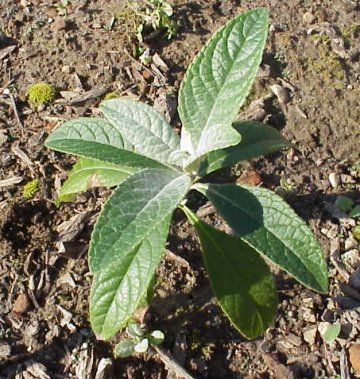
Of the woody plant seedlings, the one you are most likely to see on an urban pavement is certain to be Buddleja davidii. The silvery-blue colour is highly characteristic.
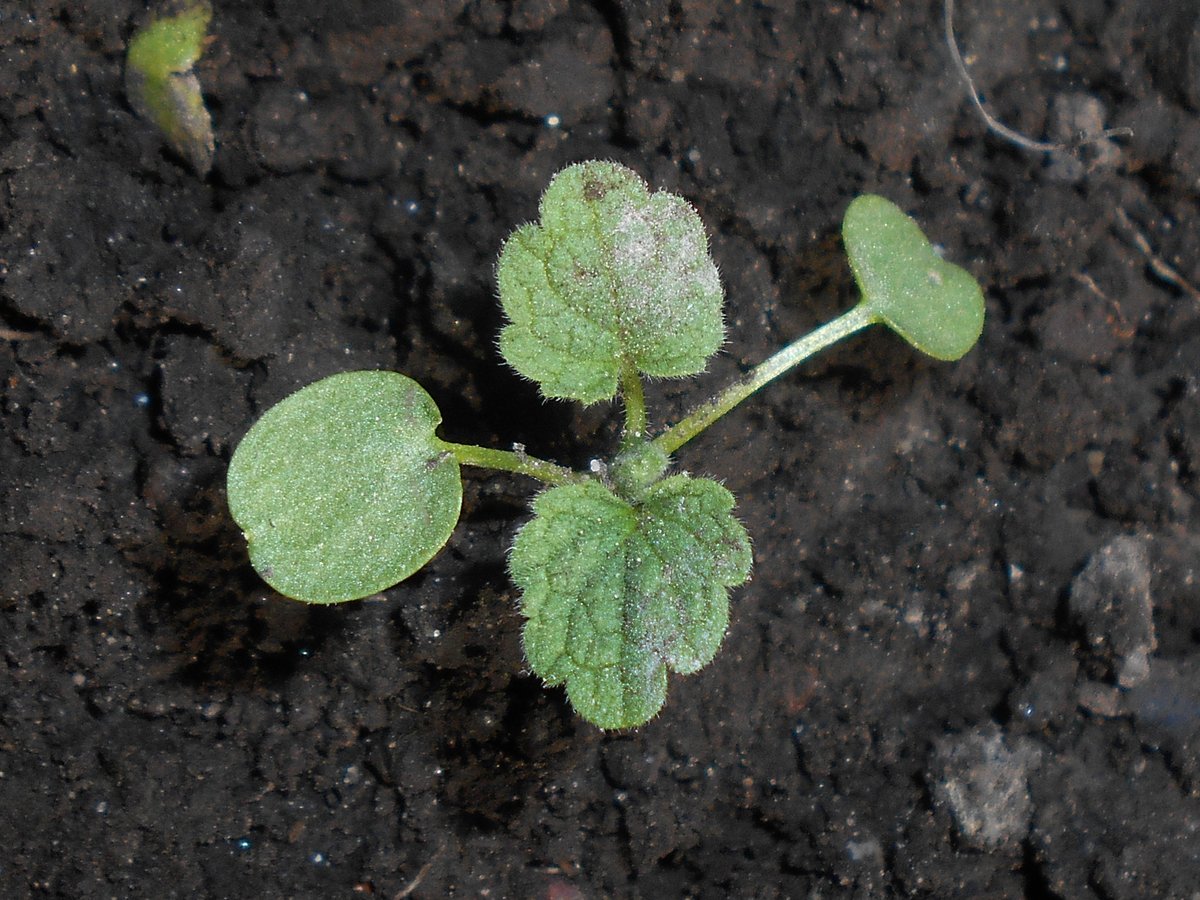
In the Lamiaceae, you are most likely to come across the seedlings of Lamium purpureum. Big, round cotyledons contrasting with hairy lobed leaves gives the best ID feature.
In the Asteraceae, the commonest seedling you'll find is Groundsel (Senecio vulgaris) with its highly distinctive wavy leaf margins.
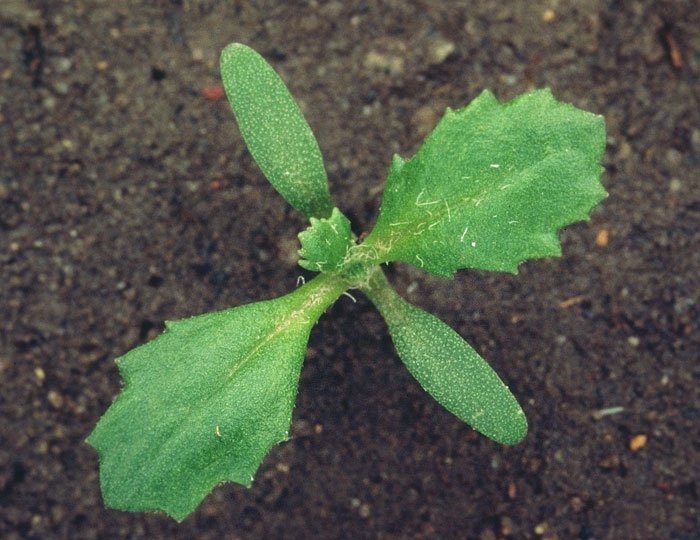
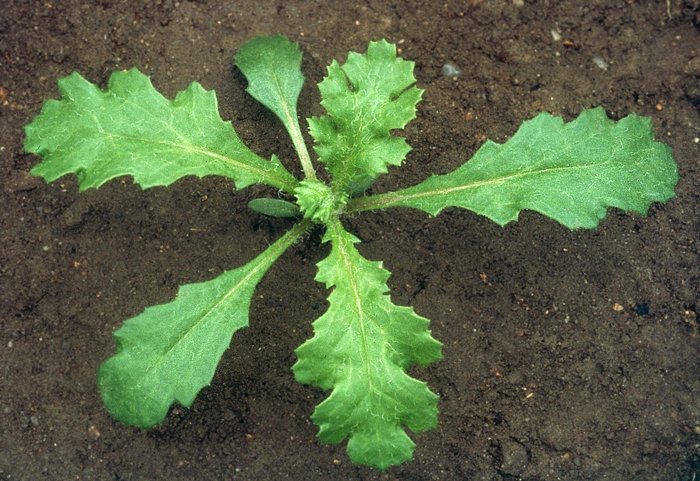
Very different to look at, but from the same family, is Lapsana communis (Nipplewort). Hairless oval cotyledons and lobed oval leaves with long hairs at right angles to the leaf edge are the key features.
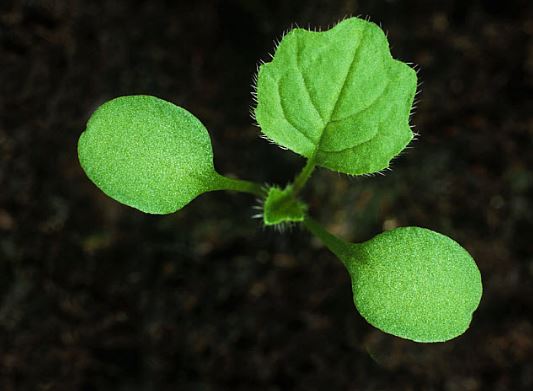
The trickiest of the common Asteraceae are the Conyzas (Erigeron spp.). These fleabanes both have marginal leaf hairs that are bent forwards (not spreading). E. sumatrensis (left) has slightly lobed leaves, but E. floribundus is more grass green & has lobes like breaking waves.

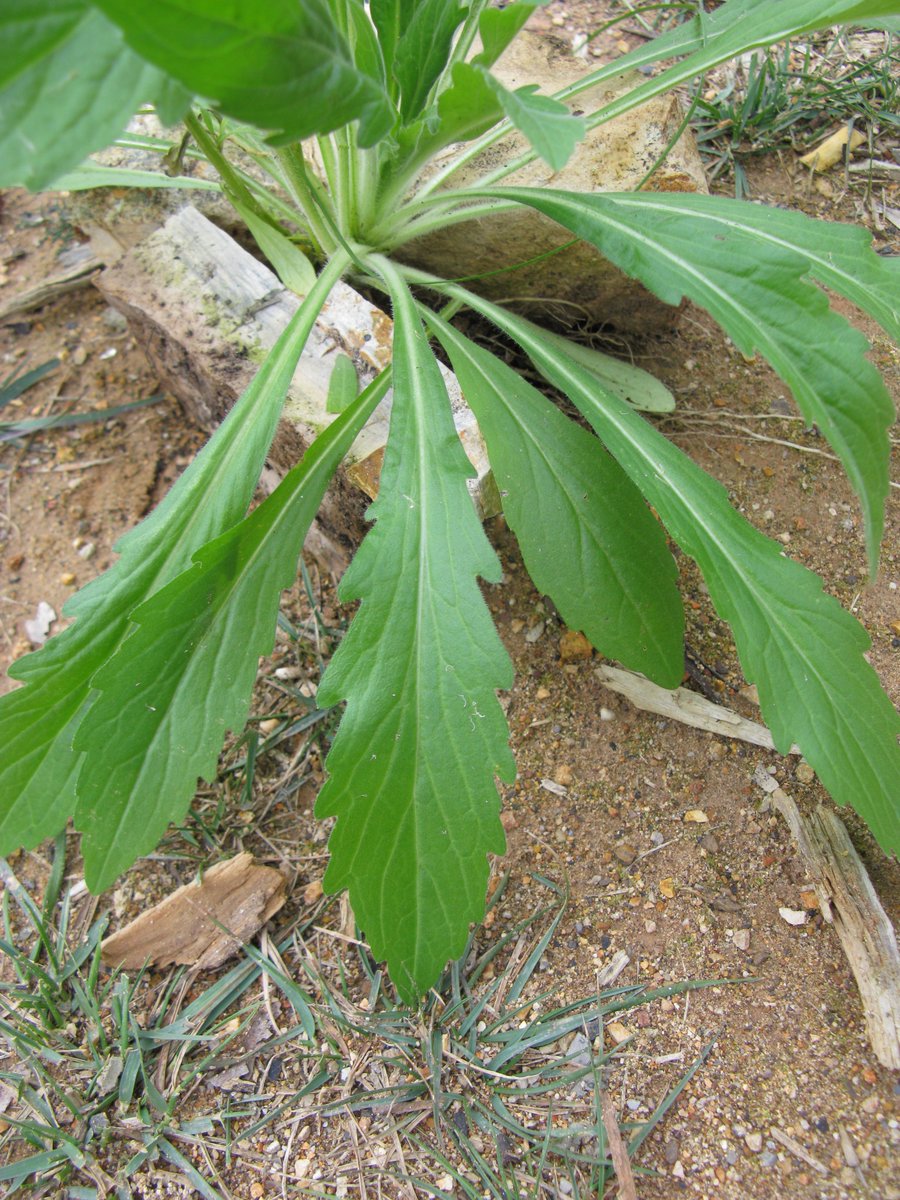
The Geraniums are conspicuous at the moment. Of the common ones, G. lucidum (this tweet) has shiny leaves that are round in outline.
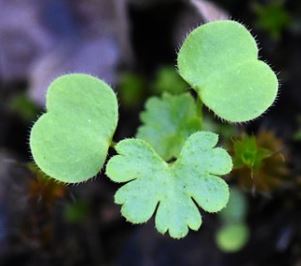

The other common Geranium seedling on pavements at the moment is Herb Robert (G. robertianum). It has leaves that are 2-times pinnate on older individuals (right). Note that in this case the cotyledons (unusually) are hairy.
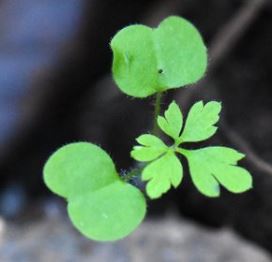

The Euphorbias will bleed white latex when you break their leaves. The commonest seedling on the pavement at present is E. peplus (Petty Spurge).
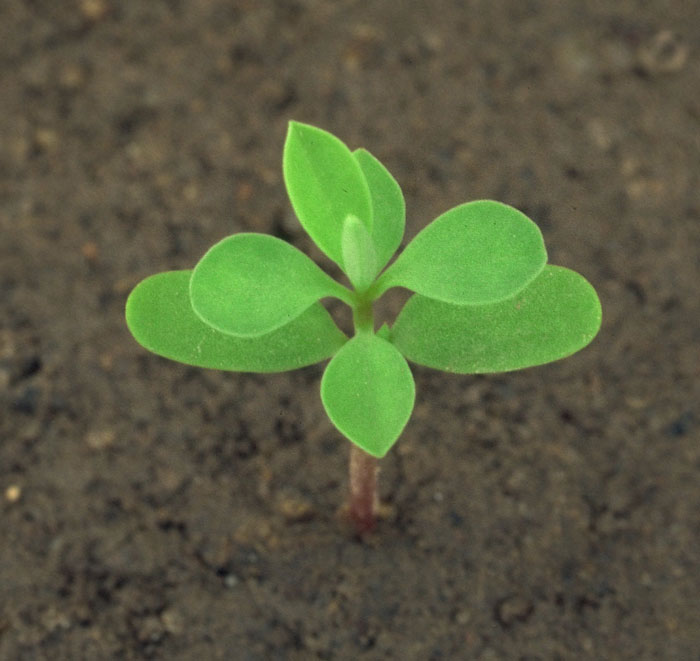

An important genus of pavement plants is Veronica (the Speedwells; Veronicaceae). The easiest one is V. hederifolia because the broad, lobed leaves are evident even on the seedlings.

The Veronica seedling that you are most likely to see on brick or concrete is V. arvensis which has bigger, more obvious hairs on the leaf surface than the last one.
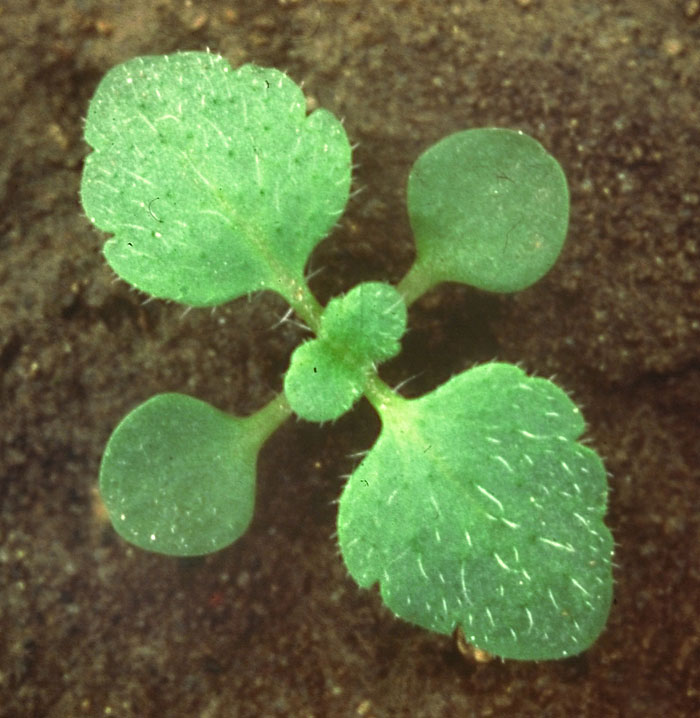
The Veronica seedling that you are most likely to see on disturbed soil is the abundant alien V. persica. The key feature here is the truncate base of the cotyledon.

Colour is not a good seedling character, but in the case of Oxalis corniculata it is an immediate give-away. The brownish, bronze leaves are highly distinctive. A minority of individuals are all-over green, and you wouldn't be able to identify these to species as seedlings.

On the wall itself, you will see seedlings as well as adult plants of two conspicuous species. The first is Yellow Fumitory Pseudofumaria lutea (Papaveraceae).

Much darker green and rounder are the seedling leaves of Ivy-leaved Toadflax (Cymbalaria muralis; Veronicaceae). The adult plant twists its fruit-stalks to insert the seeds into cracks in the wall. Very clever indeed.

We'll finish with three of the most abundant pavement plants you'll find throughout the winter. First, a latex-exuding Asteraceae: Sonchus oleraceus (Smooth Sowthistle).
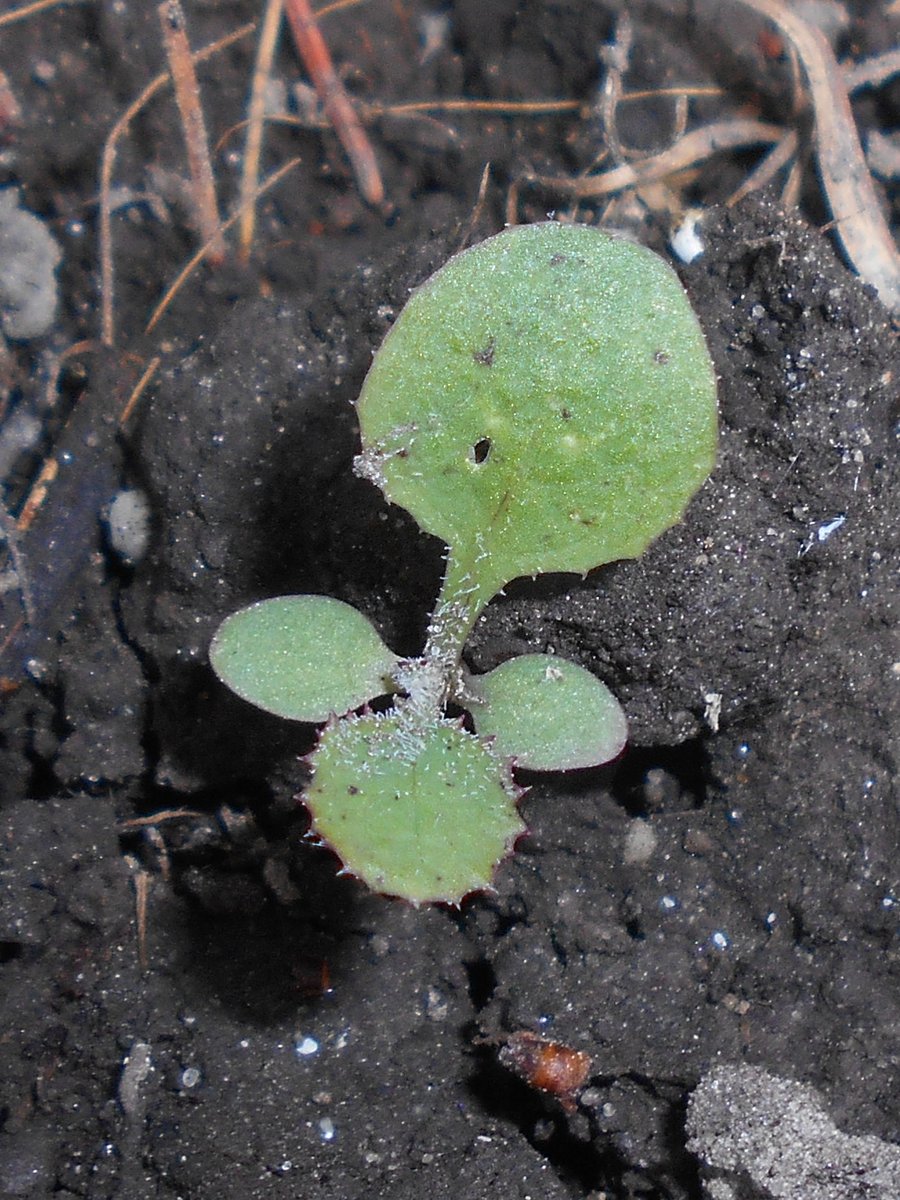
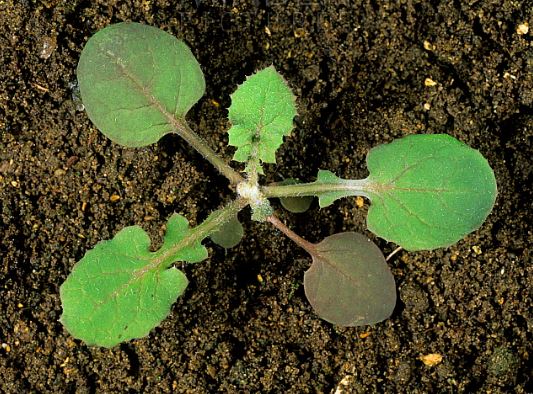
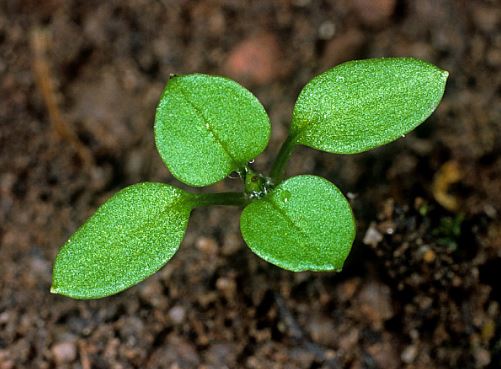
Next, the most lettuce-green of all the winter pavement weeds: Stellaria media (Caryophyllaceae) Chickweed. Notice the pronounced point at the tip of the leaf. This is known as a mucro, and the leaf is said to be mucronate.

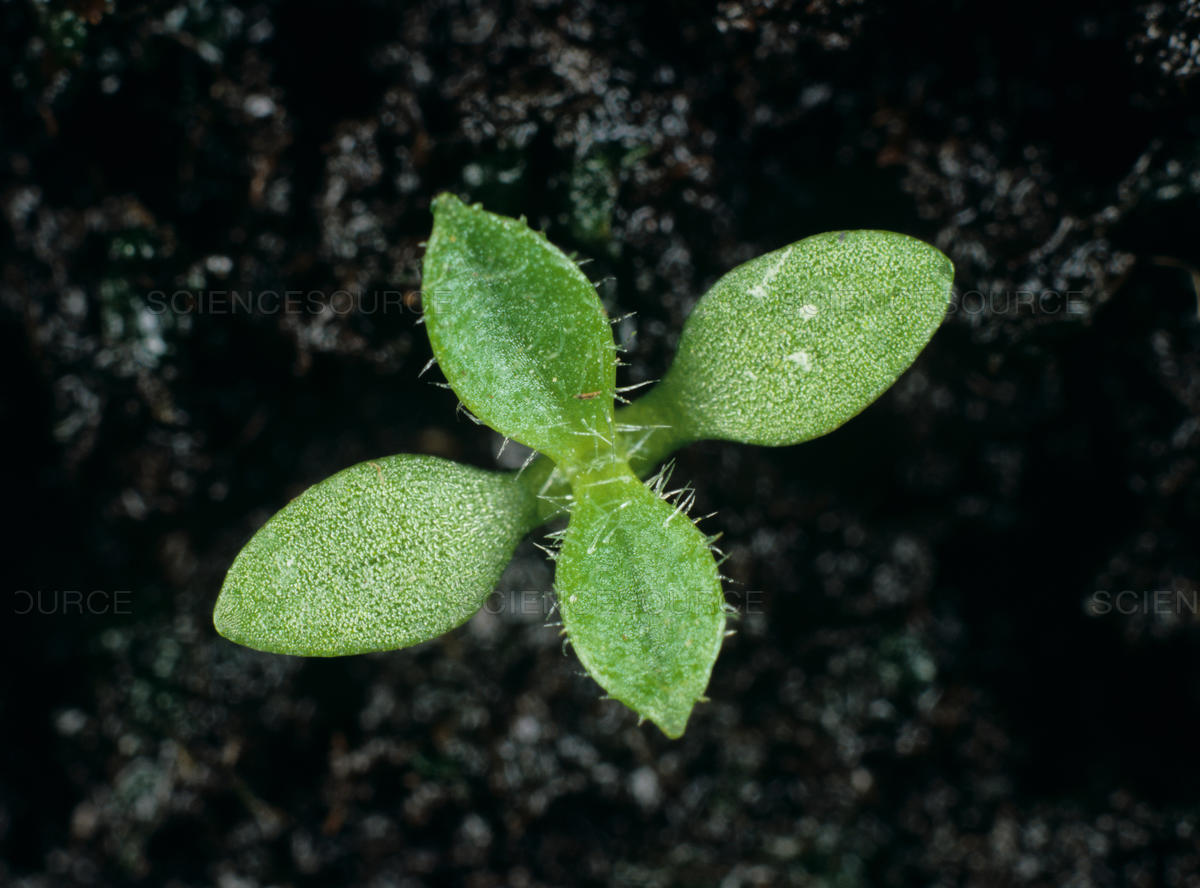
Finally, the hairiest of all the hairy winter seedlings. This is Cerastium glomeratum (Caryophyllaceae) and when you look at it with your x10 you will see that some of the abundant hairs have glandular tips. Hence the English name, Sticky Mouse-ear. Note the acute cotyledons.

• • •
Missing some Tweet in this thread? You can try to
force a refresh