This is an illustrated key to the families of Gymnosperms. These are woody plants, exclusively wind-pollinated, of very ancient origin, including many extinct families and genera. ImageImage
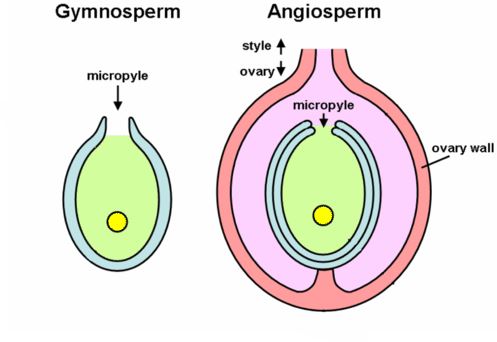
The key feature is that the ovules are naked (left) not enclosed inside an ovary as in the Angiosperms (right). The ovules, and subsequently the seeds, are typically borne on the face of a cone scale. The pollen enters the micropyle directly, not via a pollen tube down the style Image
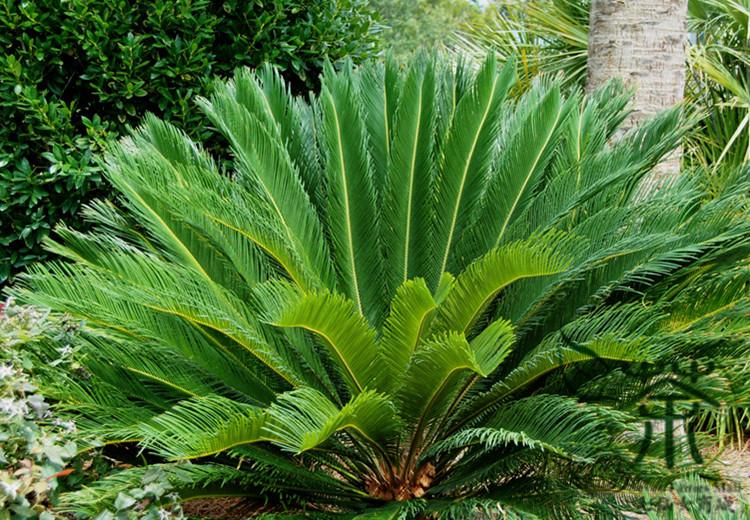
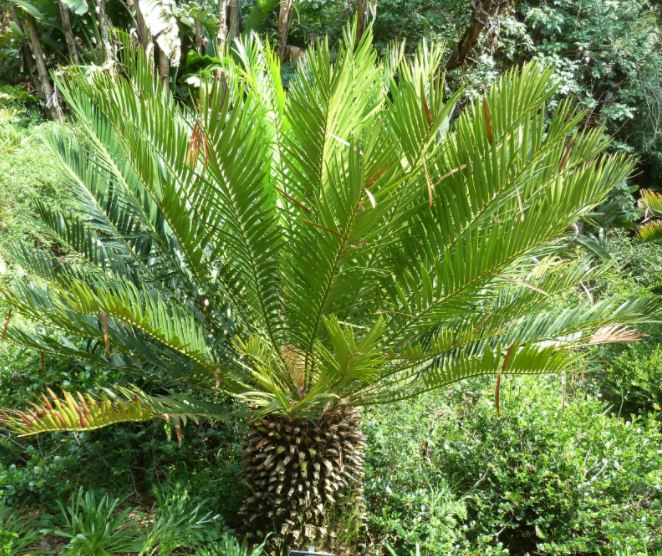
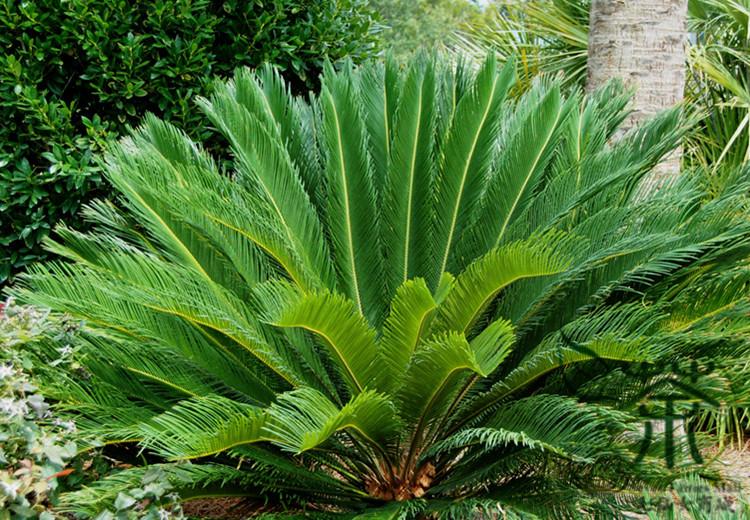
Palm-like or fern-like plants with a trunk less than 2m tall, composed of leaf bases supporting a rosette of large, compound leaves. These belong to the order Cycadales. Image
The order Cycadales comprises the families Cycadacea (e.g. the familiar Cycas revoluta; left), Zamiaceae (8 genera including Encephalartos; right) and Stangeriaceae (just Stangeria and Bowenia). Otherwise, next tweet. ImageImage
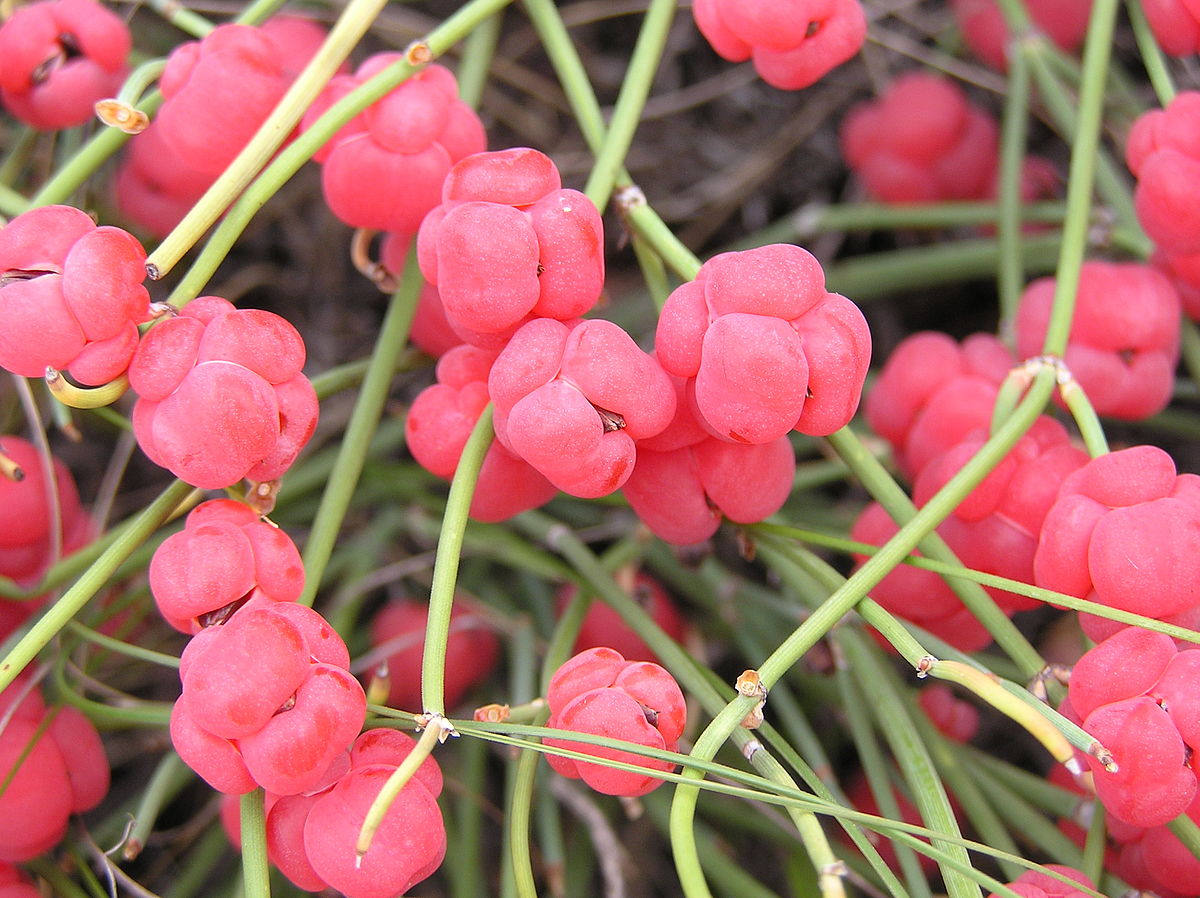
Small shrubs of a switch-like habit are the order Gnetales, which contains some famous plants including Welwitschia (left; Welwitschiaceae), and Ephedra (right; Ephedraceae). Otherwise, next tweet. ImageImage
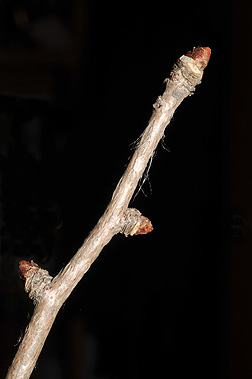
Leaves broad (>2cm), fan-shaped, with a long petiole, deciduous (left). This is Ginkgoaceae, represented by the common urban street tree Ginkgo biloba. The buds on the winter twigs are highly distinctive (right). ImageImage
Ginkgo trees are male (left) or female (right) i.e. dioecious. Males are typically grown because the fruits borne by females are unpleasantly smelly ("a nauseous stink" according to Stace). Plant not like this, next tweet. ImageImage
Leaves stalked but narrowly linear lanceolate (i.e. not broad) up to 20cm x 3cm, with seeds typically inside a fleshy aril are Podocarpaceae. There are 6 genera. The commonest species are illustrated in this and the next 2 tweets. Dacrydium (left), Lagarostrobos (right). ImageImage
Podocarpaceae genera II: Microcachrys (left), Phyllocladus (right) ImageImage
Podocarpaceae genera III: Podocarpus (left, now known as Prumnopitys andina), and Saxegothea (right). Plants not like this, next tweet. ImageImage
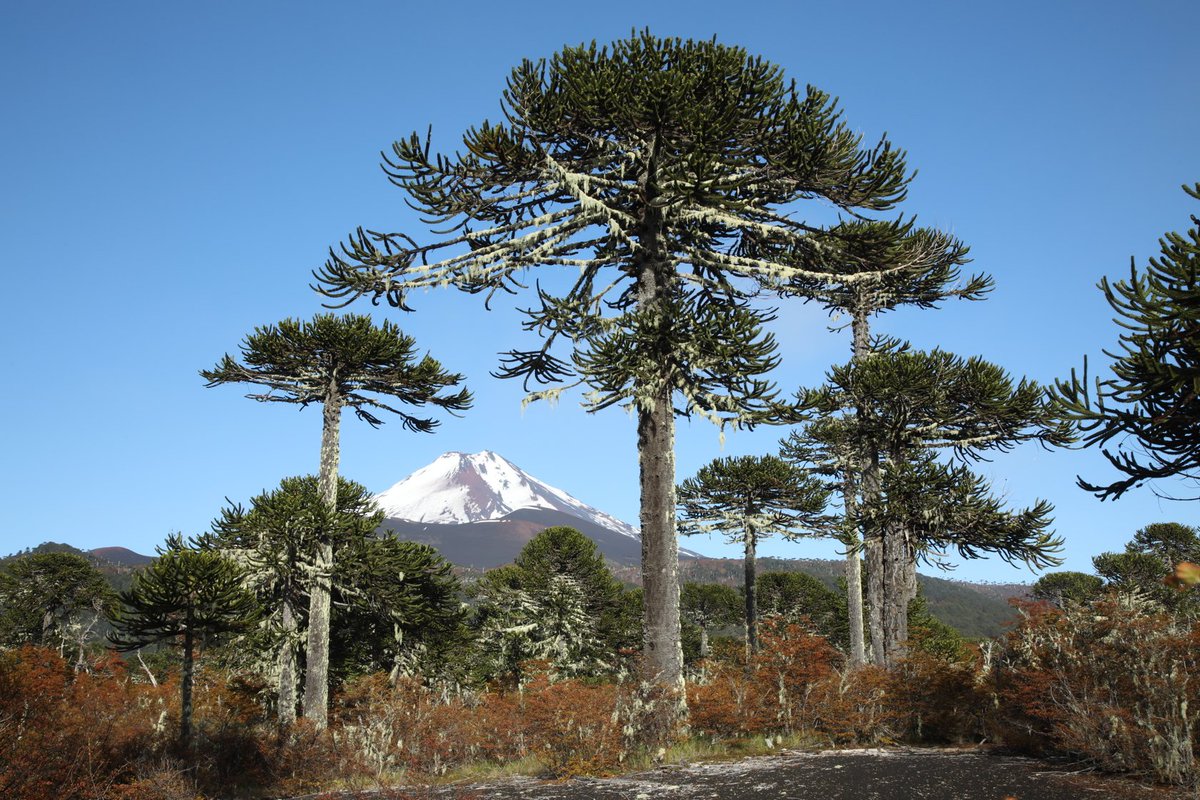
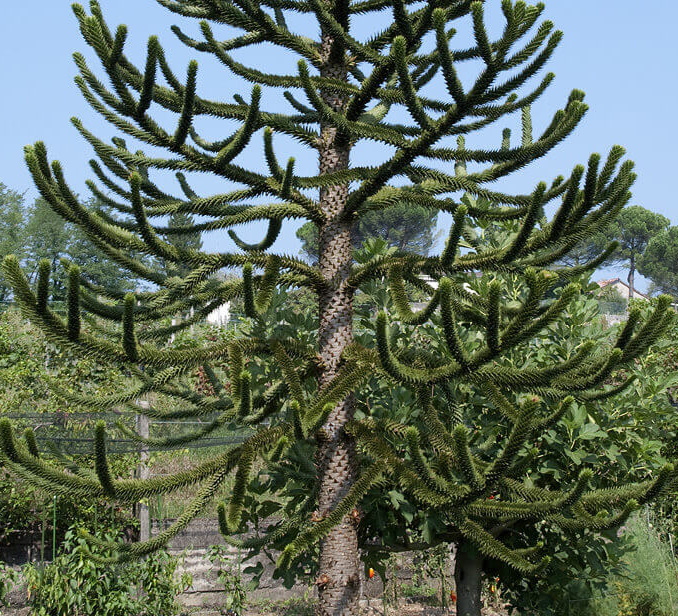
Leaves sessile, broad, many-veined and leathery, closely spiralling the stem, and buds lacking proper bud scales, are Araucariaceae. Image
The Monkey-puzzle Araucaria araucana (last tweet) is the only common tree outdoors in Britain, but the tree you remember from your Mediterranean holidays, A. heterophylla (right) survives the winter outside in London these days. Image
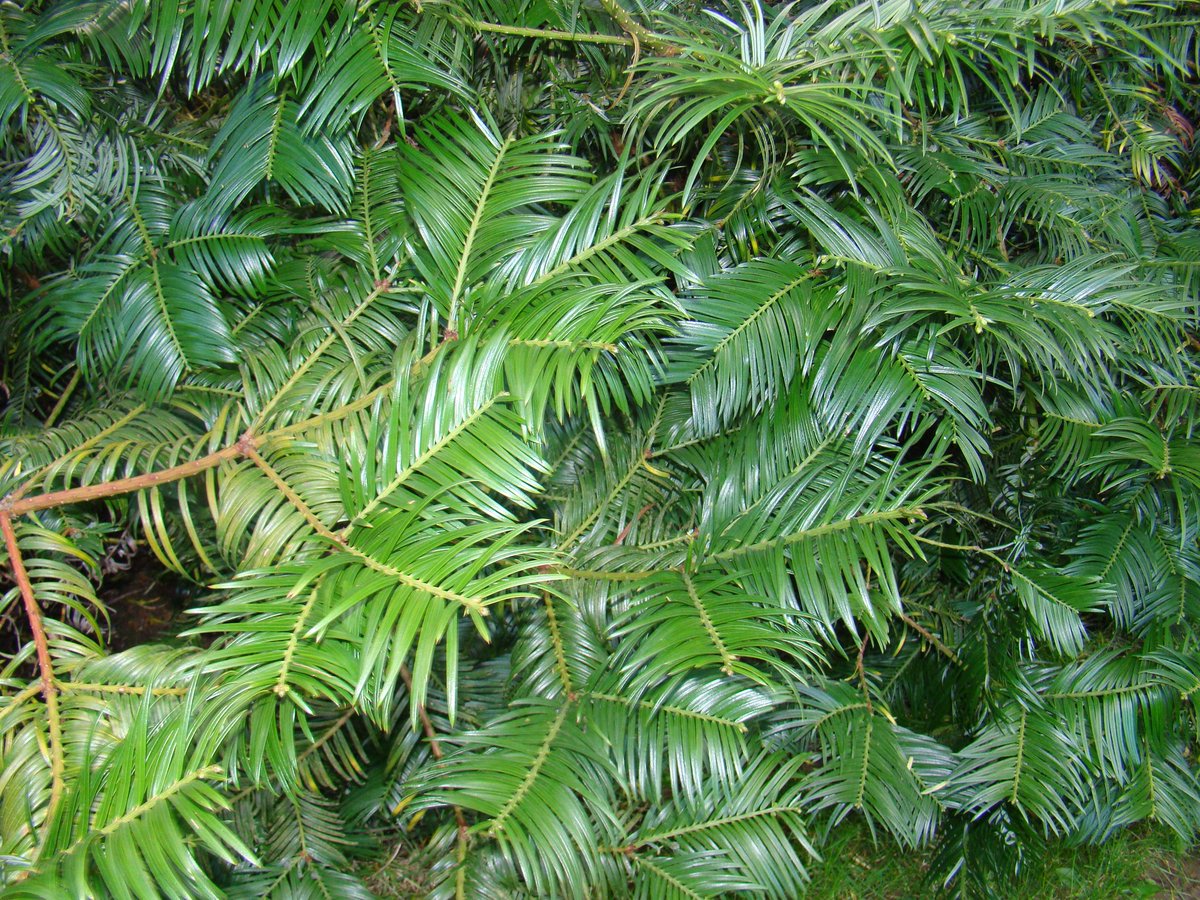
Shrubs with lanceolate leaves in 2 lateral ranks, tapering gradually to a sharp tip. This family is Cephalotaxacea. There are just two species, both in the genus Cephalotaxus: left is C. harringtonia (short leaves < 6cm); right is C. fortunei (longer leaves, up to 9cm). ImageImage
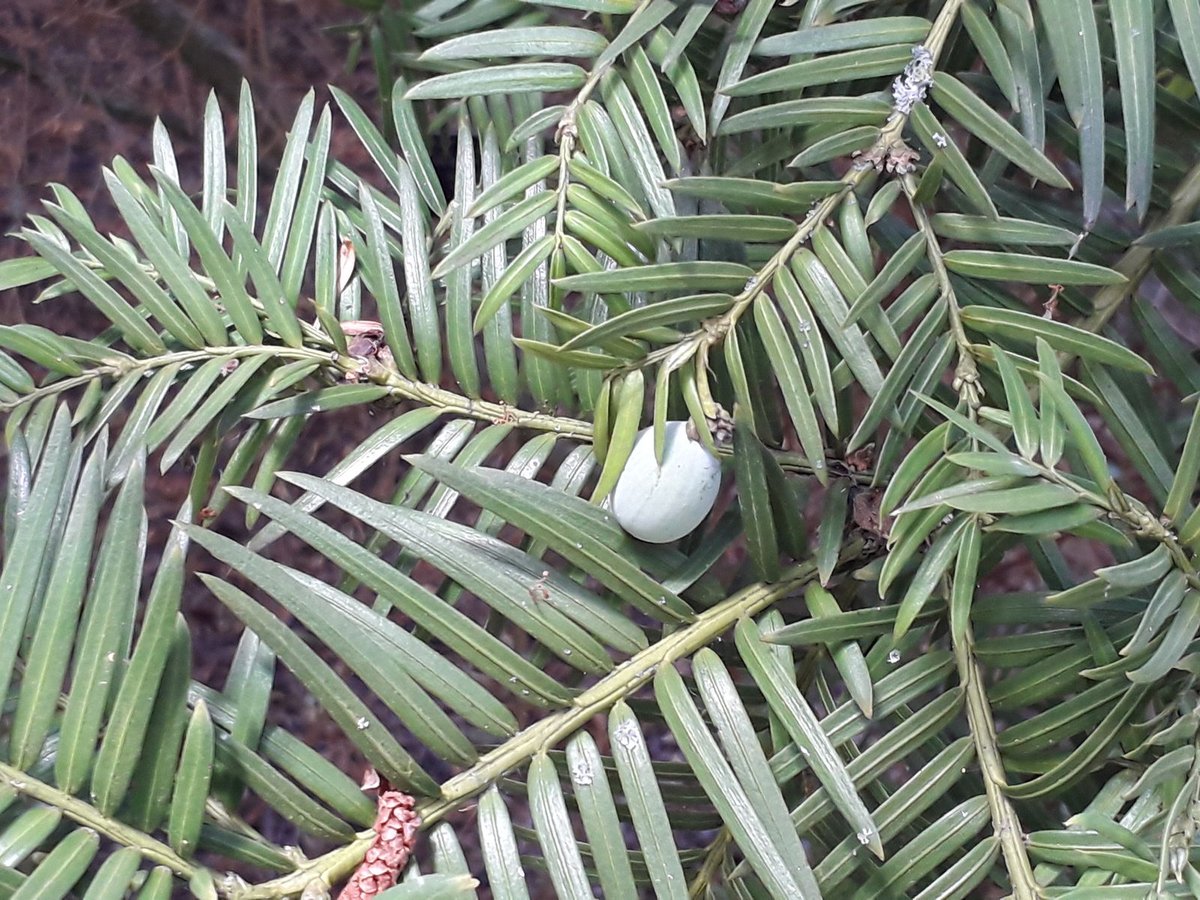
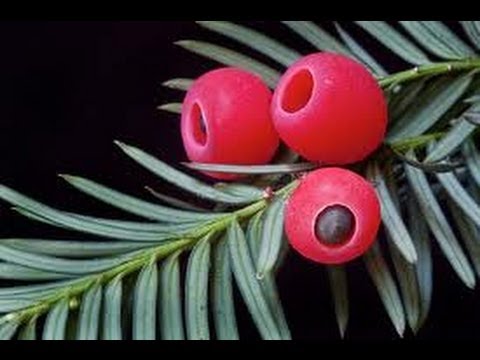
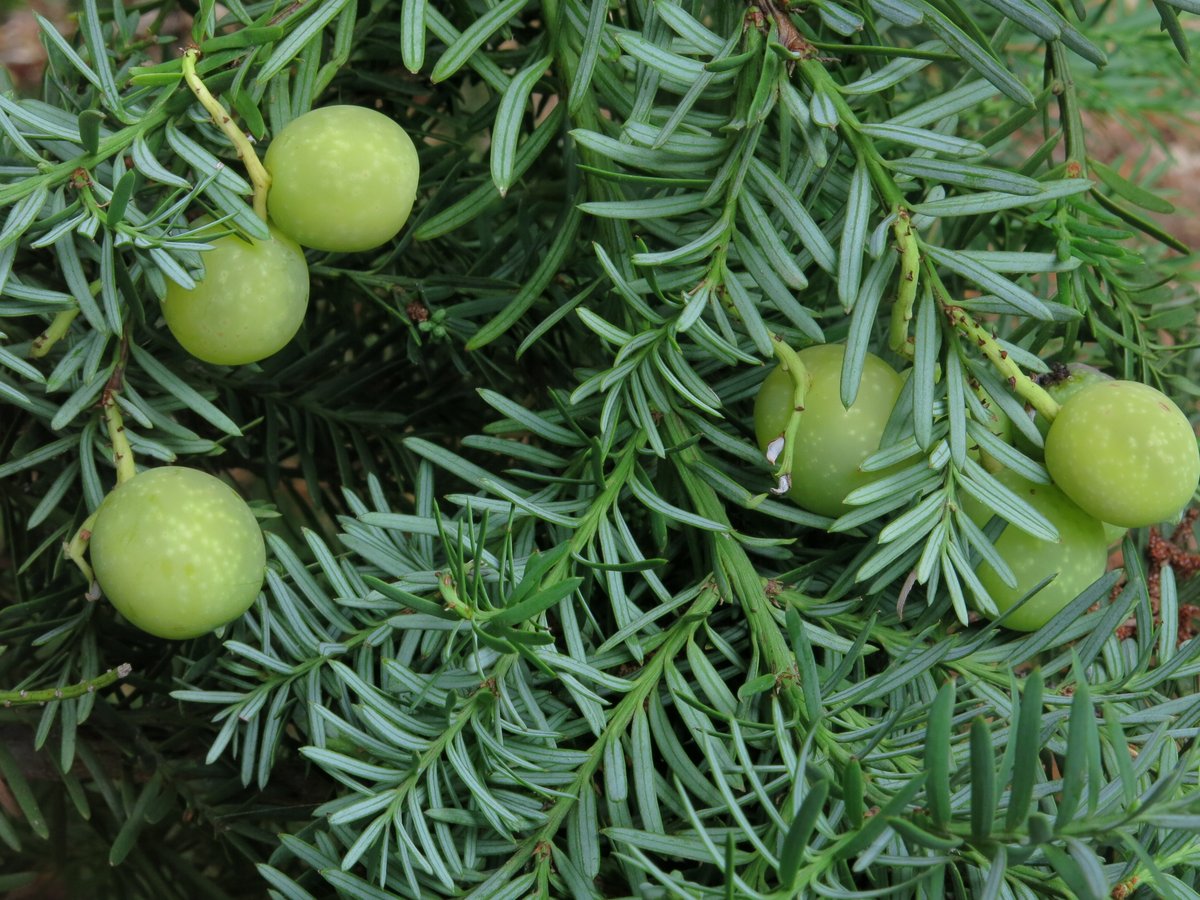
If your plant is a bit more Yew-like, and has parallel-sided leaves with rounded, obtuse tips, and buds with green bud-scales, then look for fruits. If you find solitary seeds more or less enclosed in a red fleshy aril (i.e. a bit berry-like) then your plant is Taxaceae. Image
Our native is Taxus baccata, of which there are dozens of cultivars to be seen on any urban walk ('Fastigiata Aurea'; left)' 'Fastigiata'; right). There are 4 other species and 2 hybrids grown in British gardens, all of which are rare and well worth seeking out. ImageImage
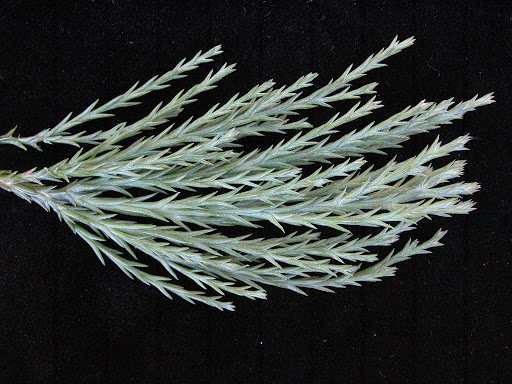
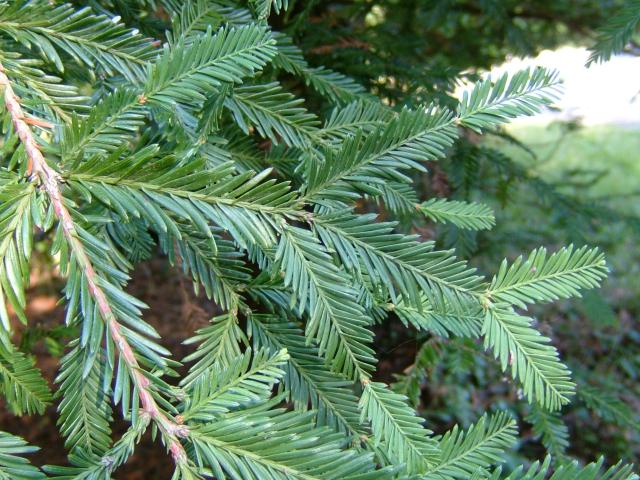
Finally, we come to the big two Gymnosperm families: Pinaceae and Cupressaceae. The Pinaceae have needles for leaves, either singly or in bundles. There are two sorts of Cupressaceae: redwoods (formerly Taxodiaceae) with awl-shaped leaves and cypresses with scale-like leaves. ImageImage
These groups will get close attention both when we look at how to tell the genera apart (next thread), and then even more detail when we look at keys to the species within each of the genera. For now, just enjoy the families. ImageImage

• • •

Missing some Tweet in this thread? You can try to force a refresh
 

Keep Current with Mick Crawley

Mick Crawley Profile picture

Stay in touch and get notified when new unrolls are available from this author!

Read all threads

This Thread may be Removed Anytime!

PDF

Twitter may remove this content at anytime! Save it as PDF for later use!

Try unrolling a thread yourself!

how to unroll video
  1. Follow @ThreadReaderApp to mention us!

  2. From a Twitter thread mention us with a keyword "unroll"
@threadreaderapp unroll

Practice here first or read more on our help page!

More from @crawley_mick

6 Dec
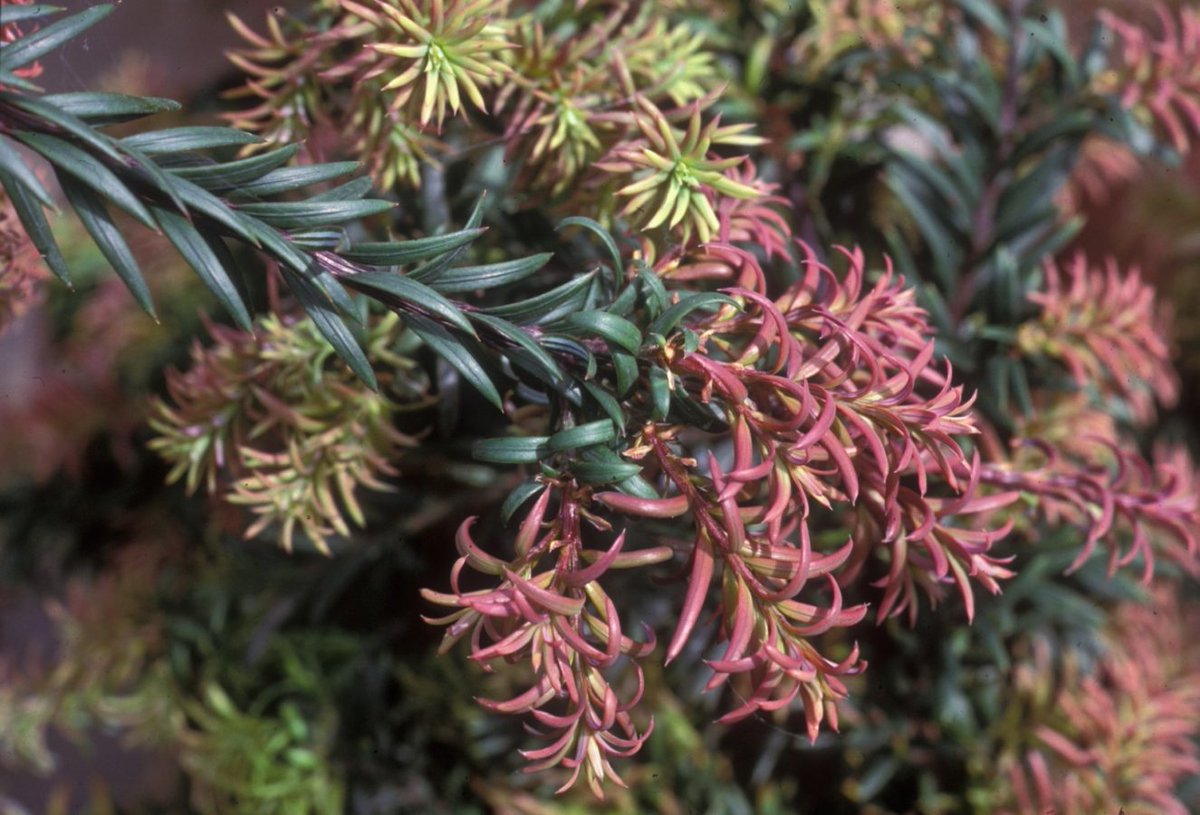
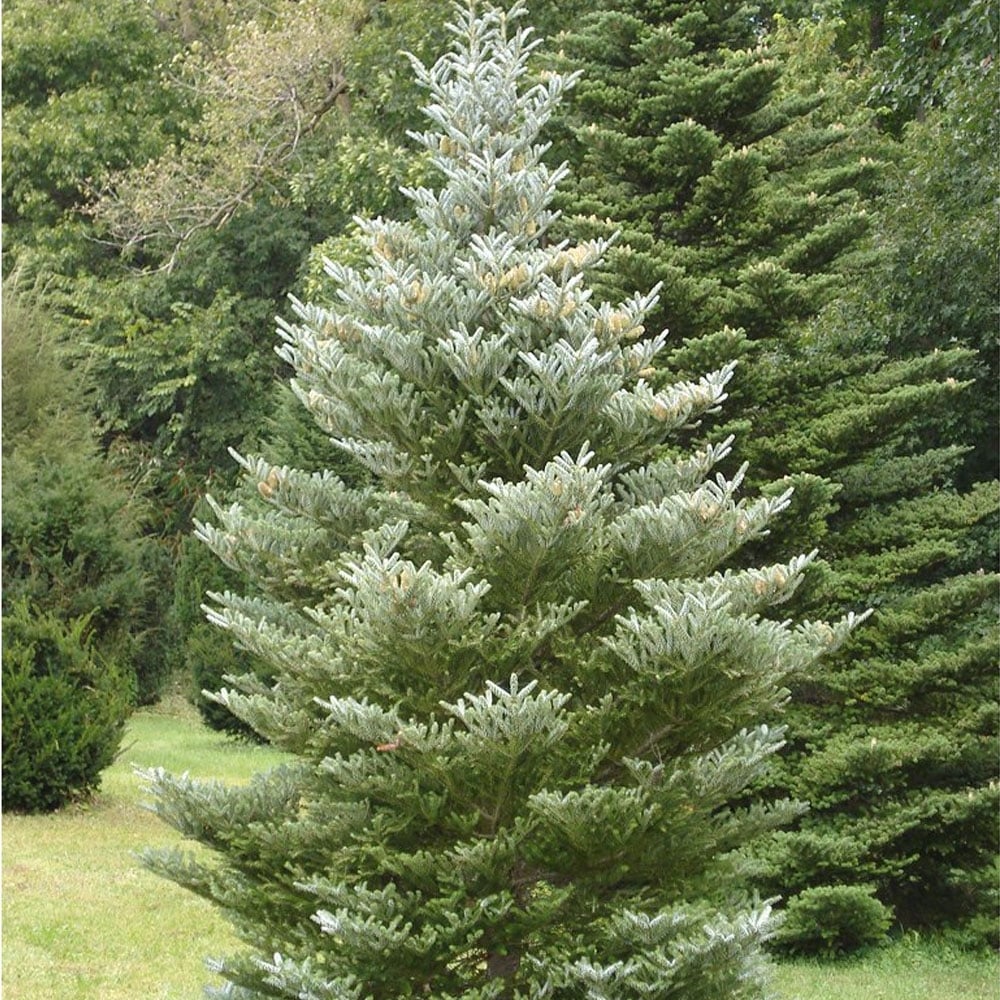
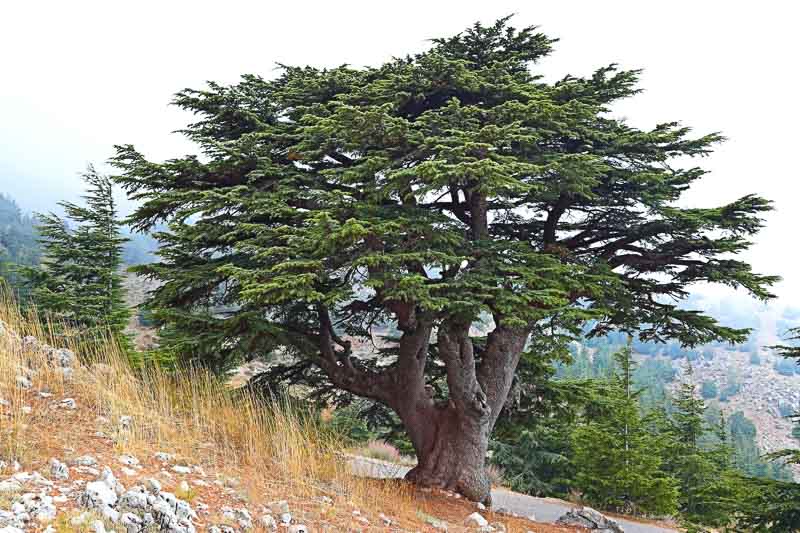
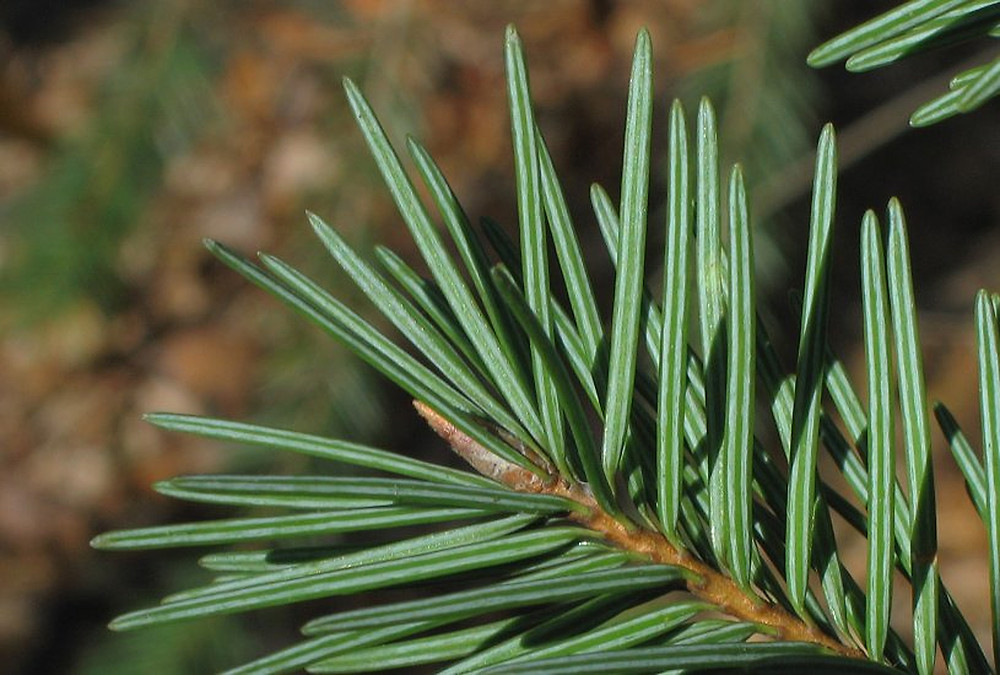
This is an illustrated key to the genera of the Gymnosperm family Pinaceae. This is the biggest and in many ways the most important of the conifer families, and contains many of the really familiar kinds: pines, spruces, firs, larches, cedars and so forth. ImageImageImage
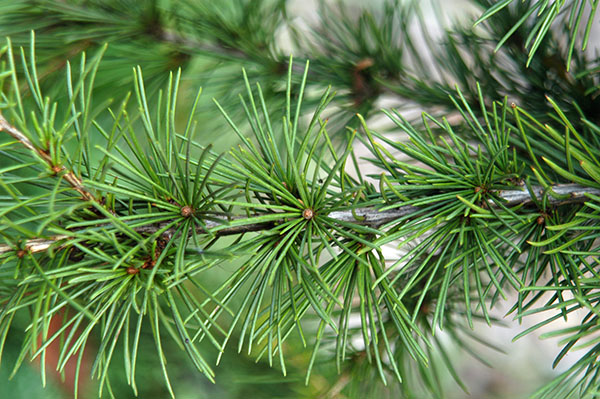
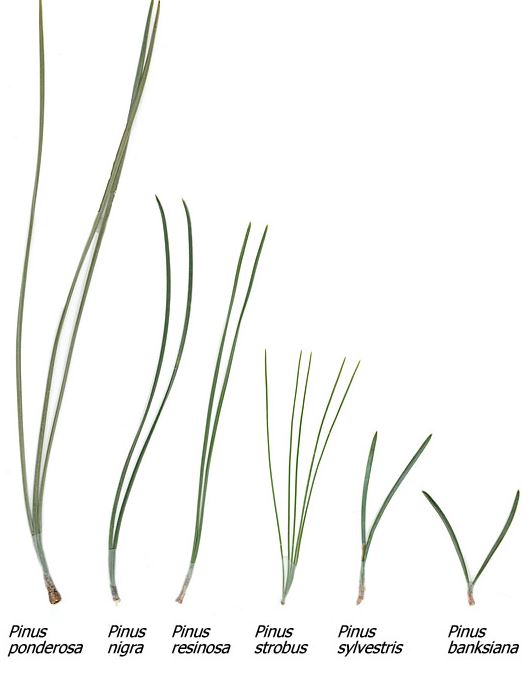
The big groups within Pinaceae have needles in bundles (Pinus, Larix, Cedrus, Pseudolarix; left) or needles solitary (Picea, Abies, Pseudotsuga, Tsuga; right). You need to look closely enough to make absolutely sure that you have got this distinction right. Bundle or solitary ? ImageImage
We’ll cover the needles in bundles first. If there are 5 or fewer needles per bundle, you have Pinus (illustrated). If more than this, then something else. Technically, the bundle is called a fascicle in Pinus, and is the membranous sheath at the base of these needle-groups. Image
Read 17 tweets
5 Dec
This is an illustrated key to the genera of Gymnosperms. We have already covered several of them in the key to the families: Taxus (TL), Cephalotaxus (TR), Ginkgo (BL) and Araucaria (BR) with the various podocarps, cycads and gnetales, so we don’t need to do any more with these. ImageImageImageImage
That just leaves 2 families to deal with. But what a pair of families they are: Pinaceae and Cupressaceae. The first thing to appreciate is just how variable the different genera within these families are from one another: here for instance, is Sequoiadendron (L) and Sequoia (R) ImageImage
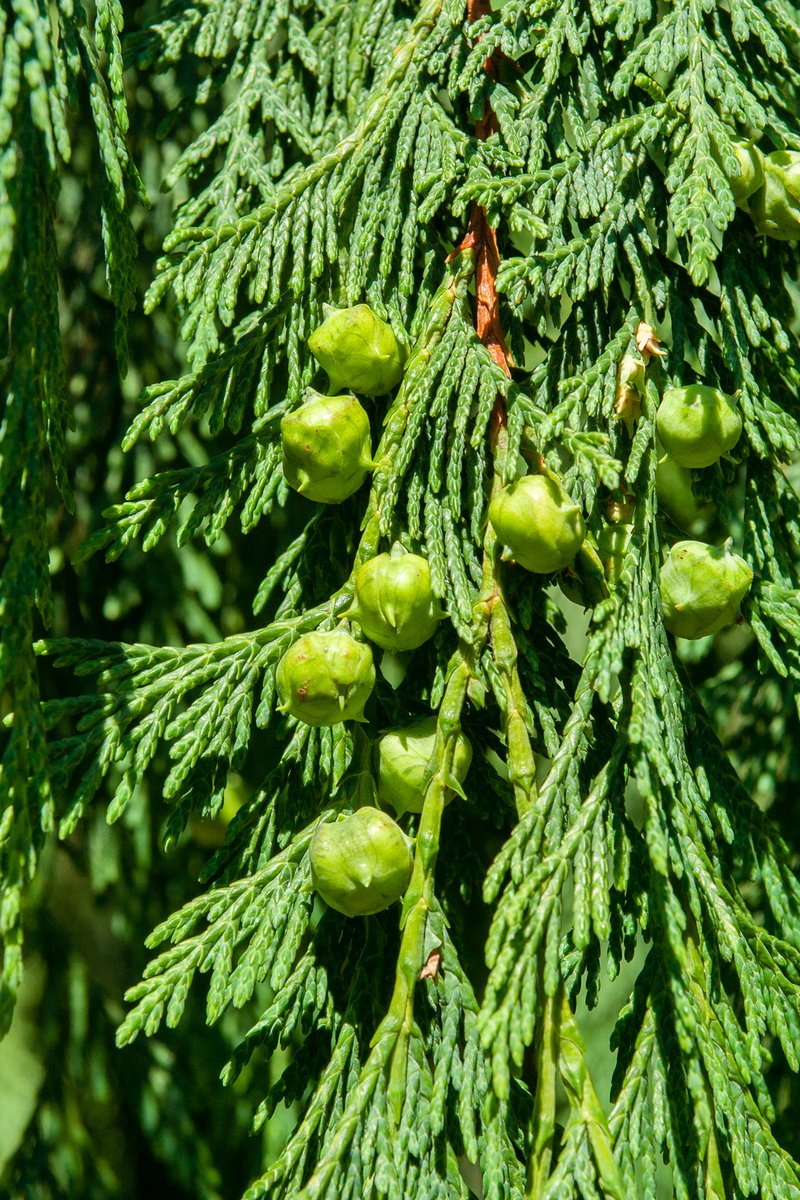
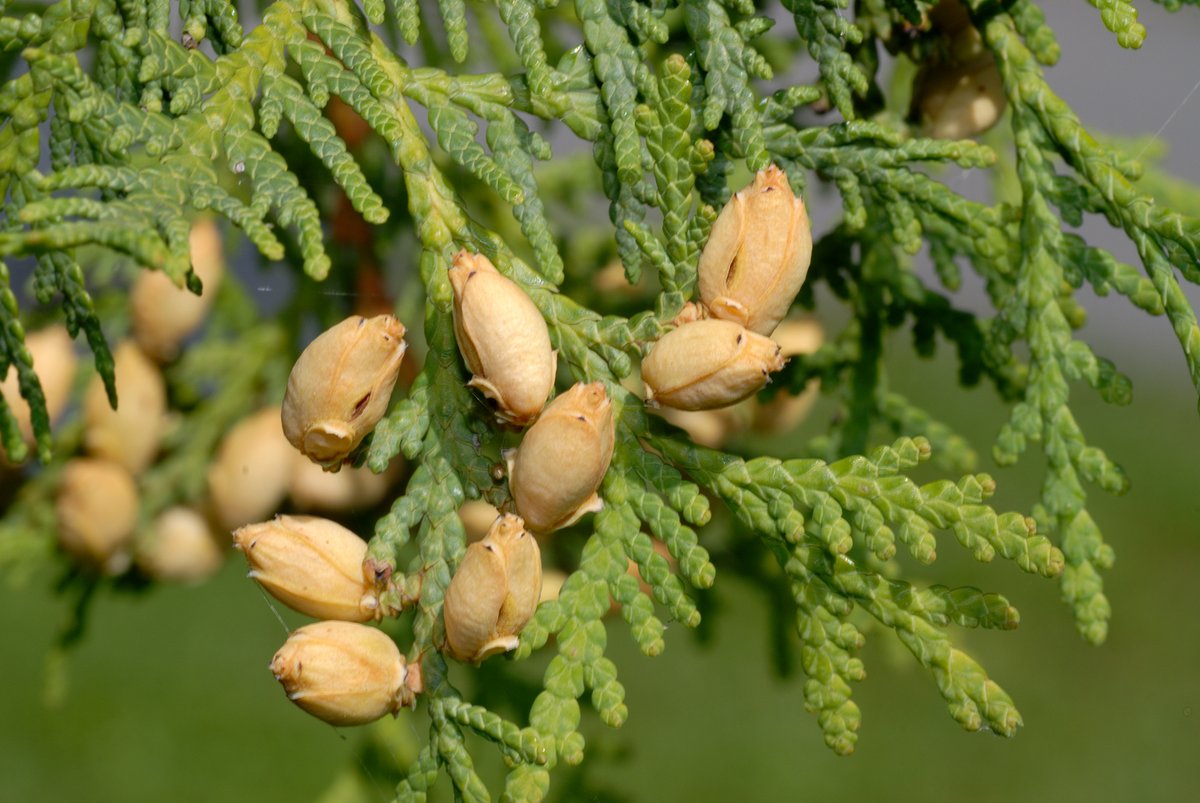
Again, still within Cupressaceae, here are the contrasting cones of Nootka Cypress (left, essentially spherical) and Eastern White-cedar (right; more cylindrical). ImageImage
Read 32 tweets
14 Nov
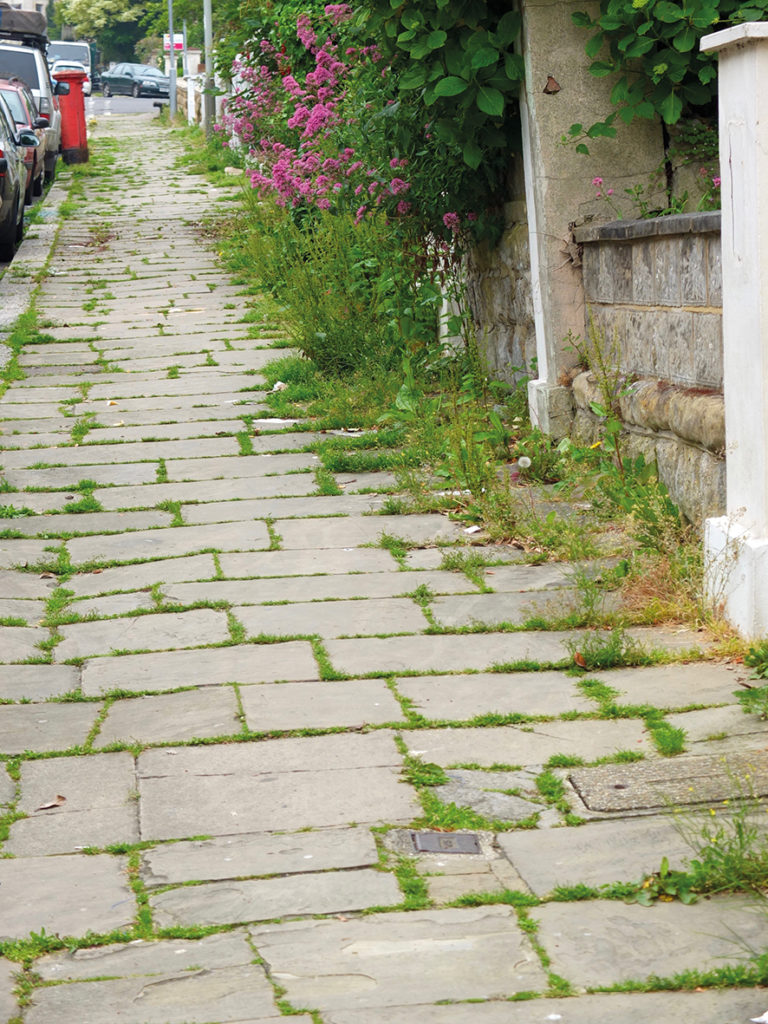
Bottom-of-the-Wall Flora revisited. This lockdown is starkly different for botanizing, because so little is in flower compared to the first lockdown last spring. Not to mention the darkness, which is always a bit of a damper on plant-hunting.
Still, this is a really interesting time for urban plants because nearly everything is visible, just as juveniles rather than adults. What’s more, seedlings are extremely fresh and perky-looking at this time of year.
Learning seedlings opens up a whole new world of botanical fun. But Identifying them isn’t as hard as you might first think, because there's a good chance you'll remember what species are here from having seen them in flower during the first lock-down.
Read 30 tweets
21 Sep
Let’s start with Chenopodium by doing the easy ones first. These can be identified without any real risk of error by jizz alone. I’ll ignore the definitions of the 5 new genera for the time being. ImageImage
Easiest of all is Strawberry-blite (Chenopodium capitatum) with its succulent, bright red tepals. This is by far the rarest of all the distinctive species. Image
Talking about colourful, the ornamental Quinoa are pretty unmistakable (Chenopodium quinoa). Green plants of this species, however, and much more tricky and certainly can’t be done by jizz. Image
Read 37 tweets
20 Sep
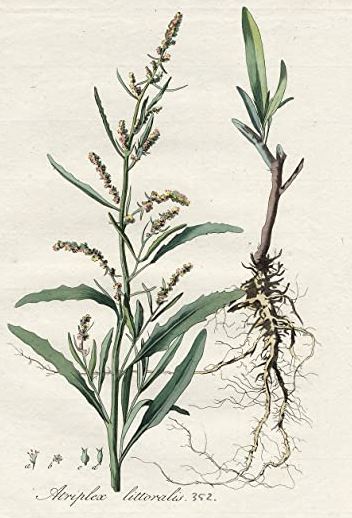
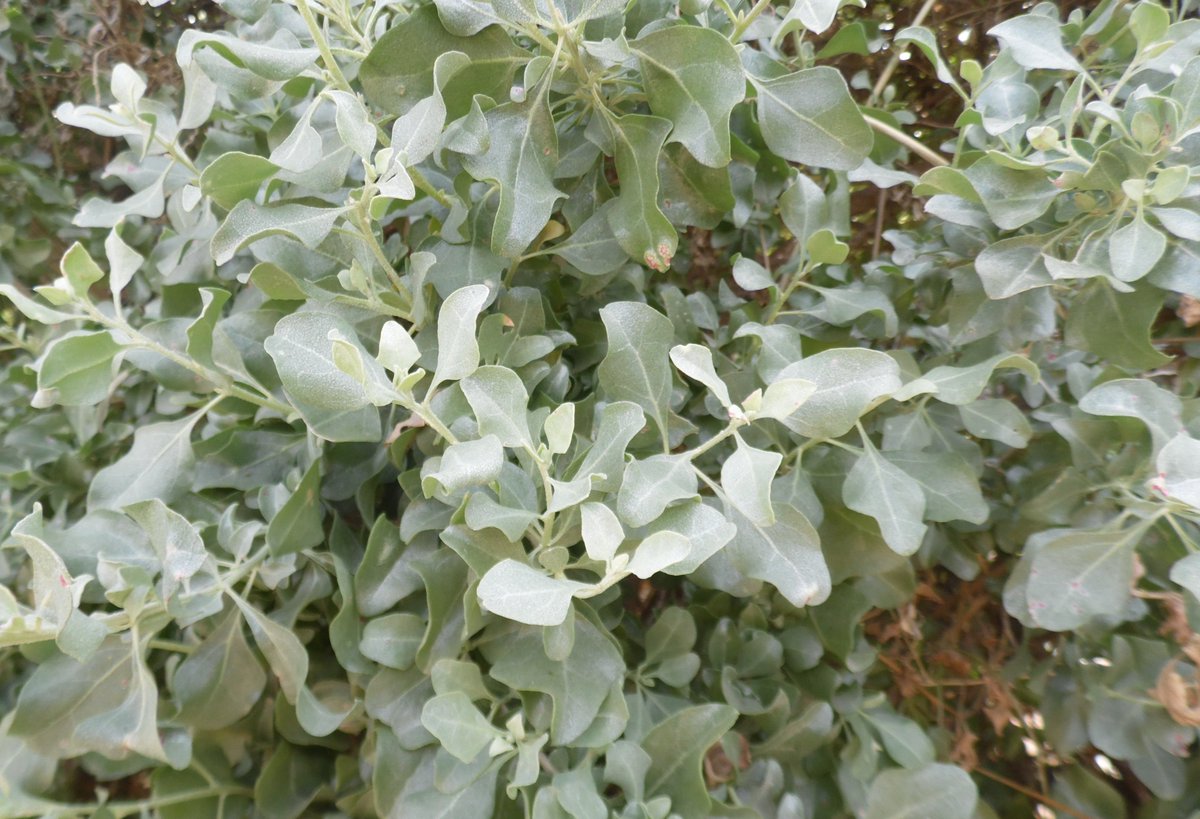
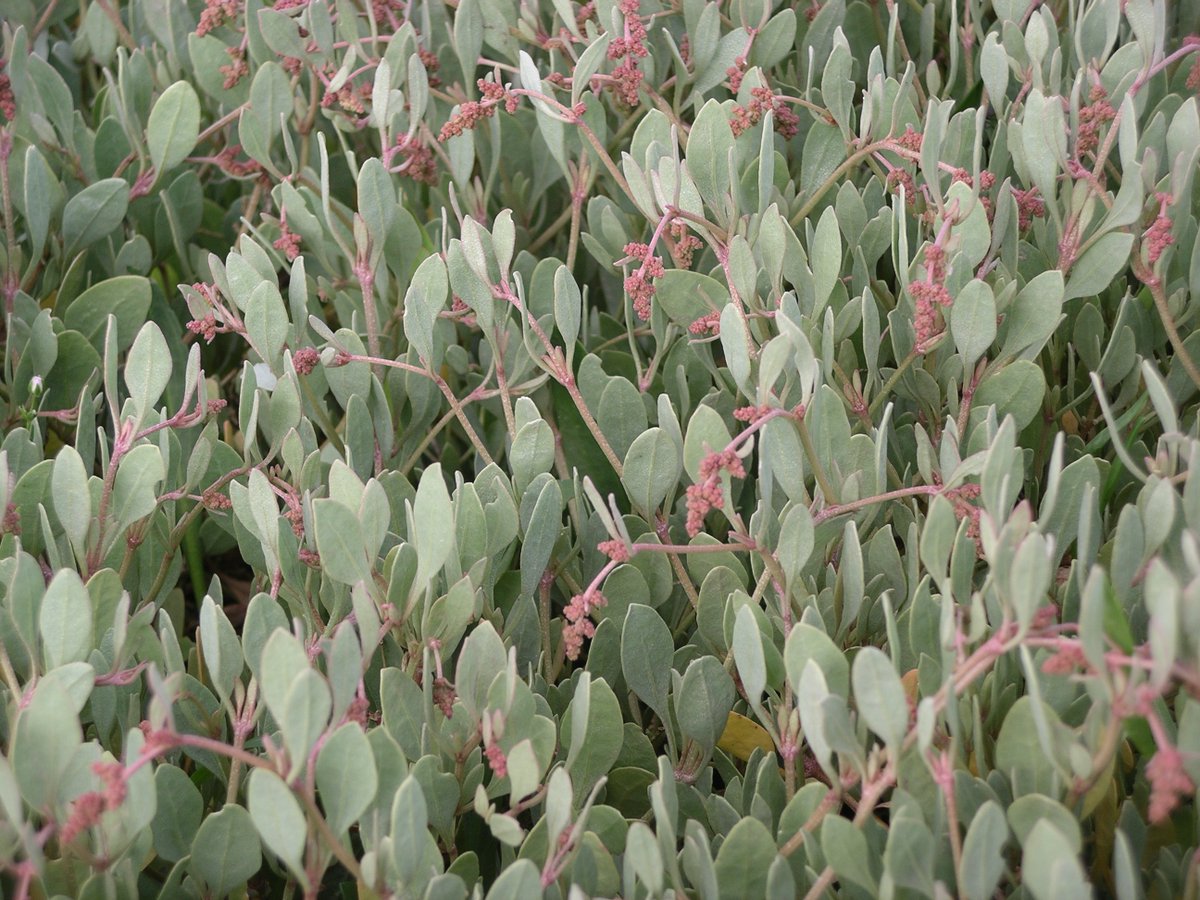
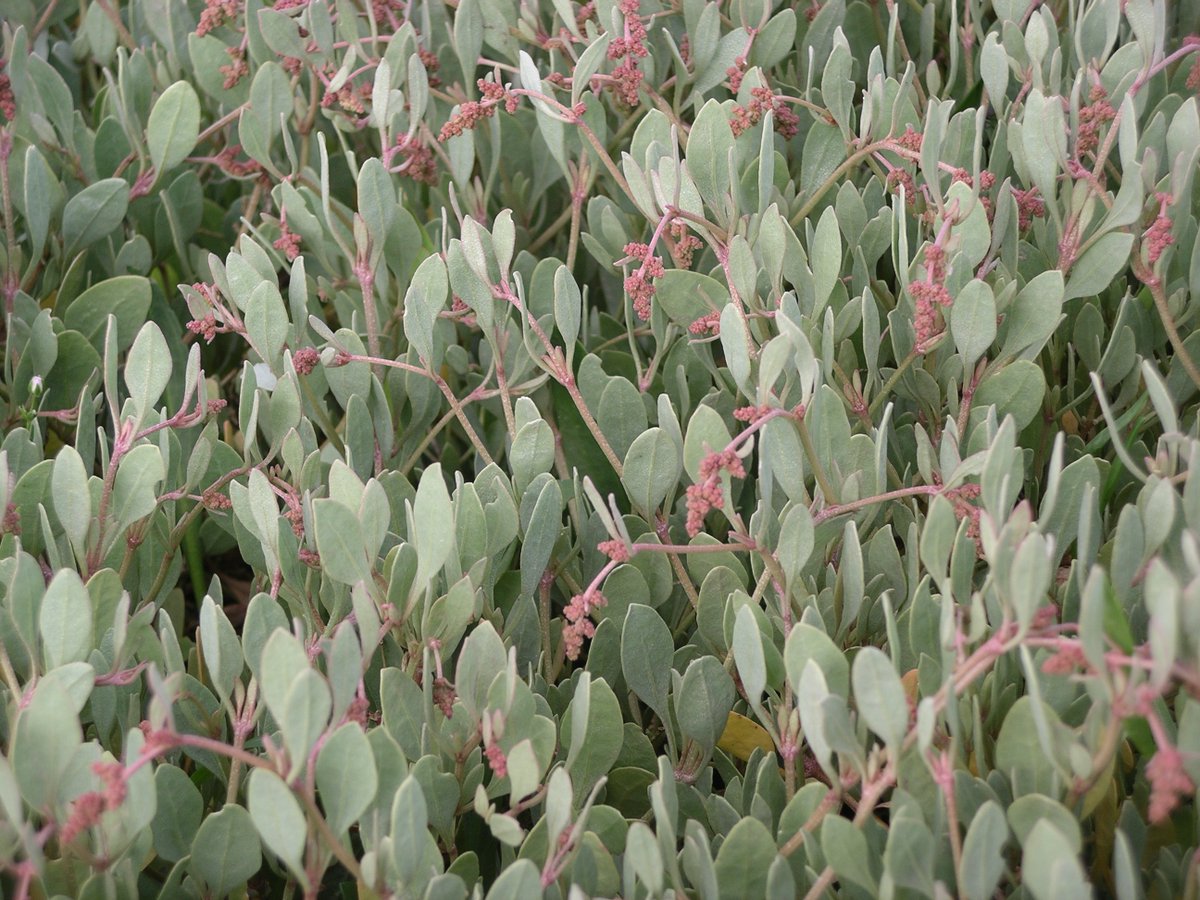
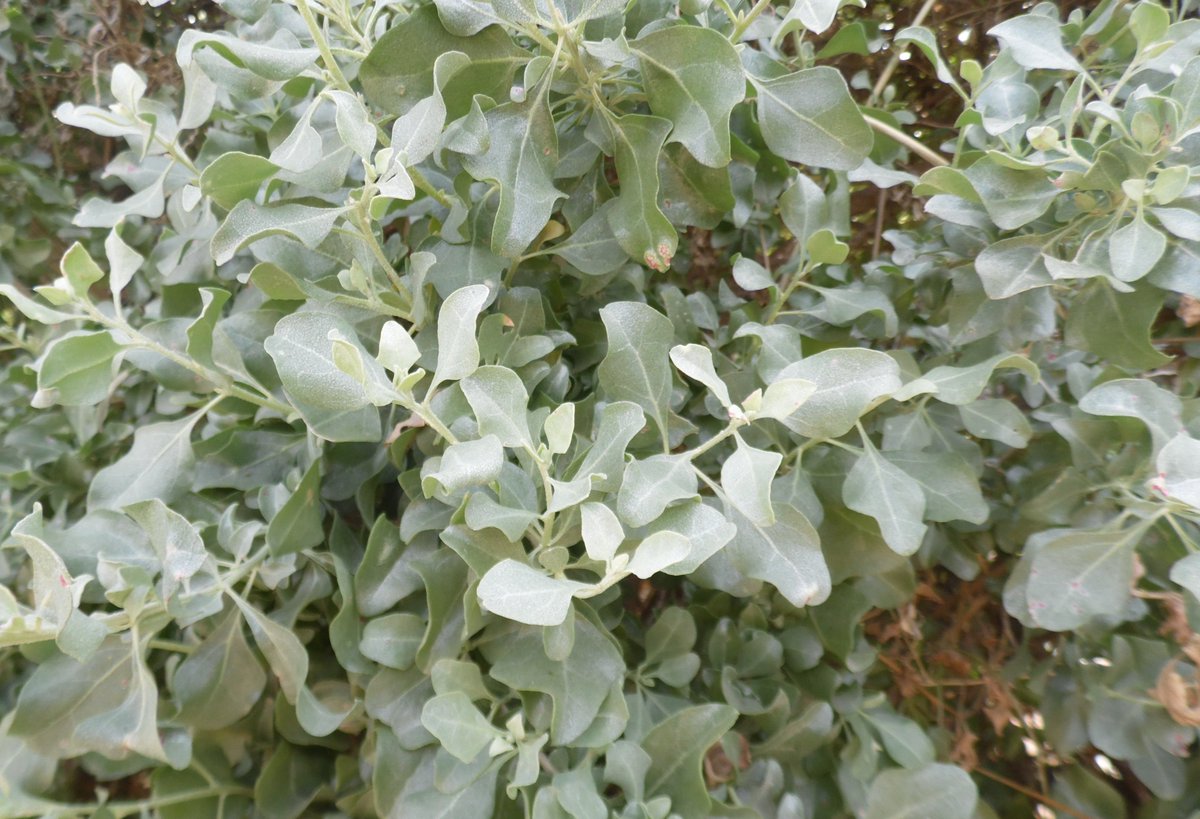
Admit it. You’ve always intended to get to grips with Atriplex and Chenopodium, but somehow you just never got round to it. The time has come. The fruits are ripe and there are no more excuses. We’ll start with the species that you can do by jizz alone, in the field. ImageImageImage
Starting with the easy Atriplex. There are two shrubby ones and two annual herbs. The native shrubby one is A. portulacoides. This is a a locally dominant sprawling plant of saline mud and sand, with lower leaves opposite. It is often flooded at high tide. Image
The alien shrubby one is Atriplex halimus. This is a tall alien shrub (up to 2.5m) planted as a seaside windbreak and occasionally naturalized. It has all of its leaves alternate. Image
Read 23 tweets
13 Sep
Many finger-grasses were wool-aliens from Australia and South Africa. They were imported as seeds tangled up in the wool or embedded in the dags that clung to the tail and rear-end of the animal. Once importation of dirty fleeces stopped (mid 20th C) they were seldom recorded. Image
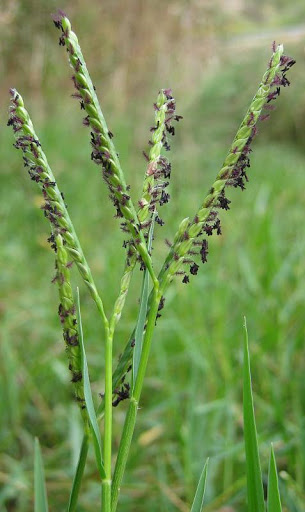
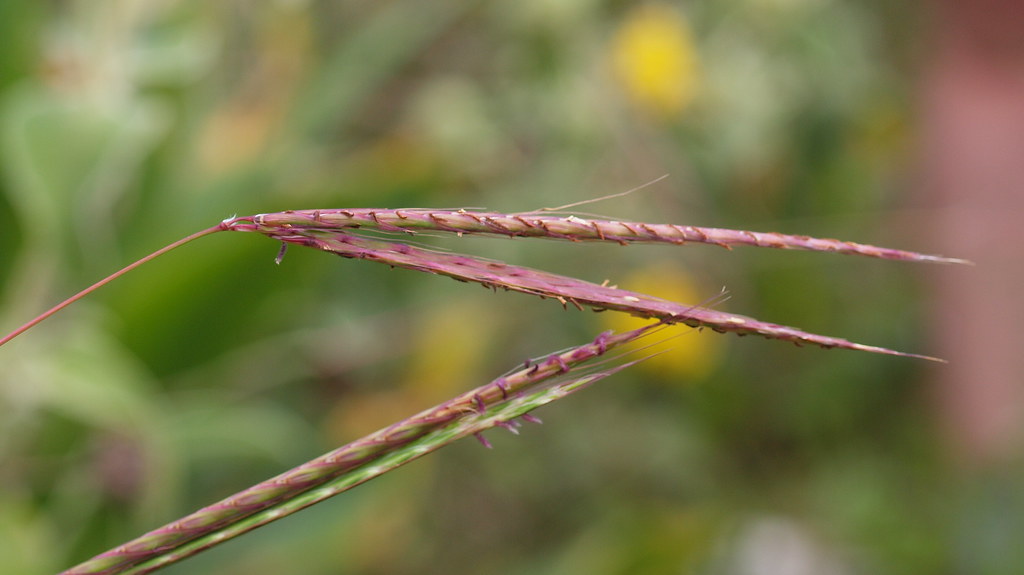
The digitate grass genera in each of the 4 categories are separated as follows. First the paired inflorescences. There are just two genera, both rare. Paspalum distichum (left) has glumes thinner than upper lemmas. Andropogon distachyos (right) has glumes thicker than lemmas. ImageImage
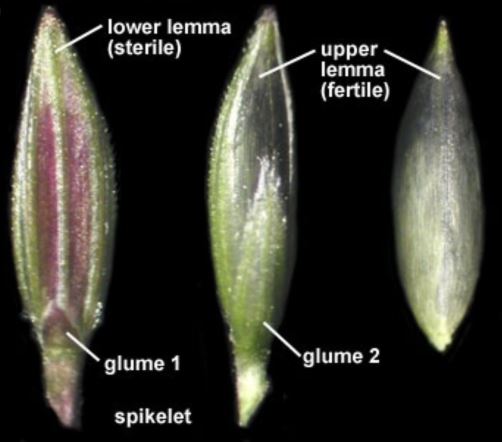
Digitate genera: 1 common (Digitaria), 1 occasional (Cynodon), 3 rare (Eleusine, Chloris & Dactyloctenium). Telling Digitaria from Cynodon is tricky (x20 ideally). Count the scales beneath the fertile floret (glumes + lemmas + paleas). Cynodon = 2 (left); Digitaria = 3 or 4 (R). ImageImage
Read 10 tweets

Did Thread Reader help you today?

Support us! We are indie developers!


This site is made by just two indie developers on a laptop doing marketing, support and development! Read more about the story.

Become a Premium Member ($3/month or $30/year) and get exclusive features!

Become Premium

Too expensive? Make a small donation by buying us coffee ($5) or help with server cost ($10)

Donate via Paypal Become our Patreon

Thank you for your support!

Follow Us on Twitter!