Mick Crawley Profile picture
Dec 6, 2020 17 tweets 8 min read Read on X
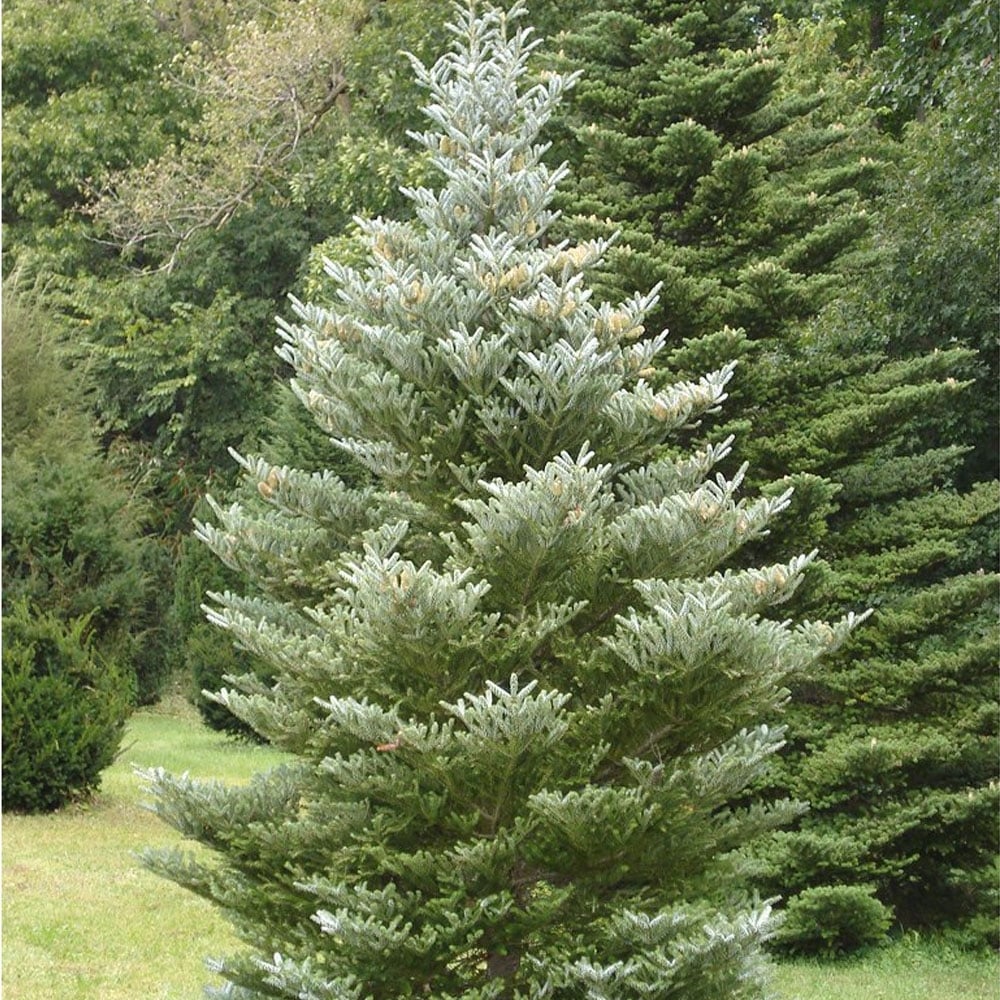
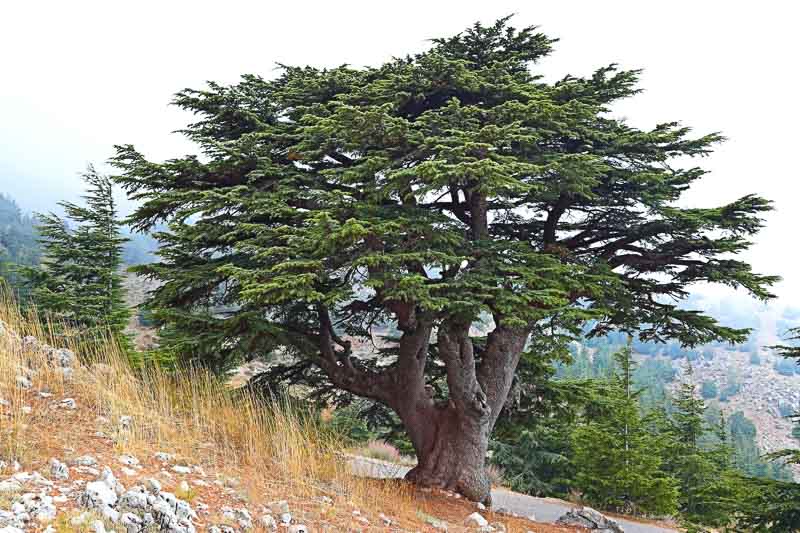
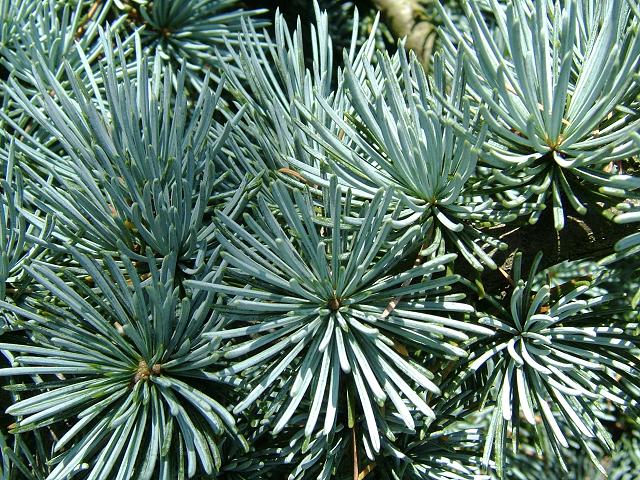
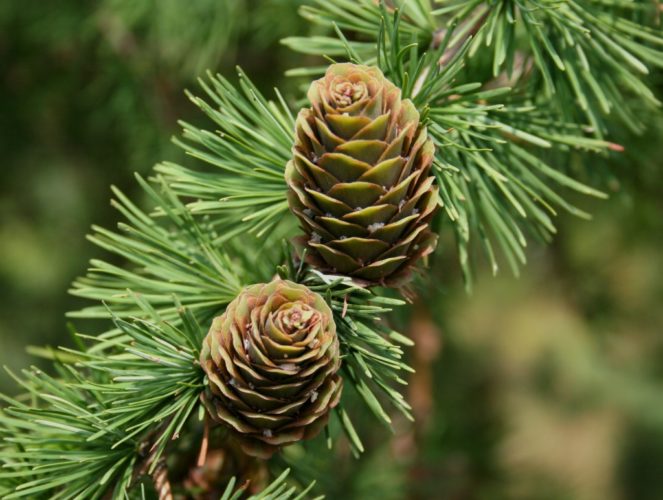
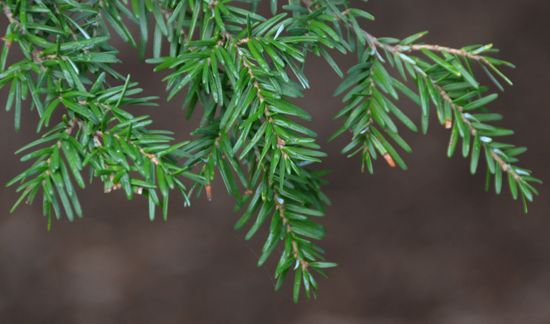
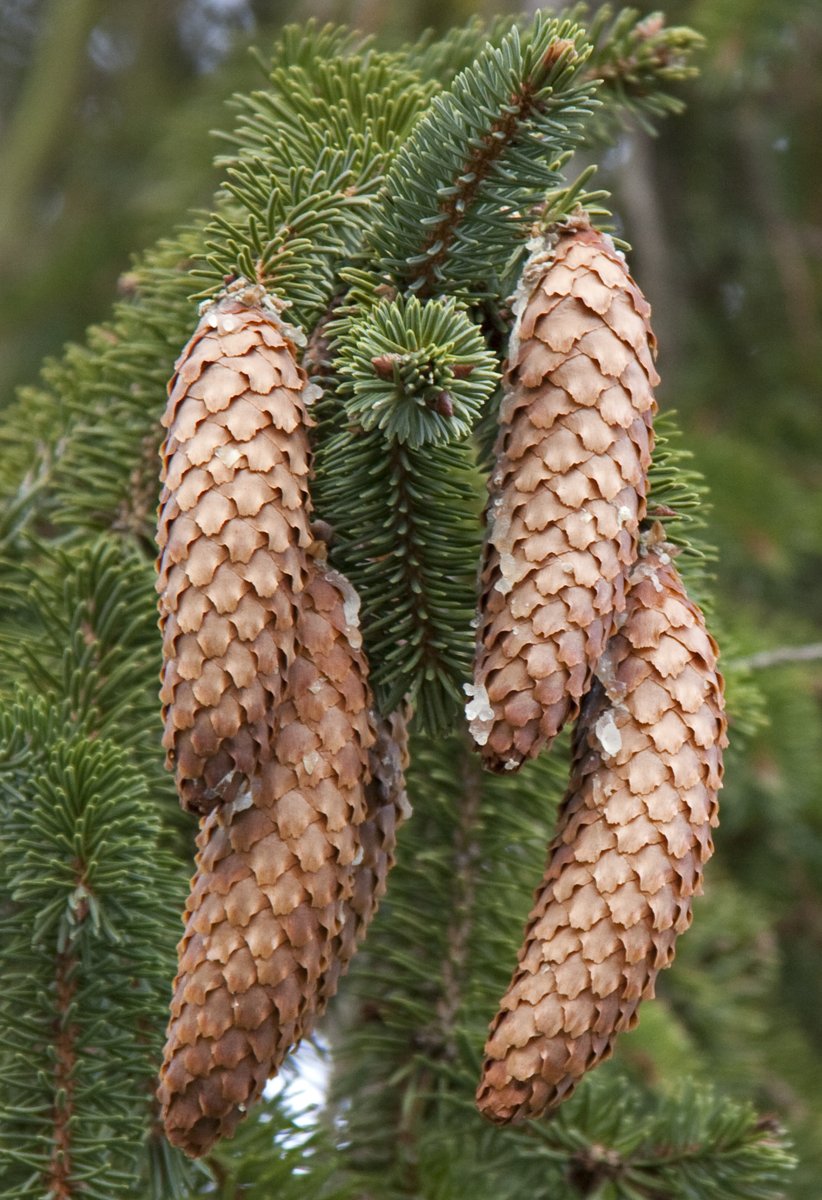
This is an illustrated key to the genera of the Gymnosperm family Pinaceae. This is the biggest and in many ways the most important of the conifer families, and contains many of the really familiar kinds: pines, spruces, firs, larches, cedars and so forth. ImageImageImage
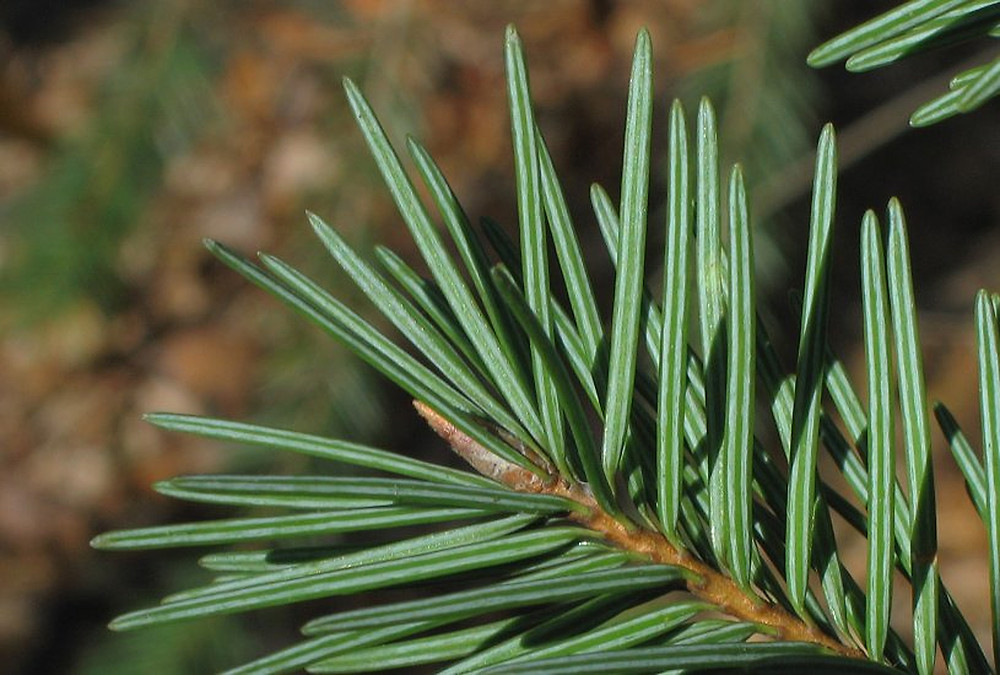
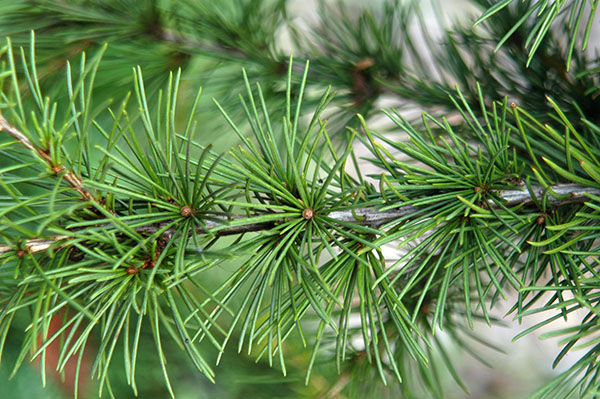
The big groups within Pinaceae have needles in bundles (Pinus, Larix, Cedrus, Pseudolarix; left) or needles solitary (Picea, Abies, Pseudotsuga, Tsuga; right). You need to look closely enough to make absolutely sure that you have got this distinction right. Bundle or solitary ? ImageImage
We’ll cover the needles in bundles first. If there are 5 or fewer needles per bundle, you have Pinus (illustrated). If more than this, then something else. Technically, the bundle is called a fascicle in Pinus, and is the membranous sheath at the base of these needle-groups. Image
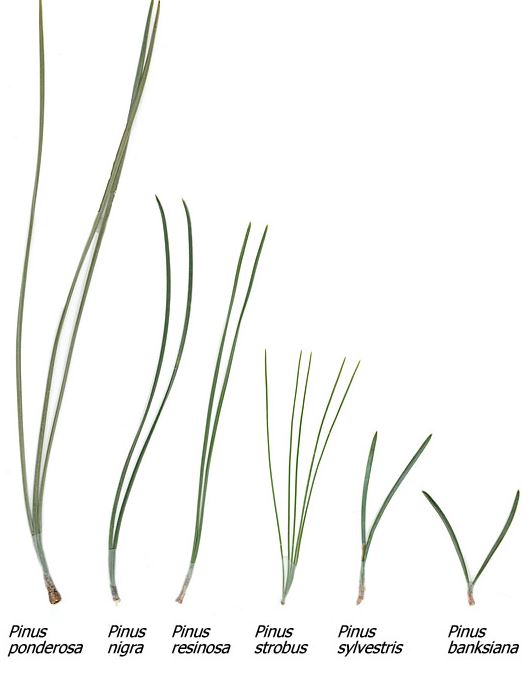
In the last tweet you saw Pinus with 3, 2, 2, 5, 2 or 2 needles per fascicle: 2 is much the commonest number you'll find and 3 is the rarest. We'll talk about these issues much more when we look at the species within the genus Pinus in a later thread.
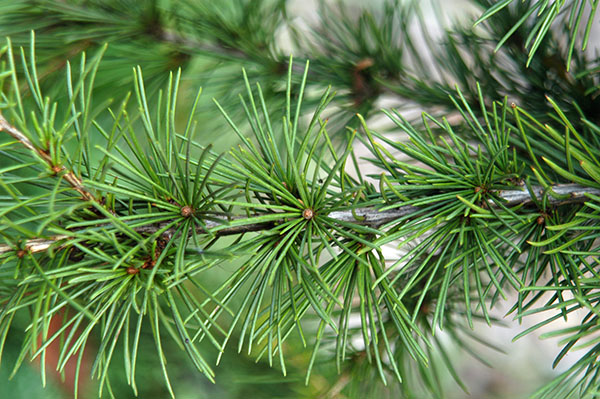
Evergreen trees with needles in bundles of 10 or more are Cedrus (illustrated). If deciduous, then something else (next tweet). The cones of Cedrus are huge (7-12cm long and more than 2cm wide). ImageImageImage
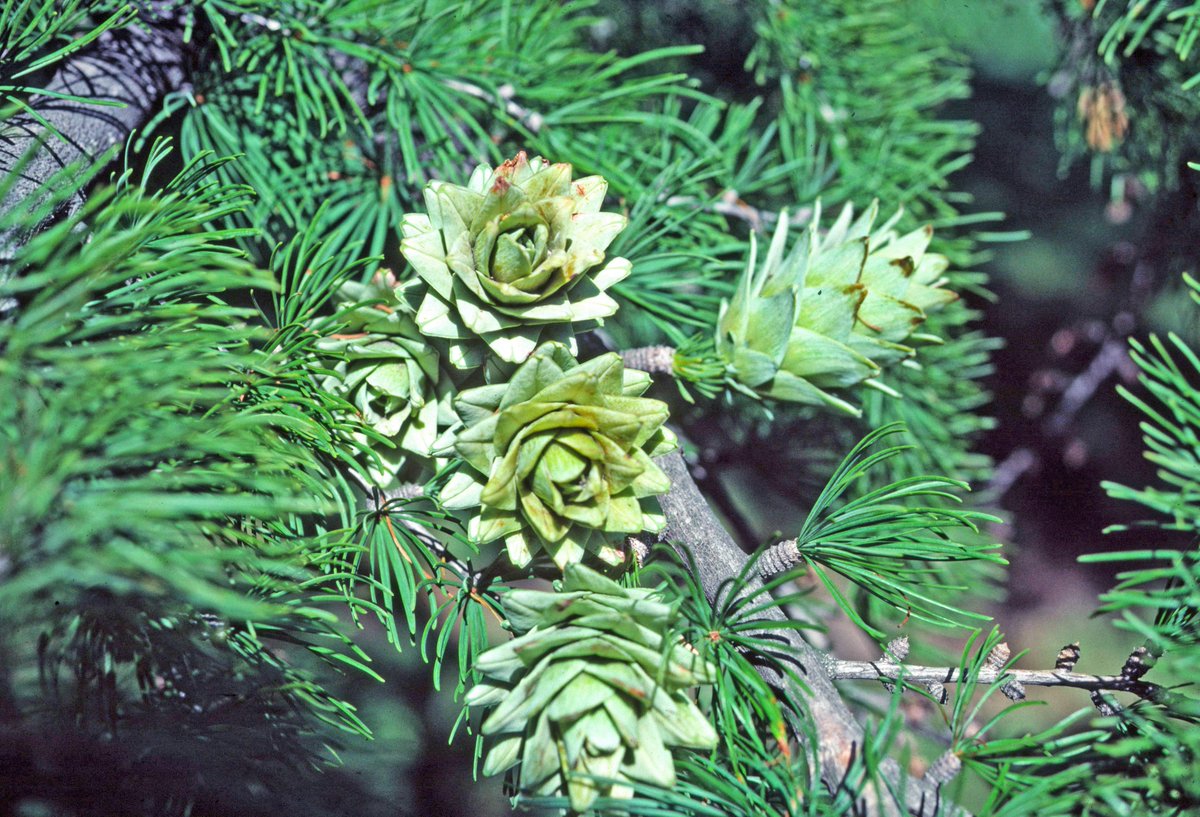
There are two deciduous genera in Pinaceae with needles in bundles. Female cones papery, disintegrating on the tree is Pseudolarix (left). Female cones woody, remaining on the tree is Larix (right). ImageImage
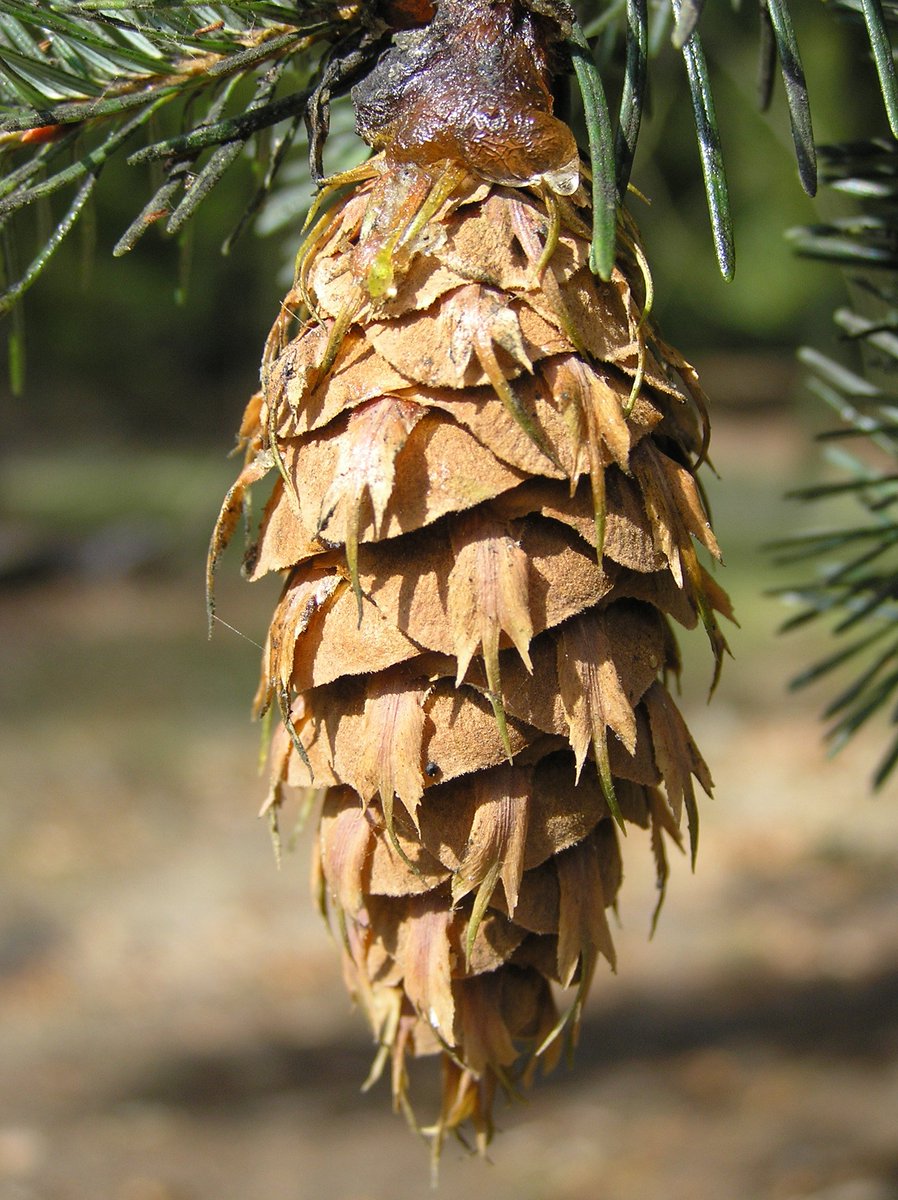
Now for the genera with single needles. There are two huge genera, Spruces (Picea) and True Firs (Abies), but we’ll come to these shortly. The two genera Tsuga and Pseudotsuga are easy to tell apart with cones because the bracts of Pseudotsuga are uniquely large (illustrated) Image
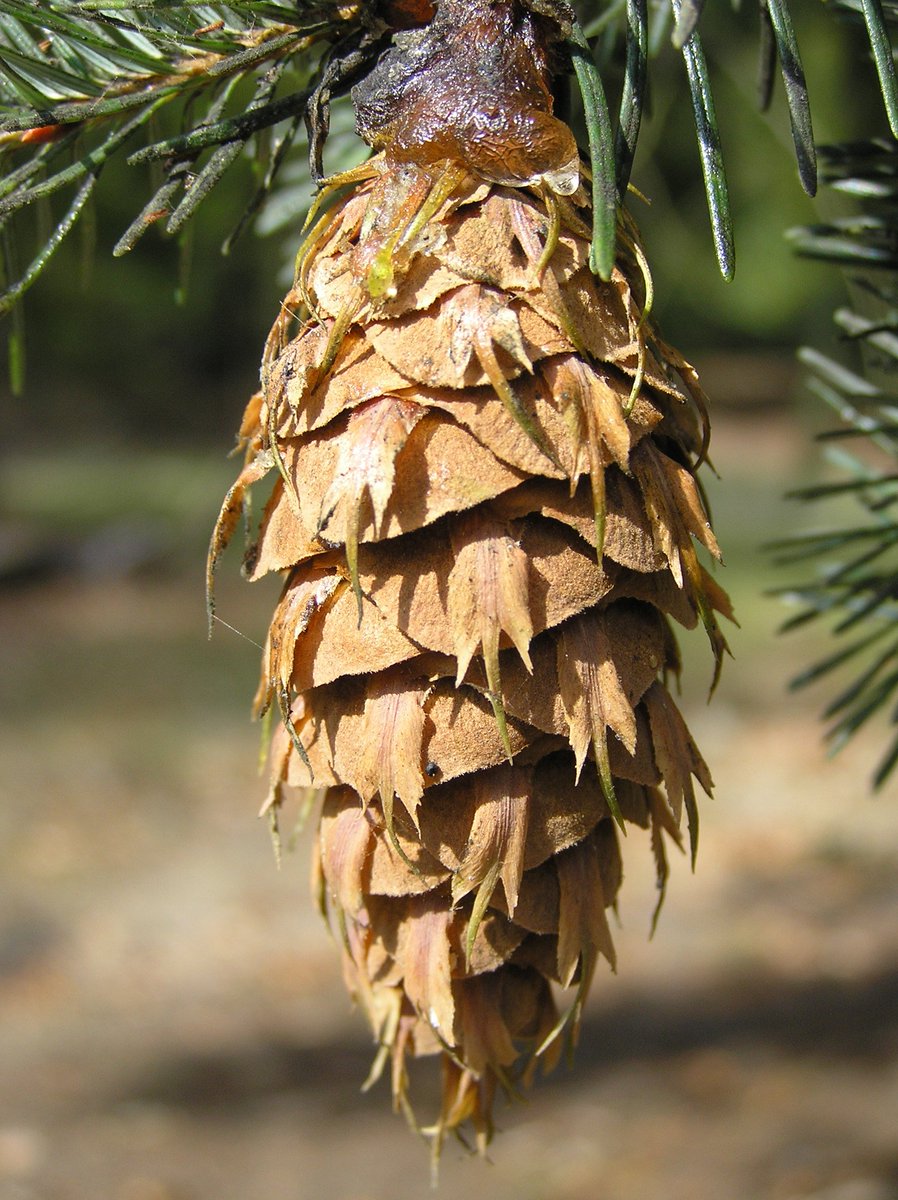
Note how the bract protrudes from the cone scale and is 3-pronged. It looks like the tassle on a Boy Scout's garter. The female cone of Tsuga is much smaller and, uniquely, is terminal on the shoot (illustrated) Image
As usual, if you haven't got cones, then you need to do a bit more work. The buds of Pseudotsuga are large and fusiform (spindle-shaped, tapering at both ends; left) while Tsuga are small and oval (right) and the needles shorter and relatively broader. ImageImage
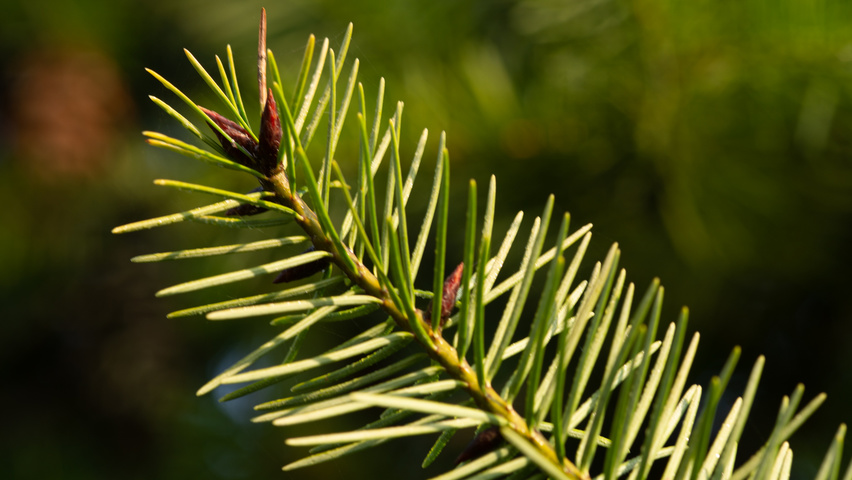
The next dichotomy is absolutely crucial, so you need to pay special attention to understanding the two distinctions. My top tip is this: before you start, make sure that your plant is not Douglas Fir (Pseudotsuga, illustrated). Note the pointy buds in the shape of a spindle Image
It is very common to find students ploughing fruitlessly through the key to the species of the genus Abies with a Pseudotsuga specimen in their hand. So don't start on the Abies / Picea distinction until you have ruled out Pseudotsuga. Image
If there are cones, it could hardly be easier: female cones are held upright in Abies (left); female cones hang down in Picea (right). ImageImage
More important, because you might not have any cones, is the nature of the base of the needle where it attaches to the shoot. Use your x10 to look underneath the needles at the woody part of the stem. Smooth (left) or ribbed (right)? ImageImage
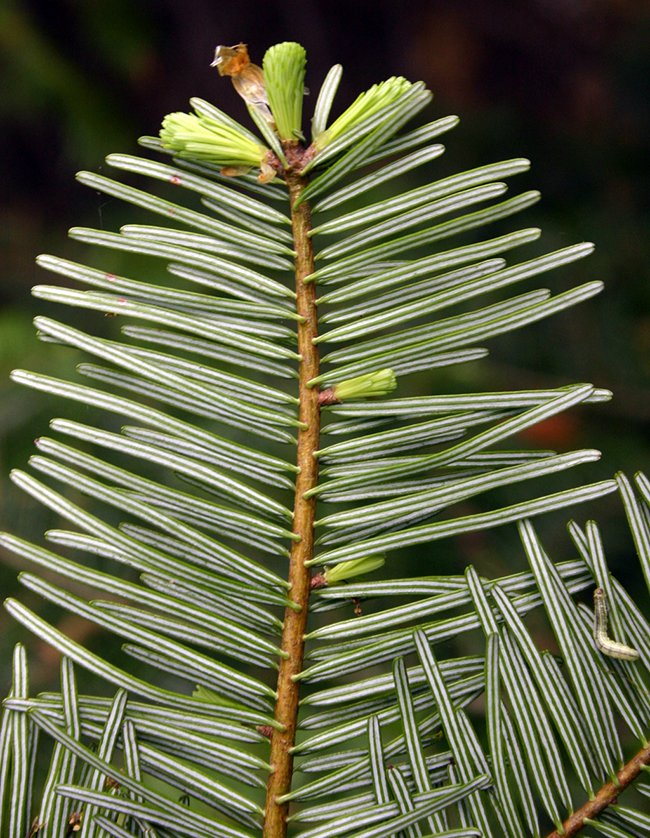
If the needle ends in a circular disc, which leaves a circular scar when you pull the needle away, you have Abies (illustrated) Image
If the needle comes away with a woody foot attached to its base, you have Picea. The twig is covered by ranks of woody needle-bases in parallel rows. Image
To summarise, the stem is smooth in Abies, Tsuga (left) and Pseudotsuga, but striped with parallel woody needle-bases in Picea (right). Only Abies has circular scars when a needle is removed, but note that Pseudotsuga has slightly raised, oval scars. ImageImage
So there you have it. You know the genus. But now the real fun begins. What species is it ?

The plan is to produce a separate illustrated key to the species in every conifer genus that has more than one species growing in Britain, with one genus per thread.

Enjoy. ImageImage

• • •

Missing some Tweet in this thread? You can try to force a refresh

 

Keep Current with Mick Crawley

Mick Crawley Profile picture

Stay in touch and get notified when new unrolls are available from this author!

Read all threads

This Thread may be Removed Anytime!

PDF

Twitter may remove this content at anytime! Save it as PDF for later use!

Try unrolling a thread yourself!

how to unroll video
  1. Follow @ThreadReaderApp to mention us!

  2. From a Twitter thread mention us with a keyword "unroll"
@threadreaderapp unroll

Practice here first or read more on our help page!

More from @crawley_mick

Jul 7, 2024
Really interesting development in the population dynamics of Ragwort at Silwood. After 4 years of rock-bottom plant numbers (2020, 2021, 2022 and 2023) when the study population looked like this: Image
there are real signs of a come-back in 2024: Image
This is what the Ragwort population has done since 1981. You can see the 8 population peaks and the subsequent crashes. Then the 4 years of essentially no plants (and no Cinnabar moths either, of course) between 2020 and 2023. Then this year 3.26 flowering stems per square metre. Image
Read 8 tweets
Aug 2, 2023
This is what Ashurst looks like in a ‘ragwort year’. There are more than 10 flowering individuals per square metre. Image
This is what Ashurst looks like this year (1 August 2023). There’s not a single ragwort plant in sight. Image
So what is going on ? Between 1980 and 2019 ragwort numbers fluctuated dramatically but there were no extended periods of very low plant densities (less than 1 m-2). Since 2020 we’ve seen 4 consecutive years with exceptionally low numbers. Image
Read 12 tweets
Jul 25, 2023
Identifying rushes. The three annual species of Section Tenageia can be tricky to tell apart. The common species is Juncus bufonius (left) and the two rarer species are J. foliosus (upper right) and J. ranarius (lower right).

Image
Image
Image
They all have flat or inrolled bifacial (grass-like) leaves on the stem (the basal leaves are typically withered by flowering time). The diffuse panicle is interspersed with leaf-like bracts and each flower has 2 small bracteoles. Image
Juncus foliosus is the easiest to identify: its leaves are more than 1.5mm wide (left) and the seeds have longitudinal ridges (x20, right A).
Image
Image
Read 6 tweets
Jul 20, 2023
Identifying rushes. The reason why our 31 Juncus spp. are so tricky to identify is that the genus is so complicated botanically. It’s worth starting by looking at each of the 10 Sections that are represented in UK, just so that you can see the issues involved. Image
Section 1: Graminei (J. planifolius, 1 sp.) Image
Section 2: Caespitosi (J. capitatus, 1 sp.) Image
Read 39 tweets
Jul 18, 2023
Identifying grasses. It’s obviously a Brome, but which Brome is it ? First, we need to identify the genus (i.e. is it Bromus, or Bromopsis, or Anisantha or Ceratochloa ?). This is the lower half of Key H on p. 1033.
Image
Image
#6 Are the lemmas strongly keeled on the back (left) or not (right). Definitely not keeled, so on to #7
Image
Image
#7 Always a tricky one. Annual or perennial? Look at the roots and check for the absence of rhizomes. See if there are any non-flowering shoots. No rhizomes and no sterile shoots, so annual is the best bet. On to #10. Image
Read 9 tweets
Jul 17, 2023
Seaside Grass Quiz. This is arranged by habitat (sand-dune, dune slack, rocks & shingle, cliff and tidal mud-flat) then by plant size within habitat (big, medium, small). Answers tomorrow. Image
Sand Dune Big 1. Image
Sand Dune Big 2. Image
Read 24 tweets

Did Thread Reader help you today?

Support us! We are indie developers!


This site is made by just two indie developers on a laptop doing marketing, support and development! Read more about the story.

Become a Premium Member ($3/month or $30/year) and get exclusive features!

Become Premium

Don't want to be a Premium member but still want to support us?

Make a small donation by buying us coffee ($5) or help with server cost ($10)

Donate via Paypal

Or Donate anonymously using crypto!

Ethereum

0xfe58350B80634f60Fa6Dc149a72b4DFbc17D341E copy

Bitcoin

3ATGMxNzCUFzxpMCHL5sWSt4DVtS8UqXpi copy

Thank you for your support!

Follow Us!

:(