Hermahai Profile picture
Jan 11 24 tweets 9 min read
THE GREEKS, THE PHOENICIANS AND THE ALPHABET (PART ONE).
1/ Around the middle of the 11th century BC, the first attempts to create an easy-to-use alphabetic writing system that captures the rich Greek language, based on the Phoenician alphabet, begin. ➡️
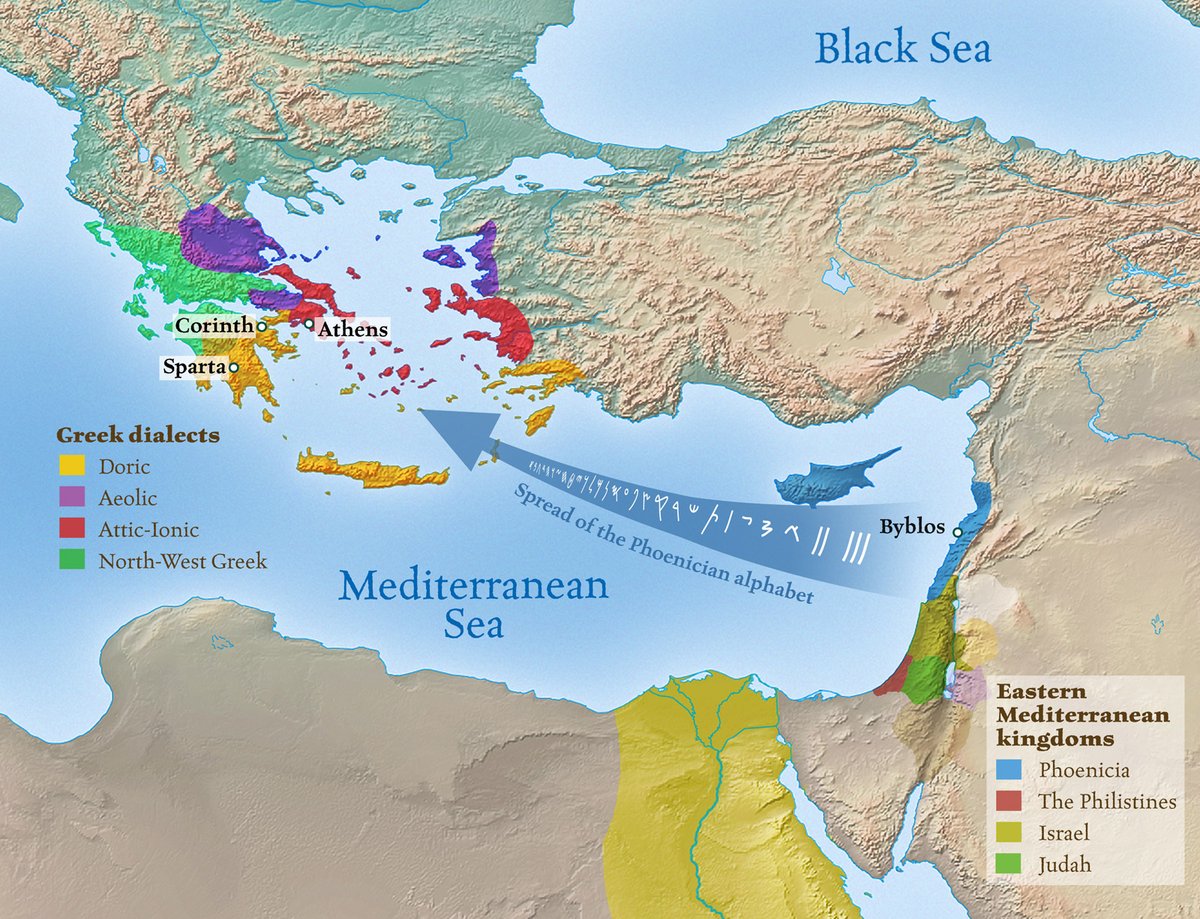
➡️ At the end of the 9th century BC the local Greek scripts crystallize and begin to be used en masse, having a private character as well.
2/ The first question that comes to mind is when and from where began this exciting journey of the creation of the alphabet that contributed so effectively to the flowering of the Greek spirit and European culture in general.
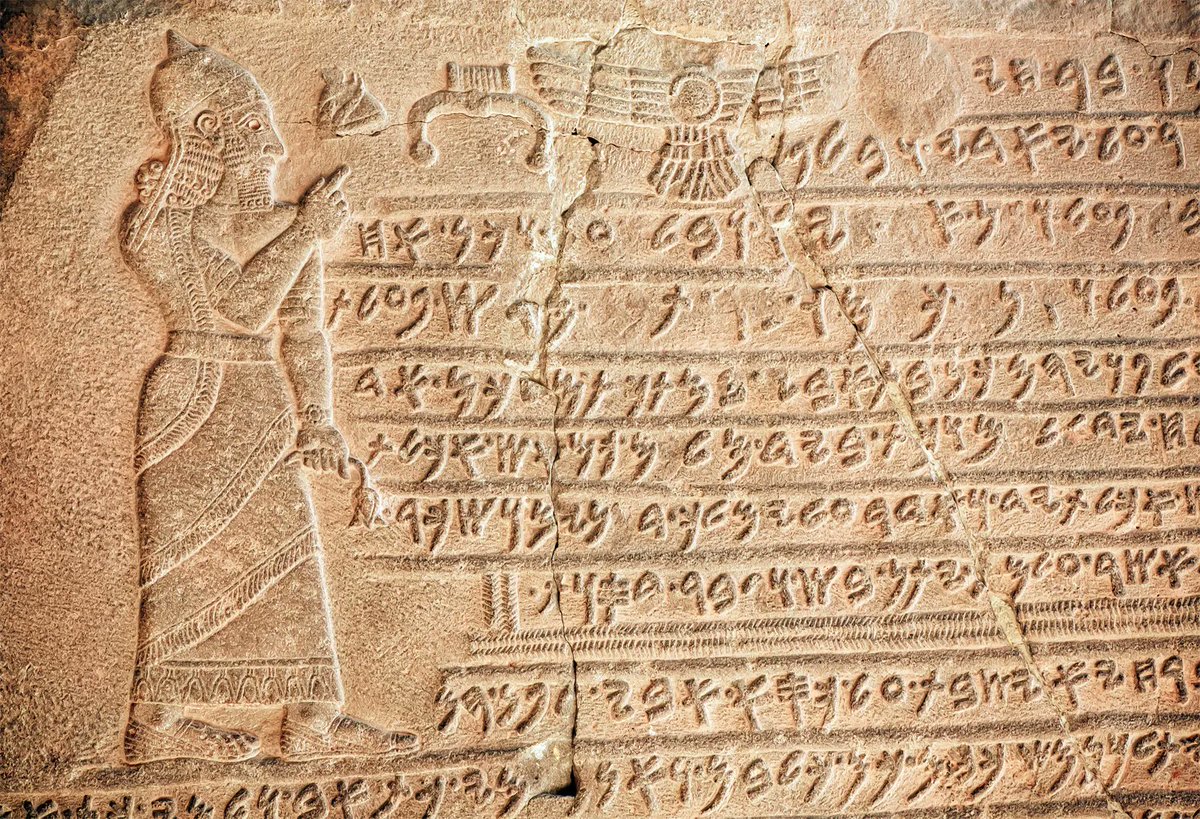
3/ The archaeological and linguistic data demonstrate that the Phoenician alphabet was the last stage of a long-term effort within the Western branch of Semitic languages for the acquiring a simple writing system.
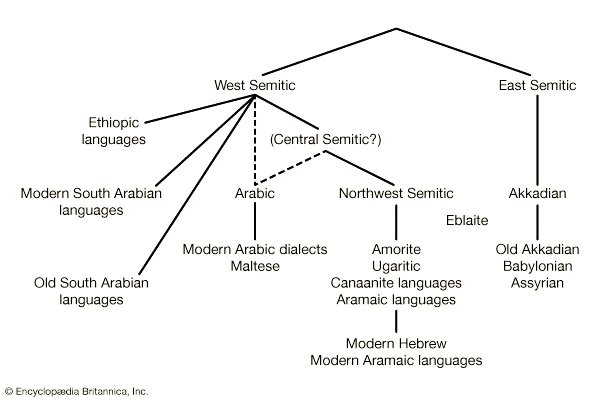
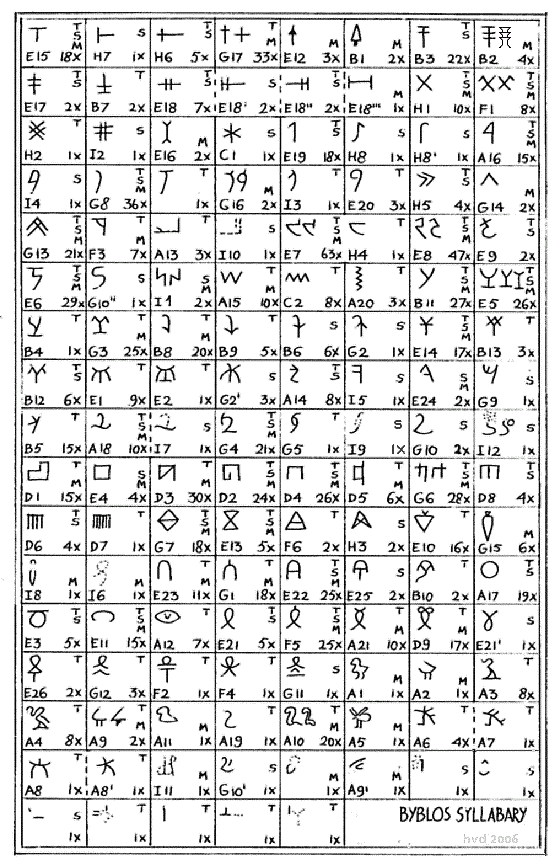
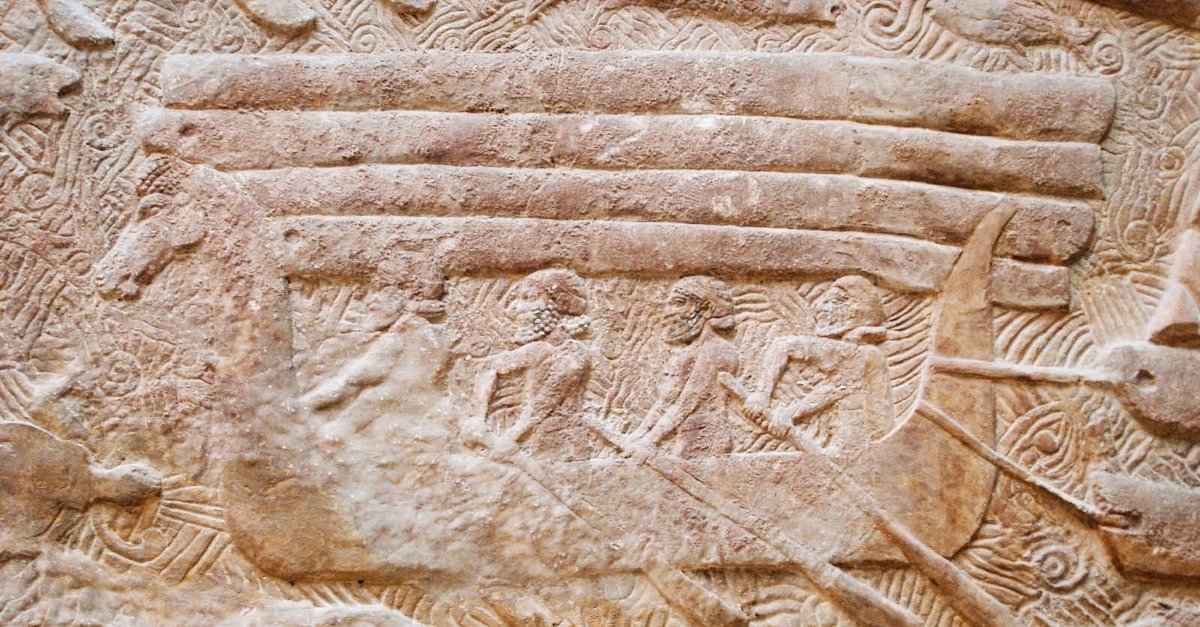
4/ Everything seems to have started at the beginning of the 2nd millennium BC in the Levantine coastal city of Byblos, which at the time was an Egyptian colony, having an easily accessible port from which local ships loaded with timber bound for Egypt departed.
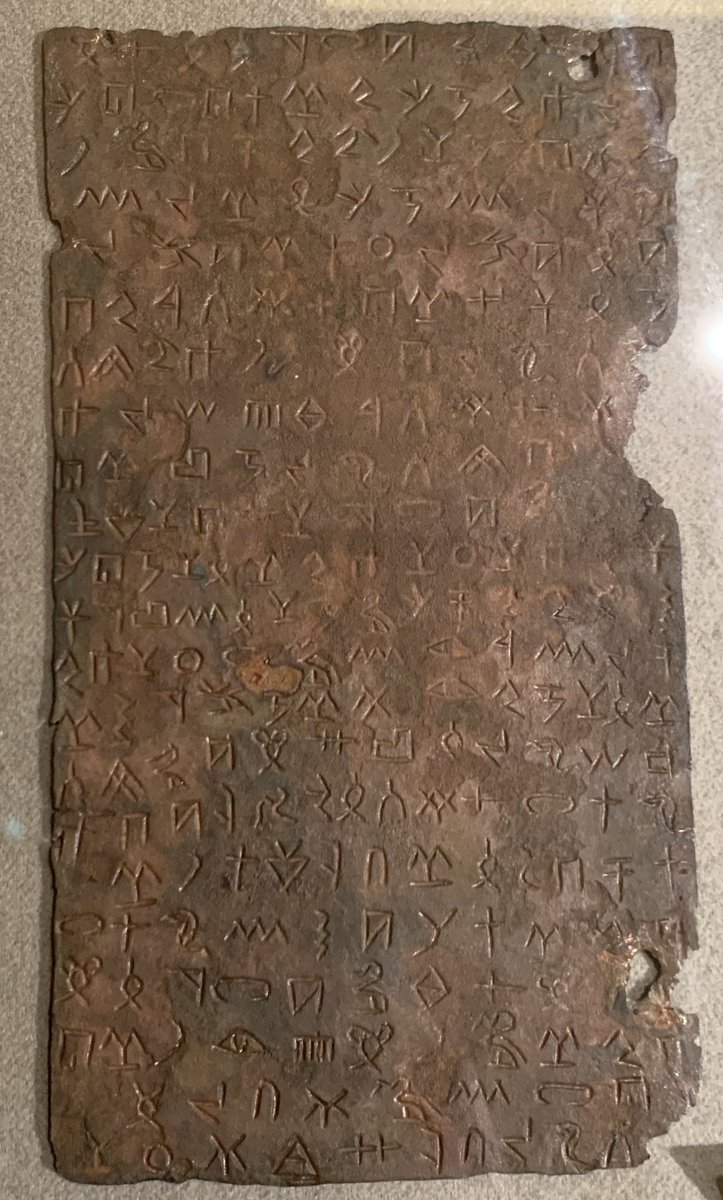
5/ In Byblos, therefore, a corpus of few undeciphered inscriptions written in a script characterized as pseudo - hieroglyphic and which consists of a set of about 200 signs has been found.
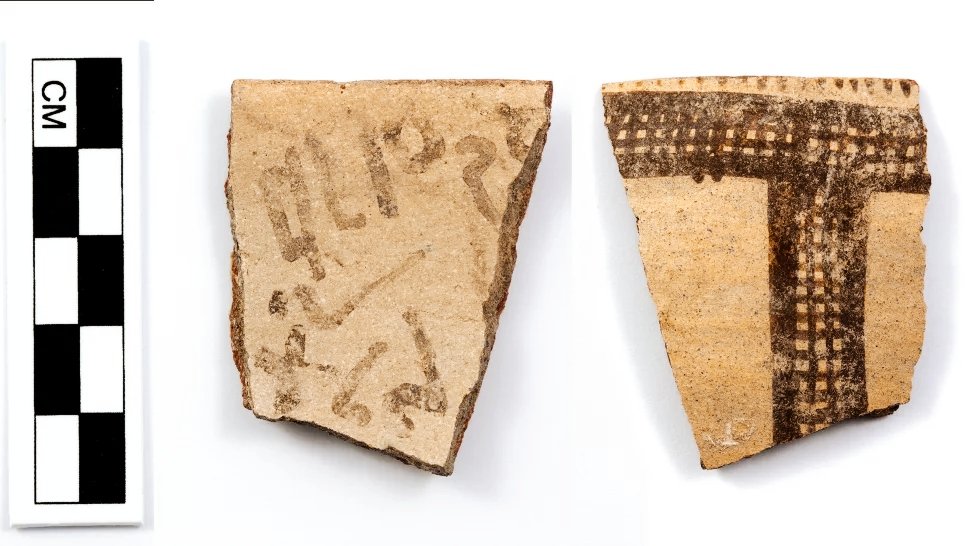
7/ A little later appear in the area of Palestine (Gezer, Shechem and Lachish) some separate inscriptions written in a script that indicates a new attempt to create an alphabet and which is called Old Palestinian.
8/ However, the most successful attempt to develop writing takes place in the 15th cent BC –perhaps even earlier– in the Sinai, where in the Serabit el-Khadim dozens of inscriptions were found on cult objects within the Temple of Hathor and on walls of the nearby turquoise mines.
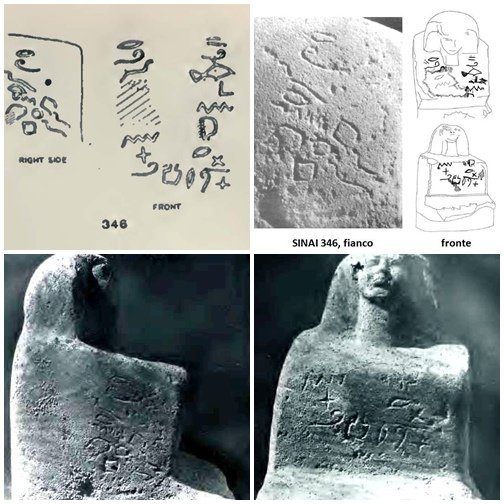
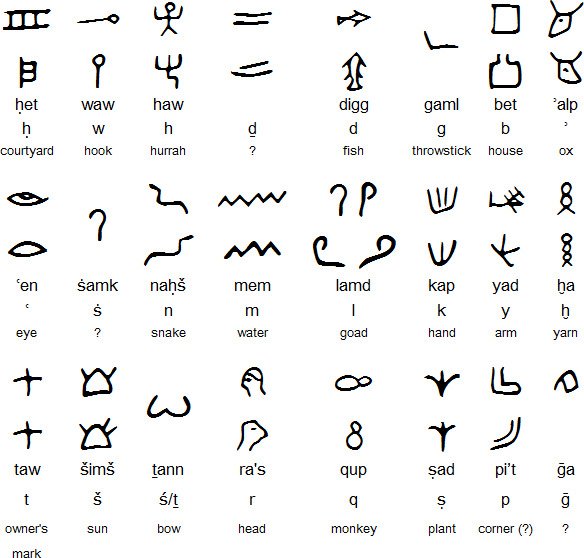
9/ The inscriptions are written in the so-called Proto-Sinaitic script and are of great interest, because for the first time we have a script, which consists of a limited number of signs, ➡️
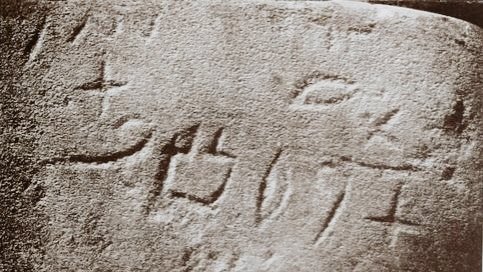
➡️ reflects a dialect of the Western Semitic group of languages and above all each sign represents one and only consonant.
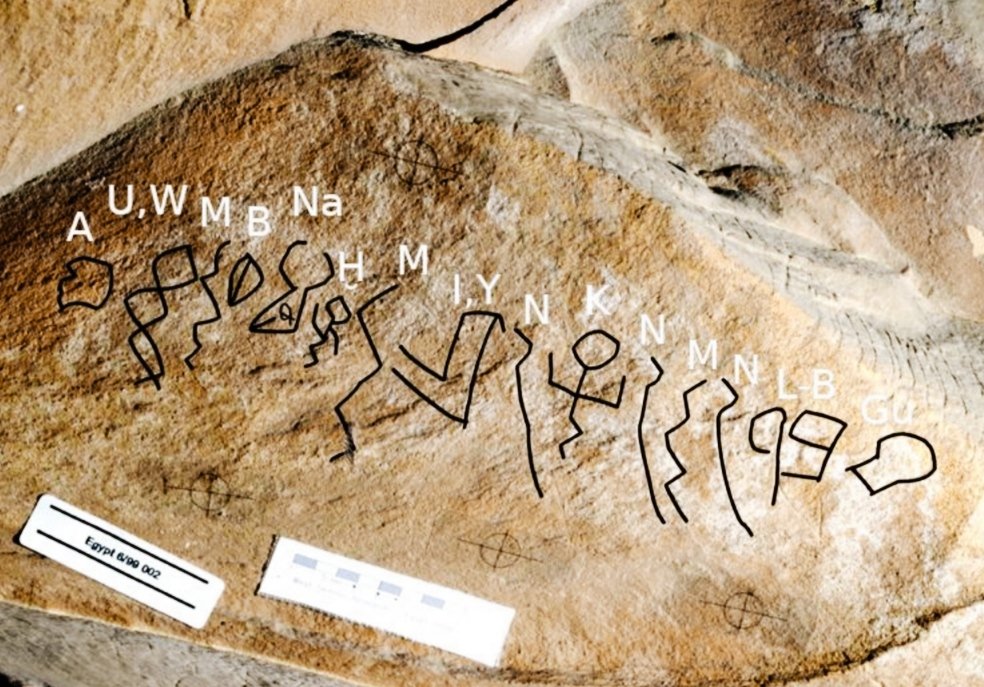
10/ In the 1990s, a couple of American Egyptologists discovered at the Wadi el-Hôl in the coastal desert west of the Nile two inscriptions carved into limestone rocks that bore a script that had similarities with the inscriptions in Sinai and Palestine.
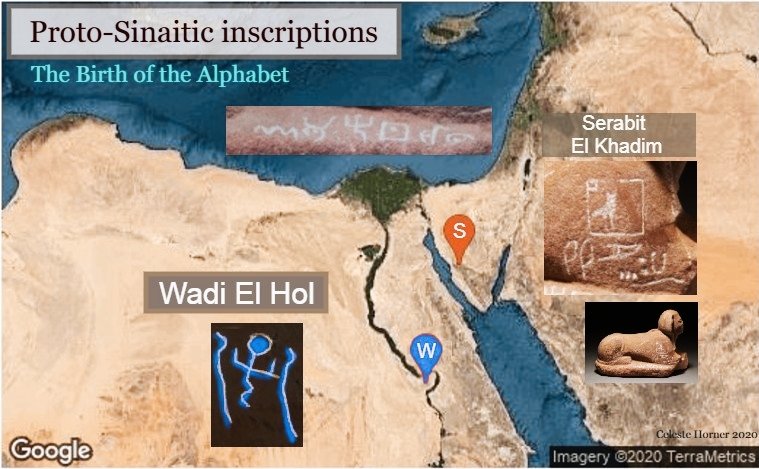
11/ The inscriptions were found in an archaeological environment of West Semitic habitation and gave a very early dating around 1800 BC, ➡️
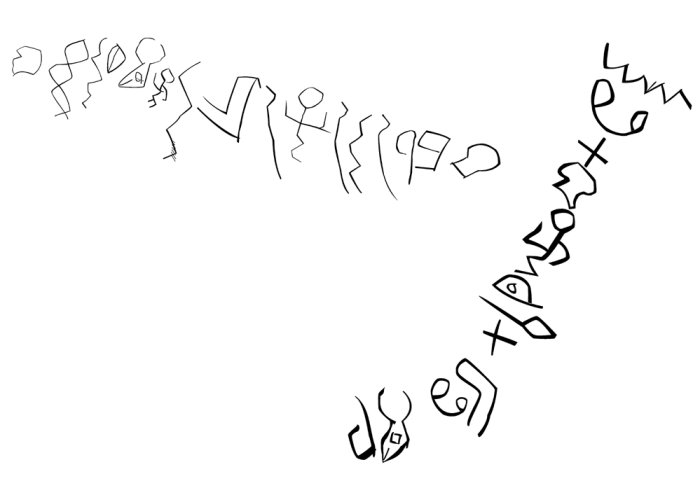
➡️ demonstrating the influence of Egyptian hieroglyphics in the formation of early alphabetic letters and at the same time, a much earlier start of the process of forming an alphabet.
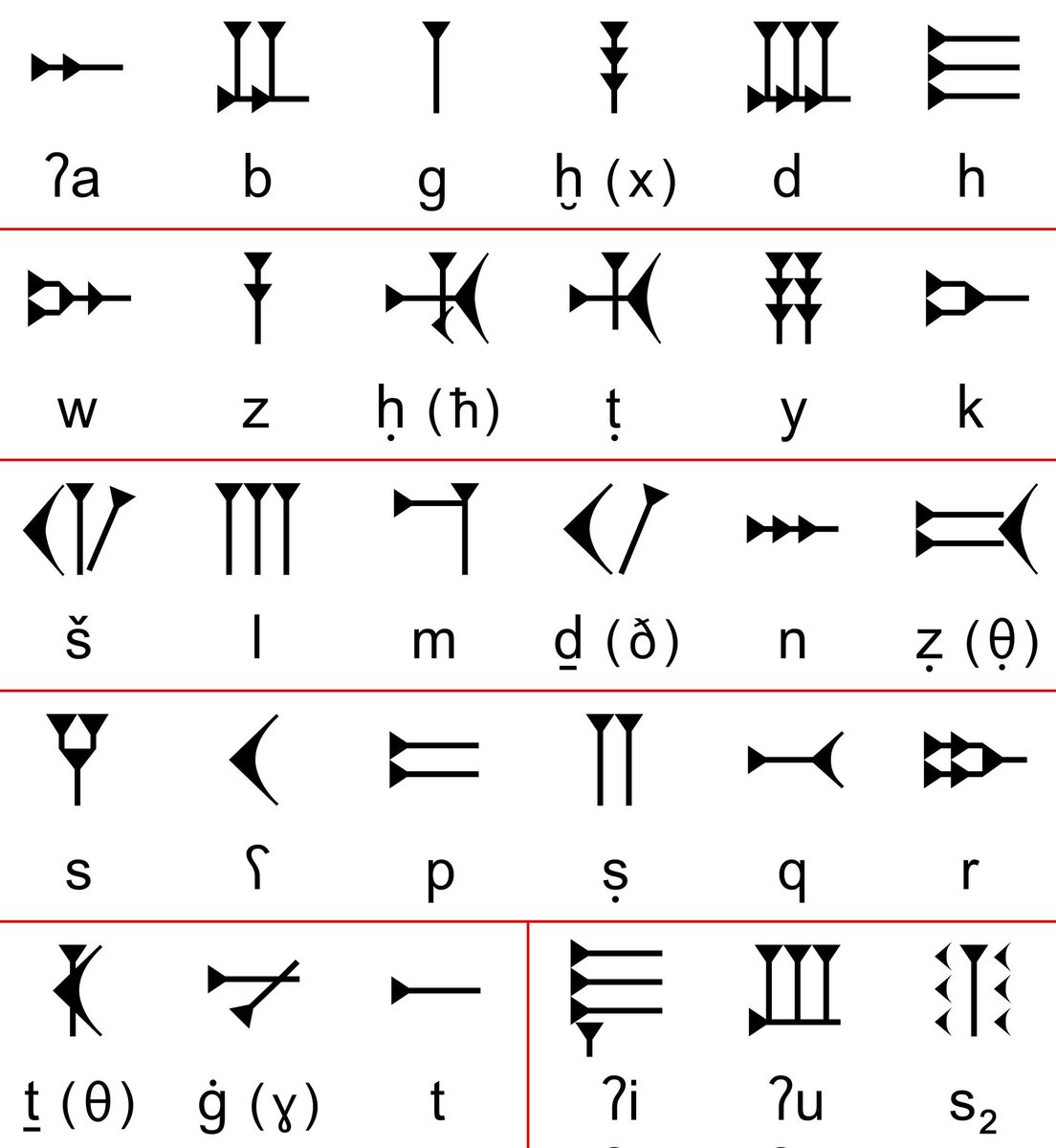
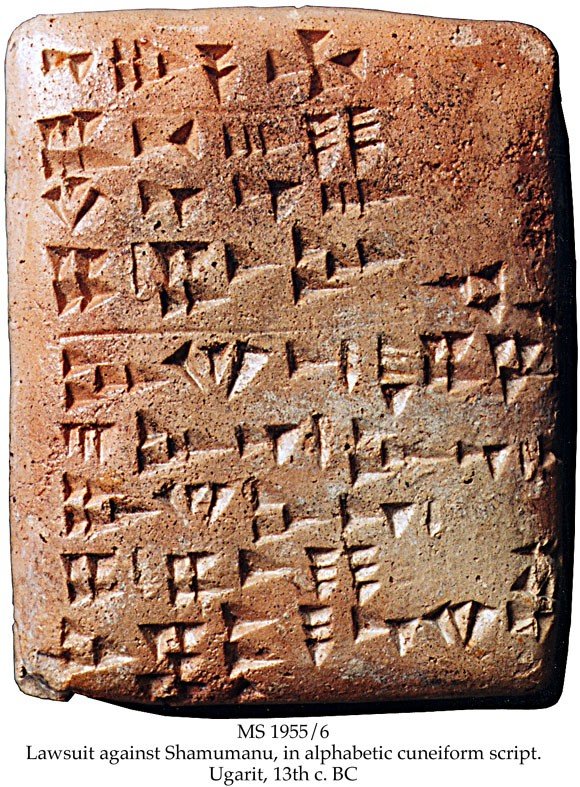
12/ Moving forward in time, we reach the 14th century BC. and in Ugarit, where a cuneiform alphabetic script with a set of 30 signs appears, which captures one of the dialects of the Canaanite language.
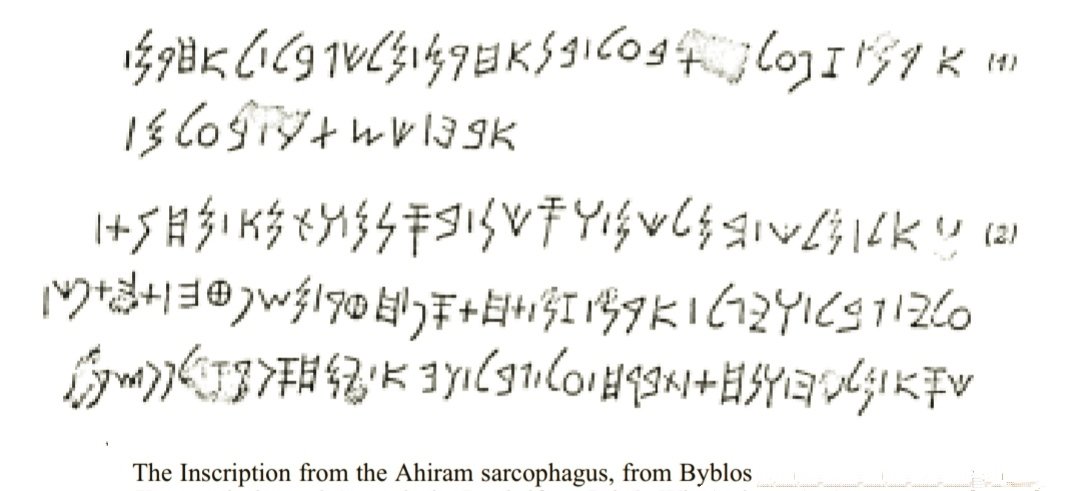
13/ Thus, we arrive at the earliest Phoenician alphabetic text, the sarcophagus inscription of Ahiram, king of Byblos, which is followed chronologically by the inscription of Yehimilk from Byblos. The question is when Ahiram's inscription was written.
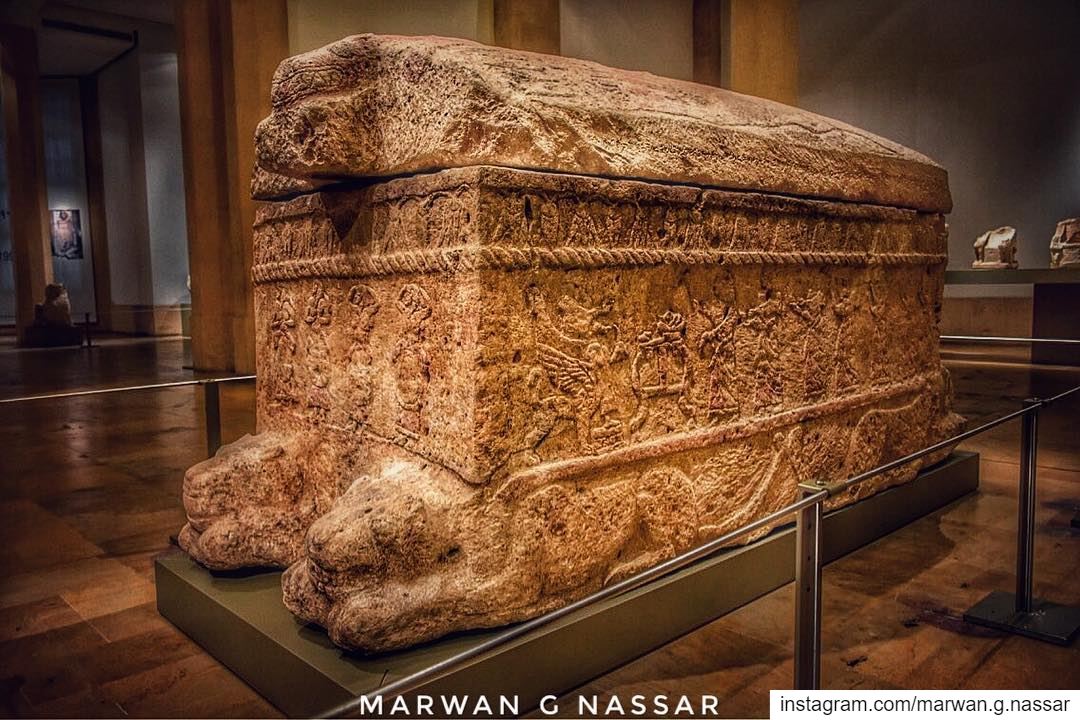
14/ The majority of scholars date this particular inscription around 1000 BC, so the Phoenician alphabet must have had taken its final form already in 1050 BC, without being subject to any radical change for the following centuries.
15/ In this scenario the Phoenician alphabet came from the Proto-Canaanic or Canaanite scripts, which also includes Proto-Sinaitic with a crucial transitional role being played by the cuneiform alphabetic script of Ugarit. ➡️
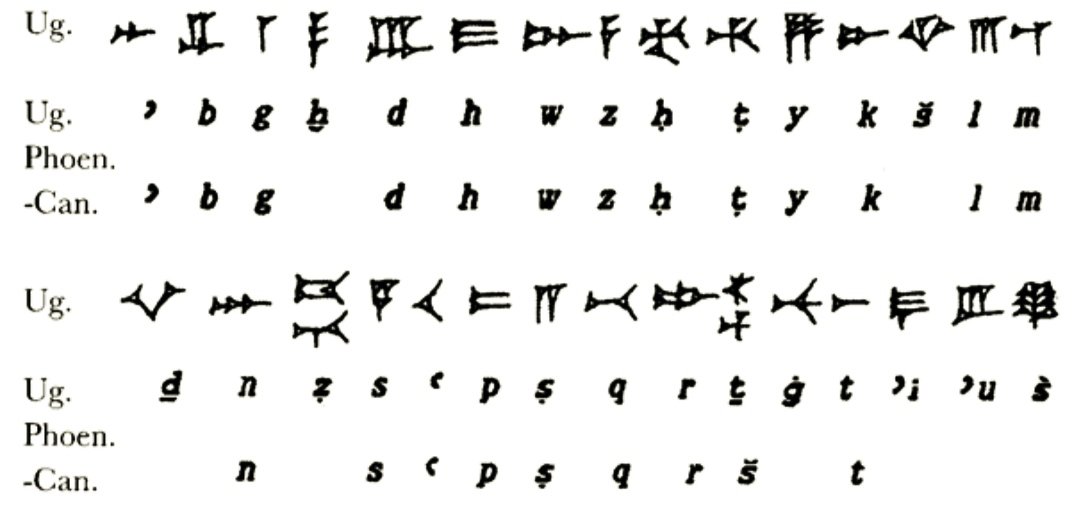
➡️ Here we must point out that the discovery of an inscribed silver bowl from the Cypriot site of Hala Sultan Tekké which bears an inscription in cuneiform alphabetic script and dates to around 1180 BC indicates a persistence of the use of that particular script.
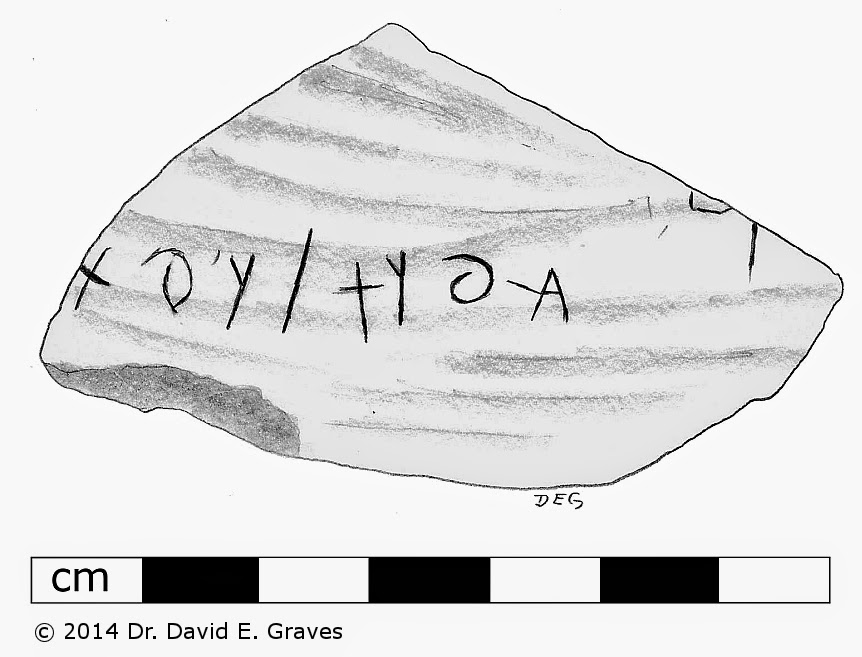
16/ An inscribed sherd from Izbet Sartah (12th/11th century BC) and an inscription from Qubur el-Walaydah (11th century BC) play an enigmatic role in the evolution of the Phoenician alphabet. ➡️
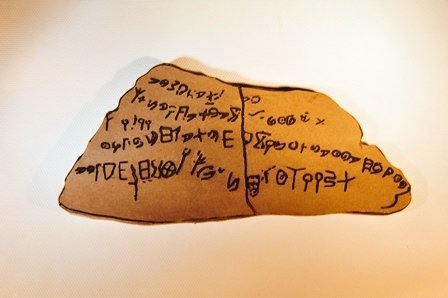
➡️ Their importance lies in the fact that they display an archaic Phoenician script, while on the other hand they have been found within a Philistine cultural environment.
17/ Both inscriptions have as their main characteristic the writing direction from left to right, a rare phenomenon for Phoenician, while both in the way of writing and in the form of the letters they bear great similarities with the earliest Greek texts.
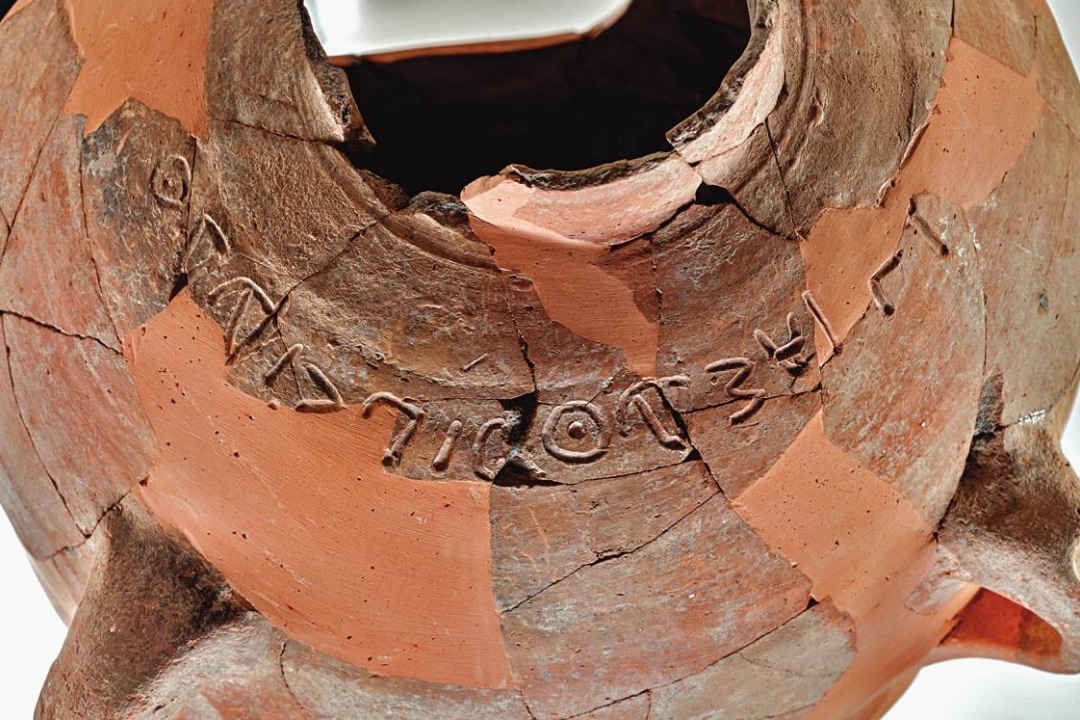
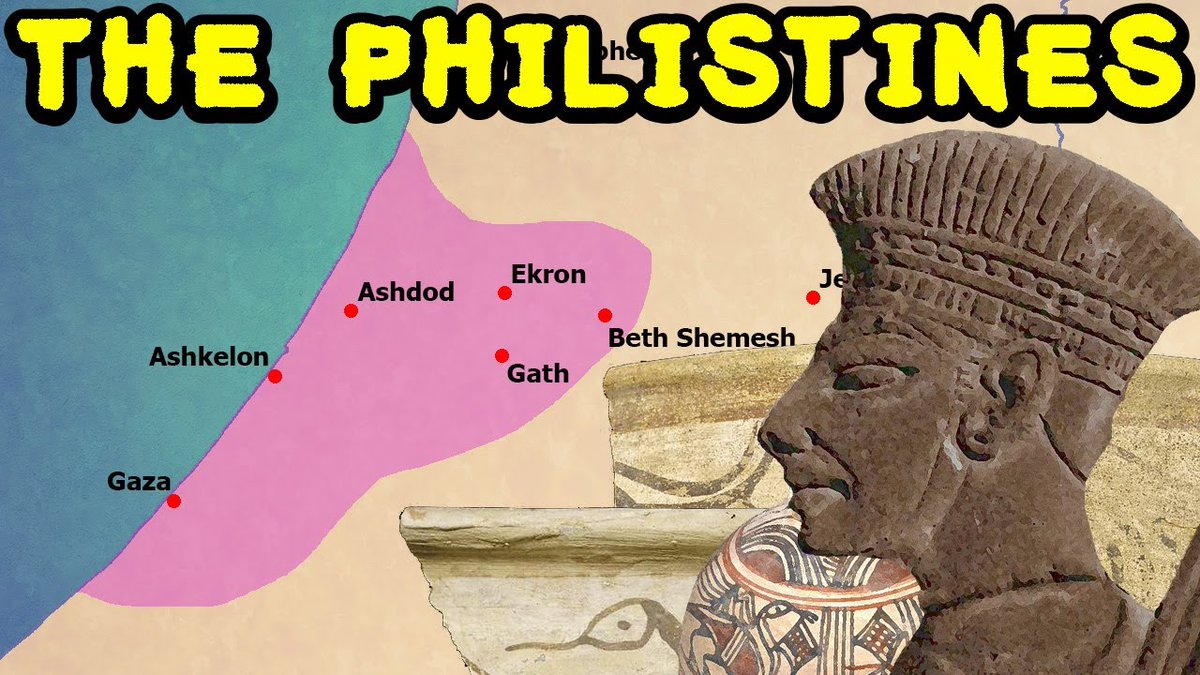
18/ In 2005 an inscribed ceramic sherd was found in the Philistine city of Gath, dating to the 10th – mid 9th century BC and bears the inscription: .lwt / wlt[ (two non-Semitic names), having the same characteristics as the aforementioned inscriptions.
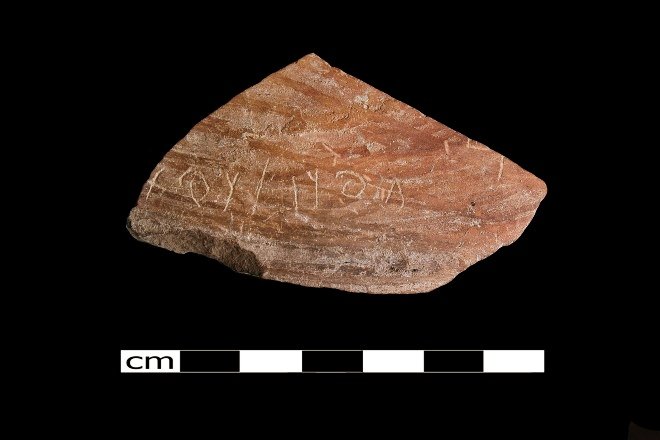
19/ Maybe was there a Philistine alphabetic script, distinct from the rest of the West Semitic languages, which played a crucial role in the transfer of an early form of the Phoenician alphabet to the Aegean area as early as the 11th century BC?
TO BE CONTINUED...

• • •

Missing some Tweet in this thread? You can try to force a refresh

 

Keep Current with Hermahai

Hermahai Profile picture

Stay in touch and get notified when new unrolls are available from this author!

Read all threads

This Thread may be Removed Anytime!

PDF

Twitter may remove this content at anytime! Save it as PDF for later use!

Try unrolling a thread yourself!

how to unroll video
  1. Follow @ThreadReaderApp to mention us!

  2. From a Twitter thread mention us with a keyword "unroll"
@threadreaderapp unroll

Practice here first or read more on our help page!

More from @hermahai

Jan 9
WORKING HYPOTHESIS:
1/ In Etruria, a population group of Anatolian refugees settles after the destructions that took place during the Late Bronze Age Collapse in the area of Troad.
2/ The refugees speak a Proto- Tyrrhenian non-Indo-European language and having cultural superiority over the local Indo-European population, assimilated it linguistically.
2/ As an analogous let's see the disproportionate in terms of their population, cultural influence that the culturally superior Euboean colonies of Ischia and Cumae had in the more populous Etruria and in the Etruscan civilization, essentially changing its nature and character.
Read 9 tweets
Jan 8
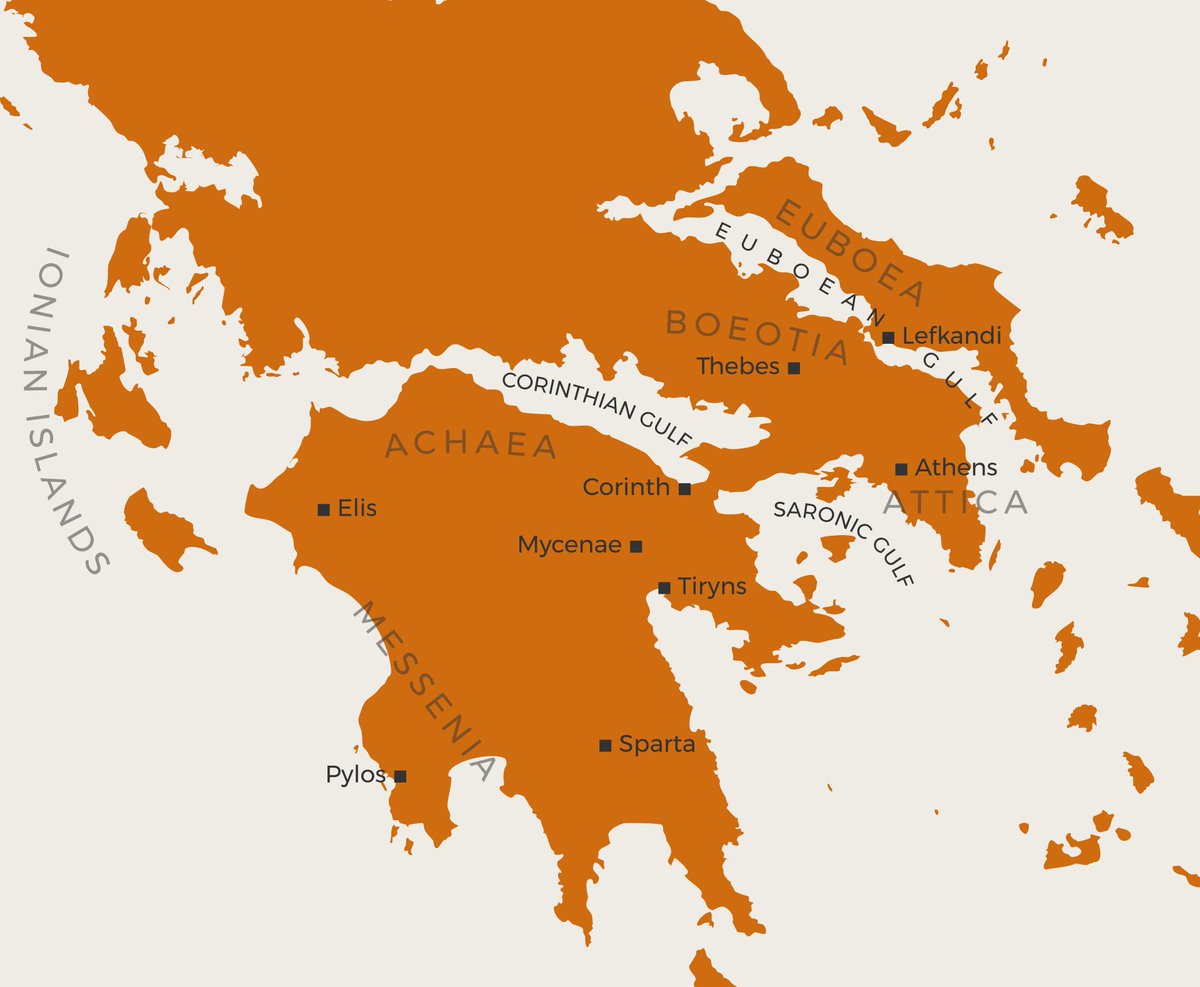
1/ One of the first communities to recover after the Mycenaean collapse was Lefkandi in the southern Euboean Gulf, restoring trade relations with other parts of the Aegean and Cyprus, being the prelude to Euboean sovereignty in the Mediterranean seas throughout the Geometric Age. ImageImage
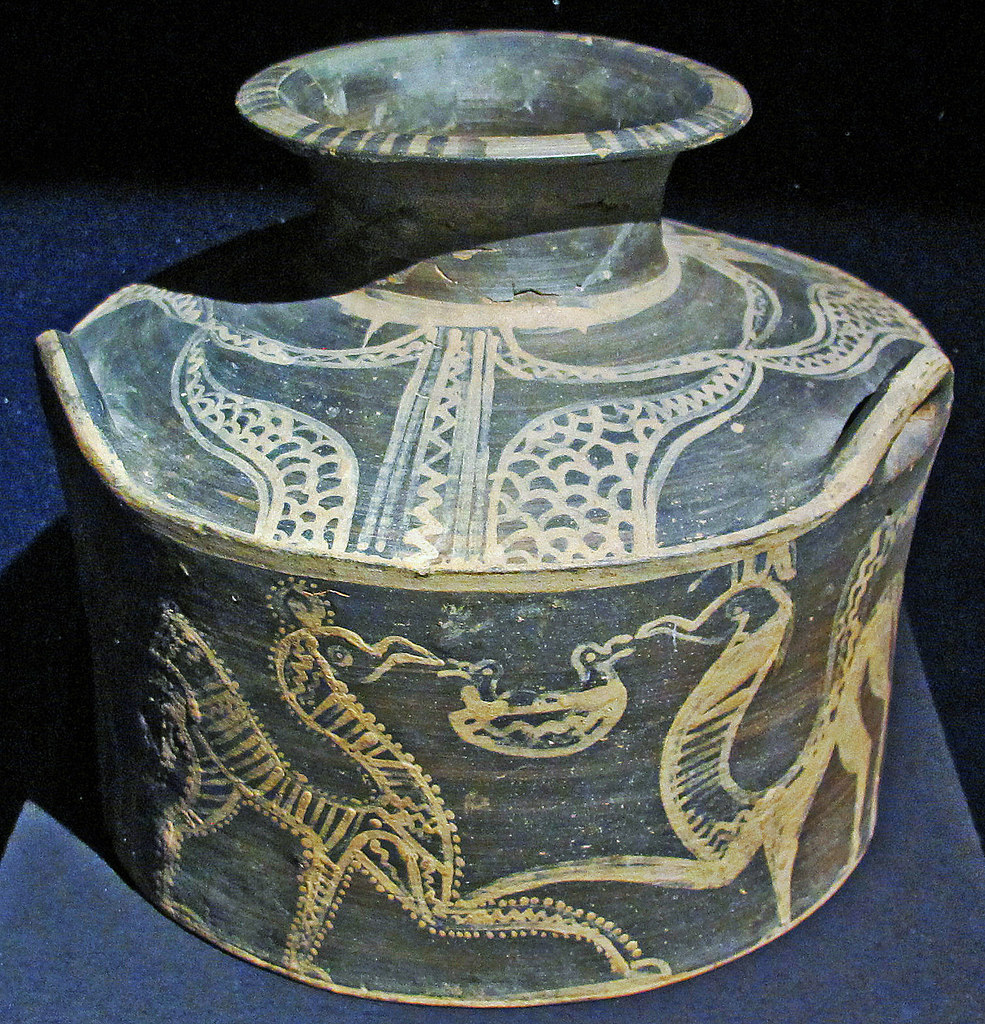
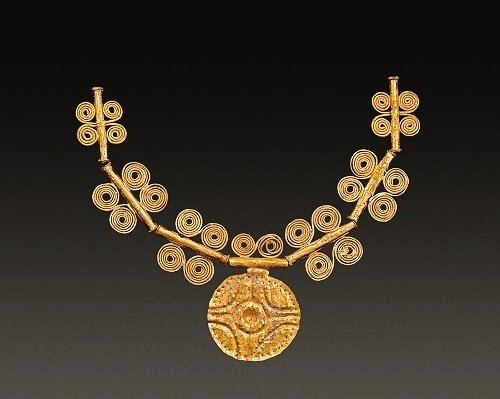
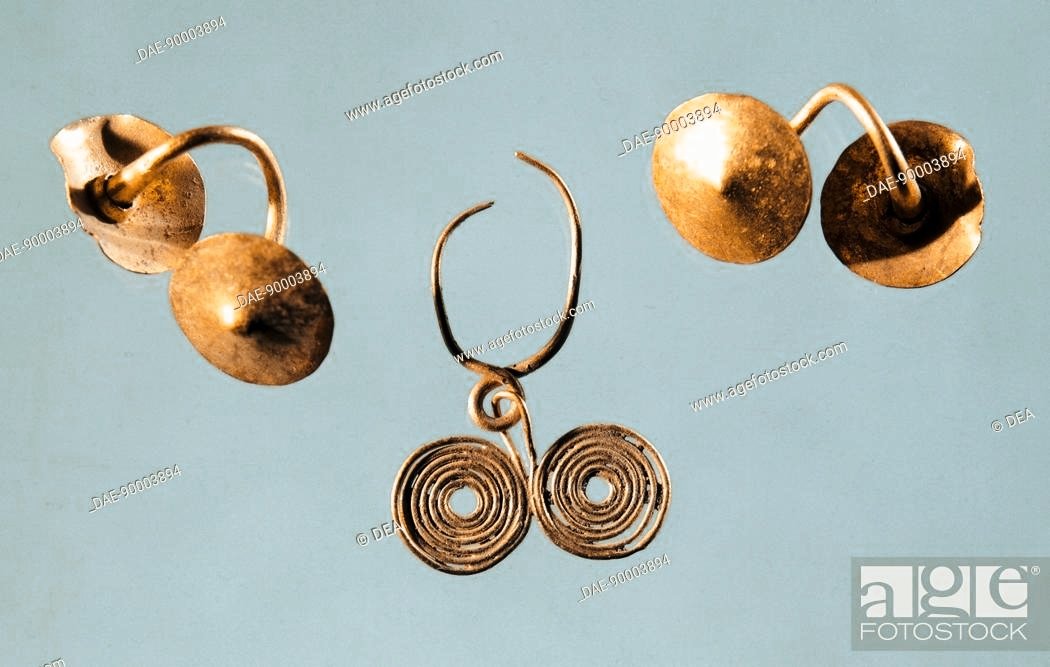
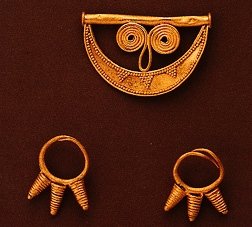
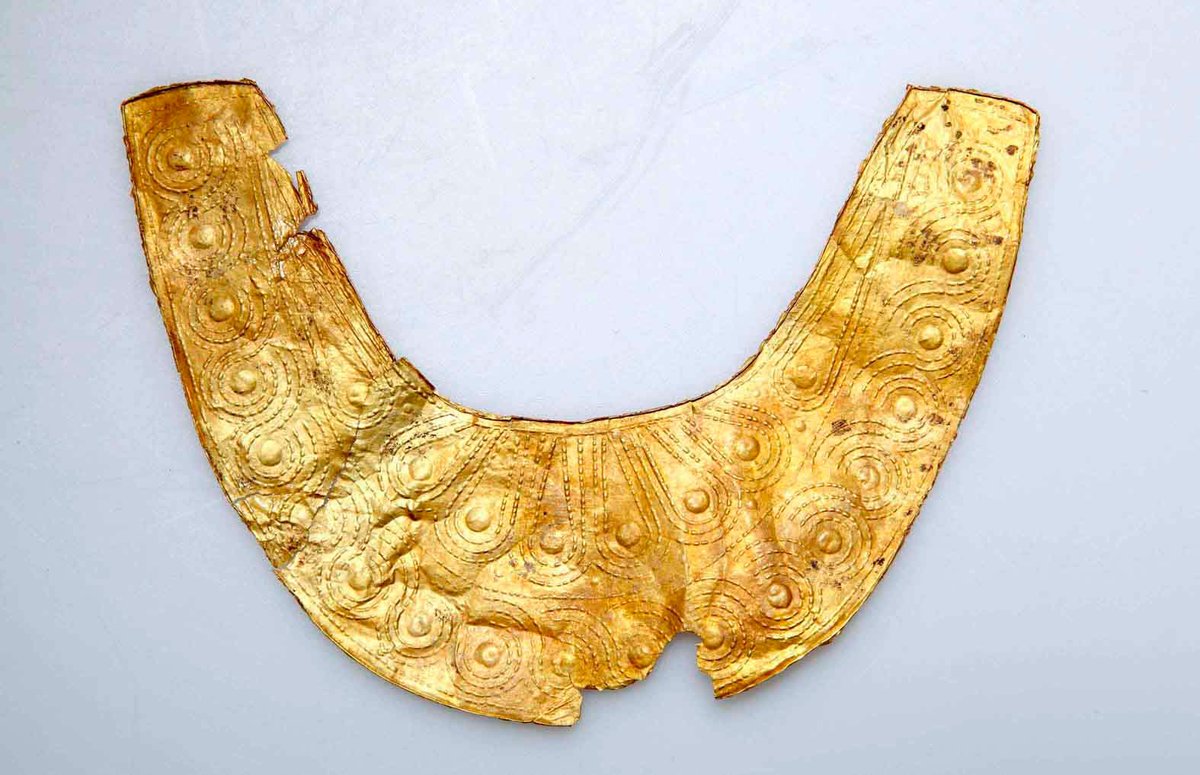
2/ During the Proto-Geometric Period, Lefkandi reaches the height of its power, as evidenced by the rich burial assemblages, dominated by local and imported vessels, jewelry, iron weapons and luxury items, most of which were imported from the eastern Mediterranean. ImageImageImageImage
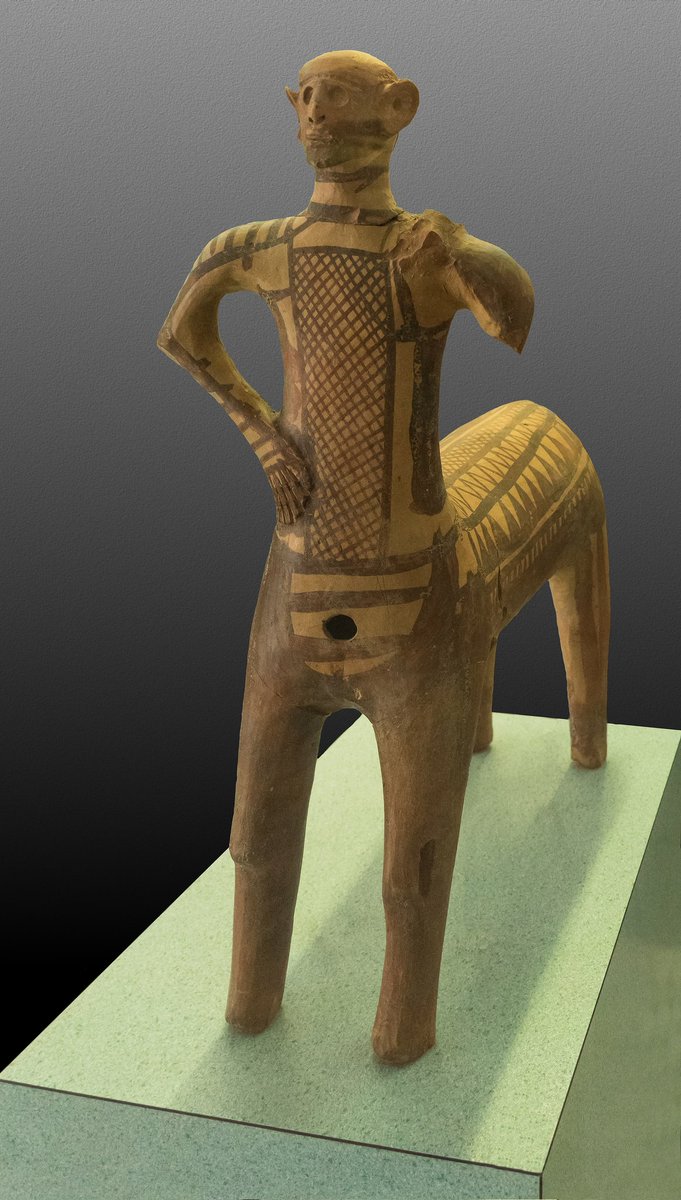
3/ Among the rich finds, the most important is the Lefkandi Centaur, which is a memorable case of artefact that quickly impresses the viewer with its elaborate and at the same time enigmatic aesthetic essence. ➡️ Image
Read 17 tweets
Jan 4
1/ About 750 BC Euboean colonists, coming from Eretria and Chalcis, approach the north coast of the island of Ischia in the Gulf of Naples in the south of the Tyrrhenian Sea with the aim of creating a small settlement in this area.
2/ The Euboeans did not arrive here by chance, nor did they settle in the unknown. It was the result of knowledge of years that they had gained operating commercially with their ships in the seas of the Western Mediterranean and especially in the Tyrrhenian Sea.
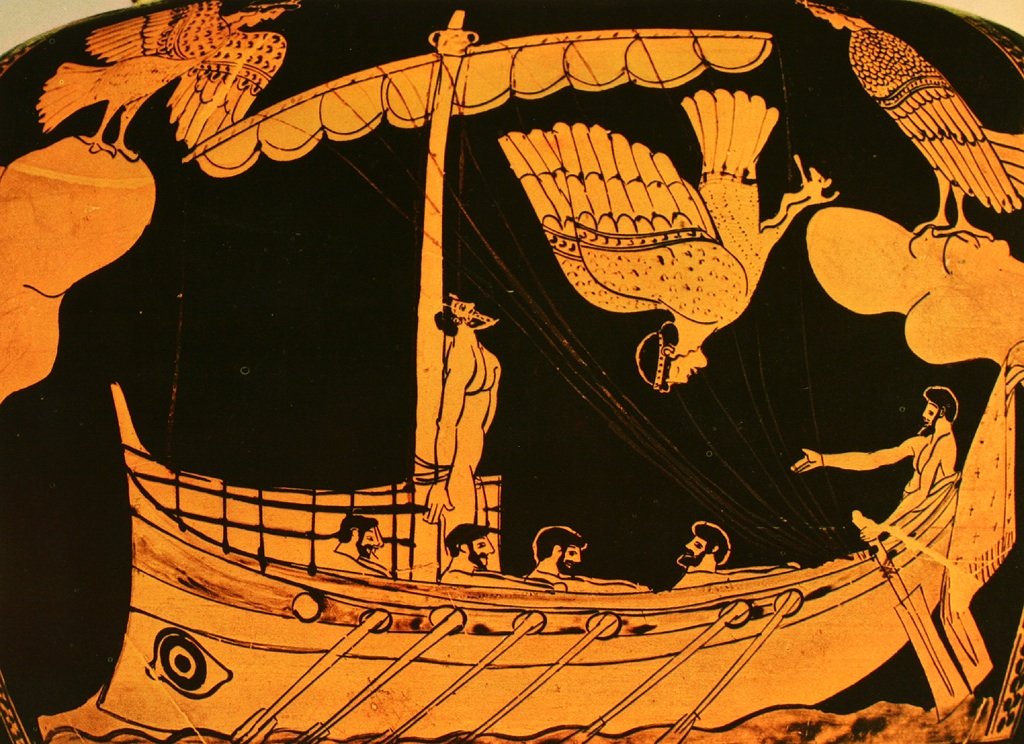
3/ The stories of the Euboean sailors and the memories of their maritime adventures in the Gulf of Naples had taken the form of mythological stories connected to the Giant Typhoon and the Homeric hero Odysseus (Rock of the Sirens).
Read 22 tweets
Jan 2
1/ Do not overestimate the population migration of groups from the Italian peninsula to the Aegean, and especially elements of the Terramare Culture. ➡️
➡️ Recent research shows a main dispersal of Terramare populations towards central and southern Italy, especially in the Campania-Apulia regions, with no evidence of further movement.
2/ The Italic finds (swords - HBW pottery) must be evaluated as small Italic groups of mercenaries, pirates, artisans and traders who settled for different reasons in the Aegean as early as the middle of the 13th century BC ➡️
Read 7 tweets
Jan 1
1/ In 1881, an illustrious Etruscan tomb containing, among other things, an elaborate Greek vase was found in Monte Aguzzo not far from the great ancient Etruscan city of Veii and specifically in the estate of Mario Chigi, a prince of southern Tuscany.
2/ The vessel, which received the name Chigi Vase, is a Proto-Corinthian olpe, i.e. a type of oinochoe that was used for pouring wine and is believed to have been made around 650 BC. ➡️
➡️ Although it is of moderate size compared to similar vessels of this period with a height of 26 cm and the 3/4 of the vessel have been saved, it is famous for its wonderful decorative depictions.
Read 27 tweets
Dec 31, 2022
1/ #2022 is coming to an end and let's do our own review of the accounts that caught our interest in our first year on Twitter. (The beginning of the account was very difficult, but at the end of the year it seems to have found its way).
2/ We start with an account that supported us in the beginning, @serbiaireland. There you will find interesting and inventive views on various topics related to prehistoric and newer civilizations, mainly for the world of symbols and their decipherment. 👉
oldeuropeanculture.blogspot.com/?m=1
3/ An account that makes the difference with the videos it uploads on YouTube, but also with its books, is @DanDavisWrites. He is a leader in the depiction Prehistoric Eurasia, but also especially various events of the Late Bronze Age Collapse. 👉
youtube.com/@DanDavisHisto…
Read 12 tweets

Did Thread Reader help you today?

Support us! We are indie developers!


This site is made by just two indie developers on a laptop doing marketing, support and development! Read more about the story.

Become a Premium Member ($3/month or $30/year) and get exclusive features!

Become Premium

Don't want to be a Premium member but still want to support us?

Make a small donation by buying us coffee ($5) or help with server cost ($10)

Donate via Paypal

Or Donate anonymously using crypto!

Ethereum

0xfe58350B80634f60Fa6Dc149a72b4DFbc17D341E copy

Bitcoin

3ATGMxNzCUFzxpMCHL5sWSt4DVtS8UqXpi copy

Thank you for your support!

Follow Us on Twitter!

:(