TRIMMER BARS REINFORCEMENT

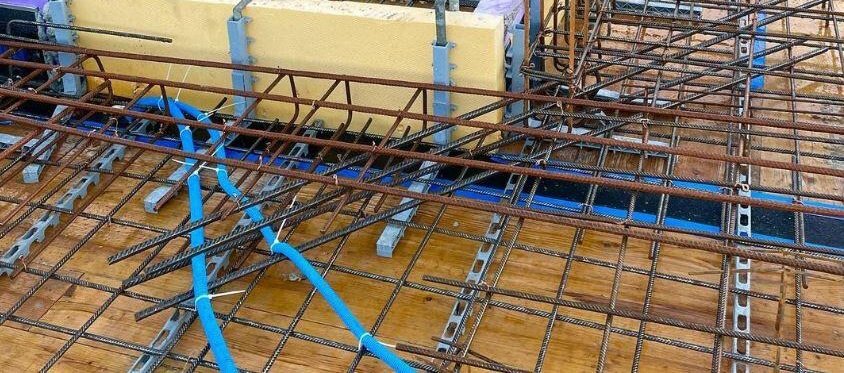
As you can see the beam-like bars around the edges of the slab opening below, it helps mitigate cracking and also prevents cracks opening far enough that they would become a problem by stopping them from propagating further into the slab. ImageImage
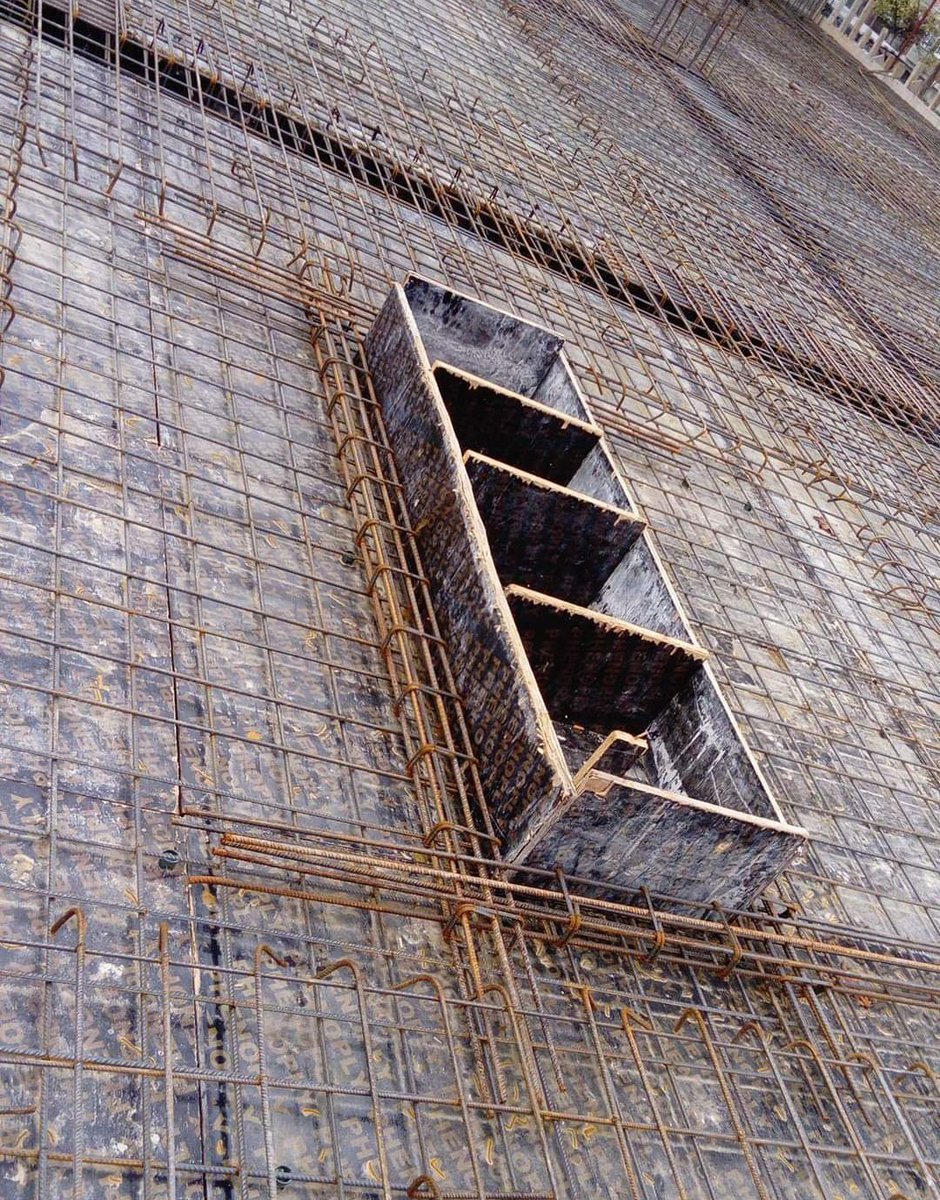
It can be placed in diagonal or straight but also must be installed near the surface of the slab as that is where control of the cracks is most important. However again, it is best practice to support the trimming reinforcement using spacers and cast the concrete around it.
If concrete cover is not controlled, it renders the trimming reinforcement redundant and cracking will not be controlled. It's also good to have the additional number of bars equivalent to the rebars interrupted by the openings.
Whatever is the purpose of slab openings in your project, it should never be taken for granted as somehow, it has an impact on your slab design hence the need to use trimming/trimmer bars reinforcement.

The END

• • •

Missing some Tweet in this thread? You can try to force a refresh

 

Keep Current with 𝙱𝚘𝚜𝚜 𝚈𝚊𝚝𝚘𝚛☚

𝙱𝚘𝚜𝚜 𝚈𝚊𝚝𝚘𝚛☚ Profile picture

Stay in touch and get notified when new unrolls are available from this author!

Read all threads

This Thread may be Removed Anytime!

PDF

Twitter may remove this content at anytime! Save it as PDF for later use!

Try unrolling a thread yourself!

how to unroll video
  1. Follow @ThreadReaderApp to mention us!

  2. From a Twitter thread mention us with a keyword "unroll"
@threadreaderapp unroll

Practice here first or read more on our help page!

More from @Bossyator

Jun 16
TYPES OF LIVING ROOMS!🙎

1. Eclectic Style.
Electrified with eclectic decor such as downlights, snakelights, chandeliers. You can showcase your effervescent and unique personality in a curated fashion. Incorporate both rough and smooth textures to add depth to your spaces. Image
2. Industrial Style.
When you think industrial, think exposed bricks, white typographic prints, factory windows meet shaggy rugs, iron piping, and wooden floors to create a space that looks industrial to the core. The industrial style will make your living room look more natural. Image
3. Scandinavian Style.
It has antique style furniture and fixtures and artistic interiors. It's one of the most beautiful types of living room ideas for homes. You can place a chandelier to spice up the room, patterned rugs, wooden coffee tables to make it more warm & welcoming. Image
Read 12 tweets
Jun 14
REINFORCED BRICK SLAB

An RB slab is erected with steel bars reinforcement and arranged bricks within the spacings. Steel bars are arranged with some distances based on the structural design determined by how load of the slab is distributed & the desired shape of the final slab. ImageImage
It's ideal for roofs in buildings. The distance among the bars is occupied by bricks which are arranged on its edge. The bars are provided among the bricks in both directions, then mortar along with the least possible water quantity is used to fill up the distance among the bars.
As you all know bricks are permeable, therefore the slab should be plastered with mortar having enough water-proofing compounds on the upper surface. On the bottom part, it can be left unplastered as seen in the photo above.

It's not ideal for places with heavy rains because..
Read 4 tweets
Jun 11
TYPES OF STAIRCASES

When building, a staircase is designed to bridge a large vertical distance by dividing it into smaller vertical distances.

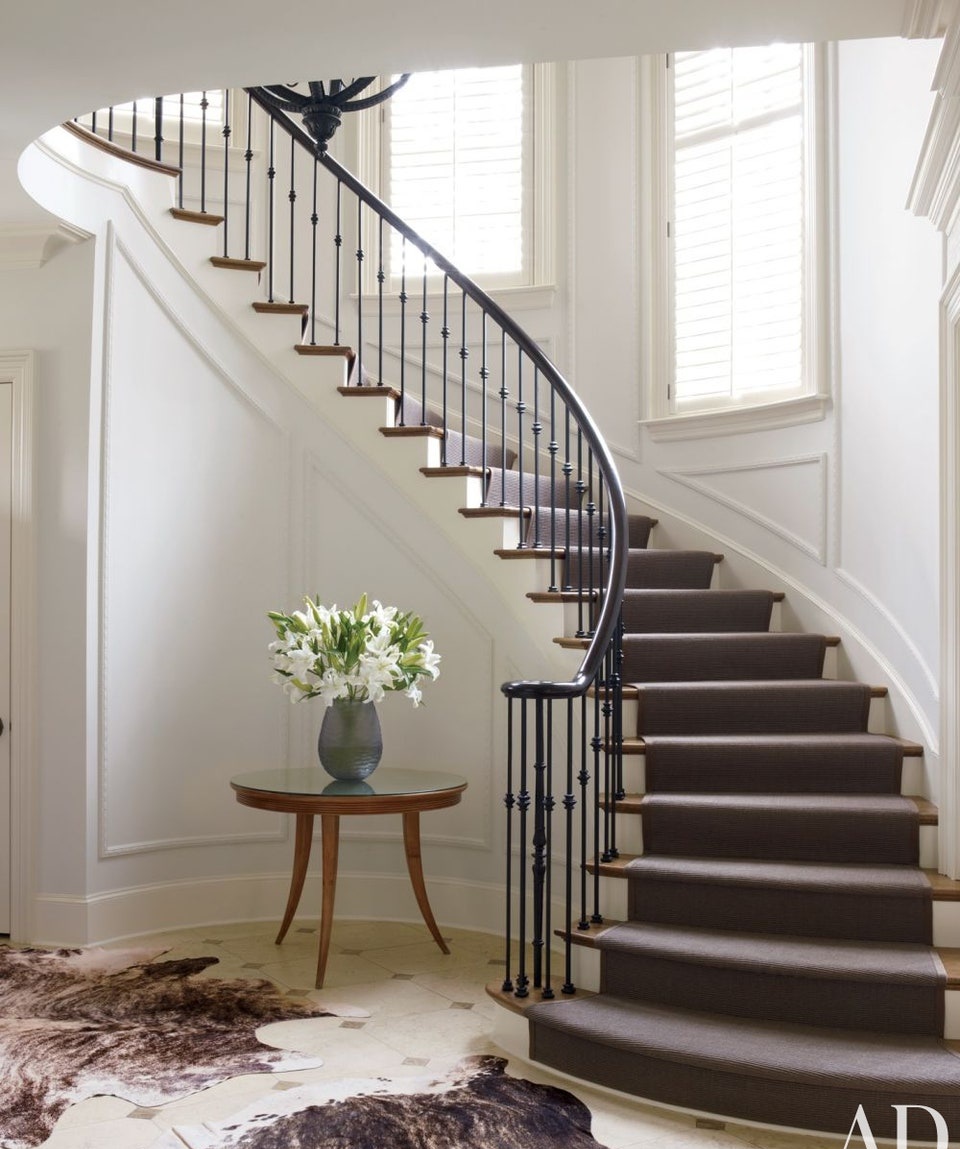
1. Curved Staircase
This style has no landings, stairs are continuous following a bend to make a striking architectural statement. Image
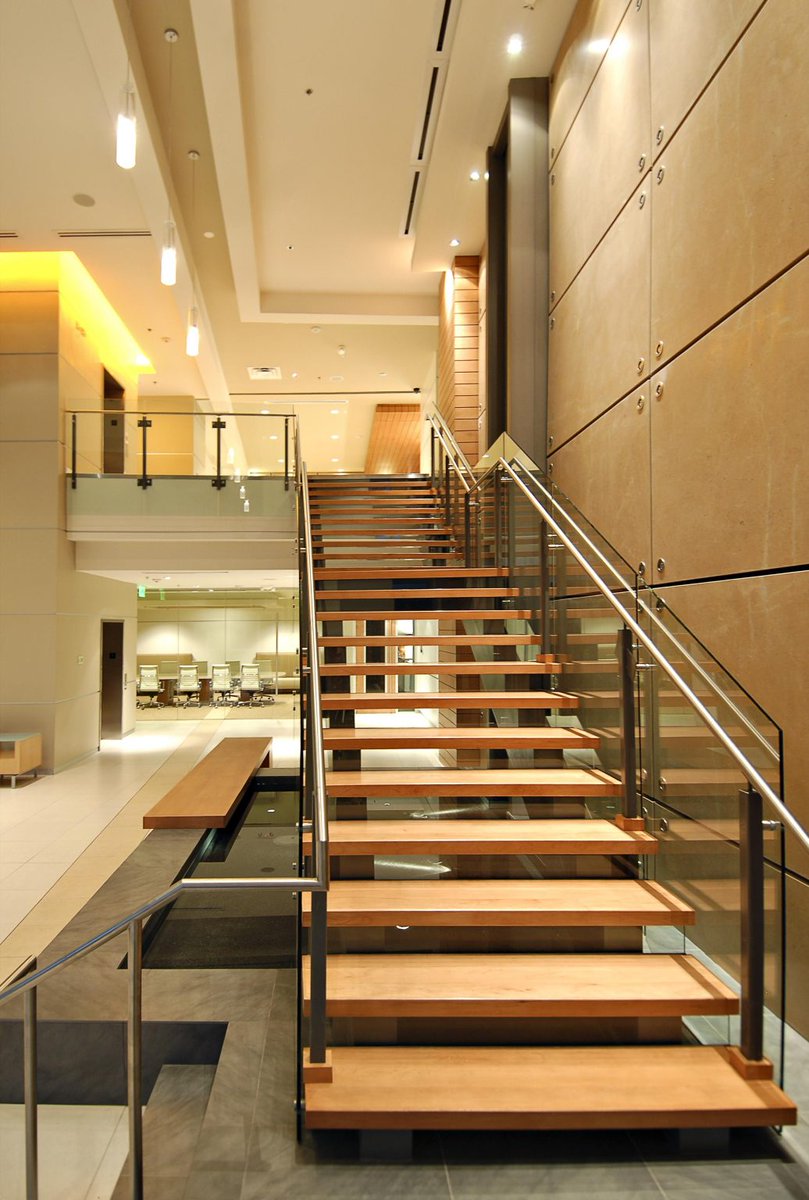
2. Straight Stairs
This type of staircase as the name suggests is literally straightforward. Straight stairs feature a single linear flight with no change in direction at all. Image
3. Quarter Turn Stairs
The classic straight style, meshed up a little. In this design, the stairs make a 90-degree turn at some point, going left or right after a landing. Image
Read 10 tweets
Jun 9
ASHLAR CHAMFERED MASONRY

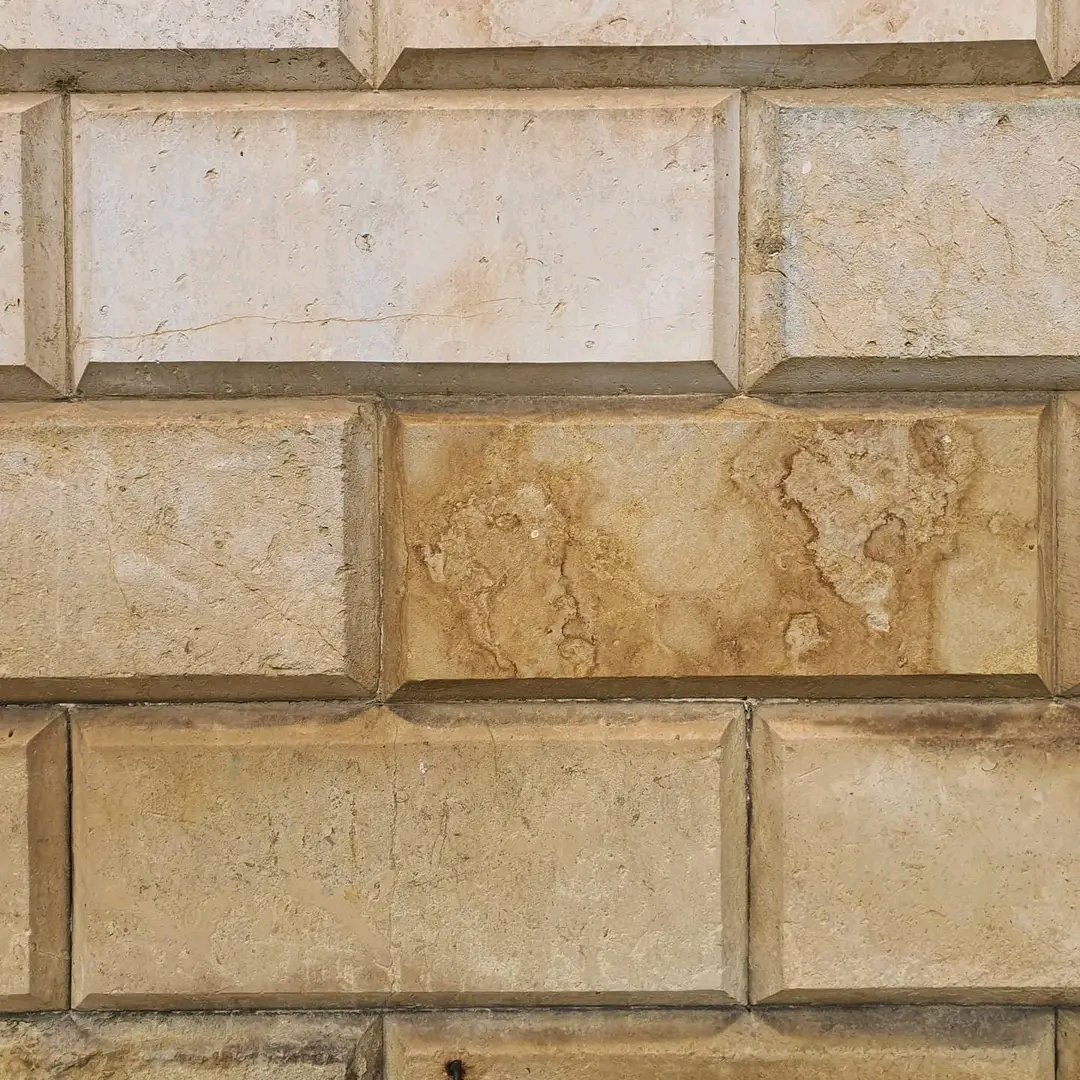
This masonry type uses fine dressed blocks that their edges around the exposed faces are beveled off at an angle of 45° for depth of 25 mm or more. The courses are of the same height in ashlar masonry & joints are all uniformly thick, thin and regular. ImageImage
600mm long straight edge on the surface is never farther than 1 mm from any point on the dressed face. In the finished item, the face will be discernible. No point on the surface of the top or bed deviates from the straight edge by more than 3 mm. There are no side surfaces...
that make up the vertical joints where a point is dropped from the straight edge by more than 6mm. Furthermore, the surfaces of the internal joints are prepared such that no portion of the surface is farther from the straight edge than 10 mm. Every corner & edge visible in the..
Read 4 tweets
Jun 8
CONSTRUCTION LIABILITY

A construction project is basically a game of liabilities between all the concerned parties; contractors, professional consultants & the developer. In the event of an unfortunate outcome, the consequent damages should be settled by the responsible party. Image
A thoughtful way of safeguarding your project therefore, is simply engaging licensed contractors and consultants. I admit that this option might seem costly at first but thankfully, licensed parties are typically insured against possible liabilities. And that includes...
stuff like site accidents, structural failure, defective work etc.

Unfortunately, the circumstances change when you work with unlicensed contractors and unqualified consultants. They might seem to be significantly cheaper at first but What they won’t tell you, however..
Read 4 tweets
May 20
ROLE of ARCHITECT vs ENGINEER

Principles of Architecture

1. FIRMATAS (durability/strength/safety)
2. UTILITAS (utility/use/function)
3. VENUSTAS (aesthetic/beauty/form)

ARCHITECT'S must always be guided by UTILITAS & VENUSTAS when they provide CONCEPTS & LAYOUTS. This include Image
Plans, Elevations, Section, Details, etc. To achieve these tasks Architects need to know/learn other disciplines and get general ideas of Building Designs.

ENGINEERS' role is to Specialize in one field of FIRMATAS & Design Against Elements such as Air, Water, Fire and Earth.
1. STRUCTURAL ENG designs Substructure & Superstructure

2. MECHNICAL ENG deals with plumbing and fire fighting.

3. ELECTRICAL ENG deals with power, lightings, fire detection, and telecommunication.
Read 5 tweets

Did Thread Reader help you today?

Support us! We are indie developers!


This site is made by just two indie developers on a laptop doing marketing, support and development! Read more about the story.

Become a Premium Member ($3/month or $30/year) and get exclusive features!

Become Premium

Don't want to be a Premium member but still want to support us?

Make a small donation by buying us coffee ($5) or help with server cost ($10)

Donate via Paypal

Or Donate anonymously using crypto!

Ethereum

0xfe58350B80634f60Fa6Dc149a72b4DFbc17D341E copy

Bitcoin

3ATGMxNzCUFzxpMCHL5sWSt4DVtS8UqXpi copy

Thank you for your support!

Follow Us on Twitter!

:(