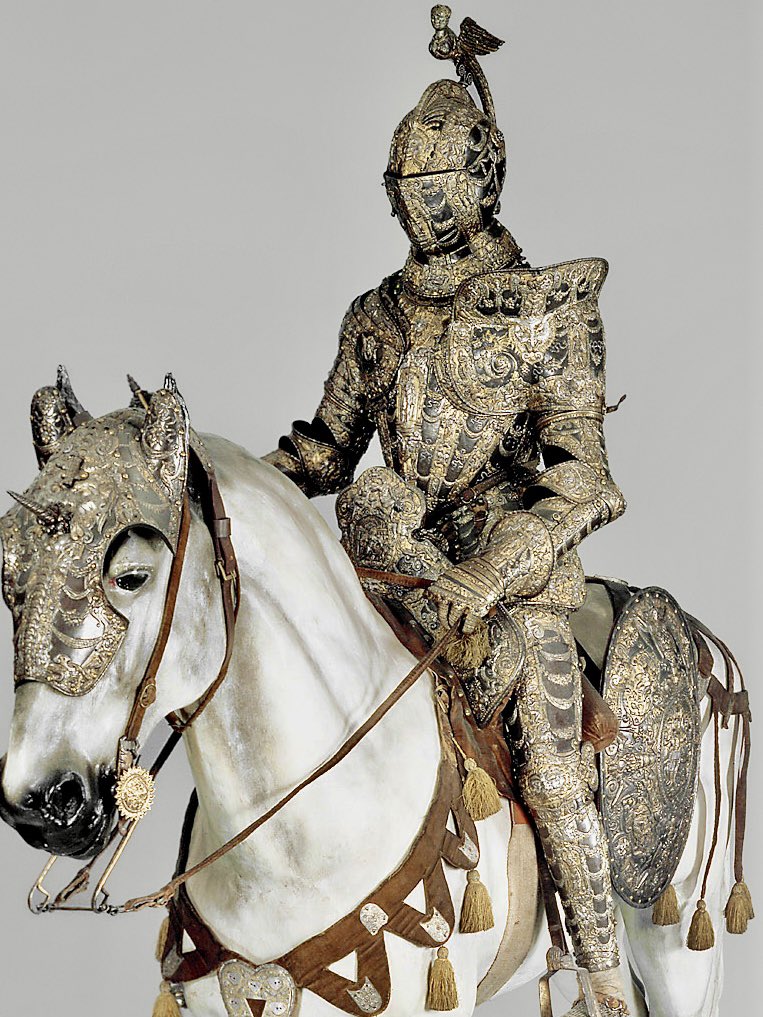
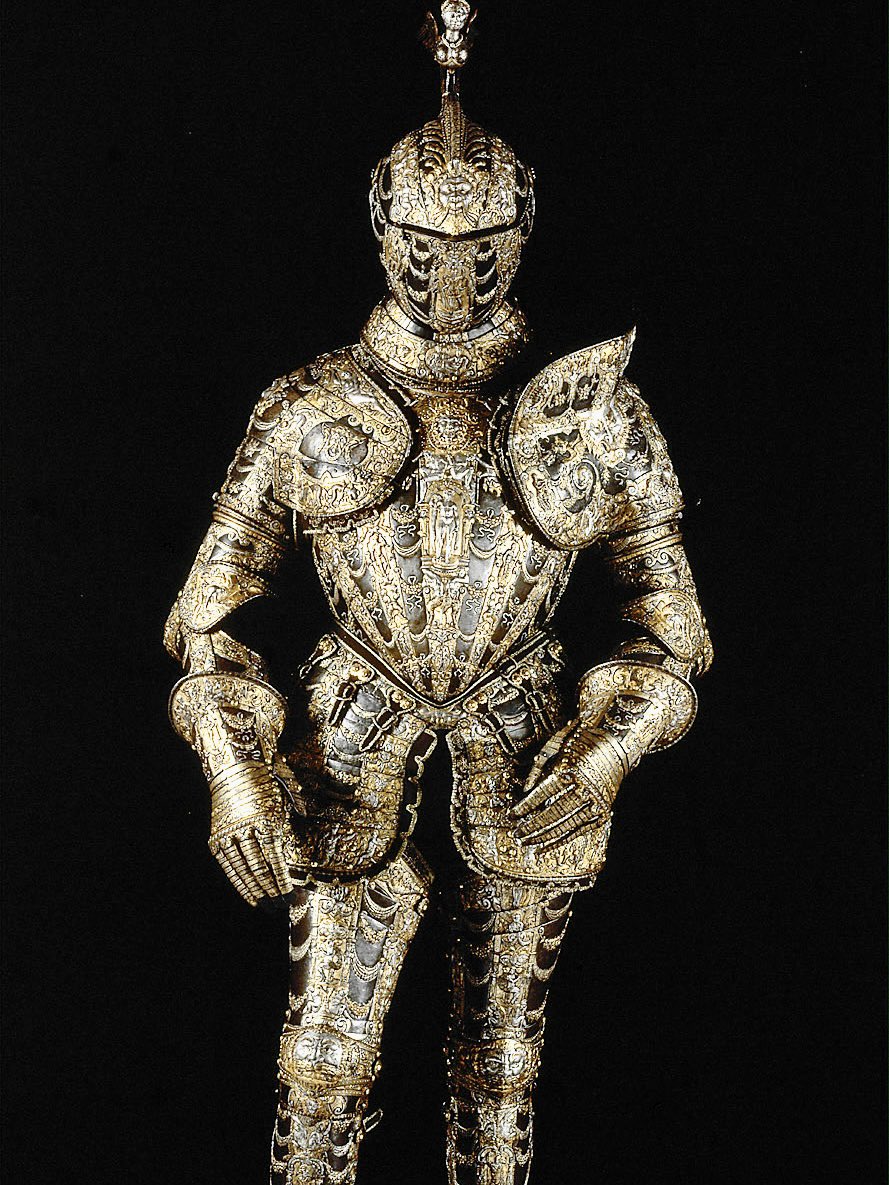
The seven Sanctuaries aligned to form the sword of Saint Michael the Archangel 🗡️
Between mystery and legend, a sacred line that protects the lands, with the Sacra di San Michele in Turin, Italy 🇮🇹 at its heart
A Thread 🧵 woven from fire and faith
Between mystery and legend, a sacred line that protects the lands, with the Sacra di San Michele in Turin, Italy 🇮🇹 at its heart
A Thread 🧵 woven from fire and faith
In geometry, the definition of a straight line is “a set of aligned points, with neither a beginning nor an end.”
In the case of the worship of Saint Michael the Archangel, however, the line in question has a very specific starting point in Ireland and ends in Israel, spanning a distance of over 4,000 kilometers.
Along this line, there are seven sanctuaries dedicated to him, with the “Sacra di San Michele,” atop Mount Pirchiriano - Italy 🇮🇹, representing the center.
In the case of the worship of Saint Michael the Archangel, however, the line in question has a very specific starting point in Ireland and ends in Israel, spanning a distance of over 4,000 kilometers.
Along this line, there are seven sanctuaries dedicated to him, with the “Sacra di San Michele,” atop Mount Pirchiriano - Italy 🇮🇹, representing the center.

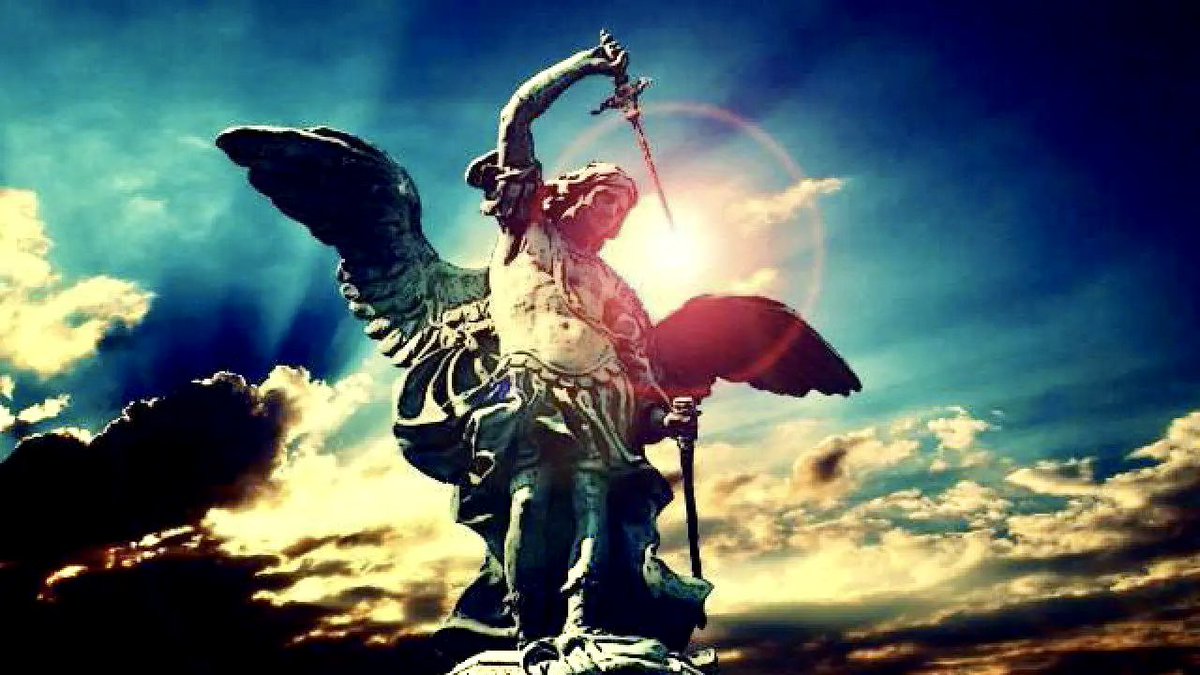
According to legend, this line was defined by a stroke of Saint Michael the Archangel’s sword during the battle between the angels of good, led by him, and the angels of evil, led by Lucifer, who had taken the form of a dragon. After the sword strike, Lucifer and his followers fell to the earth.

From the wild cliffs of Ireland to the ancient lands near Jerusalem, a mysterious line connects sanctuaries aligned with celestial precision, forming a sacred path like the blade of a divine sword. Let us retrace this line and uncover the mysteries of these holy sites, where legend and faith converge.

Skelling Island (Ireland)
The monastery of Skellig, one of the earliest Christian sites, is probably the least accessible of the seven. Very austere and not easily reached, it is located on the island of the same name and was built around 588 AD.
The monastery of Skellig, one of the earliest Christian sites, is probably the least accessible of the seven. Very austere and not easily reached, it is located on the island of the same name and was built around 588 AD.
Legend has it that Saint Michael appeared there to Saint Patrick to help him defeat the devil.
Since 1996, it has been a UNESCO World Heritage Site.
Since 1996, it has been a UNESCO World Heritage Site.
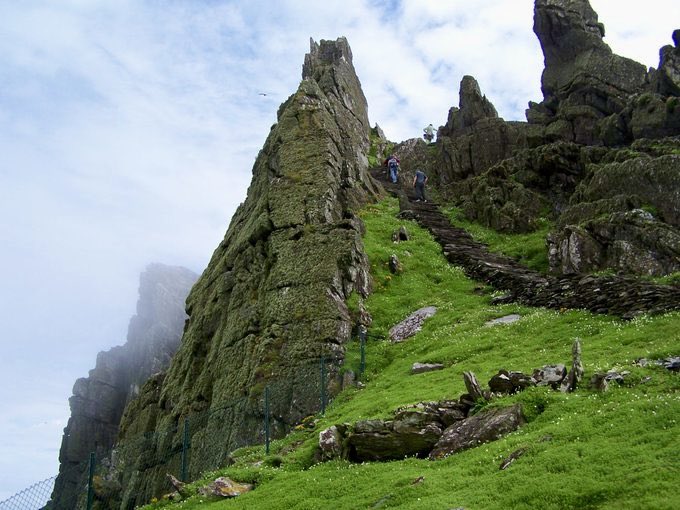
In 2014 the larger of the two Skellig islands where the monastery stands, was used as a film set for the final scenes of “Star Wars: The Force Awakens.”
The island also appears in the sequel, “Star Wars: The Last Jedi,” released in 2017.
The island also appears in the sequel, “Star Wars: The Last Jedi,” released in 2017.

St Michael’s Mount (England)
Also located on an island, the monastery of St. Michael’s Mount stands opposite the town of Marazion and is connected by a ferry service and, during low tide, by a road (much like the Mont Saint-Michel sanctuary in Normandy).
Also located on an island, the monastery of St. Michael’s Mount stands opposite the town of Marazion and is connected by a ferry service and, during low tide, by a road (much like the Mont Saint-Michel sanctuary in Normandy).


Here, the Saint appeared in 495 to a group of fishermen, and Benedictines from the Norman abbey decided to erect another sanctuary in his honor. Little remains of the original building, as a fortress was built on its ruins in the 16th century.
Mont Saint-Michel (France)
Much more well-known is the sanctuary of Mont Saint-Michel, a UNESCO World Heritage Site since 1979 and the main tourist attraction in Normandy.
Much more well-known is the sanctuary of Mont Saint-Michel, a UNESCO World Heritage Site since 1979 and the main tourist attraction in Normandy.
Here, Saint Michael appeared to the bishop in 709, urging him to build a church on the rock. The work began, but it was not completed until after the 10th century, with the arrival of Benedictine monks.

The rock, an islet with a circumference of about 960 meters and a surface area of about 7 hectares, rises to a height of 92 meters above sea level. With the statue of Saint Michael placed at the top of the church spire, the total height reaches 170 meters.

Sacra San Michele, Turin (Italy 🇮🇹)
Every year, thousands of visitors are drawn to the Sacra by its grandeur, the sacredness of the place, and the stunning views over Turin and the valley below. It is a place of peace and meditation, located 1,000 kilometers from the Norman abbey of Mont Saint-Michel and an equal distance from the church of Monte Sant’Angelo in Puglia. In short, it is halfway between the two abbeys that, along with it, form the pillars of the cult of Saint Michael.
Every year, thousands of visitors are drawn to the Sacra by its grandeur, the sacredness of the place, and the stunning views over Turin and the valley below. It is a place of peace and meditation, located 1,000 kilometers from the Norman abbey of Mont Saint-Michel and an equal distance from the church of Monte Sant’Angelo in Puglia. In short, it is halfway between the two abbeys that, along with it, form the pillars of the cult of Saint Michael.

Just a few steps past the entrance of the abbey, it is impossible not to notice, upon looking up, the statue of Saint Michael the Archangel, created by South Tyrolean sculptor Paul dë Doss-Moroder. While this statue is of recent origin, the devotion to the Archangel is much older: in 313 AD, Emperor Constantine gave him great significance, which was further enriched by the numerous appearances reported by ruling bishops.

A symbol of Piedmont, the Abbey of San Michele della Chiusa was founded between 983 and 987 around a pre-existing church by Count Hugh of Montboissier, a wealthy nobleman from Auvergne, who traveled to Rome to seek forgiveness from the Pope.
The Pope granted him a choice between a seven-year exile or the task of building an abbey as penance. It became one of the most famous Benedictine abbeys in northern Italy and is one of the largest Romanesque architectural complexes in Europe.
The Pope granted him a choice between a seven-year exile or the task of building an abbey as penance. It became one of the most famous Benedictine abbeys in northern Italy and is one of the largest Romanesque architectural complexes in Europe.

Its current imposing structure, built between the 11th and 14th centuries, features unique artistic and architectural elements, such as the Zodiac Portal and the Stairway of the Dead 👇 (12th century), while the interior of the abbey church is adorned with Romanesque sculptures in the apse area and numerous frescoes from the 15th-16th centuries.

Monte Sant’Angelo, Foggia, Italy 🇮🇹
The Apulian sanctuary of Saint Michael the Archangel, in Foggia, began in 490 when the Saint appeared to Saint Lawrence Maiorano. It quickly became the primary center of worship for the Archangel in the entire West.
The Apulian sanctuary of Saint Michael the Archangel, in Foggia, began in 490 when the Saint appeared to Saint Lawrence Maiorano. It quickly became the primary center of worship for the Archangel in the entire West.

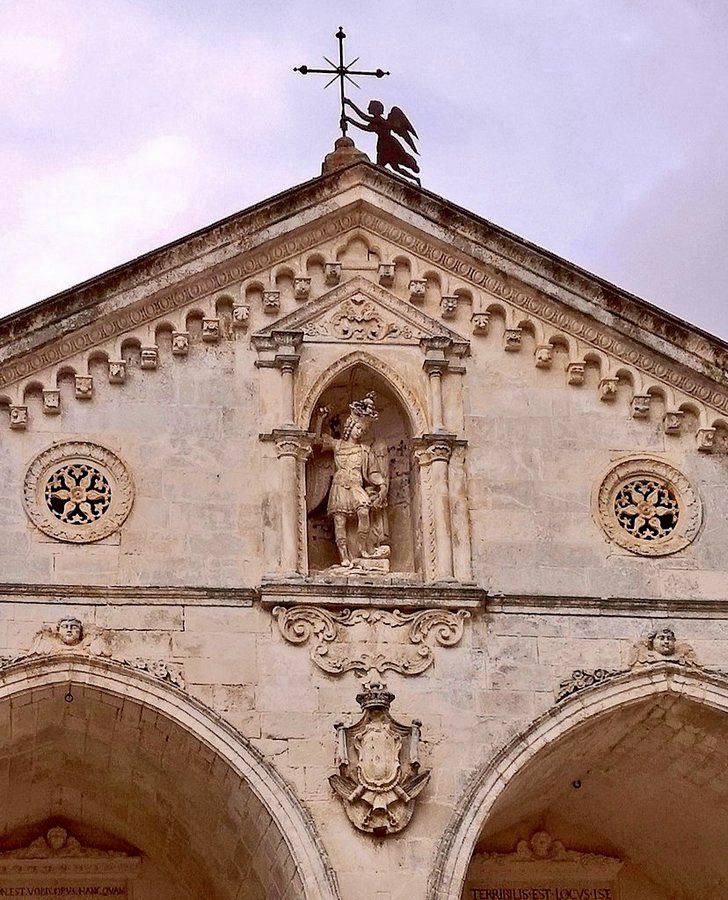
It was expanded and enriched by the Dukes of Benevento and the Lombard kings in Pavia, who promoted numerous restoration works to facilitate access to the cave of the first apparition and to accommodate pilgrims.
This sanctuary is also a UNESCO World Heritage Site.
This sanctuary is also a UNESCO World Heritage Site.
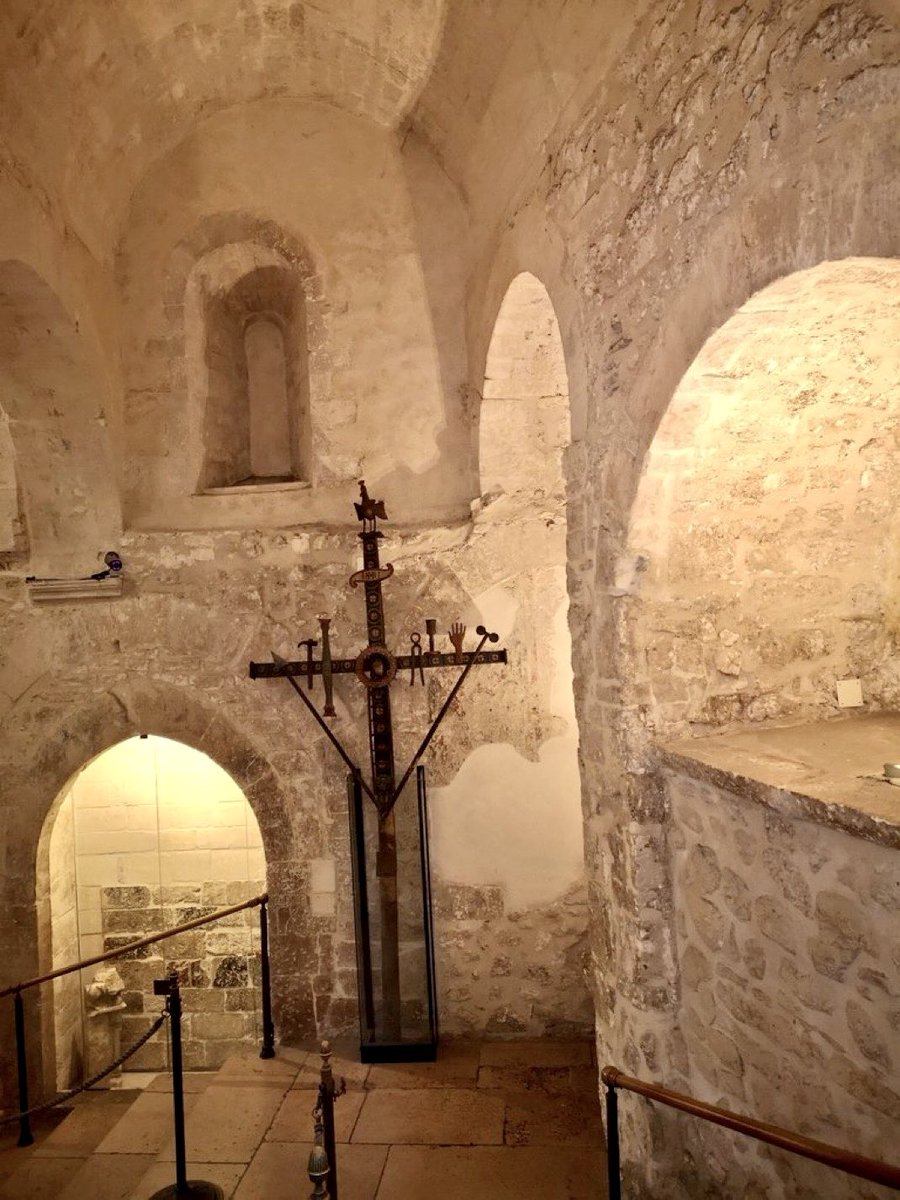
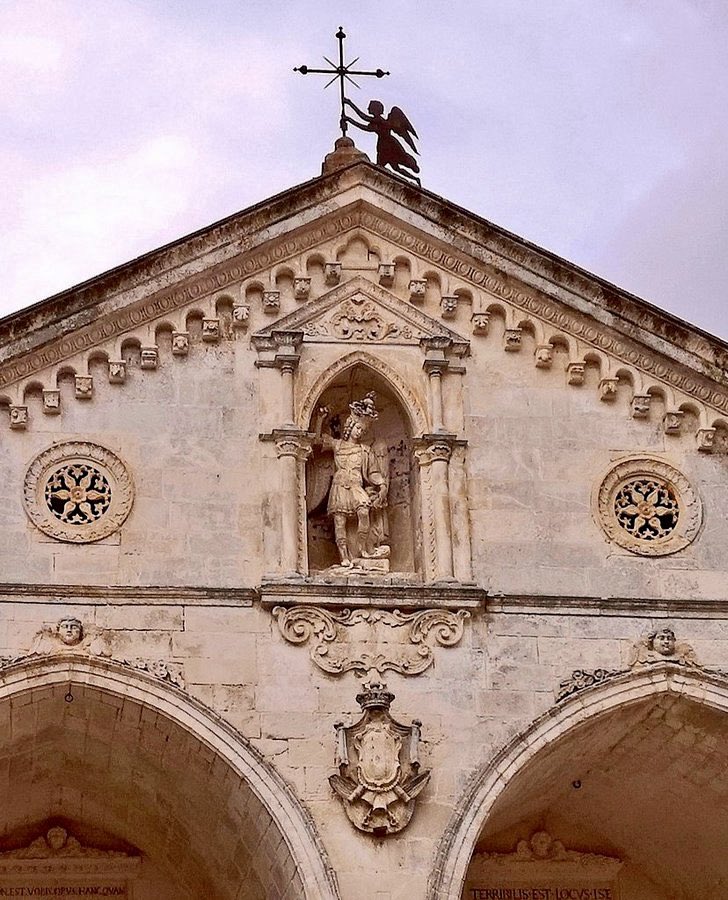
The beautiful cave church inside the Apulian Sanctuary

Monastery of Saint Michael the Archangel, Symi, Greece
The Greek monastery of Panormitis is again located on an island (Symi, in the Greek Dodecanese archipelago) and houses one of the largest statues of the Archangel, three meters tall.
It is the most important place of worship in Greece dedicated to Saint Michael and was built in 1783 on the remains of a pre-existing 15th-century monastery.
The Greek monastery of Panormitis is again located on an island (Symi, in the Greek Dodecanese archipelago) and houses one of the largest statues of the Archangel, three meters tall.
It is the most important place of worship in Greece dedicated to Saint Michael and was built in 1783 on the remains of a pre-existing 15th-century monastery.

The island, already rich in various places of worship, has nine monasteries dedicated to Saint Michael, one for each Angelic Order.


Monastery Stella Maris (Israel)
Around the same period, the Stella Maris Monastery was built.
Also a testimony to great reverence, it stands on Mount Carmel in Haifa, Israel, representing the last stop on the Sacred Line.
A Catholic convent, according to tradition, it was founded on a cave that was the dwelling of the prophet Elijah.
Around the same period, the Stella Maris Monastery was built.
Also a testimony to great reverence, it stands on Mount Carmel in Haifa, Israel, representing the last stop on the Sacred Line.
A Catholic convent, according to tradition, it was founded on a cave that was the dwelling of the prophet Elijah.

The first foundation of the monastery dates back to the Byzantine era when it became a place of worship for Saint Michael, venerated by the Lombards after their conversion to Catholicism around the 7th century.

Our journey ends here
It was beautiful, wasn’t it?
Saint Michael truly makes us feel protected by his sword 🗡️
It was beautiful, wasn’t it?
Saint Michael truly makes us feel protected by his sword 🗡️

What do you think of this line of fire and faith? Chance? Coincidence? Suggestion?
I like to think of it this way, and I find this story both fascinating and comforting amid the often troubling world around us.
I like to think of it this way, and I find this story both fascinating and comforting amid the often troubling world around us.
My friend @JeremyTate41 did you know this beautiful story? 🗡️❤️
• • •
Missing some Tweet in this thread? You can try to
force a refresh