
@IBergwiesel @Dardedar @rahmstorf @IngersolRobert If you want to know how CO2 & climate change affect crops, don't ask "climate scientists" to do a "modeling study." Ask agronomists, who actually measure such things.
They've done 1000s of studies which confirm that Arrhenius was right: it's BENEFICIAL:
tinyurl.com/arrhenius1908p…
@IBergwiesel @Dardedar @rahmstorf @IngersolRobert 2/17 What's more, we know that man-made "global warming" isn't very global. It's mostly at high latitudes, where it mostly makes brutal winters slightly milder. The tropics are little affected -- which is nice, because they're warm enough already.
@IBergwiesel @Dardedar @rahmstorf @IngersolRobert 3/17 The temperature changes which have occurred and are expected to occur are trivially tiny, and compared to natural variations over typical habitat ranges, and completely innocuous.
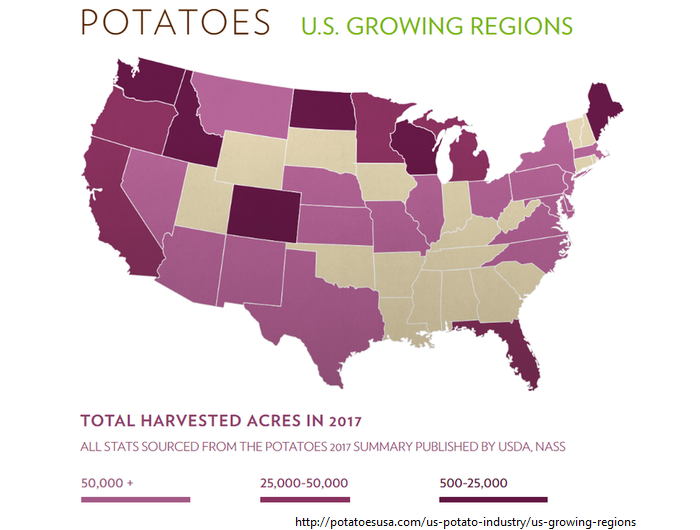
@IBergwiesel @Dardedar @rahmstorf @IngersolRobert 8/17 Wheat is grown from Texas & Louisiana to North Dakota & Canada.
So is corn.
So are potatoes. Here's a map:
potatoesusa.com/us-potato-indu…
sealevel.info/potatoes_us_gr…
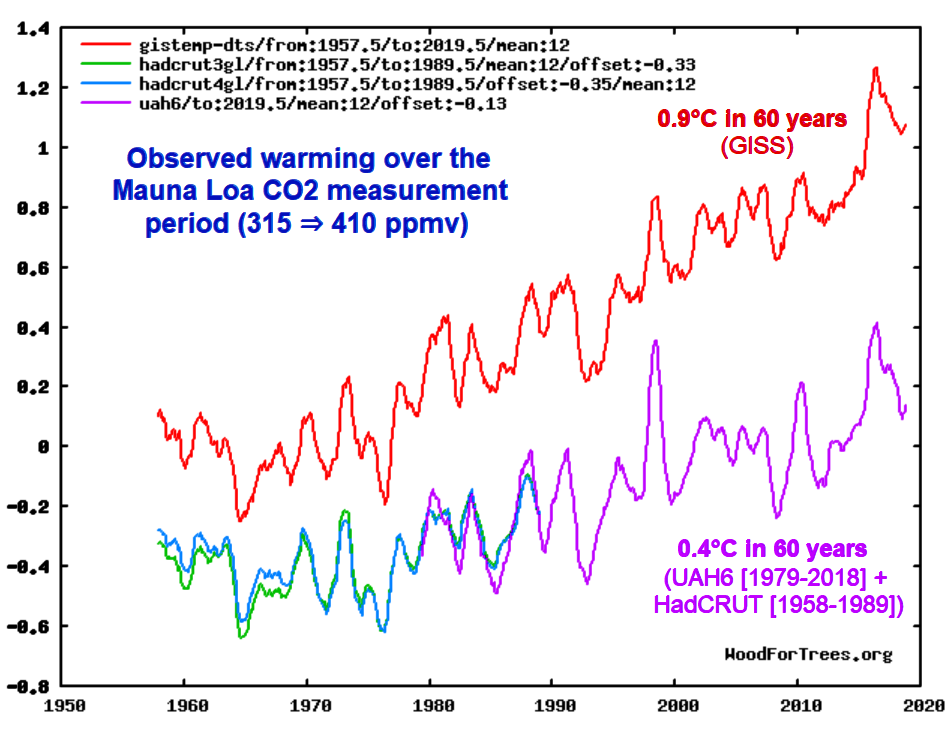
@IBergwiesel @Dardedar @rahmstorf @IngersolRobert 9/17 If we get slightly more warming in the next fifty years than we got in the last sixty-one, it will add between 0.5 and 1°C to current temperatures.
sealevel.info/GISS_vs_UAH_an…
@IBergwiesel @Dardedar @rahmstorf @IngersolRobert 10/17 American farmers can fully adjust to that much warming by advancing spring planting dates an average of three to six days. THAT is what climate activists call a catastrophe!
Just 3 to 6 days. See for yourself:
sealevel.info/Des_Moines_vs_…
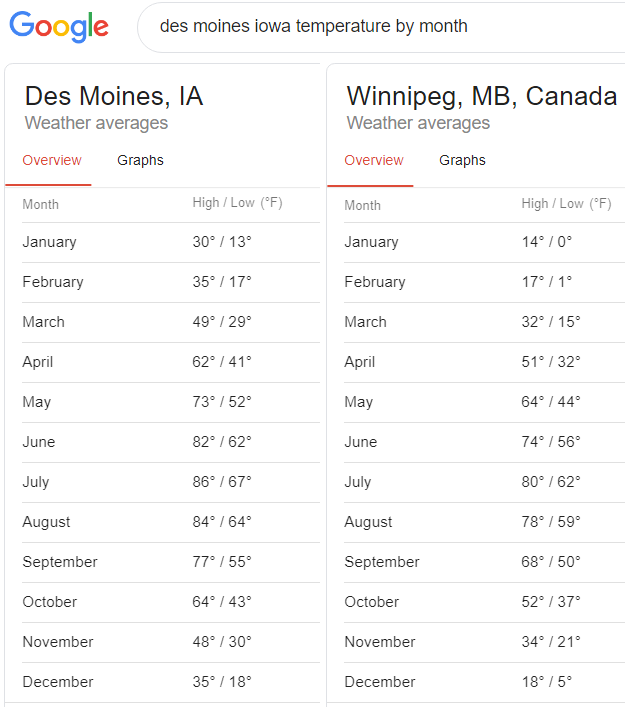
@IBergwiesel @Dardedar @rahmstorf @IngersolRobert 11/17 Fretting over a potential growing zone shift of at most 70 miles is just plain silly.
This is what eCO2 really does:
sealevel.info/madras_famine_…
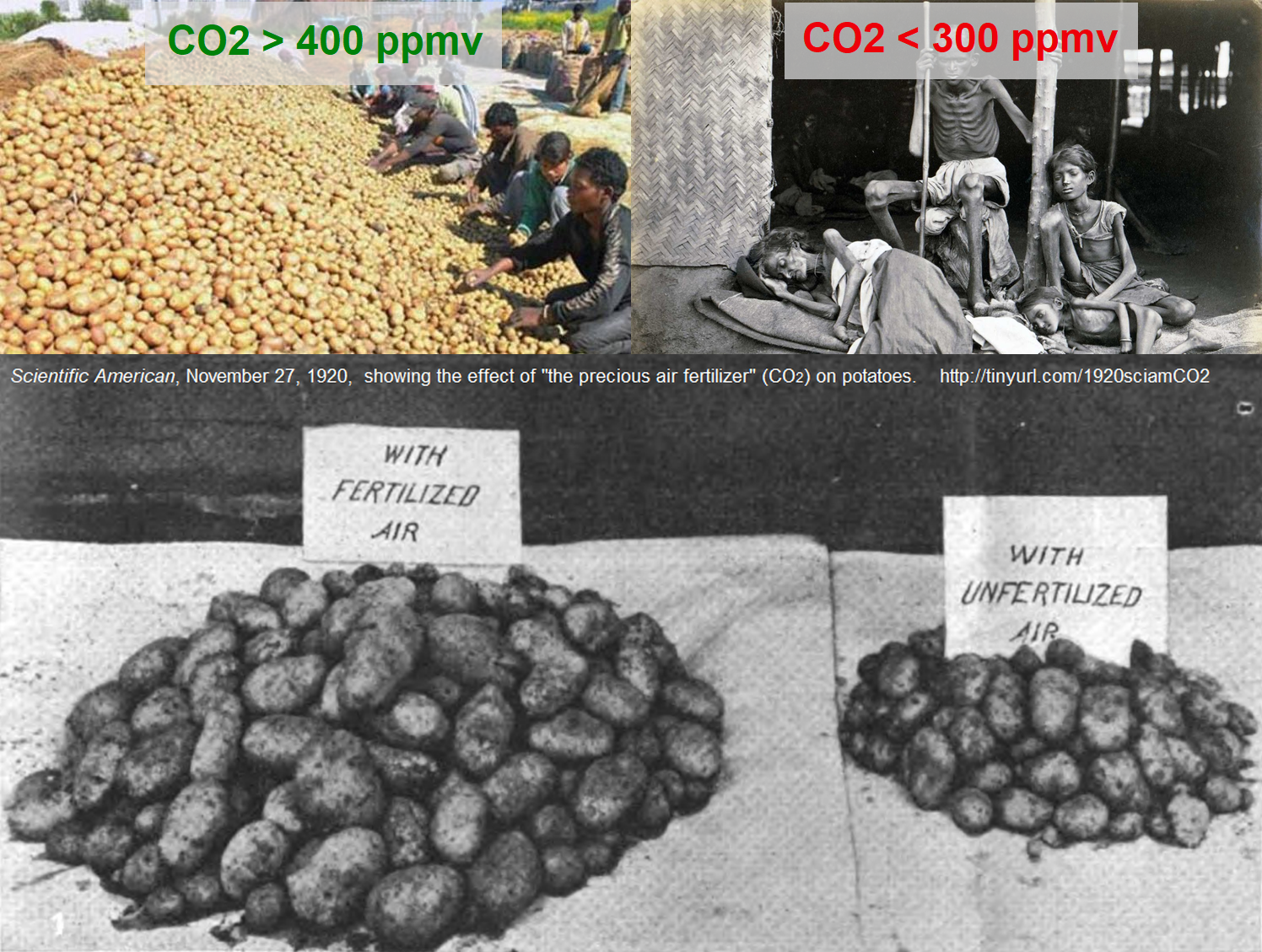
@IBergwiesel @Dardedar @rahmstorf @IngersolRobert 12/17 More CO2 = less famine, for two well-established reasons.
1. eCO2 increases crop yields. More food = less starvation.
2. eCO2 makes crops more water-efficient and drought-resilient. It mitigates drought impacts -- and droughts were the #1 cause of famines.
@IBergwiesel @Dardedar @rahmstorf @IngersolRobert 13/17 The fact that eCO2 makes crops more water-efficient and drought resilient, by reducing stomatal conductance, is well-established. The effect has been measured by many rigorous studies. E.g.
sciencedirect.com/science/articl…
@IBergwiesel @Dardedar @rahmstorf @IngersolRobert 14/17 Plus, drought incidence has been trending down (slightly).
nature.com/articles/sdata…
sealevel.info/Fraction_of_th…
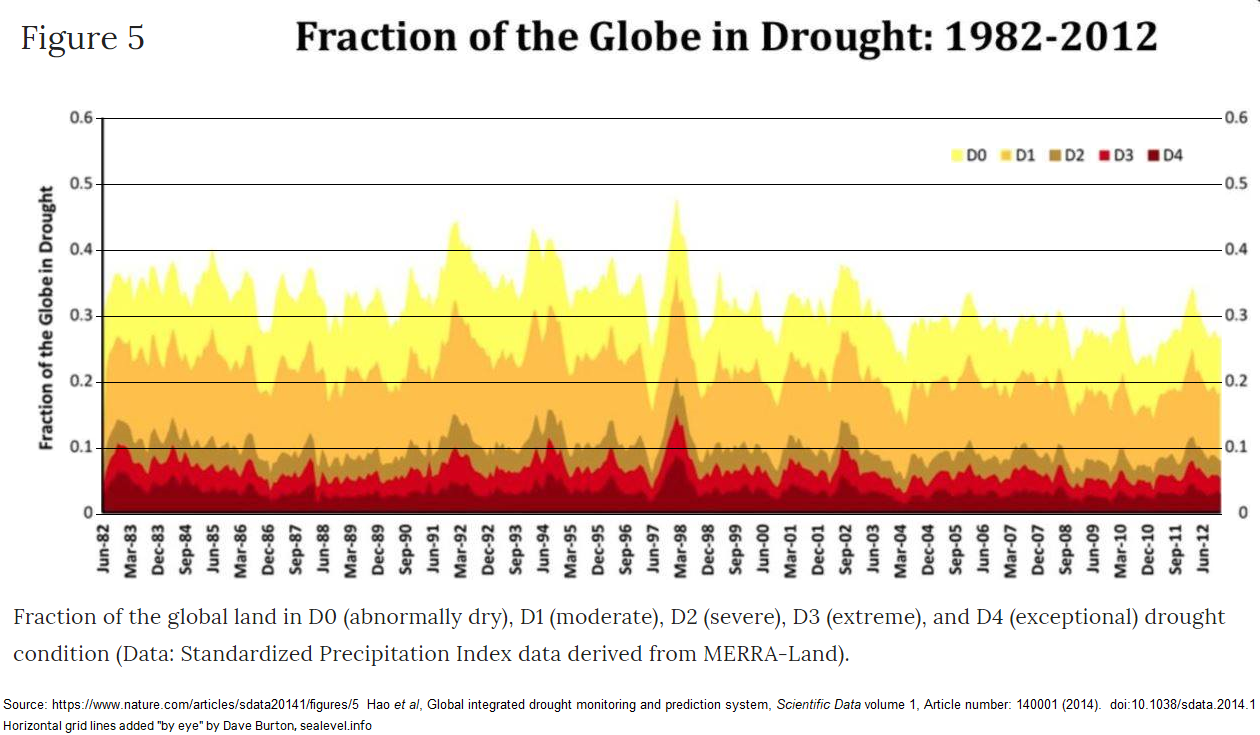
@IBergwiesel @Dardedar @rahmstorf @IngersolRobert 15/17 Elevated CO2 is dramatically beneficial for nearly all drops. It has already increased global crop yields by about 20%.
thegwpf.org/content/upload…
@IBergwiesel @Dardedar @rahmstorf @IngersolRobert 16/17 ≥1500 ppmv CO2 is optimal for most crops. That's why commercial greenhouses use CO2 generators to raise daytime CO2 concentration to about that level. They go to that expense because elevated CO2 (eCO2) makes crops MUCH healthier & more productive.
google.com/search?q=CO2+g…
@IBergwiesel @Dardedar @rahmstorf @IngersolRobert 17/17 That's also about the CO2 concentration during the lush Cretaceous. It's believed to have been even higher during the equally lush Jurassic.
Extra CO2 is beneficial for almost all crops, dramatically so for most. Look what extra CO2 does for pine:
sealevel.info/CO2-pineGrowth…

Share this Scrolly Tale with your friends.
A Scrolly Tale is a new way to read Twitter threads with a more visually immersive experience.
Discover more beautiful Scrolly Tales like this.