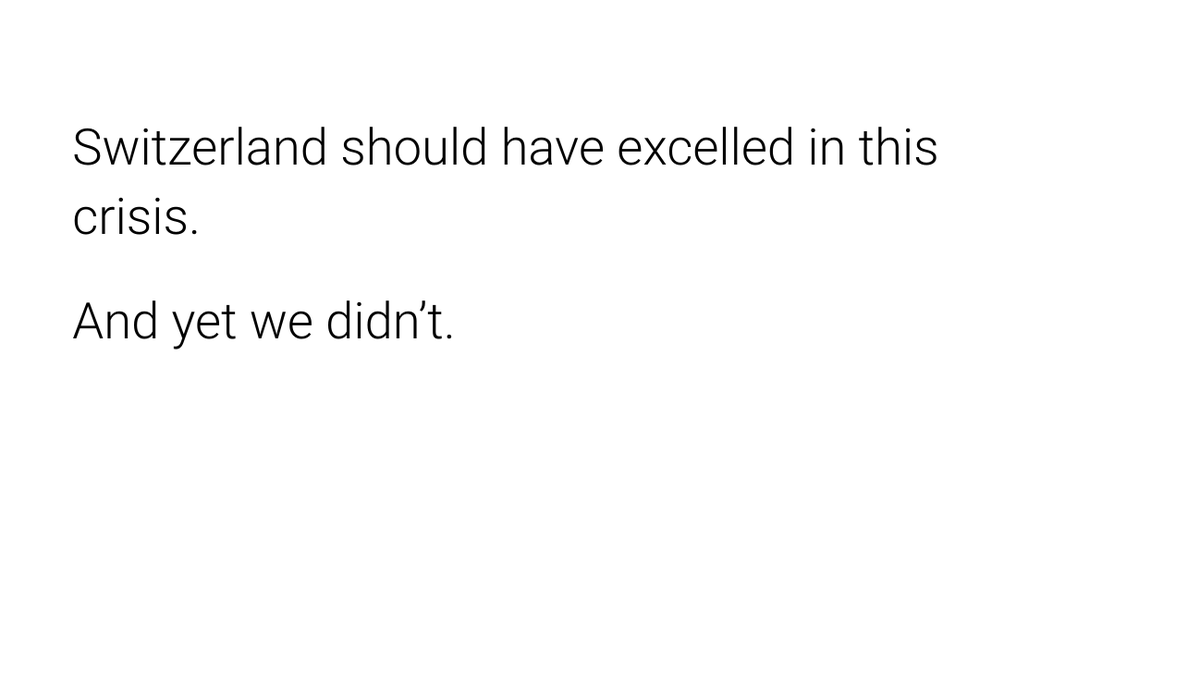
[Thread - it's *framework* time! 🧐] As we're thinking about the future of government at @CPI_foundation and as we're exploring the shift from *enablement* to *empowerment* (see image) we've come across a couple of great "from-to" models. Here are some of them: 

1/ @NewCitProj's table showing the shift from subject -> consumer -> citizen (citizenshift.info) cc: @jonjalex

2/ @Civsocfutures's PACT model - Power/Accountability/Connection/Trust (civilsocietyfutures.org/resources/) cc: @juliaunwin


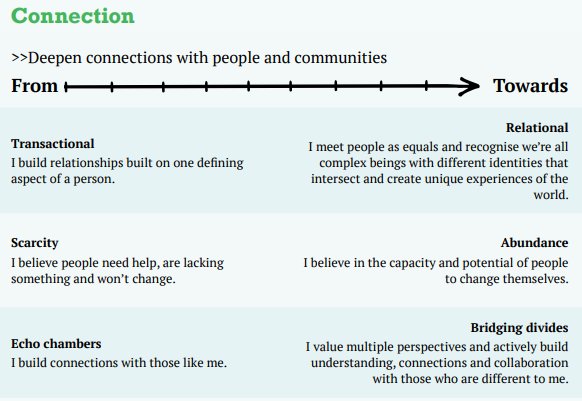

3/ @piawaugh's four paradigms:
- #1: Central to distributed
- #2: Analog to digital, human to machine
- #3: Scarcity to surplus, closed to open
- #4: Normative to formative, compliant to creative
(Do take a look at the entire excellent presentation docs.google.com/presentation/d…)
- #1: Central to distributed
- #2: Analog to digital, human to machine
- #3: Scarcity to surplus, closed to open
- #4: Normative to formative, compliant to creative
(Do take a look at the entire excellent presentation docs.google.com/presentation/d…)


4/ @AndreaSiodmok's "From 'best practice' to 'next practice'" (
https://twitter.com/AndreaSiodmok/status/1064461290289184768)

5/ Jim Olhoff's and Michael Walcheski's "linear vs. systems thinking" chart (thesystemsthinker.com/wp-content/upl…)


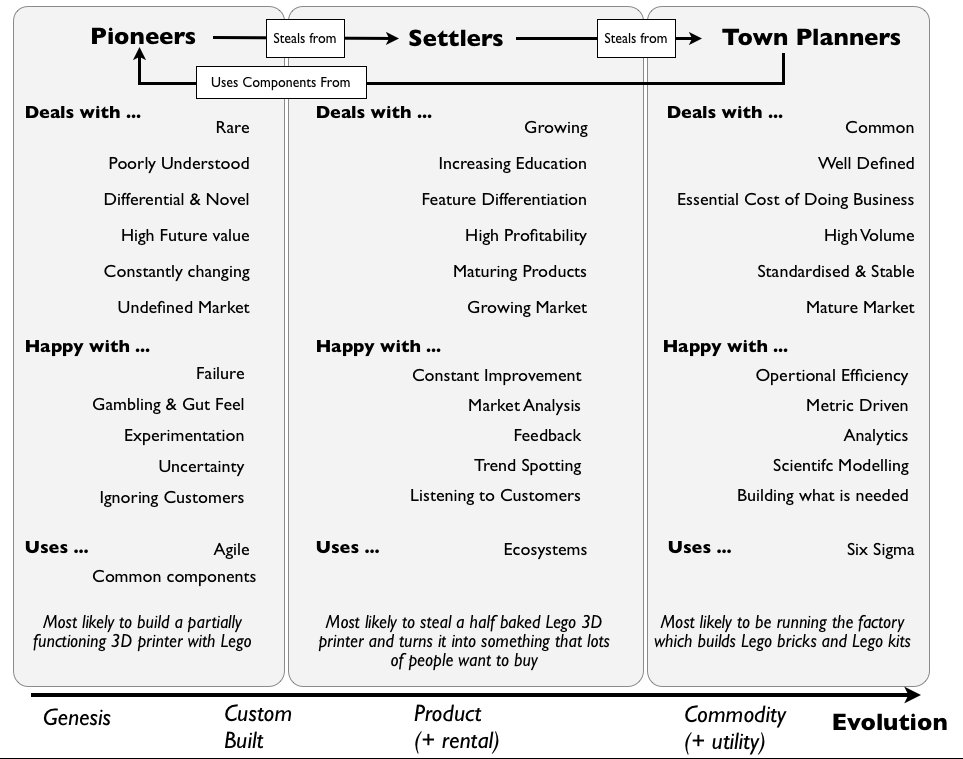
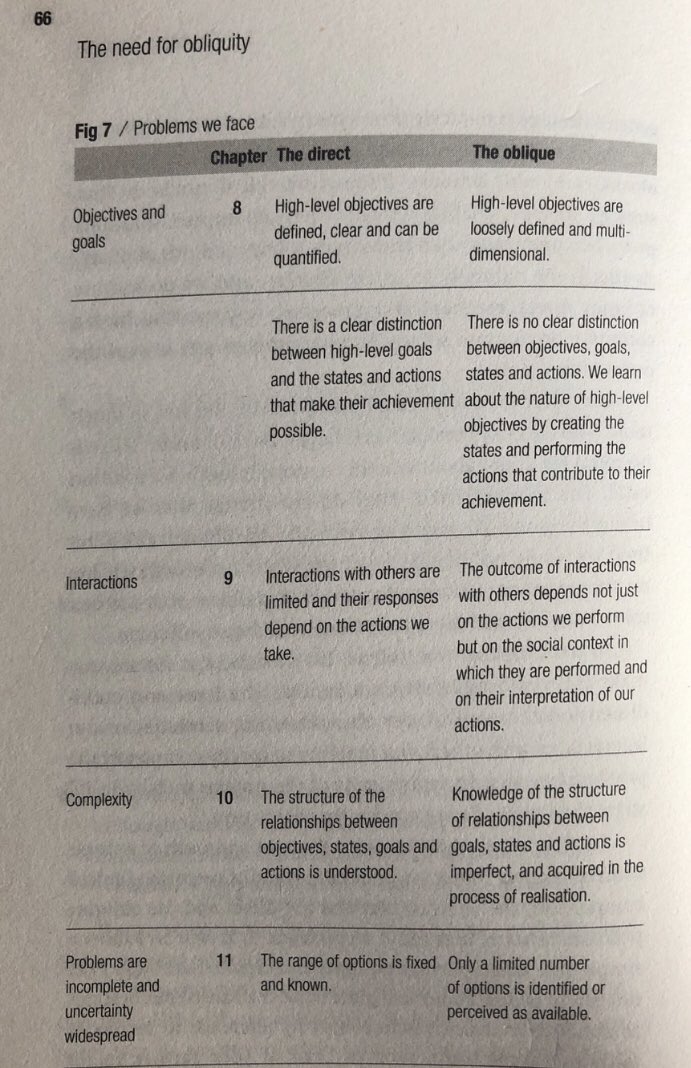

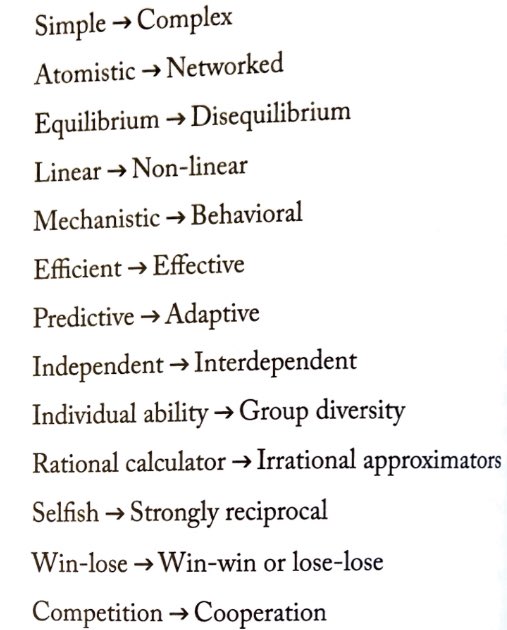
10/ Table of conceptual shifts from “Gardens of Democracy” (see previous tweet)
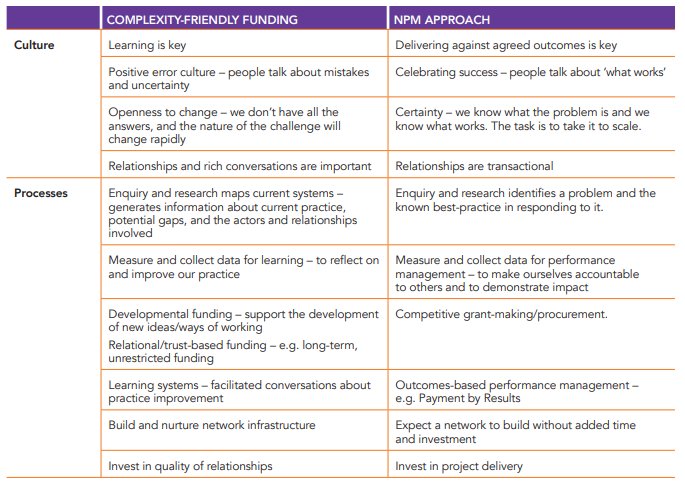
11/ @CollaborateCIC's "complexity-friendly vs. NPM" table (taken from this report: wordpress.collaboratei.com/wp-content/upl…)

12/ And another one for the collection:
https://twitter.com/HellmanJakob/status/1070631254003994624
13/ @Easier_Inc's "from accountability to responsible practice":
https://twitter.com/Easier_Inc/status/1070314589978427392
14/ John Seddon’s (@VanguardMethod) description of the difference between “command-and-control thinking” and “systems thinking” (p. 58 in “Systems Thinking in the Public Sector”)

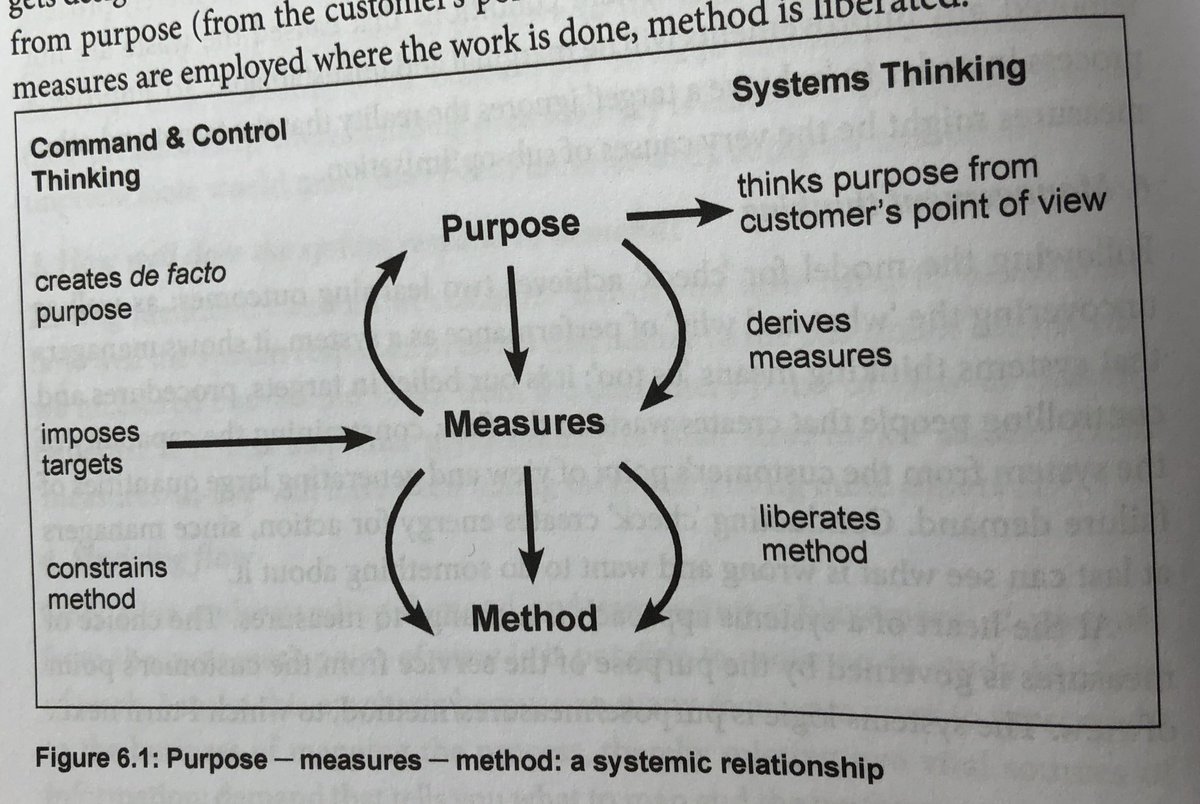
15/ John Seddon’s “purpose - measures - methods” under command & control thinking and under complexity thinking (p. 68 in the book mentioned above):
16/ ~~ quick interlude / update ~~ our latest thinking on what we’re now calling the ‘shared power principle’ (because ‘enablement’ seemed to passive) is here: resources.centreforpublicimpact.org/production/201…
17/ @noreenblanluet's (of @copronetwales) "Public service operating principles" (do read the post here: medium.com/@noreenblanlue…)

@noreenblanluet @copronetwales 18/
https://twitter.com/helenbevan/status/1180033083900383232(h/t @_AdrianBrown)
@noreenblanluet @copronetwales @_AdrianBrown 19/
https://twitter.com/JohnBurgoyne07/status/1184054236092477441
@noreenblanluet @copronetwales @_AdrianBrown 20/
https://twitter.com/adgro/status/1184366995606769665
@noreenblanluet @copronetwales @_AdrianBrown 21/ From @bcaffin and @States_Change (via @gquaggiotto) - source (very much worth looking at): dpmc.govt.nz/sites/default/…

@noreenblanluet @copronetwales @_AdrianBrown @bcaffin @States_Change @gquaggiotto 22/ From @BenHolliday of @FutureGov (h/t @DrGillianJanes)
https://twitter.com/DrGillianJanes/status/1194619996044976128
@noreenblanluet @copronetwales @_AdrianBrown @bcaffin @States_Change @gquaggiotto @BenHolliday @FutureGov @DrGillianJanes 23/ From @helenbevan via @ActivateLearn
https://twitter.com/helenbevan/status/1206498954701156352

@HilaryCottam 25/ @CollaborateCIC's "shifts for a collaborative mindset" from their recent "manifesto for a collaborative society" (wordpress.collaboratei.com/wp-content/upl…)

@HilaryCottam @CollaborateCIC 26/ ...and four more "shifts" from the same @CollaborateCIC manifesto (there's also a fifth on p. 17 of the doc but Twitter won't let me add another screenshot)


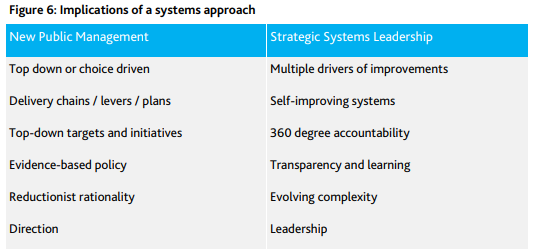
@HilaryCottam @CollaborateCIC 27/ "Implications of a systems approach" from the 2011
@instituteforgov working paper on "System Stewardship" (instituteforgovernment.org.uk/sites/default/…) by @mhallsworth (h/t @DyfrigWilliams)
@instituteforgov working paper on "System Stewardship" (instituteforgovernment.org.uk/sites/default/…) by @mhallsworth (h/t @DyfrigWilliams)
@HilaryCottam @CollaborateCIC @instituteforgov @mhallsworth @DyfrigWilliams 28/ "Whānau-centric co-design" by the @CodesignLab_AKL (aucklandco-lab.nz/resources and static1.squarespace.com/static/55ac5ee…) via @noreenblanluet

@HilaryCottam @CollaborateCIC @instituteforgov @mhallsworth @DyfrigWilliams @CodesignLab_AKL @noreenblanluet 29/ ~~ Interlude 1~~
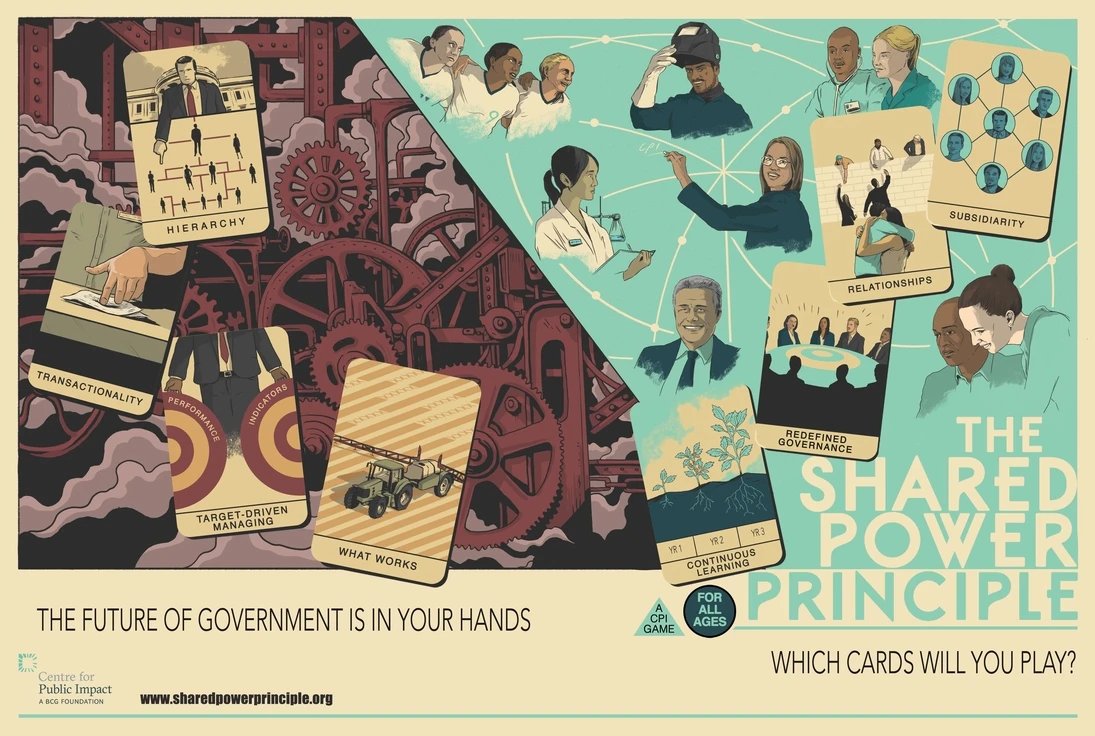
Our @CPI_foundation Shared Power Principle cards describe 4 shifts:
- hierarchy -> subsidiarity
- transactionality -> relationships
- target-driven mgmt -> redefined governance
- 'what works' -> continuous learning
They can be yours! sharedpowerprinciple.org
Our @CPI_foundation Shared Power Principle cards describe 4 shifts:
- hierarchy -> subsidiarity
- transactionality -> relationships
- target-driven mgmt -> redefined governance
- 'what works' -> continuous learning
They can be yours! sharedpowerprinciple.org
@HilaryCottam @CollaborateCIC @instituteforgov @mhallsworth @DyfrigWilliams @CodesignLab_AKL @noreenblanluet @CPI_foundation 30/ ~~ Interlude 2~~
The 'Manifesto for Better Government' which we've recently shared builds on many of the ideas expressed in all of these 'from-to' frameworks:
medium.com/centre-for-pub…
cc: @_AdrianBrown
The 'Manifesto for Better Government' which we've recently shared builds on many of the ideas expressed in all of these 'from-to' frameworks:
medium.com/centre-for-pub…
cc: @_AdrianBrown

32/ @anabjain‘s „Version 1.0 of a Field Guide for More-Than-Human Politics“ (medium.com/@anabjain/call…)
h/t @codekat
h/t @codekat

33/ @HilaryCottam‘s „seven ways from 20th century economics to 21st century economics“ (see also nr. 24)
https://twitter.com/kateraworth/status/1239596817463103489?s=21https://t.co/9uZMQ0cROz
34/ @DemosHelsinki’s conventional policymaking vs humble policymaking
https://twitter.com/gquaggiotto/status/1327935029448609792
• • •
Missing some Tweet in this thread? You can try to
force a refresh