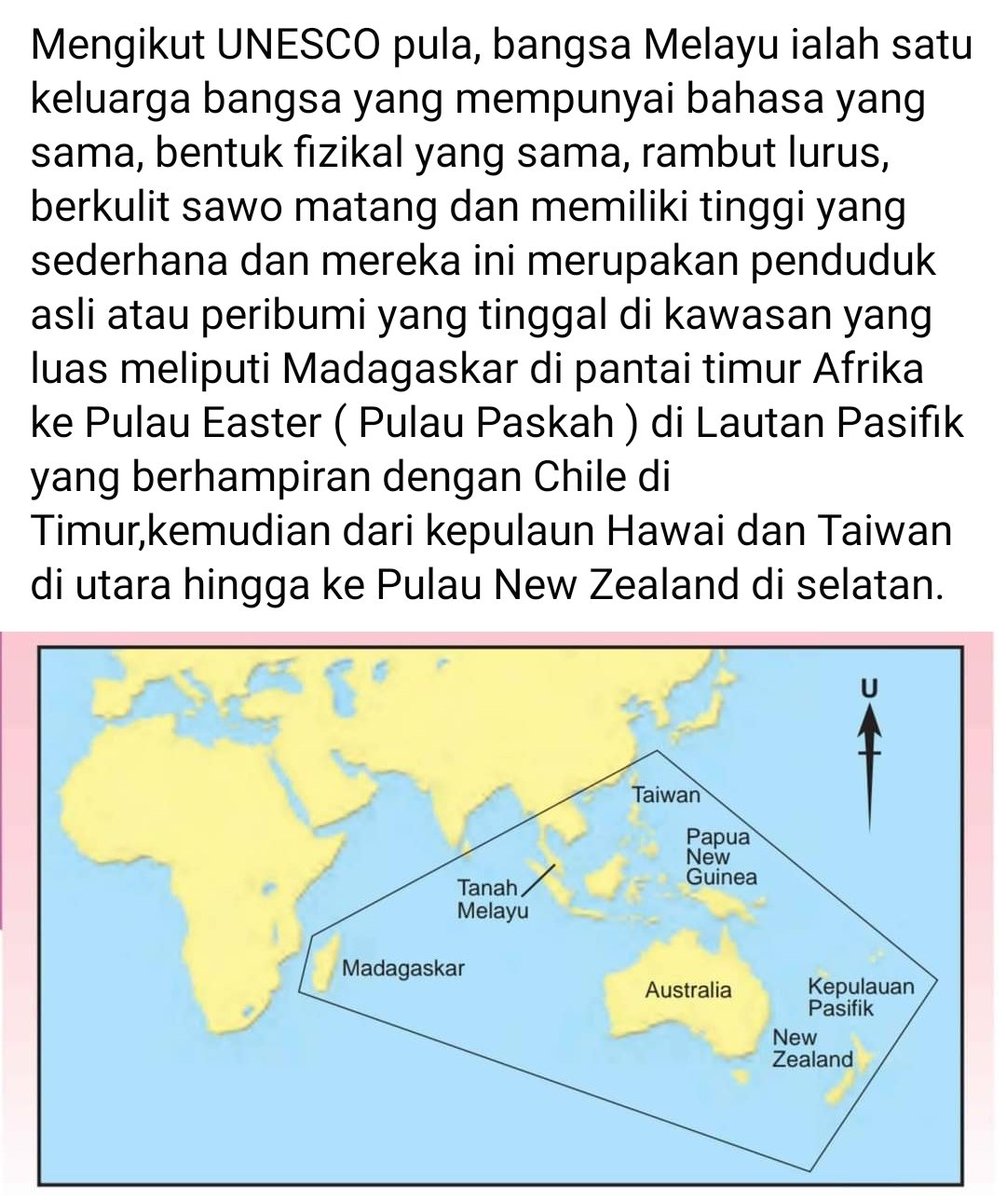
So I was requested to do a thread on the datuk keramat. This is something most of us have heard about, but few understand its history or where it comes from, which is sad because this is a great example of not just cultural exchange, but an underlying similarity between them
https://twitter.com/liying_c/status/1083387277961613312
During the Georgetown Festival of 2017, a foreign photographer gave tours to showcase the datuk of Chinese temples. But without easy access to info on the topic, her version of history was (admittedly) guesswork and entirely incorrect, so I won't even bother to repeat it 
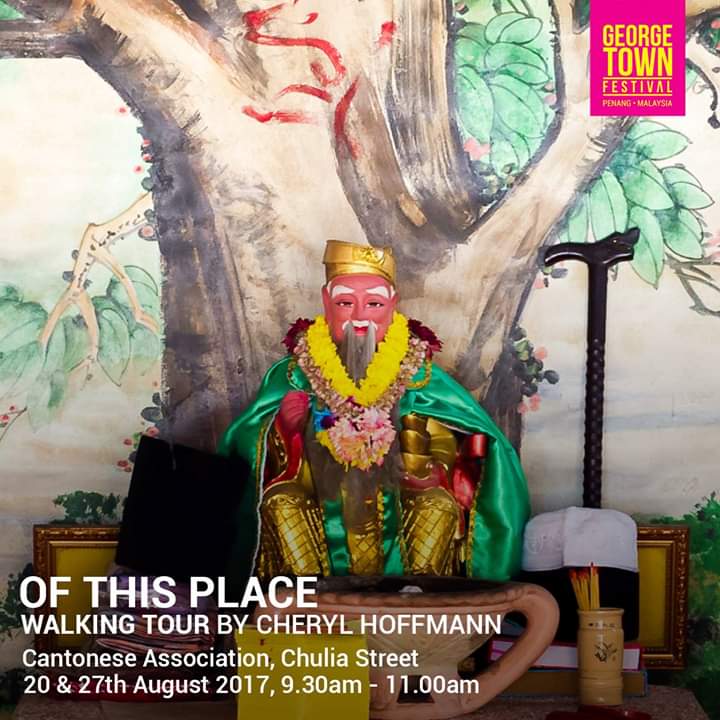
So what is a datuk keramat? Datuk is of course the Malay word for grandfather. By extension it also means old man. As a title it's bestowed onto a respected person and is related to the Filipino chiefly title Datu
Keramat is the Malay pronunciation for the Arabic karamah. In Arabic the term is equivalent to charisma, and therefore the gift of "charismatic grace" to perform miracles. This was especially common among the Sufis who introduced Islam to Southeast Asia
https://x.com/uglyluhan/status/1058561848297979904?ref_src=twcamp%5Ecopy%7Ctwsrc%5Eandroid%7Ctwgr%5Ecopy%7Ctwcon%5E7090%7Ctwterm%5E3
Now if you ask the average Malaysian what keramat means, a common definition is "the grave of a Muslim saint". Some modern books will use this definition exclusively but it is only partly true. Keramat as an adjective can be applied to animals or people with supernatural powers
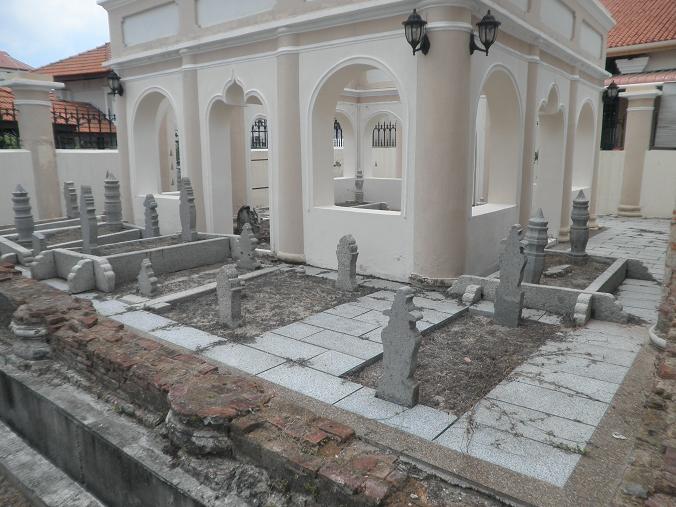
But in general a datuk keramat is some local personality. They might be the founder of the village, a missionary, or any other revered figure with that charismatic quality of karamah. And after death, their grave becomes the site of salutory rituals, eg when asking for favours
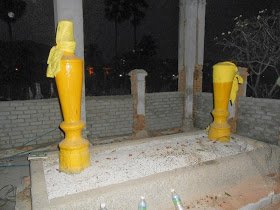
If this sounds like idolatry, that's because it is. Despite the word being of Arabic origin, the concept of keramat in Malay culture actually predates the influence of Arabs and Islam, tracing back to indigenous animism and ancestor worship
freemalaysiatoday.com/category/bahas…
freemalaysiatoday.com/category/bahas…
Even in the old days, the history of the datuk was commonly forgotten. Their name might be the only thing remembered, and sometimes not even that. Their gravestones are all that's left standing, usually in the village but other times in the surrounding jungle
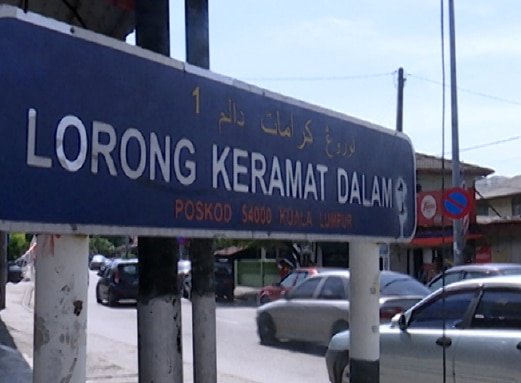
But the curious thing is.. there isn't always a grave. Many older keramat were located far into the jungle or on hills with no trace of a gravesite. Locals claim these to be the keramat of djinn, but always "jin Islam" so that nobody calls them deviant
regional.kompas.com/read/2018/01/0…
regional.kompas.com/read/2018/01/0…
For Malays, the datuk keramat had to be Muslim. Race and gender didn't matter. They could be Malay, Thai, Javanese, Acehnese, Indian, even orang asli. But by the time of the colonial era, Islam had become a requirement for a datuk to be the object of Malay worship
While the religious centre of a village was ostensibly the mosque, each kampung usually had a keramat which was accorded even greater respect, controversial as that may seem to us today. A person who'd lie with the Quran above his head would fear telling a lie before Datuk Machap

But Malays weren't the only ones who revered the datuk keramat. So did the Chinese community. While sacred sites are found in almost every culture worldwide, the Malay tradition of datuk keramat would have seemed especially familiar to the Chinese
For the Chinese, as with Malays, the dead were believed to bestow favours.. like giving you the winning lottery numbers. Ancestors and folk heroes were often deified and worshipped at shrines. It would've made perfect sense for them to find this same culture among Malays
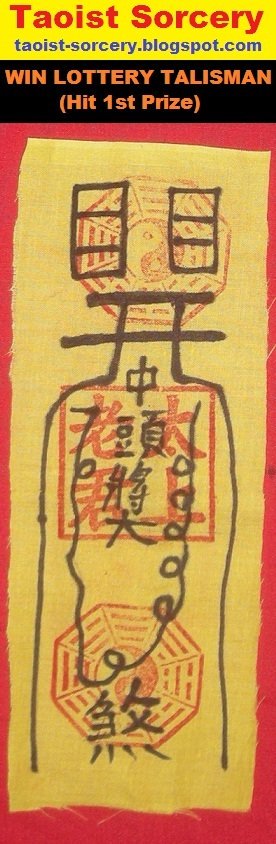
So Chinese in Southeast Asia fully acknowledged and respected the local keramat, in addition to praying to their own earth deities. Race and religion don't matter, as most of the datuk in Chinese shrines aren't even Chinese

For non-Muslims, the religion of the datuk is irrelevant. Til this day there are Malay Muslim datuk worshipped at Chinese shrines. In respect to their faith, pork is prohibited in their shrines

Among both locals and foreigners, datuk keramat are often mistaken for a purely Chinese tradition, though some do recognise a "fusion with Malay influence". The truth is that not all which is Malay is/was/must be Muslim
Datuk keramat have been a part of Malay culture for centuries and were described by the colonists as a Malay tradition. But as it died out among the Malay community in modern times, only the Chinese have preserved this aspect of local folk religion

Sources:
Hamid Dabashi
Charles Otto Blagden
George C Bellamy
Ghulam-Sarwar Yousof
Hamid Dabashi
Charles Otto Blagden
George C Bellamy
Ghulam-Sarwar Yousof
And for some more information on this topic, read this thread too
https://x.com/idespisecats/status/1086277600668876800?ref_src=twcamp%5Ecopy%7Ctwsrc%5Eandroid%7Ctwgr%5Ecopy%7Ctwcon%5E7090%7Ctwterm%5E3
• • •
Missing some Tweet in this thread? You can try to
force a refresh