I used to dislike The Flame, even though (because?) it was the biggest hit for one of my favorite bands. Cheap Trick didn’t write it & it lacks the sly humor, great harmonies, and powerful guitars of them at their best. Also, it has cheesy synthesizers. On the other hand…(1/x)
...I’ve come to appreciate that it includes a subtle nod to the band’s early days: it features a mandocello—a prominent instrument in an early CT song named, appropriately enough, Mandocello. That echo ties the song to the band’s heyday. Plus,… (2x)
even though the song gets no love anymore—you won’t hear it on classic rock radio—it’s at least as good as other still-popular power ballads (Every Rose Has Its Thorn, etc.). So while I wouldn’t put it on my list of their best songs, I’ve come to really like it.... (3/4)
One of the coolest things about the very cool Jim Rockford is that even though his legendary Firebird was blown up by a machine gun (fired from an airplane) in episode 1, it’s good as new for episode 2.
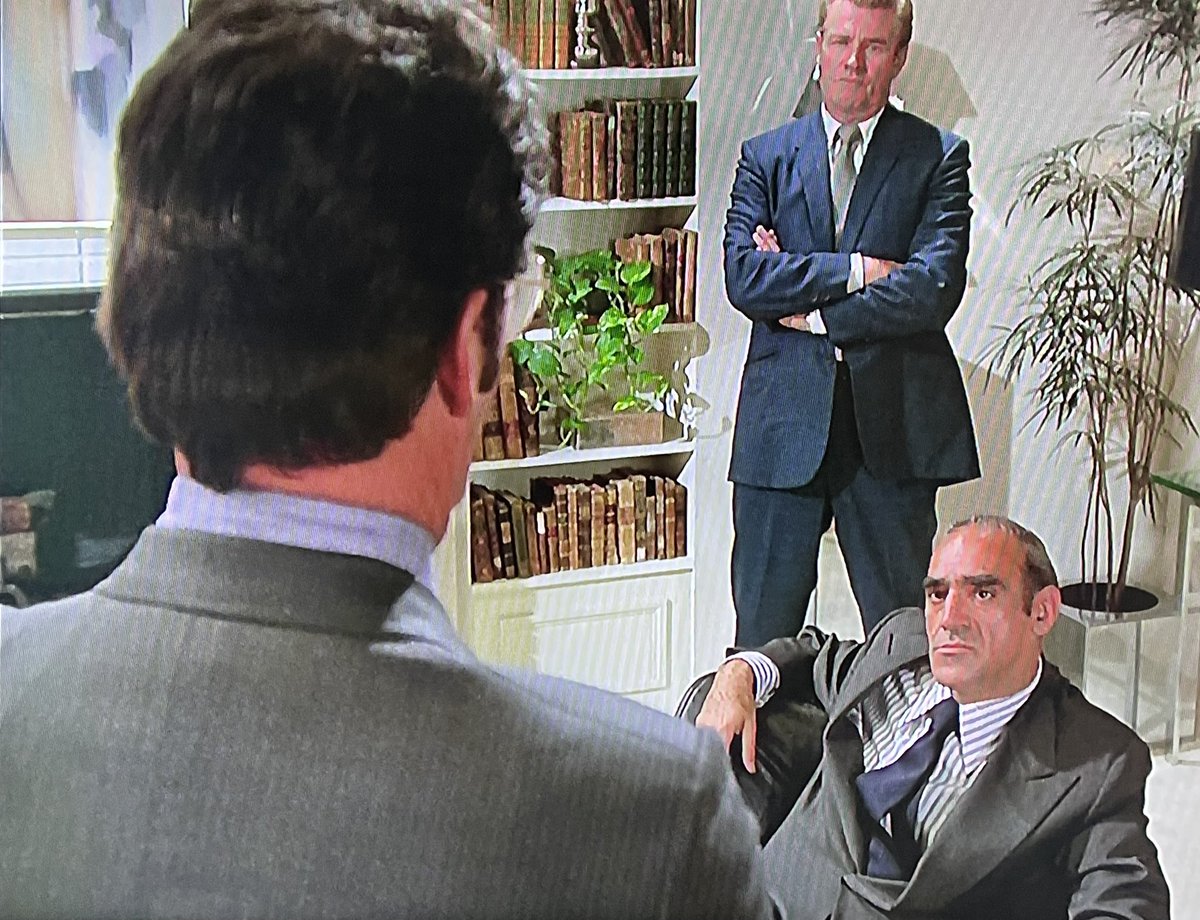
Episode 1 guest-starred Lindsay Wagner; episode 2 had James Woods—and Abe Vigoda! (Plus a new actor playing Rocky, Jim’s dad.)
In episode 5, a young @jamesocromwell (that guy!) appears as a tennis instructor who doesn’t much care for Jim.
When It’s Love opens with Eddie on synth and Alex tapping drumsticks w/ nearly every note. The combination adds a mechanical sound to the synth, like the tapping is part of the synth keys themselves. (1/)
My theory: Eddie was using Alex to mimic the key clicks that accompanied older keyboards. For ex., early Hammond organs clicked this way, and though it was a defect, some musicians liked the sound and later organs included a feature to replicate it. (/2) dairiki.org/HammondWiki/Ke…
Less likely, but more interesting: Eddie—a classically trained musician who named his son Wolfgang—was trying to create an exaggerated version of the click that harpsichords made, due to the wood jacks that moved inside of them.
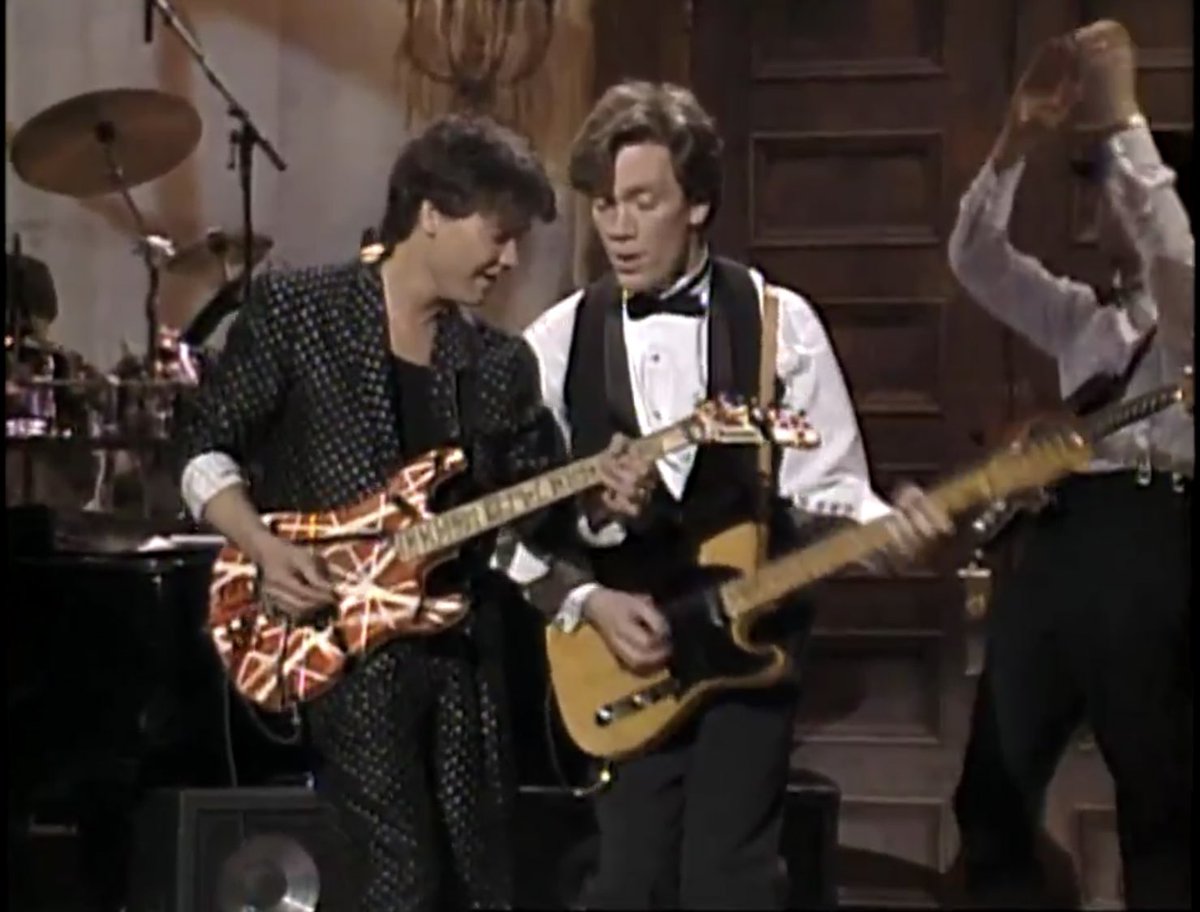
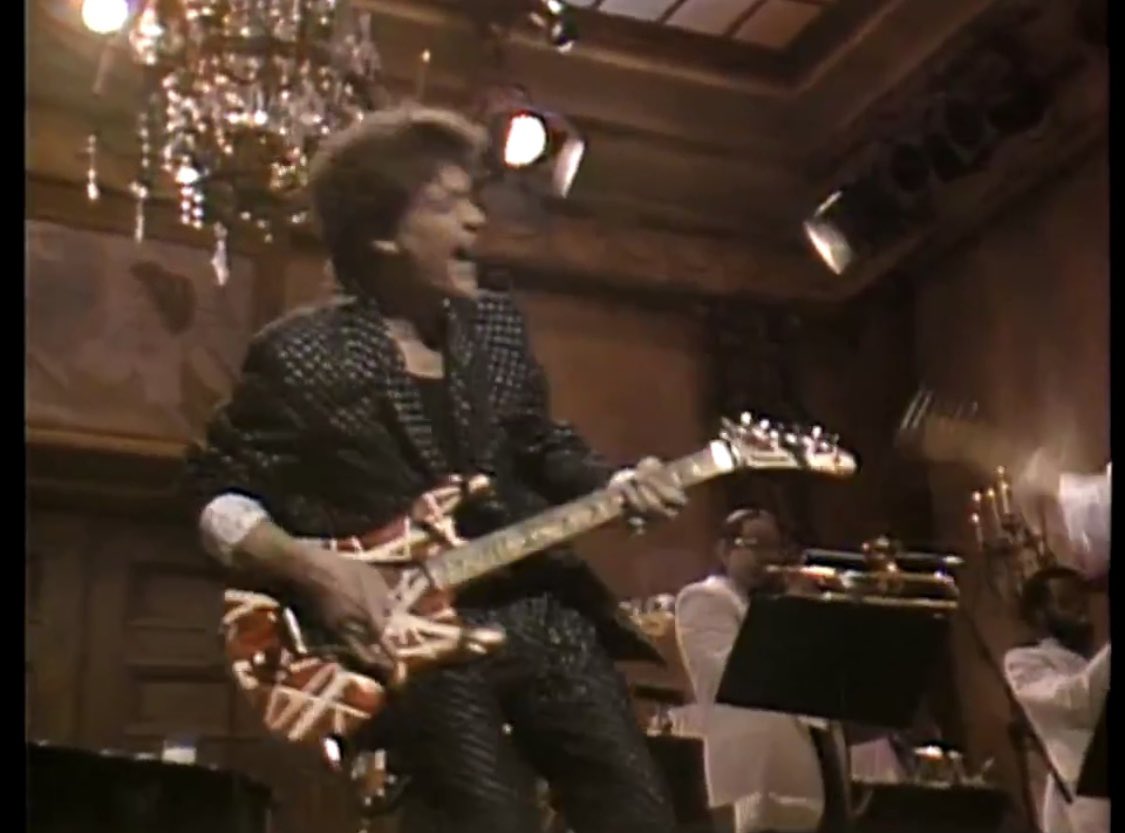
When people talk about SNL, they don’t talk enough about band leader GE Smith, who spent much of the 80s and early 90s playing bodacious guitar and making ridiculous faces. This performance with Eddie Van Halen is a catalogue of 80s expressive excess. 1/ nbc.com/saturday-night…
Look at how much fun they’re having! Look at how much they’re amazing each other! 2/
The episode was hosted by Valerie Bertinelli, Eddie’s wife, so naturally Eddie put on some of his best guitar-god faces. 🎸 🎸 🎸 /
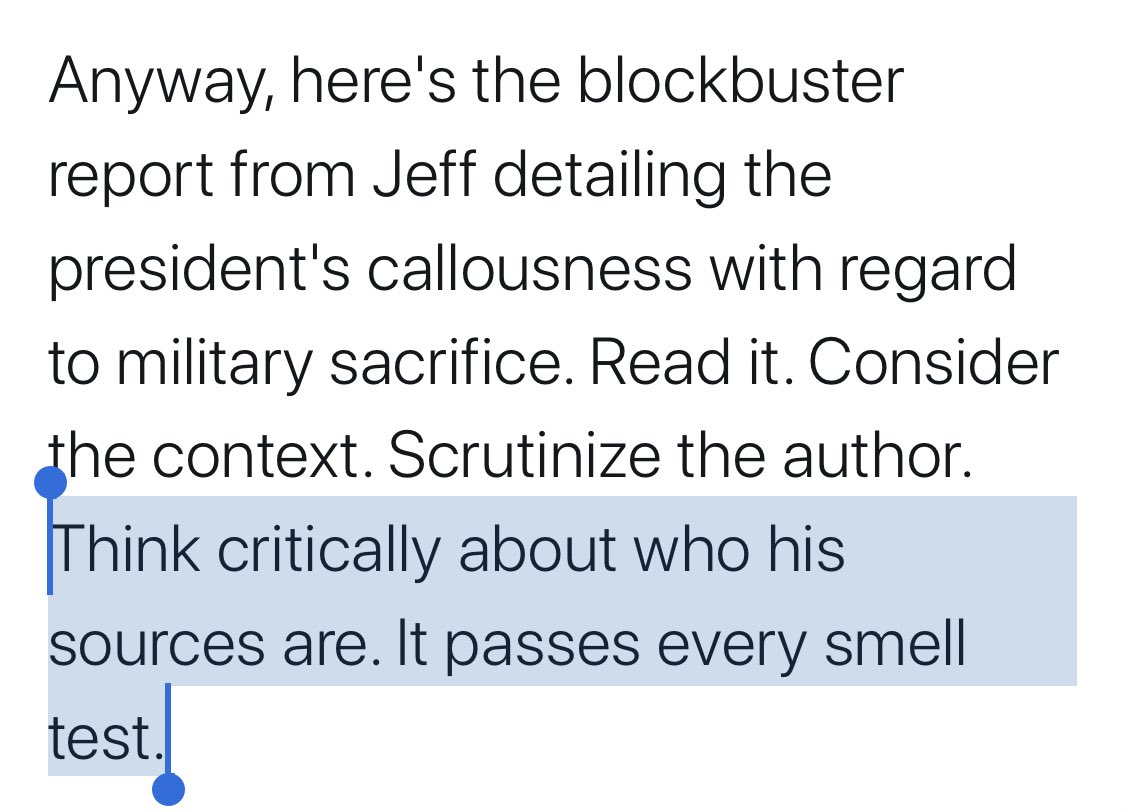
I have to disagree with @TimAlberta here. When I think critically about how Goldberg describes his sources, they smell fishy. He’s often vague about what knowledge they have, or the connection between that knowledge and what they say. For example,...
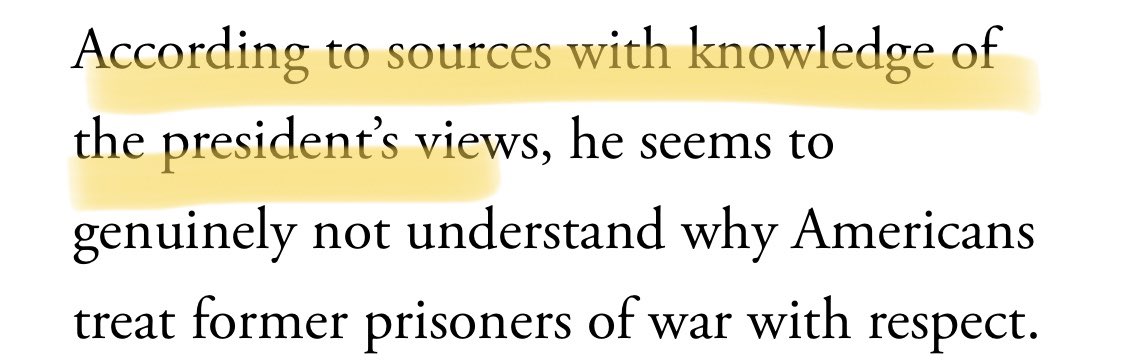
Sometimes Goldberg says things like his sources “have knowledge of Trump’s views.” Which could cover someone in the administration, sure; it could also mean anyone in the press pool, or anyone who watches the news. 2/
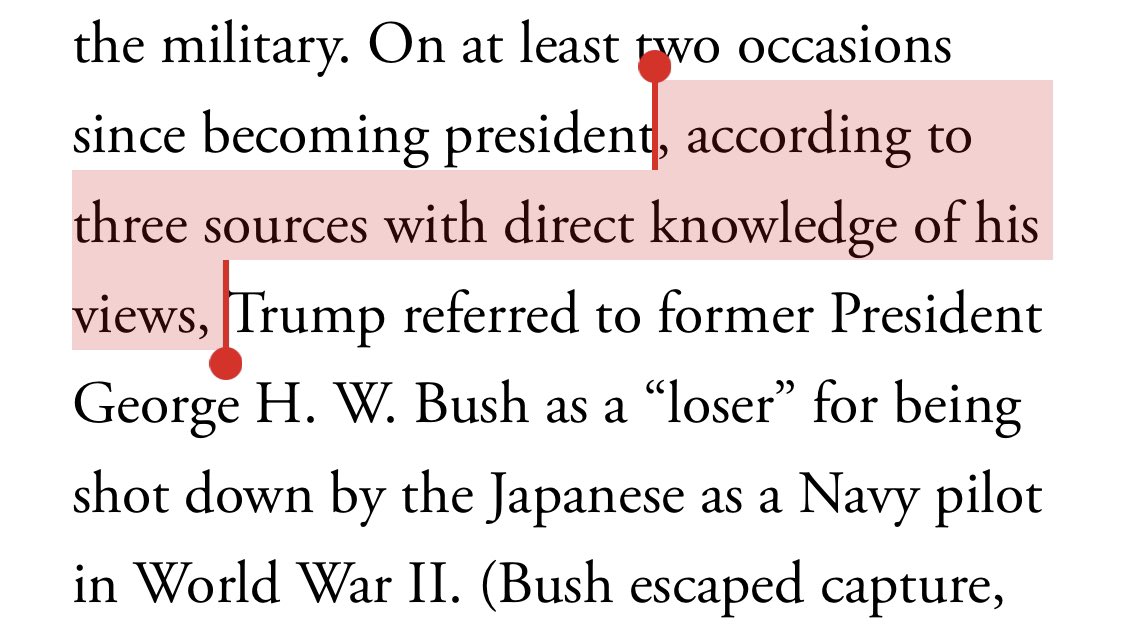
Here, Goldberg does *not* say that these knowledgeable people heard Trump say these things about GWB. It could easily mean that they know his views but someone told them he said this. Such phrasing from an experienced journalist is way too imprecise for me to trust. 3/
You know how singers will occasionally say things like, "I think you know what I'm talkin' about" after a line? It's a simple way to both vamp b/t lines and to establish a connection between the singer and listener. In one song, Donny Hathaway does the opposite...
"I just gotta say much obliged to you, Master'cause the walls of my room was not the walls of my grave *My bed was not my cooling board (y'all don't know what I'm talkin' 'bout)*."
He was right—so I looked it up.
I thought it might be a Bible verse (b/c the next line refers to winding sheets), but it's not: it's a common phrase from African-American prayers and from the blues. (A cooling board is a board is a platform on which a dead body is placed before it's buried.)