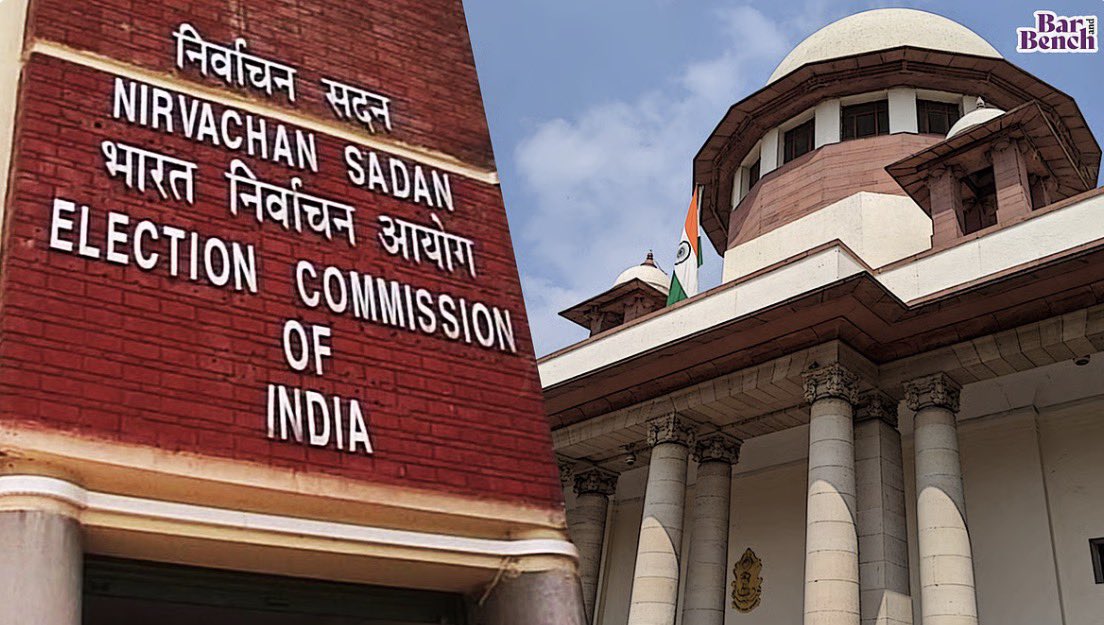
INX Media: Hearing in the Supreme Court on P Chidambaram's petition for anticipatory bail in case registered by the Enforcement Directorate begins.
Solicitor General Tushar Mehta begins to make the submission for the agency.
#INXMedia
#PChidambaram
@dir_ed
@PChidambaram_IN
Solicitor General Tushar Mehta begins to make the submission for the agency.
#INXMedia
#PChidambaram
@dir_ed
@PChidambaram_IN
Every PMLA offence has two dimensions - predicate offence and laundering. Money laundering is a separate offence independent from the predicate/scheduled offence, Mehta.
#INXMedia
#PChidambaram
#INXMedia
#PChidambaram
We would be dealing with very intelligent people. A stupid man cannot launder money. Money laundering requires layers and layers of concealment, Mehta
#INXMedia
#PChidambaram
#INXMedia
#PChidambaram
These offences leave a money trail which needs to be tracked and the evidence is difficult to collect, Mehta
#INXMedia
#PChidambaram
#INXMedia
#PChidambaram
Most of the evidence is in the form of electronic format and within minutes of it being publicised or put before the Court, it will be gone, Mehta
#INXMedia
#PChidambaram
#INXMedia
#PChidambaram
This is why evidence cannot be shared till the prosecution complaint (chargesheet in CrPC parlance) is filed, Mehta
#INXMedia
#PChidambaram
#INXMedia
#PChidambaram
The statute stipulates the procedure of presenting the evidence to the adjudicating officer in a sealed cover, Mehta
#INXMedia
#PChidambaram
#INXMedia
#PChidambaram
Many of the official records that the ED receives are from other countries as India is apart of a global statutory network against money laundering, Mehta
#INXMedia
#PChidambaram
#INXMedia
#PChidambaram
There are provisions for attachment of overseas assets also and in this case also, we have attached properties abroad, Mehta
#INXMedia
#PChidambaram
#INXMedia
#PChidambaram
As on date laundering is going on, laundering is an offence. Money laundering is a stand alone offence, Mehta
#INXMedia
#PChidambaram
#INXMedia
#PChidambaram
Statute states that there must be a reason to believe based on matetial in possession and such reasons to be recorded by the adjudicating authority in cases of money laundering, Mehta
#INXMedia
#PChidambaram
#INXMedia
#PChidambaram
As a prosecuting agency, we have reached the stage of power to arrest, Mehta
#INXMedia
#PChidambaram
#INXMedia
#PChidambaram
The threshold before arresting is much higher as under PMLA than under IPC. Only specified officers can make the arrest after reasons are recorded in writing. All ingredients of Article 20 are covered, Mehta
#INXMedia
#PChidambaram
#INXMedia
#PChidambaram
Mehta summarises procedure under PMLA for arrest
-Only the Director authorised can arrest
-based on reasons to believe an offence is committed
-reasons to be recorded in writing
-based on material in possession
-evidence submitted to adjudicating authority in sealed cover
-Only the Director authorised can arrest
-based on reasons to believe an offence is committed
-reasons to be recorded in writing
-based on material in possession
-evidence submitted to adjudicating authority in sealed cover
The evidence should be kept with an independent body and the evidence can be supplied to the accused only after chargesheet is filed, Mehta
#INXMedia
#PChidambaram
#INXMedia
#PChidambaram
Mehta reading out provisions of the PMLA in relation to the evidence and sealed envelope
#INXMedia
#PChidambaram
#INXMedia
#PChidambaram
The material in possession is sacrosanct and I cannot use it arbitrarily till chargesheet is filed and cannot serve to the other side till then according to the statue, Mehta
#INXMedia
#PChidambaram
#INXMedia
#PChidambaram
It's not done for "humiliation, humiliation, humiliation" as Mr Singhvi said yesterday but only for prevention, prevention, prevention with capital P, Mehta
#INXMedia
#PChidambaram
#INXMedia
#PChidambaram
Overseas banks have given some specific inputs regarding properties, companies etc. We have issued letters rogatory (LR), we have got some, we are awaiting some, Mehta
#INXMedia
#PChidambaram
#INXMedia
#PChidambaram
At this stage if the Court intervenes, it will be preventing us from exercising our statutory right to arrest, Mehta
#INXMedia
#PChidambaram
#INXMedia
#PChidambaram
I request the court to grant my material an exclusion from the accused at this stage of investigation. Evidence copy cannot be shared with the accused before filing chargesheet, Mehta
#INXMedia
#PChidambaram
#INXMedia
#PChidambaram
Mehta says evidence cannot be shared with accused before filing of chargesheet.
Sibal interjects that he never made the case that accused should be given access to evidence but he should be confronted with it.
#INXMedia
#PChidambaram
Sibal interjects that he never made the case that accused should be given access to evidence but he should be confronted with it.
#INXMedia
#PChidambaram
Justice Banumathi reminds Mehta that case made on P Chidambaram's behalf was inky that the Court should not be presented with evidence that has not been used to confront the accused.
#INXMedia
#PChidambaram
#INXMedia
#PChidambaram
Mehta: ADM Jabalpur was cited...
Sibal: But, I never made the case that I should be given access to evidence, only said it should be put to me.
Mehta: Dr Singhvi made that argument. This is what happens when two counsel argue for 1 client
Sibal: Both our arguments were same
Sibal: But, I never made the case that I should be given access to evidence, only said it should be put to me.
Mehta: Dr Singhvi made that argument. This is what happens when two counsel argue for 1 client
Sibal: Both our arguments were same
This is not a witch-hunt as alleged. We have evidence in our possession and it is cogent evidence, Mehta
#INXMedia
#PChidambaram
#INXMedia
#PChidambaram
I'm going a step further to satisfy the Court's conscience as regards authenticity of the documents, Mehta
#INXMedia
#PChidambaram
#INXMedia
#PChidambaram
Mehta hands over a substantially large compilation of case laws to the Court and is reading out precedents to support his argument against disclosure of evidence to the accused ahead of filing of a chargesheet.
#INXMedia
#PChidambaram
#INXMedia
#PChidambaram
I'm going a step further and request the Court to peruse not just the case diary but also material on record, Mehta
#INXMedia
#PChidambaram
#INXMedia
#PChidambaram
SG Tushar Mehta also cites the Supreme Court's judgment in the #BhimaKoregaon case on a petition filed by Romila Thapar and Ors. Mehta points out that in that case too, the case diary was places before the Court.
#INXMedia
#PChidambaram
#INXMedia
#PChidambaram
Bench rises for the day.
Solicitor General Tushar Mehta to continue his arguments on behalf of the ED tomorrow at 11.30AM
#INXMedia
#PChidambaram
Solicitor General Tushar Mehta to continue his arguments on behalf of the ED tomorrow at 11.30AM
#INXMedia
#PChidambaram
• • •
Missing some Tweet in this thread? You can try to
force a refresh