Rosenhan's archives contradict the report of "On being sane in insane places," and his biographer does not think the study happened as described (and can only find 1 of 8 participants).

Throw this one in the #psychology garbage heap.

nature.com/articles/d4158…
First the Stanford Prison Experiment and now this. What is it with Stanford social psychologists telling b.s. stories about their "experiments"? These are, at best, performance art. They should not be cited as science.

#psychology
More details of Rosenhan's work. The author suspects that some of the pseudo-patients in the study never existed. She also has proof that one person was dropped from the study because the data contradicted Rosenhan's thesis.
#psychology
nypost.com/2019/11/02/sta…
When I teach about Zimbardo and Rosenhan in my replication crisis class next semester, I'm going to call it "Stanford Shenanigans."

• • •

Missing some Tweet in this thread? You can try to force a refresh

 

Keep Current with Russell T. Warne 🇺🇸🇨🇱🇮🇱

Russell T. Warne 🇺🇸🇨🇱🇮🇱 Profile picture

Stay in touch and get notified when new unrolls are available from this author!

Read all threads

This Thread may be Removed Anytime!

PDF

Twitter may remove this content at anytime! Save it as PDF for later use!

Try unrolling a thread yourself!

how to unroll video
  1. Follow @ThreadReaderApp to mention us!

  2. From a Twitter thread mention us with a keyword "unroll"
@threadreaderapp unroll

Practice here first or read more on our help page!

More from @Russwarne

Apr 2
🧵
I finished reading Thibault Le Texier's book, Investigating the Stanford Prison Experiment: History of a Lie. This is the most thorough treatment of the real history behind the Stanford Prison Experiment.

Buckle up for a doozy of a thread! ⬇️👇Image
After reading the book, it's hard to deny that Zimbardo lied about almost every aspect of the study at some point in the 53 years he lived after conducting it. Some of the most inexcusable lies include:

➡️Saying that 5 "prisoners" left the experiment early for mental health reasons. In reality, only 2-3 did. In fact, one left because the dry air and denial of access to his medication was causing problems with his eczema.
➡️Zimbardo's then-girlfriend (later wife) was NOT the cause of the study ending. In Zimbardo's telling, she visits on Day 6 and is horrified about what's happening and convinces him to stop the study. In reality, she had visited earlier, participated in a fake parole board, and was aware of what was happening in the study before it ended.
➡️No, the "guards" did not all turn sadistic. In fact, most were reluctant about embracing their role, and the day shift guards were actually pretty lenient about rules.
➡️The experiment did not get increasingly intense with each passing day.
➡️The guards' behavior was not spontaneous. They were coached, multiple times, about how to behave. They were given suggestions for punishments, and they did not invent the prison rules.
There are also lies of omissions, in which Zimbardo never or rarely mentions important aspects of the study which undermined his narrative:

➡️Zimbardo did not come up with the experiment himself. Some of his undergraduate students did a smaller version of it a few months early as a class project. He almost never credited them.
➡️The guards were misled into believing that they were part of the experimental team. They thought the study was only about prisoner behavior. As a result, the guards did not "lose themselves" in a role by being placed in a fake prison. They never thought of themselves as real guards.
➡️The participants were not all "good" or "normal" young men with no history of misconduct. Some had a history of a petty crime, drug use, social dysfunction, etc.
➡️Contrary to claims that participants treated the experiment as if it were real, both prisoners and guards were constantly aware that they were in an experiment and that they were not REALLY prisoners and guards. No one consistently "lost himself" in his "role."
➡️Variability was the rule in the SPE, not the exception. For decades, Zimbardo portrayed all the prisoners as becoming rebellious and then broken as the guards become authoritarian and cruel. In reality, some prisoners had good relationships with some guards. The day shift was "businesslike," and some prisoners or guards were saw the situation as a weird temporary job, whereas others desperately wanted out.
Read 9 tweets
Jul 22, 2024
In a survey of American college students' civics knowledge, males answered almost every question correctly more often than females.


Image
Image
Image
Image
Continuing:


Image
Image
Image
Image
More:


Image
Image
Image
Image
Read 5 tweets
Aug 9, 2018
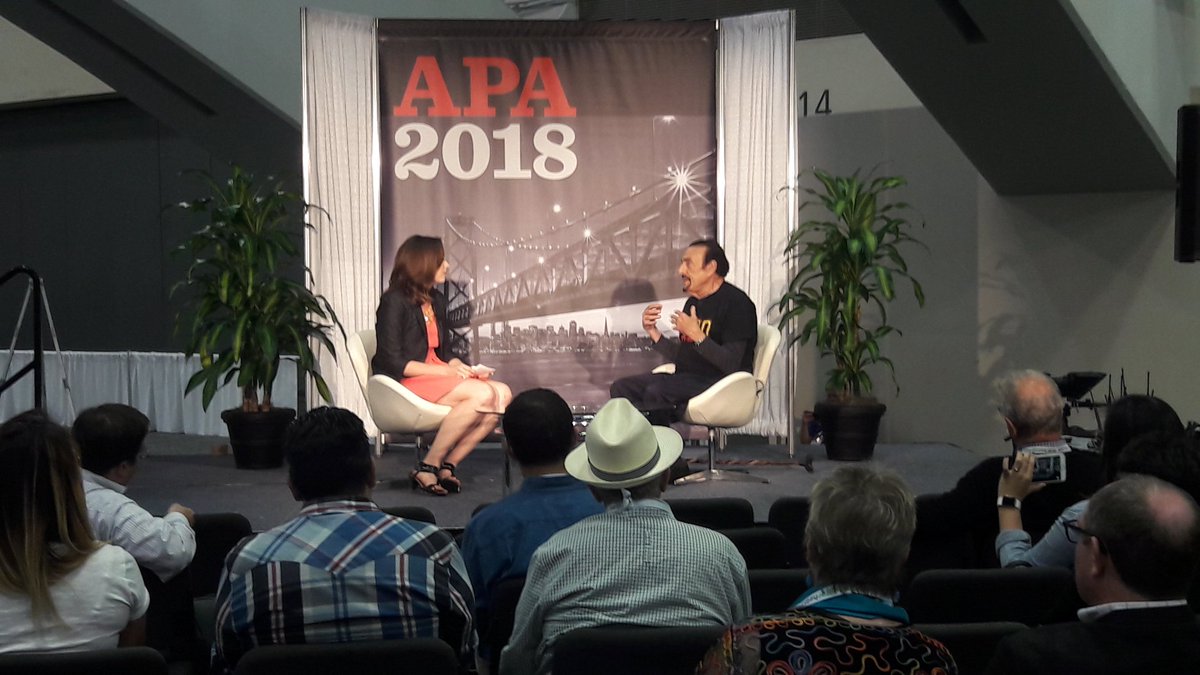
Philip Zimbardo defending his famous study: "It shouldn't have been called the Stanford Prison Experiment. It should have been called the Stanford Prison Experience." #psychology #APA2018

Well, that's some new spin. Image
Zimbardo says that people didn't want to be guards because of anti-police sentiment during the Vietnam era. Guards didn't take it seriously at first. The warden told the one guard to be tough.
Zimbardo says that the warden said to the guards, "You're getting paid $15/day. You got to do something." #psychology #APA2018

Yet, somehow this doesn't rise to the level of contaminating the study.
Read 7 tweets

Did Thread Reader help you today?

Support us! We are indie developers!


This site is made by just two indie developers on a laptop doing marketing, support and development! Read more about the story.

Become a Premium Member ($3/month or $30/year) and get exclusive features!

Become Premium

Don't want to be a Premium member but still want to support us?

Make a small donation by buying us coffee ($5) or help with server cost ($10)

Donate via Paypal

Or Donate anonymously using crypto!

Ethereum

0xfe58350B80634f60Fa6Dc149a72b4DFbc17D341E copy

Bitcoin

3ATGMxNzCUFzxpMCHL5sWSt4DVtS8UqXpi copy

Thank you for your support!

Follow Us!

:(