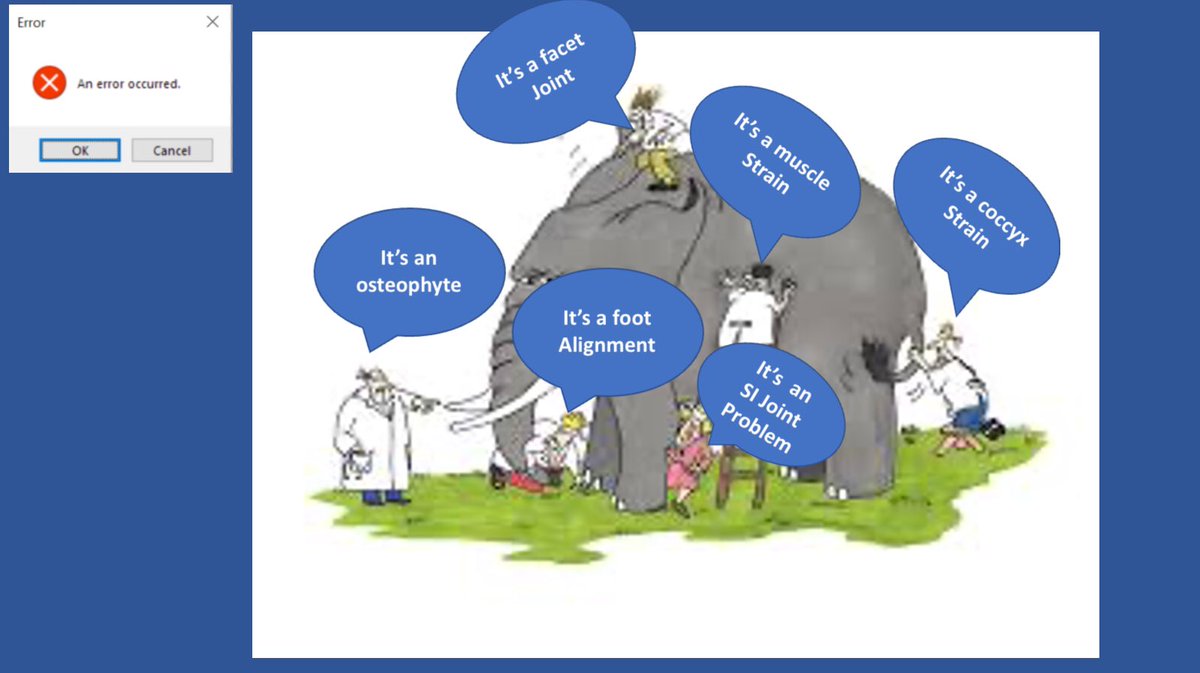
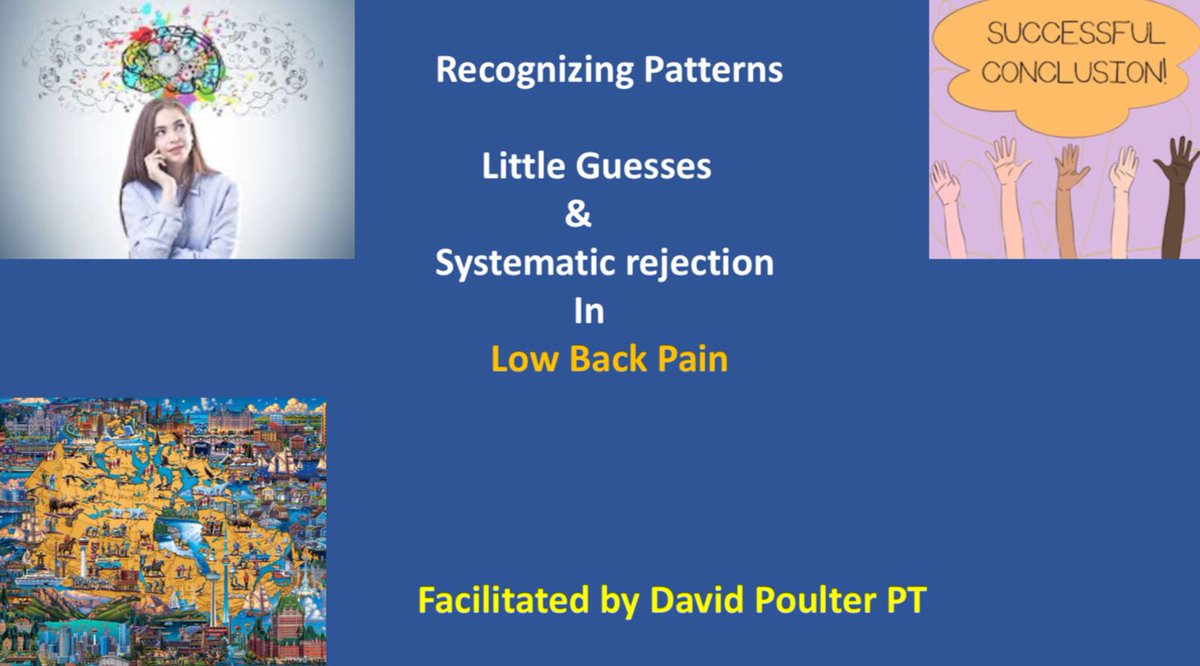
This episode of “Old Man Shouting at Clouds”is a new slant, this is a presentation webinar I gave today to a group of Indian PTs, I thought I would do a tweetorial to prepare for the presentation. It’s on clinical reasoning and low back pain, sort of 😊 
So some home work to start, here is a terrible slide, but a slide of great importance, it’s a mind map of my reasoning process. I drew it between patinet in my clinic when a colleague asked me what was I thinking with my patients. Its metacognition and reflection, it maps my
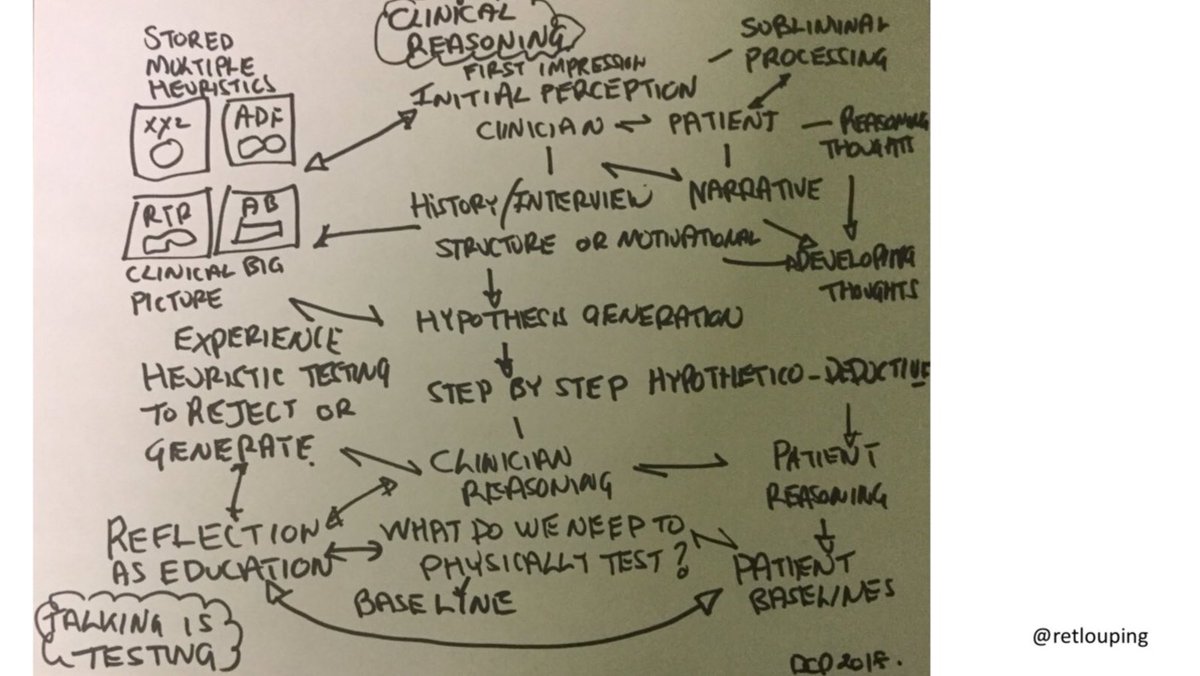
Journey. So I am going to ask you to take a blank piece of paper after the tweetorial and try to map your thought process for a patinet. You recently saw.This will require reflection & metacognition (thinking about your thinking) do you use big pictures, do you use....
Hypothetico-deduction. Try to map your whole journey from the initial contact with your patient through to saying goodbye at the end of the visit.
Below is a map of my Journey with my patients. The journey we take is demonstarated below
Below is a map of my Journey with my patients. The journey we take is demonstarated below
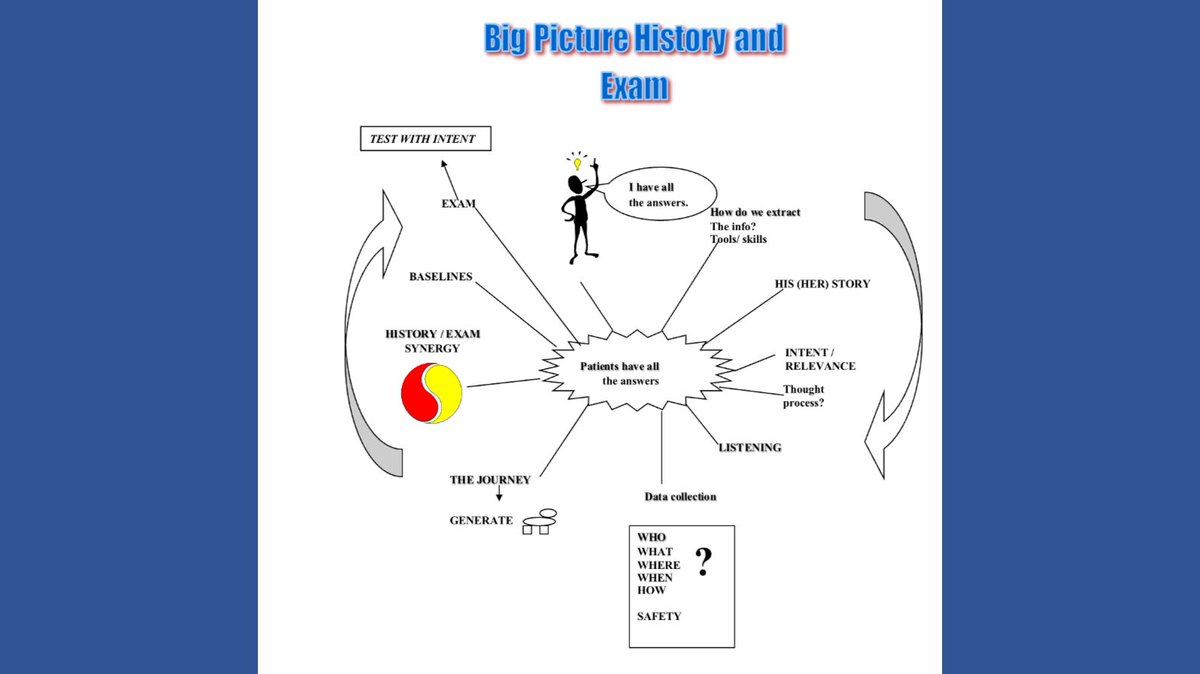
I will discuss the process of pattern recognition (schema storage and heuristics) and hypothetico-deductive reasoning. I recognise there are other forms of reasoning like “dispositional theory” that is well covered on twitter.
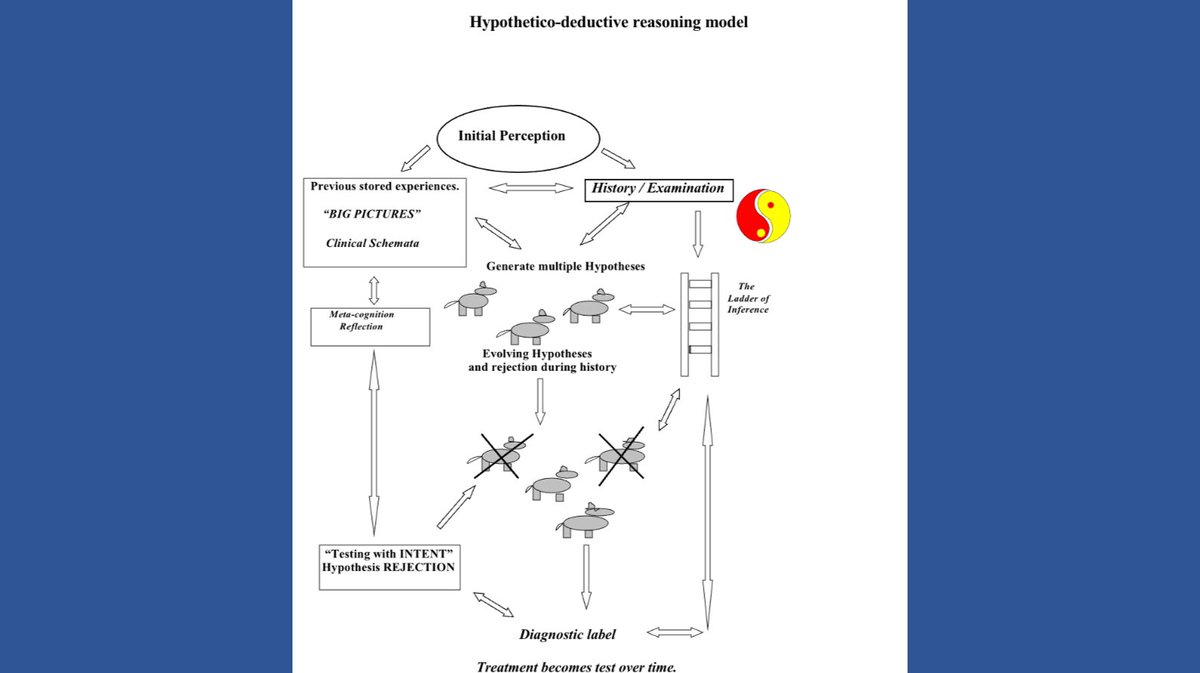
My proposal is that the patinet has all the answers, they have one witness, we have none. We start with a blank piece of paper and they complete the history and exam with us. Below is a big picture guide for storing clinical pictures in a logical retrievable order.o
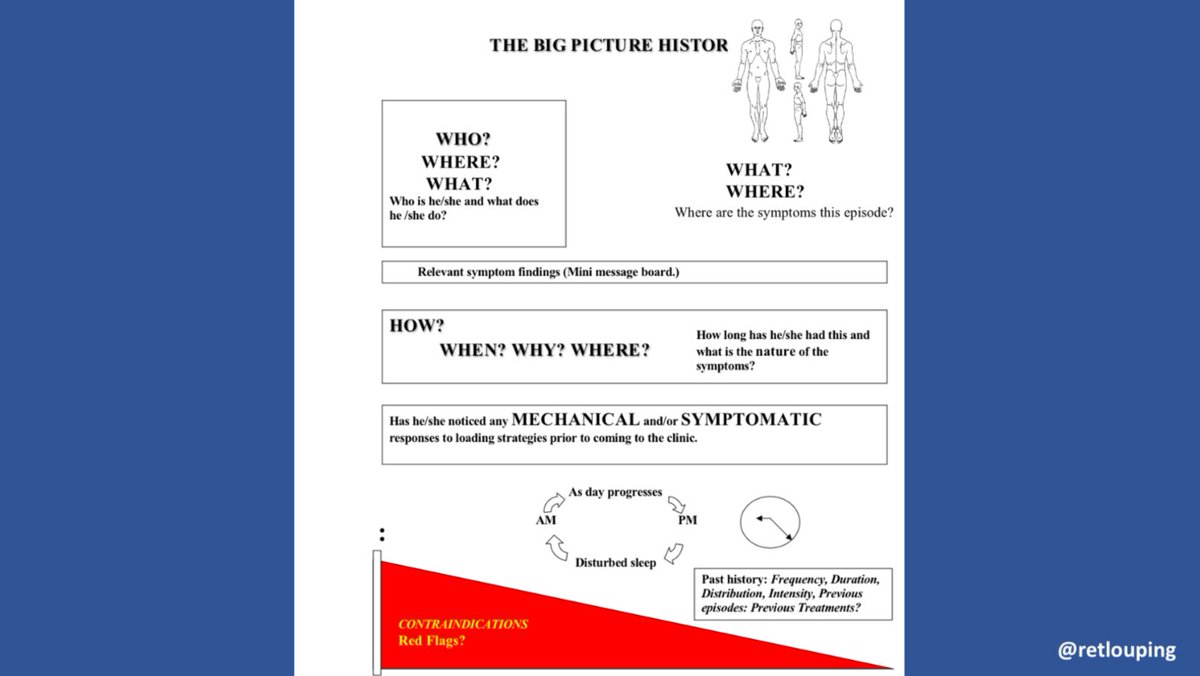
One of the biggest concerns on clinicians both inexperienced and experienced is “are we being safe”. To this end the clinician should be aware of clinical history and exam findings that may raise the suspicion of serious pathology. These indicators are know as red flags.
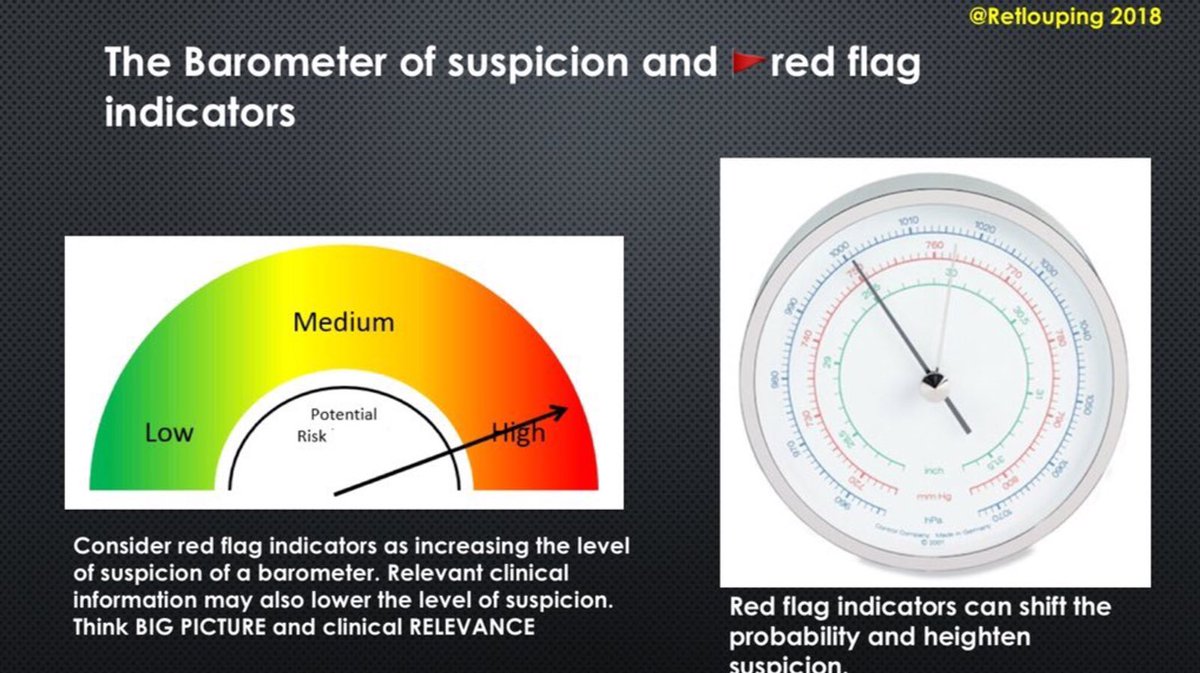
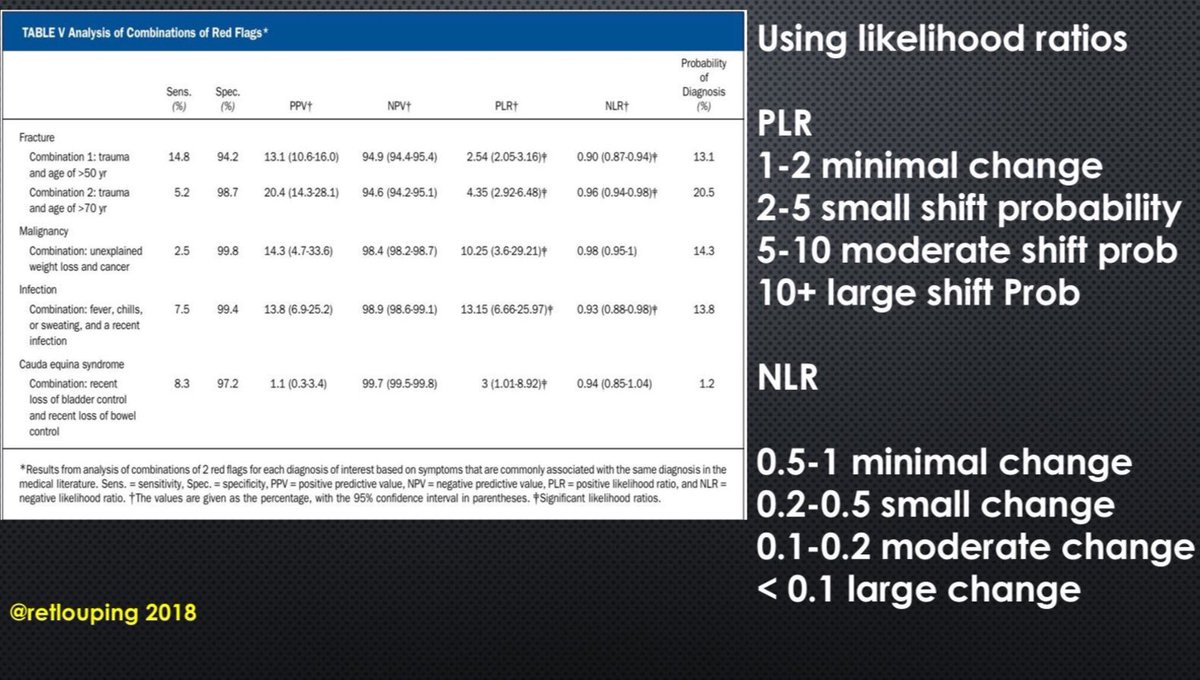
Whist it is important to keep an eye out for red flag indicators, we can bee assured that the incedence of serious pathology in LBP is relatively low. Below shows the incedence in an Emergency room. On the research literature indicates serious pathology

Occurs arounf 2-3% of LBP patients. Below are some probability indicators for serious pathology including cancer, fracture , CES and spinal infections.
Clinicians should also be aware of inflammatory conditions which may present with low back pain, Ankylosing spondylitis and psoriatic arthritis being two fo the common polyarthritides. Below is a useful screen tool from @pdkirwan SCREEND’EM

For an in-depth webinar on screening for red flags in low back pain I recommend watching the presentation by @LaurafinucaneB & @Mercephysio available free through SMS here:
musculoskeletal.courses/webinars
musculoskeletal.courses/webinars

So lets play a game of pattern recognition. The next slide will be of four famous people, who are they and how much do you know of them? “Do you recognise them?”

How many can you name?
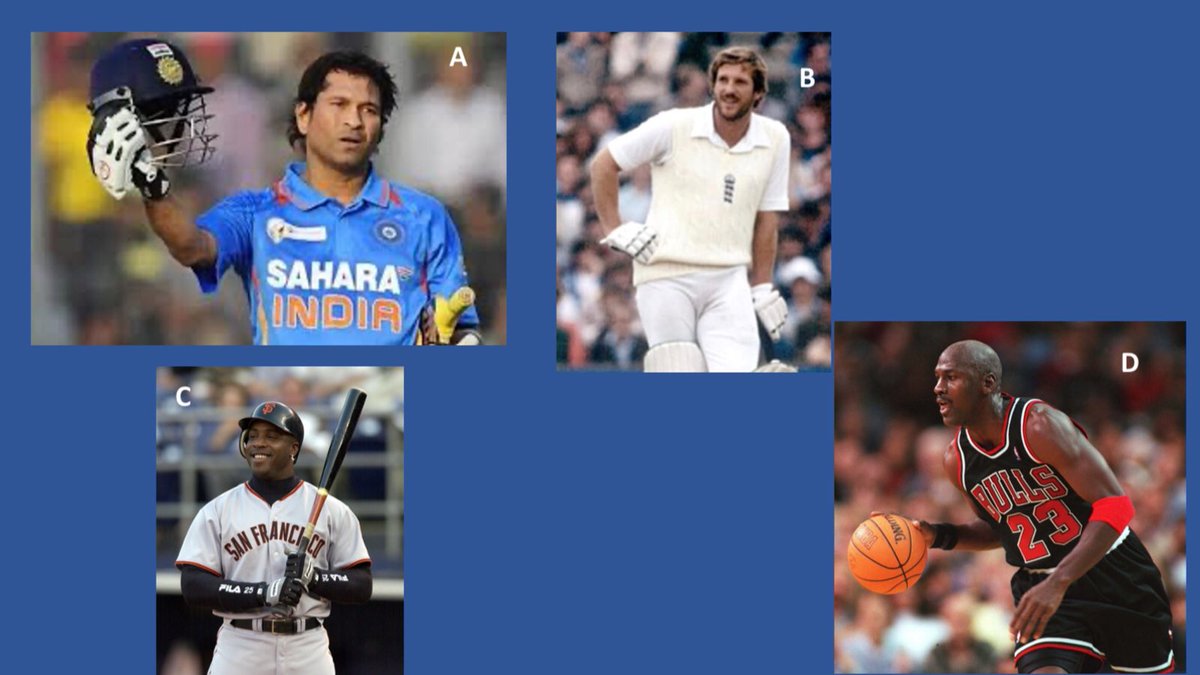
How much information can you write down about each person?
The more information the better you know the “big picture history” of these people, just like a clinical condition.
The more information the better you know the “big picture history” of these people, just like a clinical condition.

How about these patterns, can you name them?
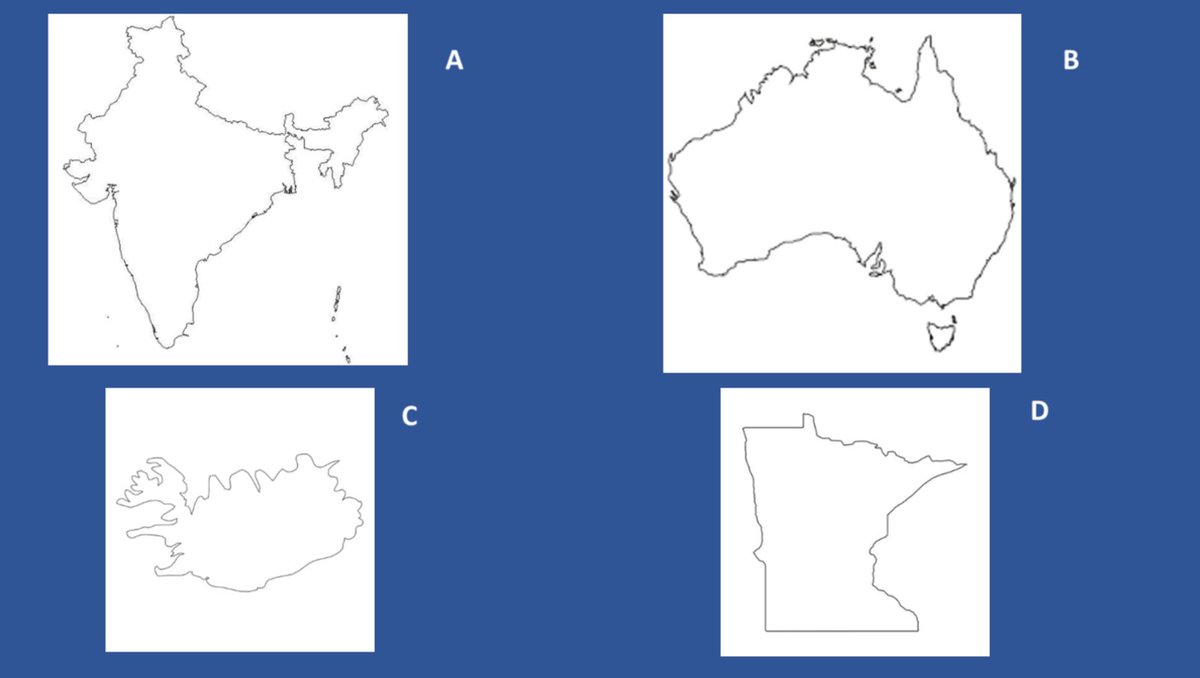
Again, how much information do you know about each place?
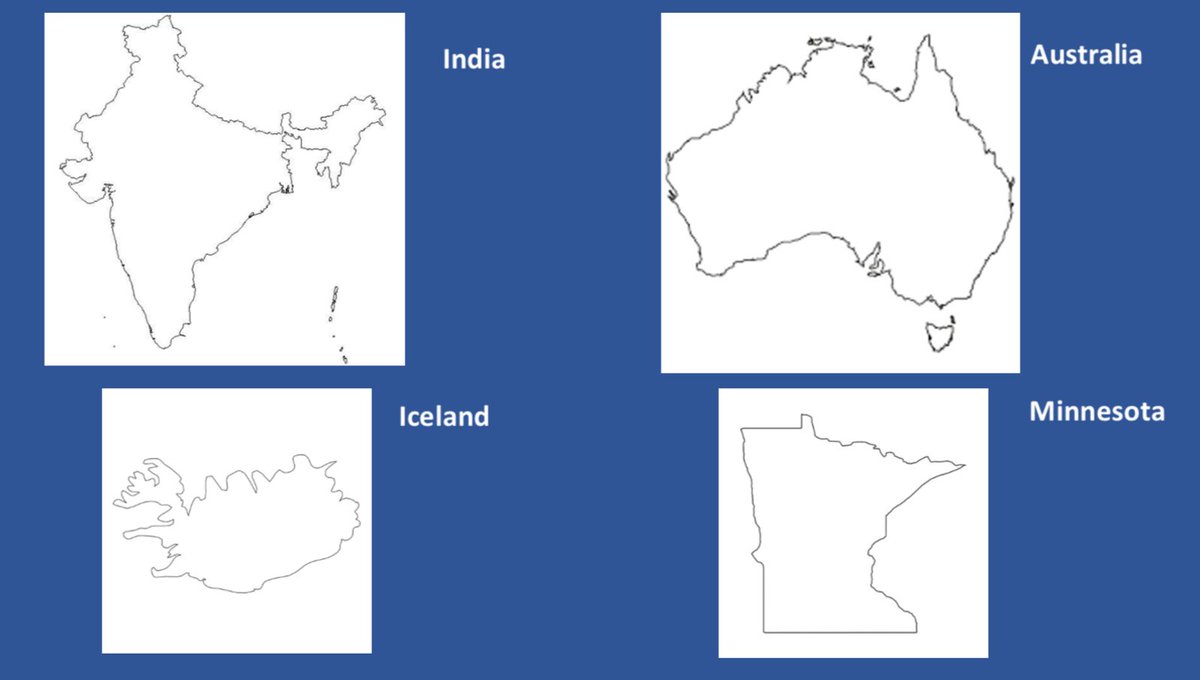
Pattern recognition is a useful clinical reasoning skill,often called heuristic reasoning, a short cut used by more expert clinicians (just as you did with the pictures above)
BUT, beware some pictures aren’t waht they seem, humans love to see patterns in everything. “Paridolia”
BUT, beware some pictures aren’t waht they seem, humans love to see patterns in everything. “Paridolia”
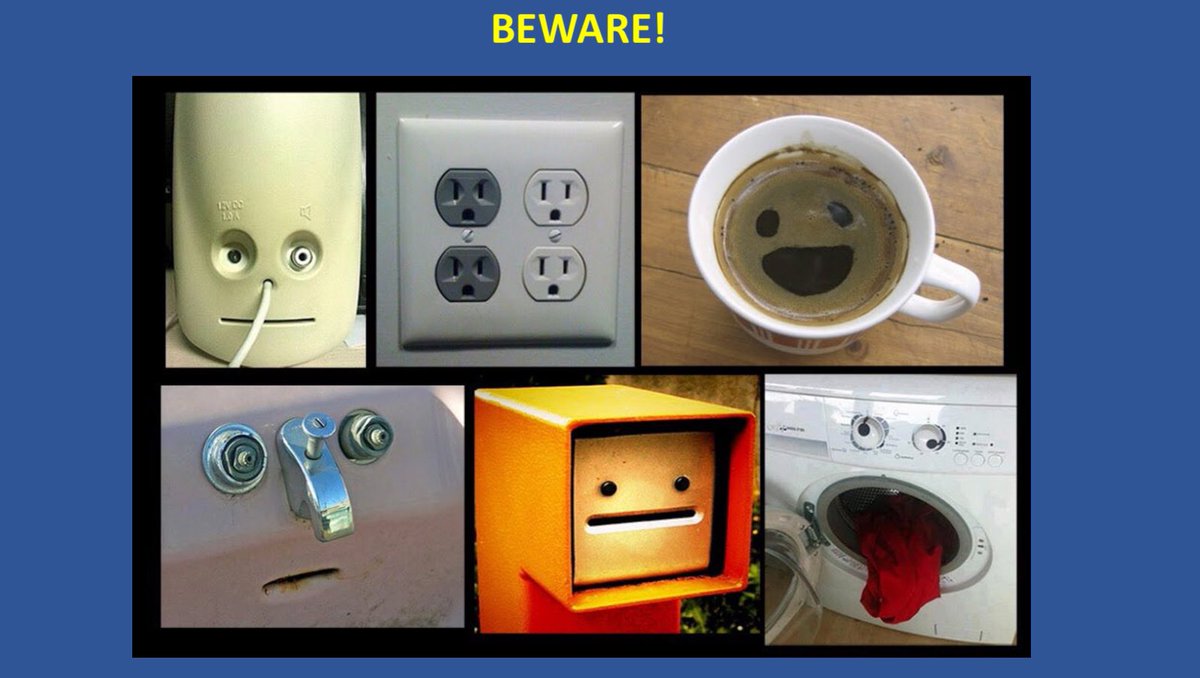
We are also prone to “predictive processing” which makes sense of what appears to be familiar things. I shall call this the Michelle Obama Error in pig picture reasoning. This is why we need ot test of “big picture” pattern recognitions

Surprising isn’t it

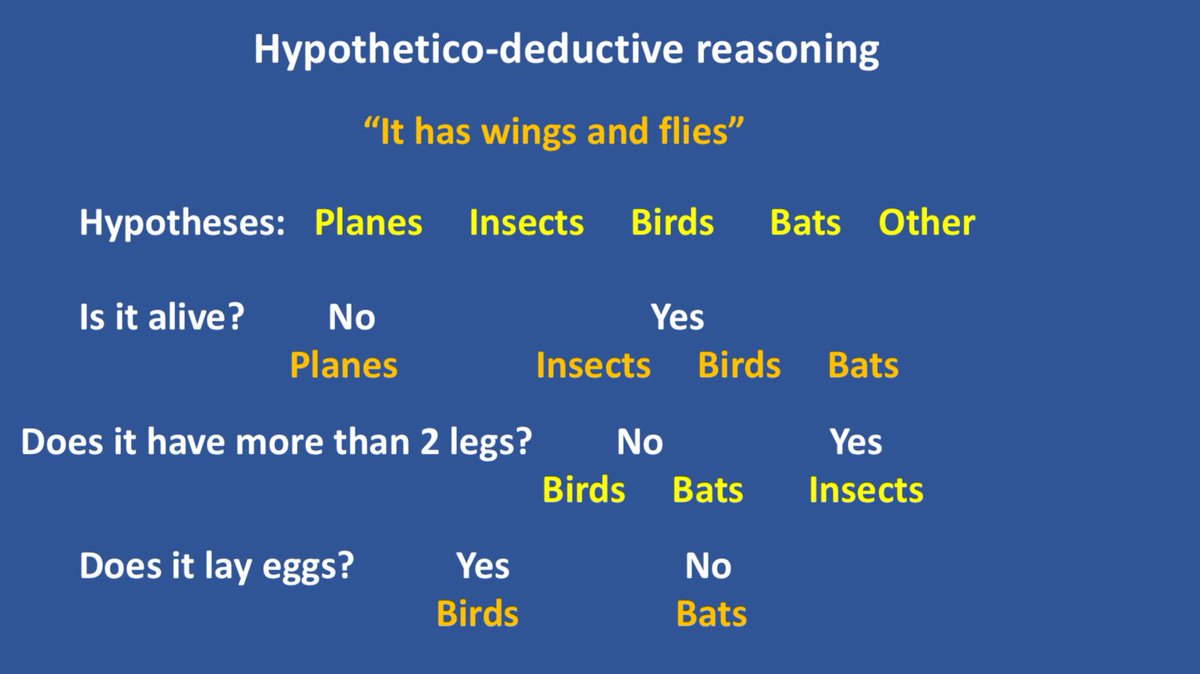
Below is a simple example of Hypothetico-deductive reasoning.
It shows how multiple hypotheses can be generated from simple information. This si the same process we can use clinically.
Once you are aware of the right questions you can create short cuts. Ask do they lay eggs first
It shows how multiple hypotheses can be generated from simple information. This si the same process we can use clinically.
Once you are aware of the right questions you can create short cuts. Ask do they lay eggs first
Using the Big Picture format will allow you to make a simple format for storing patinet “big Pictures” see previous thread sfor this format explained in more detail.

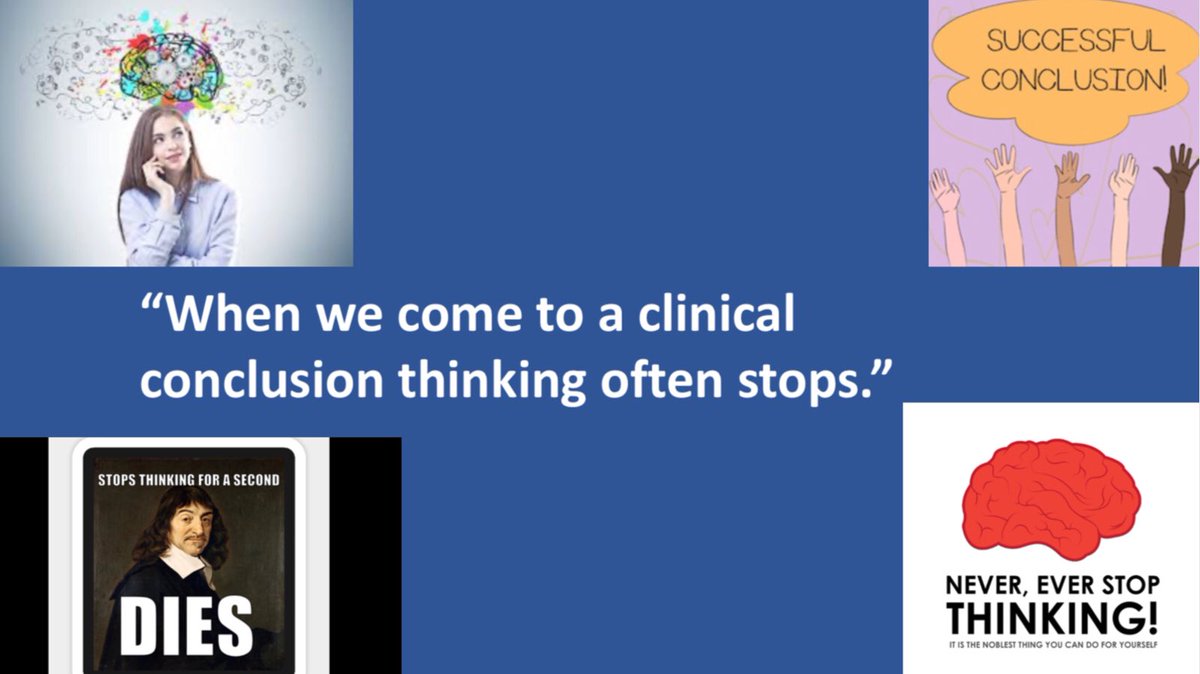
It is important for clinicians to be aware of the need to generate more than one possible cause of their patinets presentations, other ways we will be guilty of possible confirmation bias.
Here are two papers which cover reasoning and common errors, one looks at the difference between novice and expert clinciains
academic.oup.com/ptj/article/84…
ncbi.nlm.nih.gov/pmc/articles/P…
academic.oup.com/ptj/article/84…
ncbi.nlm.nih.gov/pmc/articles/P…
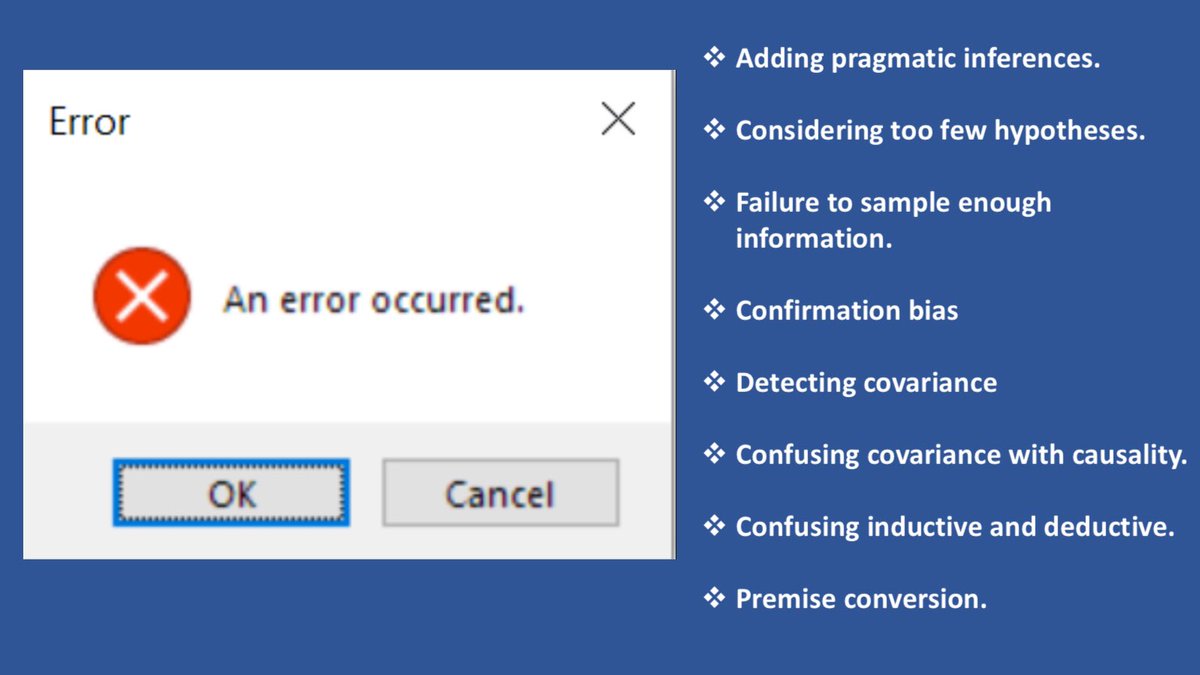
It is important to remember that how we see conditions based on our previous experience may influence what we see in the future and how we describe things. It is important to practice reflection and metacognition. Always test to reject your hypotheses not confirm them.

It is important to try to look at your reasoning from different angles and be aware of your biases. Remember to place your patinet under the macroscope, not the microscope, step back look at the big picture, usilized the patient as their own expert witness. Thanks for reading.