Sophie Collyer: Most wealthy nations have some form of child allowance as part of their network of social policies. The closest thing we have in the U.S. is the Child Tax Credit.
This credit leaves out the 1/3 of children who would benefit the most. If your tax liability exceeds the credit amount, you can only receive a partial refund.
Sophie Collyer: The Canada Child Benefit is described as the “most significant social policy innovation in a generation.” This system targets those that would benefit the most from the program. Families with incomes below $21,300 USD were eligible for the maximum benefit.
Sophie Collyer: If the U.S. followed this program, child poverty could be reduced by more than half. And 1.5 million children would be moved out of deep poverty.
.@StabileMark: In Canada, in response to COVID-19, a quick economic top-off was easily created for those on Child Benefit back in April. Because they’re already getting monthly benefits, it made it even easier to increase support as needed.
Vonnie McLoyd: Income poverty itself, causes negative child outcomes. Many programs that alleviate poverty directly (such as the EITC), have been shown to directly improve child well-being.
.@hamandcheese: The politics around tax relief and child poverty on the right has been shifting. Many are realizing that child allowances are a way to promote family stability and invest in children. niskanencenter.org/the-impact-of-…
.@RepDelBene: Every child in this country deserves the opportunity to succeed...And we’ve seen that if we provide people with the tools they need when they need them, we can see incredible success.
Thanks to @TCPdotorg for hosting a great discussion. Check out their new report for more info. tcf.org/content/report…
• • •
Missing some Tweet in this thread? You can try to
force a refresh

NEW PAPER: The emerging “Abundance movement” isn’t left, right, or center—it’s a cross-cutting idea.
Here are six different camps emerging across the political spectrum. 👇
Red Plenty is Abundance for those who dream of state-led economic development aimed at publicly determined goals.
@ZohranKMamdani’s NYC mayorship, if it comes to pass, could be the tip of the spear of Left Abundance.
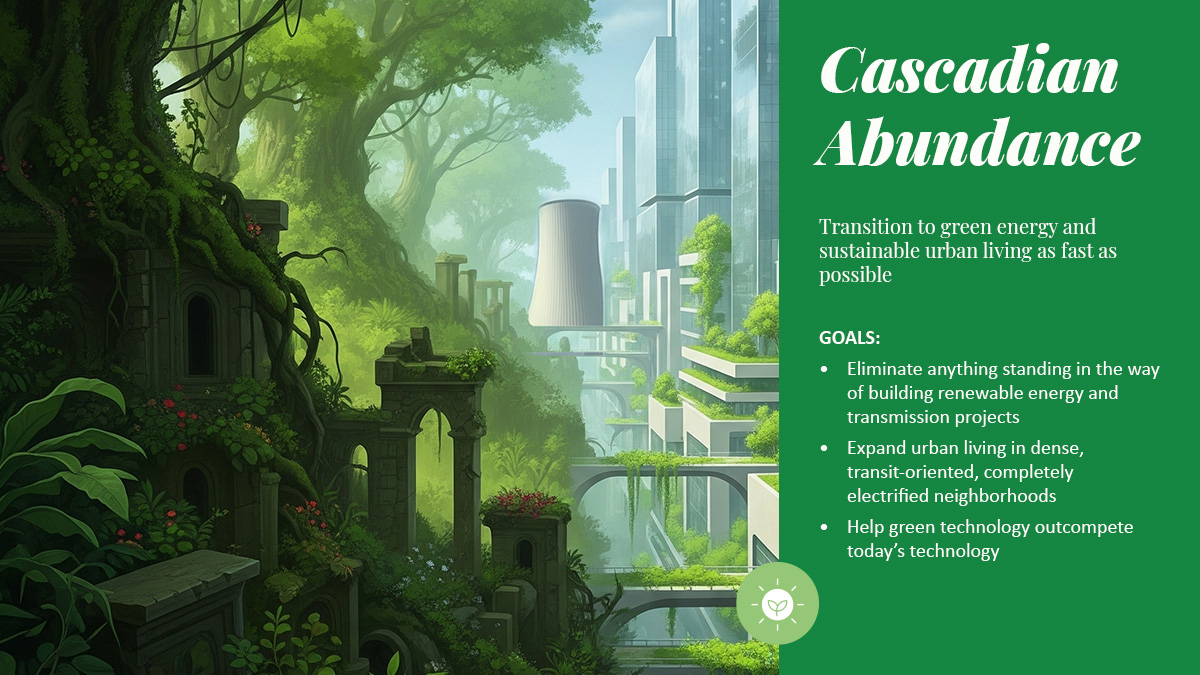
Cascadian Abundance combines deep environmental commitments, especially around the need for rapid decarbonization, a commitment to urbanism, and a faith in technological solutions to environmental problems.
.@heritage publishes regular iterations of its “Mandate for Leadership” with an agenda for the next Republican administration. The prior Trump admin implemented nearly 64% of its recommendations in its 1st year.
First, the Mandate would effectively close many avenues of legal immigration by:
❌Halting H2 visa programs
❌Closing the H-1B visa program to most recent grads
❌Leveraging entire visa categories as collateral in foreign policy negotiations
It would sabotage U.S. humanitarian relief by:
❌Repealing all TPS designations, stripping almost 700,000 of legal protection + work authorization.
❌Forbidding use of DHS staff time on DACA, Uniting for Ukraine, etc.
❌Prohibiting refugee vetting, ending refugee resettlement.
NEW PAPER: Manufactured housing is an affordable option in rural areas where land prices are low. They even promise to ease the housing crunch in coastal cities where land prices are high!
To clarify, we’re not talking about vacation trailers, or 1970’s-era mobile homes. Modern manufactured homes have strict standards for structural integrity and safety. They often look like homes built on-site, but they were assembled in a factory, like a car or an airplane.
Benefits of manufactured homes include: (1) They’re safer and more efficient to make, their materials don’t have to be exposed to the elements until the house is fully assembled, and (3) they can help improve quality of housing while driving costs down.
Before we enact any reform, we have to understand the political economy of our system: whom it empowers, whom it enriches, etc.
Answering these questions will rally opinion shapers around reform, protect reforms against backlash, and help avoid unintended consequences.
Here's how the conventional wisdom explains the political economy of housing: single-family homes and large lot sizes restrict the availability of housing to buyers who will pay at least as much in local taxes as they consume in public services, such as schools.