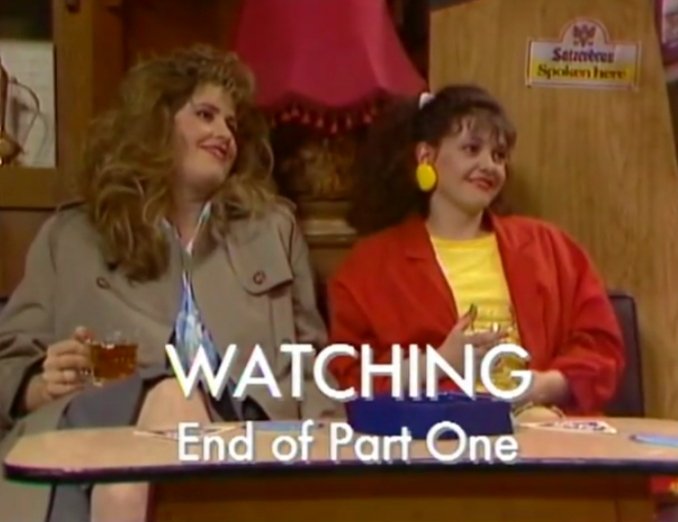
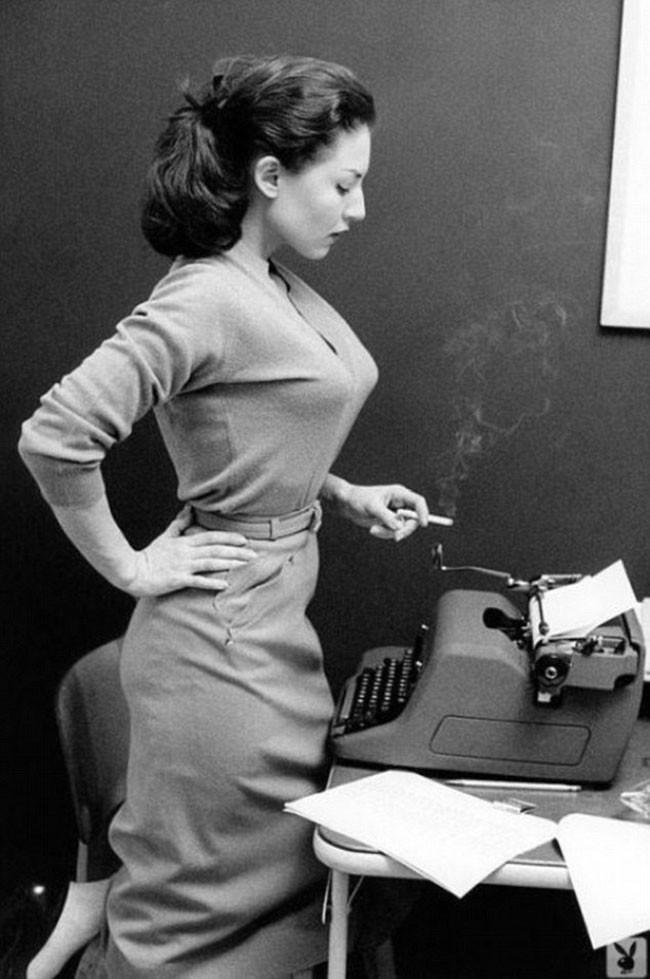
Fancy a quiz? Coming up are some stills from a number of (somewhat) forgotten British sitcoms. All you have to do is name the show WITHOUT USING GOOGLE!
Let's see if you remember what we were watching in the past... #FridayFeeling
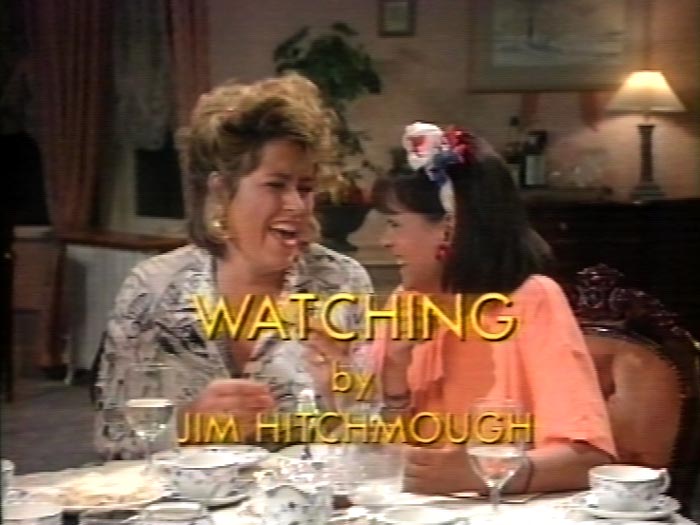
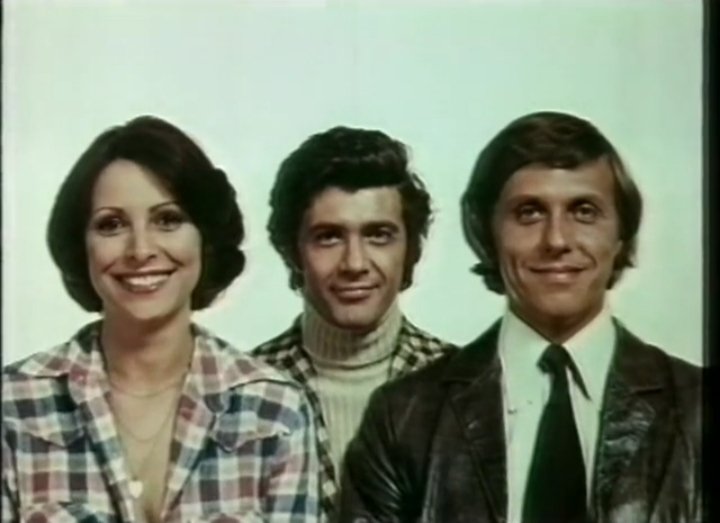
British sitcom #1: it starred Lewis Collins, but it's not The Professionals. What was it?
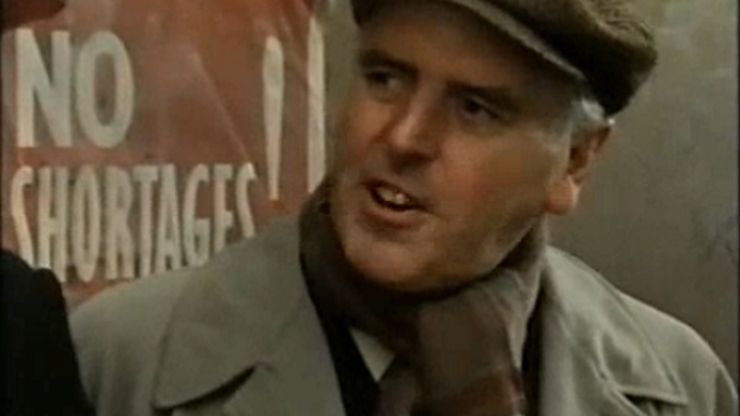
British sitcom #2: it starred George Cole, but it's not Minder. What was it?
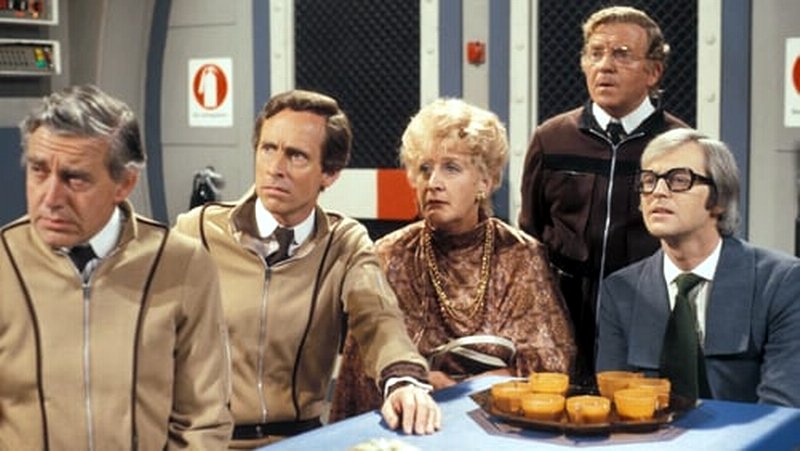
British sitcom #3: it starred Mollie Sugden, but it's not Are You Being Served. What was it?
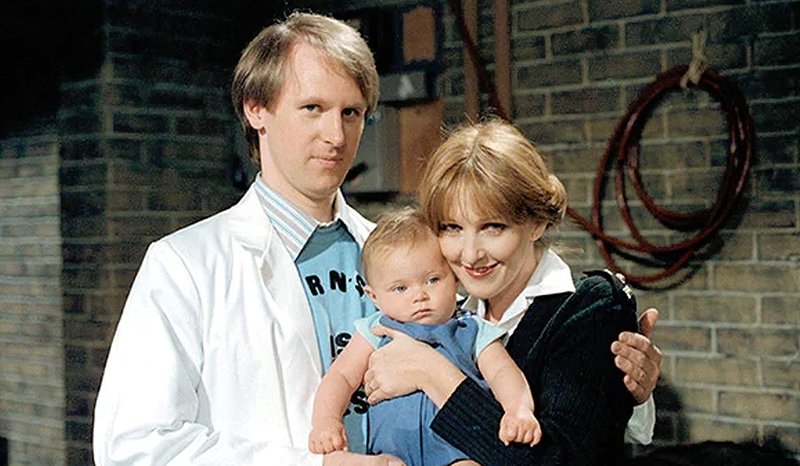
British sitcom #4: it starred Peter Davison, but it's not A Very Peculiar Practice. What was it?
British sitcom #5: it starred Robert Webb and Paula Wilcox, but it's not Peep Show or Man About The House. What was it?
British sitcom #6: it starred Brenda Blethyn and Simon Callow, but it's not Vera or Four Weddings. What was it?
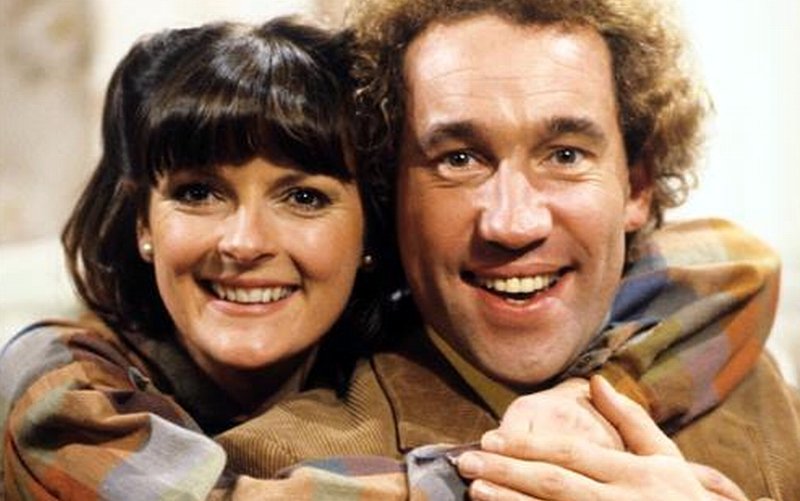
British sitcom #7: it starred Nigel Planer but it's not Filthy, Rich & Catflap. What was it?
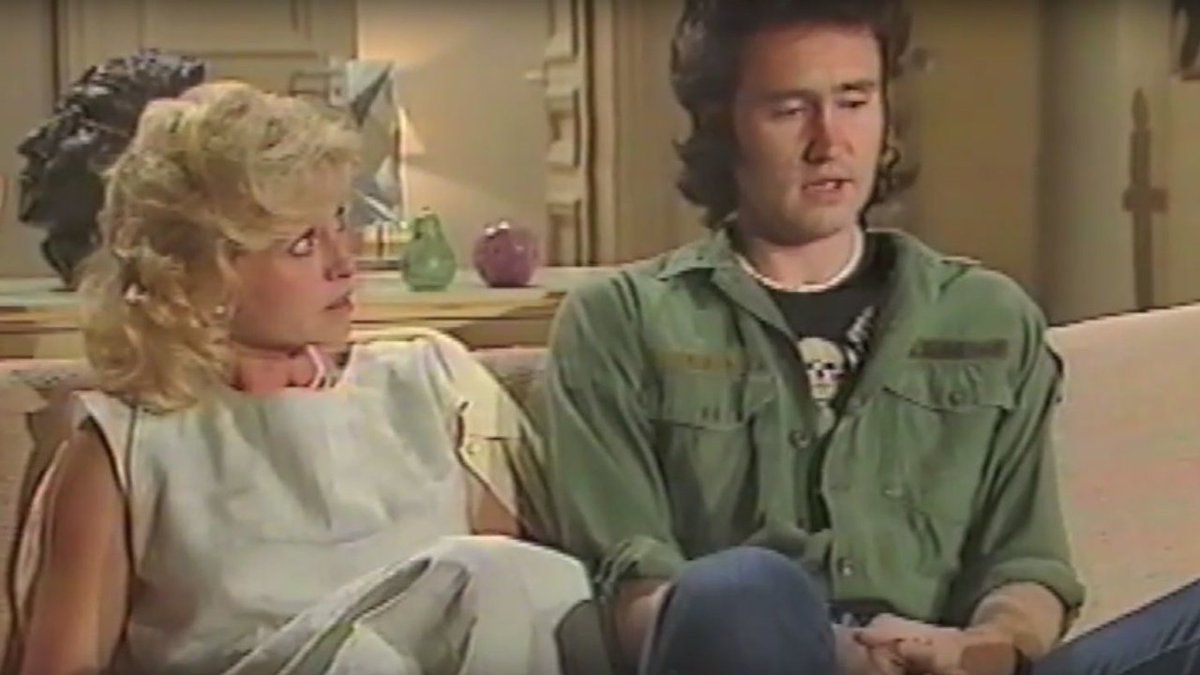
British sitcom #8: it starred Robert Lindsay, but it's not Citizen Smith. What was it?
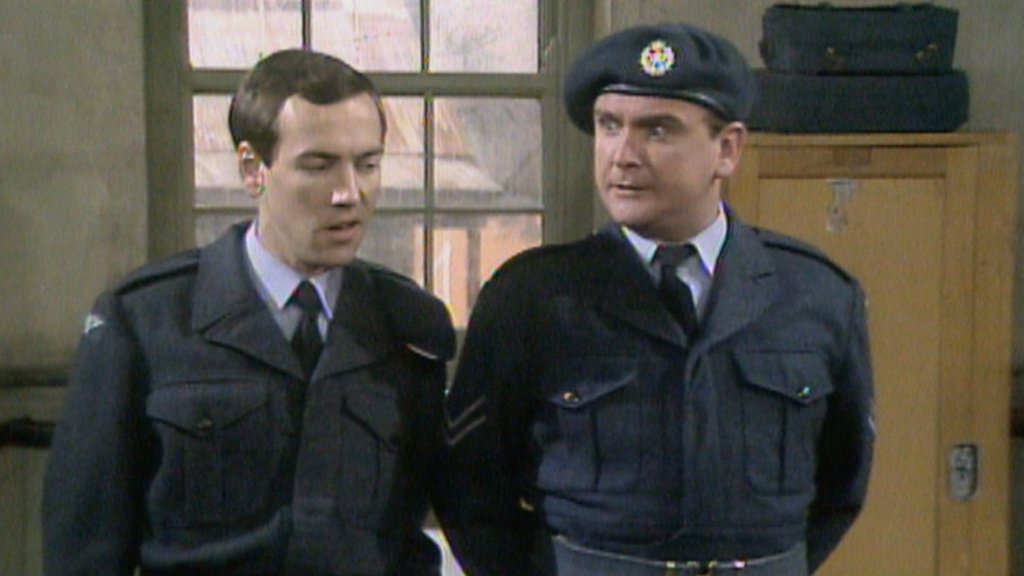
British sitcom #9: it starred Sally Phillips and Simon Pegg, but it's not Smack The Pony or Spaced. What was it?
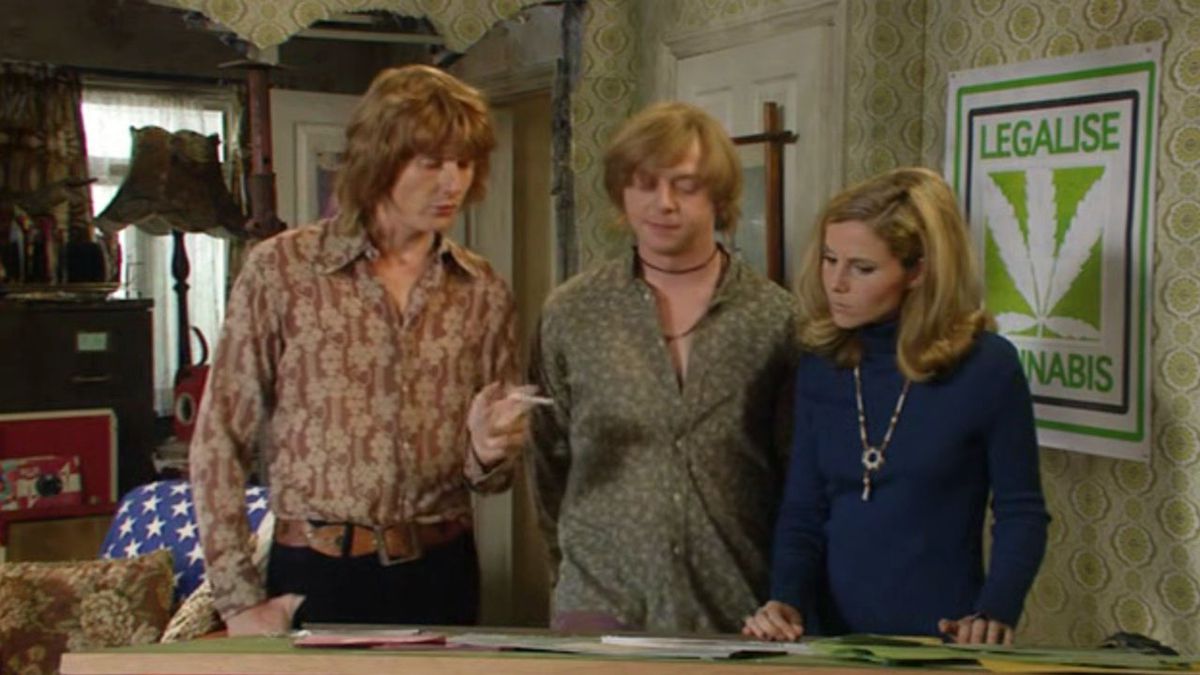
And British sitcom #10: it starred John Inman, but it's not Grace & Favour. What was it?
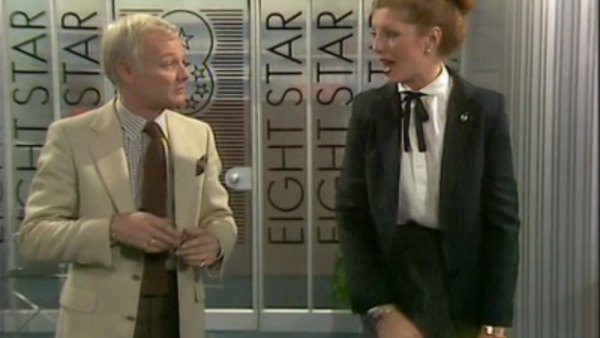
OK, those were your 10 (slightly) forgotten British sitcoms. Answers in a little while.
Keep watching...
Answers:
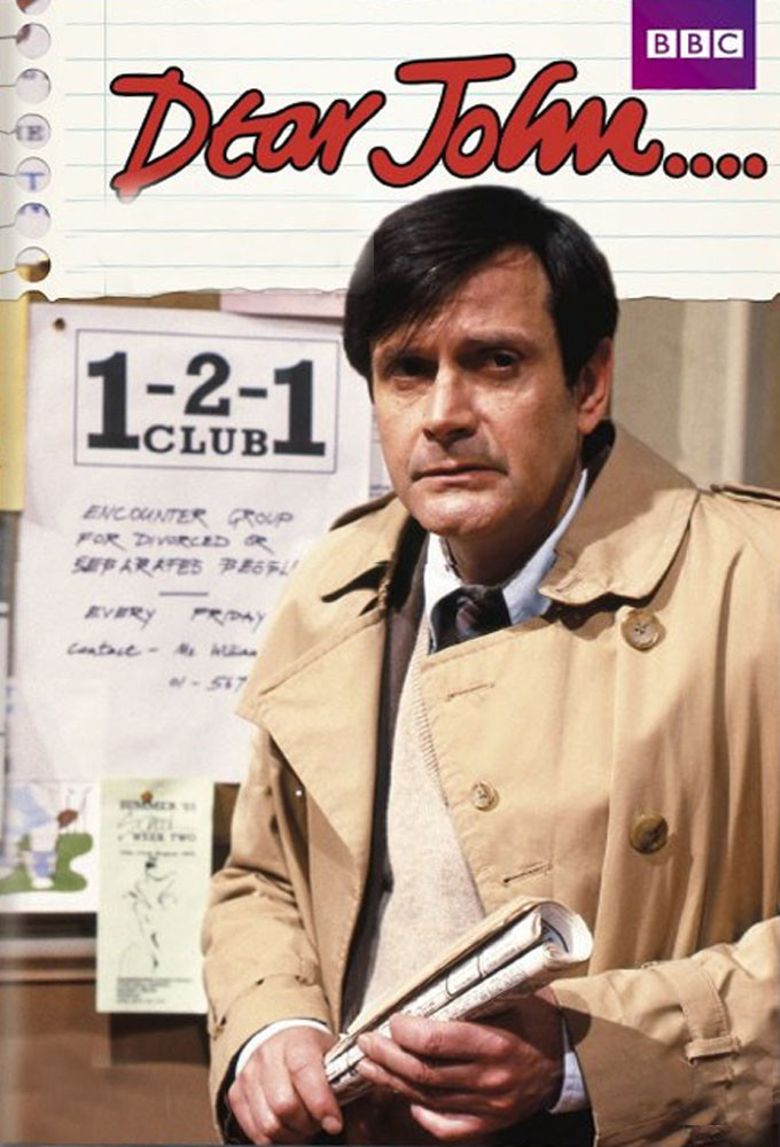
1 The Cuckoo Waltz (1975)
2 Comrade Dad (1984)
3 Come Back Mrs Noah (1977)
4 Holding The Fort (1980)
5 The Smoking Room (2004)
6 Chance In A Million (1984)
7 Roll Over Beethoven (1985)
8 Get Some In (1975)
9 Hippies (1999)
10 Take A Letter Mr Jones (1981)
Classics all!
• • •
Missing some Tweet in this thread? You can try to
force a refresh

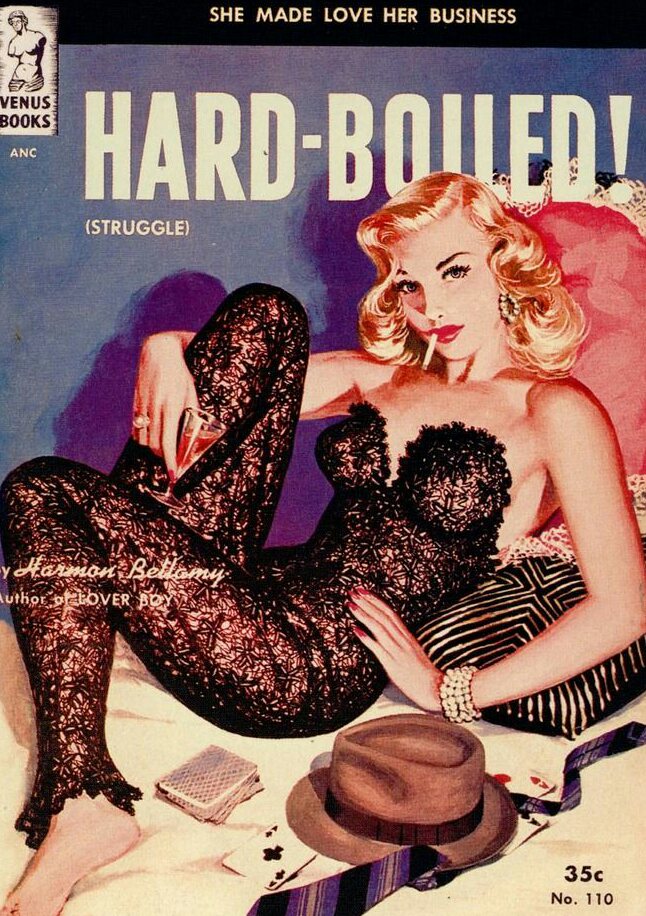
Today in pulp: how do you write a novel in two weeks?
Pulp writing that has to work within specific constraints, which in turn shape the nature of the story. And speed is the biggest constraint of all: you have to write quickly!
But there are ways to make it work for you...
Today a prolific author may write a book every year, but in the 1950s and '60s pulp writer sometimes had as little as two weeks to complete a 50,000 word story and have it ready for print.
That’s 25 novels a year: but at least they got Christmas off!
Writing that quickly is hard, but surprisingly liberating. Pulp writers had to go with their first ideas and had to make them work. There wasn’t time to ‘kill your darlings’ - instead you had to toughen them up and send them into battle!
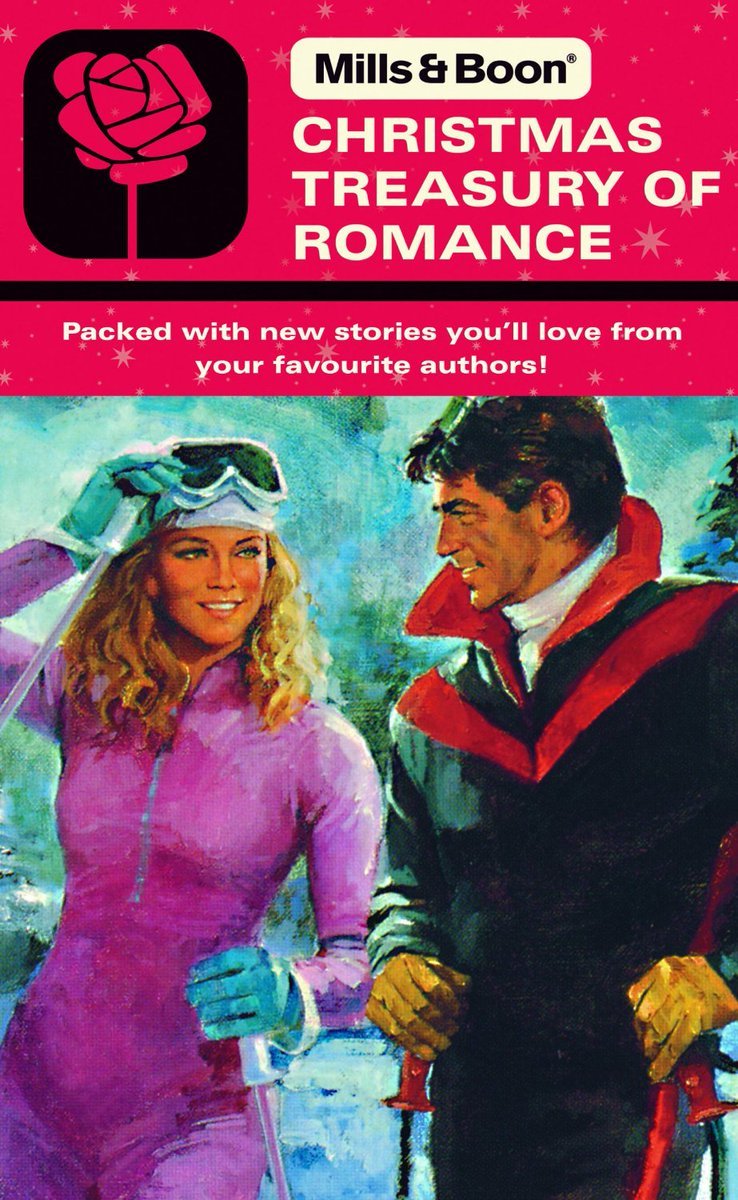
Today in pulp I'm taking a look back at the Regency Romance series from Signet Books!
Signet's Regency Romance series started in the late 1970s and ran until 2006. Like its rivals Harlequin and Mills & Boone, Signet Regency Romance published a number of titles each month, often to the same formula...
Most (but not all) Signet Regency Romance covers were by Allan Kass, and I can heartily recommend Rhonda Whiting's wonderful blog about this artist, featuring hundreds of scans of his work allankass.blogspot.co.uk
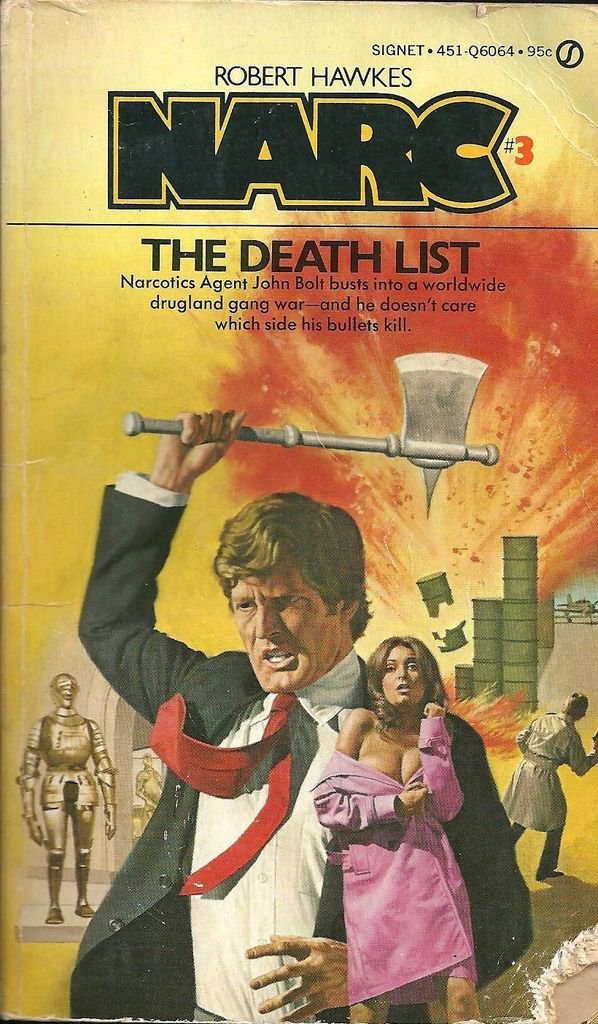
What are the pulp archetypes? Pulp novels are usually written quickly and rely on a formula, but do they use different archetypal characters to other fiction?
Let's take a look at a few...
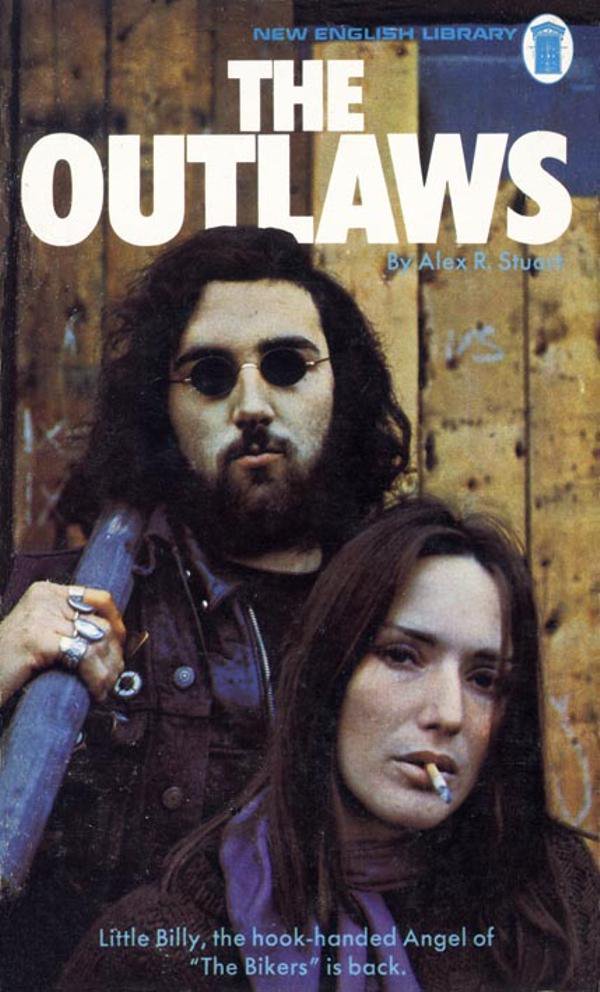
The Outlaw is a classic pulp archetype: from Dick Turpin onwards lawbreakers have been a staple of the genre. Crime never pays, but it's exciting and trangressive!
Some pulp outlaws however are principled...
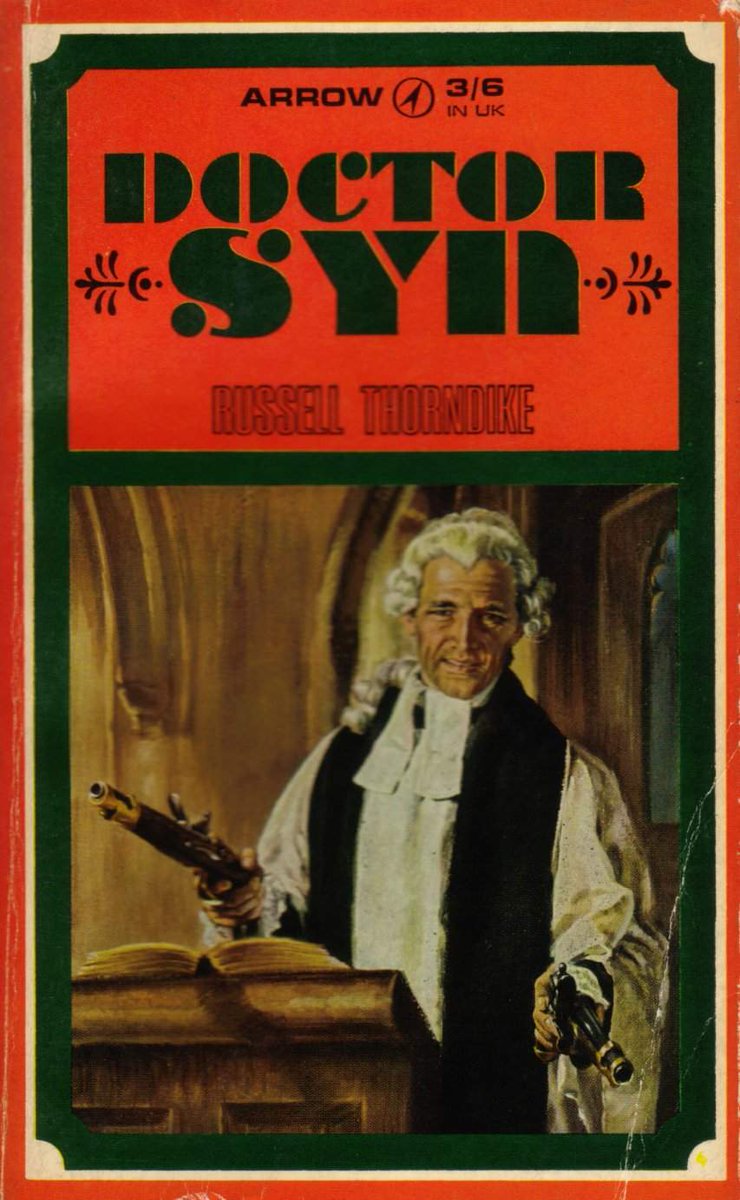
As Bob Dylan sang "to live outside the law you must be honest." Michel Gourdon's 1915 hero Dr Christopher Syn is a good example. A clergyman turned pirate and smuggler, he starts as a revenger but becomes the moral magistrate of the smuggling gangs of Romney Marsh.
Given the current heatwave, I feel obliged to ask my favourite question: is it time to bring back the leisure suit?
Let's find out...
Now we all know what a man's lounge suit is, but if we're honest it can be a bit... stuffy. Formal. Businesslike. Not what you'd wear 'in da club' as the young folks say.
So for many years tailors have been experimenting with less formal, but still upmarket gents attire. The sort of garb you could wear for both a high level business meeting AND for listening to the Moody Blues in an espresso bar. Something versatile.