
Thread ...
Bharatheeya perspective
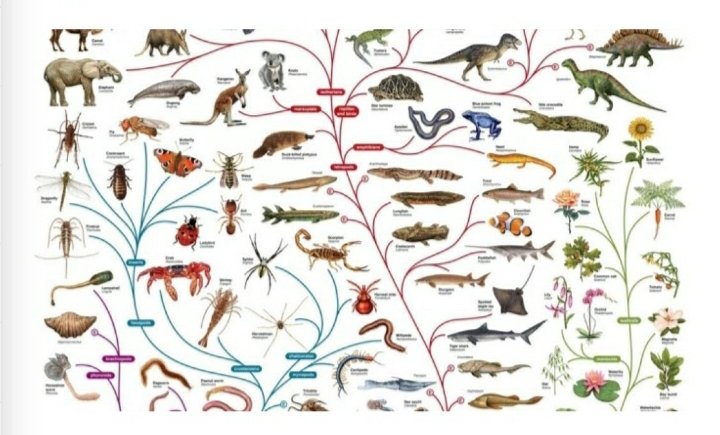
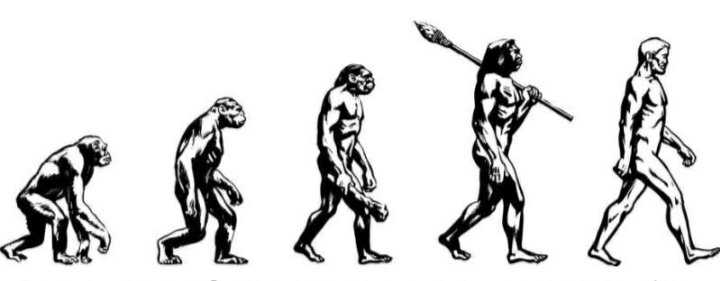
Understanding the Evolution / Adaptation
(Pic Credit: respective websites and authors )
Bharatheeya perspective
Understanding the Evolution / Adaptation
(Pic Credit: respective websites and authors )
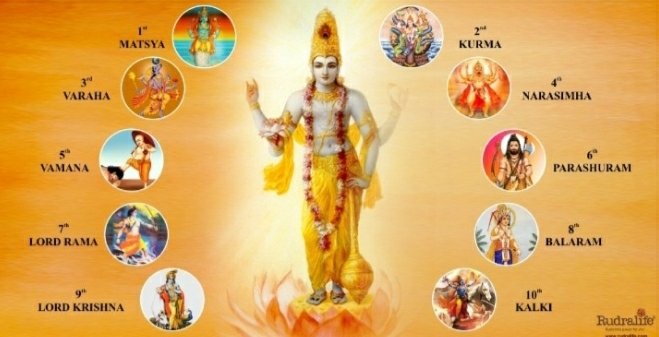
Familiar with Dashavatar / Vishnu Avatar mentioned in Puranic literature around 6th century CE?
This Puranic literature dates back much, much before Darwin's theory was formulated.
Dasavathar is focussed on the adaptation that branched out to Human Beings and civilisation.
This Puranic literature dates back much, much before Darwin's theory was formulated.
Dasavathar is focussed on the adaptation that branched out to Human Beings and civilisation.
Avatars in sequence
1 - Matsyam
2 - Kurmam
3 - Varaham
4 - Narasimham
5 - Vaman
6- Parashuram
7- Ram
8 - Balram
9 - Krishna
10 - Kalki
1 - Matsyam
2 - Kurmam
3 - Varaham
4 - Narasimham
5 - Vaman
6- Parashuram
7- Ram
8 - Balram
9 - Krishna
10 - Kalki
Vedic scholars i.e our Rishi's devised a way to pass on some basic knowledge to common man in such a way he can understand and relate easily.
Humans can relate to their own form, therefore they explained the concepts by attaching human forms in many cases.
Humans can relate to their own form, therefore they explained the concepts by attaching human forms in many cases.
Puranic literatures are explained through stories, not to be confused with Itihasas ("as it happened"), which is History.
How is Itihasas and Puranas intertwined? The below Is a recent example.
How is Itihasas and Puranas intertwined? The below Is a recent example.
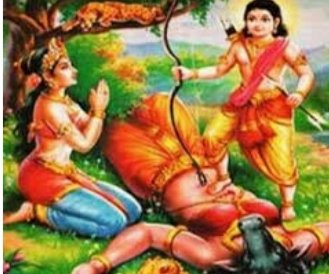
Both Chamundi & Ayyapa are part of Puranas.
Mahishasura of Mahishasarur (now Mysore) was killed by Devi Chamundi & her temple can be found in Chamundi Hills in Mysore.
Mahishasura of Mahishasarur (now Mysore) was killed by Devi Chamundi & her temple can be found in Chamundi Hills in Mysore.
Mahishi was Mahishasura's sister & was killed by Ayyappa. Mahishi after removal of curse now 'resides' in Ayyappa 's Sabarimala as Malikappurathamma.
Before going through Evolution/Dashavatharam, we need to understand that Indian subcontinent was Inhibited by Humans (or earlier) atleast for 80,000 years which is evident by the study conducted on Toba volcanic eruption, trashing Aryan Invasion theory.
nature.com/articles/s4146…
nature.com/articles/s4146…
Dashavatar/ Vishnu Avatar
Why Vishnu Avatar? Why not Shiv Avatar or Brahma Avatar.
Vishnu is the God of Preservation, STHITHI
Brahma - Shrishti, Creation;
Vishnu - Stithi, Preservation;
Shiva - Samhara, Destruction
Separate details later...
Why Vishnu Avatar? Why not Shiv Avatar or Brahma Avatar.
Vishnu is the God of Preservation, STHITHI
Brahma - Shrishti, Creation;
Vishnu - Stithi, Preservation;
Shiva - Samhara, Destruction
Separate details later...
Dasavathar is focussed on the adaptation that branched out to Human Beings and civilisation
Vedic scholars devised a way to pass on some basic knowledge to common man in such a way he can understand and relate easily.
Vedic scholars devised a way to pass on some basic knowledge to common man in such a way he can understand and relate easily.
Humans can relate to their own form, therefore they explained the concepts by attaching human forms in many cases.
Matsya Avatar.
The first Vishnu Avatar.
The life took form in the sea. Explained in the form of Fish, where common man can relate to underwater being.
Matsya Avatar.
The first Vishnu Avatar.
The life took form in the sea. Explained in the form of Fish, where common man can relate to underwater being.

Kurma Avatar
The second Avatar of Vishnu
Denotes, the life branched out to live partially in water and partially on land.
The second Avatar of Vishnu
Denotes, the life branched out to live partially in water and partially on land.

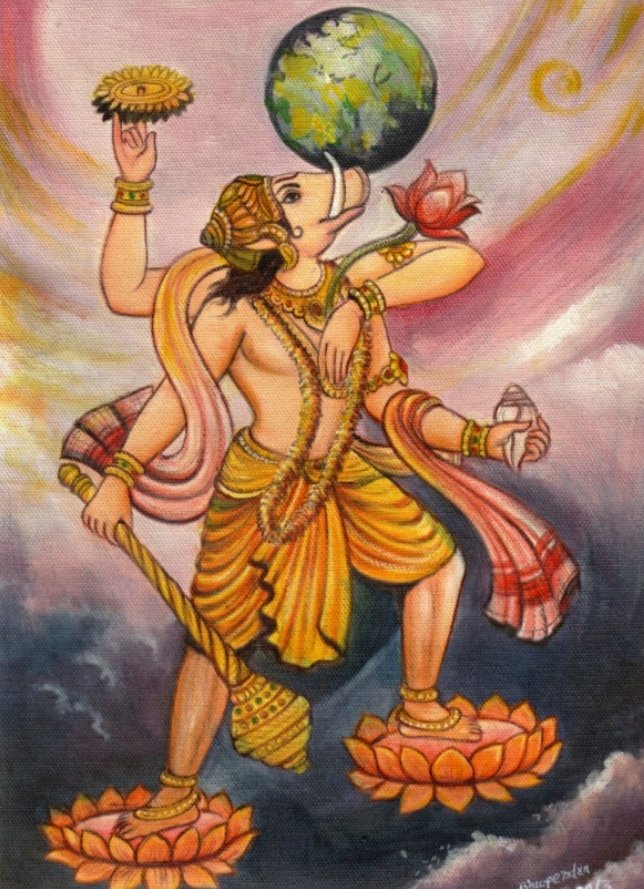
Varaha Avatar
The third Avatar of Vishnu in the form of a Boar
Denotes, the life branched out to live on land
(Note the Earth depicted as a round object between the Tusk of Varaha Avatar
Vedic people knew Earth was round & called it "Bhugol", round object frm ancient times.)
The third Avatar of Vishnu in the form of a Boar
Denotes, the life branched out to live on land
(Note the Earth depicted as a round object between the Tusk of Varaha Avatar
Vedic people knew Earth was round & called it "Bhugol", round object frm ancient times.)
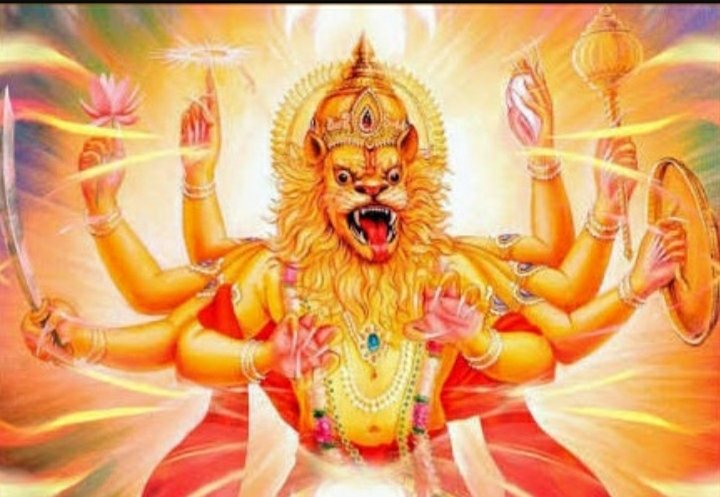
Narasimha Avatar
The fourth Avatar of Vishnu in the form of a half Animal half Human.
Denotes, the life branched out and started transforming in taking Human form. Had a ferocious form / attitude.
The fourth Avatar of Vishnu in the form of a half Animal half Human.
Denotes, the life branched out and started transforming in taking Human form. Had a ferocious form / attitude.
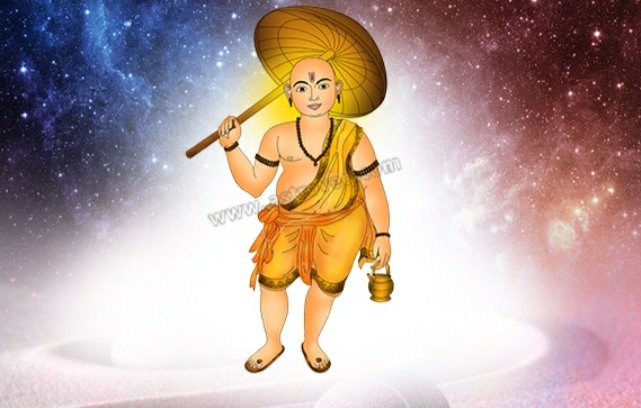
Vamana Avatar
The fifth Avatar of Vishnu, first Human form as Pigmy, a short human.
Heard about the discovery of remains of small-bodied hominin, named Homo luzonensis, lived on the island of Luzon, Indonesia at least 50,000 to 67,000 years ago?
The fifth Avatar of Vishnu, first Human form as Pigmy, a short human.
Heard about the discovery of remains of small-bodied hominin, named Homo luzonensis, lived on the island of Luzon, Indonesia at least 50,000 to 67,000 years ago?
Short Human form
In 2010, paleontologists (people who study fossils) unveiled the 67,000-year-old fossil, which they tentatively suggested belonged to a small-bodied member of Homo sapiens, making it perhaps the oldest sign of our species anywhere in the Philippines at the time
In 2010, paleontologists (people who study fossils) unveiled the 67,000-year-old fossil, which they tentatively suggested belonged to a small-bodied member of Homo sapiens, making it perhaps the oldest sign of our species anywhere in the Philippines at the time
First Humans - Pygmies
Heard about the famous Lucy (Australopithecus) ?
Lucy is the common name of AL 288-1, several hundred pieces of bone fossils representing 40 percent of the skeleton of a female of the homininspecies Australopithecus afarensis.
Heard about the famous Lucy (Australopithecus) ?
Lucy is the common name of AL 288-1, several hundred pieces of bone fossils representing 40 percent of the skeleton of a female of the homininspecies Australopithecus afarensis.
Height of first Humans, the Pygmies
Height: Males: average 4 ft 11 in (151 cm); Females: average 3 ft 5 in (105 cm)
Weight: Males: average 42 kg ; Females: average 29 kg
Height: Males: average 4 ft 11 in (151 cm); Females: average 3 ft 5 in (105 cm)
Weight: Males: average 42 kg ; Females: average 29 kg
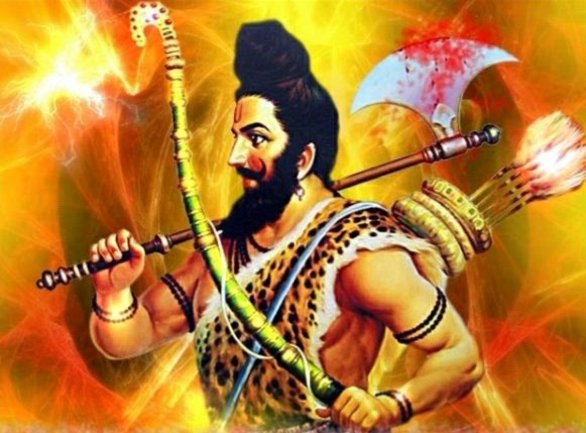
Parashuram Avatar
The sixth Avatar of Vishnu.
A cave dwelling angry man, engaged in frequent wars / fights.
The sixth Avatar of Vishnu.
A cave dwelling angry man, engaged in frequent wars / fights.
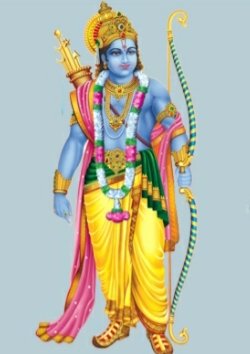
Rama Avatar
The seventh Avatar of Vishnu.
Human civilisation thrived.
Structure & Framework for civilisational development put in place.
The seventh Avatar of Vishnu.
Human civilisation thrived.
Structure & Framework for civilisational development put in place.
Balaram Avatar
The eighth Avatar of Vishnu.
In today's terms, we will refer to him as "Father of Green Revolution"
He established agriculture and paved way for stable self sufficient villages and territories
The wooden tool in his left hand is a plough used in agriculture.
The eighth Avatar of Vishnu.
In today's terms, we will refer to him as "Father of Green Revolution"
He established agriculture and paved way for stable self sufficient villages and territories
The wooden tool in his left hand is a plough used in agriculture.

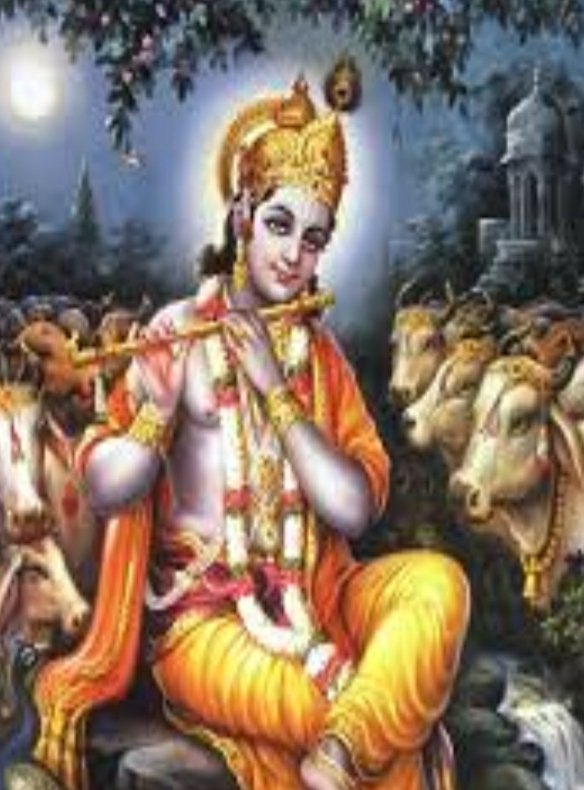
Krishna Avatar
The ninth Avatar of Vishnu
Faced various aspects & challenges from childhood & set an example of how Humans can overcome those.
Through Bhagvath Geeta advised the meaning of life, provided motivation to face challenges and equip oneself for overall wellbeing.
The ninth Avatar of Vishnu
Faced various aspects & challenges from childhood & set an example of how Humans can overcome those.
Through Bhagvath Geeta advised the meaning of life, provided motivation to face challenges and equip oneself for overall wellbeing.
Not discussing the tenth Avatar, Kalki here for two reasons
1. I Don't know what is Kalki Avatar, as the Avatar is yet to emerge.
2. The reason to explain Dashavatar is to set a context for chronological explanation of Bharatheeya civilization.
1. I Don't know what is Kalki Avatar, as the Avatar is yet to emerge.
2. The reason to explain Dashavatar is to set a context for chronological explanation of Bharatheeya civilization.
Summary
Dashavatar/Vishnu Avatar
Part 1 - Life undergoing transformation
Matsya Avatar - Fish, life in sea
Kurma Avatar- Turtle, lived in sea & land
Varaha Avatar- Boar, life on land as Animal
Narasimha Avatar- half Animal, half Human.
Continued...
Dashavatar/Vishnu Avatar
Part 1 - Life undergoing transformation
Matsya Avatar - Fish, life in sea
Kurma Avatar- Turtle, lived in sea & land
Varaha Avatar- Boar, life on land as Animal
Narasimha Avatar- half Animal, half Human.
Continued...
Part 2 - Human undergoing transformation
Vamana Avatar- first, short human
Biological transformation
⬇
Parashuram Avatar- cave dwelling, angry man, frequent conflicts.
Behavioural transformation
⬇
Vamana Avatar- first, short human
Biological transformation
⬇
Parashuram Avatar- cave dwelling, angry man, frequent conflicts.
Behavioural transformation
⬇
Ram Avatar - Set up framework for stable society. Ram Rajya, civilisation thrived.
Living in society, within set overall framework.
⬇
Balaram Avatar - Agriculture and best practice
Self sufficient society
⬇
Living in society, within set overall framework.
⬇
Balaram Avatar - Agriculture and best practice
Self sufficient society
⬇
Krishna Avatar - intricacies of personal life, learning and implementation. Personal wellbeing.
As the life Adapted and evolved, imbalance was a natural byproduct.
He introduced Chathur Varna (Varnashram) for an inclusive society where the subjects supported each other.
As the life Adapted and evolved, imbalance was a natural byproduct.
He introduced Chathur Varna (Varnashram) for an inclusive society where the subjects supported each other.
Dashavatar/Vishnu Avatar in Summary
Life adapted and evolved over years. Adaptation, which lead to branching out of life was not uniform across living beings, as was for Human Beings.
There was Imbalance in Human Society and it was nullified through Chathur Varna / Varnashram
Life adapted and evolved over years. Adaptation, which lead to branching out of life was not uniform across living beings, as was for Human Beings.
There was Imbalance in Human Society and it was nullified through Chathur Varna / Varnashram
Varnashram / Chathur Varna.
Sri Krishna classified the society into broadly 4 categories.
1. Shudra
2. Vaishya
3. Kshatriya
4. Brahmanah
Sri Krishna classified the society into broadly 4 categories.
1. Shudra
2. Vaishya
3. Kshatriya
4. Brahmanah
Shudra
People classified under Shudra are people who's intelligence (IQ) is in such a way that they cannot think beyond next meal. Their effort in day to day life is to manage every next meal and don't have capacity to plan any further.
People classified under Shudra are people who's intelligence (IQ) is in such a way that they cannot think beyond next meal. Their effort in day to day life is to manage every next meal and don't have capacity to plan any further.

People classified under Shudra are involved mainly in daily Labour.
A new born baby is always considered Shudra and food is it's only concern, till a certain age.
A new born baby is always considered Shudra and food is it's only concern, till a certain age.
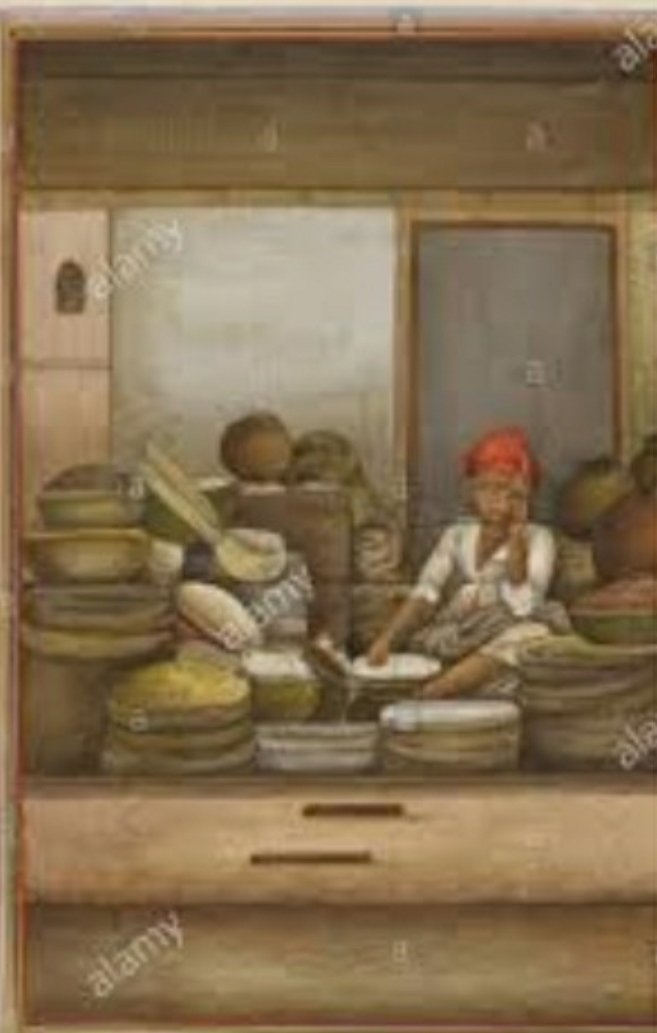
Vaishya
People classified under Vaishya r people who's IQ is higher than Shudra & is in such a way that they not only take care of their family they can plan for their future needs as well. Primarily family centric
These people r involved primarily in trade, administration, etc
People classified under Vaishya r people who's IQ is higher than Shudra & is in such a way that they not only take care of their family they can plan for their future needs as well. Primarily family centric
These people r involved primarily in trade, administration, etc
Kshatriya
People classified under Kshatriya are people who's IQ is higher than Shudra & Vaishya and is in such a way that they take care of not only their family, but of larger society as well.
People classified under Kshatriya are people who's IQ is higher than Shudra & Vaishya and is in such a way that they take care of not only their family, but of larger society as well.

Kshatriyas are involved primarily in protecting and administration of the country / territory. They also take care of stocking and distribution of it's resources in the society.
Brahmanah
People classified under Brahmanah are people who's IQ is higher than people in rest of the three classification. They don't do much for themselves but learn & impart knowledge to others.
People classified under Brahmanah are people who's IQ is higher than people in rest of the three classification. They don't do much for themselves but learn & impart knowledge to others.

Brahmanah are involved primarily in literary work, teaching, advising Kings on matters of wellbeing of the society.
So far we understand that
The Bharatheeya landmass was populated for atleast 70,000 years
Evolution explained by our Gurus, through Dashavatharam
We had well functioning society
Now, how did this society function?
The Bharatheeya landmass was populated for atleast 70,000 years
Evolution explained by our Gurus, through Dashavatharam
We had well functioning society
Now, how did this society function?
The Mahabharata war started on November 6th, 3126 BCE, as per astronomical events mentioned in Geeta
The time period in reference now is around 3000 BCE
(Context: Greek civilisation which is regularly referenced in western academia for advanced civilisation is around 800 BCE)
The time period in reference now is around 3000 BCE
(Context: Greek civilisation which is regularly referenced in western academia for advanced civilisation is around 800 BCE)
The Gurukul system was already in place much before Ramayana period. (Ramayana period is around 7300 BCE as per astronomical references )
Shri Ram got his education from Vishwamitra in a Gurukul.
Shri Ram got his education from Vishwamitra in a Gurukul.
Practice of Gurukul system:
A child born in the society went to Gurukul. Kids leave their family at very young age (before the age of 8) & live with Guru in Gurukula Ashram. In a gurukul, the students living together r considered as equals, irrespective of their social standing
A child born in the society went to Gurukul. Kids leave their family at very young age (before the age of 8) & live with Guru in Gurukula Ashram. In a gurukul, the students living together r considered as equals, irrespective of their social standing
These students/Shishyas did day to day chores in the Ashram, thus earning (not monetary) their day to day living while learning the knowledge imparted by Guru (Brahmanah, the one who knows Brahmam ).
These students stayed until age of 25 in Gurukul, away from family, to learn the knowledge provided by Guru.
Role of Guru:
Gurukul is mostly a single teacher school.
Guru while imparting knowledge identifies the inborn talent / intelligence (IQ) of the child.
Guru after identifying their inborn talent and IQ provides specialised training in the subject of interest.
Gurukul is mostly a single teacher school.
Guru while imparting knowledge identifies the inborn talent / intelligence (IQ) of the child.
Guru after identifying their inborn talent and IQ provides specialised training in the subject of interest.
Intelligence of a person is mostly & primarily depends on genes. A child from certain Varna demonstrates the intelligence & behaviour associated to that Varna, however it's not uncommon that a child can demonstrate lesser or higher intelligence associated to his family's Varna
As the education progresses, the Guru is able to identify the level of intelligence in a child.
After identifying their inborn talent and IQ of the Shishya, he provides specialised training in the subject of interest.
After identifying their inborn talent and IQ of the Shishya, he provides specialised training in the subject of interest.
This specialised training could be weapons, trade and accounting, laborious jobs, literary education etc.,
Once the children complete their education, they are well versed in their field of work and their Varna is established.
Once the children complete their education, they are well versed in their field of work and their Varna is established.
The highly skilled worker will now join the workforce and serve the society and self.
The Gurukul education system gives strong foundation for the citizens of the country where quality of work is of high standard.
The Gurukul education system gives strong foundation for the citizens of the country where quality of work is of high standard.
The Brahmanah has done his part, imparting knowledge and preparing highly skilled citizens.
The Kshatriya in the Society, the King and his Sabha will take care of order, protection and distribution of resources in the country
The Kshatriya in the Society, the King and his Sabha will take care of order, protection and distribution of resources in the country
The Vaishaya will support the Kshatriya in their duty + creation of wealth & developing the economy .
The Shudra will support primarily Vaishya in the execution of their work.
Thus a well organized society is put in place, through Gurukul system.
The Shudra will support primarily Vaishya in the execution of their work.
Thus a well organized society is put in place, through Gurukul system.
Temples were established which became center of educational, cultural & support system for the society
Brahmanah provided structural and operational support, Kshatriya provided protection and administrative support, Vaishya provided economical support, Shudra physical support
Brahmanah provided structural and operational support, Kshatriya provided protection and administrative support, Vaishya provided economical support, Shudra physical support
Temples served the purpose. Temples were not mere prayer halls, it's was centre for support, cultural development, quantum healing centres, etc
The system functioned so well for several centuries
As the years passed huge universities were set up. Extensive specialised curriculum was put in place.
When many other parts of the earth, especially Europe were hunter gatherers we established Top educational institutions
As the years passed huge universities were set up. Extensive specialised curriculum was put in place.
When many other parts of the earth, especially Europe were hunter gatherers we established Top educational institutions
14 well established ancient universities in Bharath
1. Nalanda
2. Thakshashila
3. Mithila
4. Telhara
5. Vallabhi
6. Pushpagiri
7. Odantapuri
8. Vikramashila
9. Somapura
10. Bikrampur
11. Morena
12. Kanthaloor Sala
13. Jagaddalla
14. Nadia
To name a few...
1. Nalanda
2. Thakshashila
3. Mithila
4. Telhara
5. Vallabhi
6. Pushpagiri
7. Odantapuri
8. Vikramashila
9. Somapura
10. Bikrampur
11. Morena
12. Kanthaloor Sala
13. Jagaddalla
14. Nadia
To name a few...
Mark Twain-
"India is the cradle of the human race, the birthplace of human speech, the mother of history, the grandmother of legend, and the great-grandmother of tradition. Our most valuable and most instructive materials in the history of man are treasured up in India only."
"India is the cradle of the human race, the birthplace of human speech, the mother of history, the grandmother of legend, and the great-grandmother of tradition. Our most valuable and most instructive materials in the history of man are treasured up in India only."
@threadreaderapp unroll
• • •
Missing some Tweet in this thread? You can try to
force a refresh




