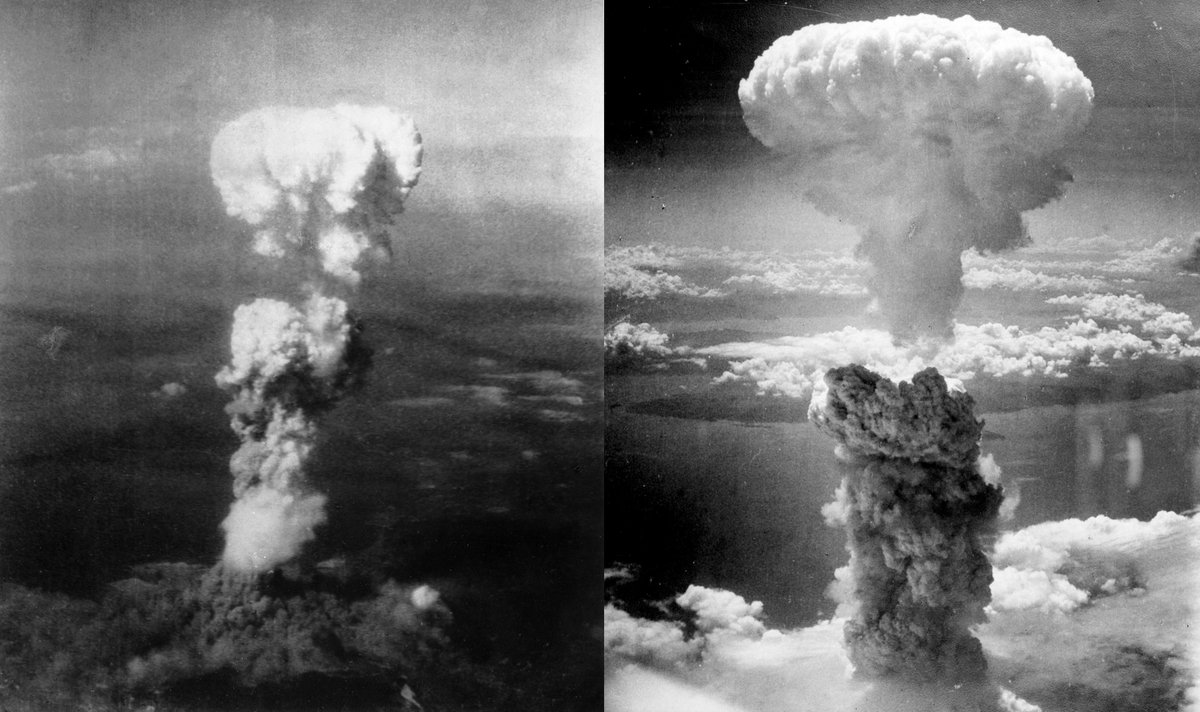
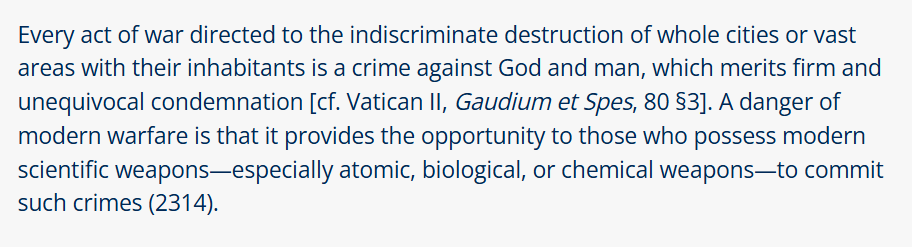
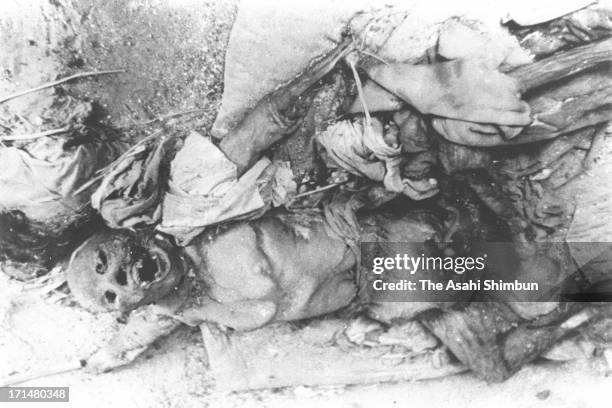
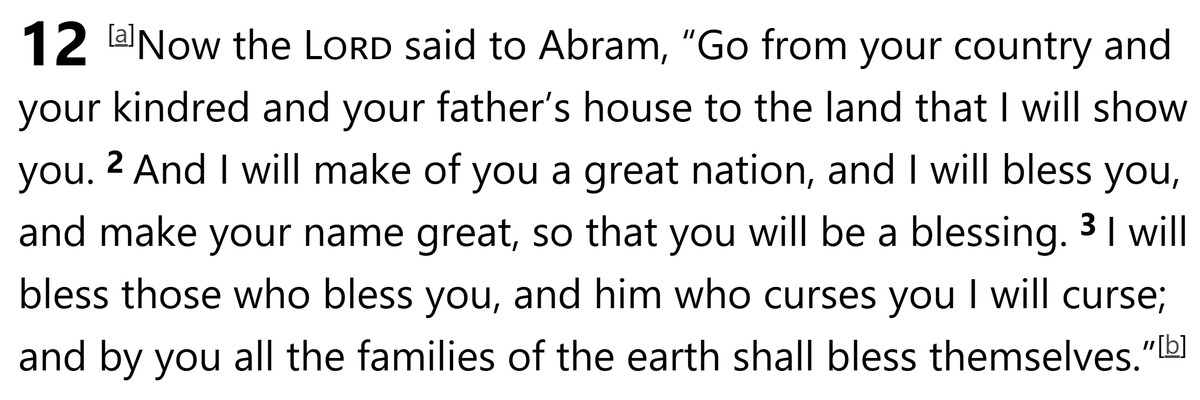
On Sept. 11, 2001, we received a potent reminder that if man is at times not far from God, at other times he is not far from the demons. The unspeakable crimes committed may leave some wondering about God’s superintendence of the world. How could he allow such evil to succeed?
In this life we can have no definitive answers to such questions. The full answer will be given to us when we see God face to face. For now, all we can do is to look to the cross, the only source of true solace.
The gross sins committed by the terrorists—and our own sins of a lifetime—made the cross necessary.
As we think about the evils committed by others, we should not forget the evils we commit. Even the least of them would have made the cross necessary.
As we pray for the victims, as we pray for our country and its leaders, and as we pray—yes, for those who precipitated these sad events—let us pray too for ourselves, that we might fall into neither hatred nor despair.
- A reflection by Karl Keating, October 2001
• • •
Missing some Tweet in this thread? You can try to
force a refresh

The Catholic Church did not "baptize" a pagan festival into Halloween/All Saints Day.
All Saints Day originates from Pope Gregory III (731-741) dedicating a chapel in St. Peter’s Basilica in Rome to all the saints and fixing its anniversary as November 1. 🧵
In fact, the history goes back even farther than that.
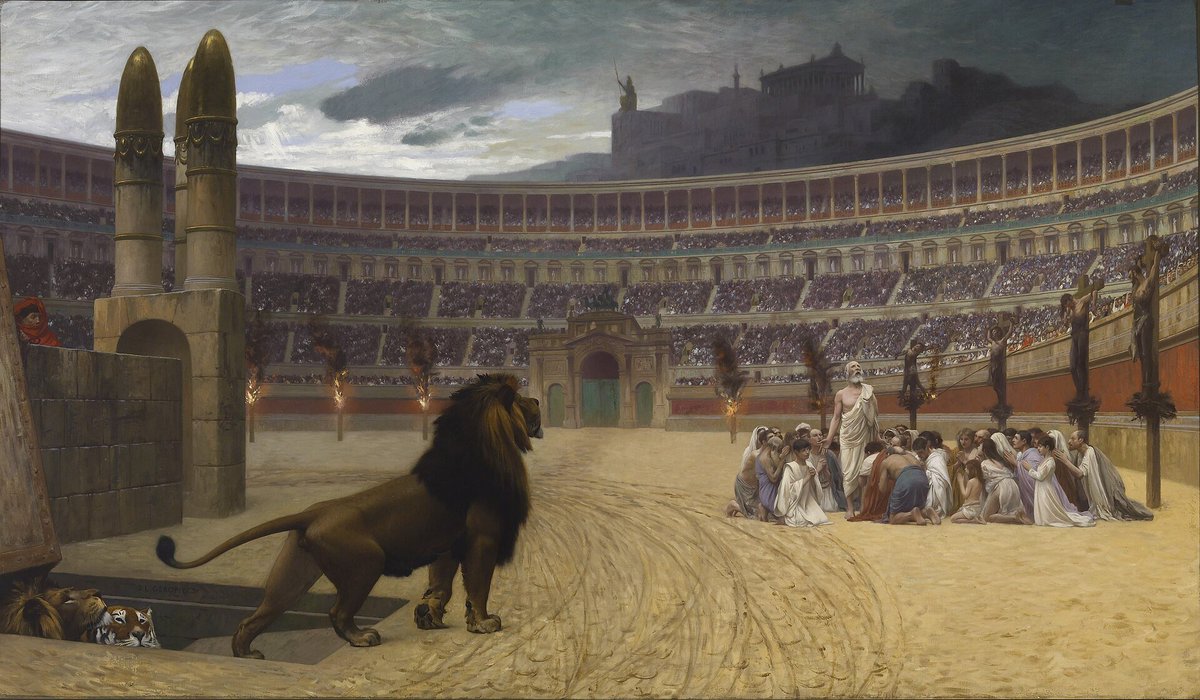
In the early days of the Church, Christians celebrated each martyr’s feast on the anniversary of his death.
As the number of martyrs increased over time, though, and because the liturgical calendar can only accommodate a limited number of Christian luminaries in its 365-day cycle, the Church began honoring all martyrs on a single day by the later A.D.300s and the early 400s.
In 609 or 610, Pope Boniface IV consecrated the Pantheon in Rome to the Blessed Virgin Mary and all martyrs, choosing May 13 to honor the martyrs.
Pope Gregory III, as mentioned above, extended the feast to include all saints, moving its celebration to November 1, which explains why All Hallows’ Eve is celebrated on October 31, the day before.
Later, Pope Gregory IV (827-844) made it a feast for the entire Western Church.
Some believe he failed to meet crucial Old Testament prophecies.
Here are four classic objections and our answers: 🧵
Objection 1: The Messiah was supposed to bring worldwide peace (Isa. 2:4). Jesus didn’t.
As Rabbi Tovia Singer puts it: “If Jesus were the Messiah, you would know it from reading the newspaper.”
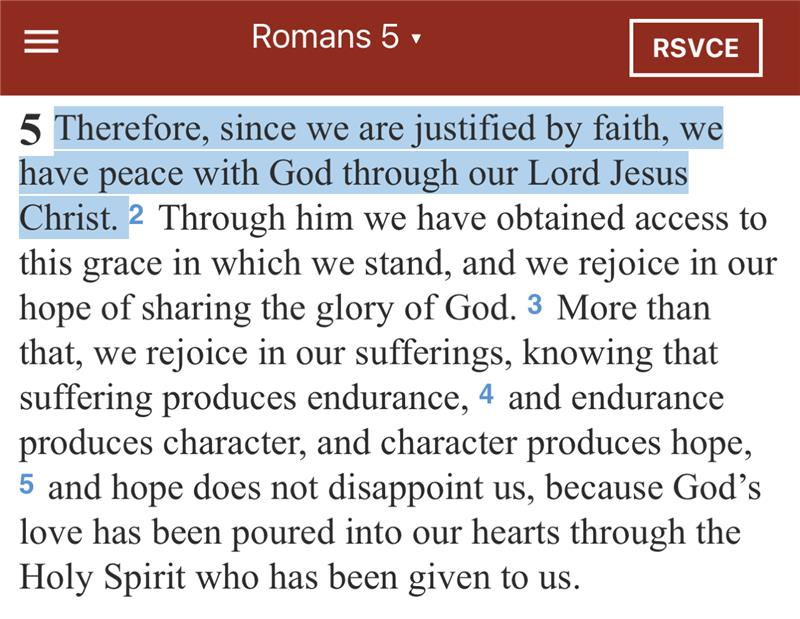
Answer: Jesus did bring peace—but it was the deeper and more important peace with God (Rom. 5:1).
And Scripture never said all prophecies had to be fulfilled at once. Many Jews themselves expected the Messiah to suffer first, then triumph later.
Jesus implied that the messianic prophecies of peace would be fulfilled when he came to earth again at the end of time (see Matt. 24).
Objection 2: The Messiah was to reunite the twelve tribes of Israel. Jesus didn’t.
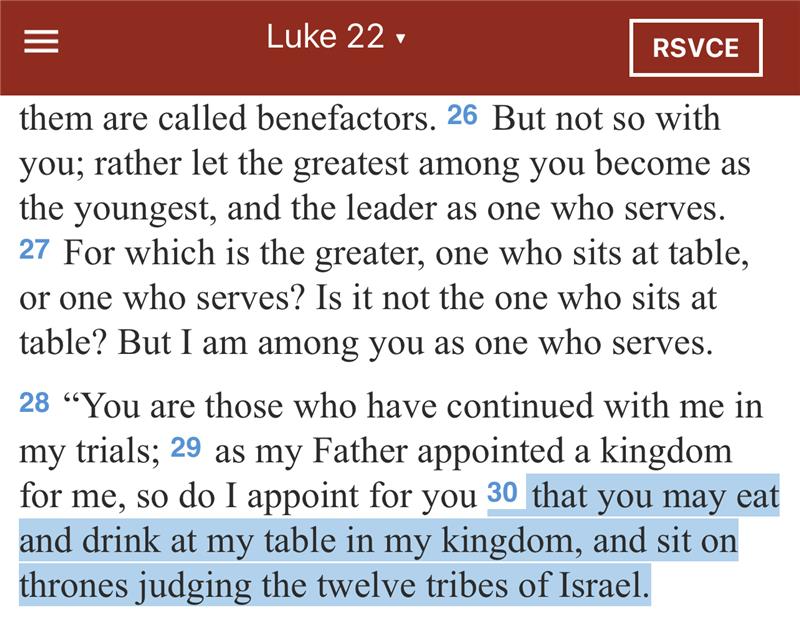
Answer: He began that reunification. He chose twelve apostles to symbolize the twelve tribes (Luke 22:30).
The early Church Fathers saw the tribes spiritually reunited when Jews across the Diaspora came to Christ.
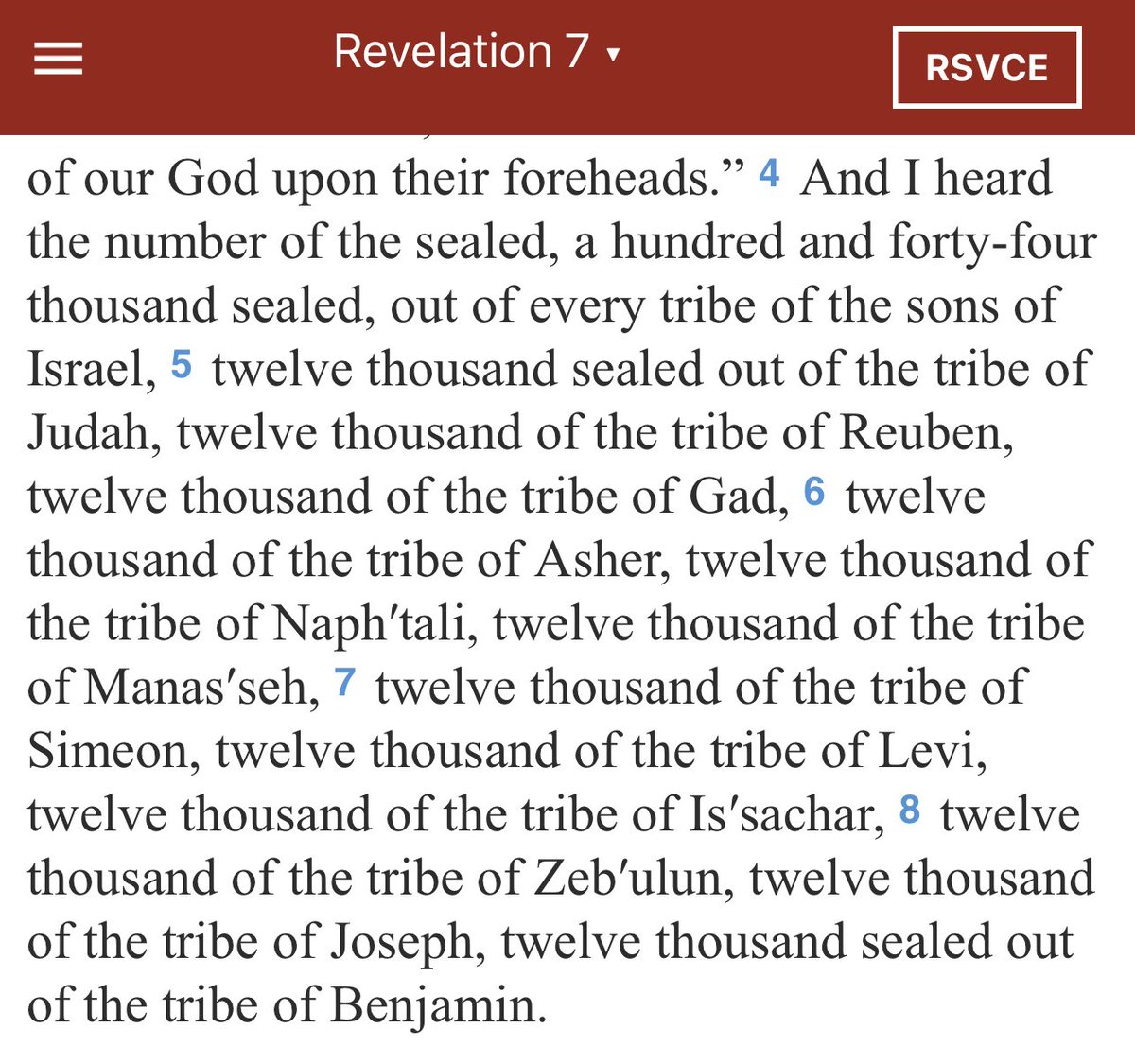
He will finish the work at the end of time (Rev. 7:4–12).
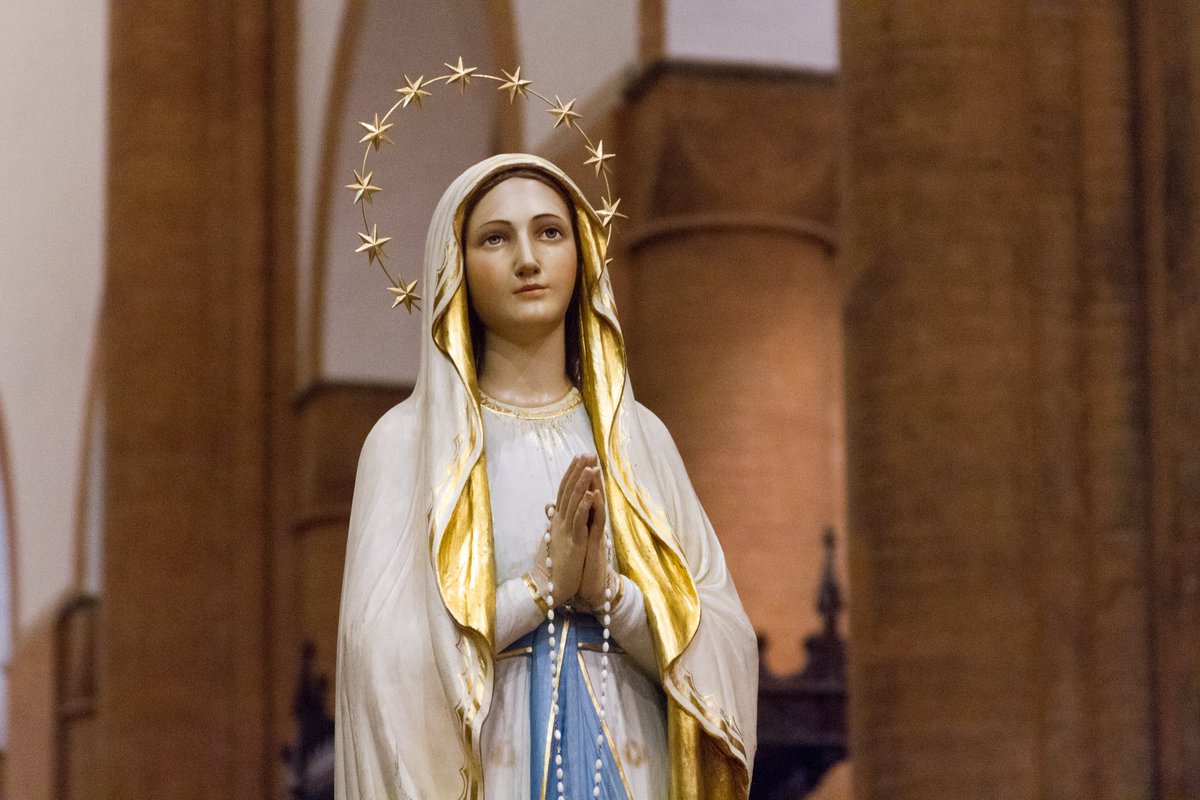
Even many Catholics wince at these Marian titles. Some avoid them altogether, worried they sound like blasphemy or competition with Christ.
But here’s what they actually mean (and why they glorify Jesus even more)🧵
First, “Co-redemptrix.”
At first glance, it seems shocking: isn’t Jesus the only Redeemer?
Yes. The “co-” here comes from the Latin cum which means “with,” not “equal.”
So “Co-redemptrix” means that Mary cooperated with Christ in his work of redemption, in a unique and unparalleled way.
How?
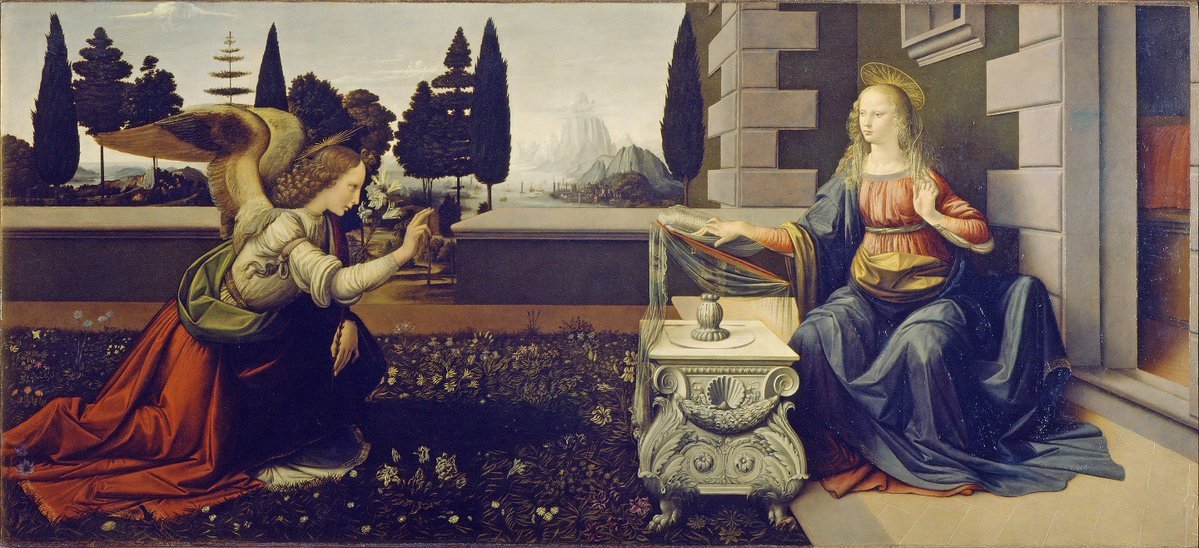
-At the Annunciation, she gave her total fiat (Luke 1:38)
-At the Presentation, she offered Jesus back to the Father
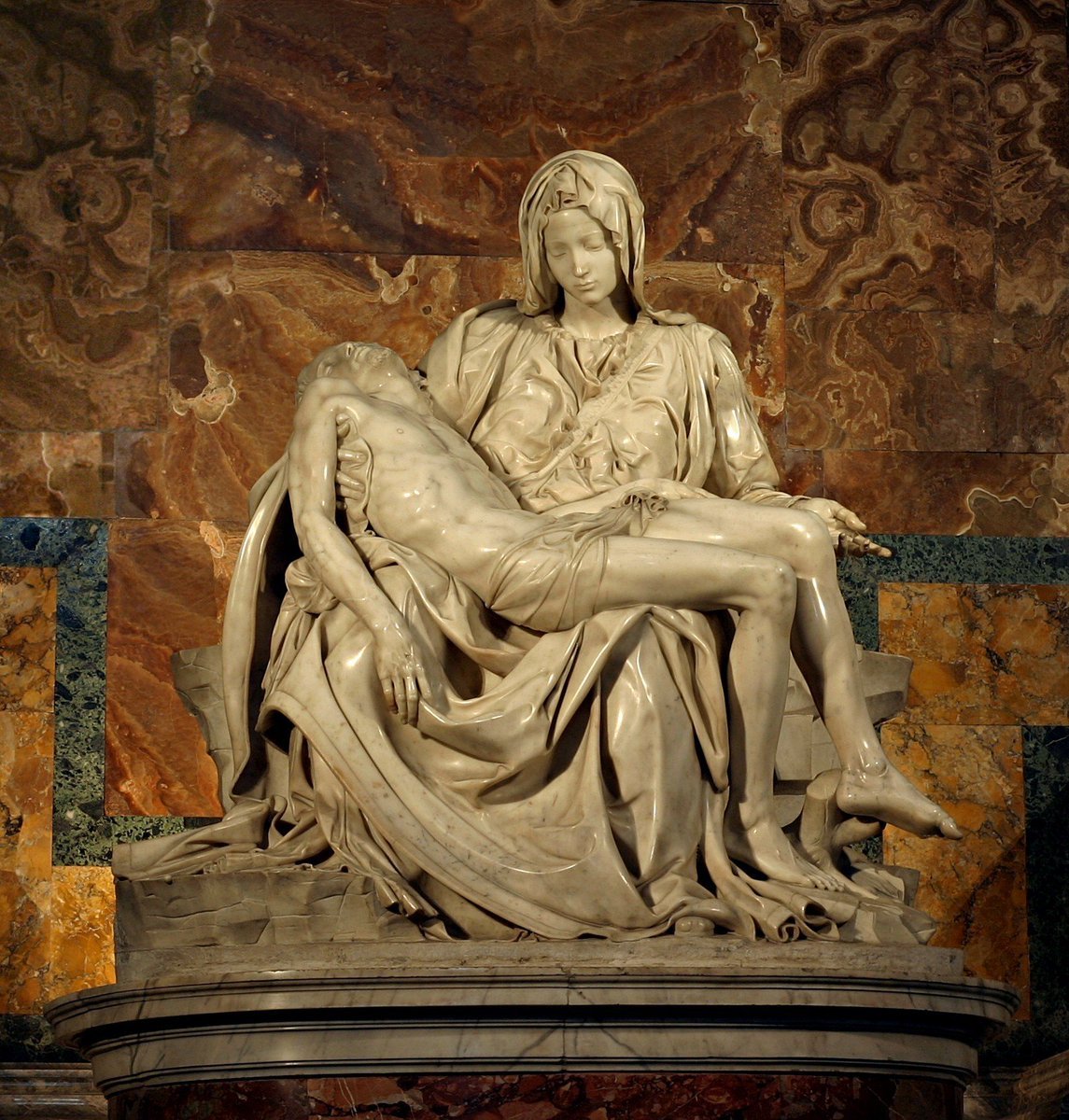
-At Calvary, she stood beneath the Cross, uniting her suffering with his
This does not lessen Christ’s work as Redeemer. He receives more glory by allowing a creature to participate in it.
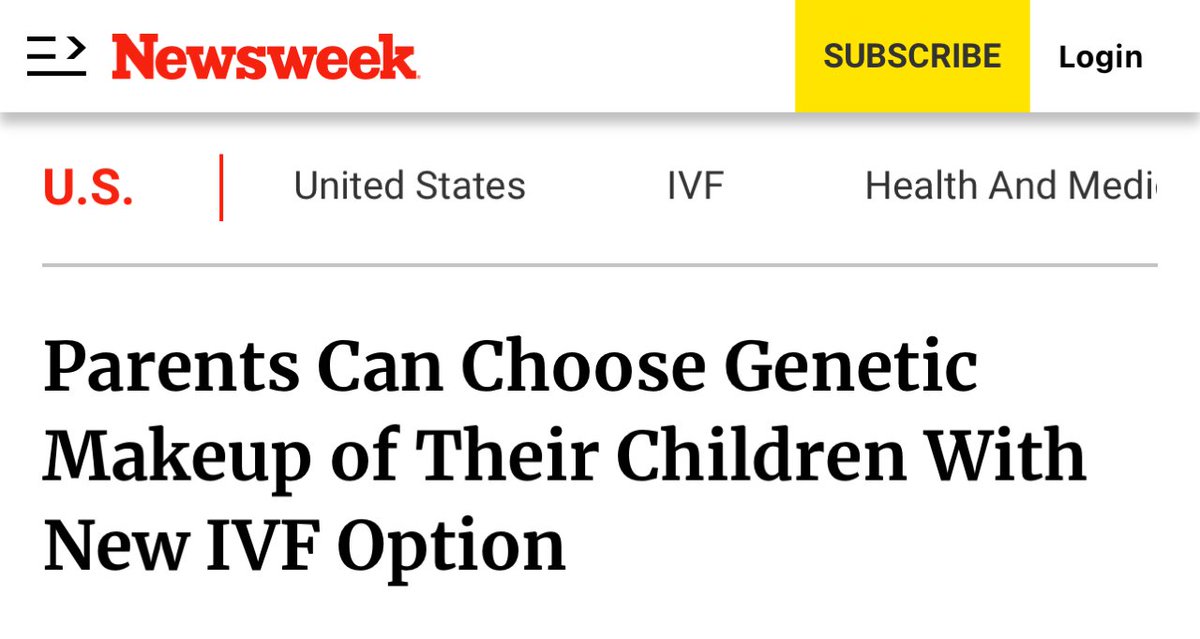
Parents can now choose which of their unborn children gets to live—based on looks, sex, or predicted health.
It’s called “embryo selection.”
Here’s why it should trouble all of us 🧵
Last year, the Church reaffirmed a truth many have forgotten:
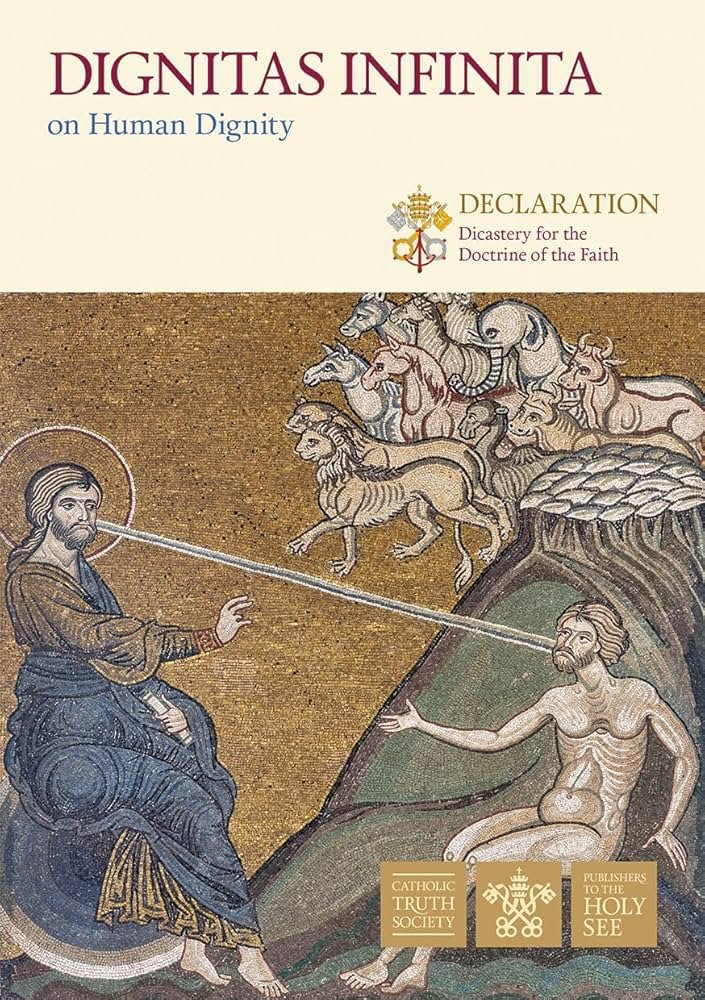
Children have “the right to have a fully human (and not artificially induced) origin” due to their unalienable dignity (Dignitas Infinita 49).
A child is a gift from God, not a product. No one is entitled to a child, because no one is entitled to another human being.
But with the advancement of modern technology, often people believe they do have this right—and what's more, some think they can have a say in designing their child.