Persistent Systems
AR (2019-20) Notes
Watch this 9 Min short video to get a glimpse of what Persistent is all about.
Don’t miss that part where you get to know about their 1st project, which was for a French company.
Thread follows
AR (2019-20) Notes
Watch this 9 Min short video to get a glimpse of what Persistent is all about.
Don’t miss that part where you get to know about their 1st project, which was for a French company.
Thread follows

1/
Persistent completed 30 years of Operation in 2020.
A Glance
~Revenues: $501M
~Team Size: 10,600
~Annual Active Clients: 1,000
~Countries: 17
We covered the 30 yr old journey here:
Persistent completed 30 years of Operation in 2020.
A Glance
~Revenues: $501M
~Team Size: 10,600
~Annual Active Clients: 1,000
~Countries: 17
We covered the 30 yr old journey here:
https://twitter.com/SmartSyncServ/status/1305845026136653826


2/
Way forward
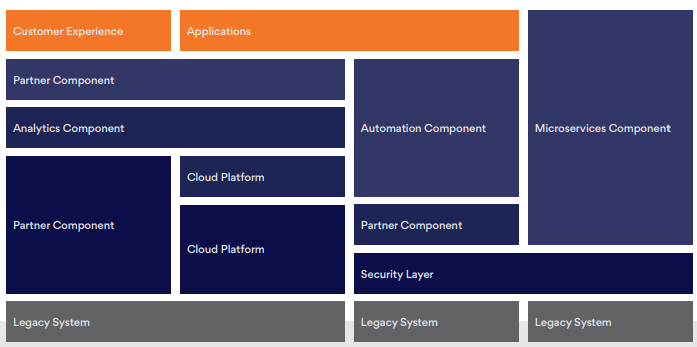
Unleashing client value through Digital Mosaics
A multi-cloud, multi-service business architecture, with composable tiles that together deliver the working applications and processes needed in an enterprise
Way forward
Unleashing client value through Digital Mosaics
A multi-cloud, multi-service business architecture, with composable tiles that together deliver the working applications and processes needed in an enterprise
3/
Way forward
~Global Solutions Company
~Delivering digital business acceleration
~Delivering enterprise modernization
Way forward
~Global Solutions Company
~Delivering digital business acceleration
~Delivering enterprise modernization


4/
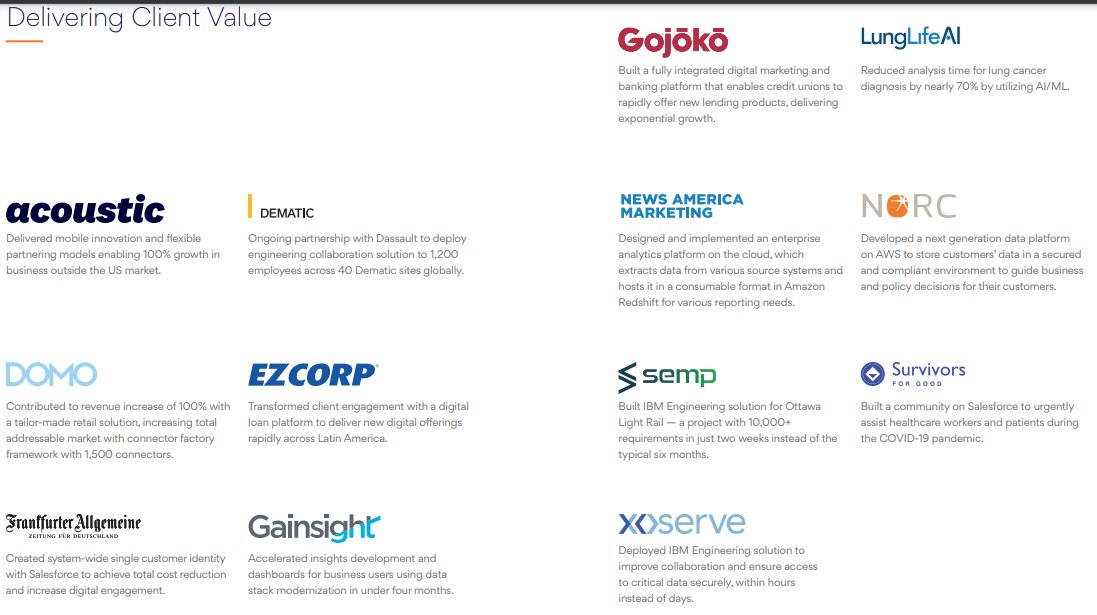
Track Record in Product Development
Track Record in Product Development
5/
Key Partners
Key Partners

6/
Financial Performance & Highlights
Financial Performance & Highlights


7/
Details of Buyback of Equity Shares
~Open Market Route
~4.47 % of Equity bought back @ 628
~CMP 1150
Details of Buyback of Equity Shares
~Open Market Route
~4.47 % of Equity bought back @ 628
~CMP 1150

8/
Relevant details of Subsidiaries as on 31.03.2020
Relevant details of Subsidiaries as on 31.03.2020


9/
Top 10 Shareholders
~HDFC MF
~L&T MF
~Govt Pension Fund
~PSPL ESOP Mgmnt Trust
~Kotak MF
~PPFAS
~ICICI
~Shridhar Shukla
~Ashutosh Joshi
~Mobius Inv Trust
Top 10 Shareholders
~HDFC MF
~L&T MF
~Govt Pension Fund
~PSPL ESOP Mgmnt Trust
~Kotak MF
~PPFAS
~ICICI
~Shridhar Shukla
~Ashutosh Joshi
~Mobius Inv Trust
10/
3 Stage Impact of CVOID-19 on Business:
~Immediate response to the pandemic
~Recovery & Path to Next Normal
~Subsequent Growth
3 Stage Impact of CVOID-19 on Business:
~Immediate response to the pandemic
~Recovery & Path to Next Normal
~Subsequent Growth
11/
Immediate response to the pandemic
~ Facing the pandemic
~ Work from home – IT Enablement
~ Cash flow crisis
~ Communications with relevant stakeholders
Immediate response to the pandemic
~ Facing the pandemic
~ Work from home – IT Enablement
~ Cash flow crisis
~ Communications with relevant stakeholders


12/
Recovery & Path to Next Normal & Subsequent Growth
~ Penetrate and grow in some focused segments
~ Partnerships with leaders(IBM, Salesforce, etc)
~ Partner engagement in BFSI
Recovery & Path to Next Normal & Subsequent Growth
~ Penetrate and grow in some focused segments
~ Partnerships with leaders(IBM, Salesforce, etc)
~ Partner engagement in BFSI

13/
Tech Trends Ahead
~Future of the Digital: See Beyond, Rise Above
~Compose your digital enterprise mosaic
~Scale enterprise intelligence
~Leverage Cloud & Edge for flexible infrastructure
~Build a zero-trust enterprise
~Create personalized multiple experiences for customers
Tech Trends Ahead
~Future of the Digital: See Beyond, Rise Above
~Compose your digital enterprise mosaic
~Scale enterprise intelligence
~Leverage Cloud & Edge for flexible infrastructure
~Build a zero-trust enterprise
~Create personalized multiple experiences for customers
14/
Consolidated Financial Statements
~Balance Sheet
~Profit & Loss A/c
~Cash Flow Statement
Consolidated Financial Statements
~Balance Sheet
~Profit & Loss A/c
~Cash Flow Statement


15/
This brings us to the end of AR 2019-20 Notes
We are not done yet.
More to come soon on Persistent Systems
End
This brings us to the end of AR 2019-20 Notes
We are not done yet.
More to come soon on Persistent Systems
End

• • •
Missing some Tweet in this thread? You can try to
force a refresh