Population of northern Scandinavia from Bronze Age until Viking Age was mostly clustered around the coasts. In Viking Age, economic exploitation of the far north greatly expanded until late 13th century, when it started to decline.
Cattle pastoralism as early as 1000 AD in Gulf of Bothnia's northern coast
Reindeer were important to northern Scandinavia from late Iron Age to modern time - both as food and transportation.
New techniques in mass reindeer hunting were adopted in the 12th century
Debate on dates of reindeer domestication & adoption of reindeer pastoralism. Earliest is 14th century after Black Death killed 60% of Norwegian population, latest is 19th century.
• • •
Missing some Tweet in this thread? You can try to
force a refresh

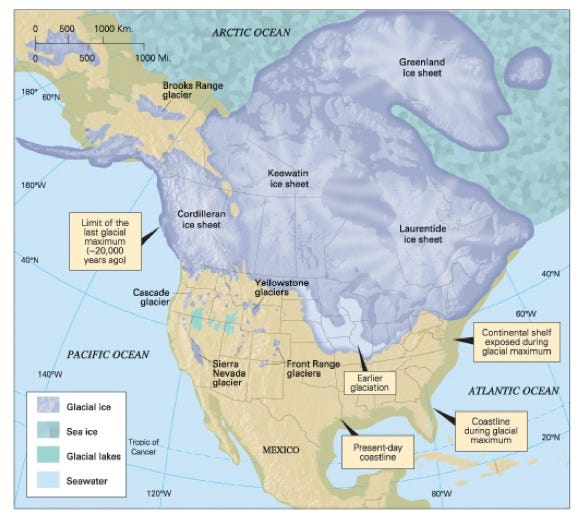
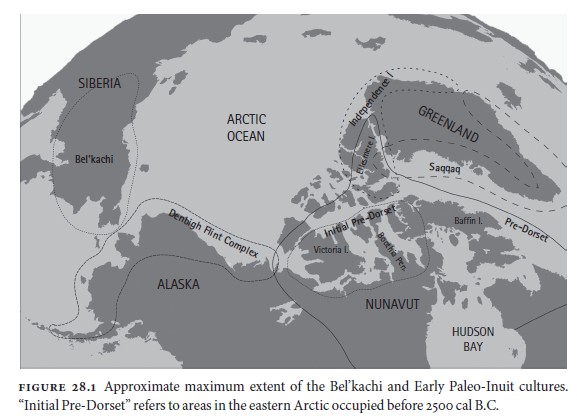
Greenland was not colonized by the Amerindians or their predecessors. It was only discovered in the mid-to-late 3rd millennium BC nemets.substack.com/p/greenland
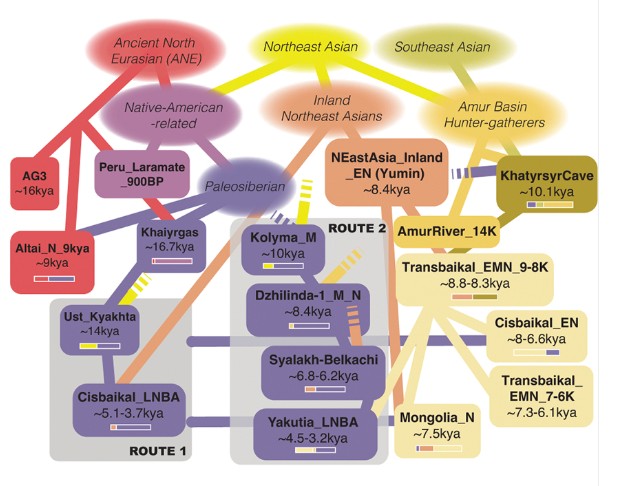
The Belkachi people migrated across the Bering Strait in the early 3rd millennium BC. They expanded across Alaska and the American Arctic. Their descendants reached Greenland towards the end of the millennium, forming the Independence I and Saqqaq cultures.
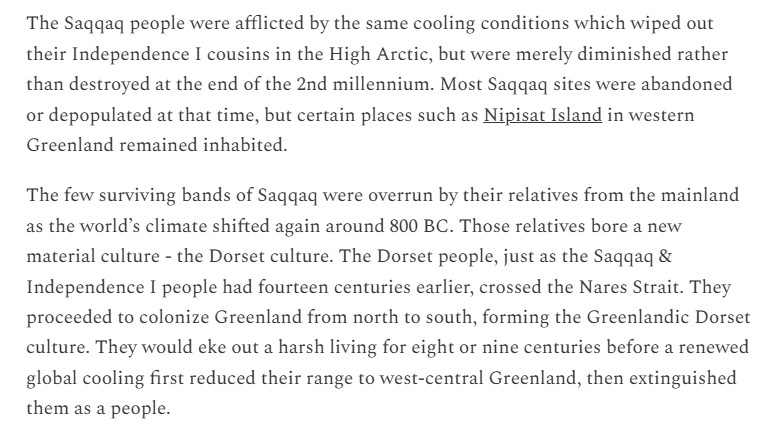
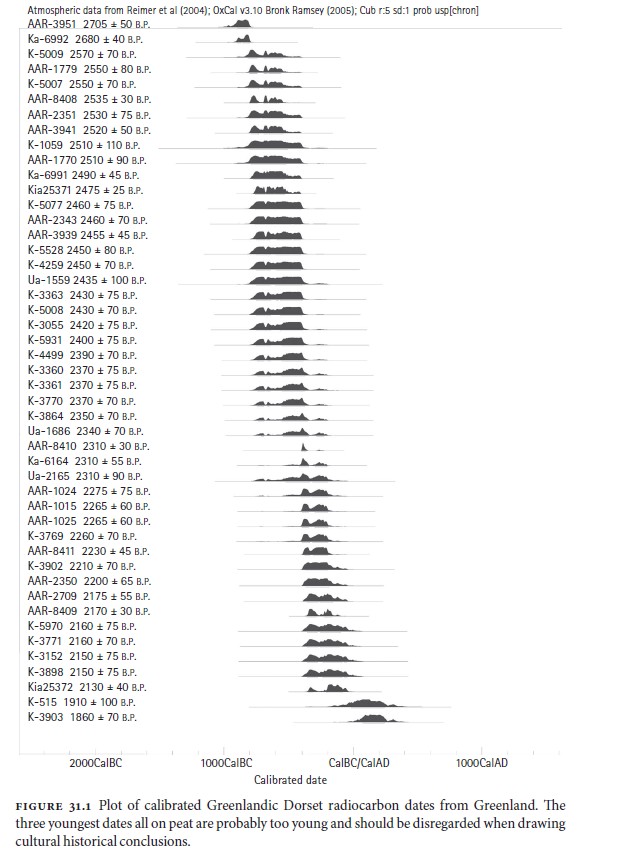
The climate shift which led to the Bronze Age Collapse in Eurasia also afflicted the Arctic, reducing the Saqqaq to a refuge in southwestern Greenland by beginning of the first millennium BC. They were overrun by their Dorset relatives from continent in mid-1st millennium BC.
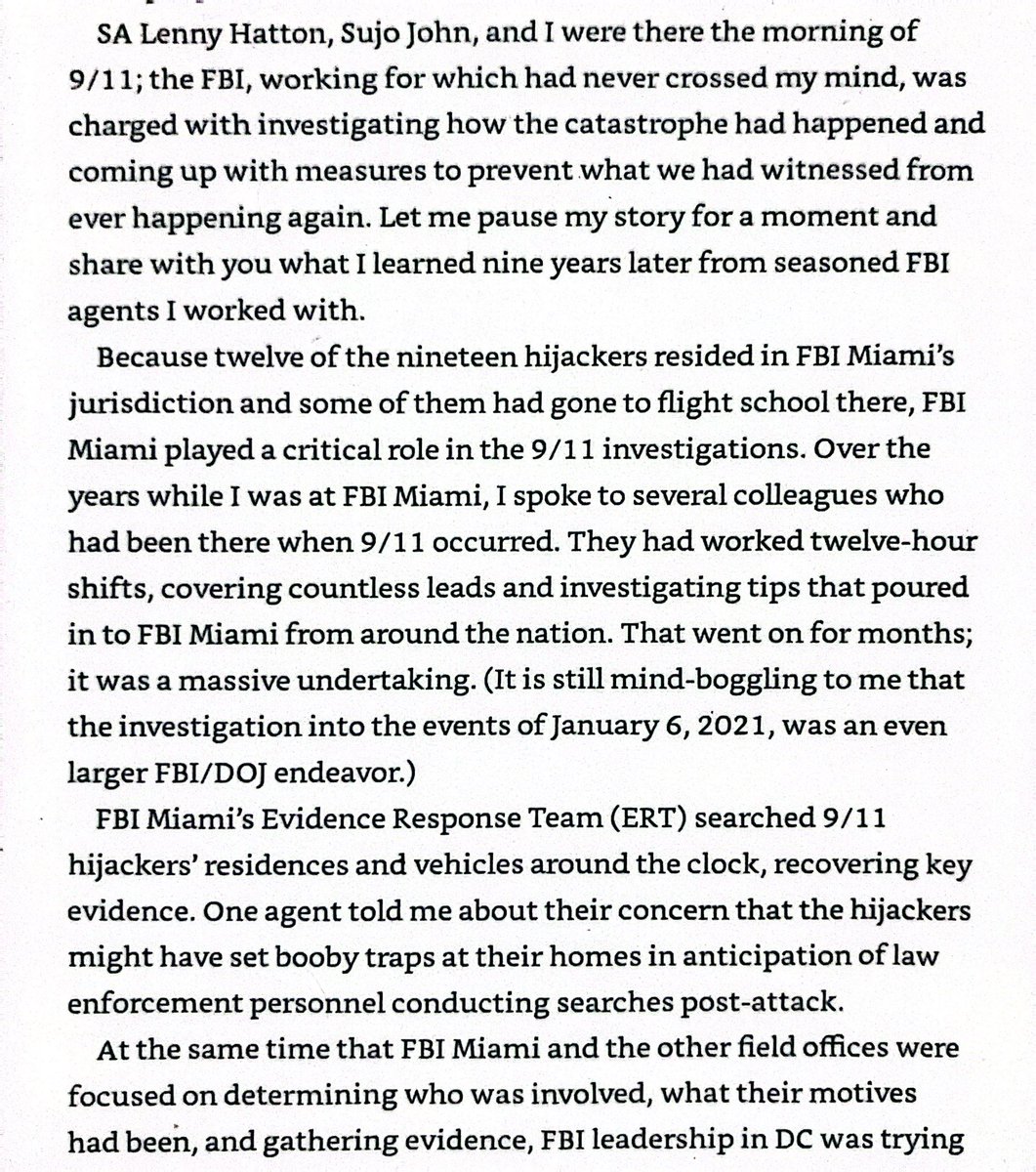
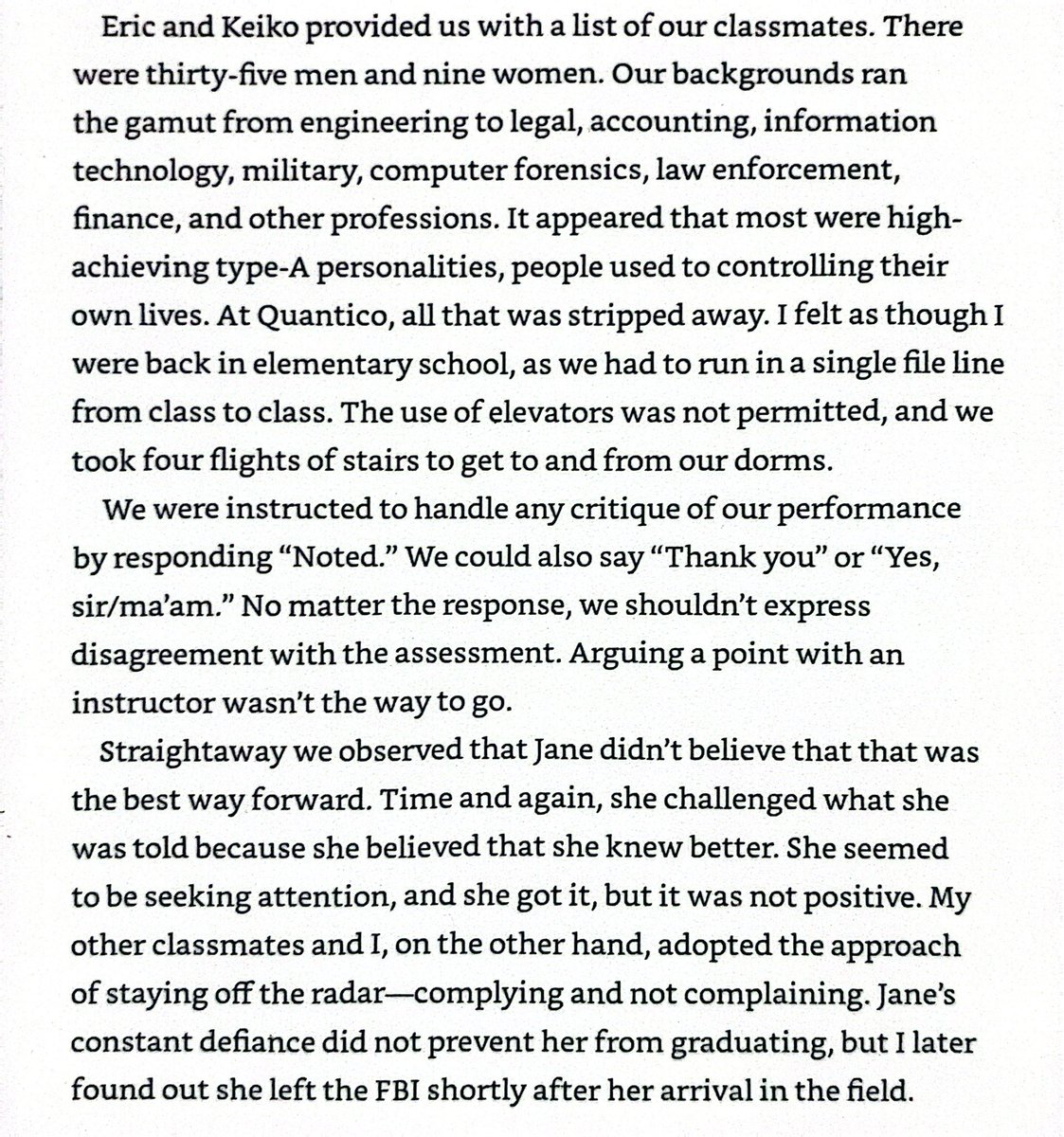
Nicole Parker from FBI's Miami office chalks many of the bureau's problems to its post-9/11 shift under Mueller away from crime fighting & towards intelligence collection. New class of program managers (TDYs) in DC gained power gained authority over regional office bosses (SACs)
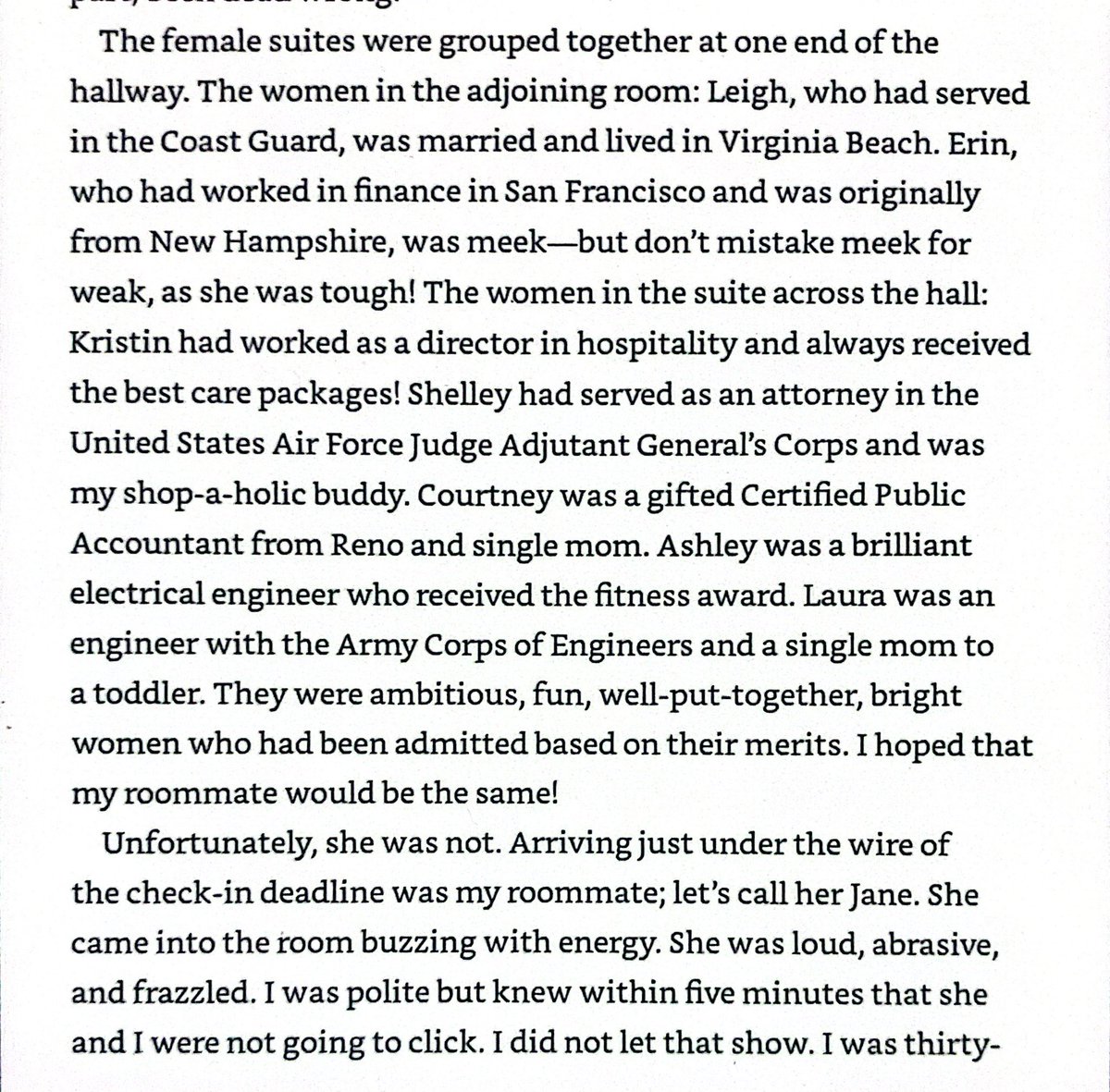
the kinds of women who joined the FBI in 2010, immediately before enactment of Obama's 2011-2 DEI policies: Coast Guardette, two financiers, Air Force lawyer, accountant, hotel directoress, two engineers. Two were single mothers.
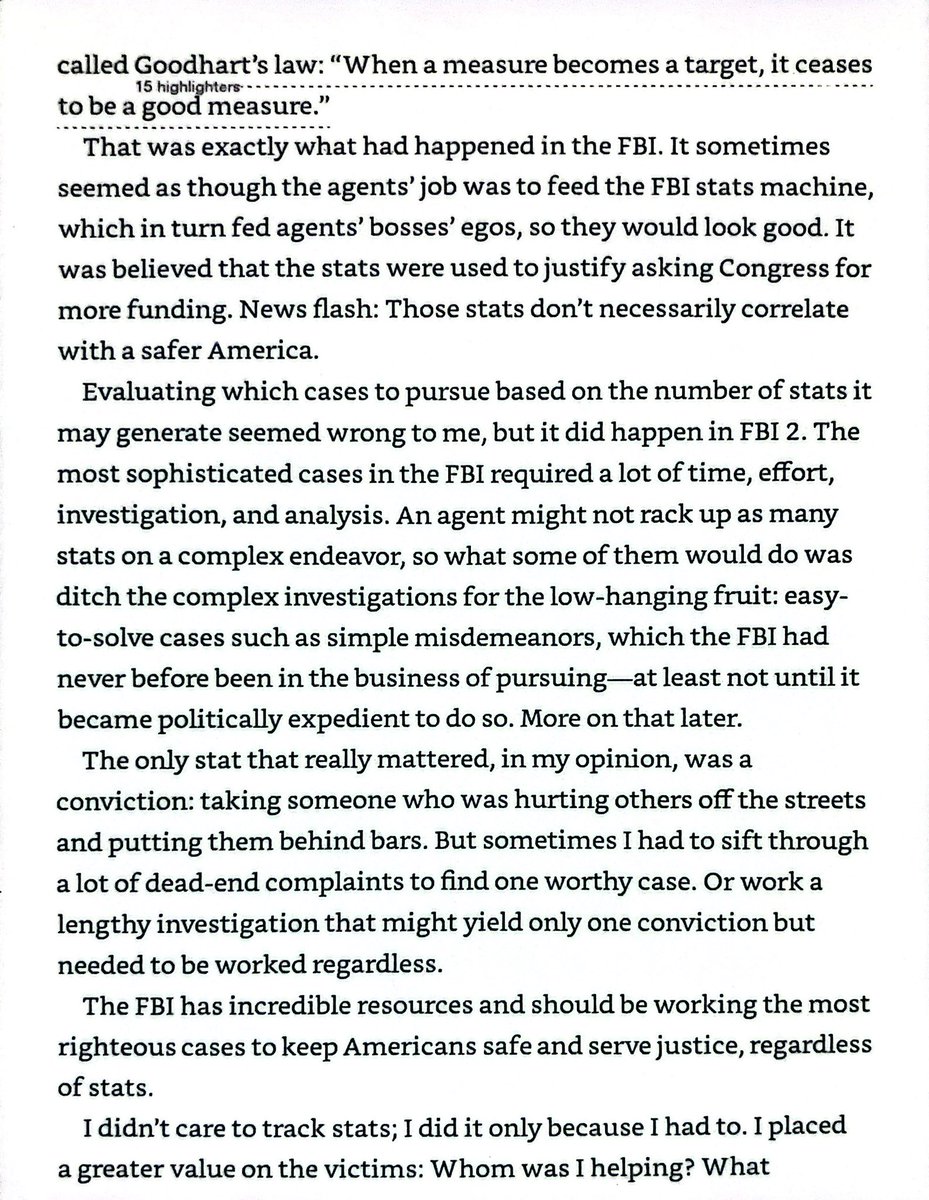
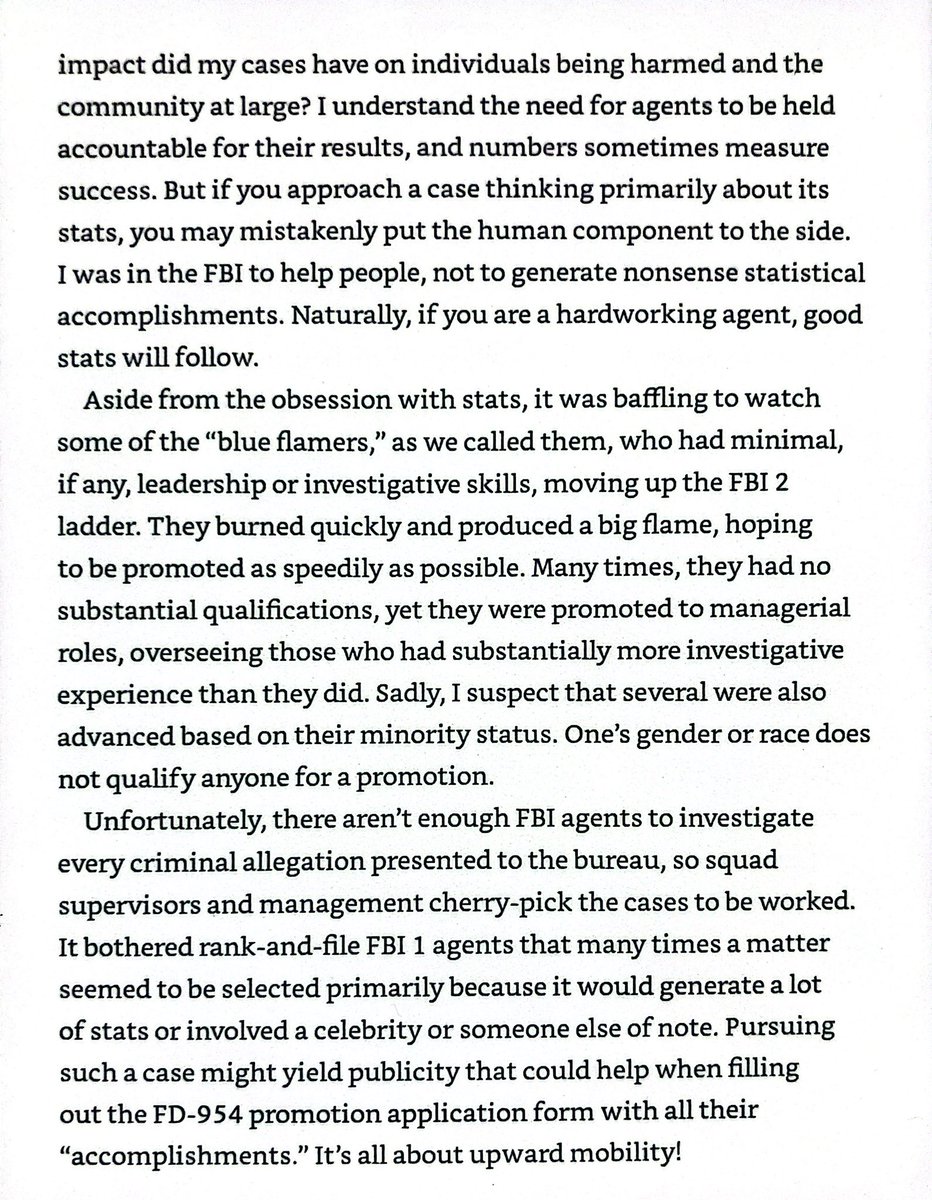
Authoress claims a minority of FBI agents do most work, a phenomenon reinforced by lack of performance pay. 60 statistics were kept for agents, & their nature drove agents to focus on simple crimes & those which afflicted celebrities. Complex financial cases were neglected.
apparently it was more dangerous to be a polemicist in 1870s Kansas than in the South
persecution of innocent poasters by hack judges & sinister feds is sadly an old American tradition
a hundred years before the founding of the Cannonball Run, Americans had the New Orleans to Saint Louis steamboat race. The race took a similar amount of time.
Thread with excerpts from "The Other Quiet Revolution: National Identities in English Canada, 1945-71" by Jose Igartua
Author argues national identity among English-speaking Canadians died entirely in mid-20th century, and was replaced by a broader civic identity. Nonetheless there is still an English-Canadian nation that can be seen sociologically through shared culture.

90% of Canadians read at least one newspaper in 1969, compared to only 68% watching television news. Spread of opinion polling ended up restricting range of public discussion.
Thread with excerpts from "Lies of the Tutsi in Eastern Congo/Zaire. A Case Study: South Kivu (Pre-Colonial to 2018)" by John Kapapi
At the time of the 1884 Berlin Conference, what is now the eastern Congo was ruled by eight kingdoms. Rwanda had yet to be united. Per the author, Rwandan (Tutsi & Hutu) migration west of Lake Kivu was minimal at the time.
Belgians created two chiefdoms in North Kivu. One was given to Tutsi from Hunde in 1922, & other was bought from the Hunde in 1939. Conflict with Hunde led to Tutsi preferring to flee to South Kivu during the dynastic struggles following overthrow of King Rwabugiri in 1895.