My friend starts her first software engineering job today, after learning to program in prison.
Here's how she got the job, and how you can help more people like her get jobs after getting out:
First, let's be clear that my friend served 13 years for a serious, violent crime.
Here's how she got the job, and how you can help more people like her get jobs after getting out:
First, let's be clear that my friend served 13 years for a serious, violent crime.
Everyone who gets out needs a job. Not just people who did time for easy-to-rationalize or non-violent crimes. How else can they take care of their families?
Our communities are safer when we invest in everyone. And yet, people like her face tremendous employment discrimination.
Our communities are safer when we invest in everyone. And yet, people like her face tremendous employment discrimination.
My friend knew this was ahead of her, and was fortunate to end up in a prison (CIW) that had a programming course through @TLM. She completed that course, eventually paroled out, and kept practicing.
We met through the Bay Area Freedom Collective, a re-entry support group.
We met through the Bay Area Freedom Collective, a re-entry support group.
Her goal was a full-time software job. We did some practice interviews. She flew through them. She was beyond ready to interview for an entry-level role.
Let's get this woman a job interview!
The reality, though, is that she would never get a call-back from a job board app...
Let's get this woman a job interview!
The reality, though, is that she would never get a call-back from a job board app...
She has a 13-year resume gap, a career pivot via a prison programming class, and a violent crime conviction that comes up readily in an internet search.
She'd need a referral to a company with both an entry-level opening and a sincere belief in second chances.
She'd need a referral to a company with both an entry-level opening and a sincere belief in second chances.
I reached out to a friend who is Head of Engineering at a ~500 person fintech company.
He was down for the cause. They had headcount through a new apprenticeship program. He got legal clearance (companies can have criminal record employment restrictions in customer contracts).
He was down for the cause. They had headcount through a new apprenticeship program. He got legal clearance (companies can have criminal record employment restrictions in customer contracts).
We prepped for the interviews on both sides.
How much context do we give the interviewers about her background?
How do you answer interview questions about "ownership" and "collaboration" when your best examples are from prison?
How much context do we give the interviewers about her background?
How do you answer interview questions about "ownership" and "collaboration" when your best examples are from prison?
Round 1 interviews: online coding problems ...she passes!
Round 2 interview with the hiring manager ...she passes!
Final round interviews: more coding questions. The company values interview. Team meet and greet.
...she passes! She got the job. Let's recap what that took:
Round 2 interview with the hiring manager ...she passes!
Final round interviews: more coding questions. The company values interview. Team meet and greet.
...she passes! She got the job. Let's recap what that took:
1. My friend had rare access to a prison programming class through @TLM, which inspired her to pursue a career in software.
2. She paroled to the resource-rich Bay Area and met me, a well-connected tech executive, through a re-entry support group.
2. She paroled to the resource-rich Bay Area and met me, a well-connected tech executive, through a re-entry support group.
3. I cared enough to spend a dozen hours on interview practice and call in a favor with another tech executive, who also cared enough to clear significant recruiting and legal hurdles to interview the candidate and give her a fair shot.
How do we create more chances like this:
How do we create more chances like this:
1. Talk to your company about background checks, entry-level roles, and active outreach through re-entry programs:
https://twitter.com/jessicamckellar/status/1160644444305051648?s=20
2. Volunteer in prison. The main way formerly-incarcerated people get jobs is through connections they made while inside:
https://twitter.com/jessicamckellar/status/1168219767393538048?s=20
3. Tell your senators to restore Pell Grant eligibility for incarcerated students, so everyone has access to a college education:
https://twitter.com/jessicamckellar/status/1297282416227127301?s=20
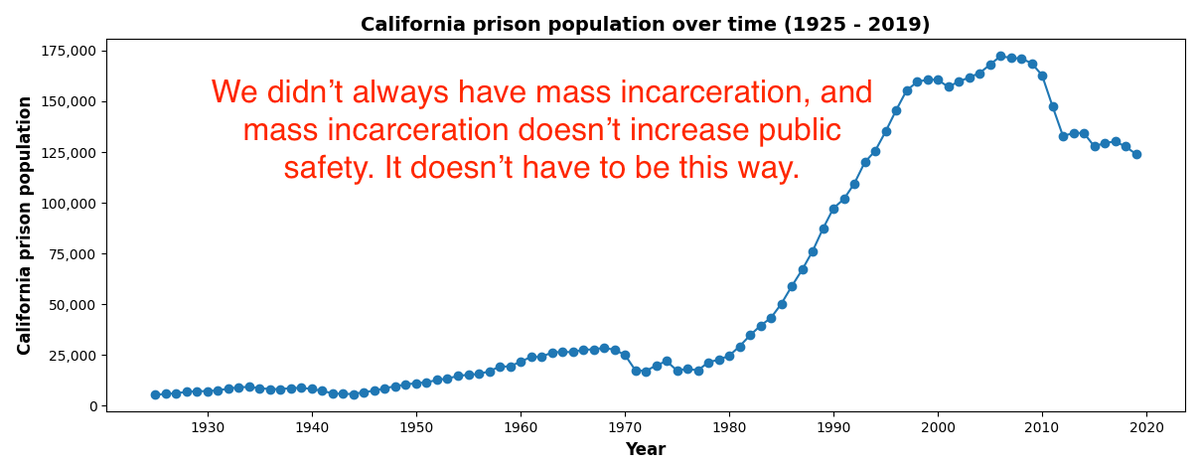
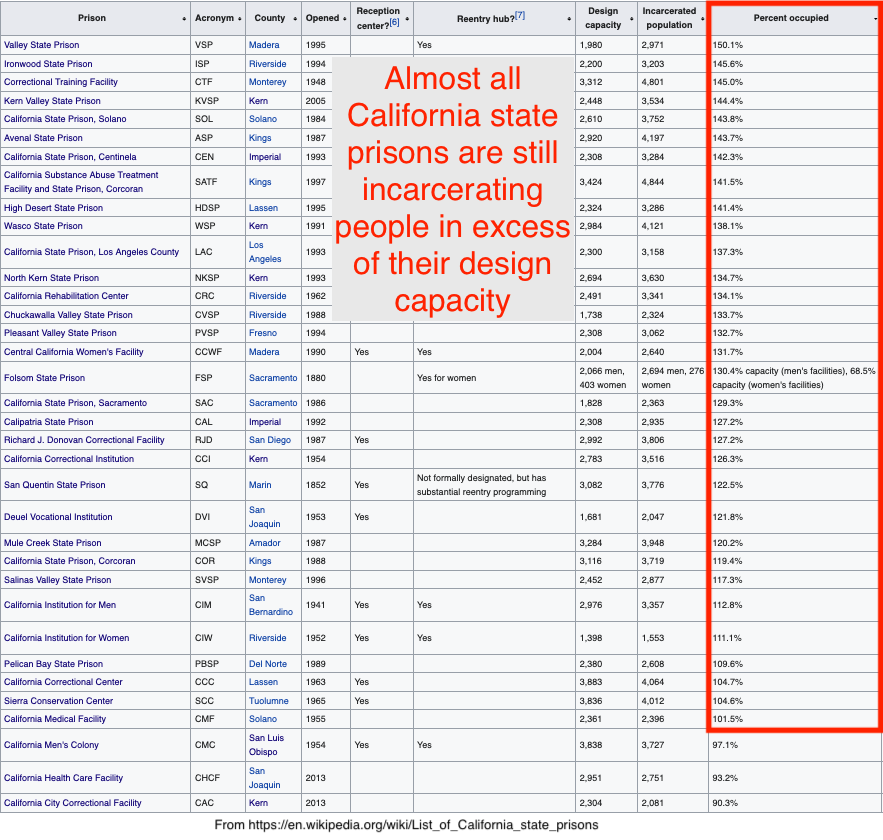
4. Finally, the best systemic solution to employment discrimination against people with records is decarceration:
If you can vote, please vote all the way down the ballot on November 3rd for candidates that will invest in our communities, not prisons.
https://twitter.com/jfagone/status/1294315067354124288?s=20
If you can vote, please vote all the way down the ballot on November 3rd for candidates that will invest in our communities, not prisons.
• • •
Missing some Tweet in this thread? You can try to
force a refresh