Western society has nearly completely lost the infrastructure that could support complex thinking.
To dig into the relevant infrastructure:
1. A culture open to voicing accurate observations about itself. Every capable thinker voices these early in life before they learn better, if this disqualifies them, the culture cannot support original thinkers.
2. Viable economic niches. Academia is much too contested. Silicon Valley allows for some original thinking, but the thinking isn't what provides returns.
3. Viable social niches. Trust fund kids don't have a leisured class that values thought they could join. The role of public intellectual is extinct, it is possible to be a popularizer. Comparable to say Polybius.
4. Viable knowledge succession. Deep mentoring is considered unfair, threatening or cult-like. The assumption is always that the most recent experts have the best information in a field.
The socioeconomic structure of society was intelligence proofed long before the internet educated showed up.
There was significant variation in among past societies.
Some intellectual golden ages: Classical Greece, Hellenistic Greece (Science), Abbasid Golden Age, Italian Renaissance
etc.
The infrastructure isn't easy to recreate, because the social dynamics are so central to it, read more here:
Let's talk about something that will shape our future, but no one is yet considering or predicting:
China will eventually open its borders to mass immigration.
When it does it will absorb truly astounding numbers of immigrants, if proportional to say what the UK or Canada this will be 200-300 million or so people.
This might sound almost physically impossible, but the surprising almost disturbing truth is that in the modern world it is easy move 200 million people.
In 2023, 4.4 billion passengers were carried by the world's airlines.
200-300 million people in a graying ageing world of low fertility is enough to raise global labor costs.
This will be completely distinct second China shock to Western companies hoping to offshore to places with cheap labor.
The cheap labor good at working in factories will move to China. The West will get scraps of misplaced high end human capital and food app deliverymen.
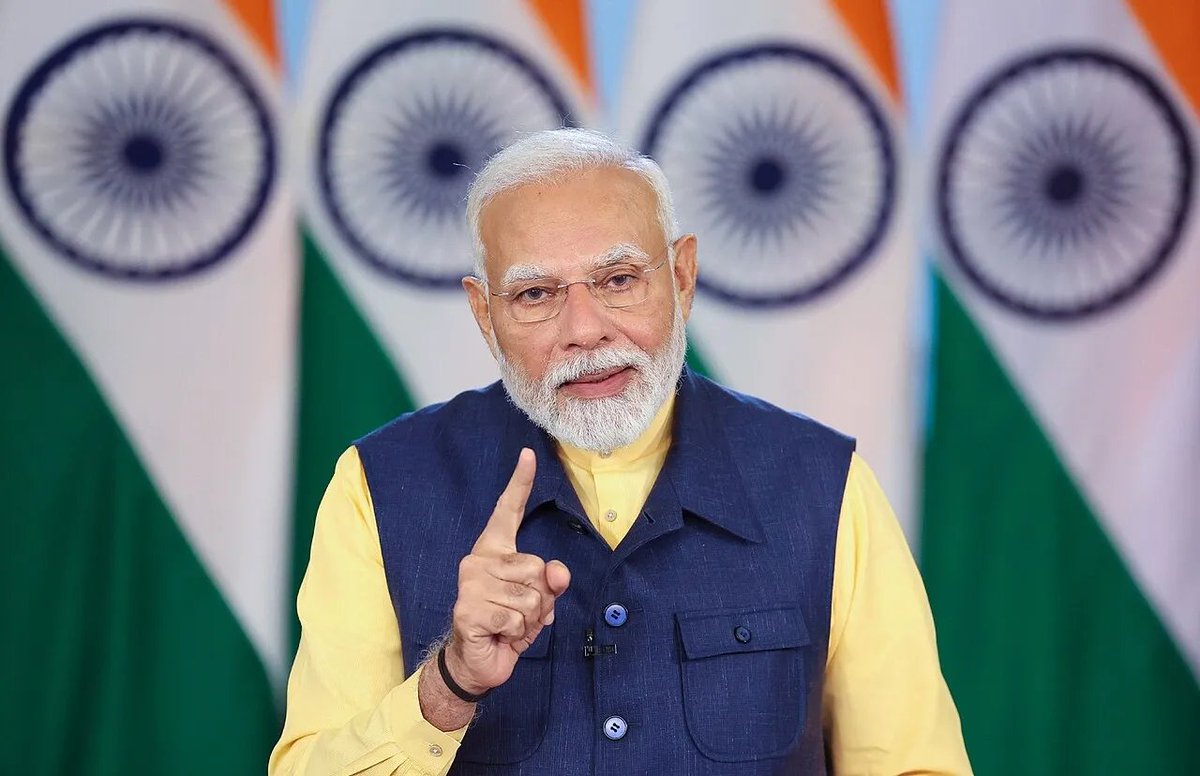
Indian Prime Minister Narendra Modi and his party have kept India on track for economic growth and becoming a great power.
Achieving succession and consolidating power will be necessary to fulfill his ambitions for India.
Read the new @bismarckanlys Brief (link below):
Modi has definitively broken India's half-century-old political status quo, by appealing to the patriotic Hindu middle class of India.
He is a career politician who rose up through the ranks of his party and has forgone marriage and children to devote his life to politics.
After ten years of Modi in power, Modi has proved that he is capable of sustaining economic growth in India at a relatively high pace, bringing in electronics and semiconductor manufacturers, building infrastructure, and simplifying bureaucracy.
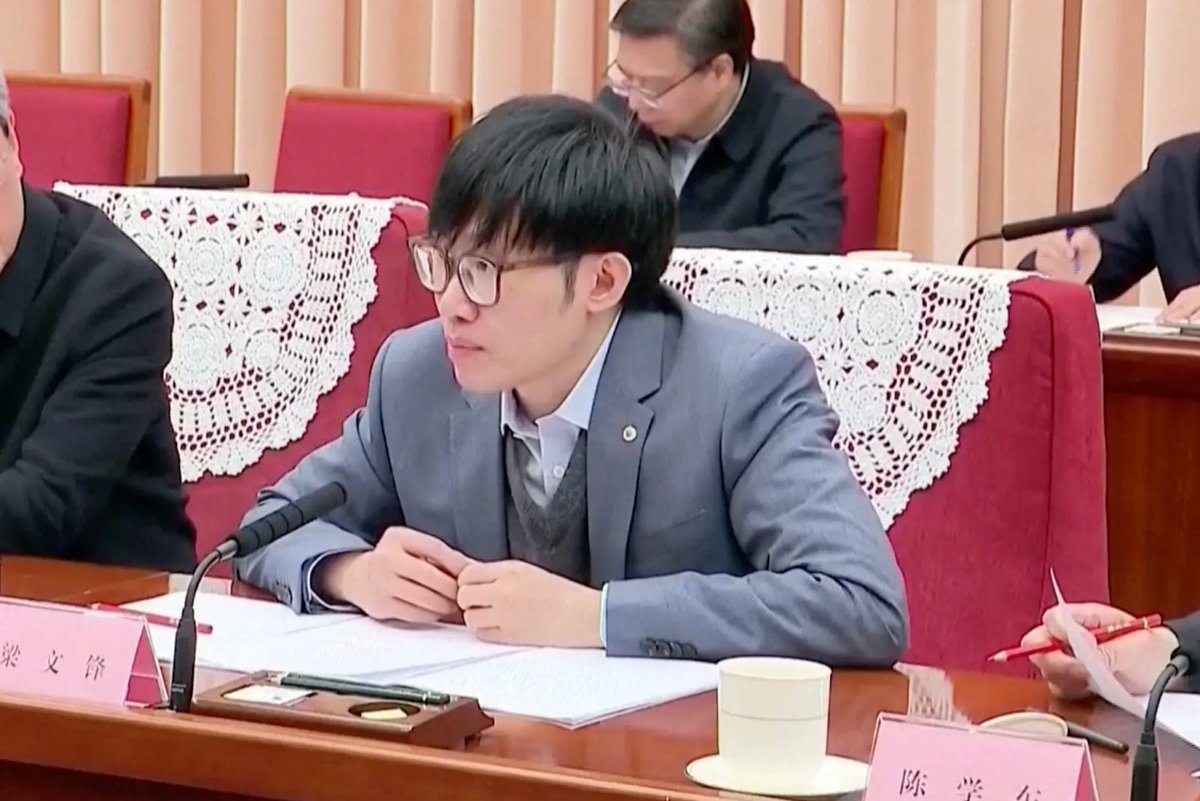
Offering a superior option to China’s stifling universities, DeepSeek's Liang Wenfeng has harnessed the country’s mathematics talent and founded an AI lab capable of advancing technology.
Read the new @bismarckanlys Brief and the first in our new AI series (link below):
DeepSeek is a Chinese AI lab that rose to prominence in January when it matched OpenAI's most advanced model at a price thirty times lower.
A small company, it has open-sourced nearly everything and quickly become popular in China, even causing other AI labs to open-source too.
Some have claimed DeepSeek's success is due to undisclosed computing power, but this is unlikely.
The more parsimonious explanation is its founder Liang Wenfeng, an engineer, has collected China's top math and computer science talent at his firm, creating real advances.
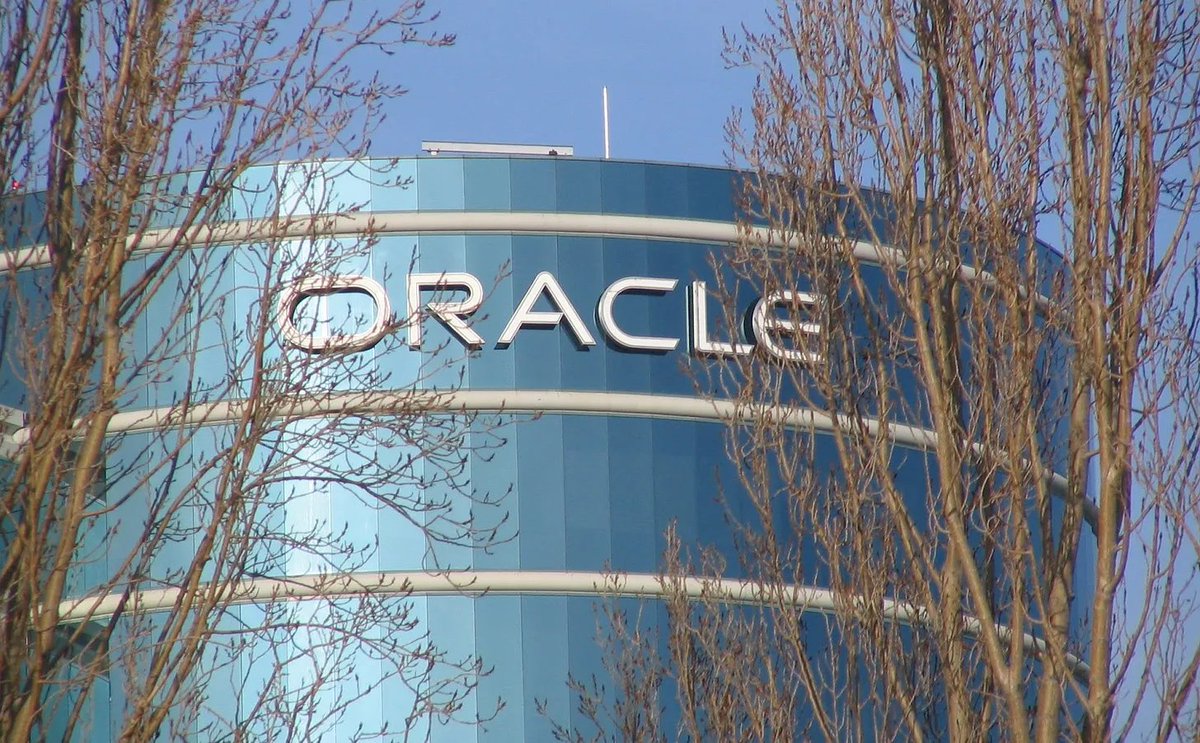
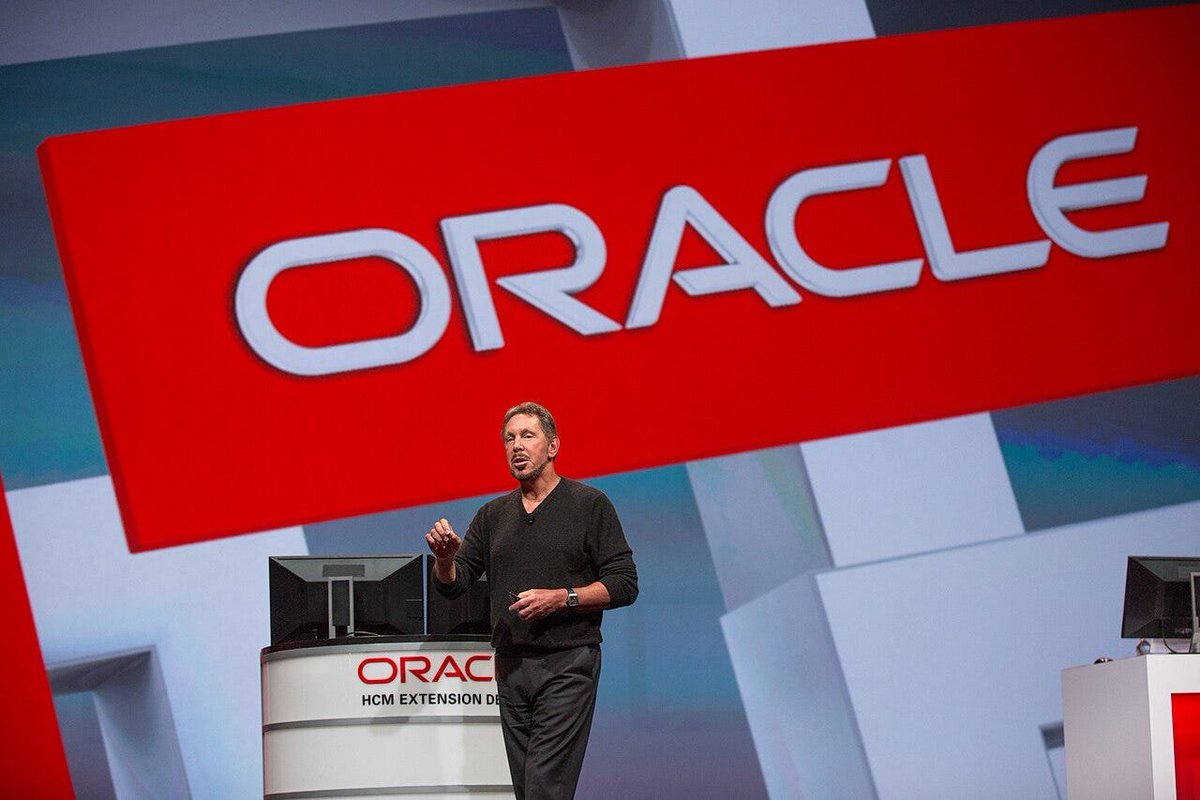
Larry Ellison, the founder of Oracle, is the second-richest man in the world.
He is applying his fortune and his company to making fast progress in medicine and biotech using artificial intelligence and health data collection.
Read the new @bismarckanlys Brief! (link below):
Ellison's fortune derives from his 40% stake in Oracle, the enterprise software company he founded in the 1970s and which is worth $700 billion today.
Like IBM or Palantir, Oracle essentially provides the software and IT expertise that most organizations are too rigid to learn.
Despite being 81 years old, Ellison is still the chairman and CTO of Oracle, though he has delegated operational responsibilities to his long-time deputy Safra Catz.
He remains a spry and lucid person, with a formidable network and flashy, intense hobbies like yacht racing.
Northrop Grumman is the third-largest U.S. defense contractor makes unique weapons like the B-21 stealth bombers and silo-launched nuclear missiles.
It is unfortunately another example of a dead player in defense contracting.
Read the new @bismarckanlys Brief! (link below)
Formed in 1994 when California-based Northrop Corporation, acquired NY-based Grumman, the company inherits a technological legacy in stealth.
Northrop developed the B-2 Spirit’s iconic curved surface shape, which better redistribute the electromagnetic energy of radars.
They develop drones such as the RQ-180 stealth drone, which is set to replace both the Global Hawk and the U-2 spy plane that are scheduled to be retired in 2027.
The defense prime is entirely dependent on U.S. government contracts, which in 2024 represented 86% of total sales.