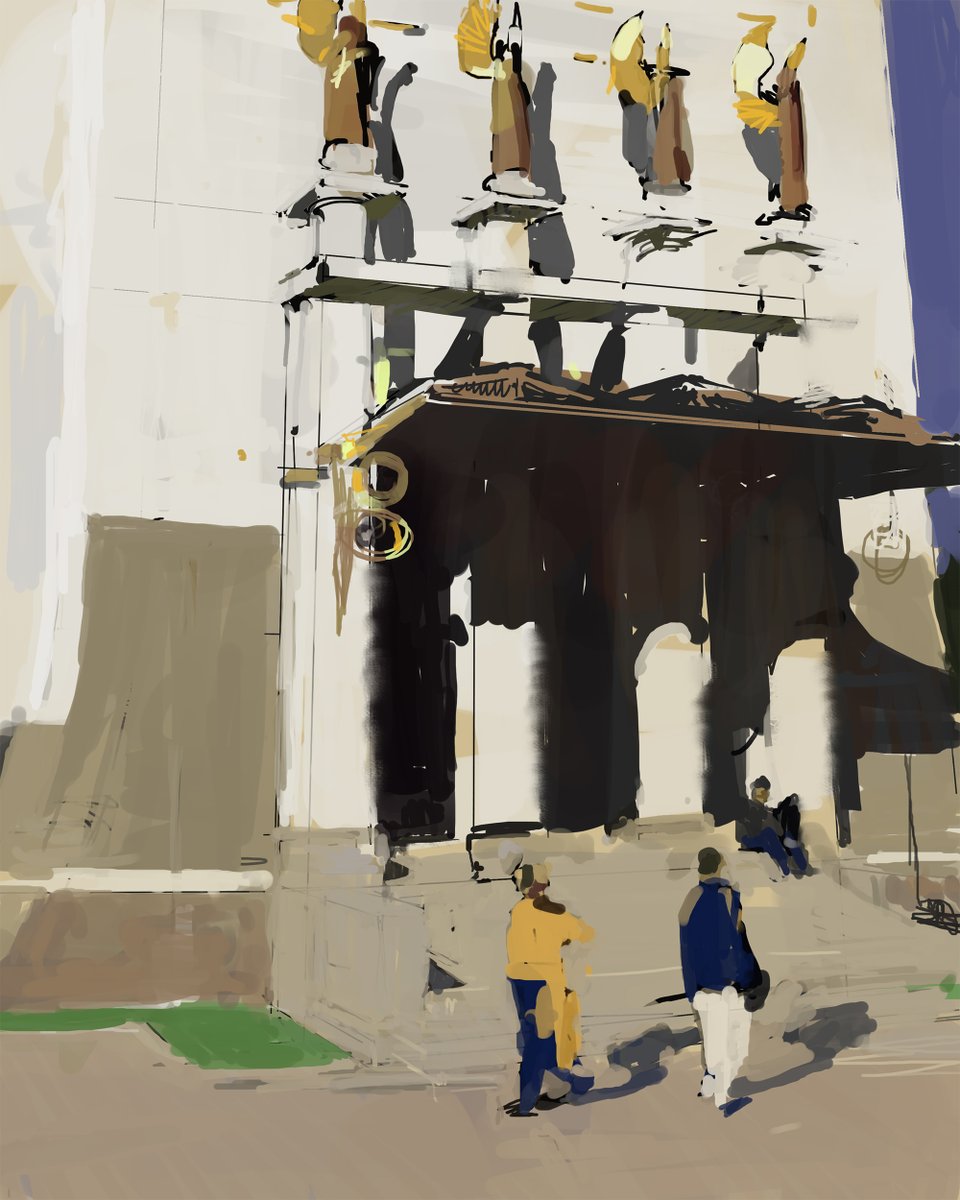
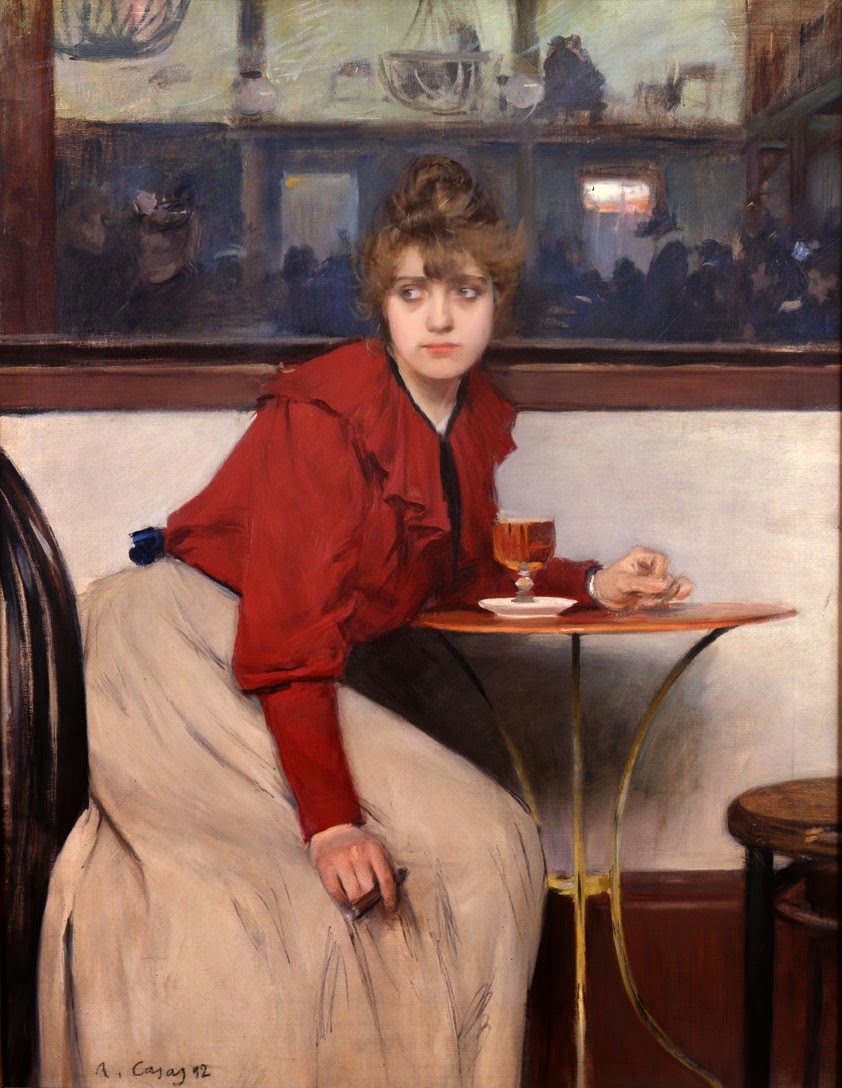
Thread on composition! It's not about math formulas or memorizing golden ratios. Contrast provides focal points, and you can arrange these in various ways to create different feelings. Some arrangements create very reliable effects, and you can add these tools to your toolbox!
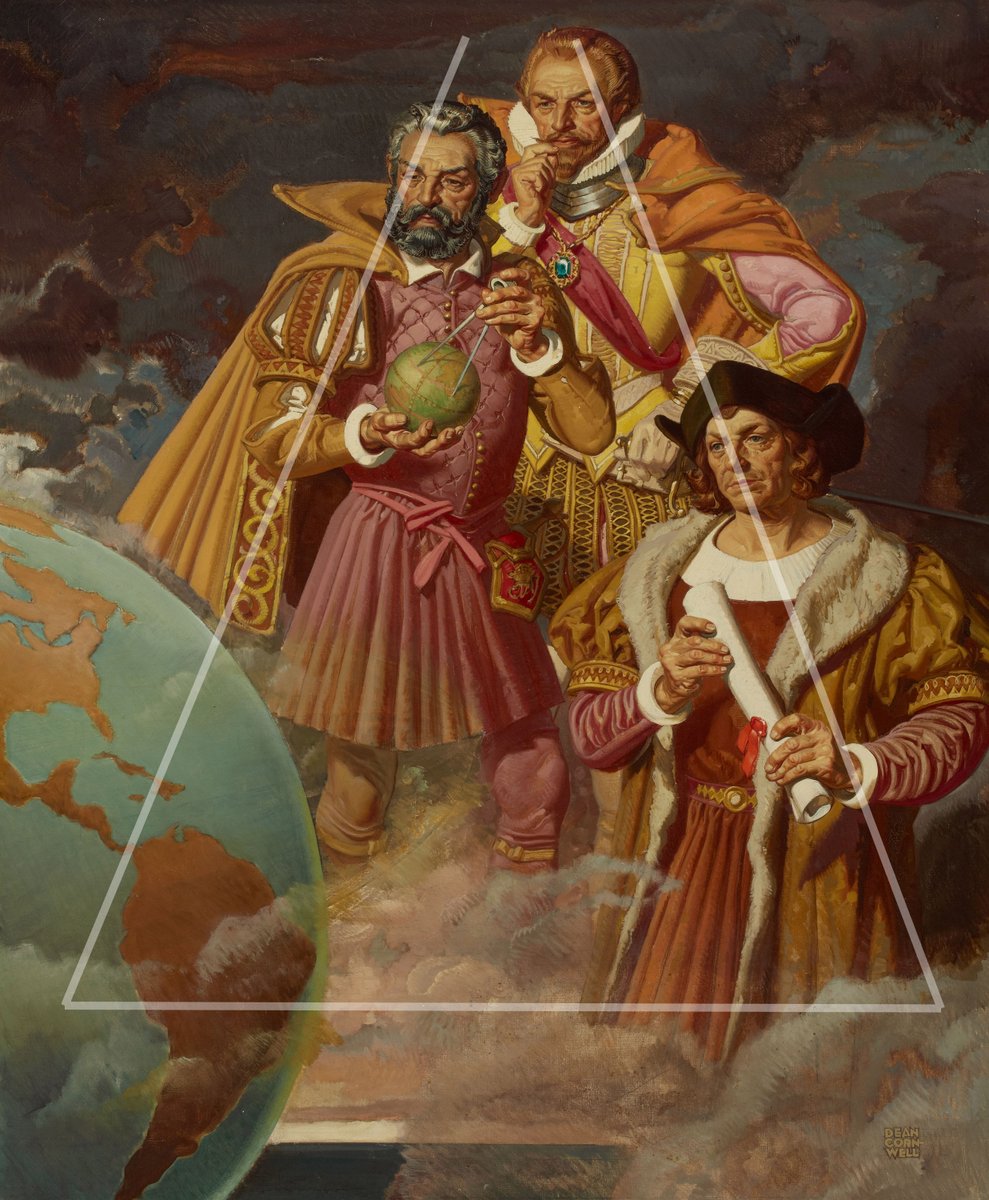
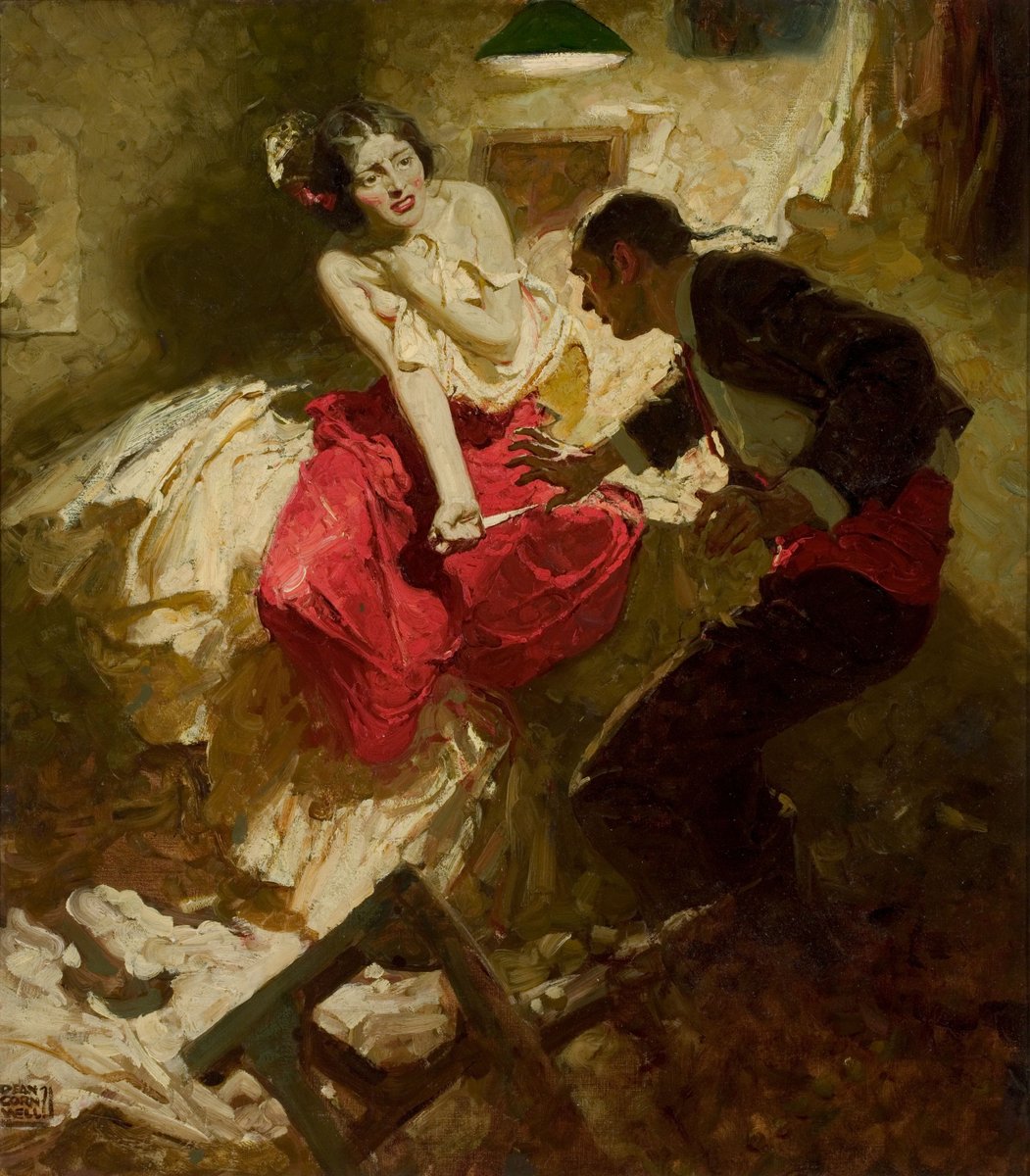
Let’s take a look at the compositions of Dean Cornwell. One of the most common tools is using a symmetrical triangle arrangement of focal points to convey stability. This first image conveys a stalemate or delicate balance of power with an inverted triangle...
While in this composition sketch the upright stable triangle conveys a more traditional feeling of power.
The more asymmetrical the triangle, the greater the feeling of dynamic motion, perfect for this chaotic scene.
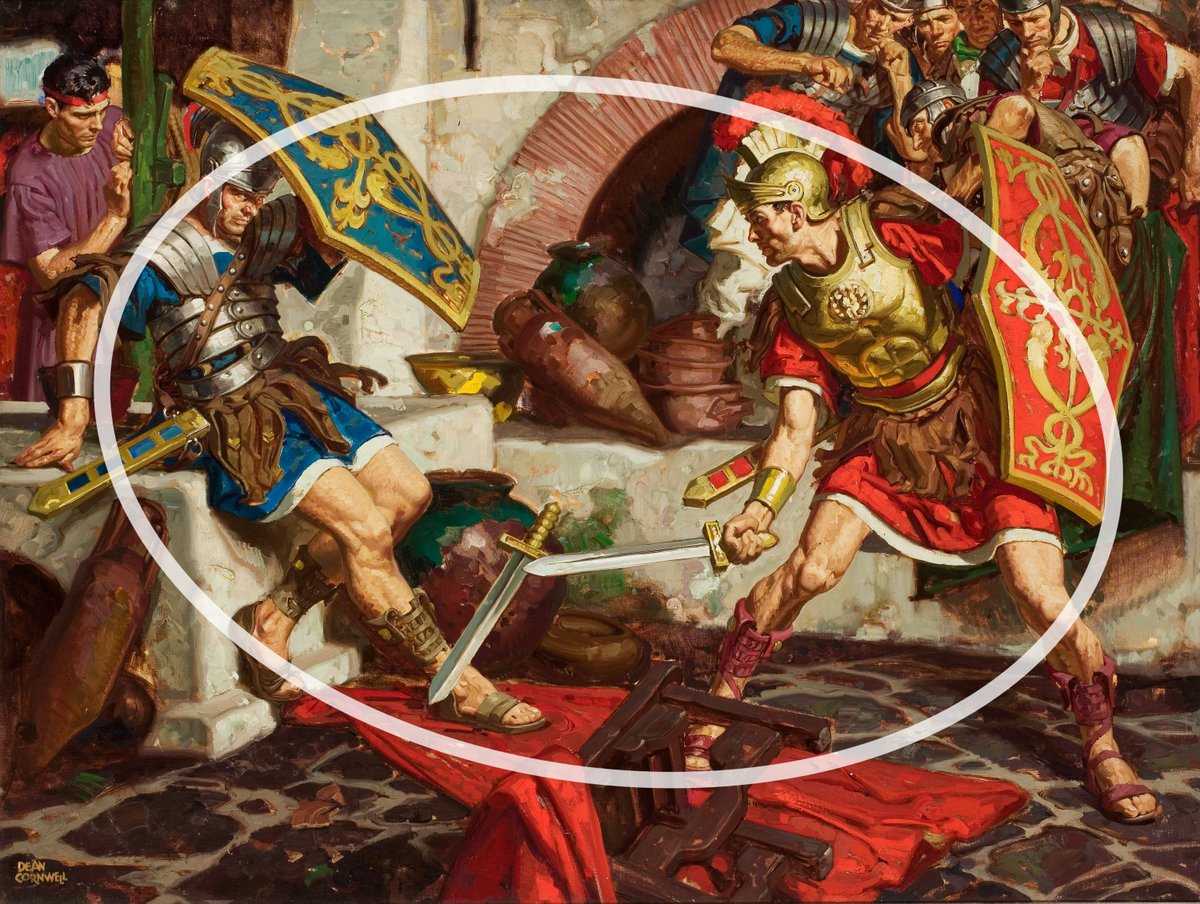
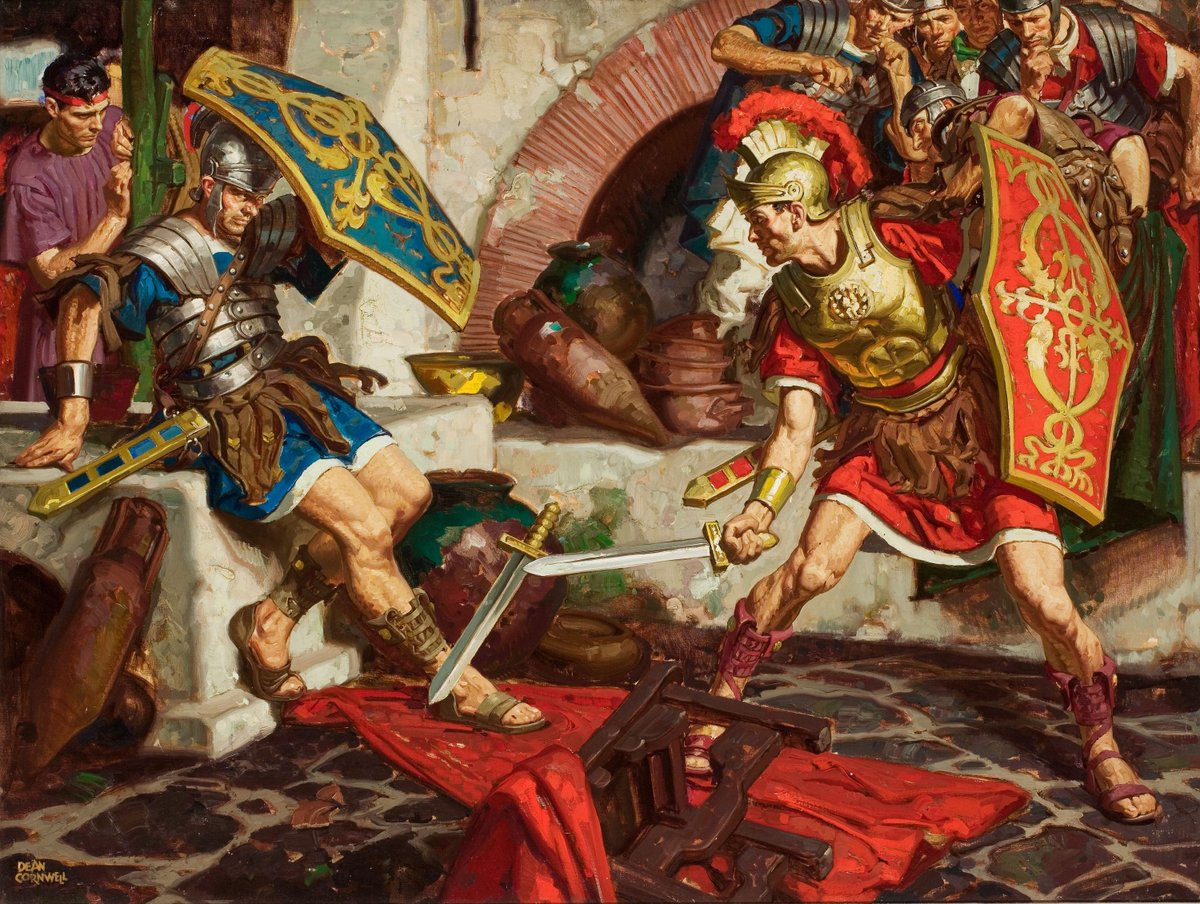
With many focal points arranged in a circle, a sense of swirling motion can be achieved, which fits really well for this battle.
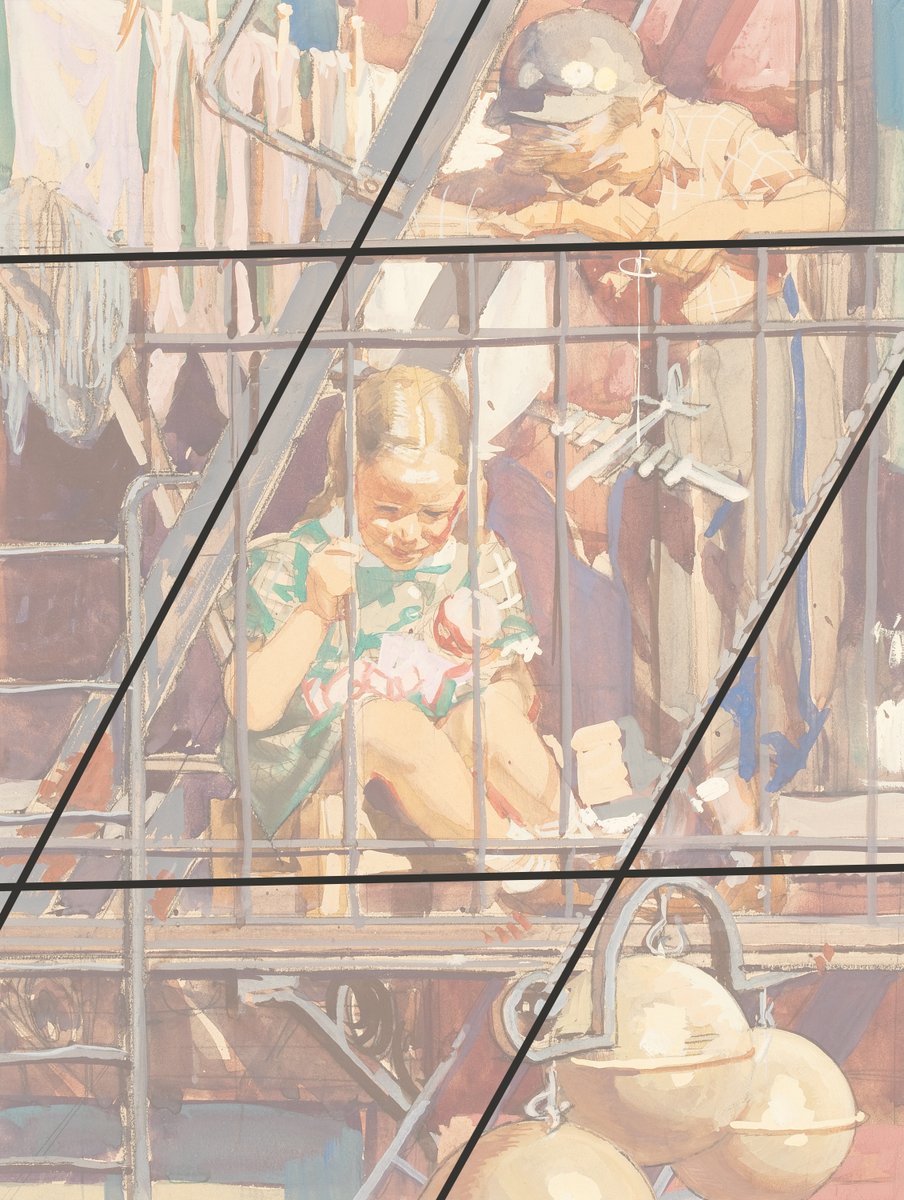
Composition isn't just about shapes, we can think about the division of space to create interesting relationships and how these repeating angles create a scaffolding that all the smaller relationships are based on.
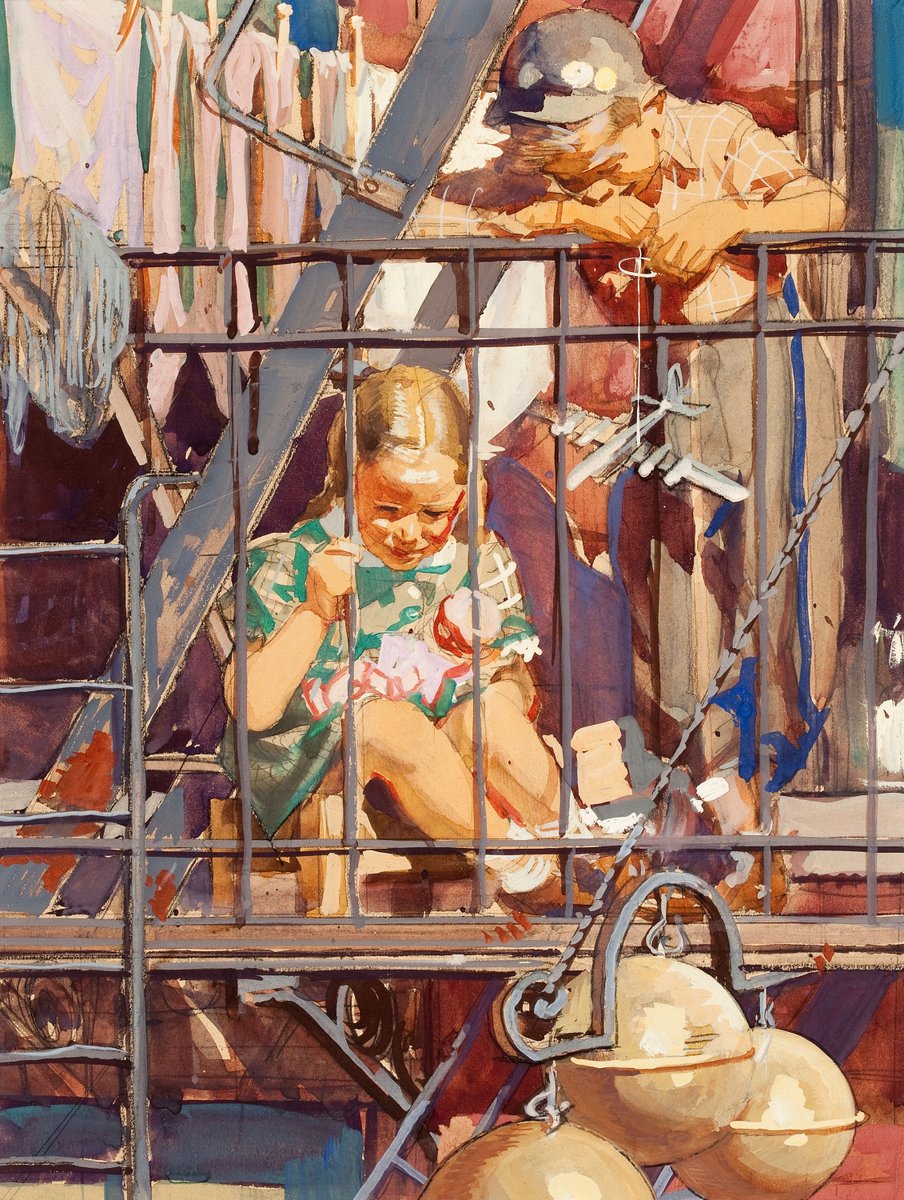
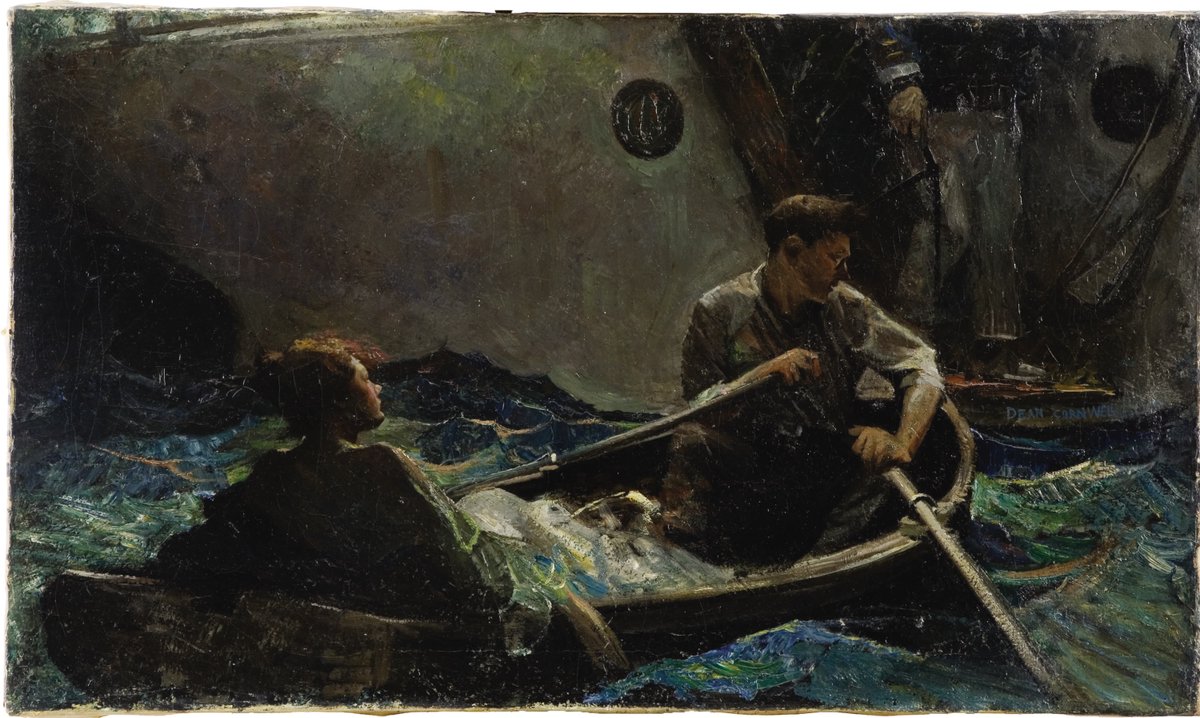
This scaffolding is less consistent, and conveys the uncertain feeling of the journey of this lifeboat at sea. There are no rules in composition, so experiment and play with different arrangements to find the one that fits your idea!
If you enjoyed this, check out my two ebooks! They are all my previous tutorials, greatly expanded upon, and have lots of bonuses like a glossary, recommended reading, and all the artist names right there with the examples: gumroad.com/l/YPtf
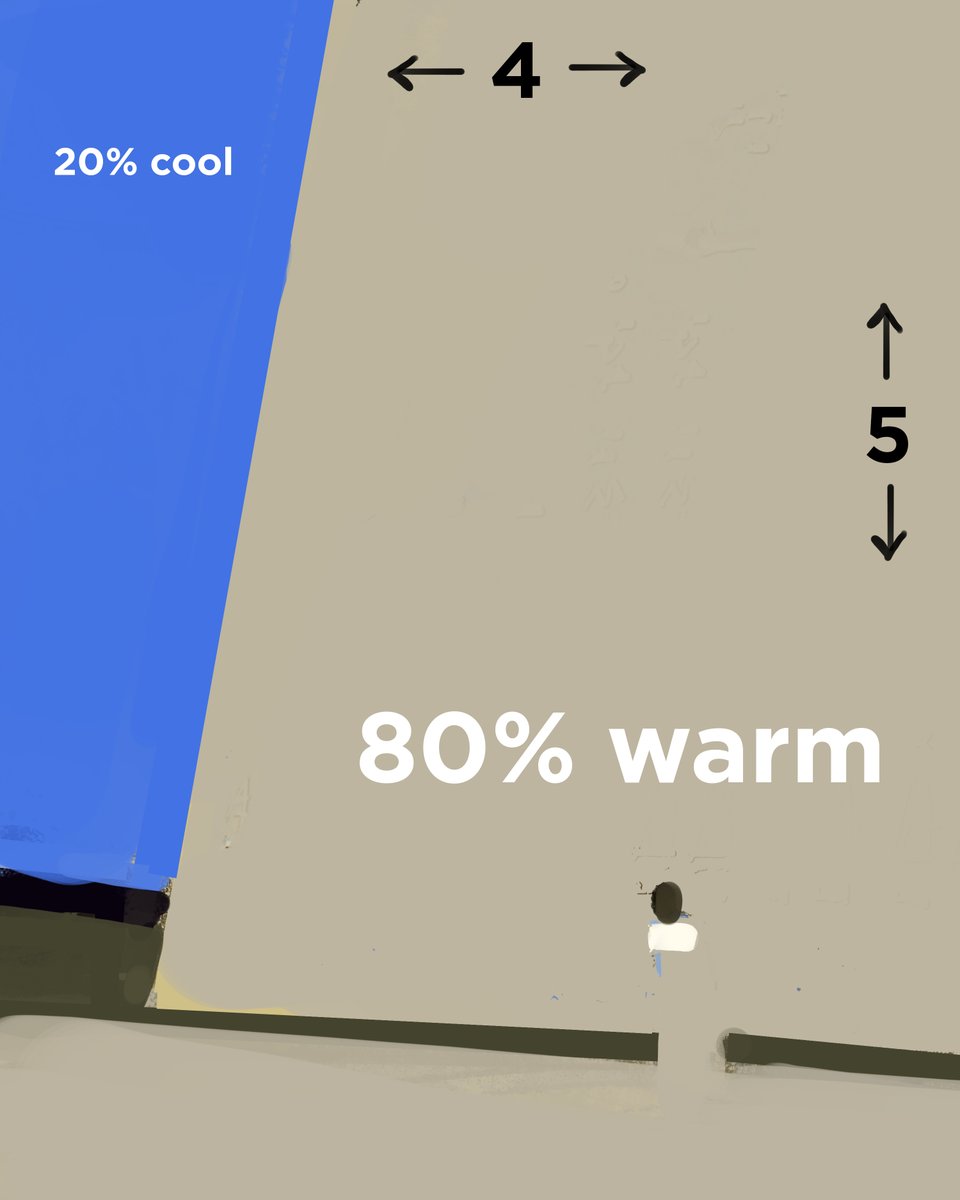
What is composition? Composition, at its core, is decision making about relationships. Is your canvas ratio 3:2? Will that be divided in half equally with light and dark? Will half of that dark area be warm, and the rest of the canvas cool? Each of these choices is composition!
Overly rigid formulas using math is not a great way to learn composition, because it does not lead to listening and trusting yourself. Composition is design, and design is intuitive. Theory is just a possible explanation as to why something works, not a rule or a process.
If you ever encounter a rule, like the rule of thirds, know that it is only named that way because it is an effective tool that is very commonly used. The rule of thirds creates motion, but where motion is not desired, it is not the right decision to make.
Drawing tip: don't look at the thing you are drawing!
This might seem counter intuitive at first, but if you look, take a second to memorize, look away, and then draw, you will get a lot more accuracy *and* train your visual memory too
Try drawing something completely behind you!
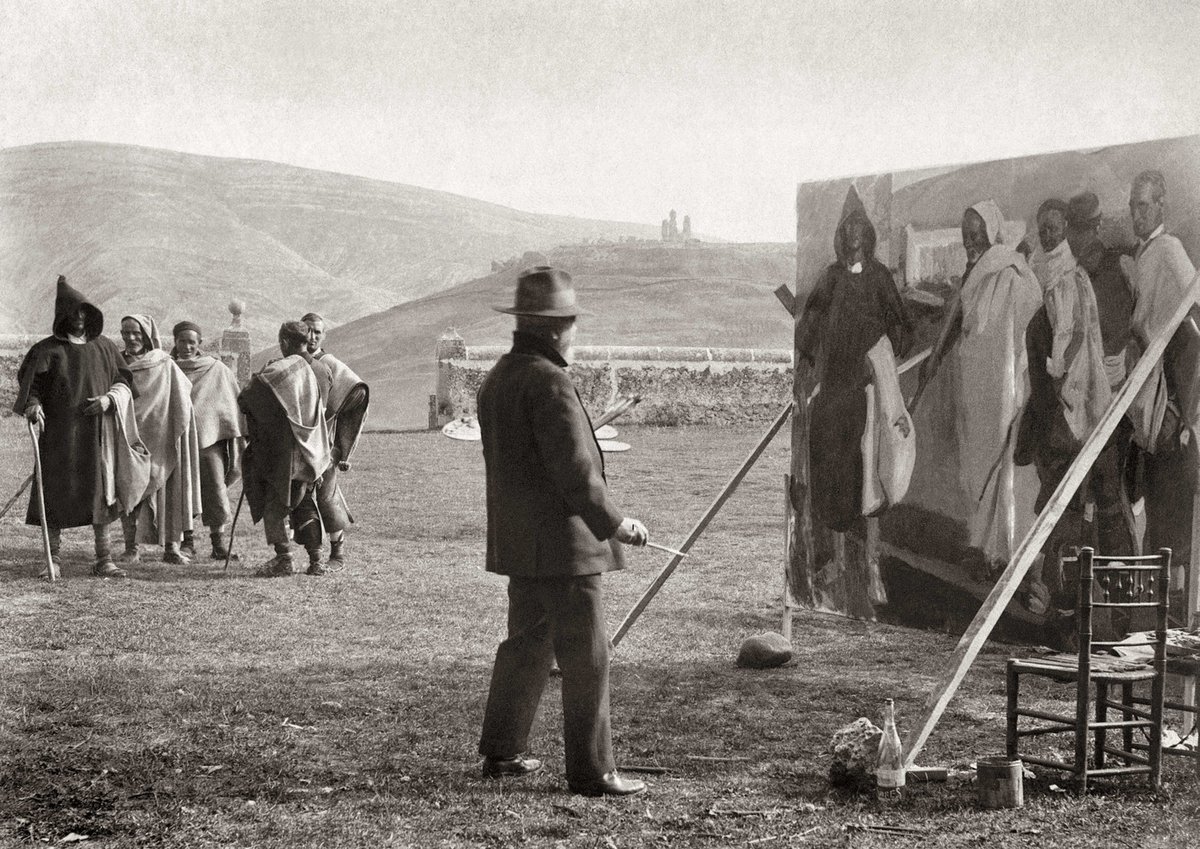
Take a look at this photo of Sorolla painting, he would have had to turn his head to the side to see his subject. Painters of the past did not always put their canvases right next to the subject so that they could see both in one field of vision
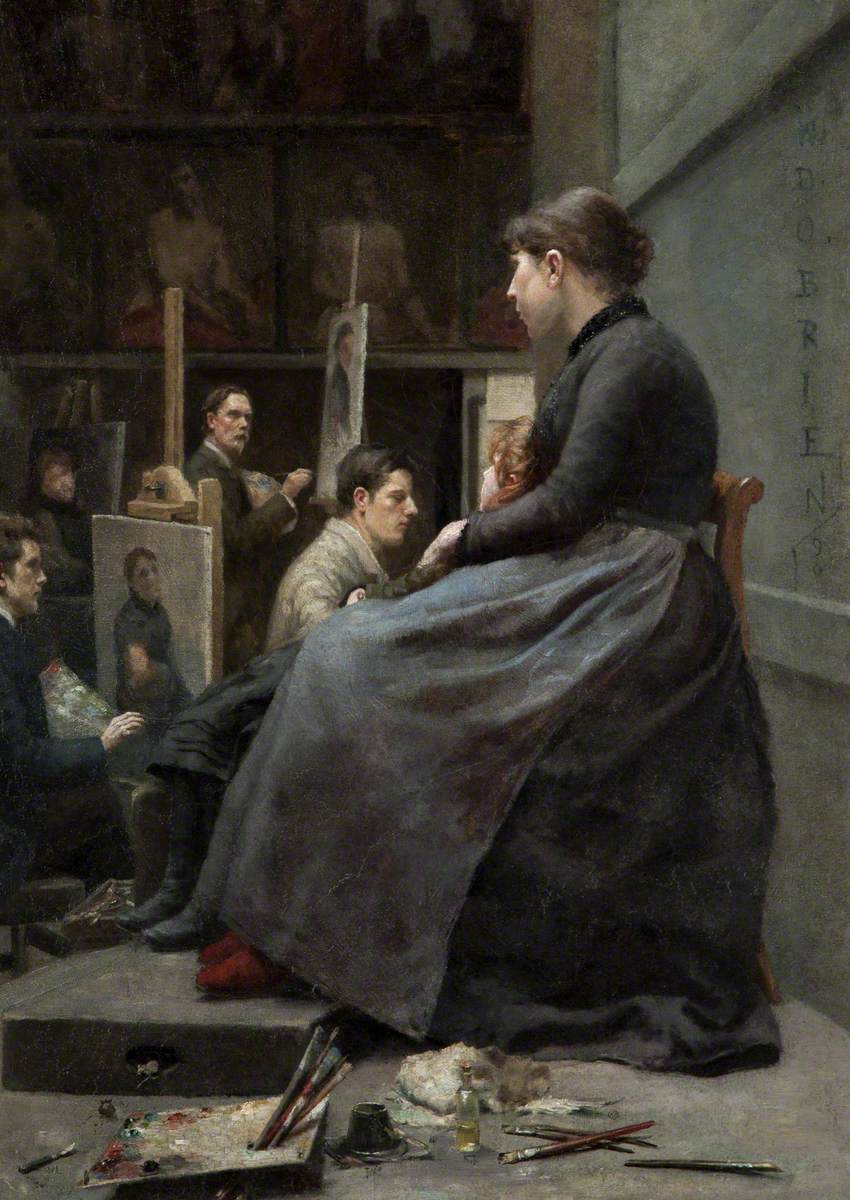
Check out these examples of students at classical ateliers doing the same thing, they were not flicking their eyes back and forth to the subject and drawing/painting rapidly. They were observing, then turning back.
Thread on finishing paintings! What does it mean to finish or detail a painting? What does the word rendering even mean? Here's a thread on 3 different strategies for finishing work, when to know that it is "done," and the pitfalls we might encounter along the way.
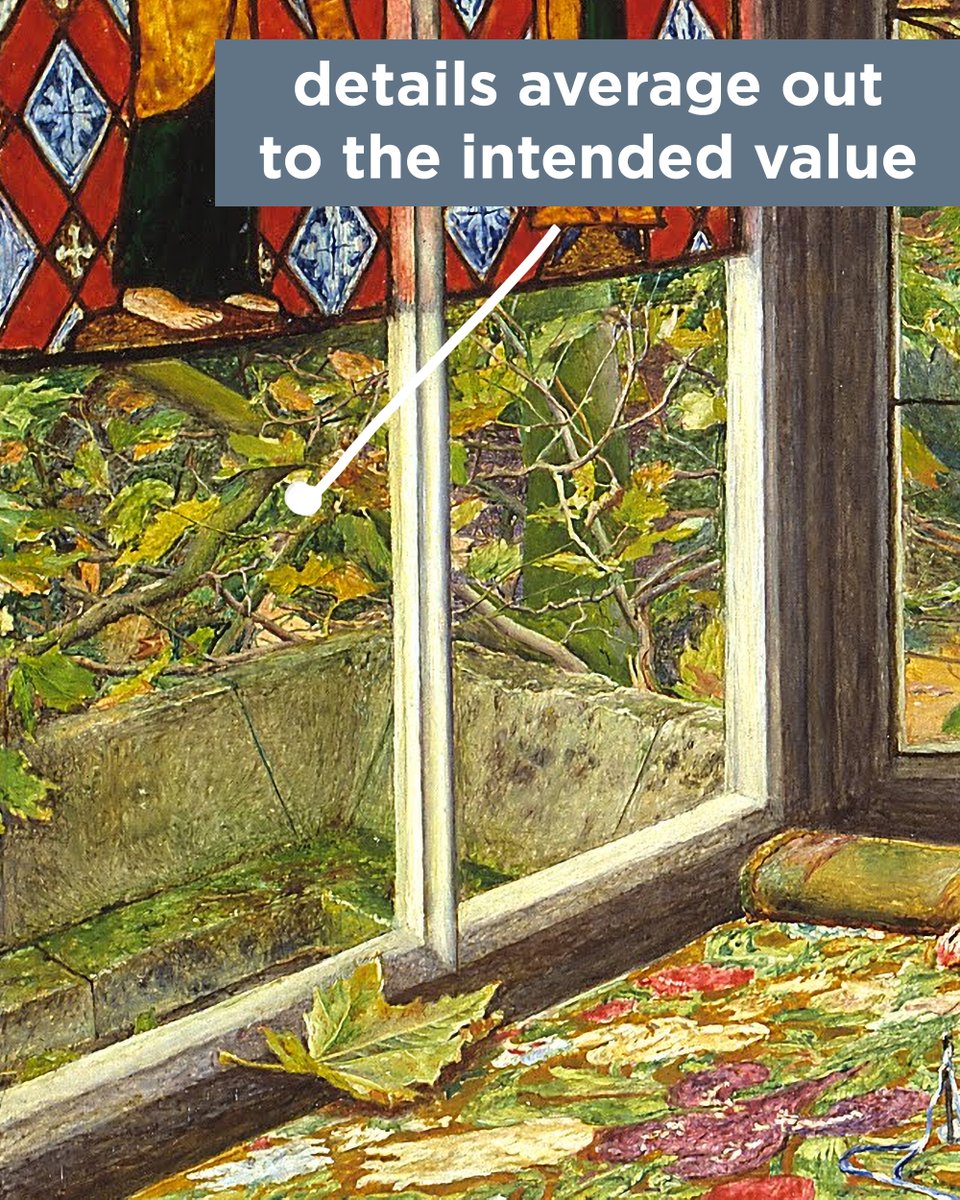
Here’s one of my sketches compared to the finished version. They look very similar when viewed small. I’m trying to solve the biggest problems first, loose but accurately. By focusing on the big picture, the details will relate to the whole and not distract and weaken the picture
When I was first starting, I often heard the advice to turn off your brain and enjoy adding details, and I was very discouraged that when I would try to detail paintings it would just get worse. I thought this was something that was easy for others, but not for me…
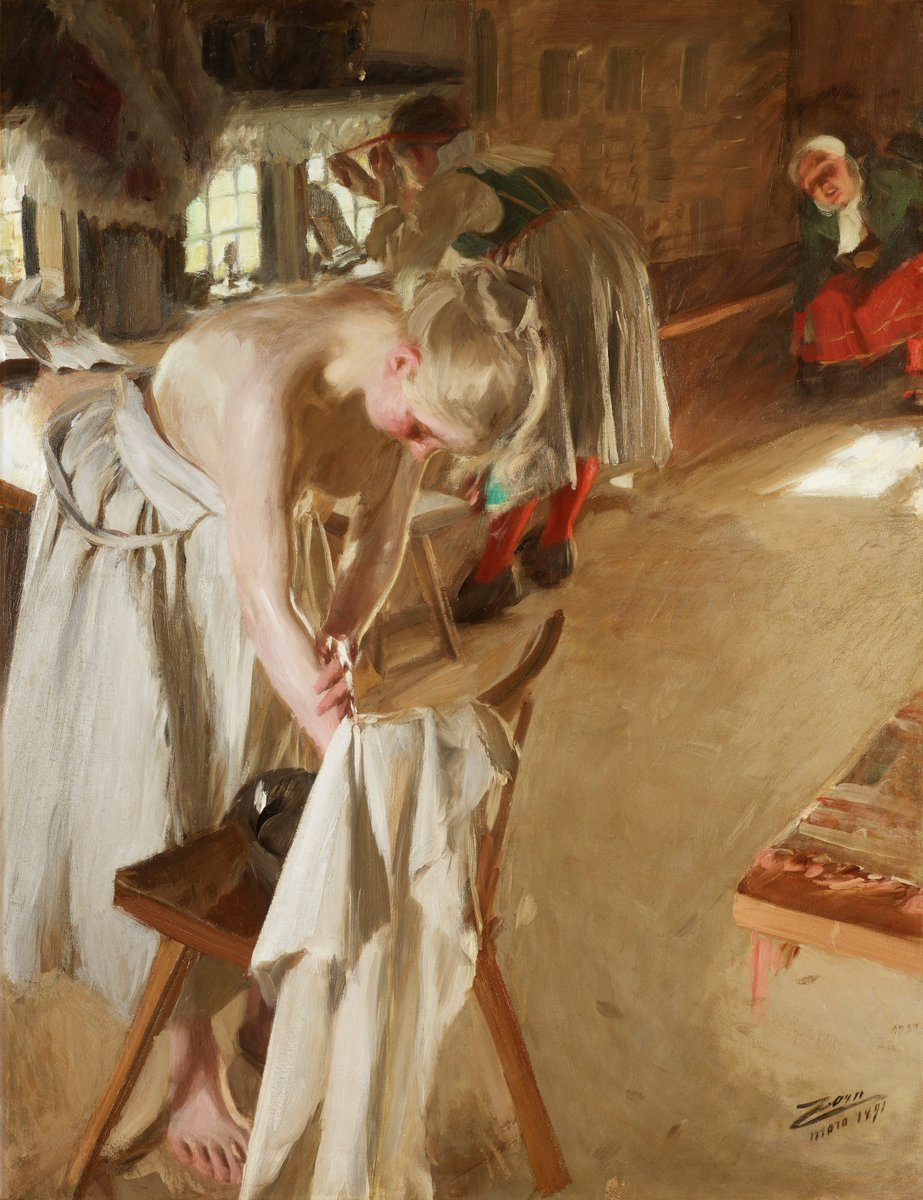
Let's talk about one of my favorite paintings and some of the reasons why I think that it works so well: a thread on detail, edges, gesture, composition, and shape design.
Notice how all of the detail in the painting is grouped into two main areas, an big area of complexity and interest, and a simple area to contrast and "activate" the complexity. If everything is detailed, then nothing is.
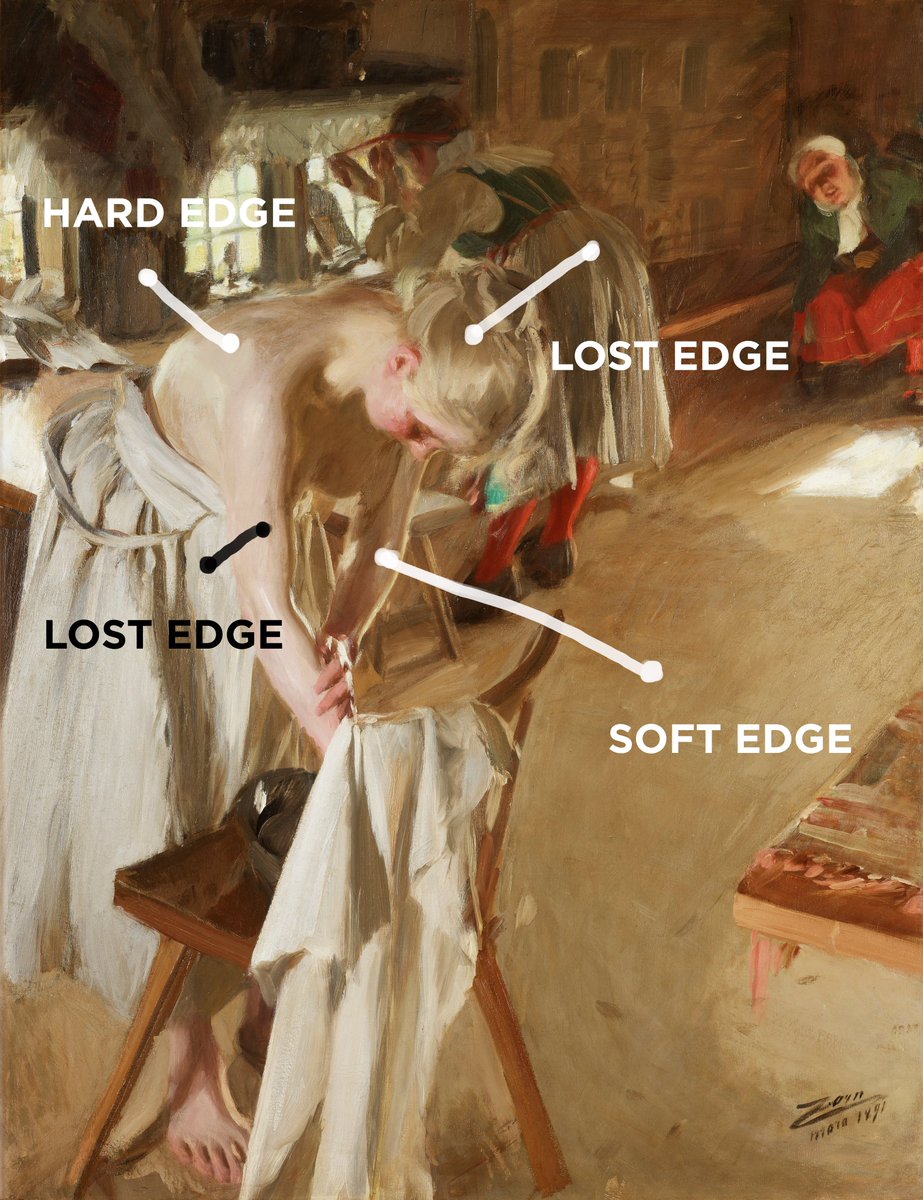
The main figure has a really interesting edge relationship with the background. Notice how with lost edges the values look the same, and with hard edges they look very different. Soft edges are somewhere in between. Look at the image really small to see this even more clearly!
My new tutorial is on sale for today only! I'll also pick one random retweet to give it to for free, and if you already picked it up I'll refund the cost! Use this link to get the discount: gumroad.com/l/advancedbasi…
This tutorial goes over the mental side of art, my detailed process, how to study in a sustainable way, as well as all of the fundamentals needed to confidently understand painting
The rest of my gumroad is also 50% off! Pick up my two ebooks with these links: gumroad.com/l/YPtf/summers… gumroad.com/l/cfv2/summers…
These two volumes include pretty much everything I know about painting, including color theory made practical and understandable
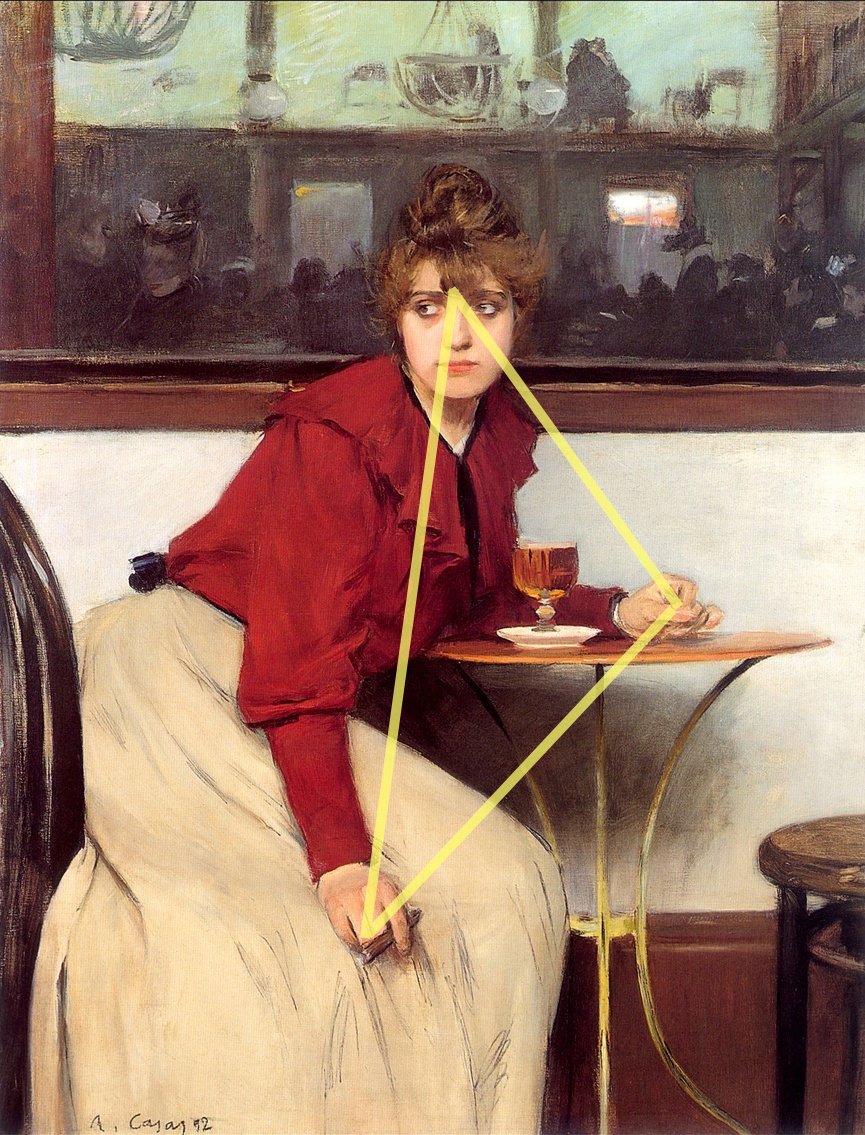
Are diagrams like these bad for artists? Will they restrict creativity and and instill a bunch of rules of composition that you have to follow? Are the lines and shapes completely made up? What if I don't get it? A thread. 🧵
Will they restrict creativity? No, not as long as you know what they are for. Take music theory, it is great at analyzing how a Mozart symphony works, but it does not work at all as a step by step guide to writing an amazing piece of music.
This is analysis done after an artist had a great idea and made the work, it says nothing about what process you should use, theory should never do that. These are for recognizing where contrast is, since art is a language that uses contrast in different ratios to show feelings.