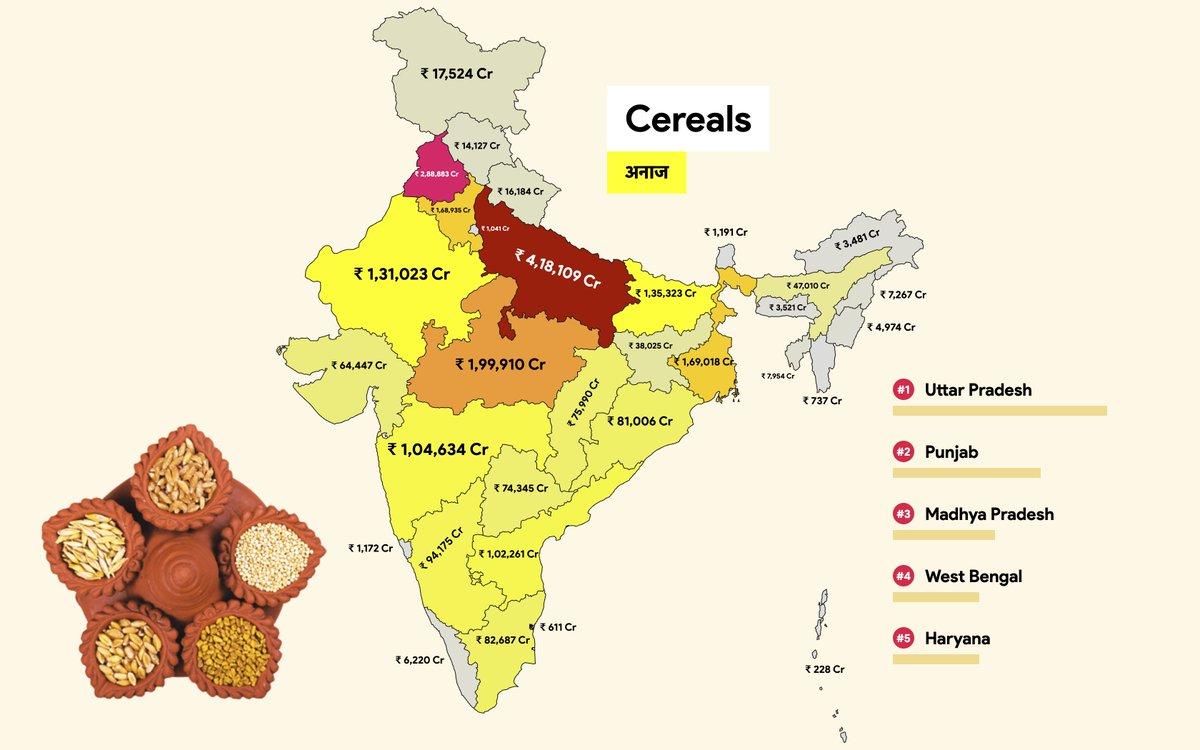
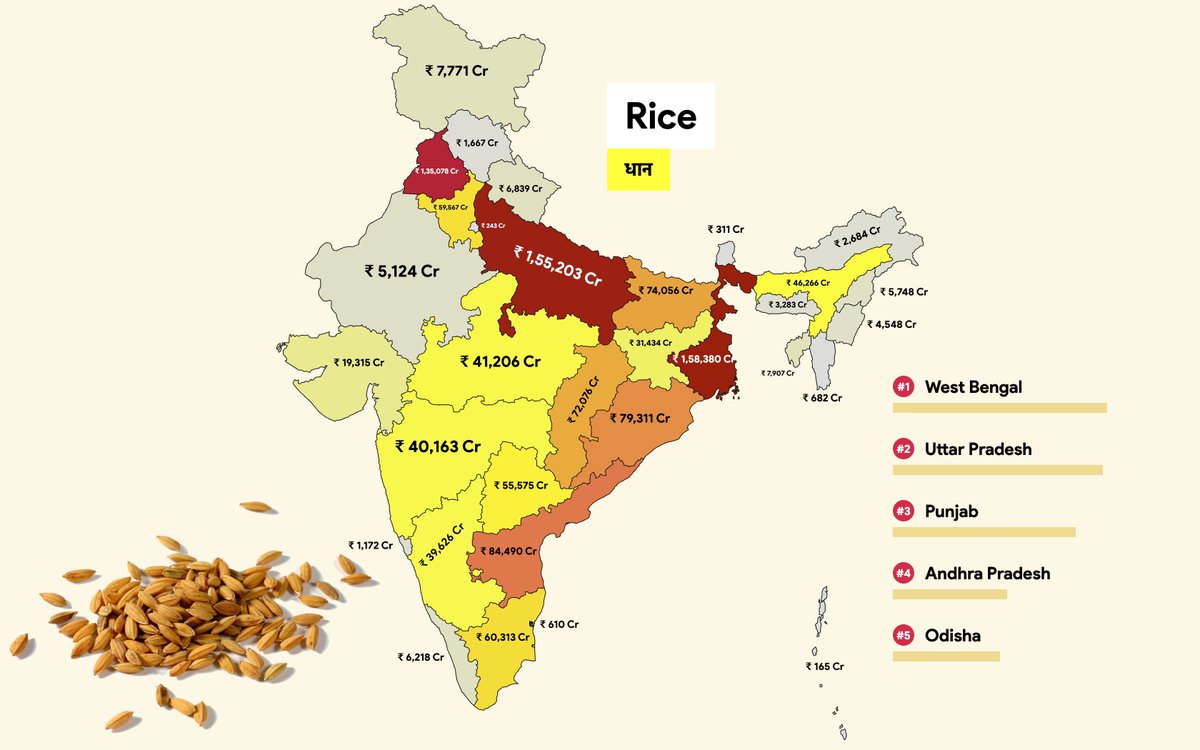
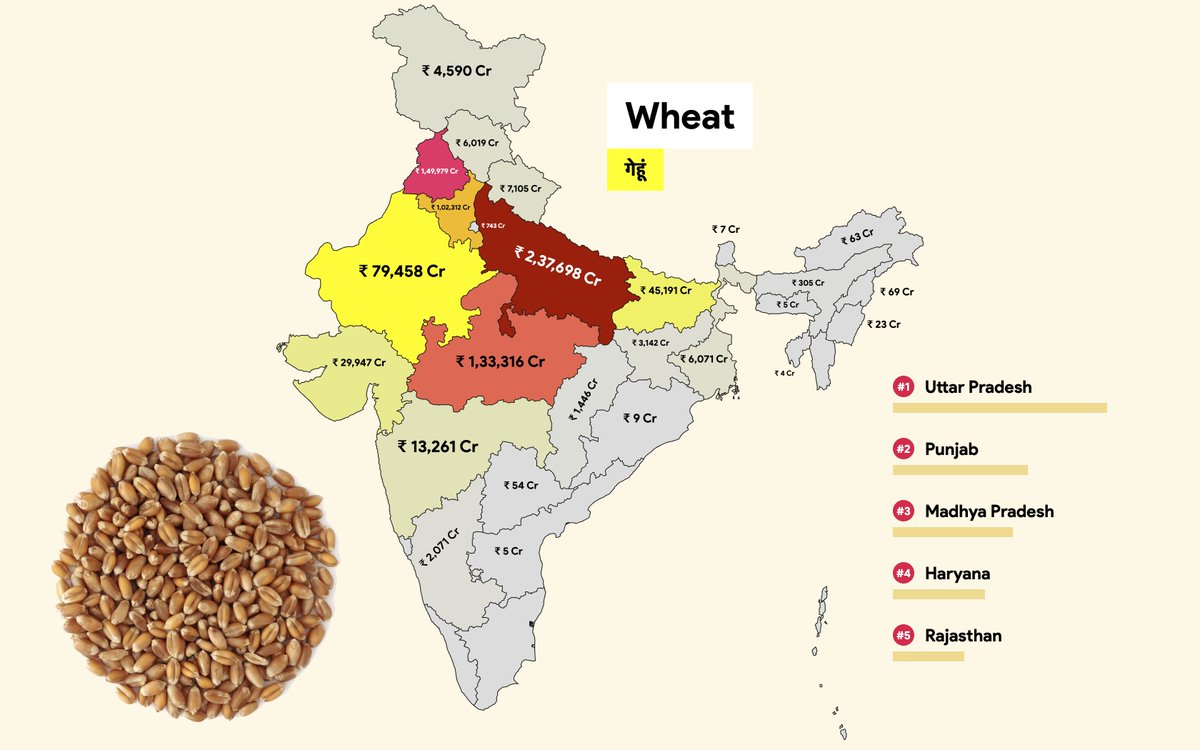
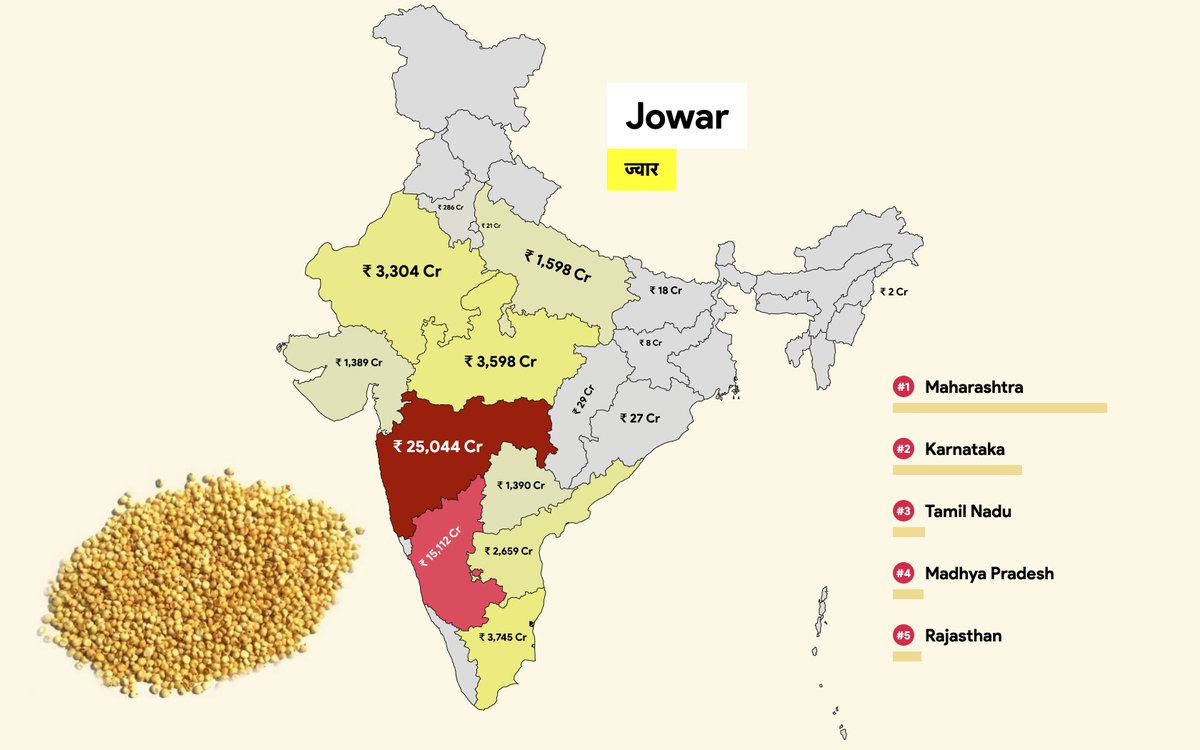
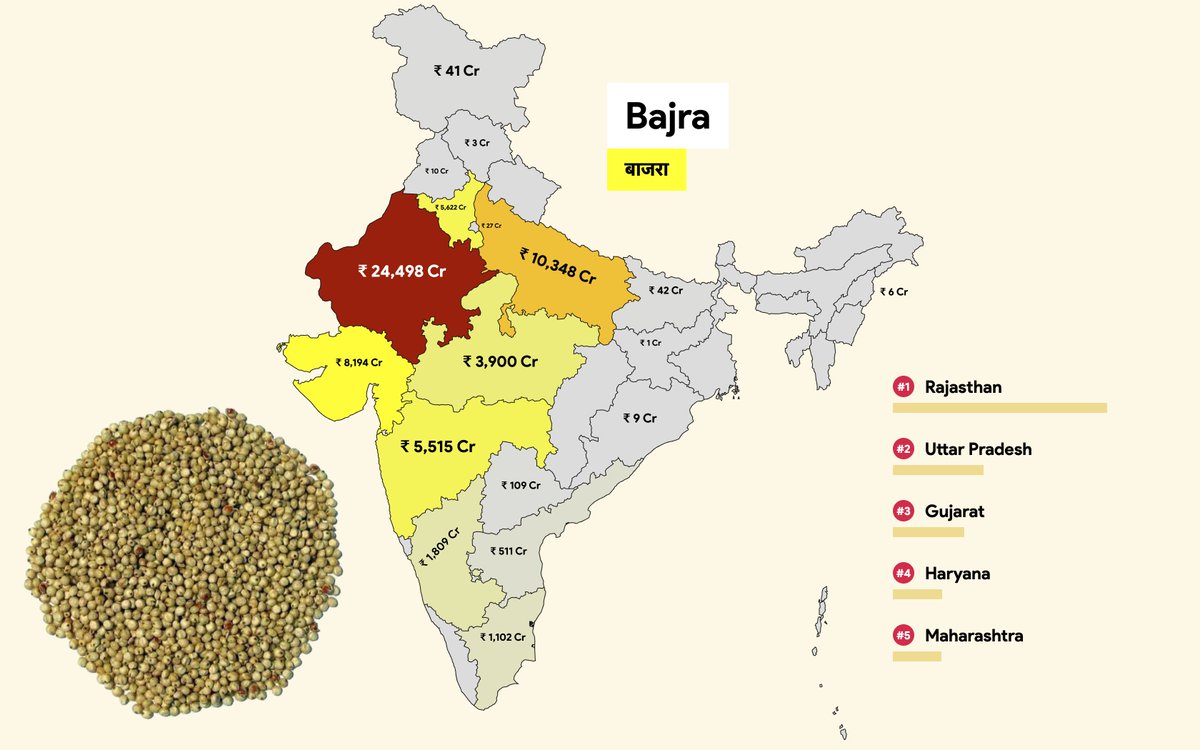
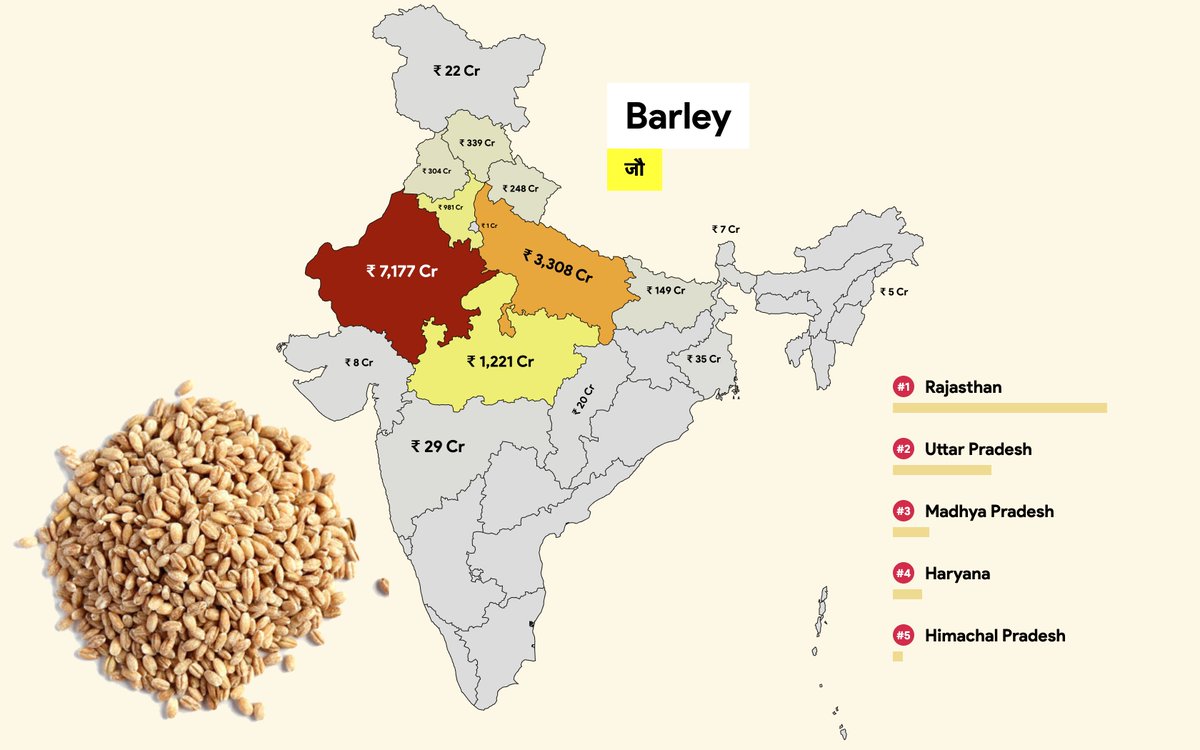
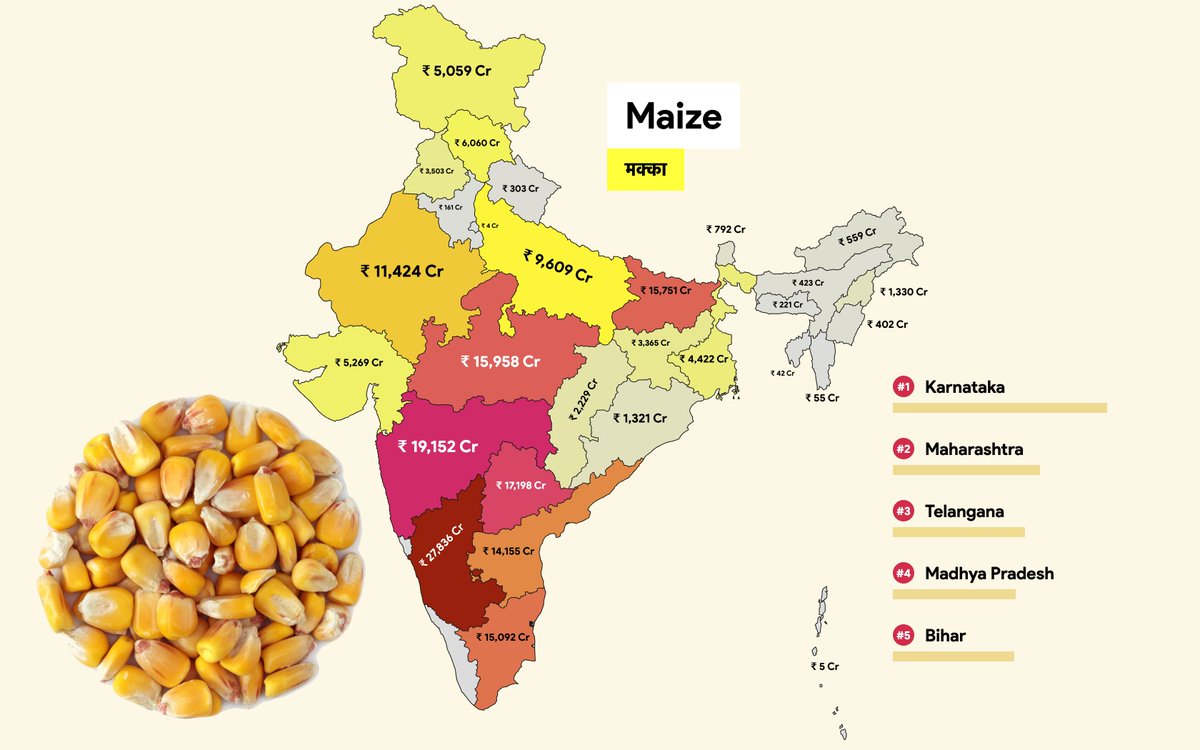
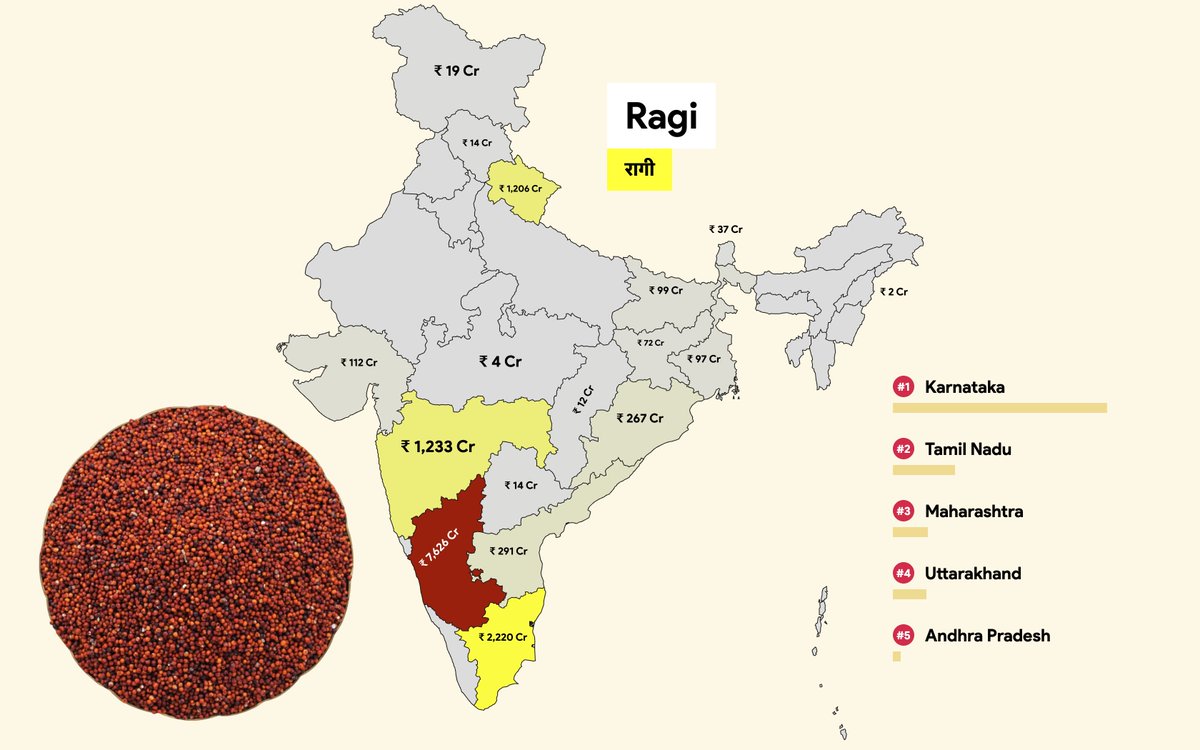
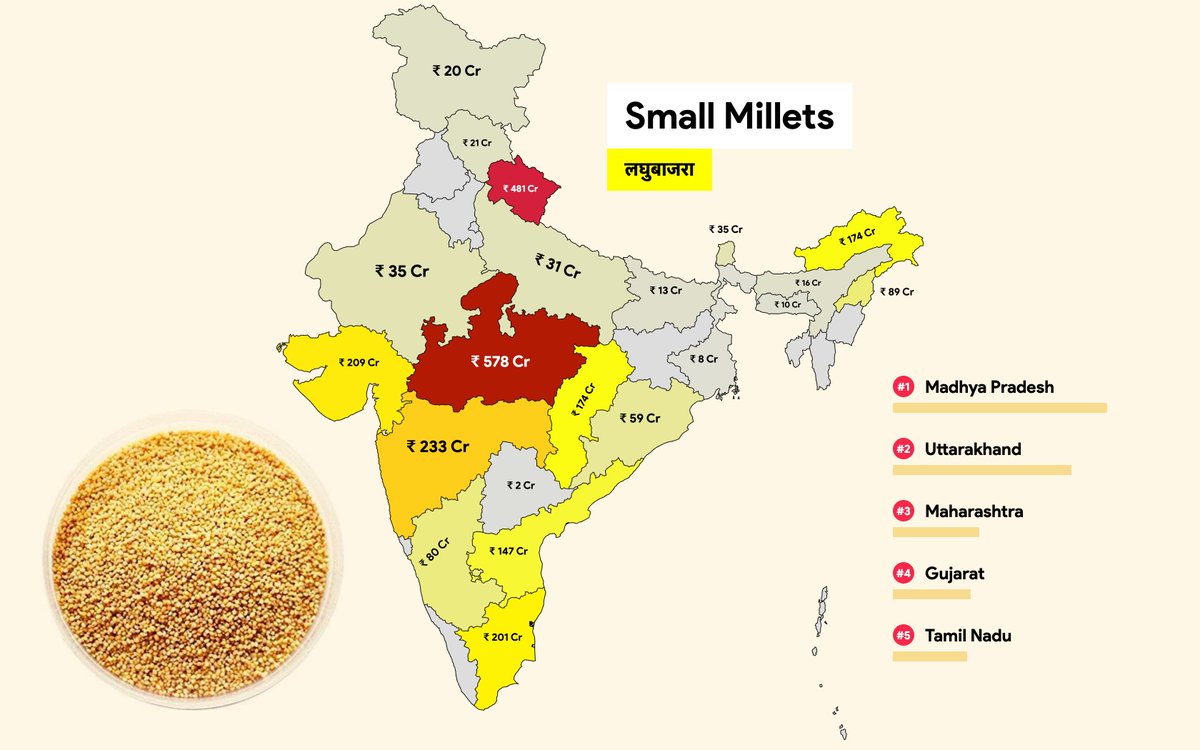
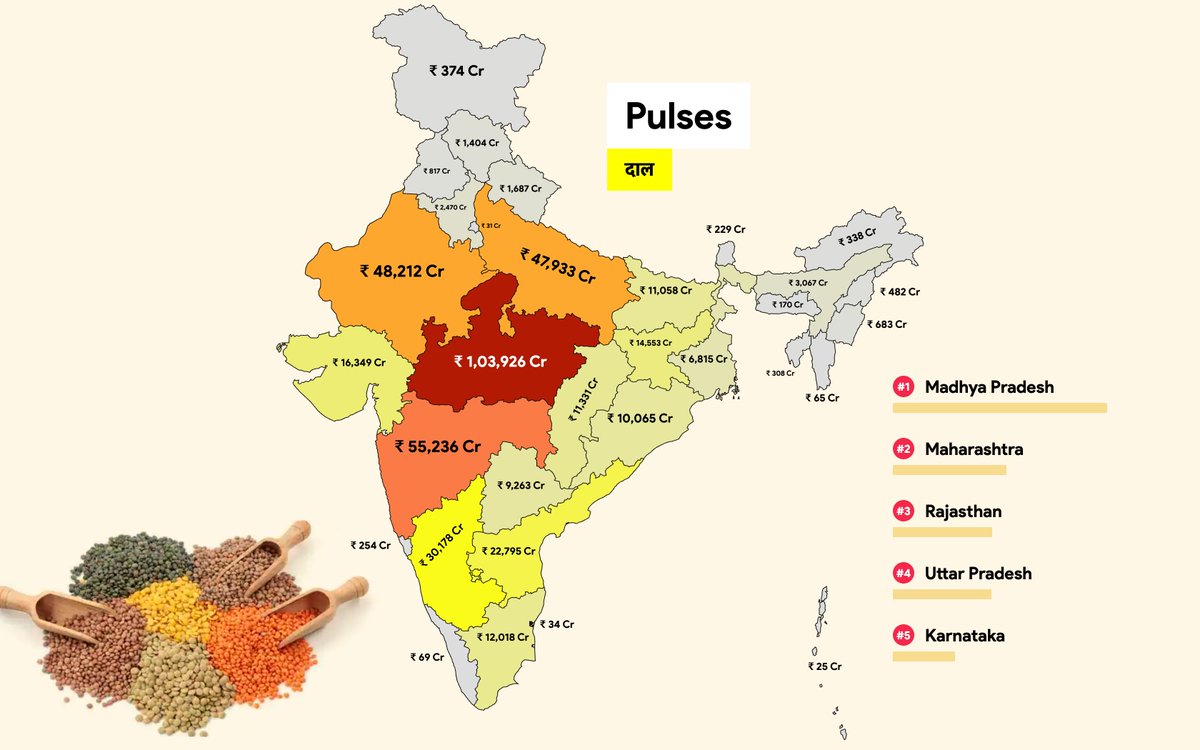
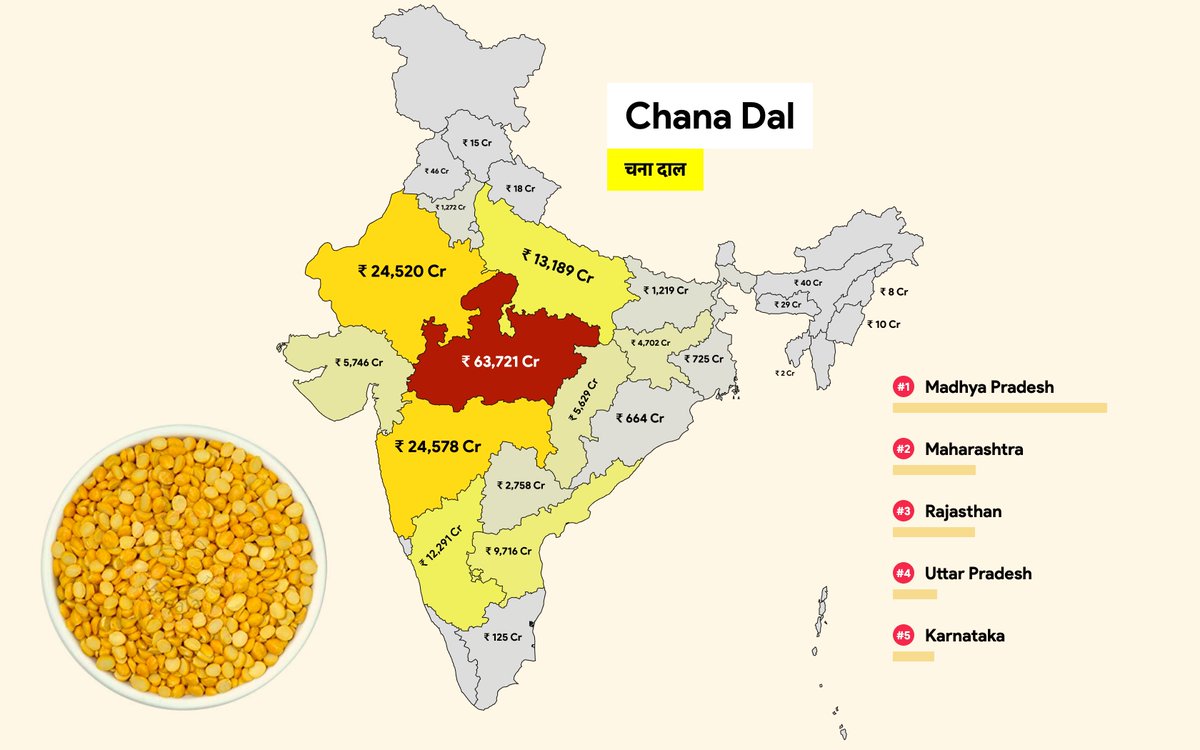
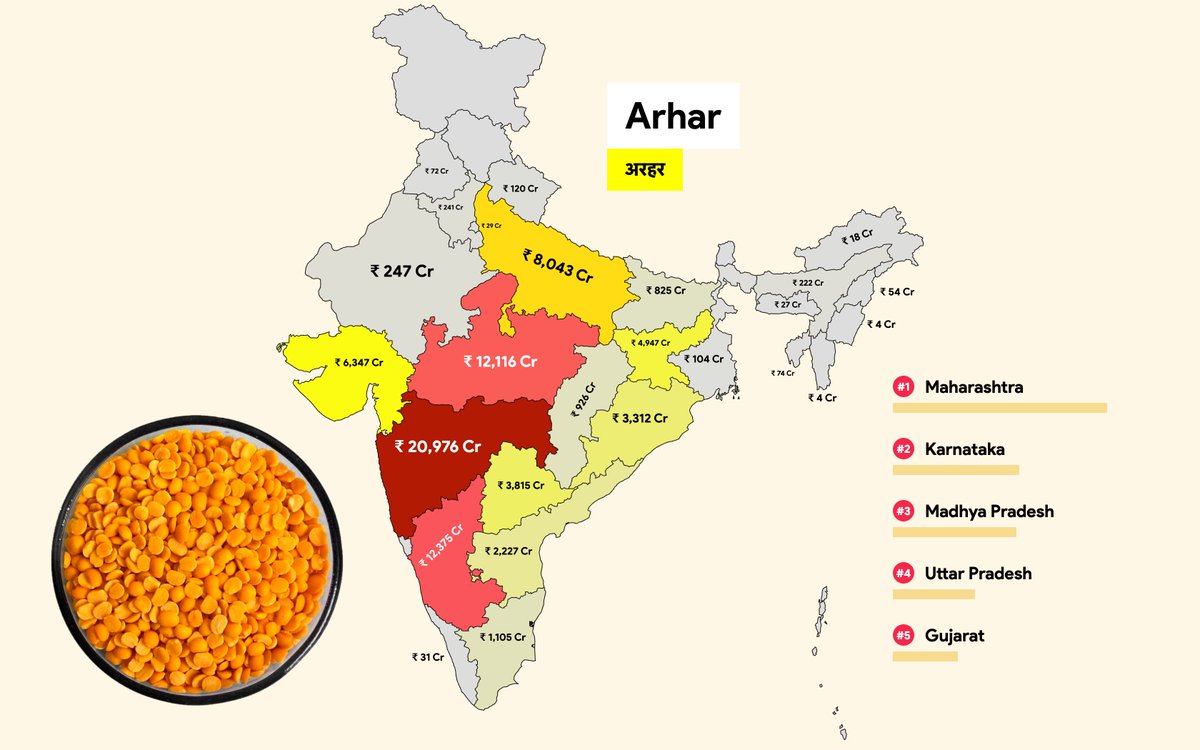
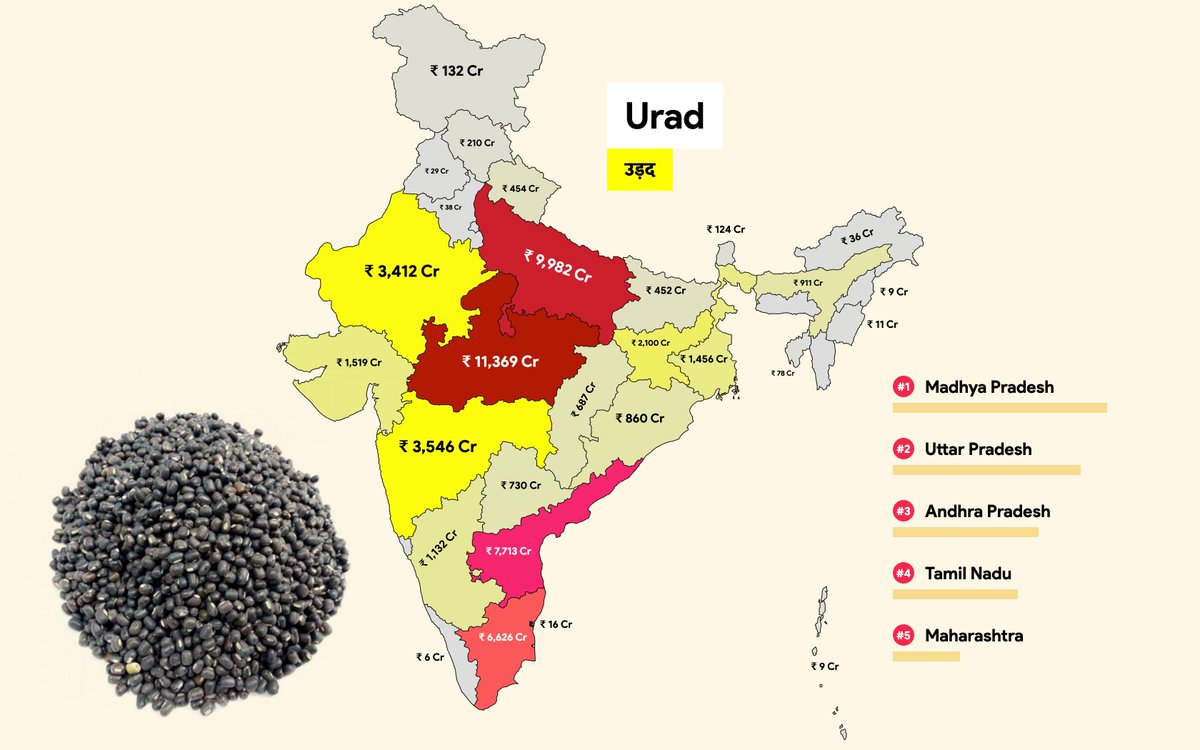
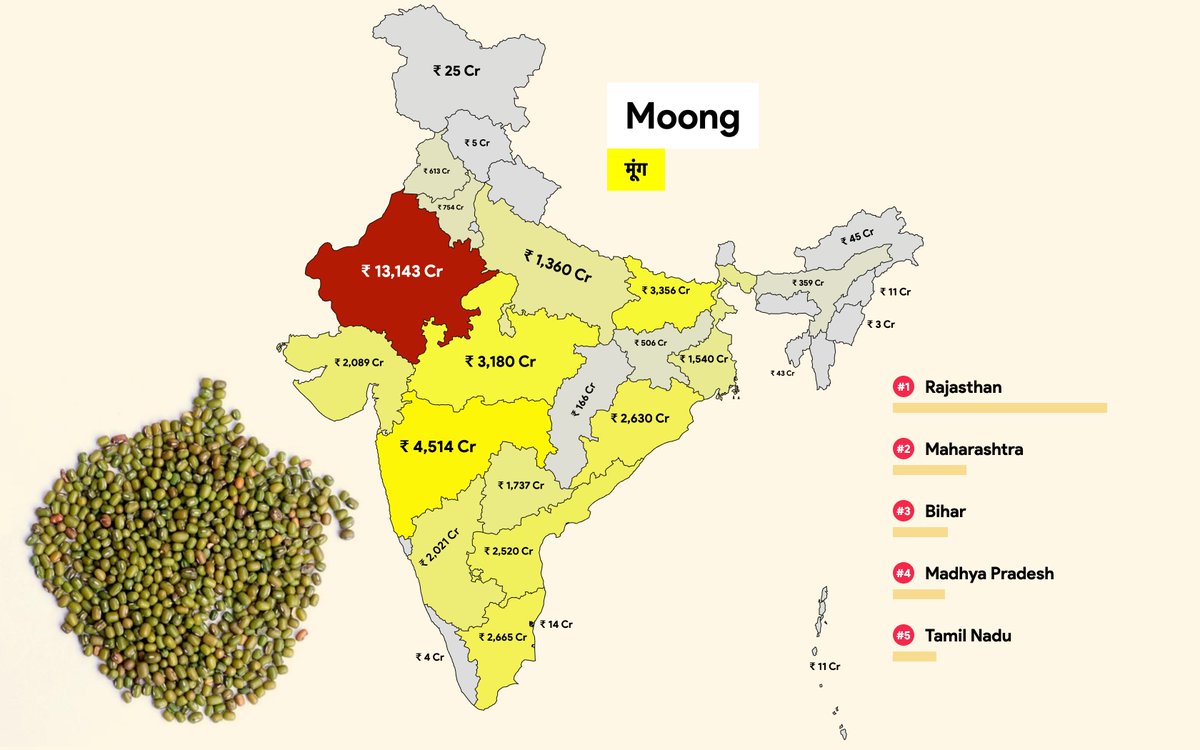
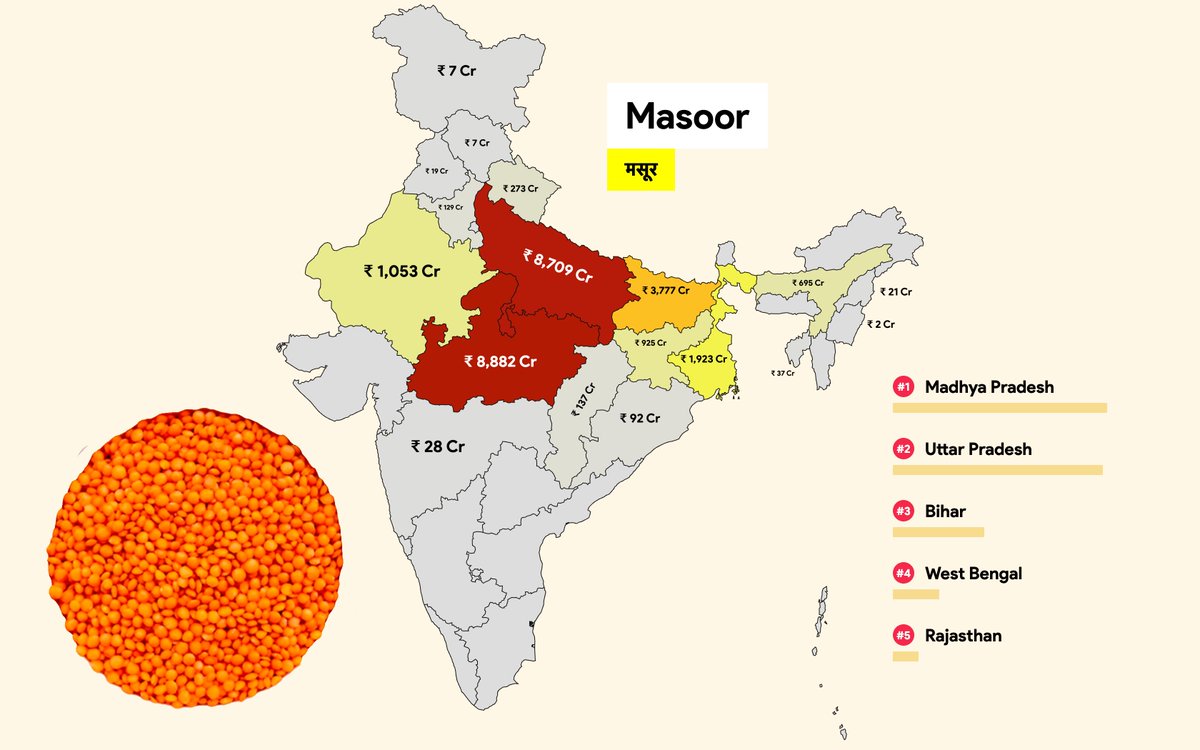
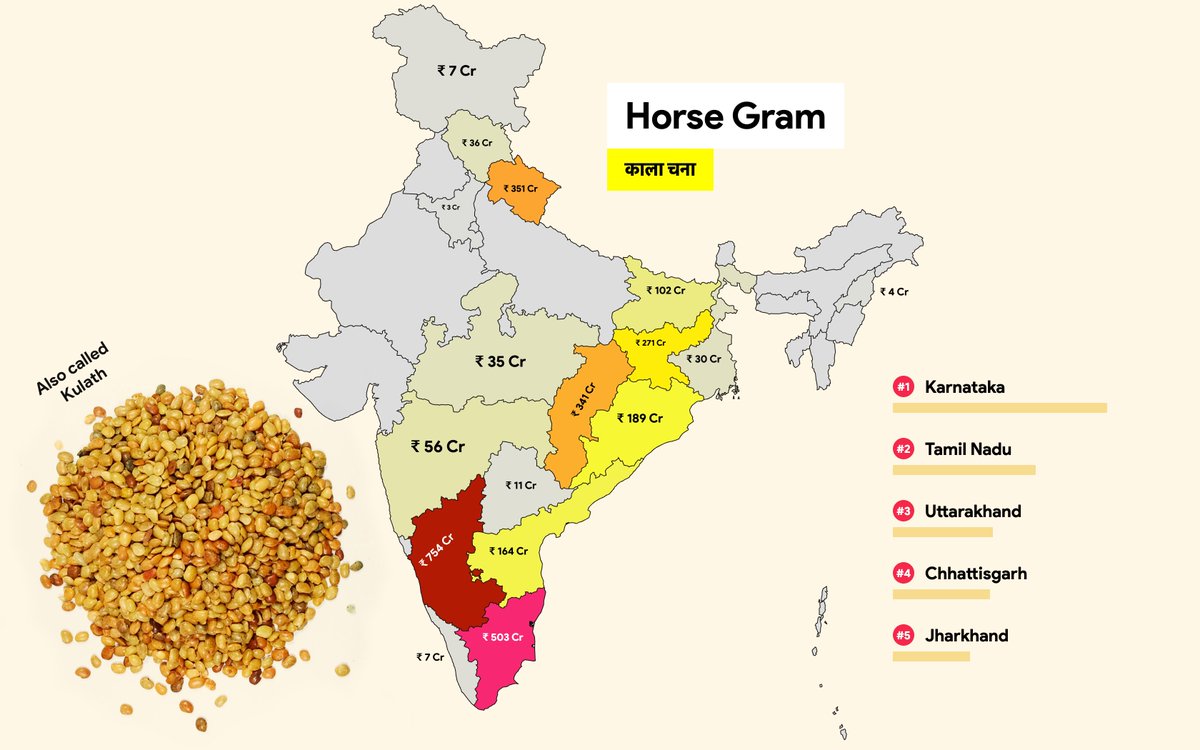
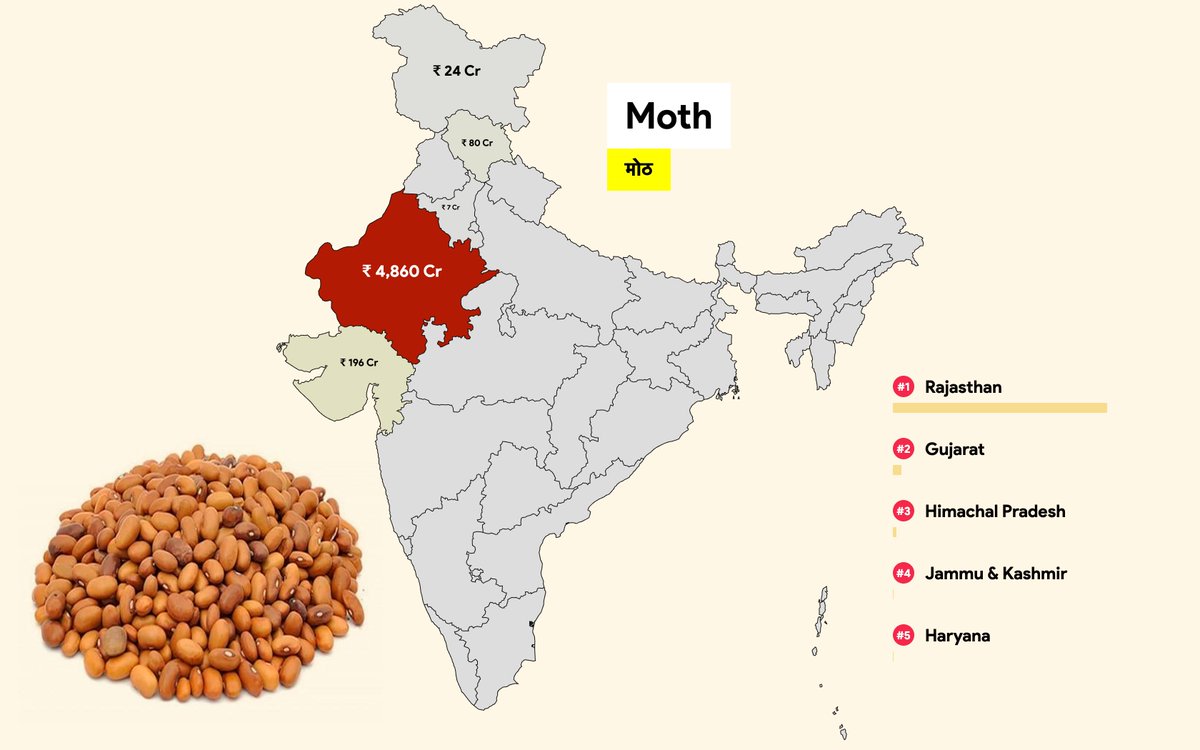
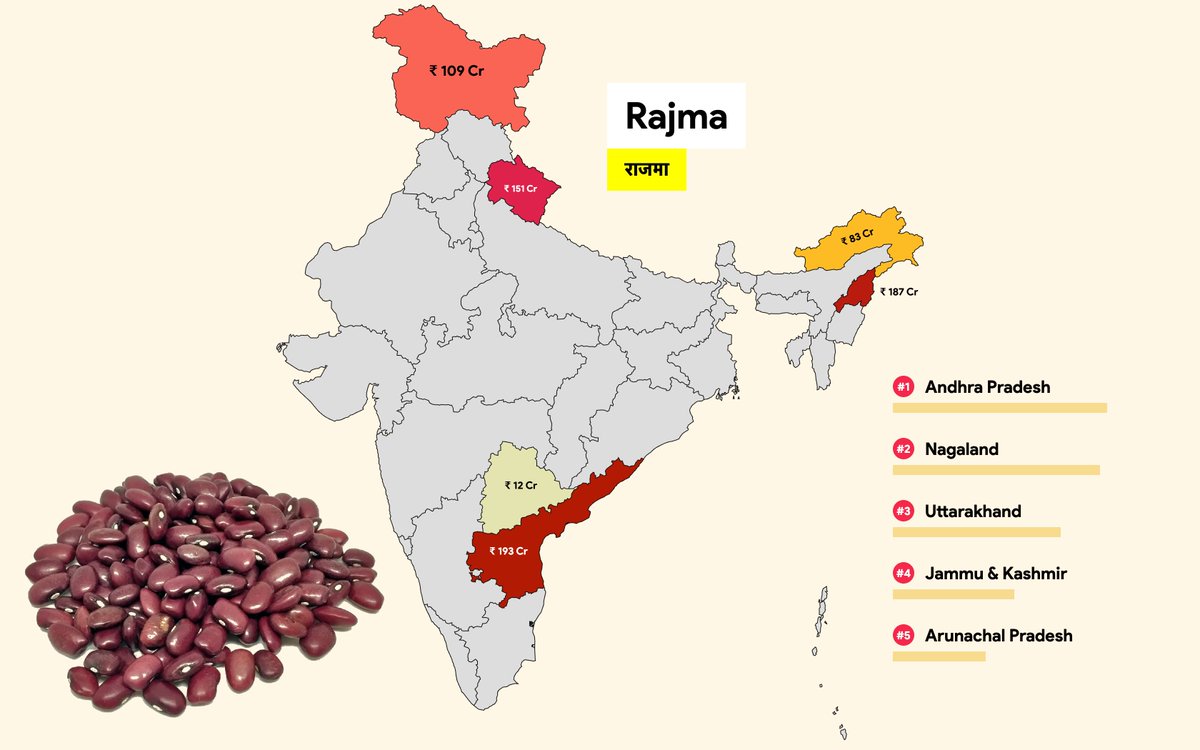
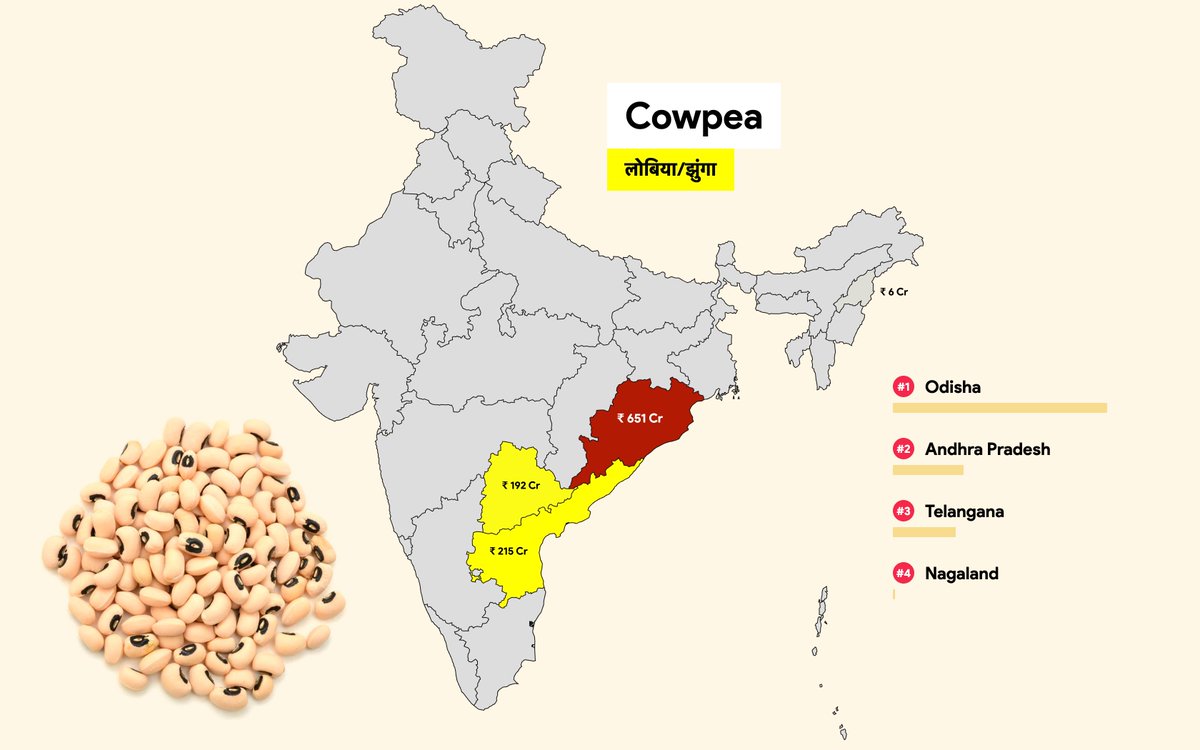
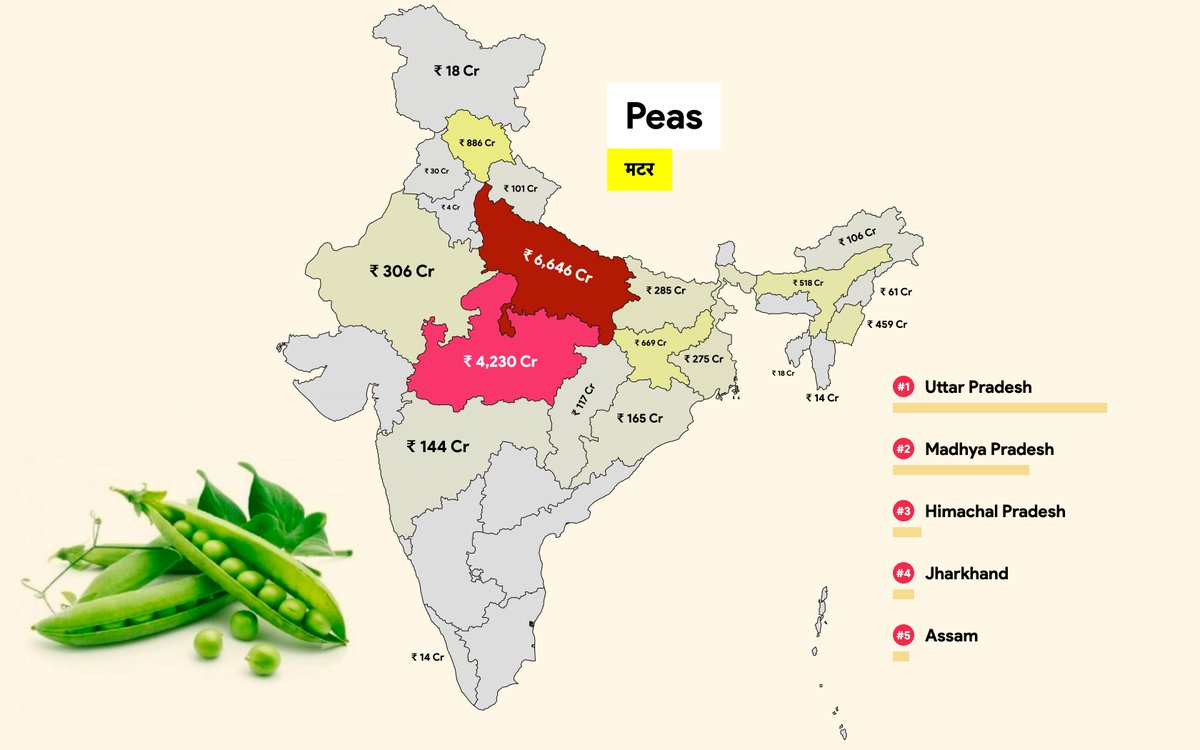
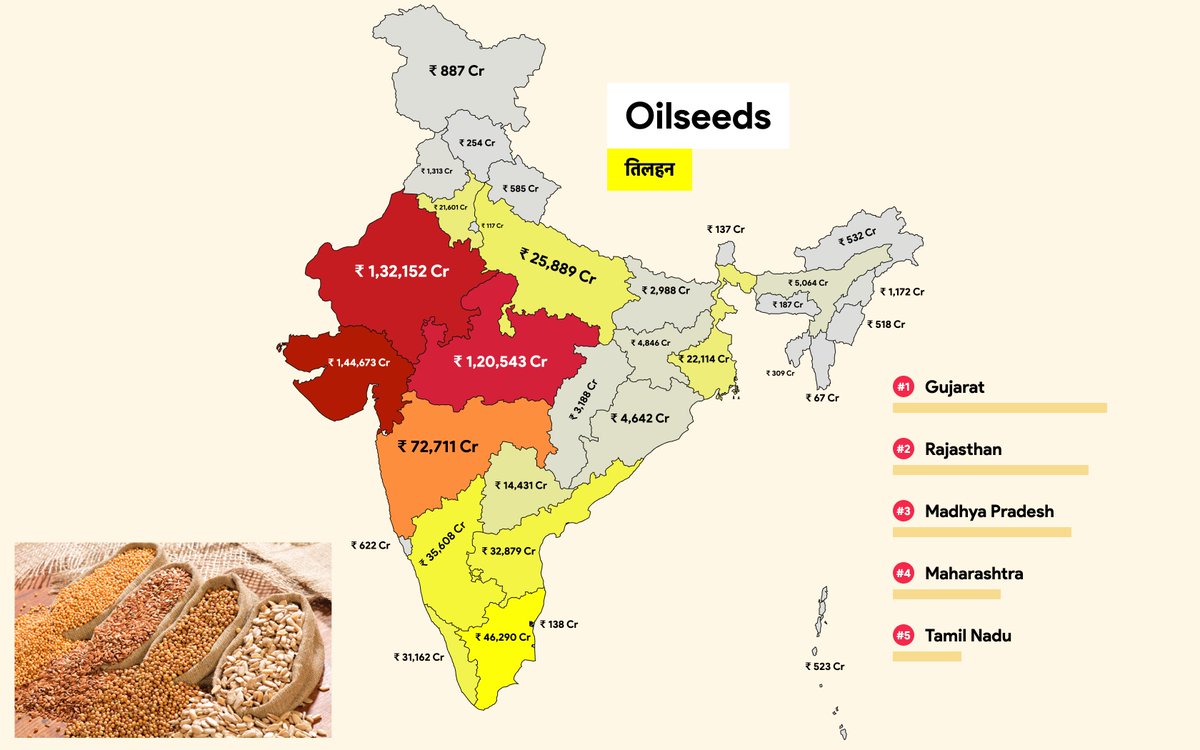
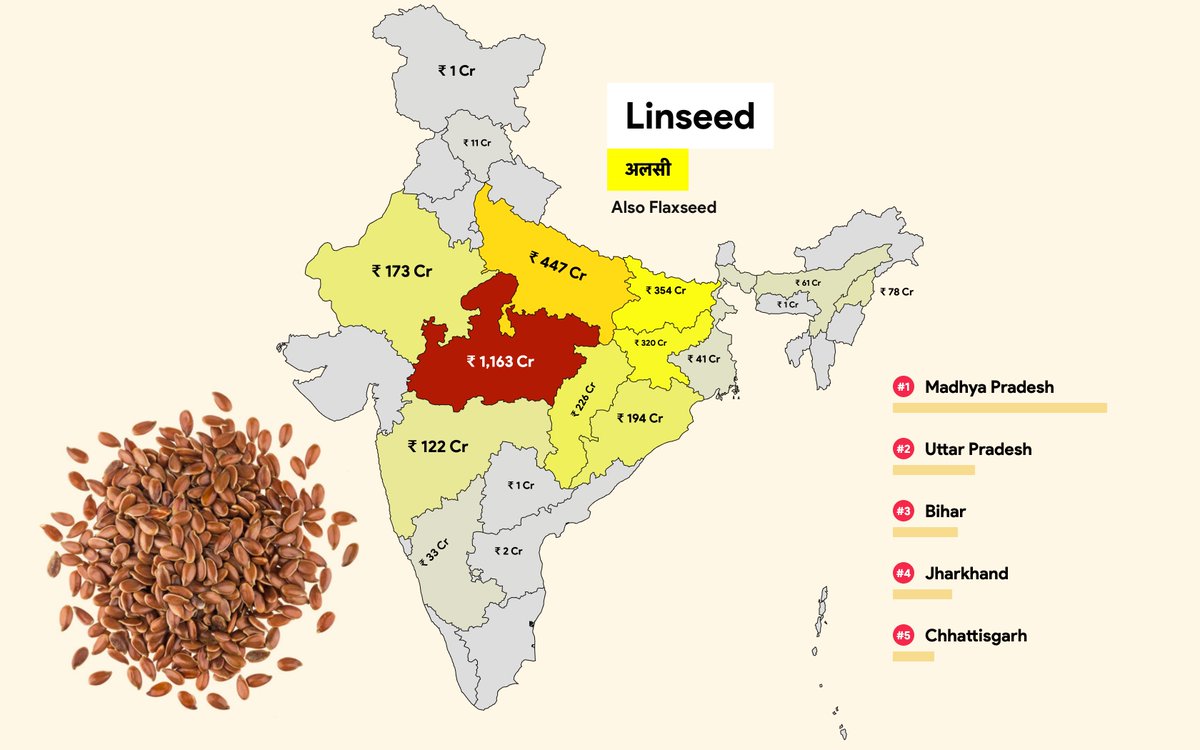
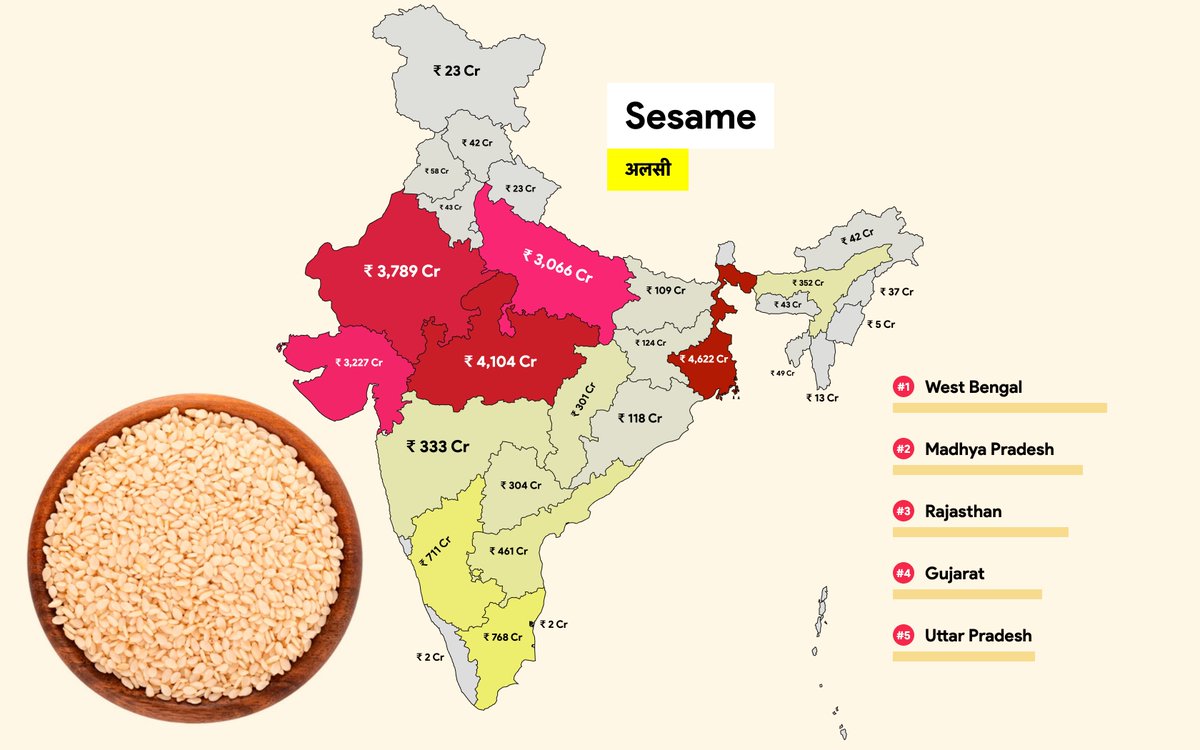
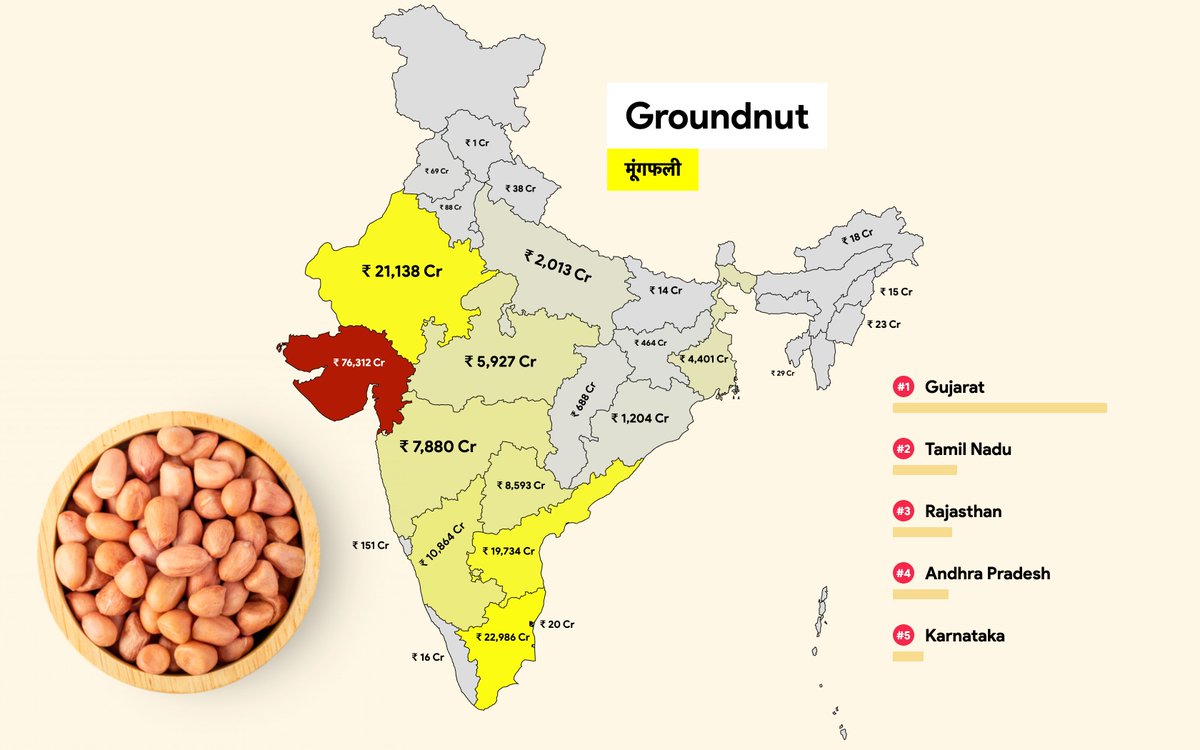
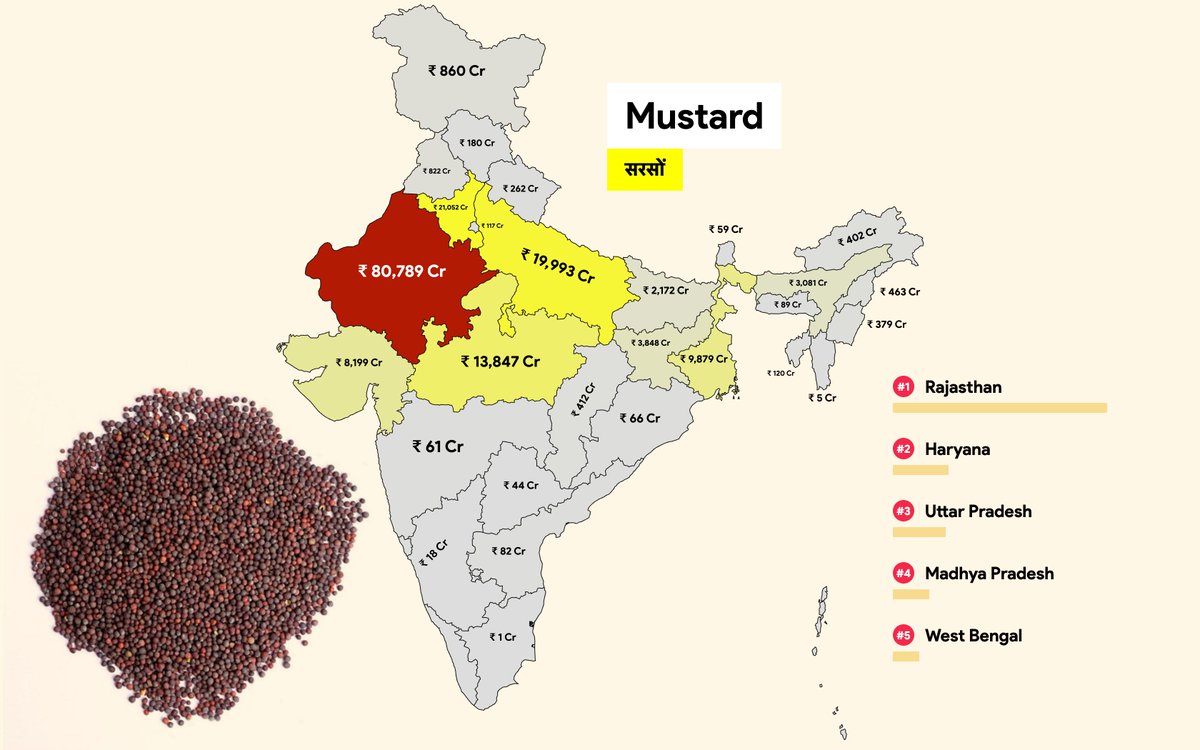
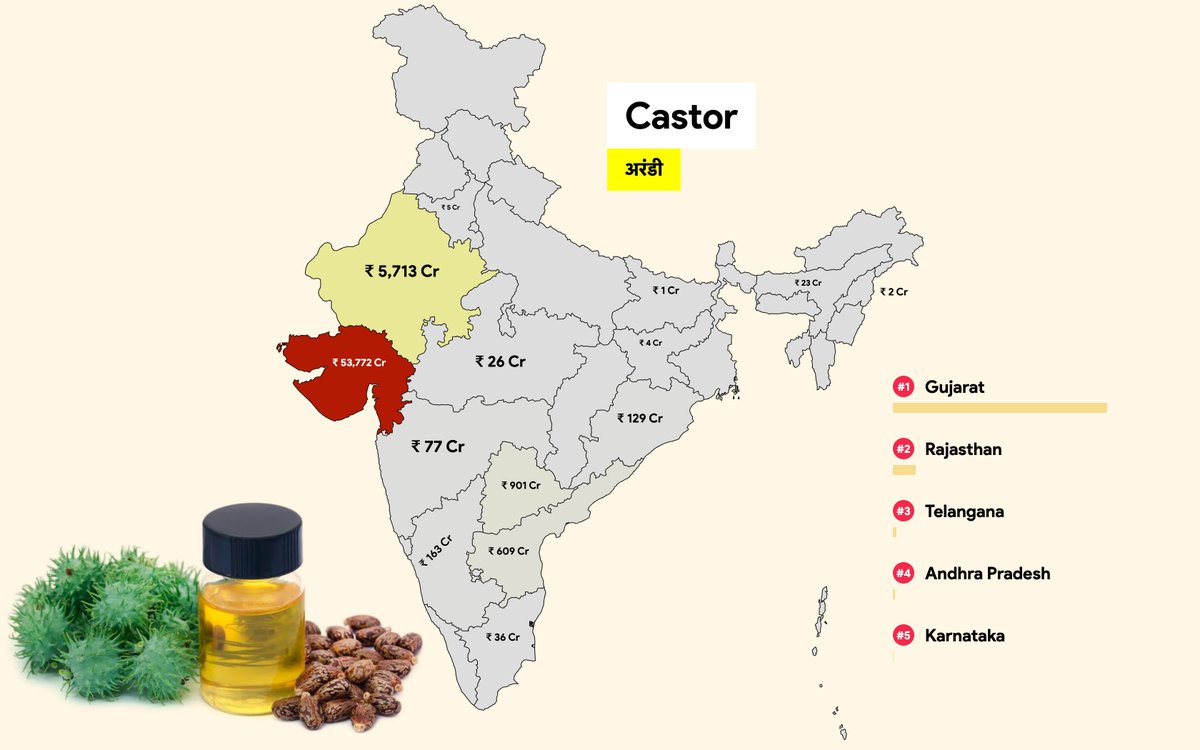
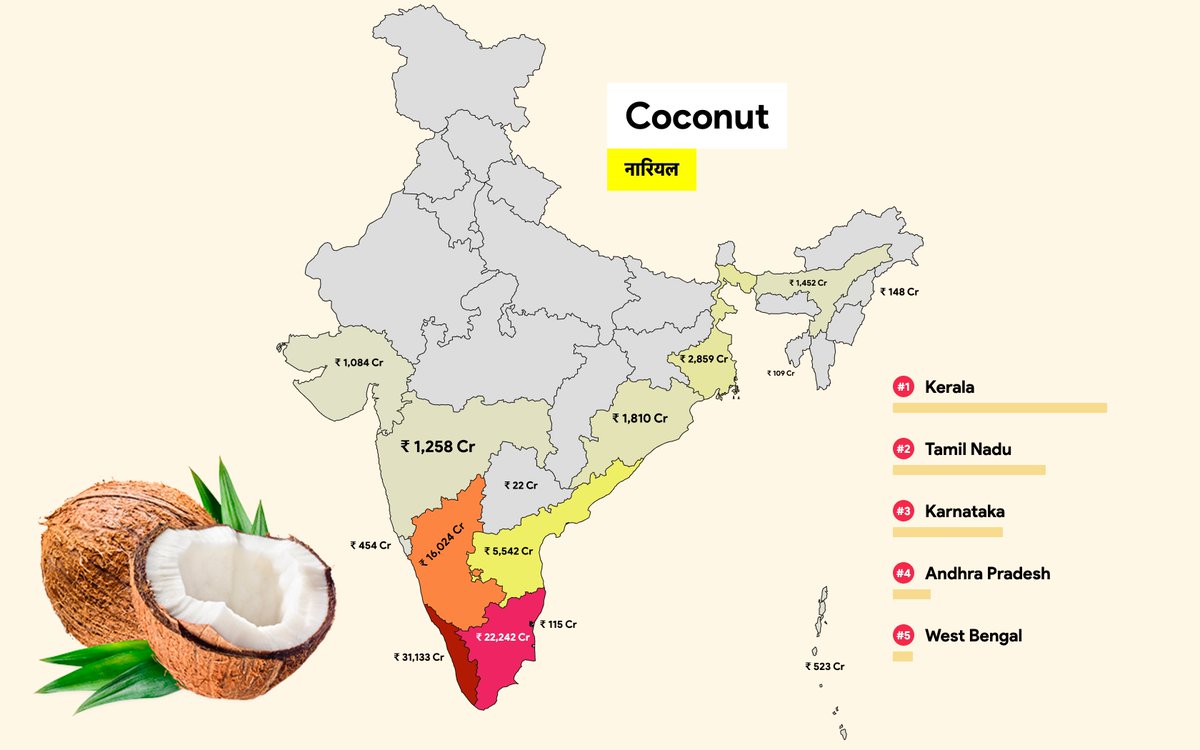
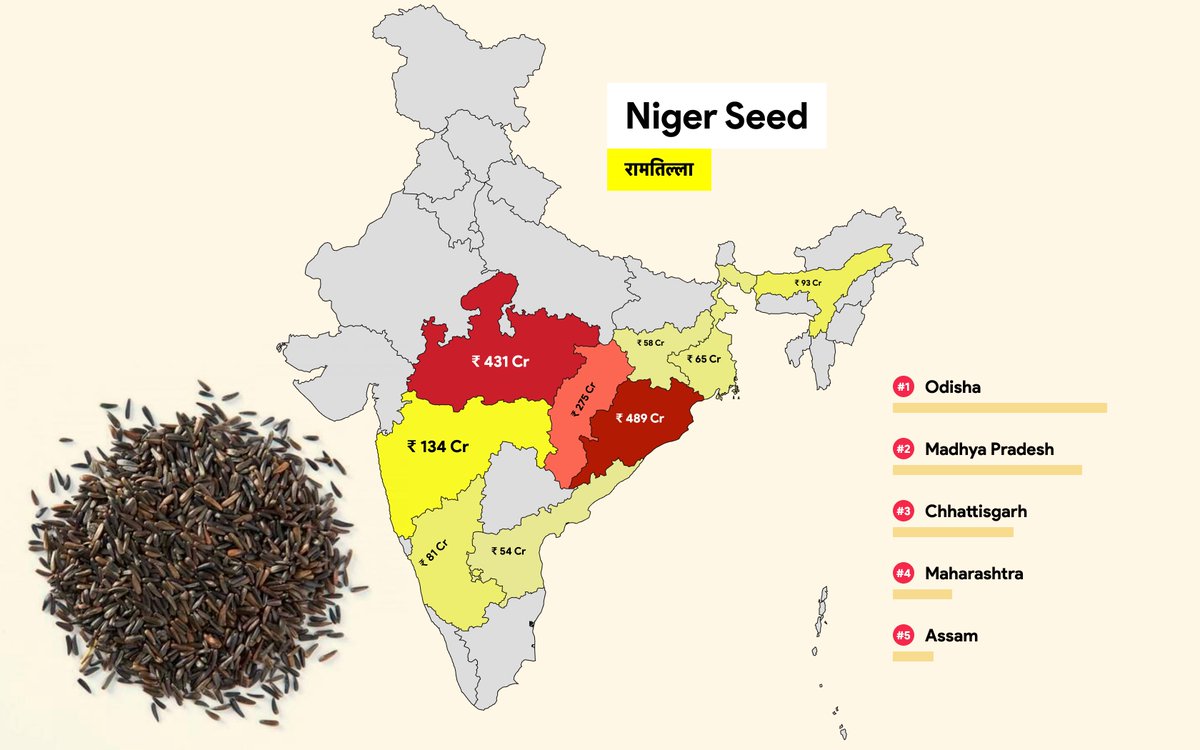
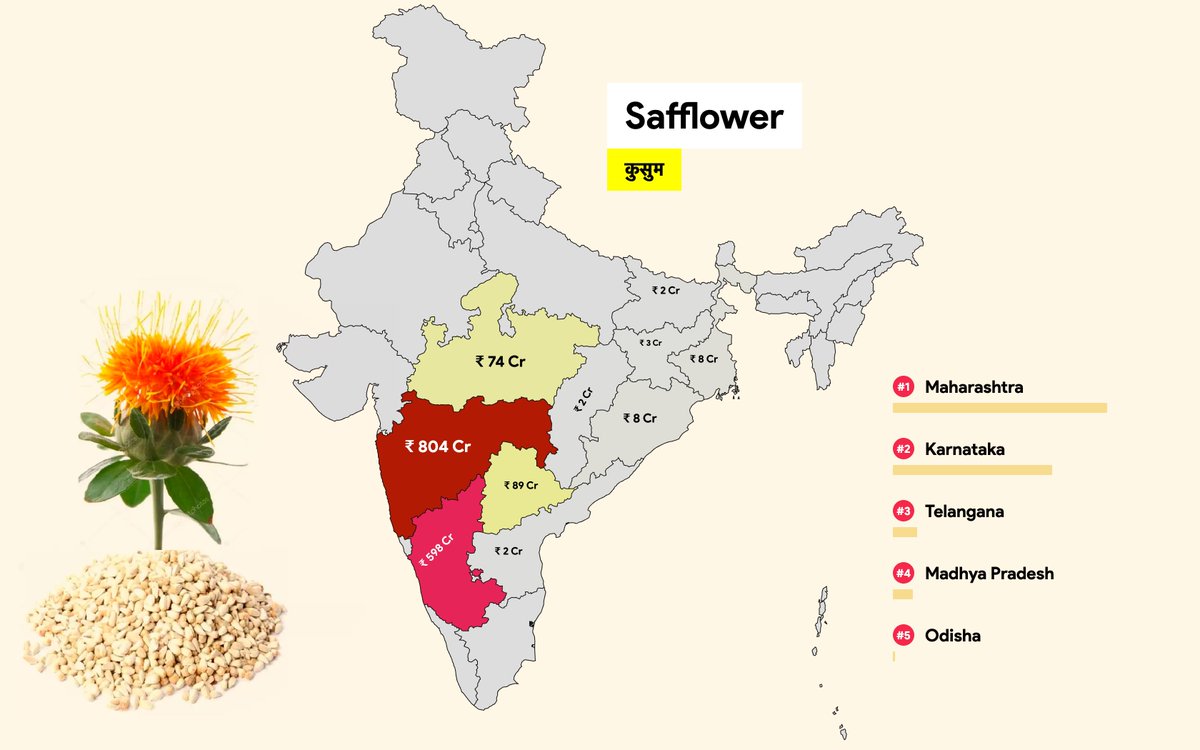
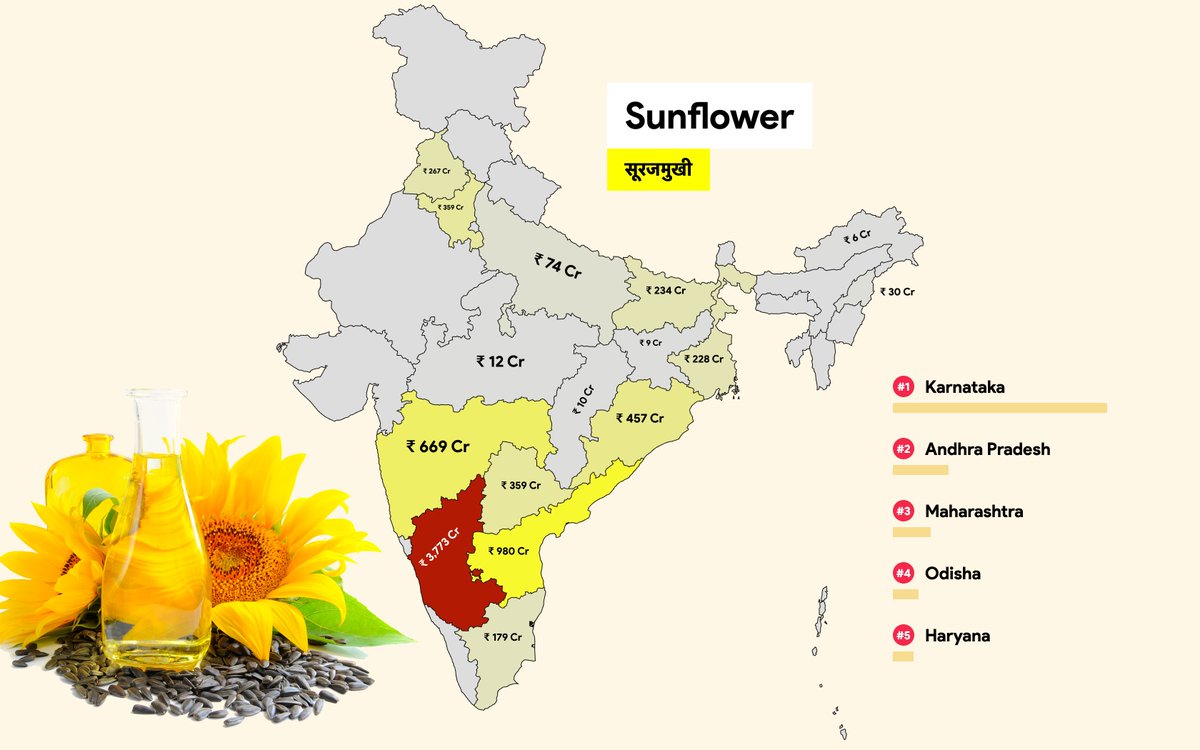
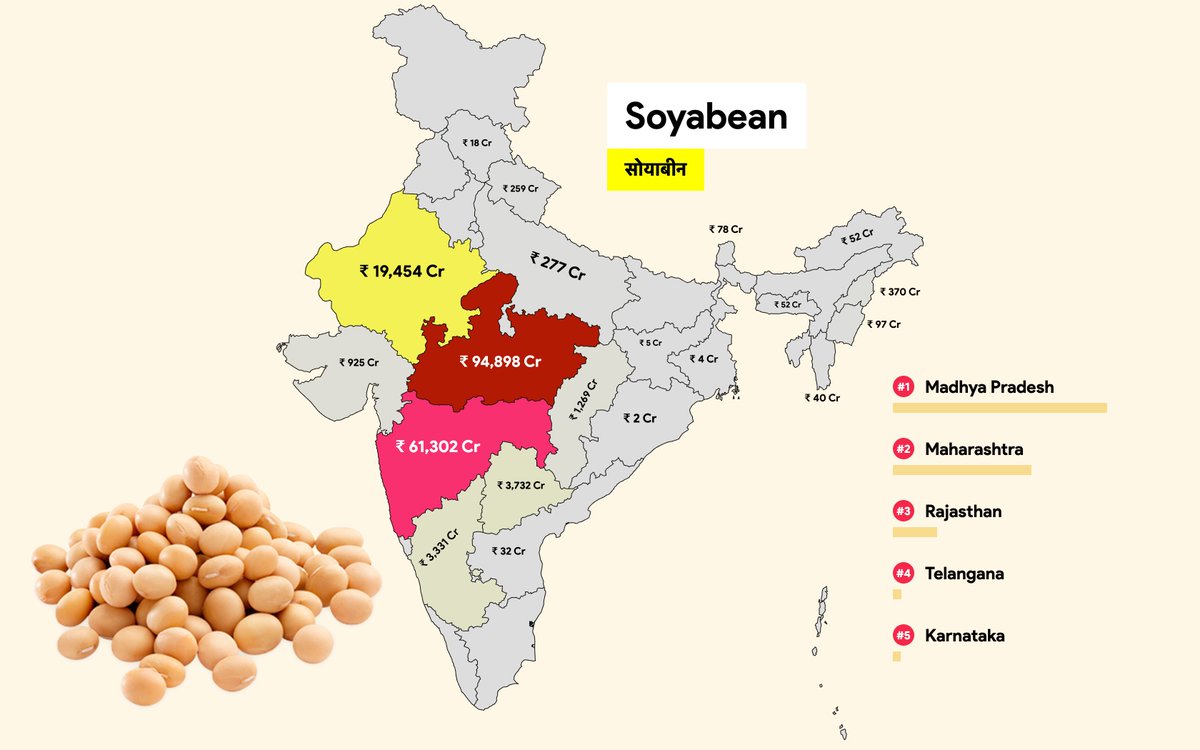
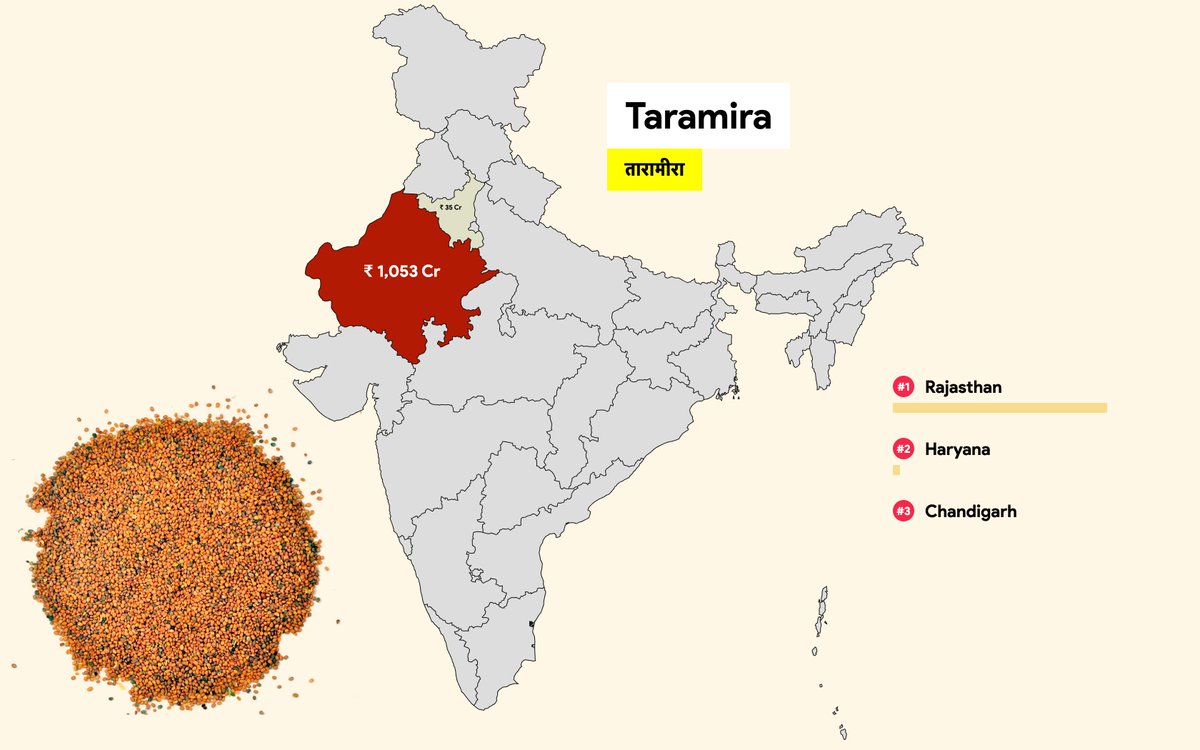
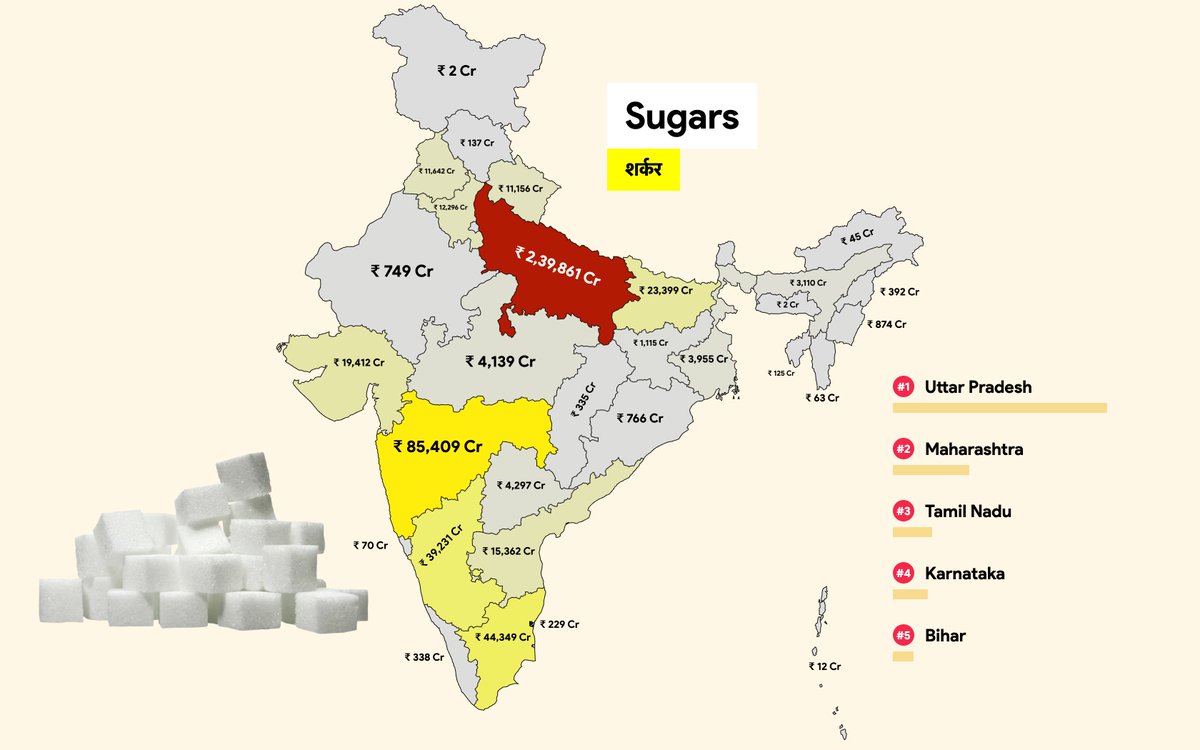
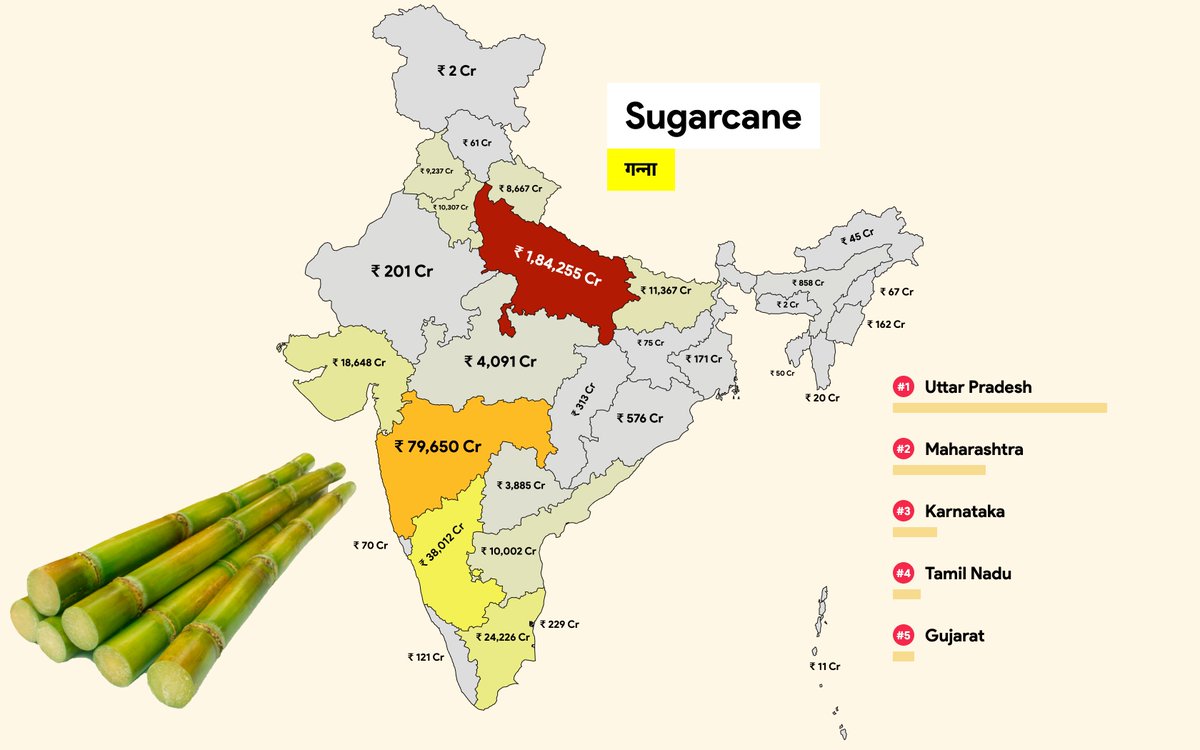
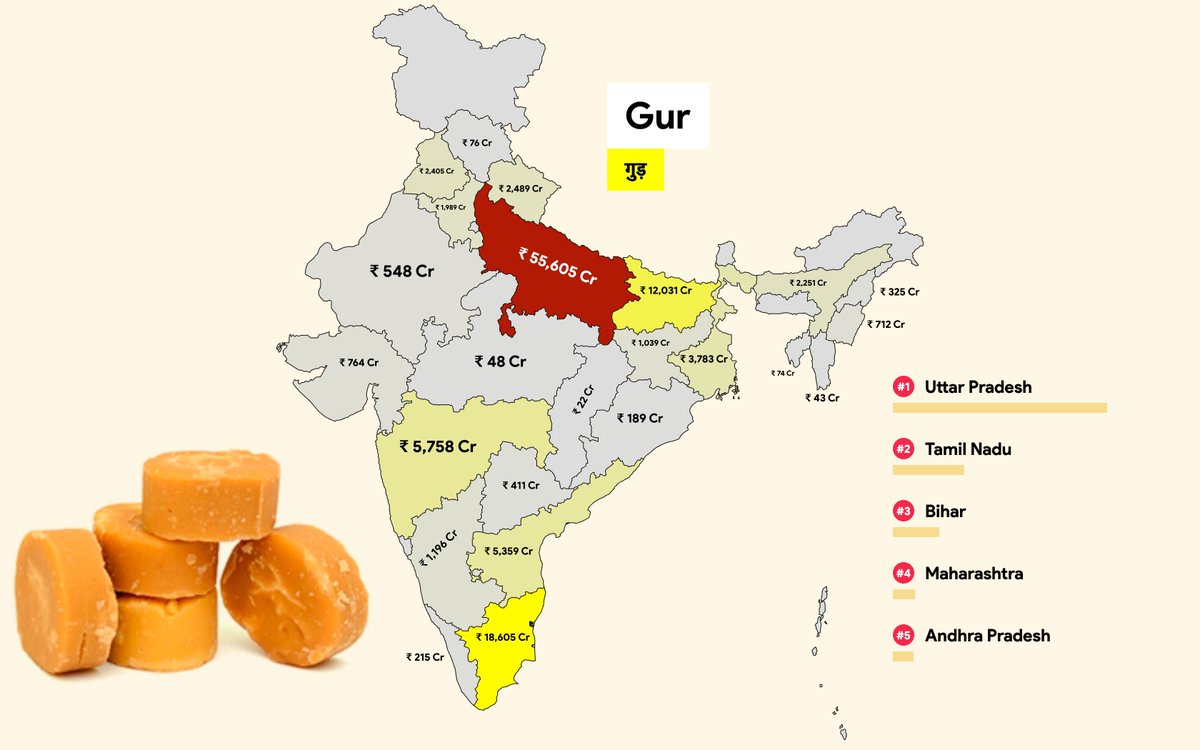
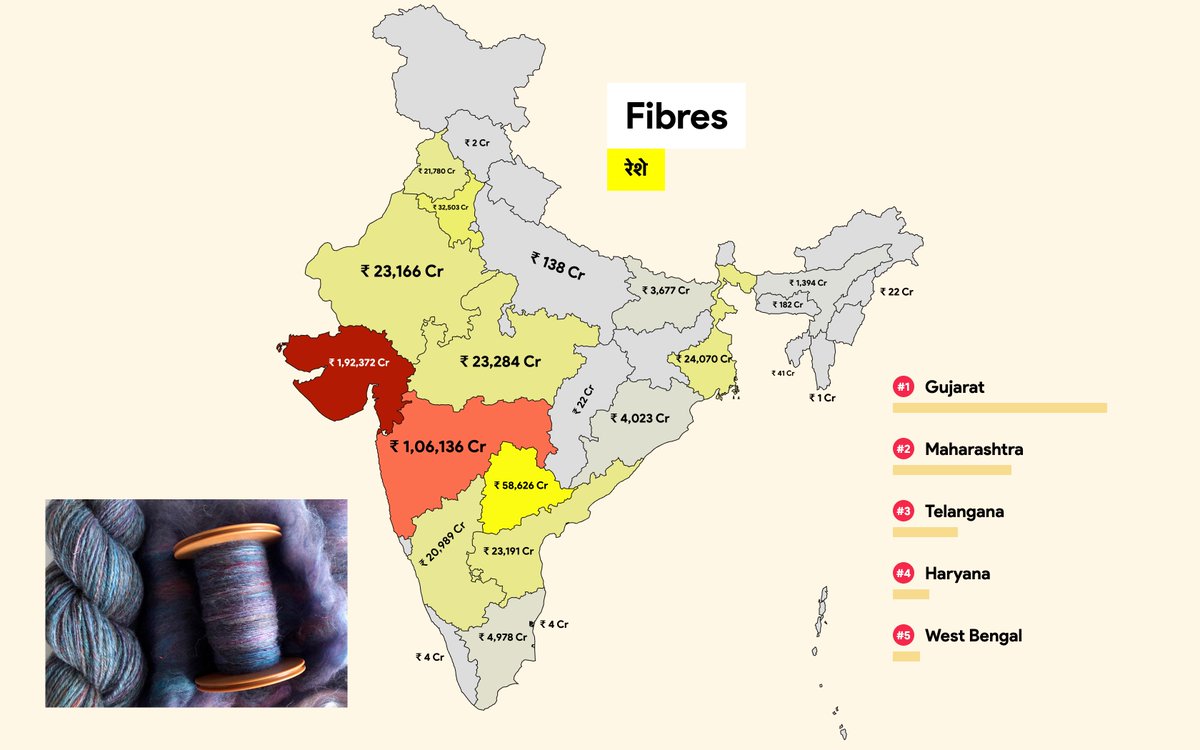
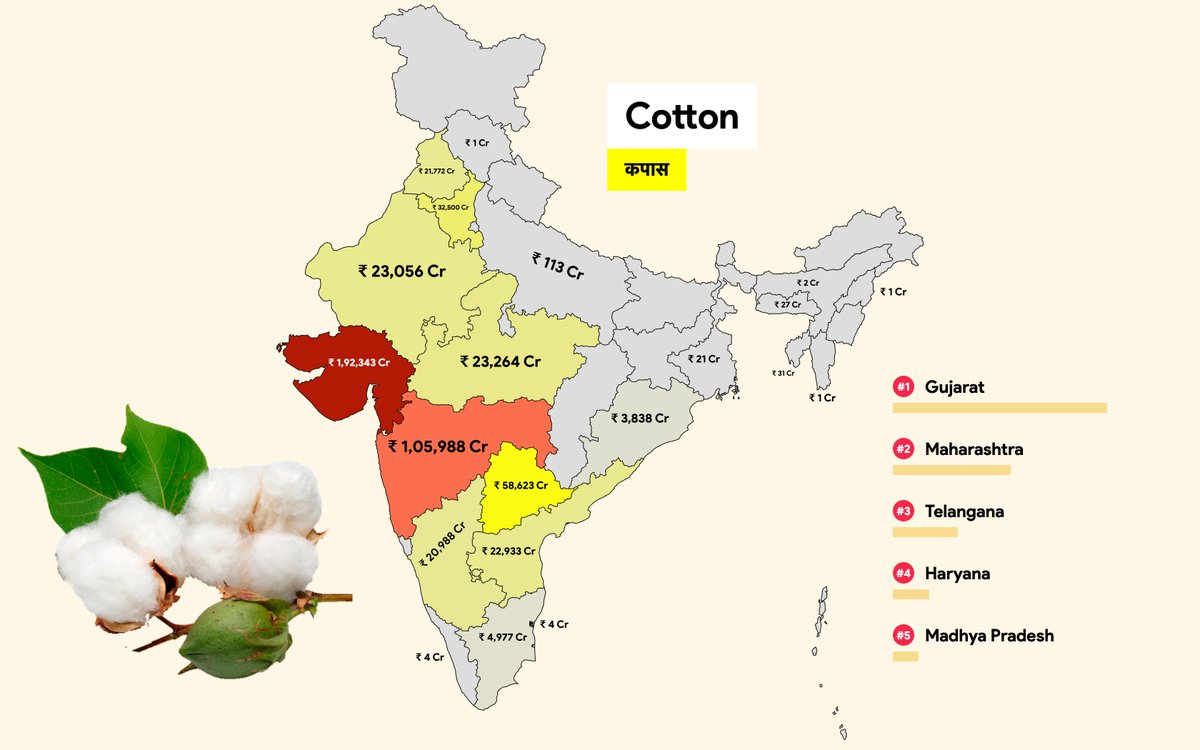
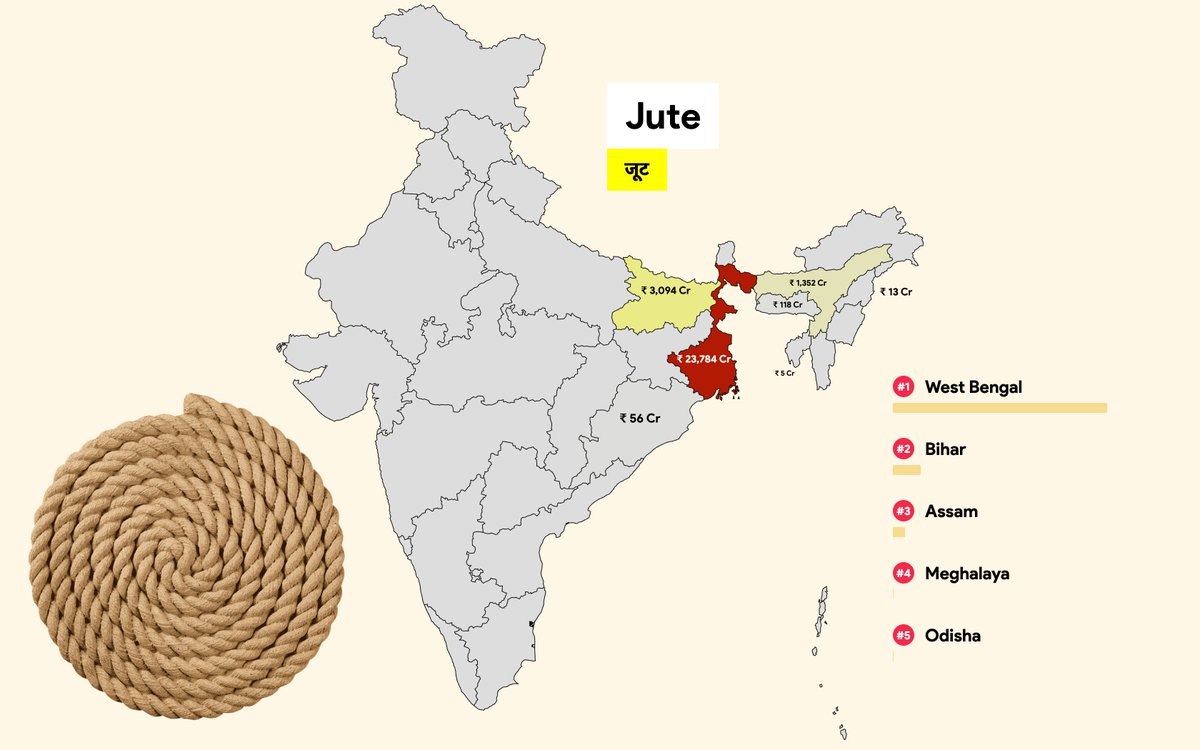
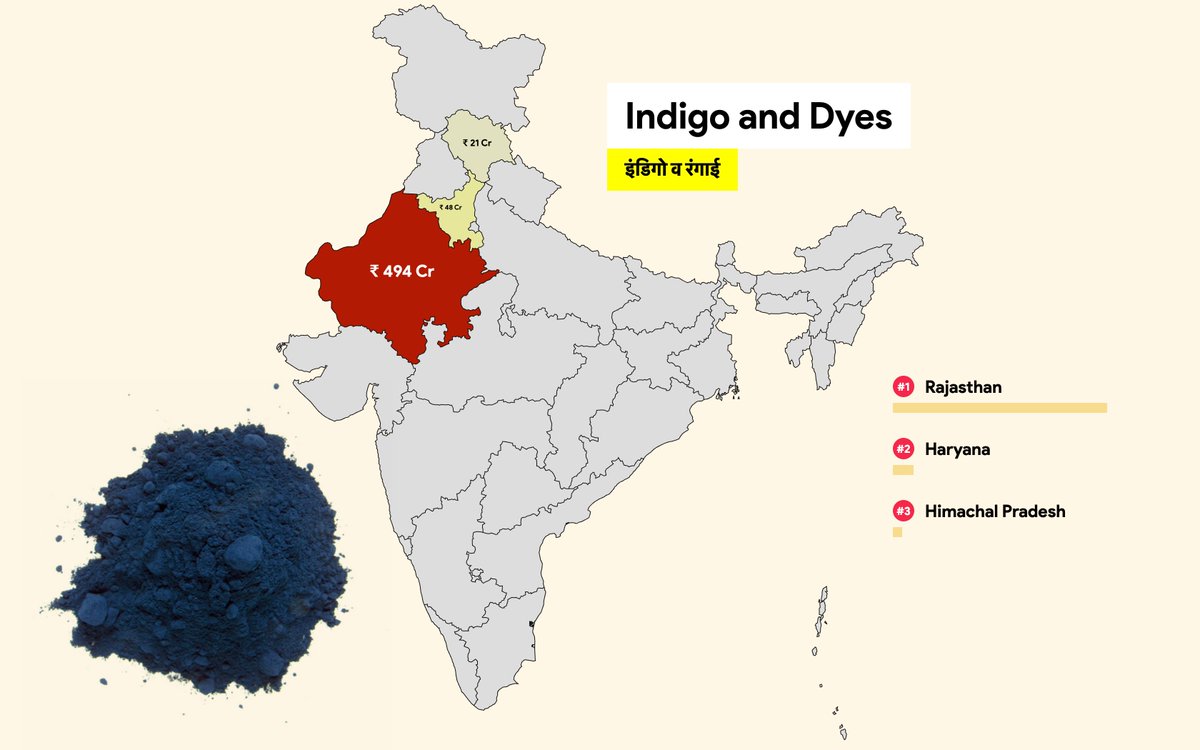
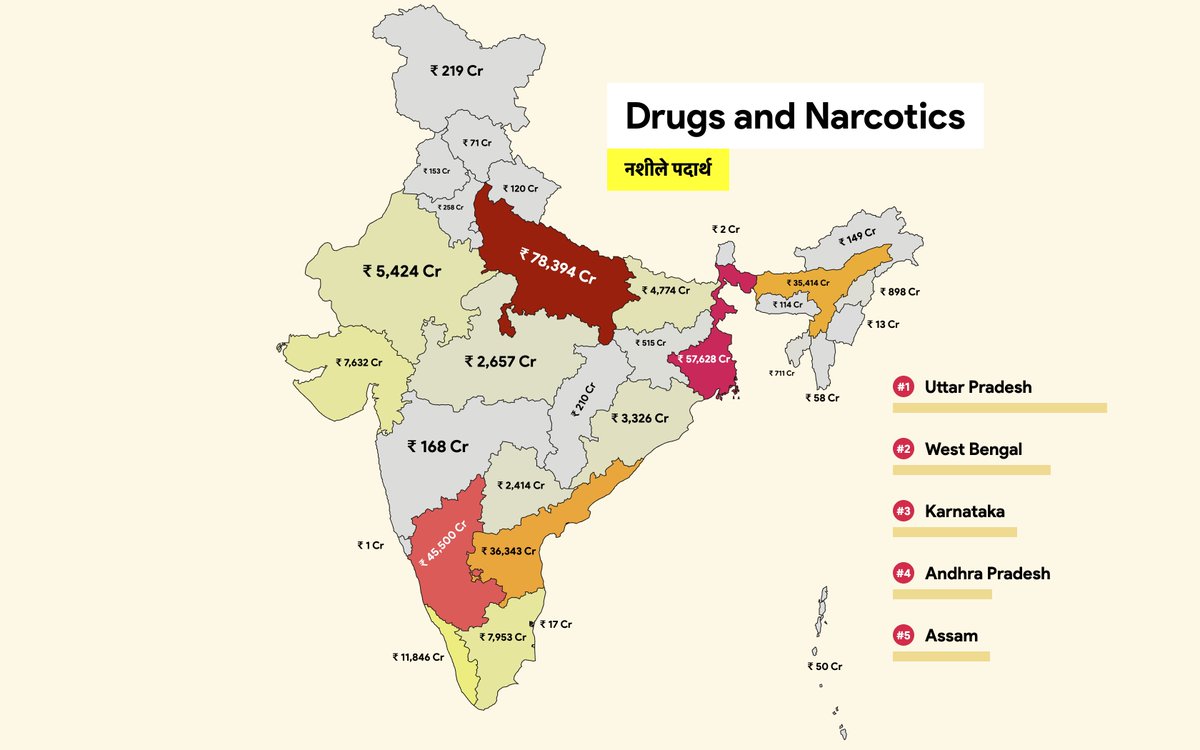
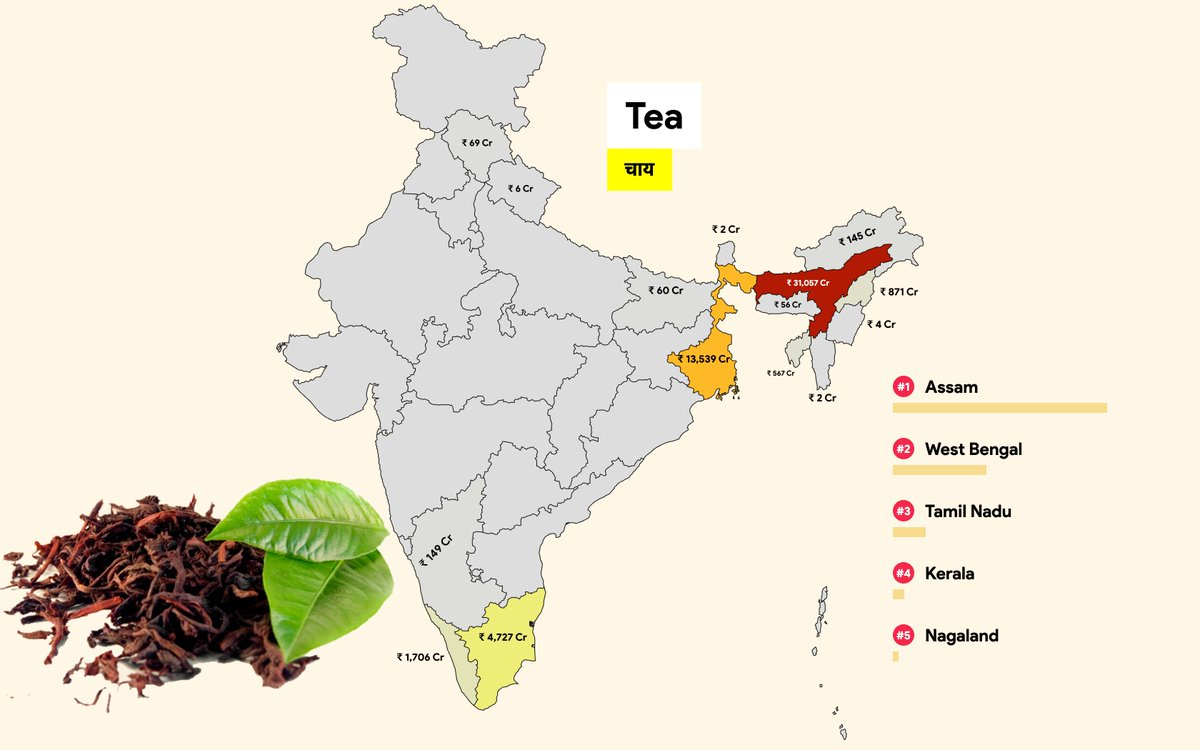
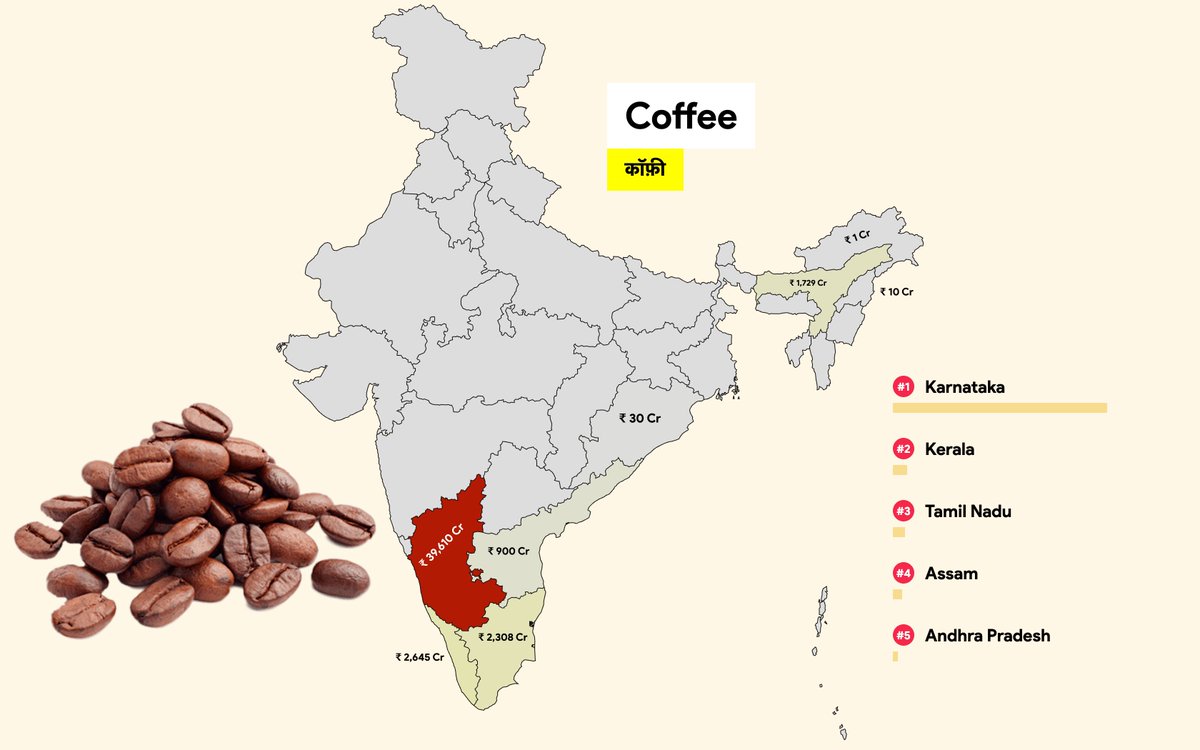
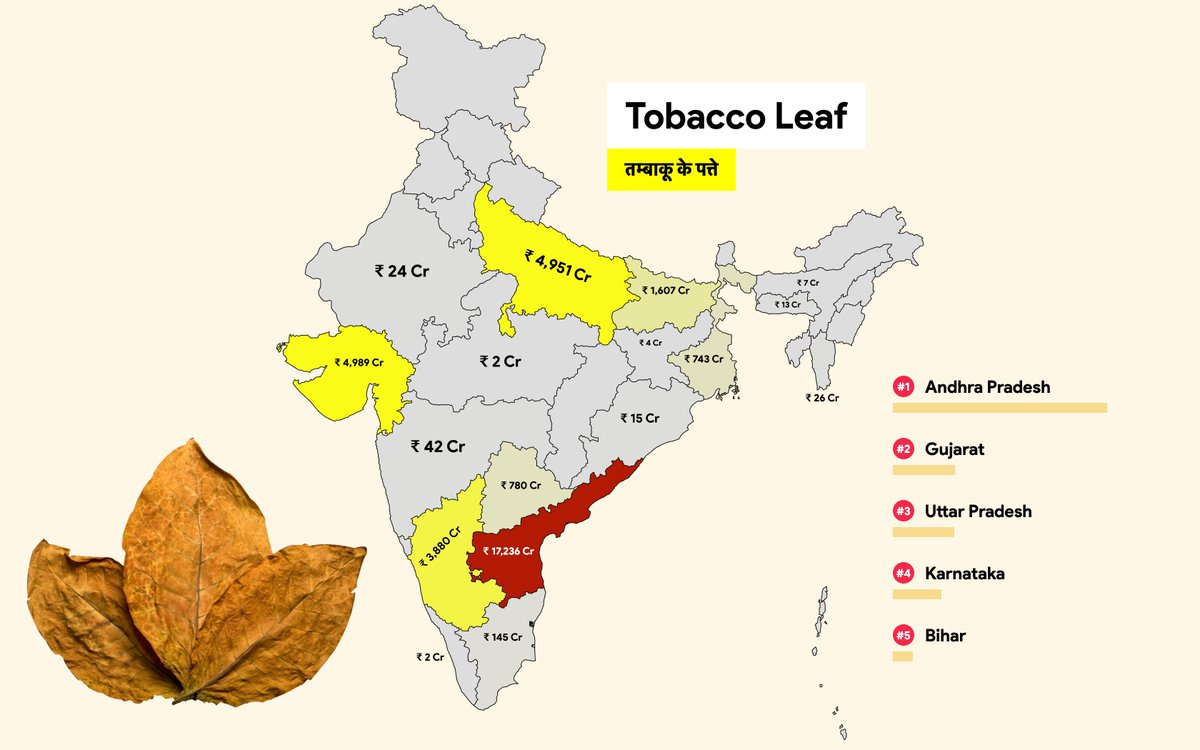
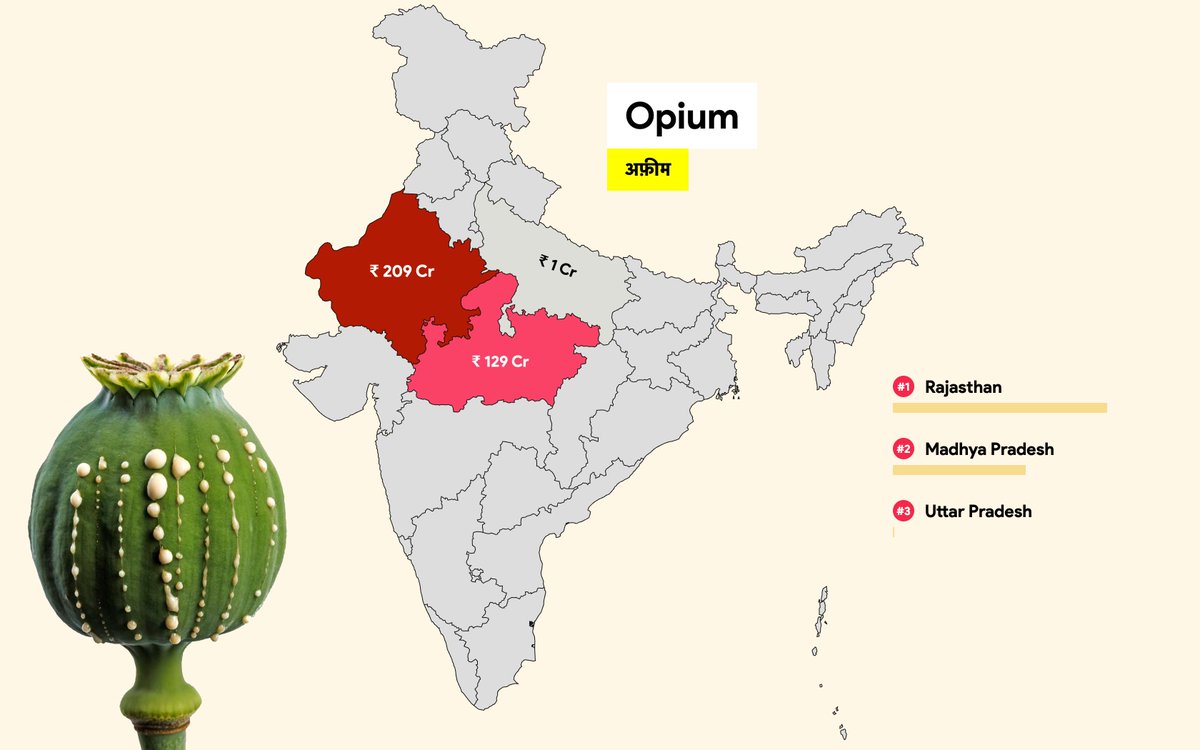
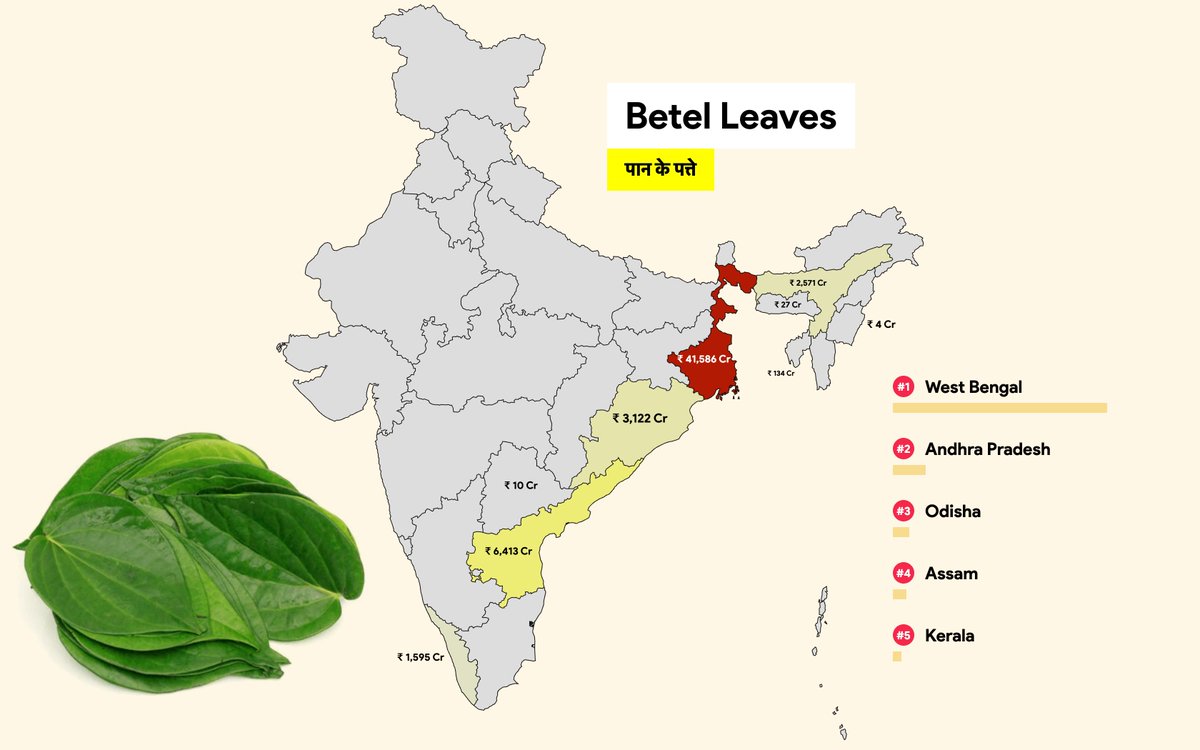
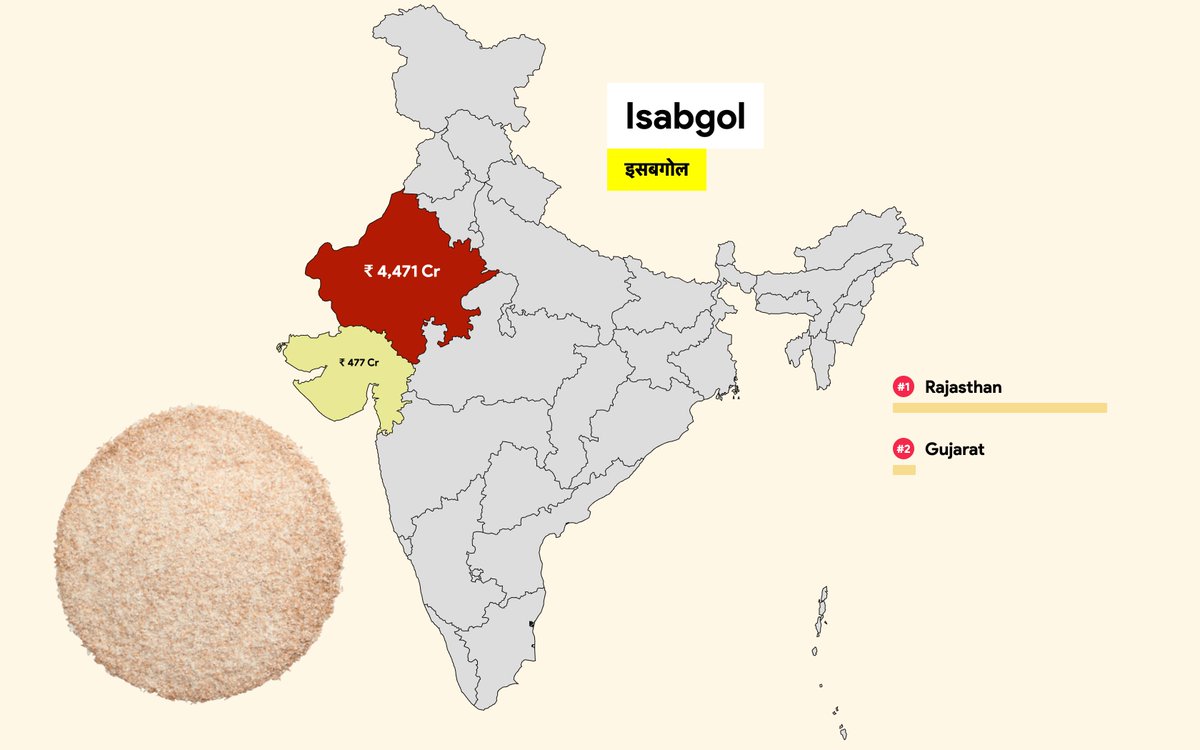
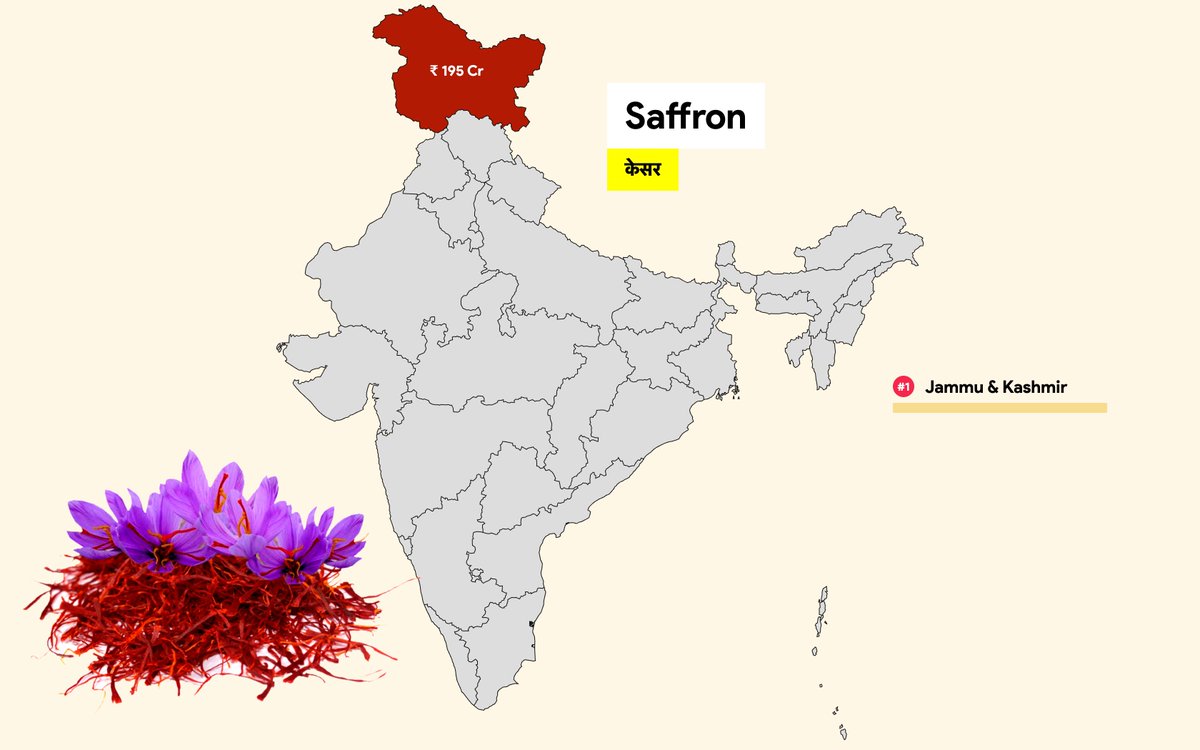
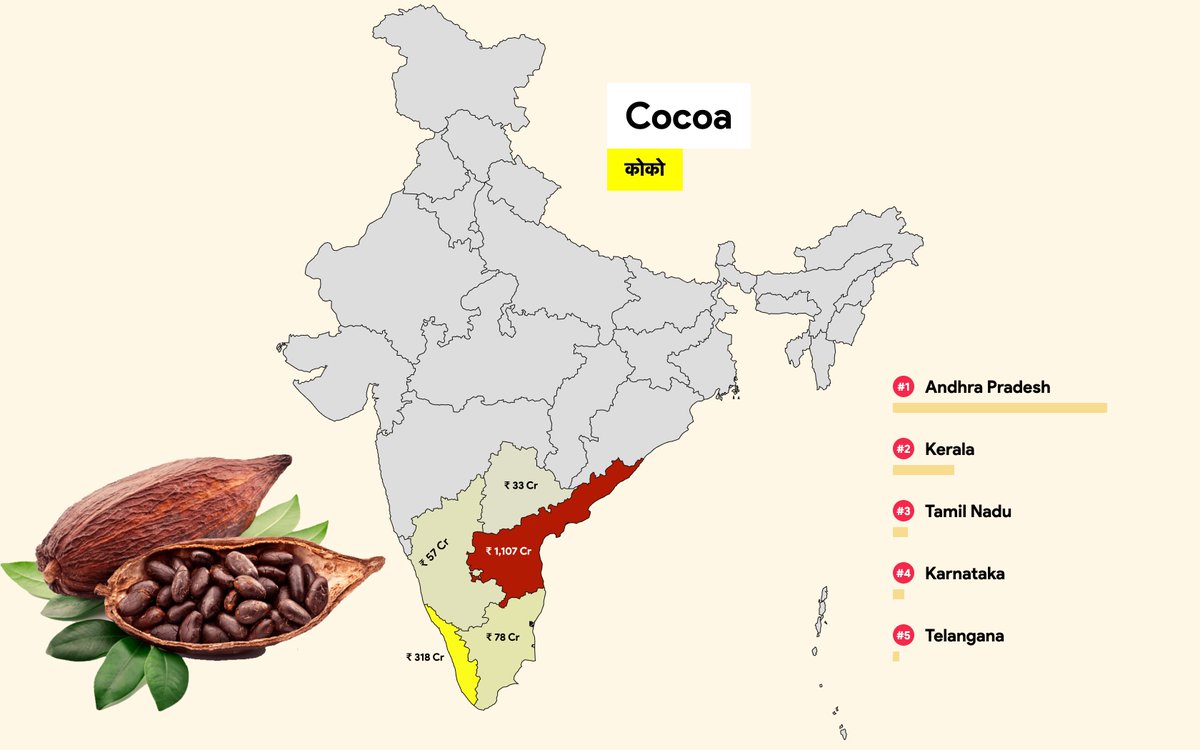
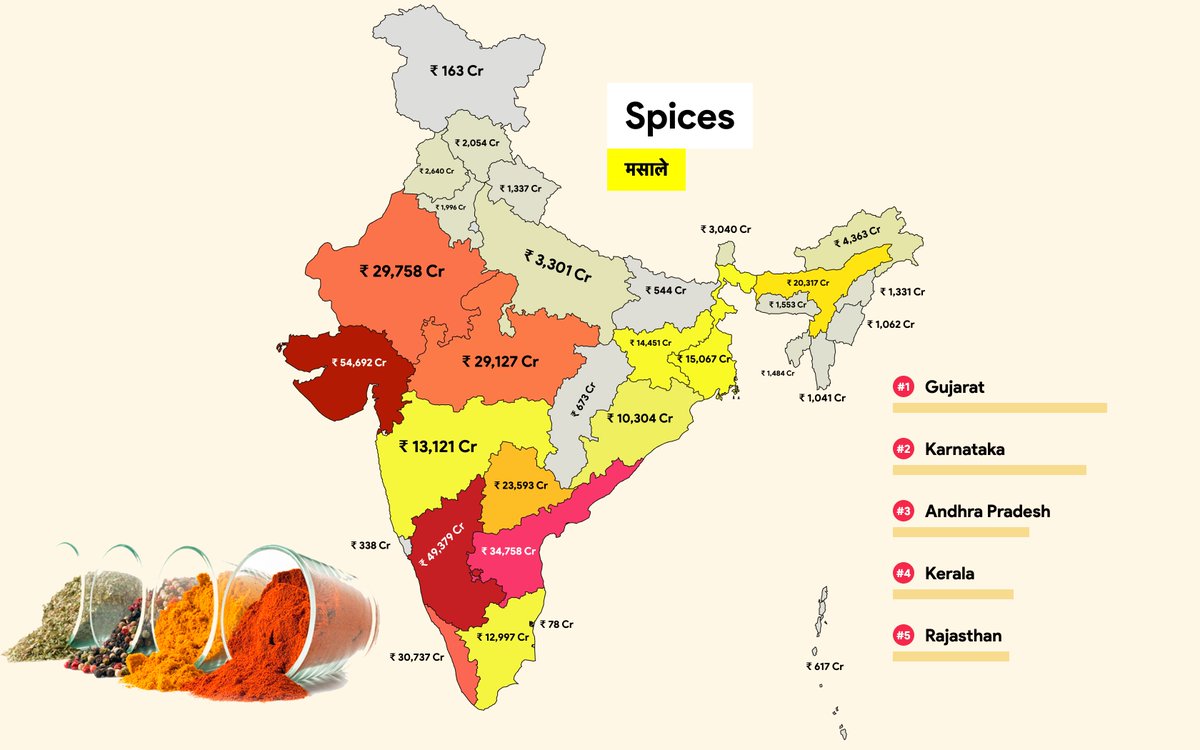
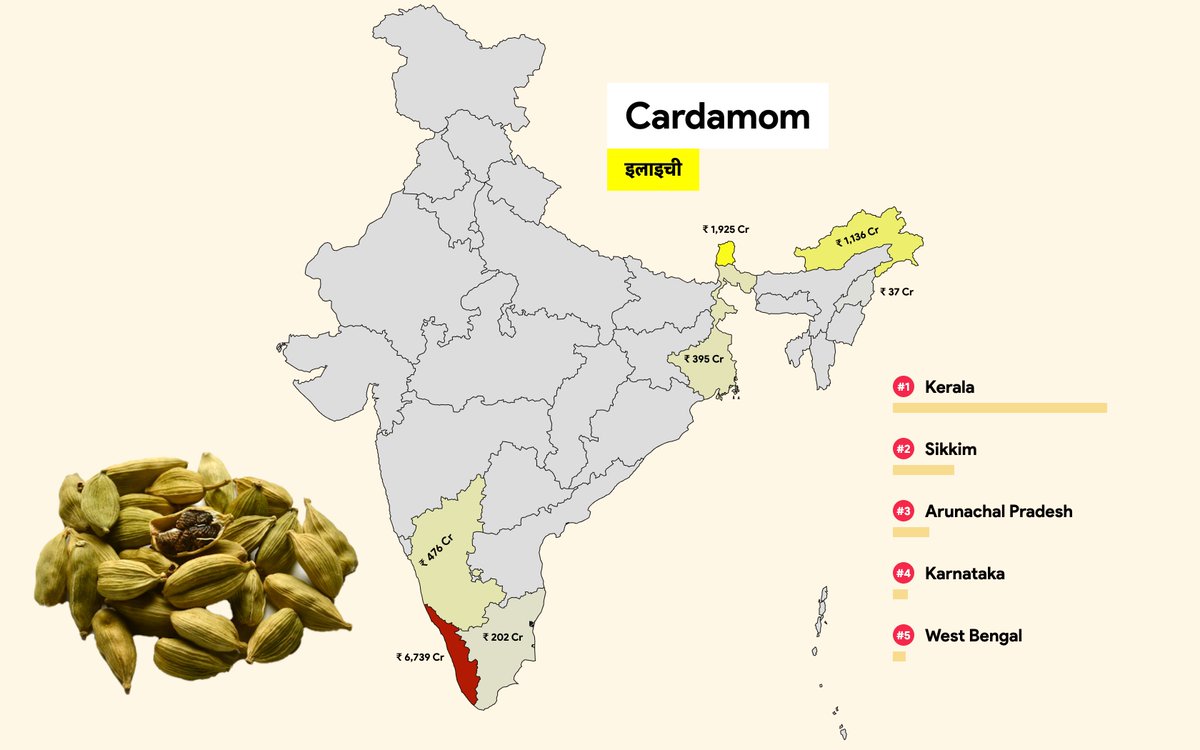
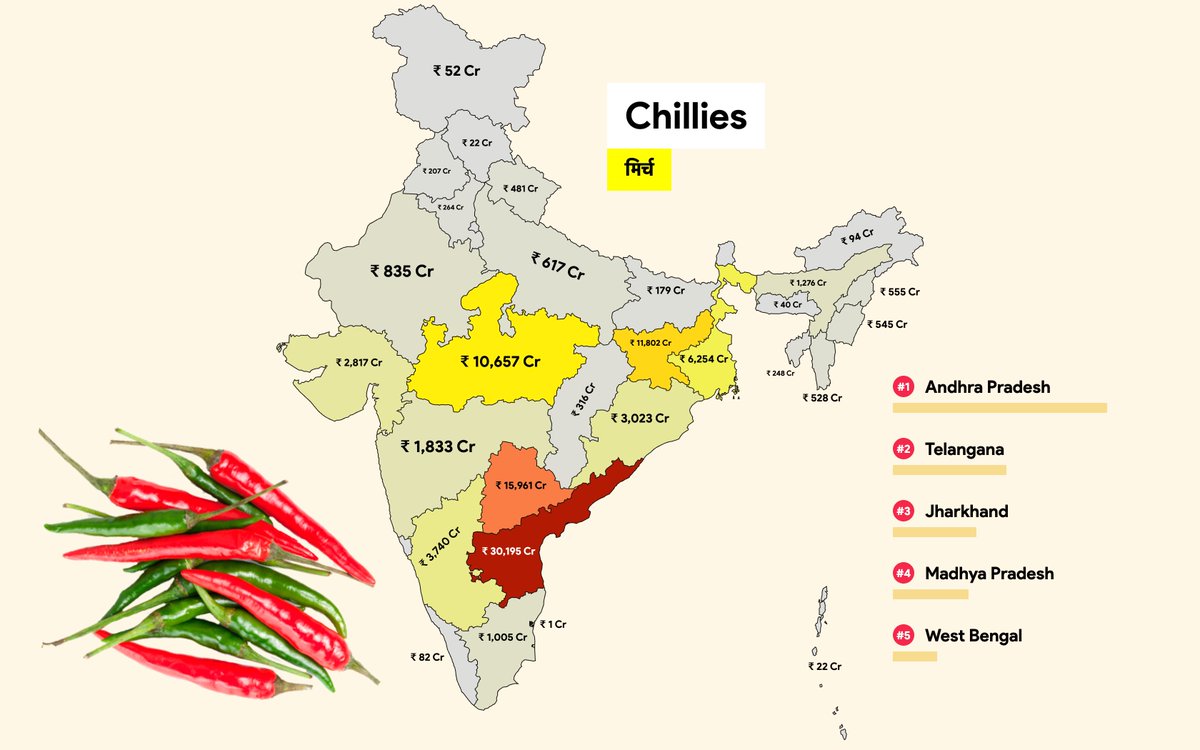
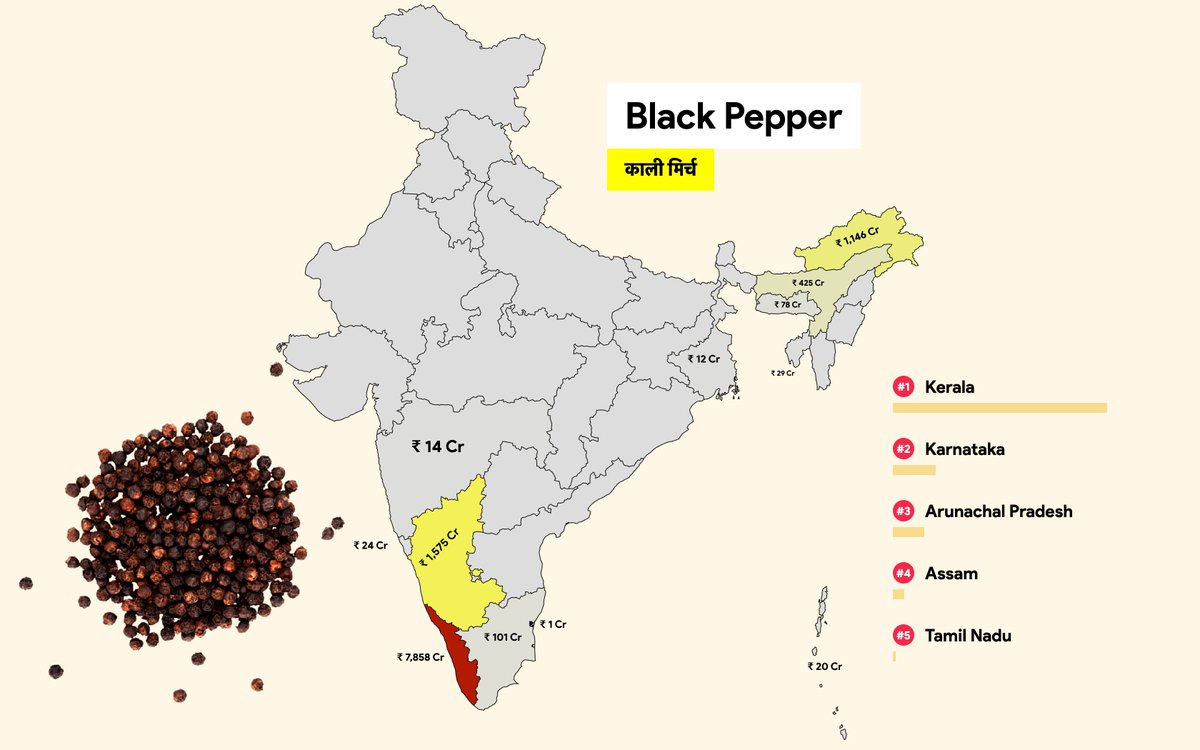
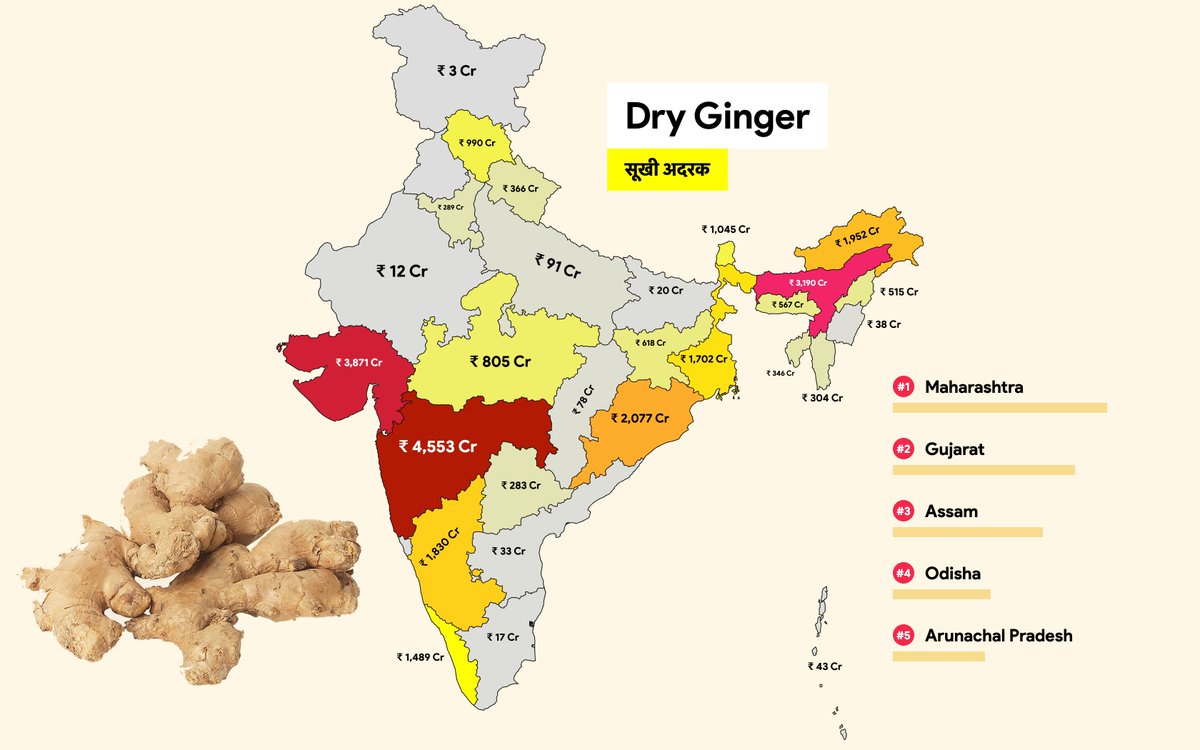
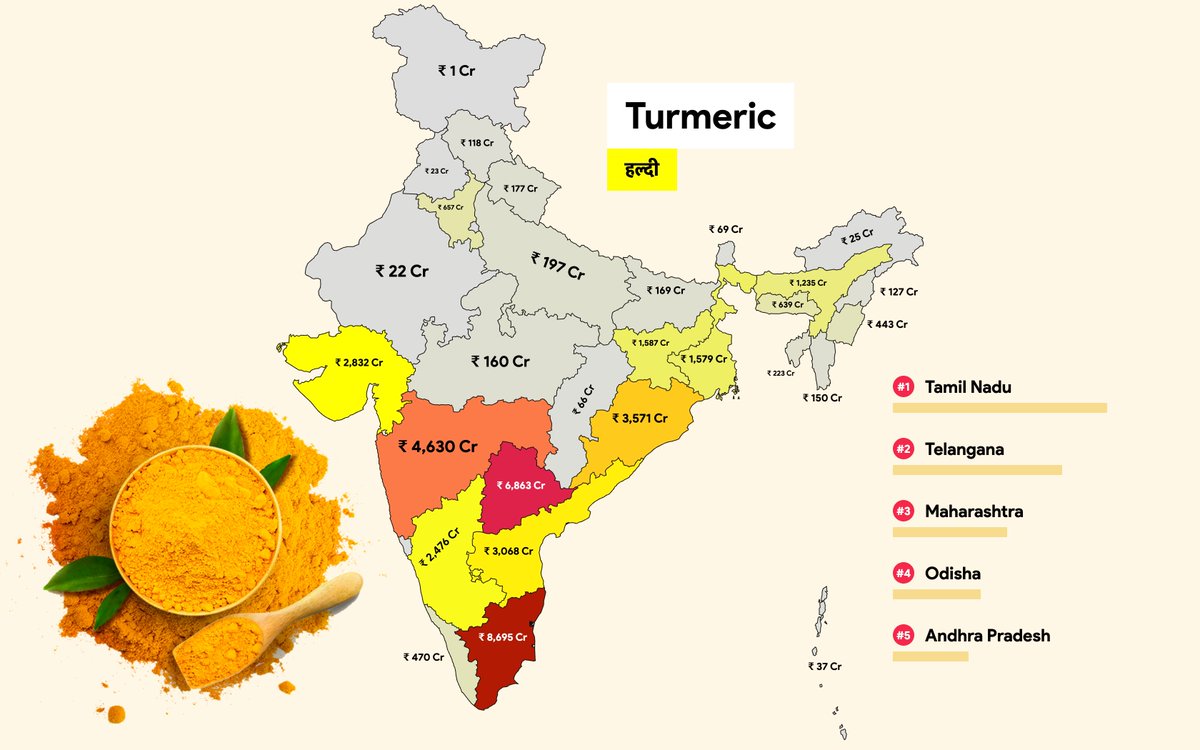
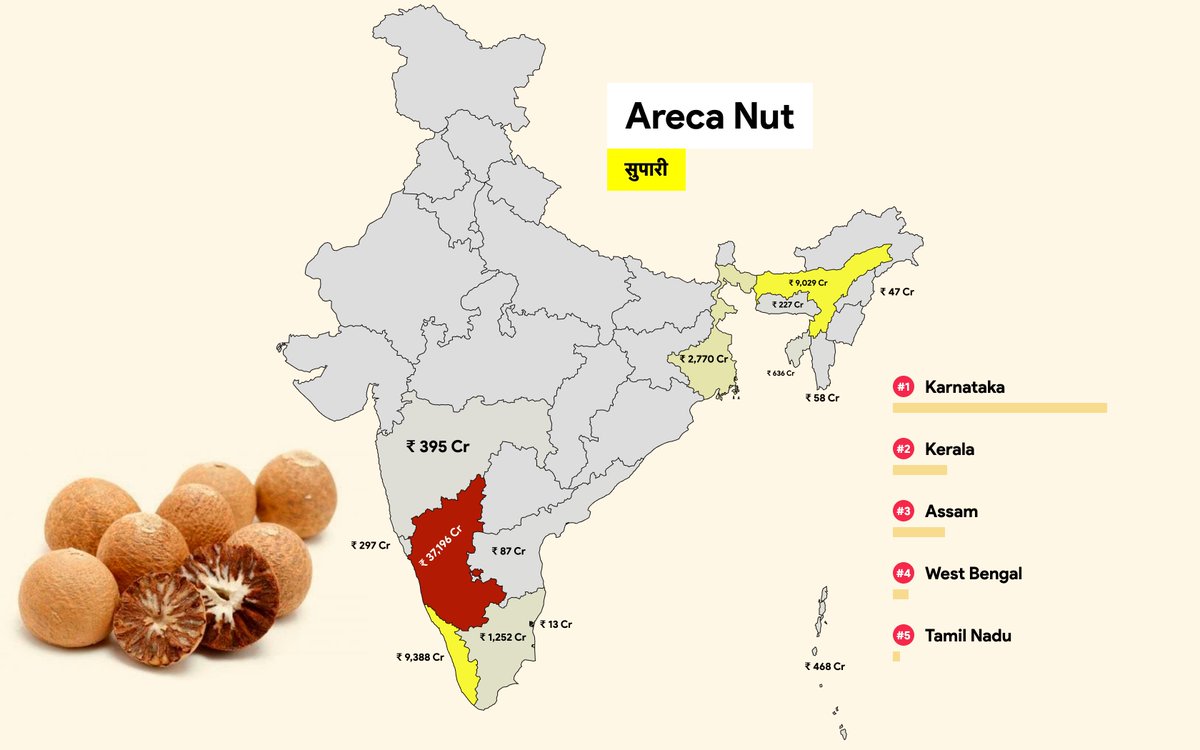
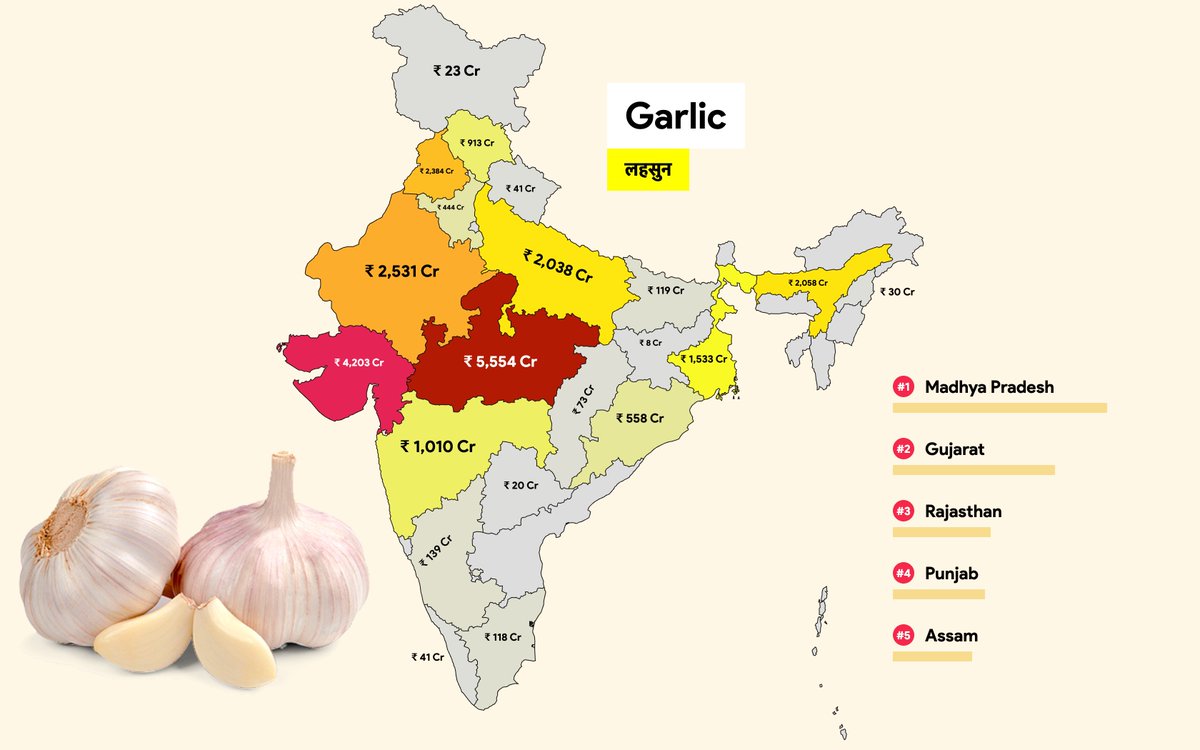
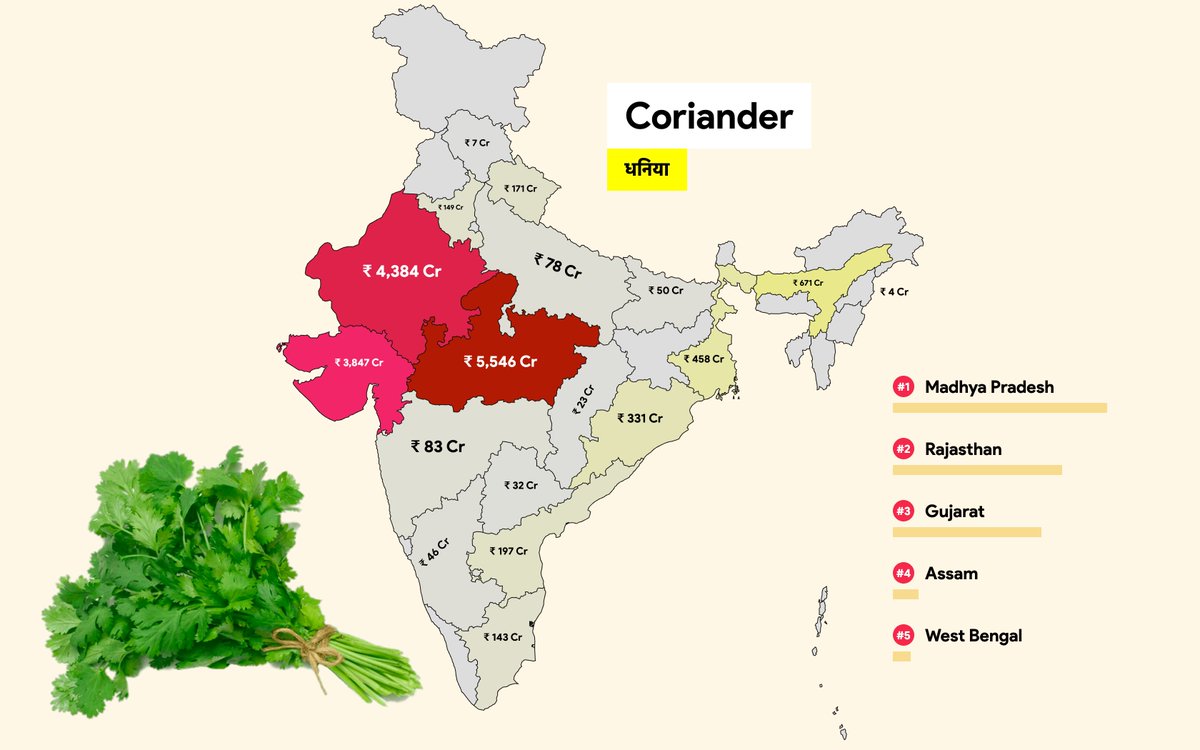
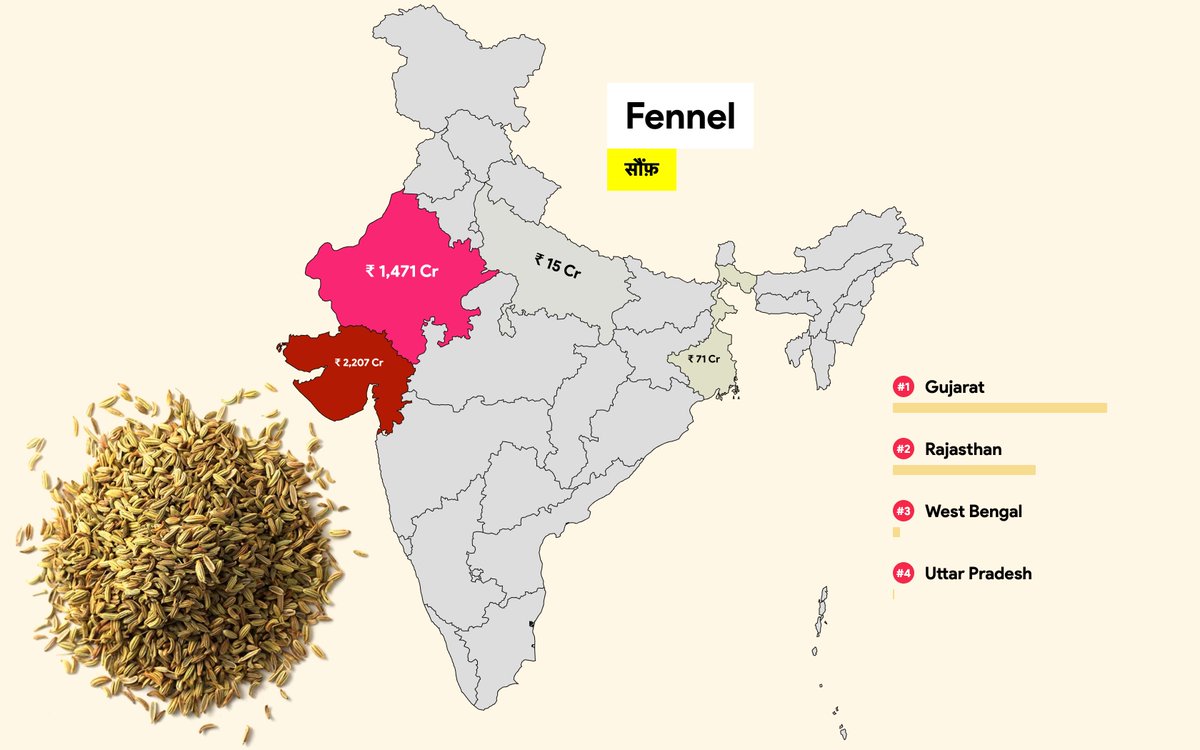
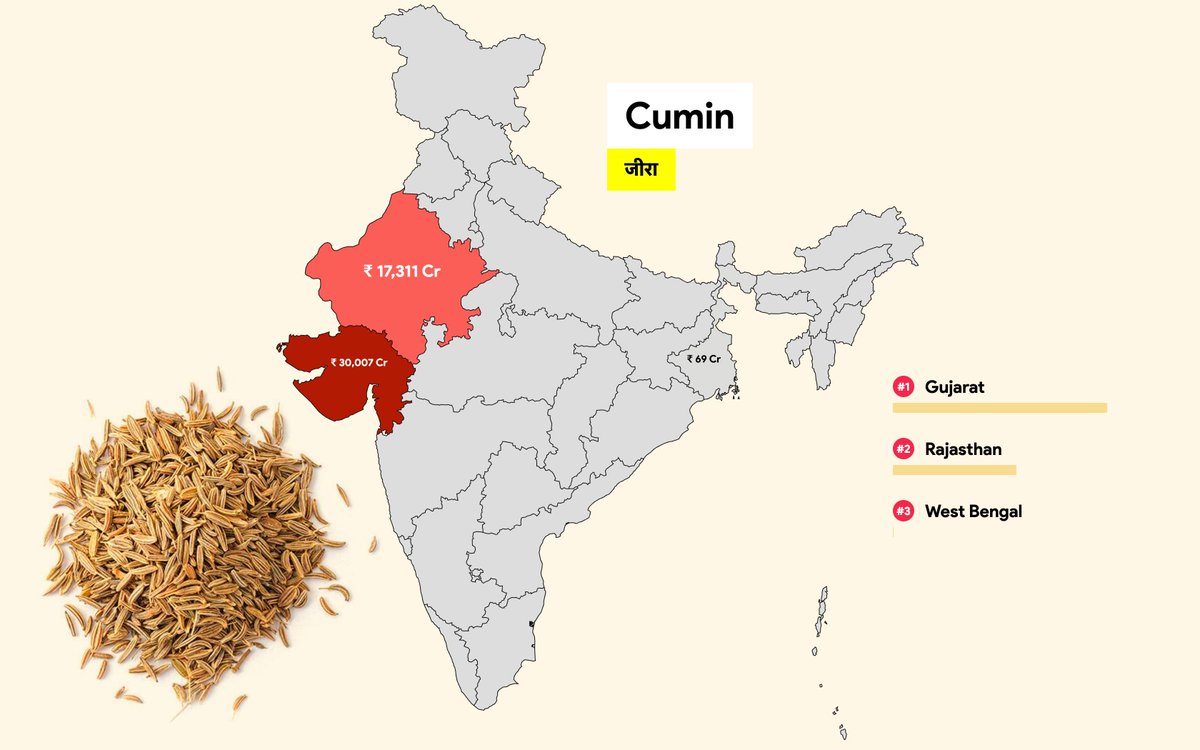
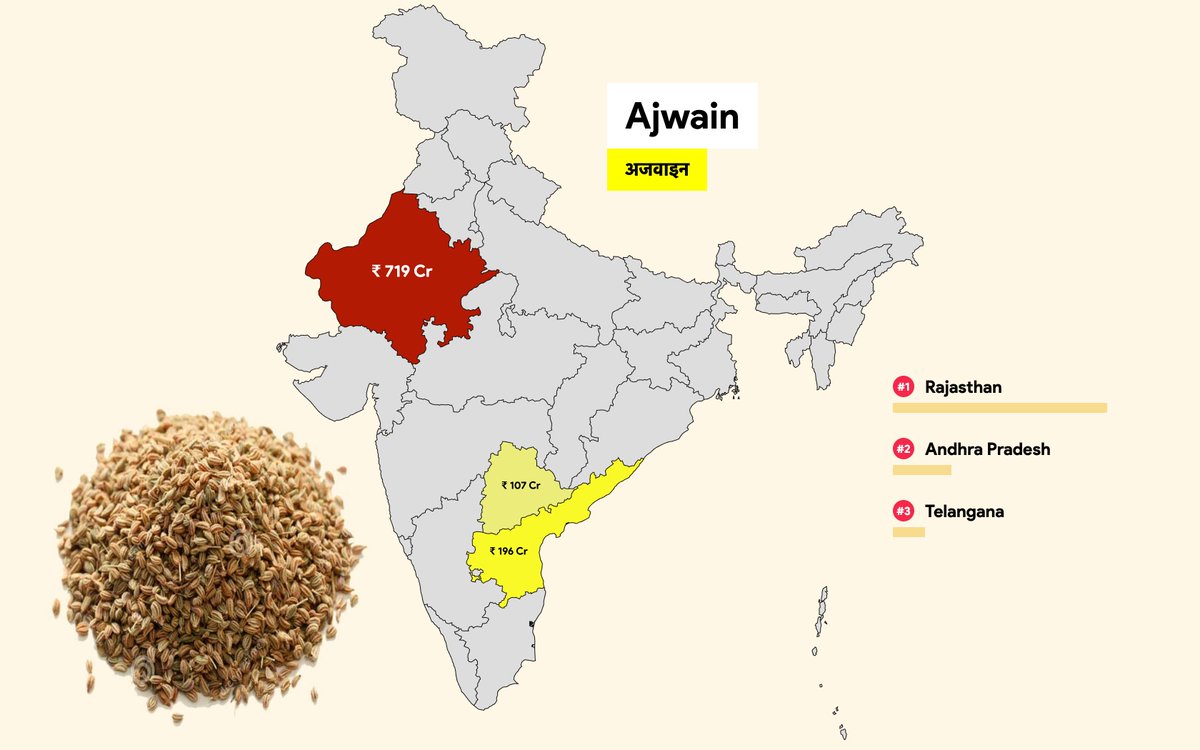
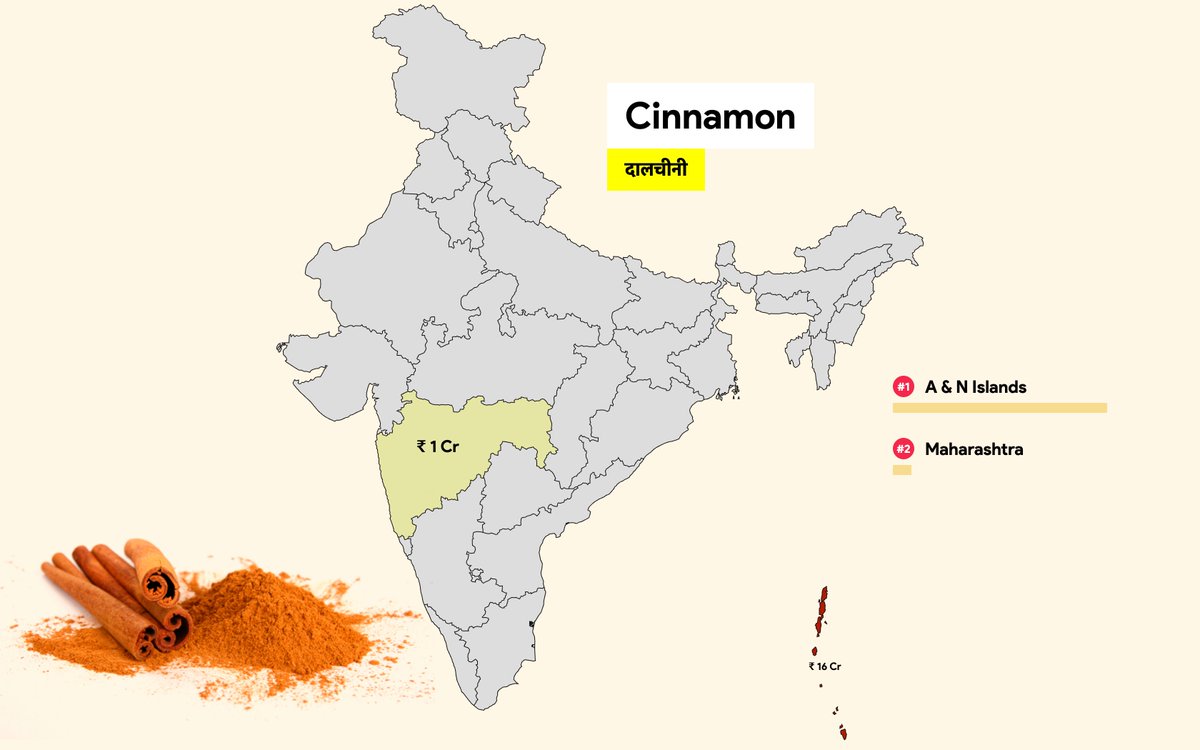
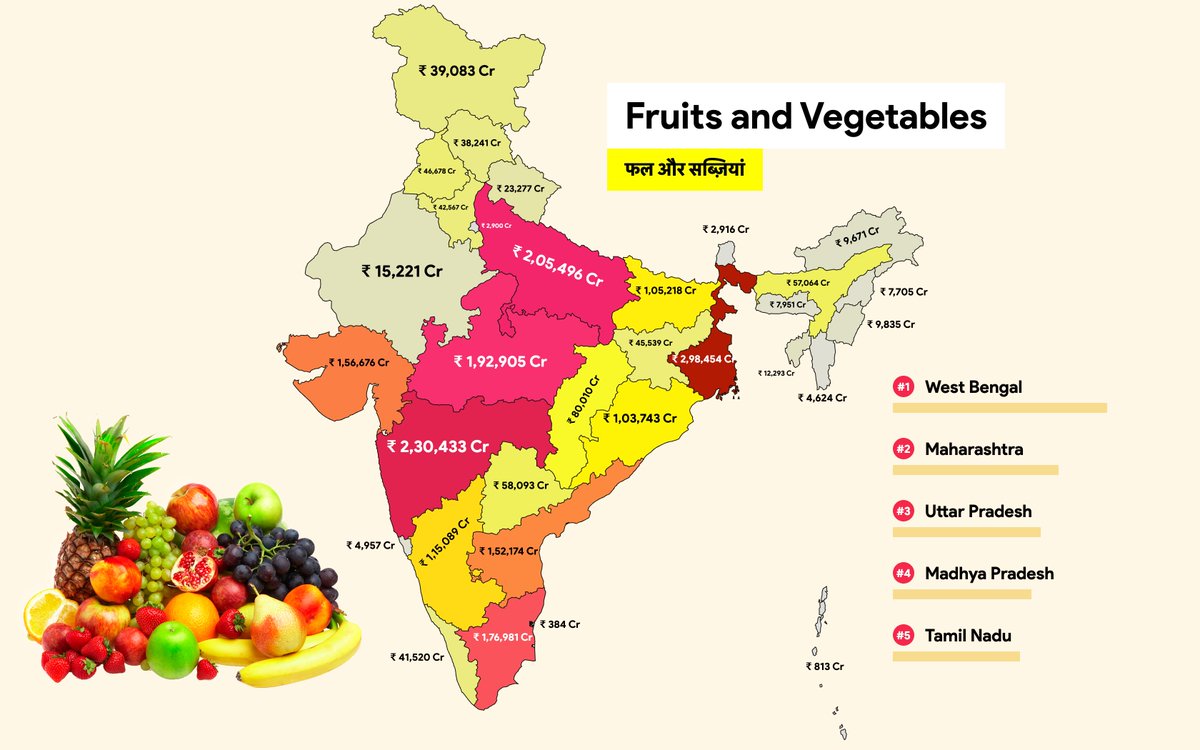
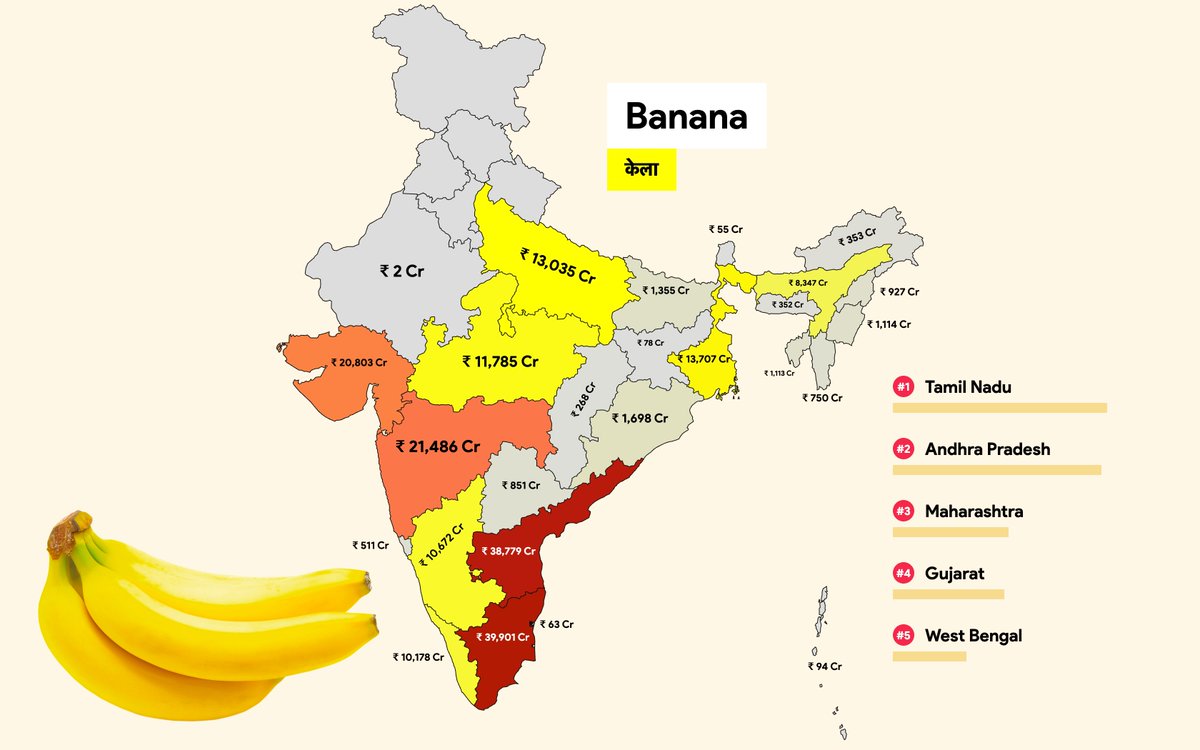
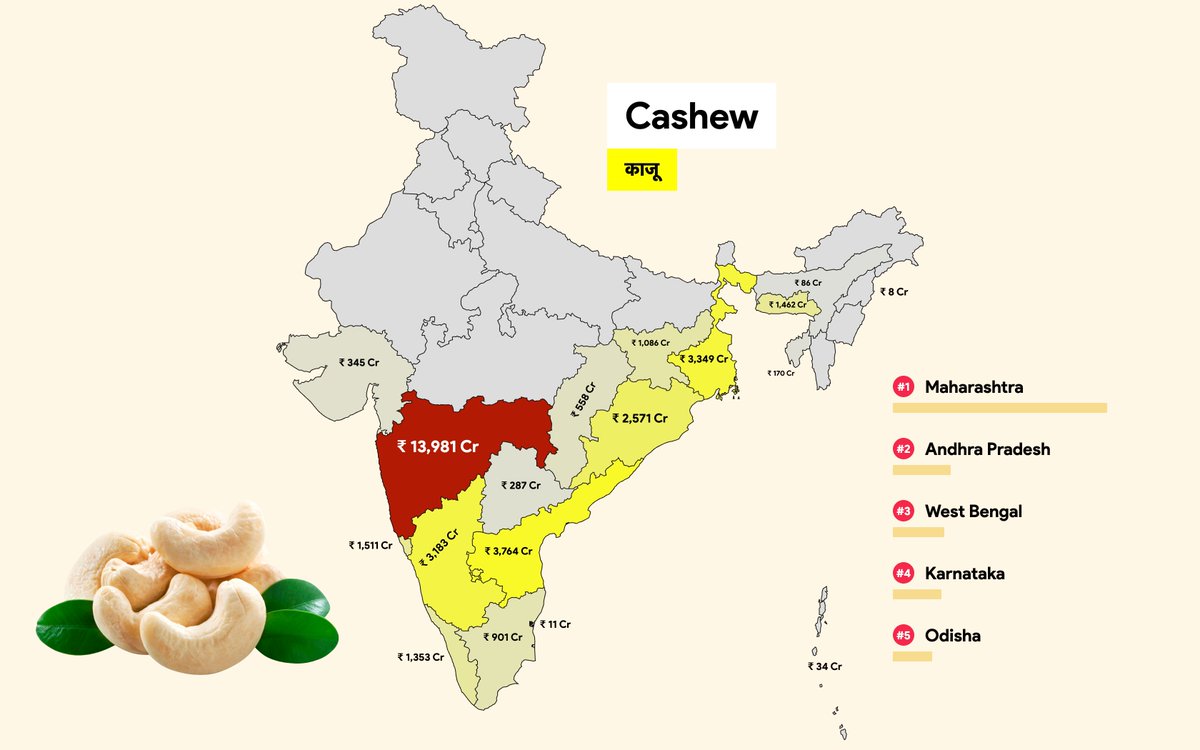
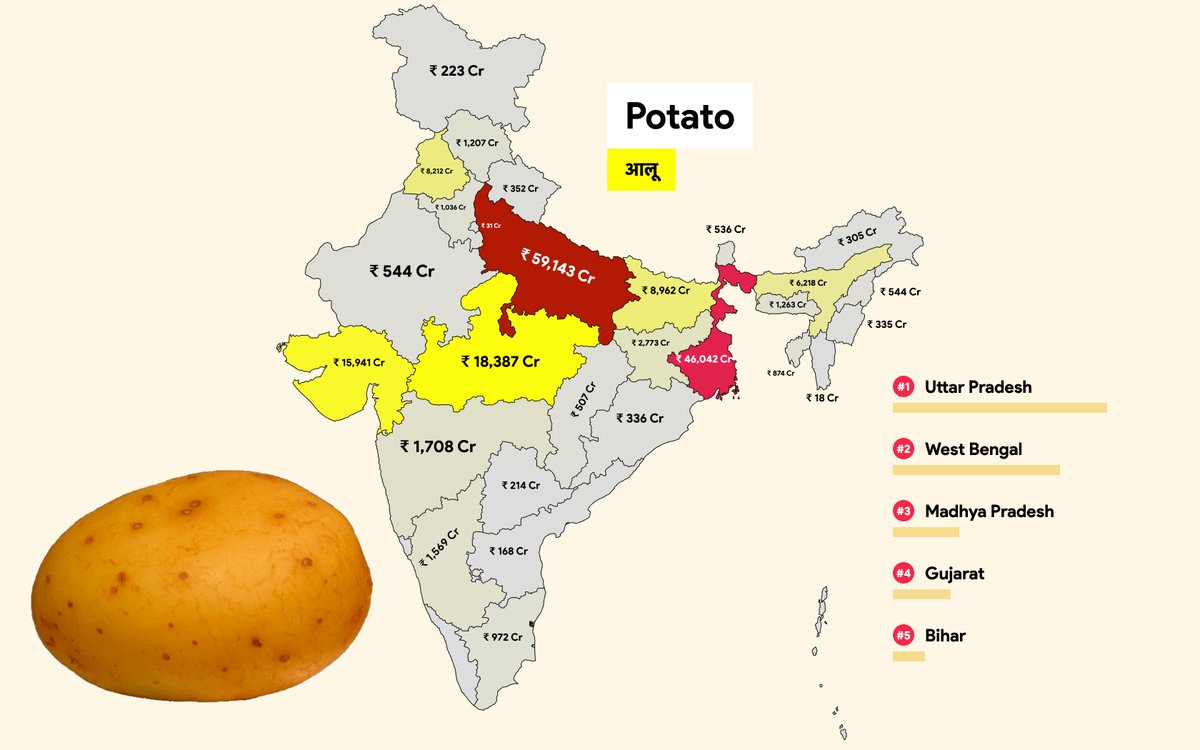
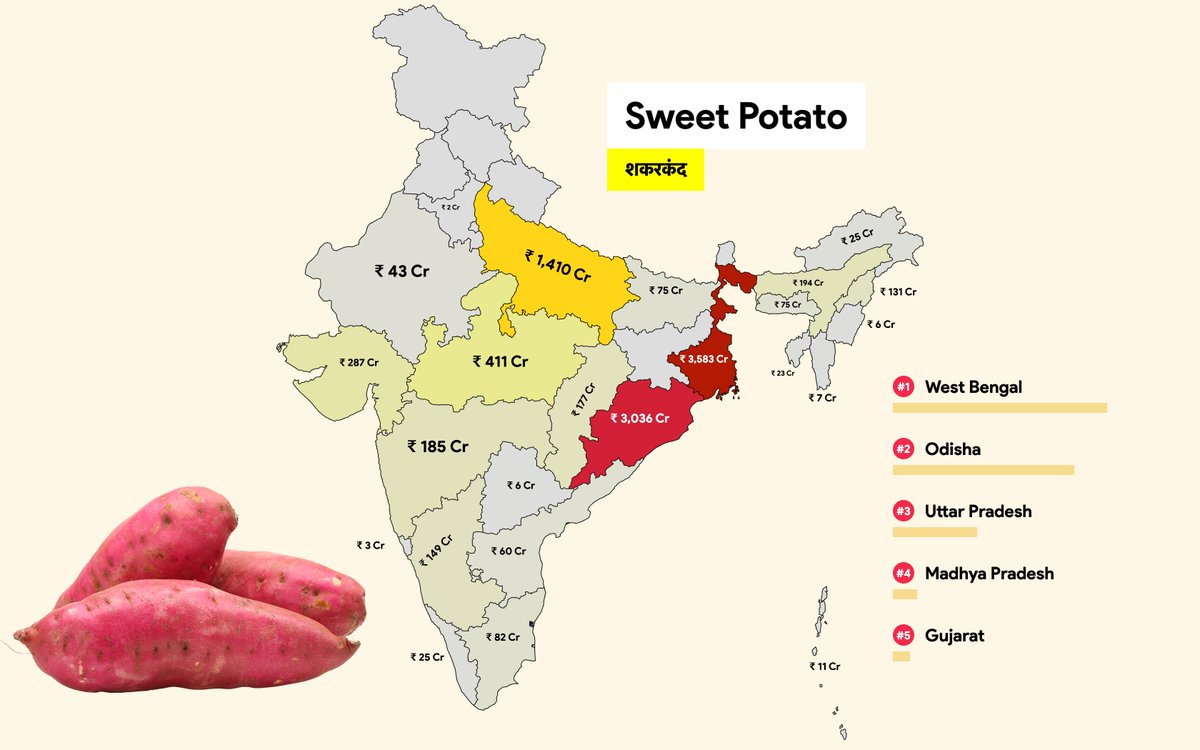
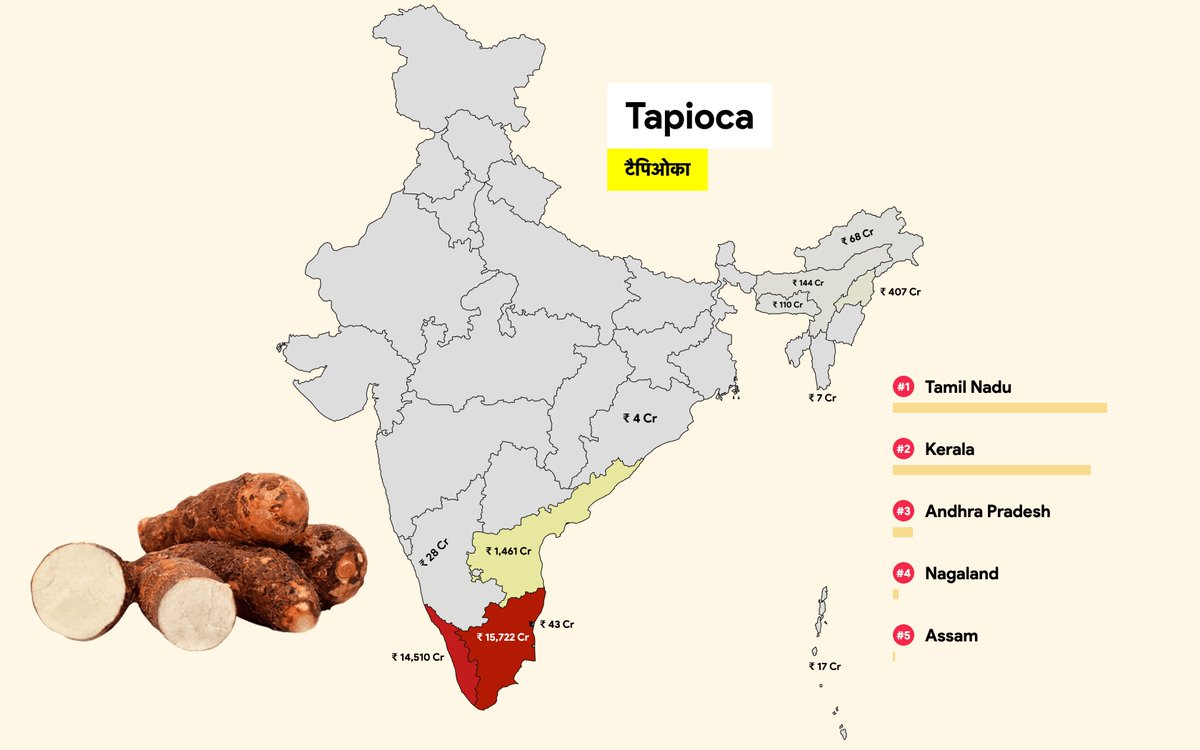
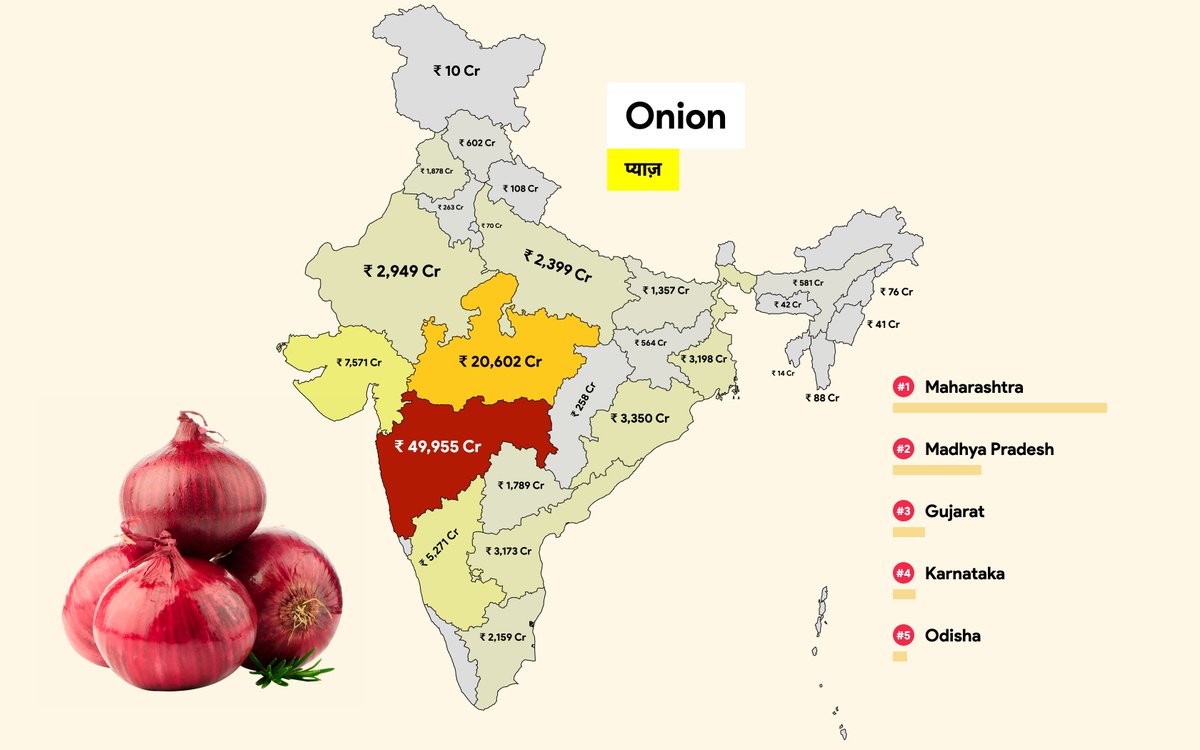
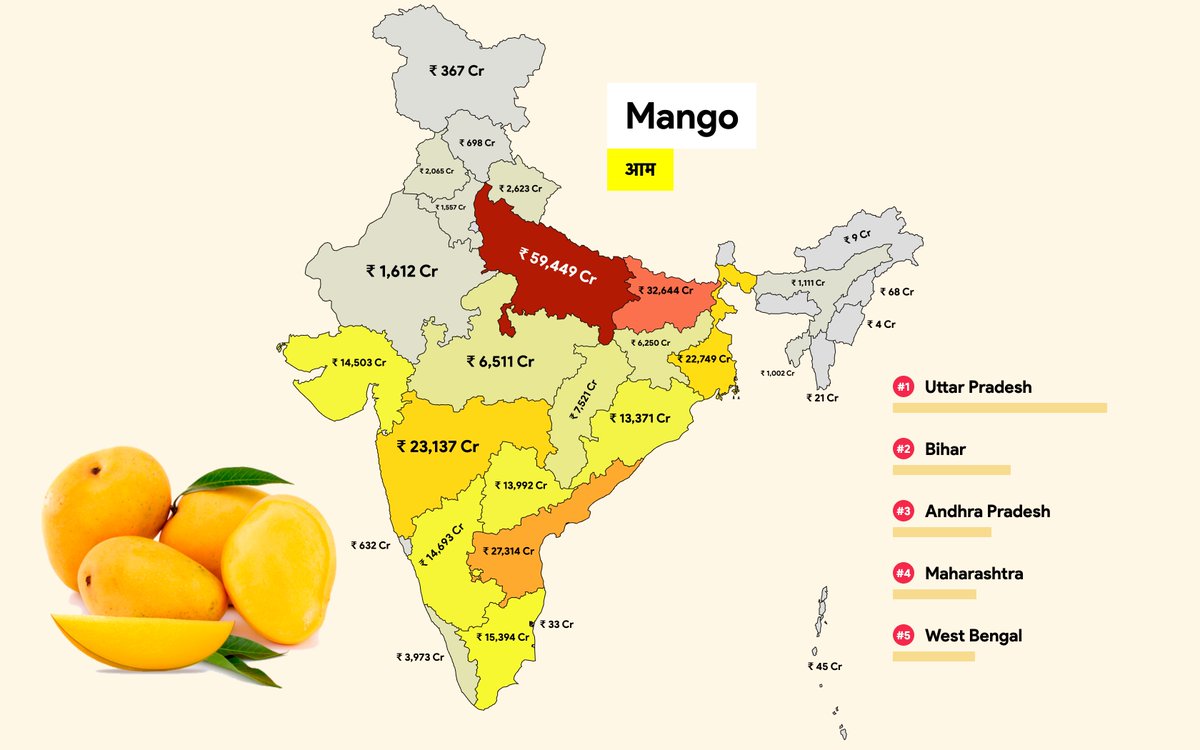
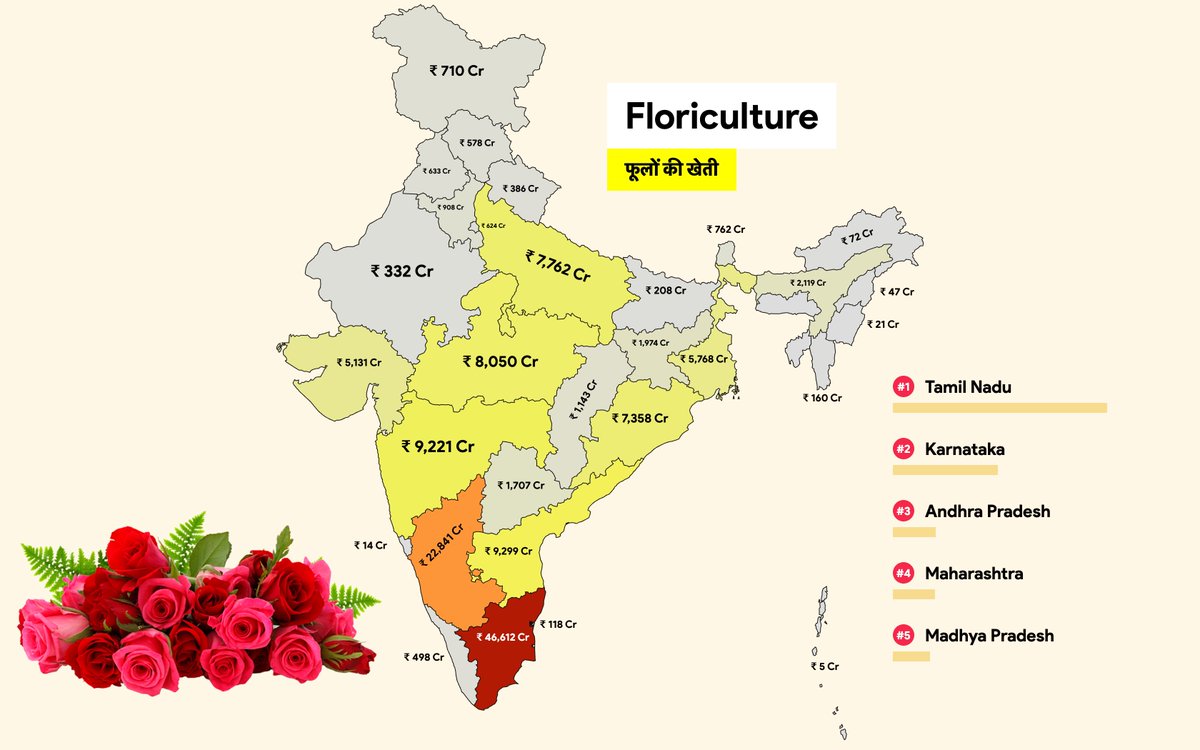
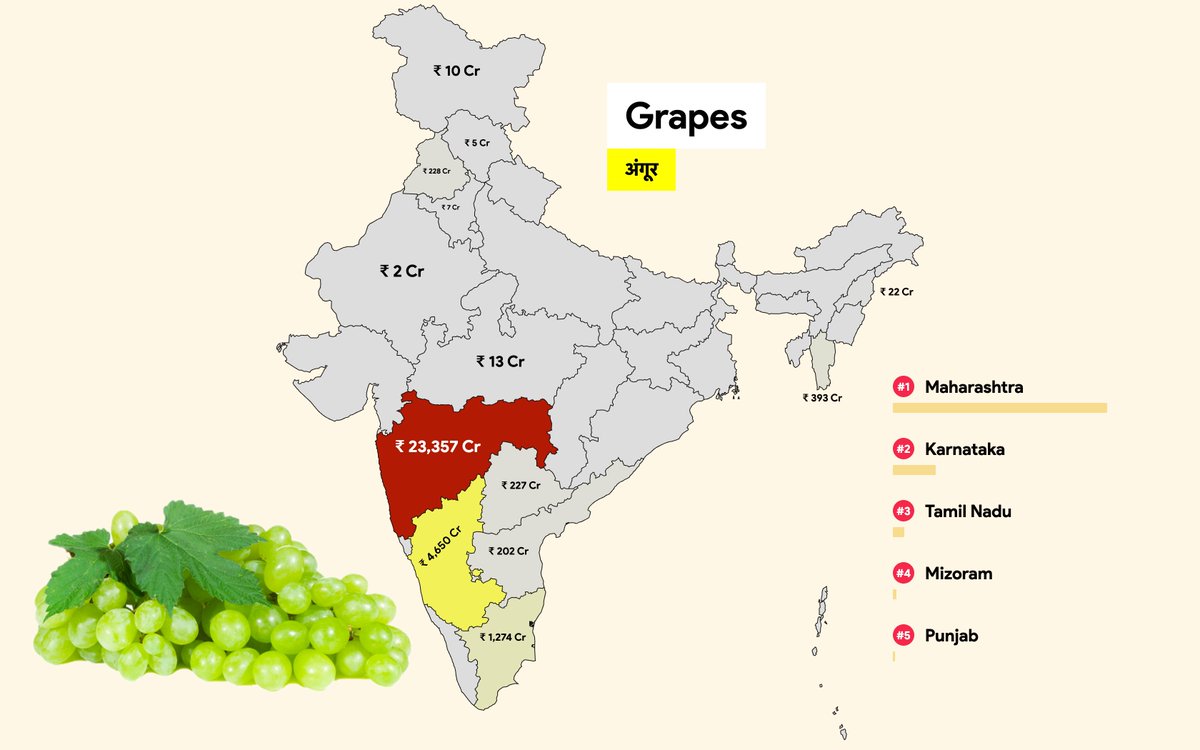
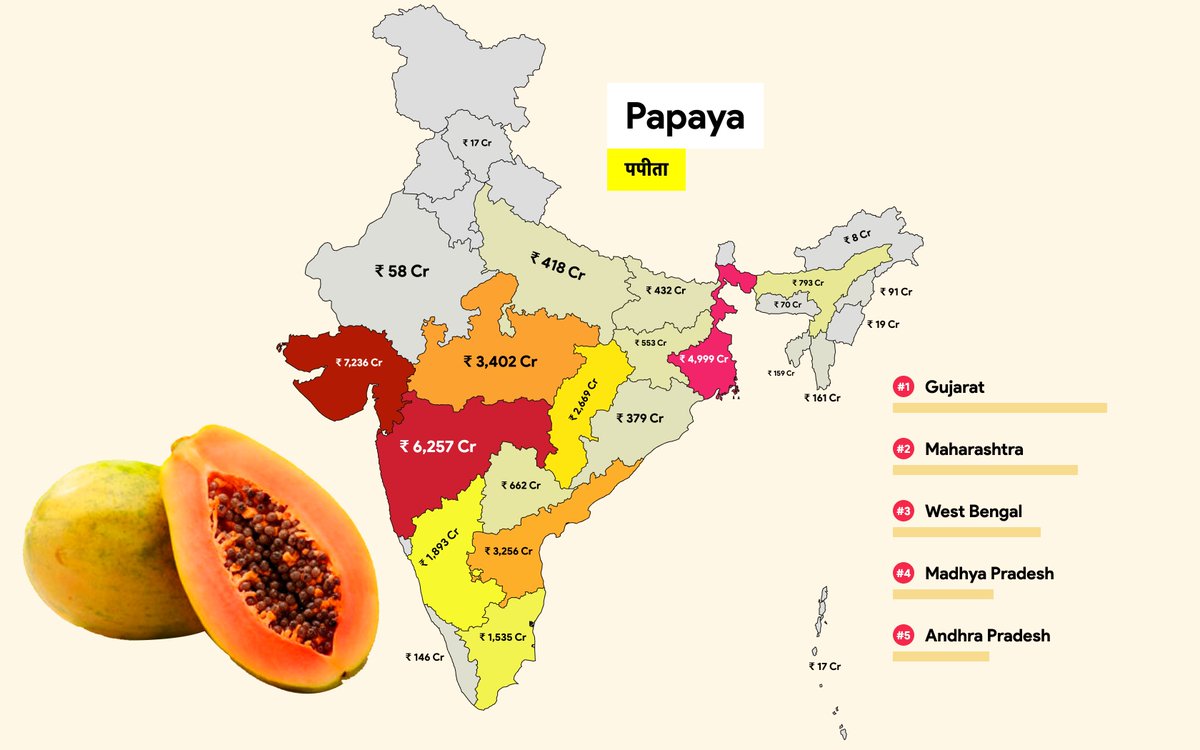
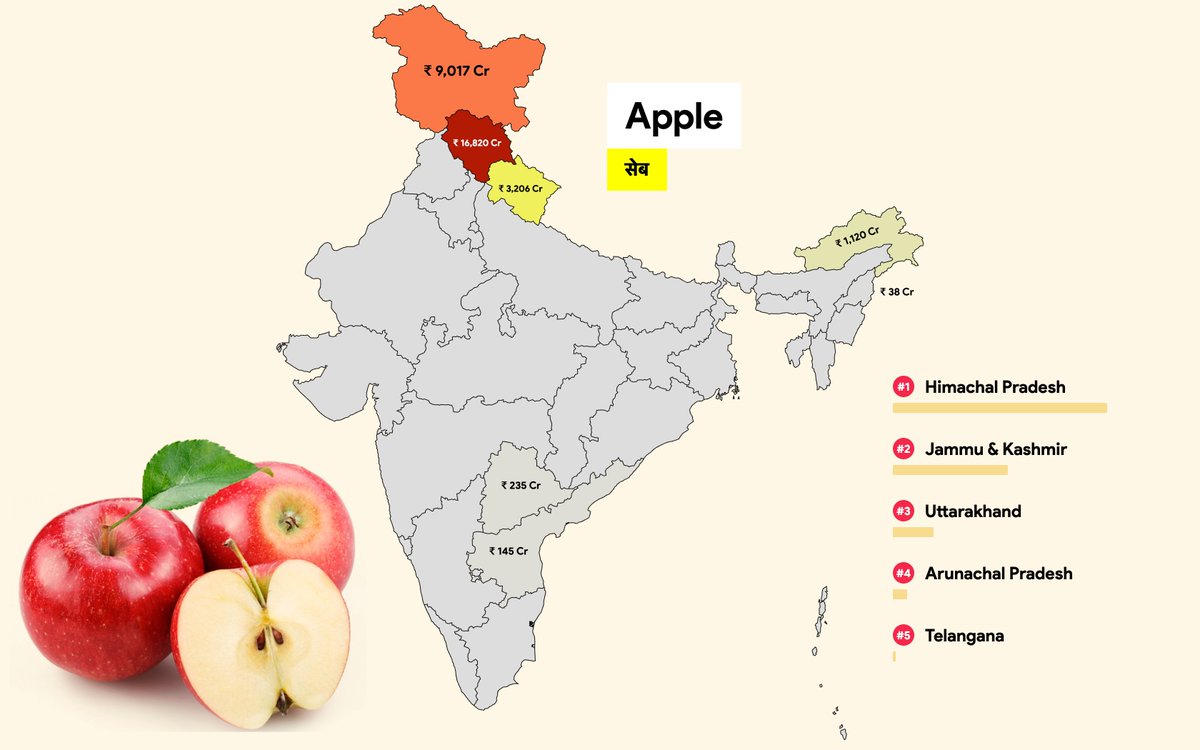
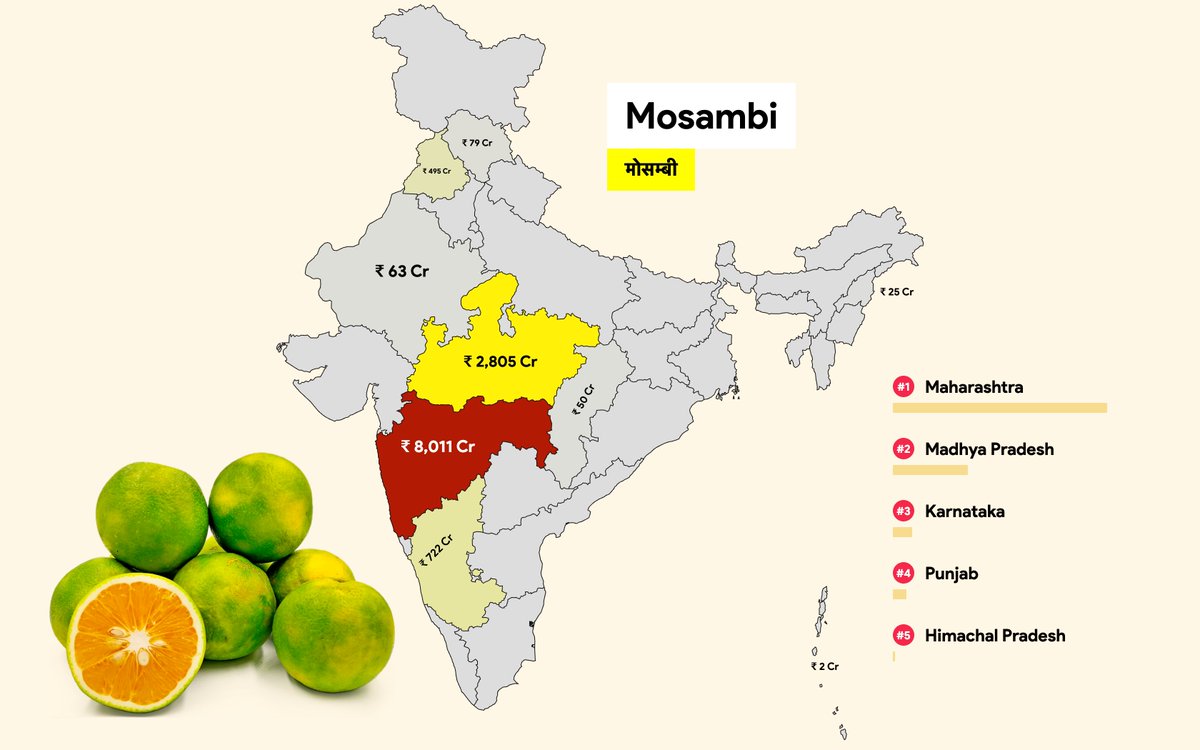
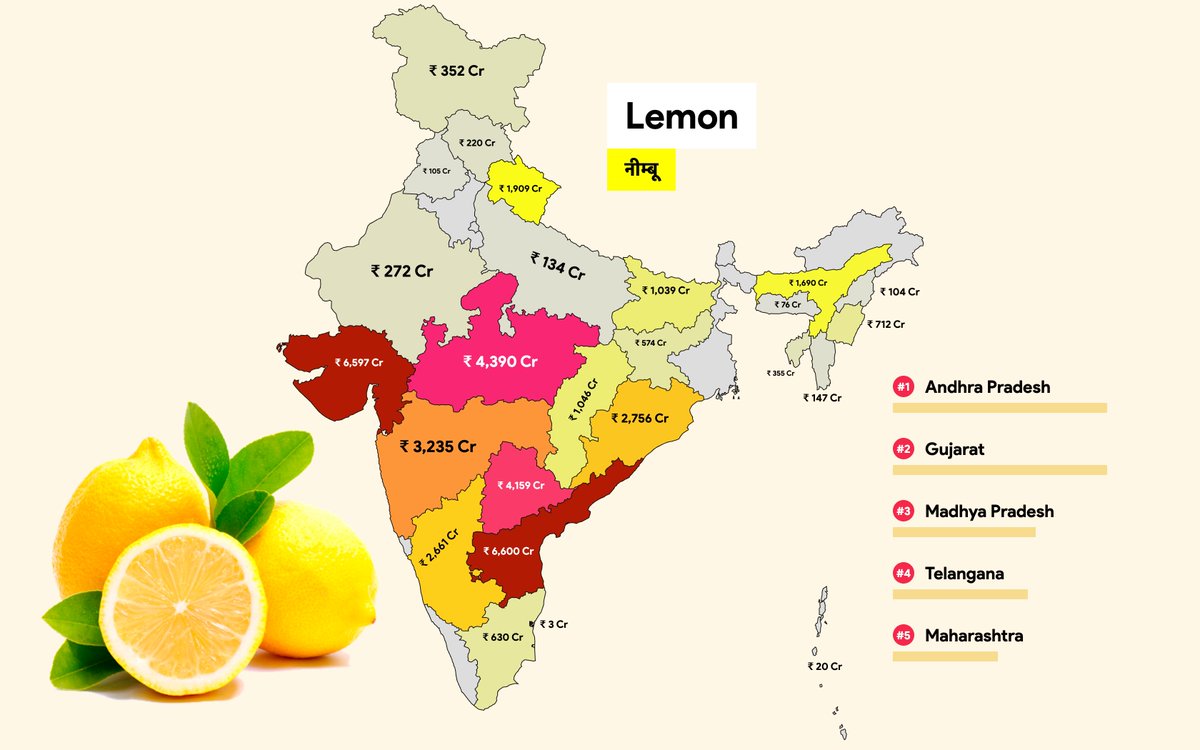
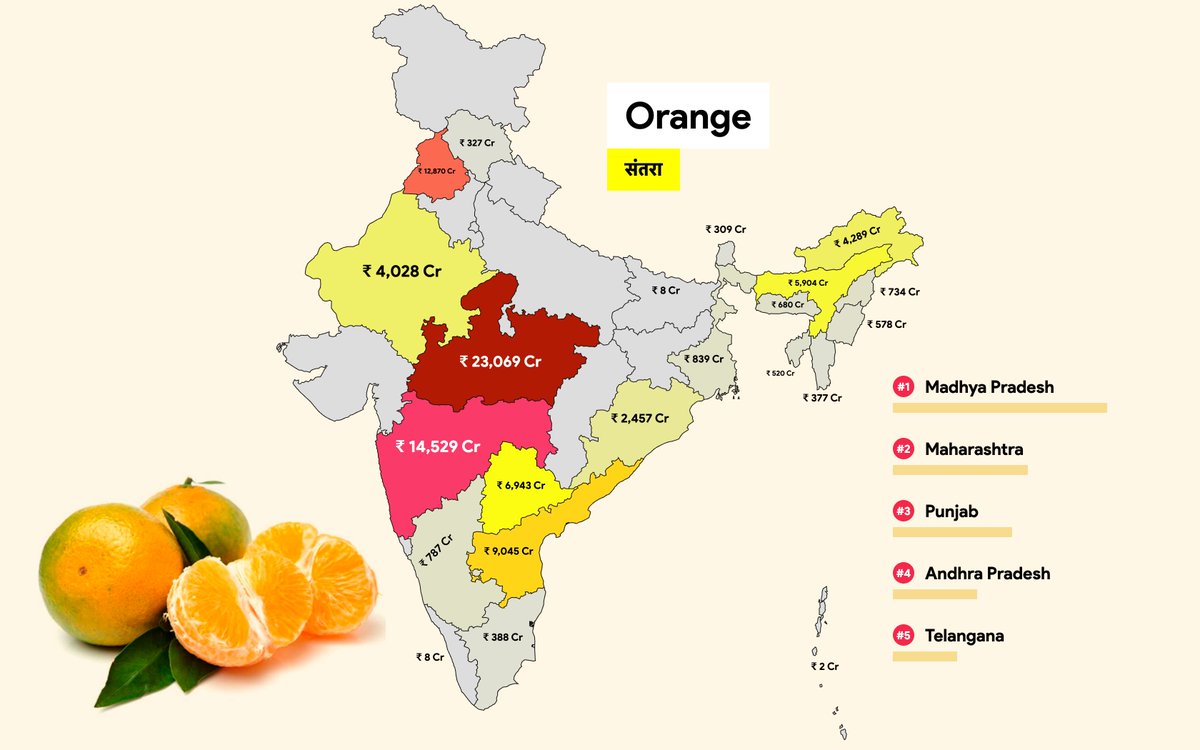
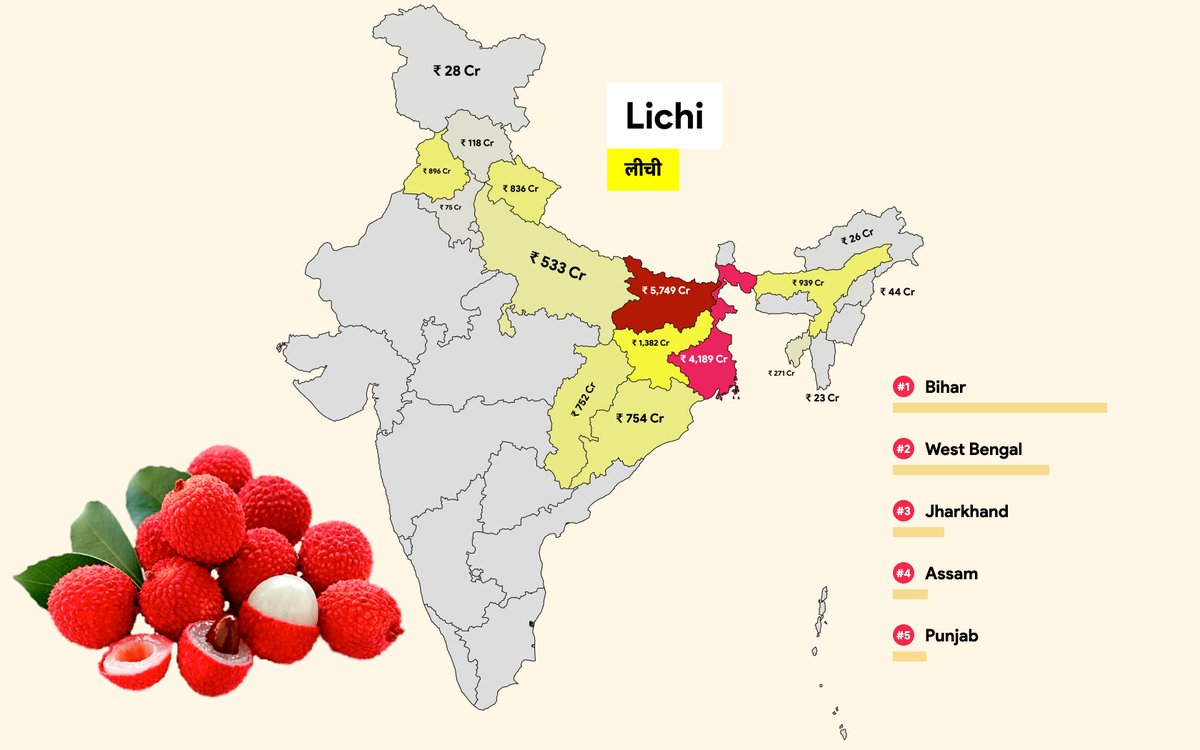
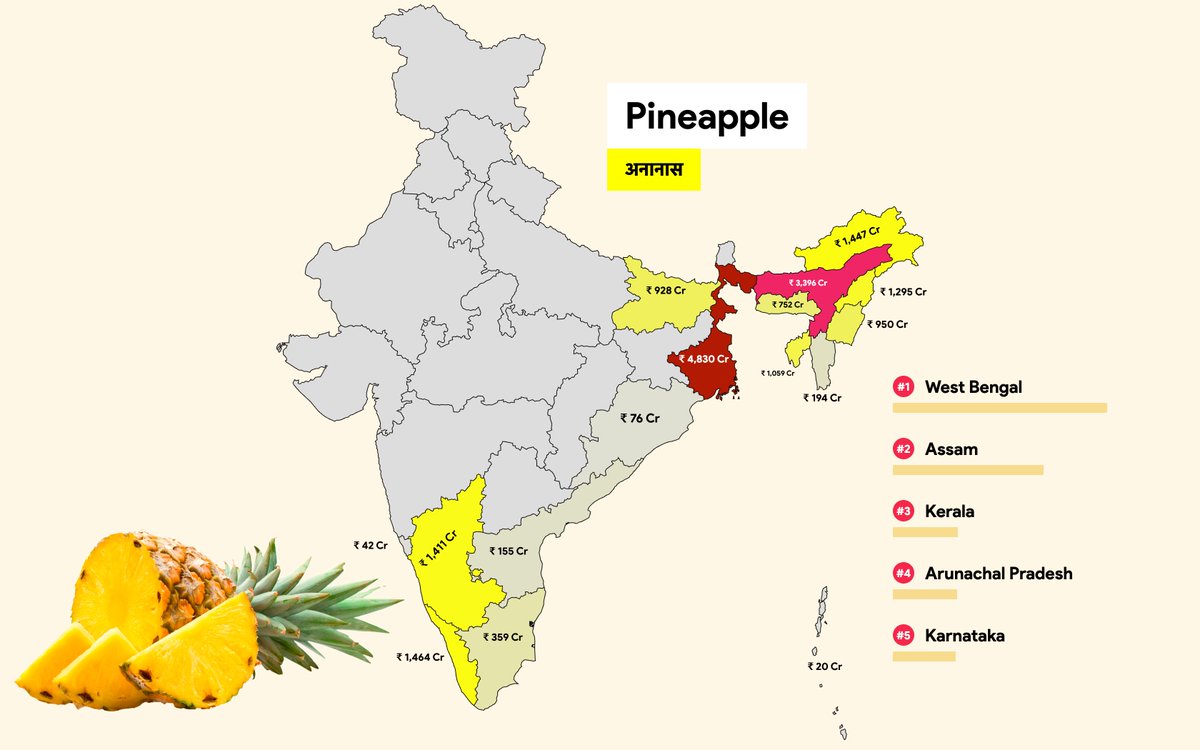
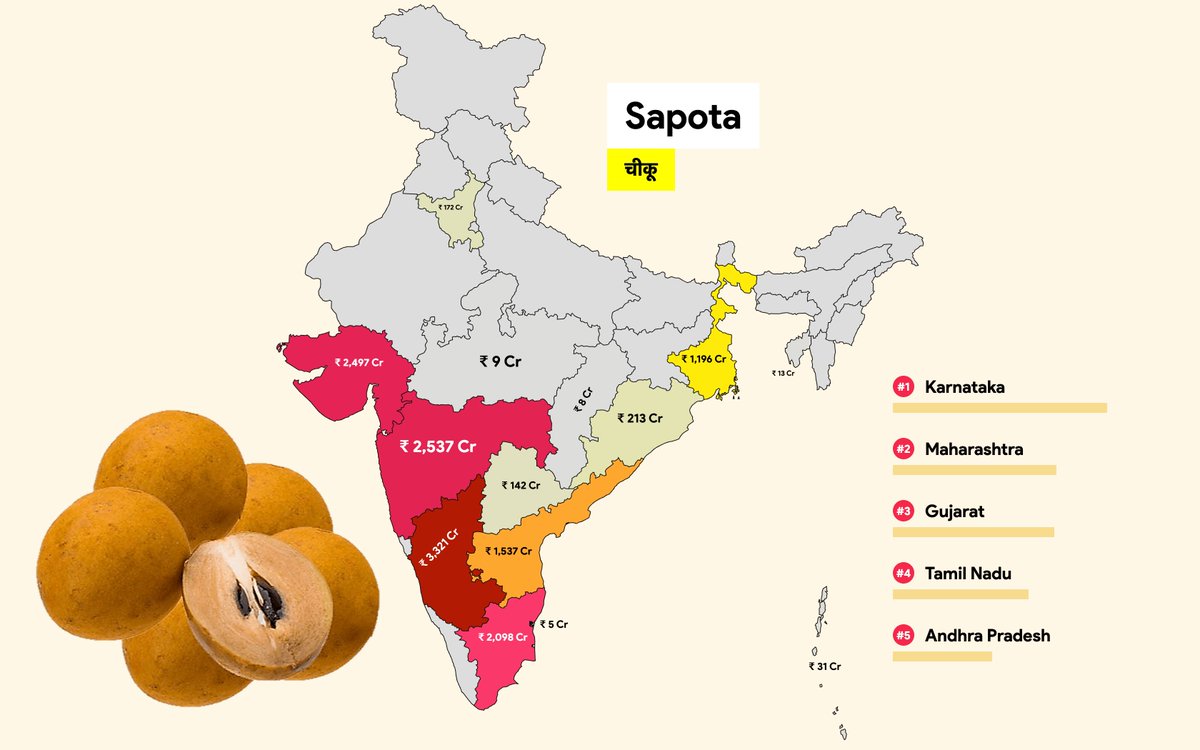
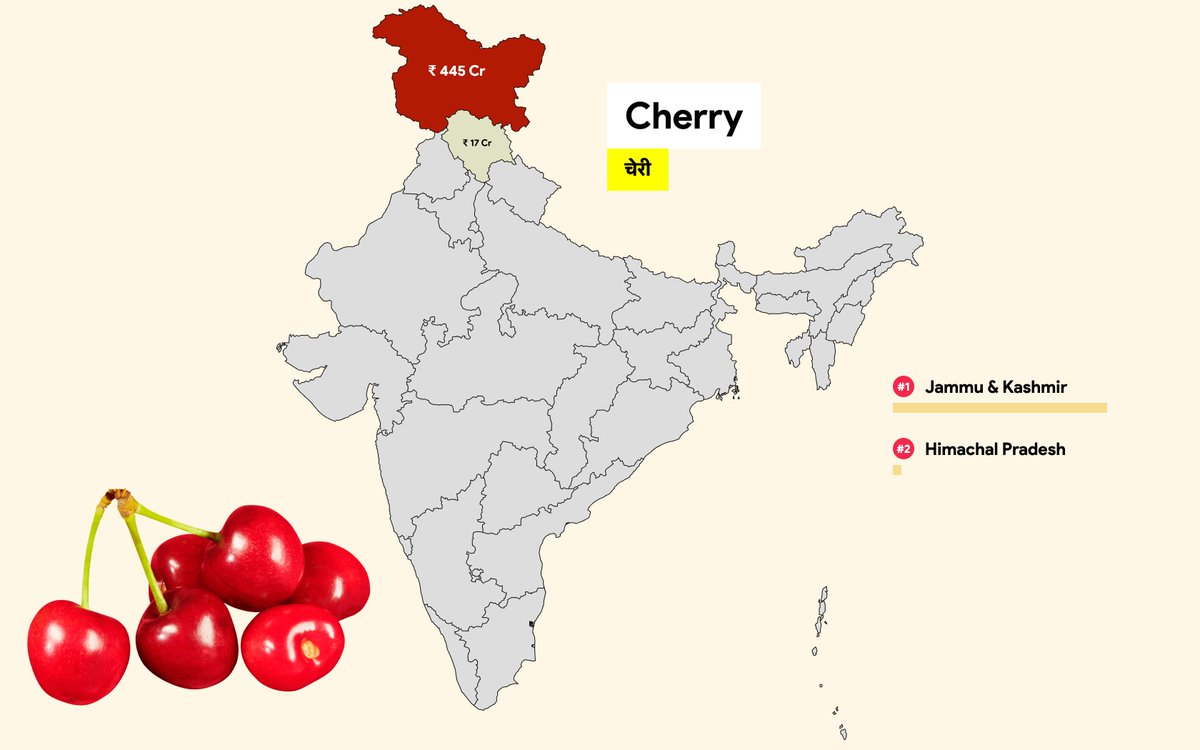
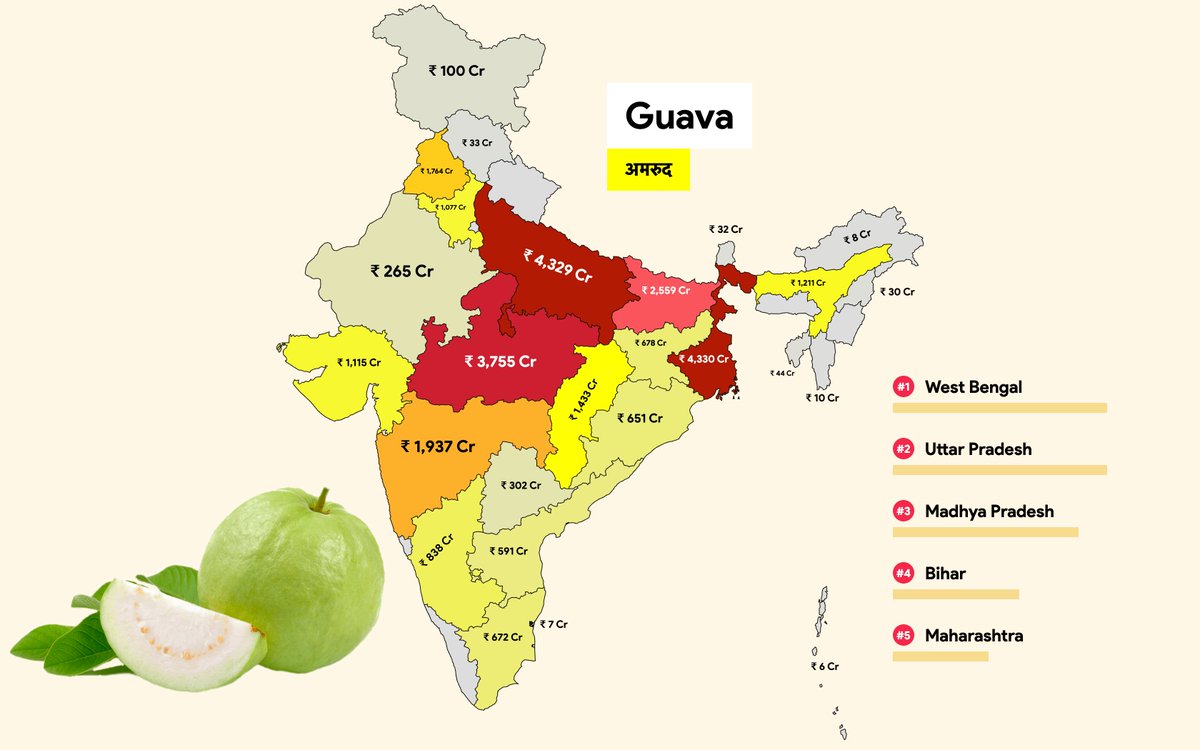
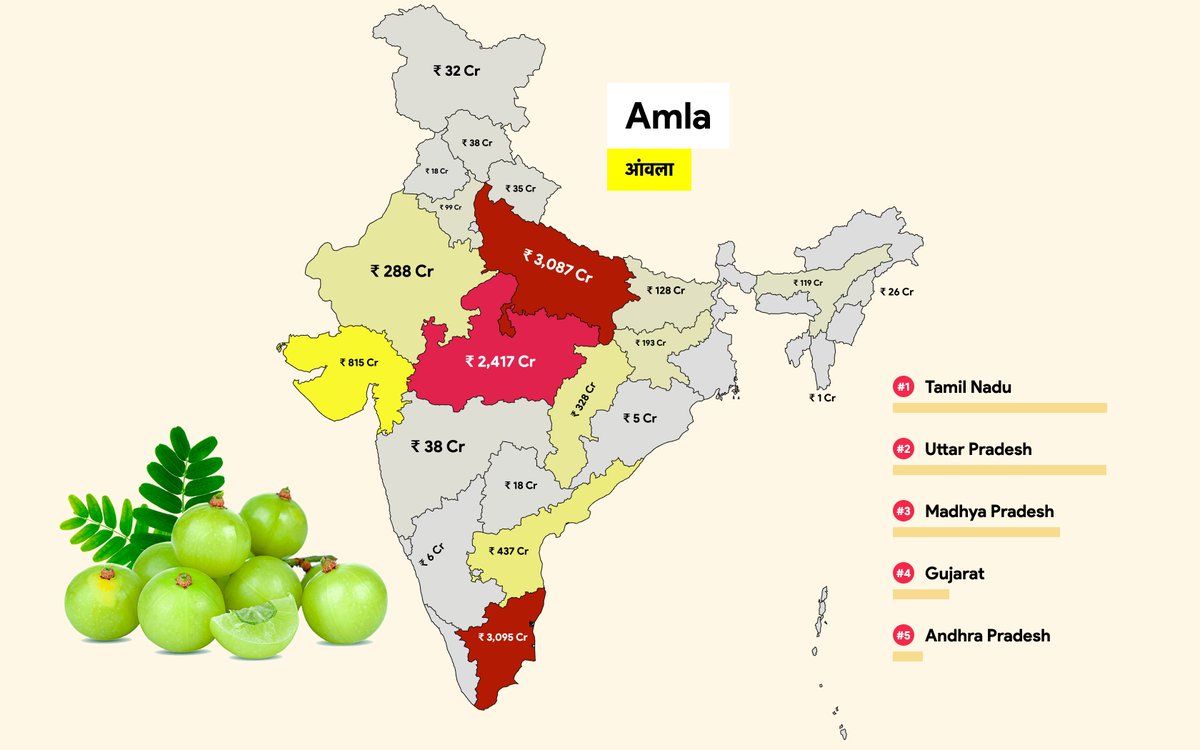
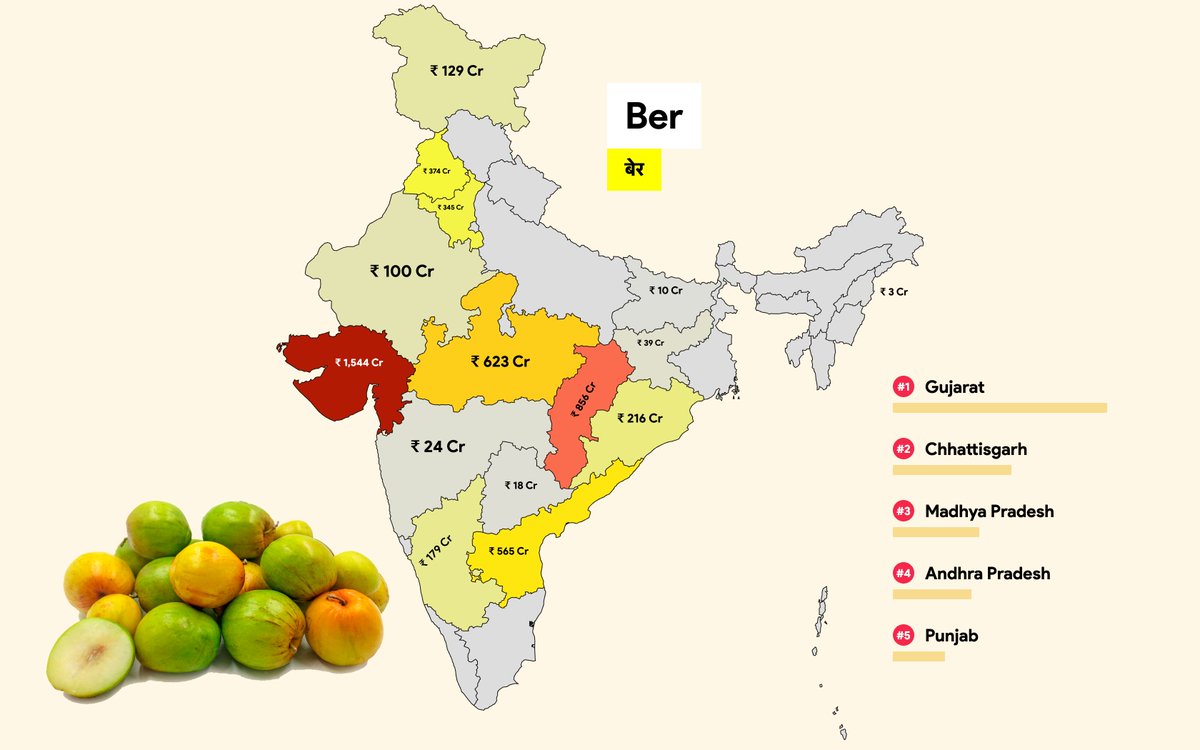
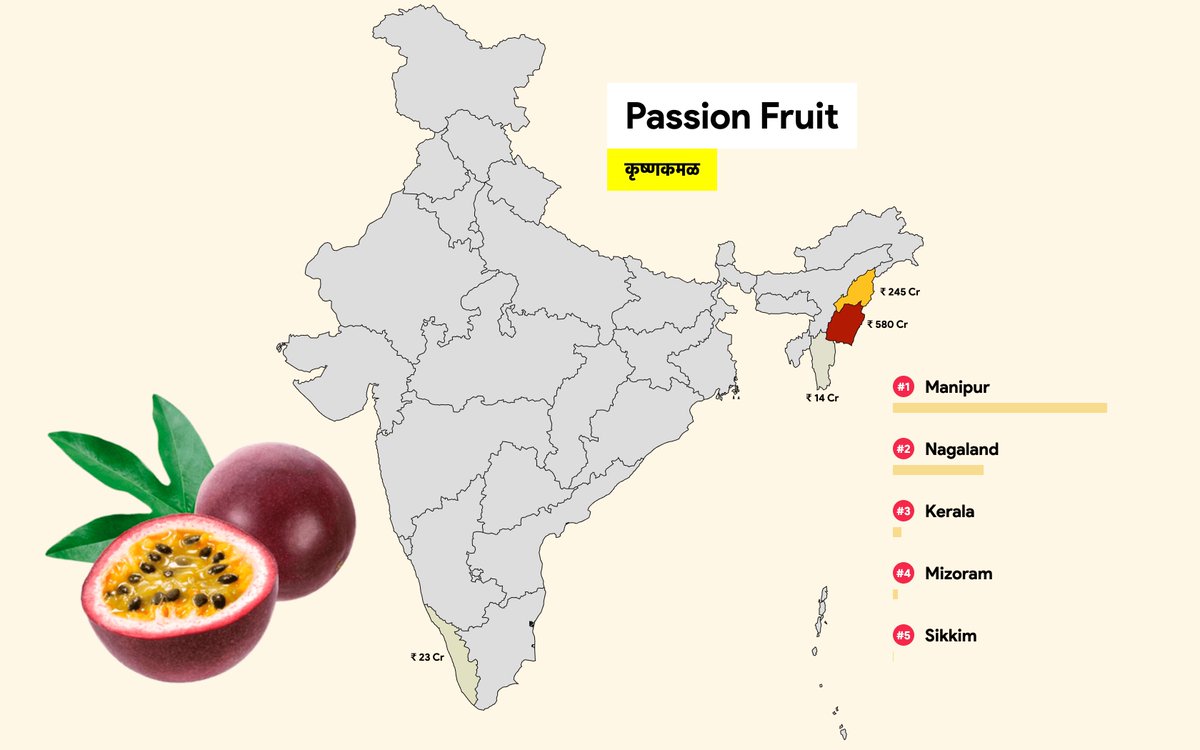
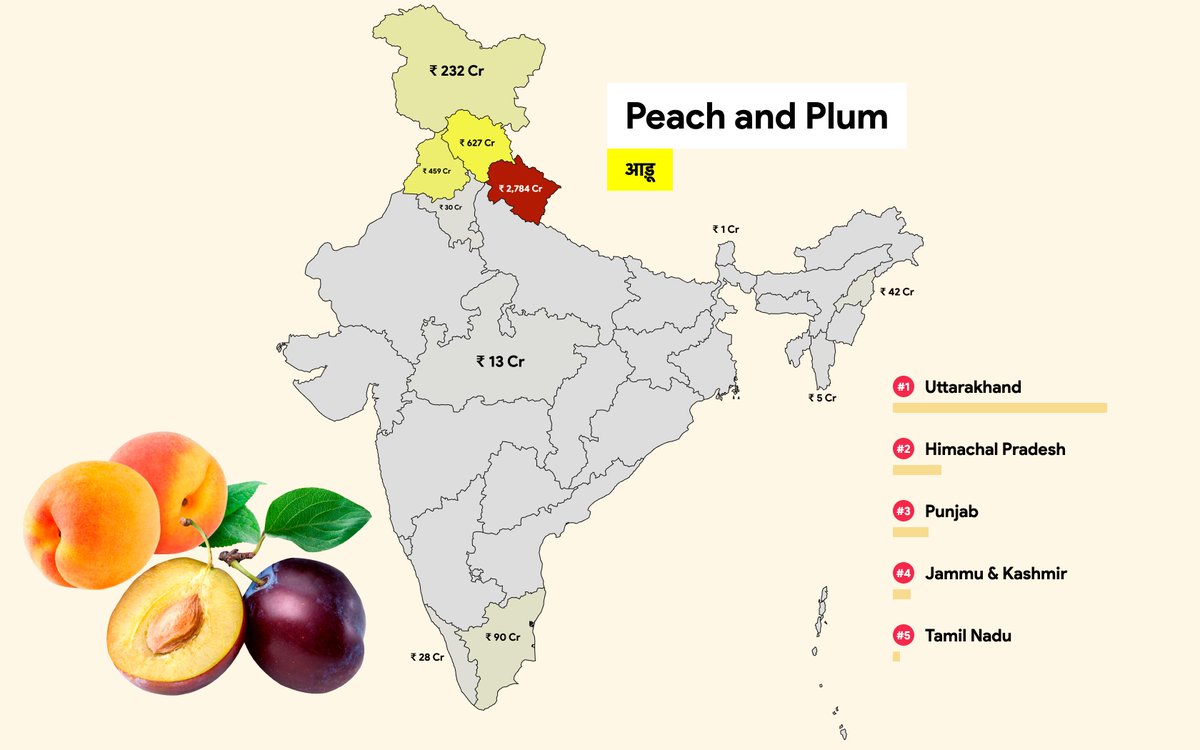
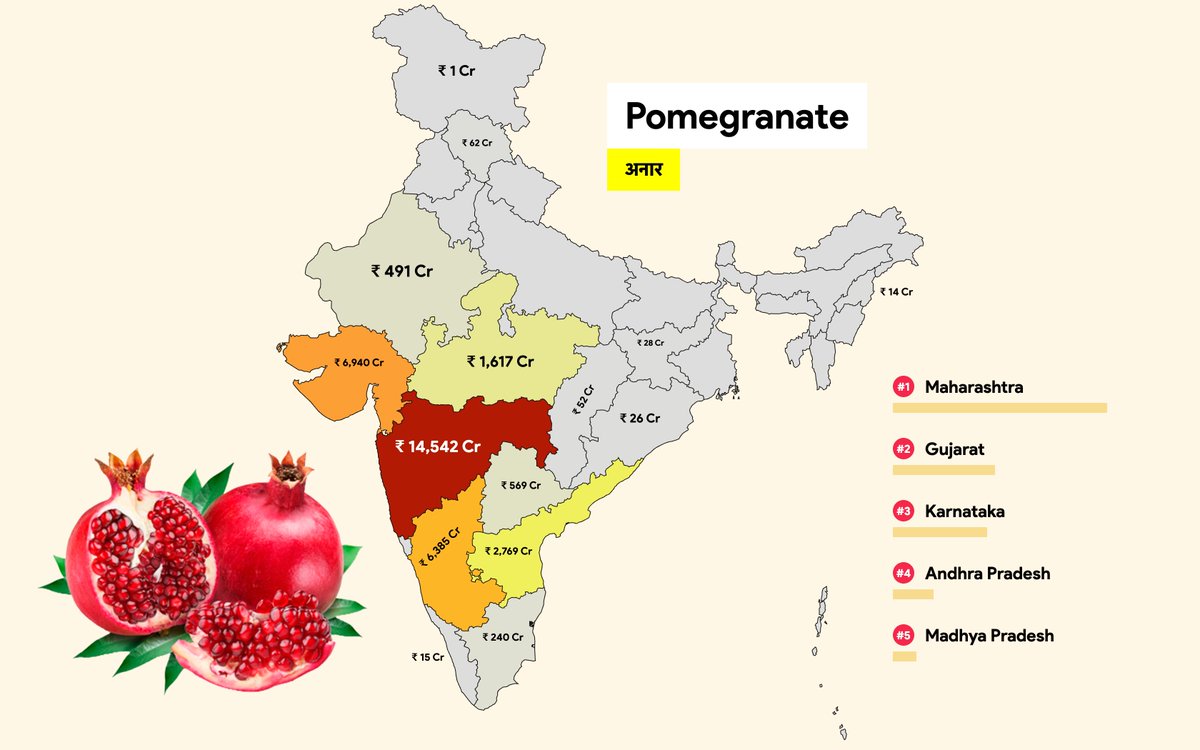
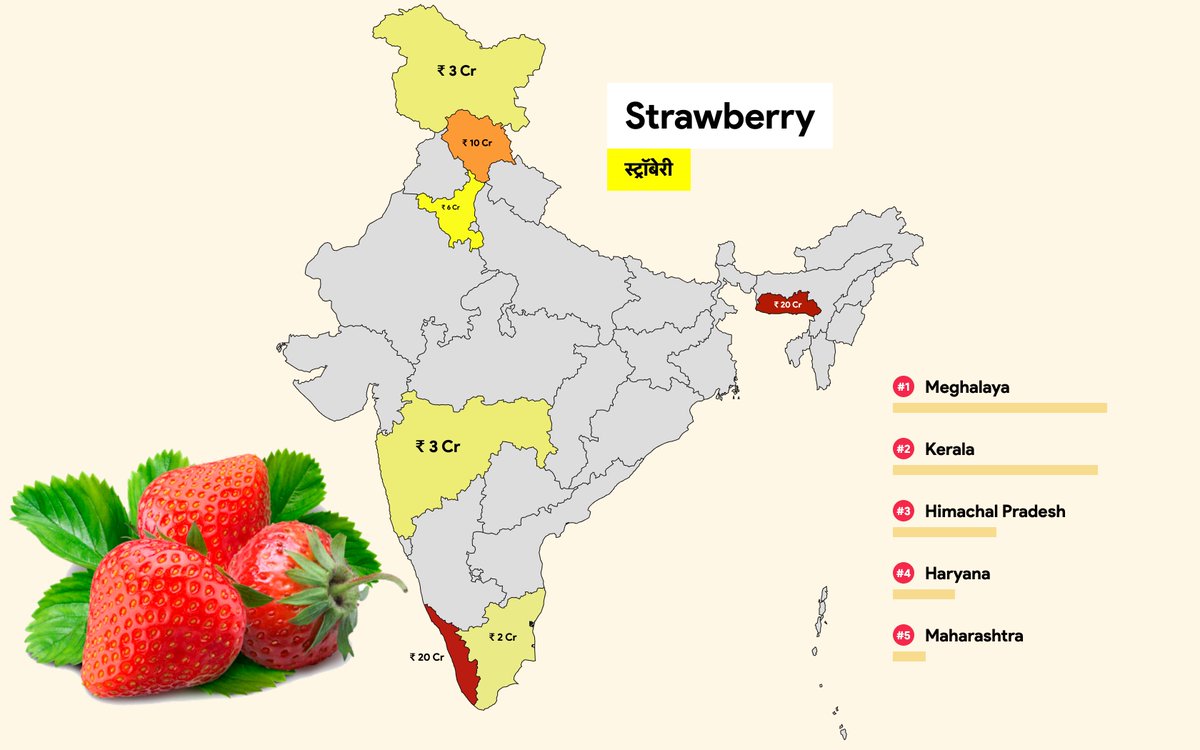
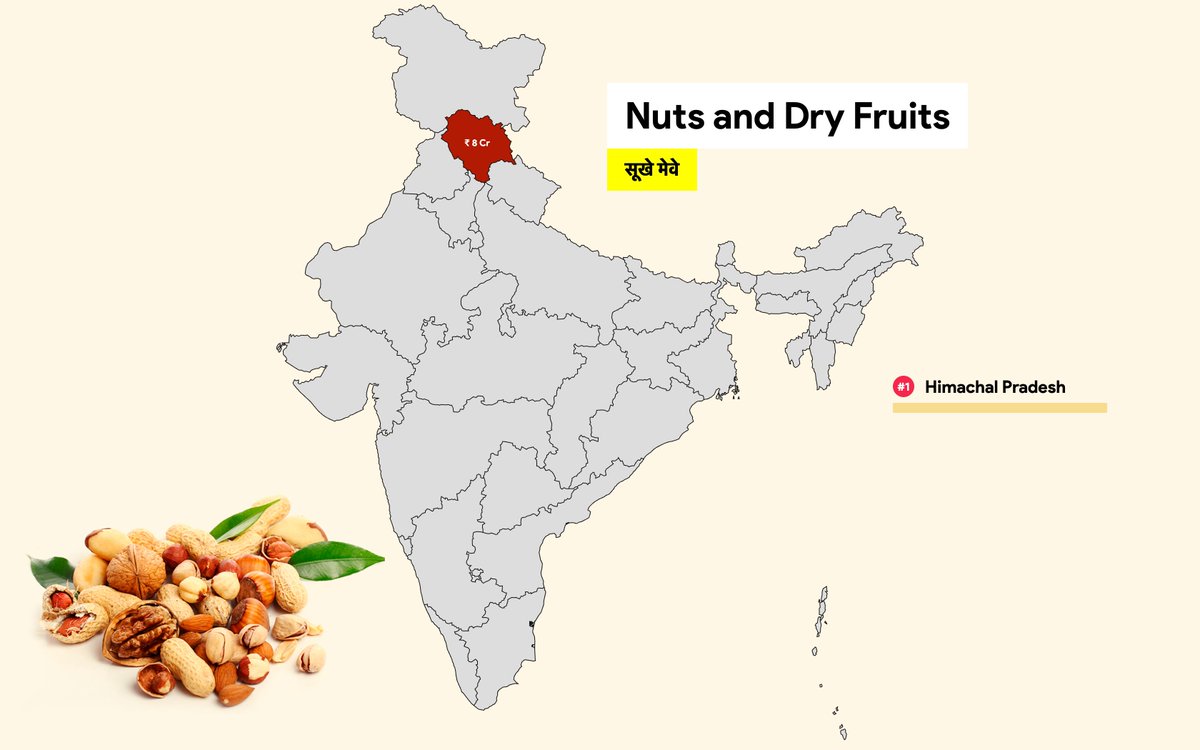
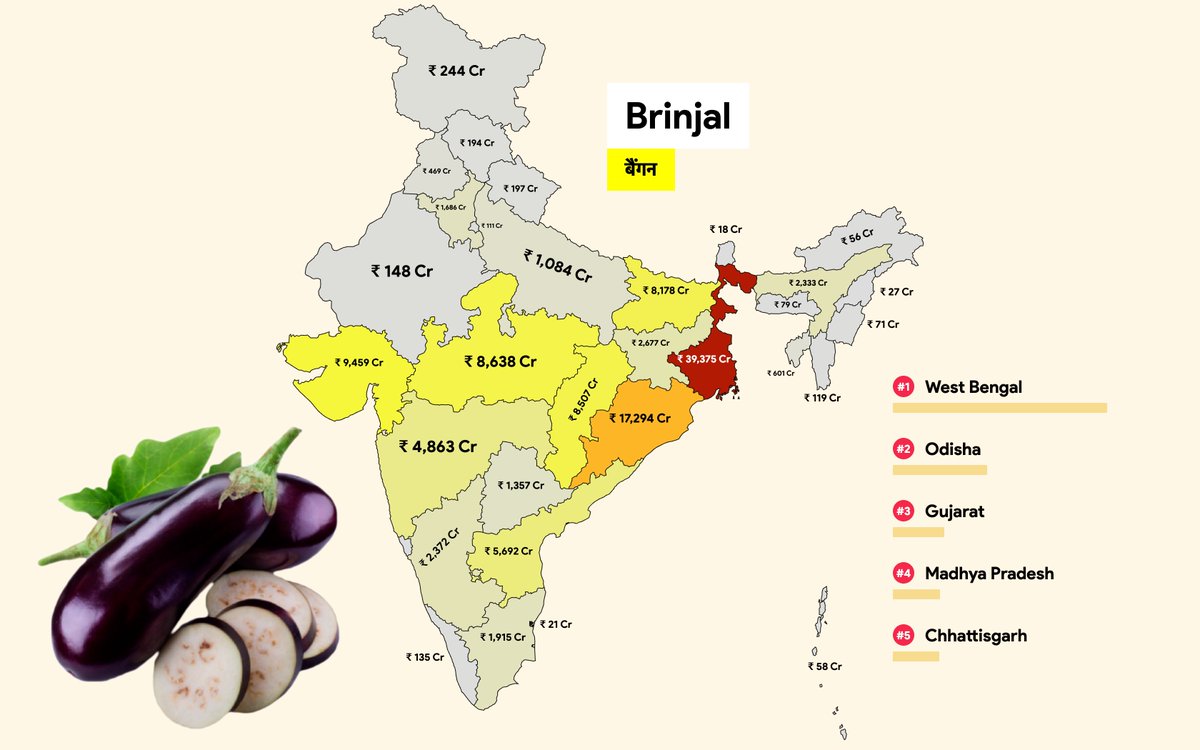
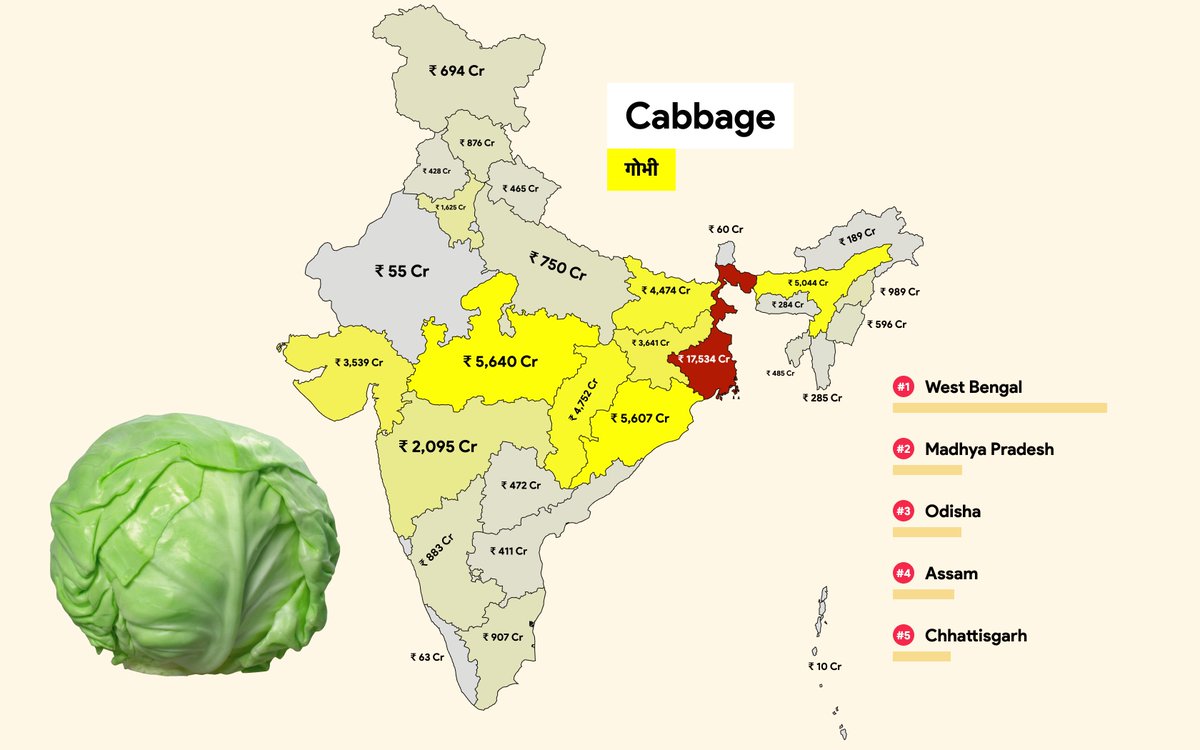
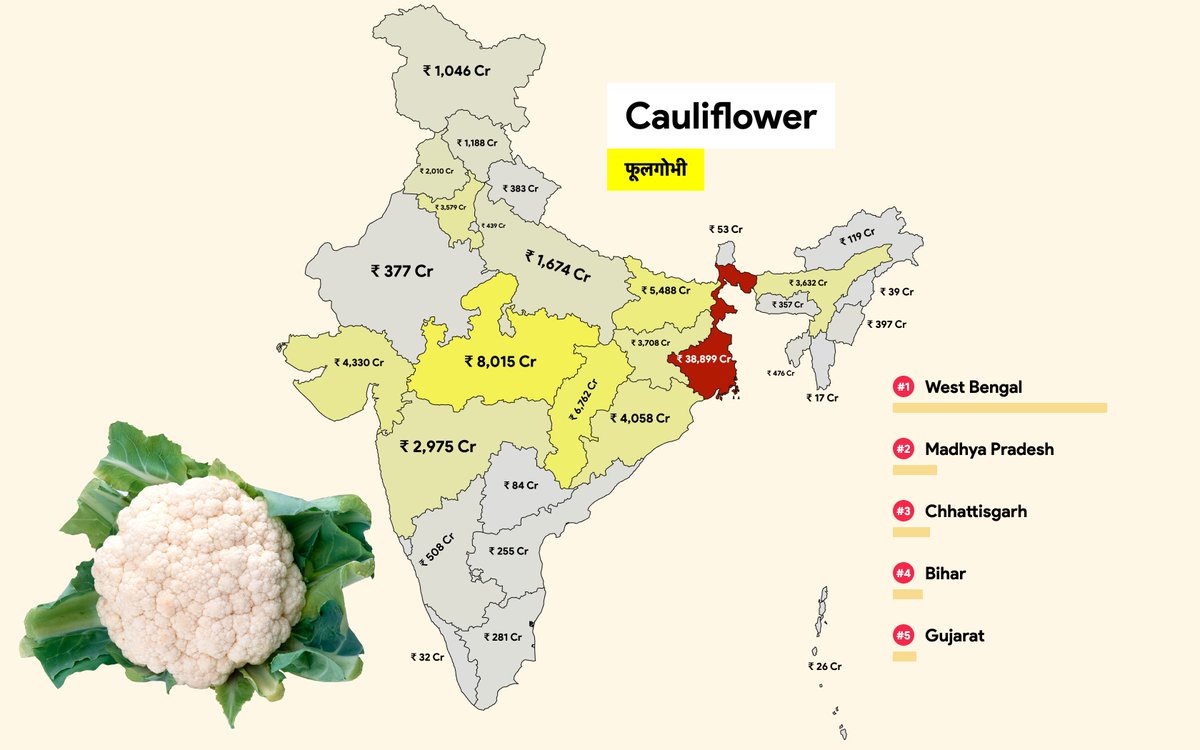
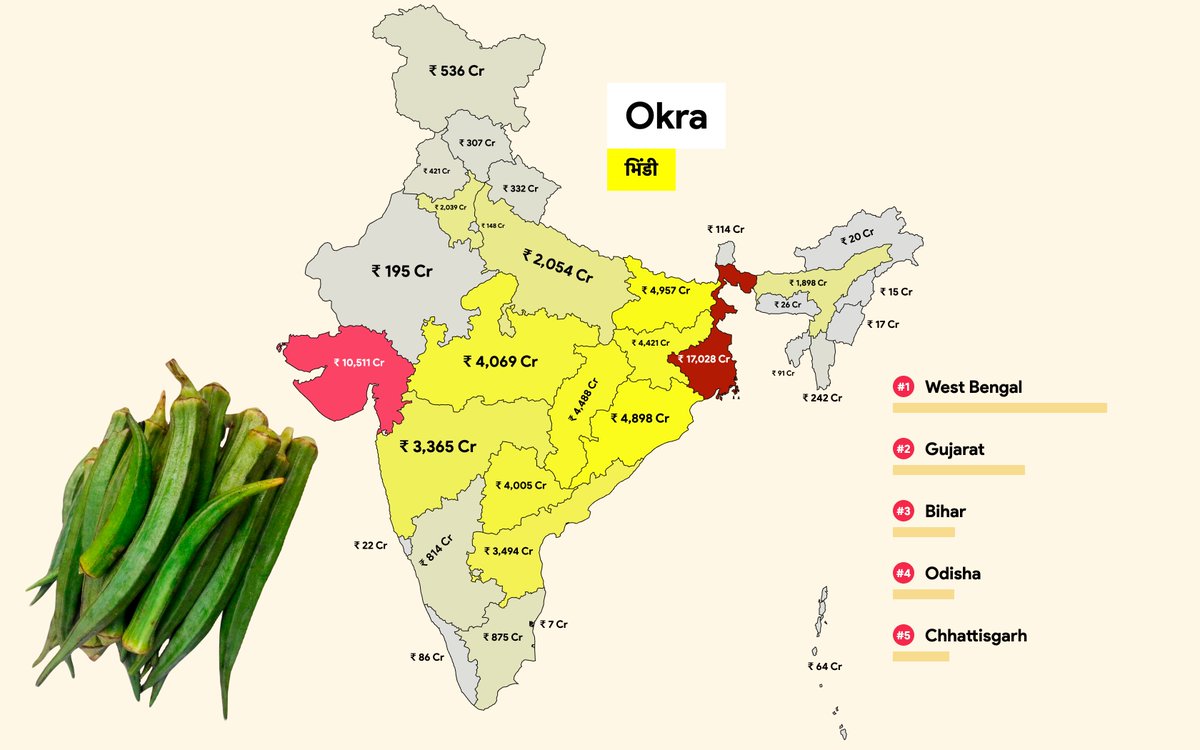
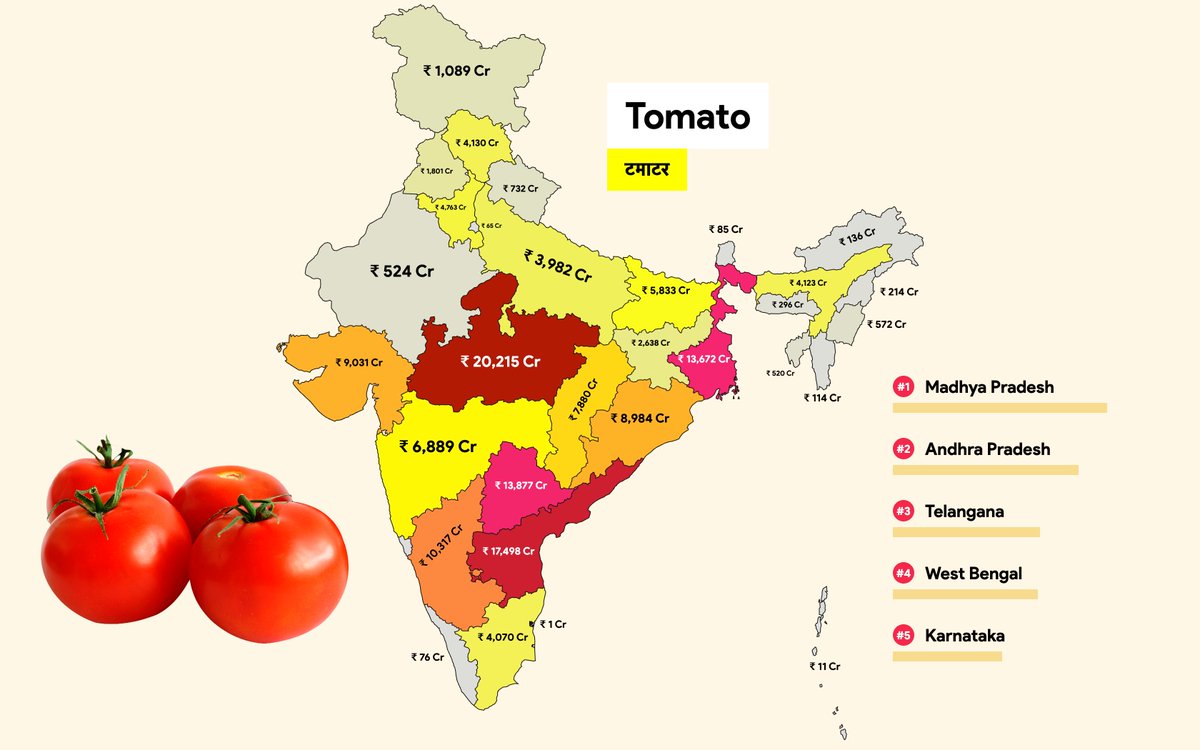
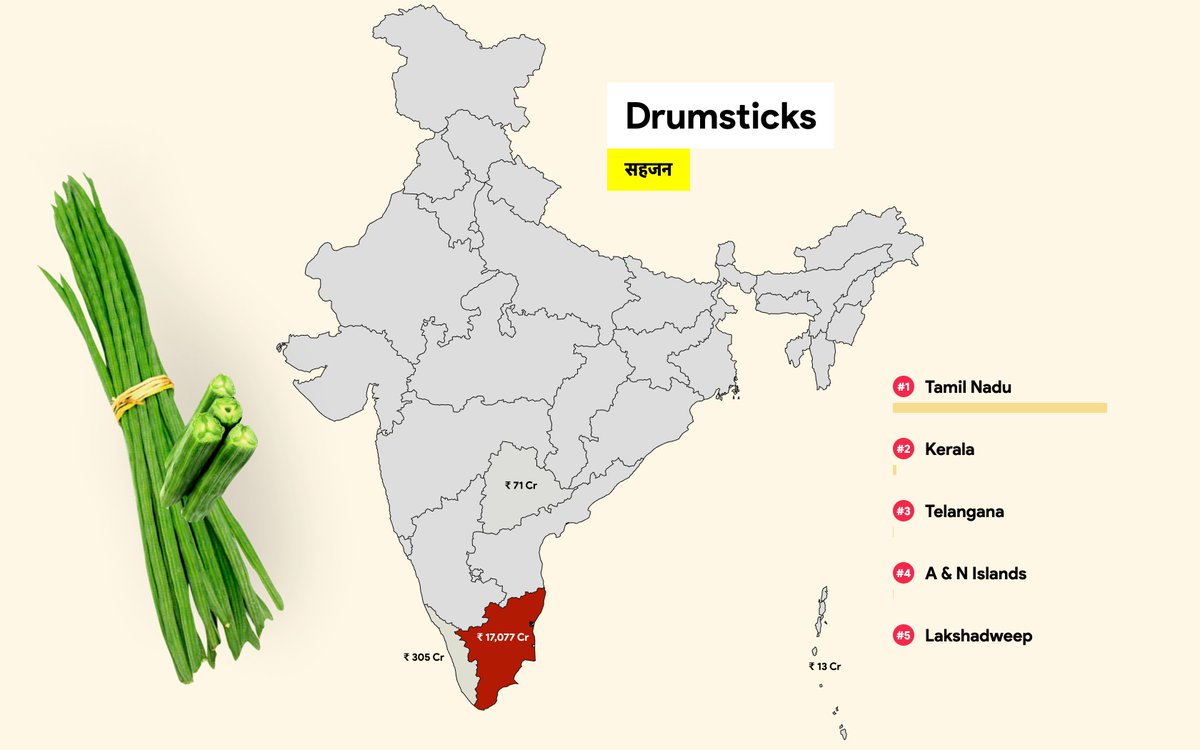
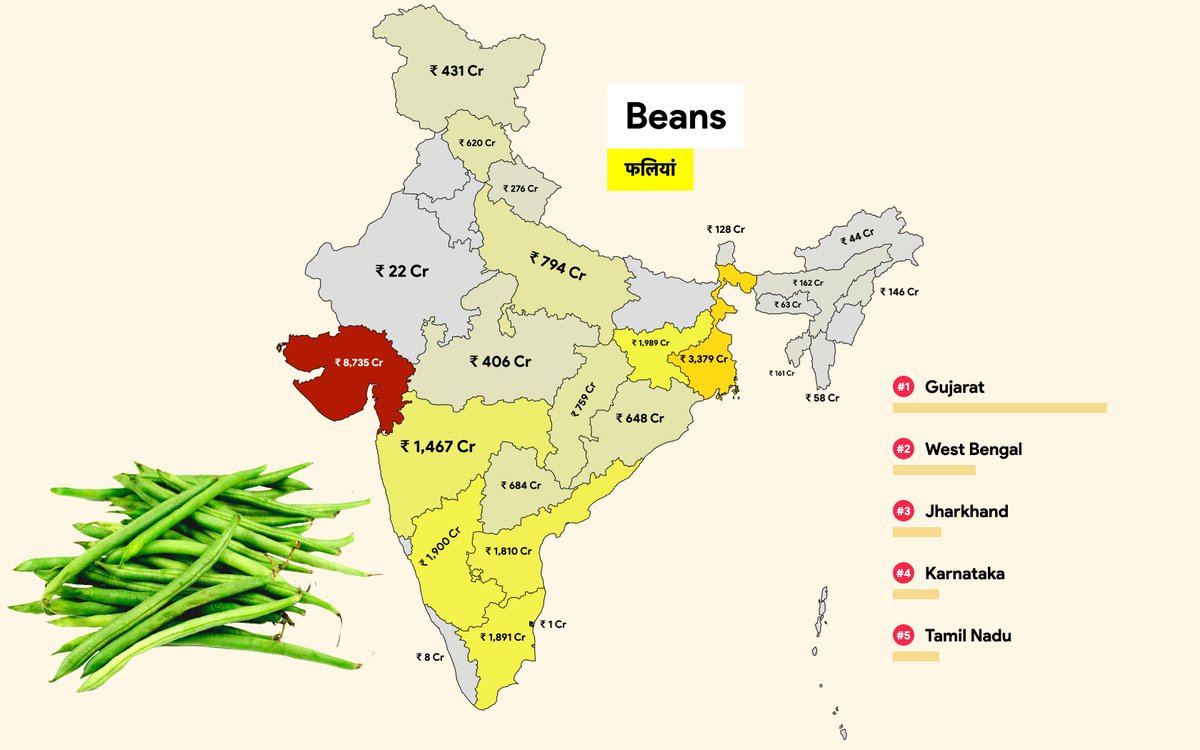
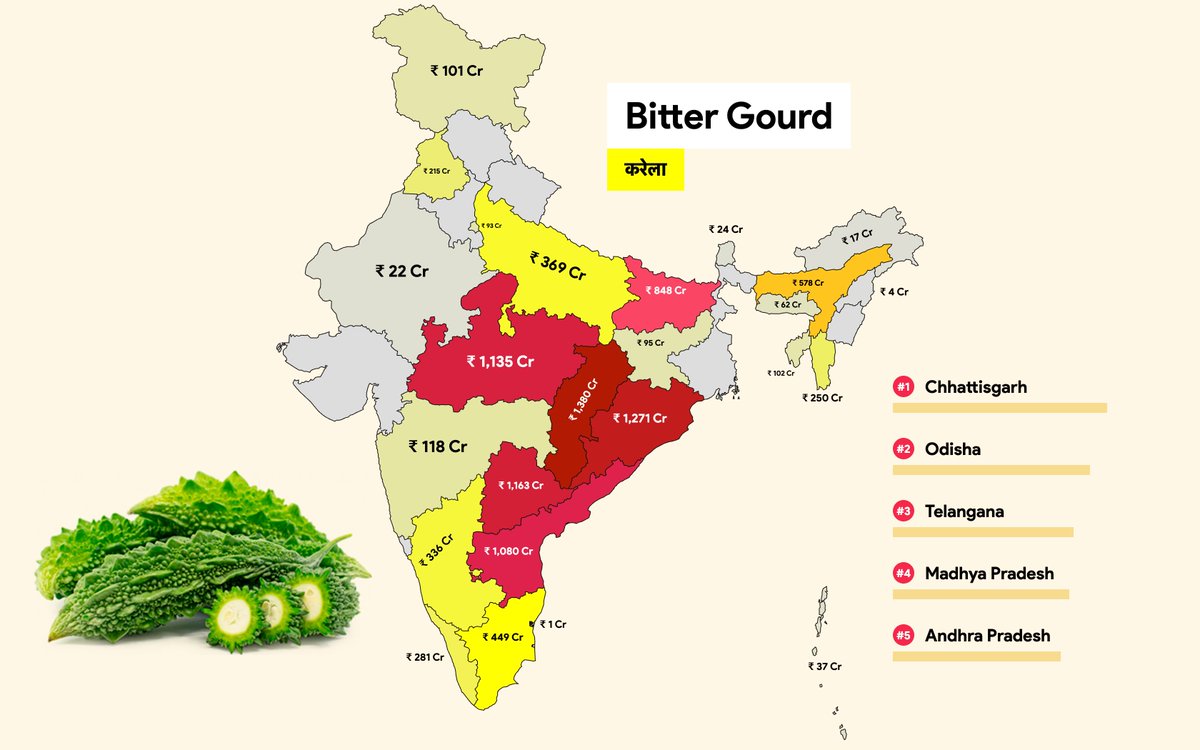
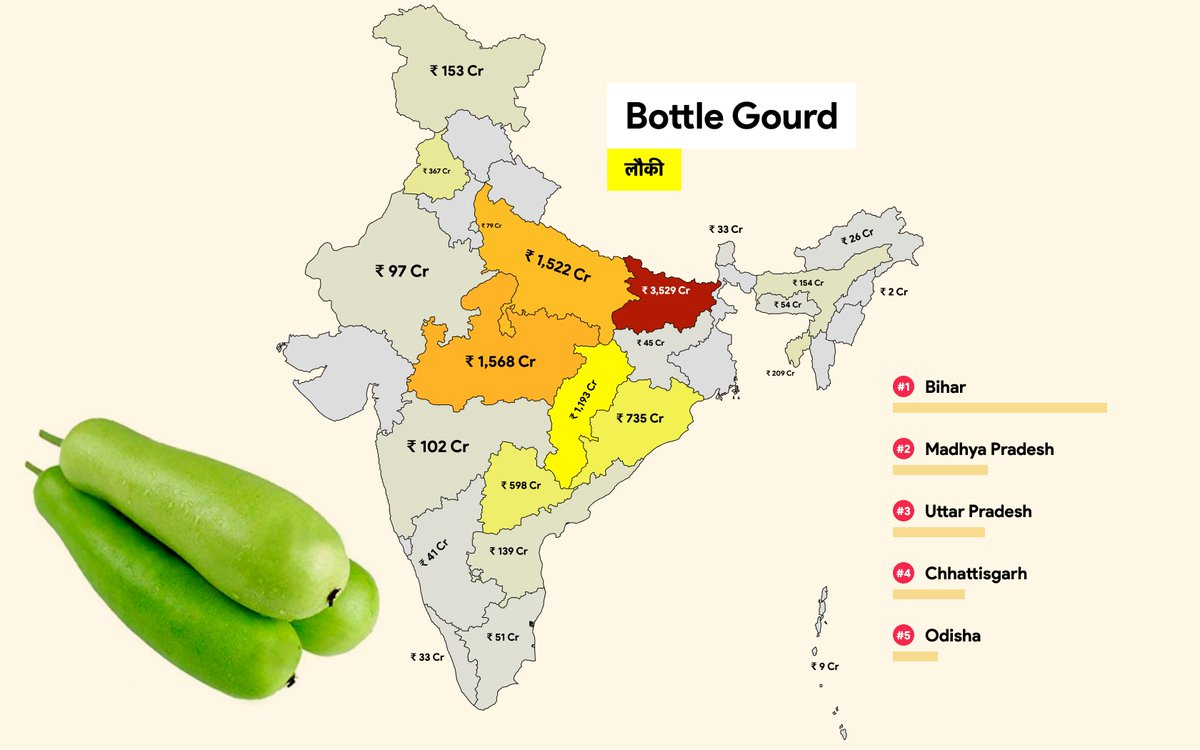
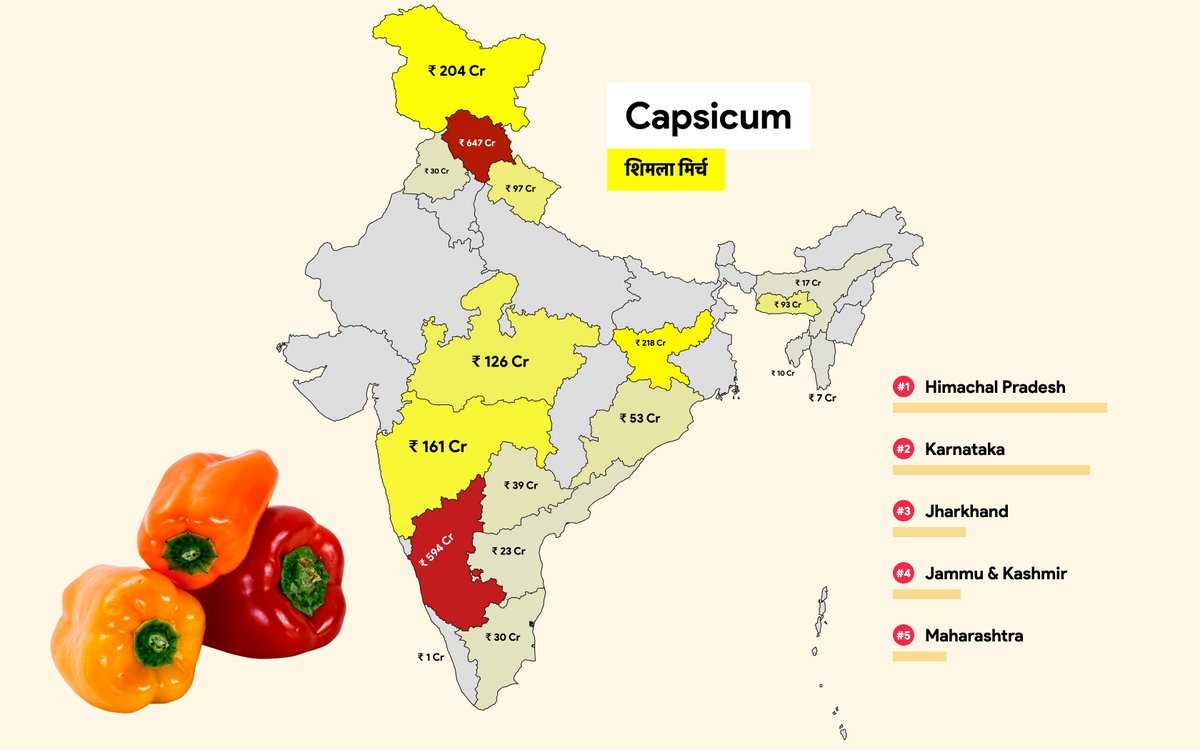
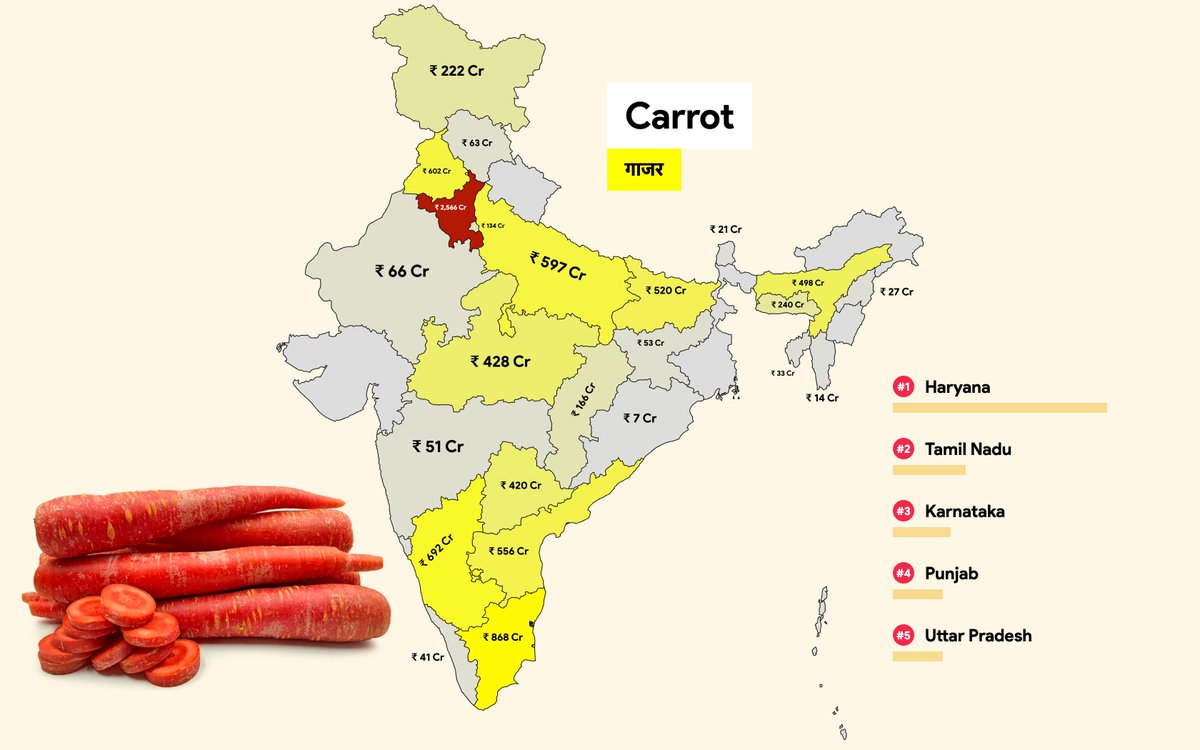
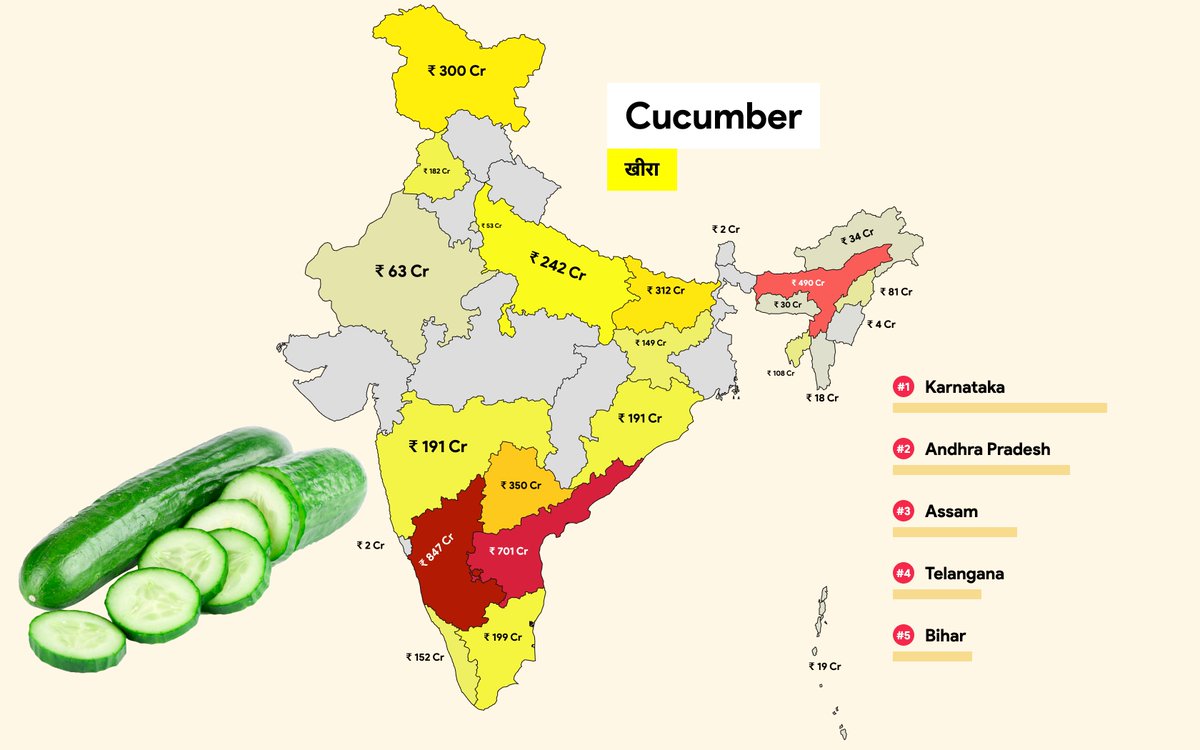
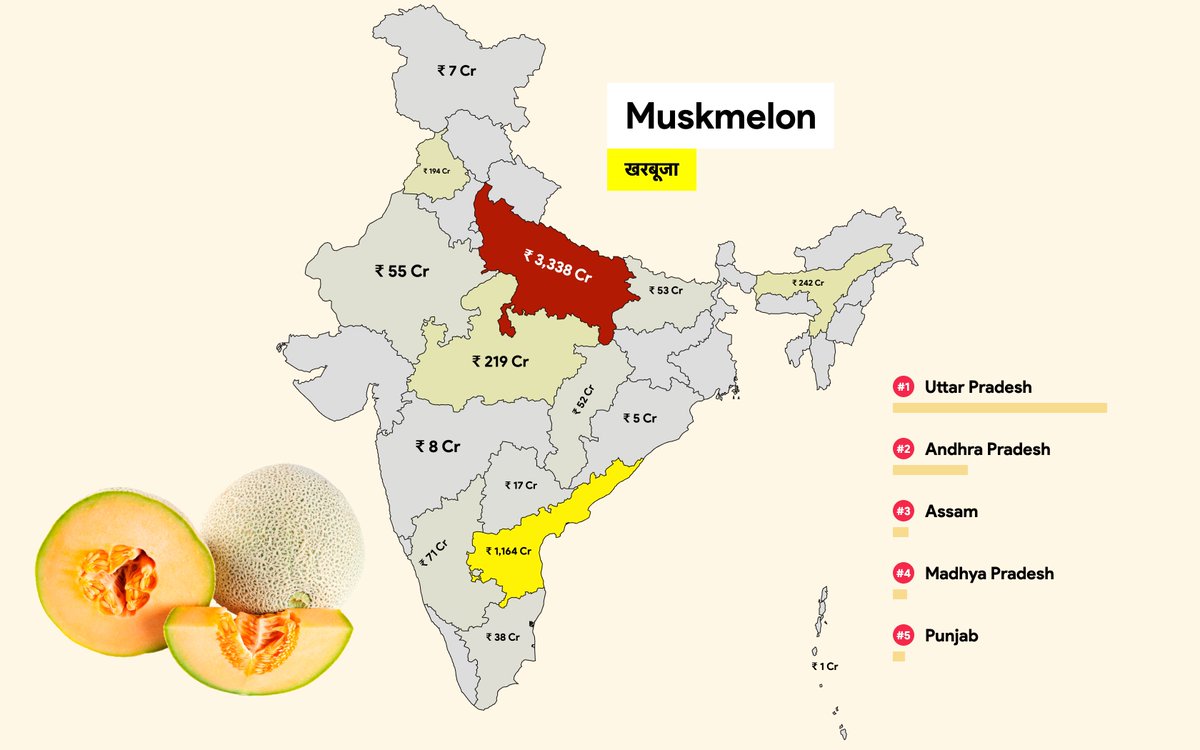
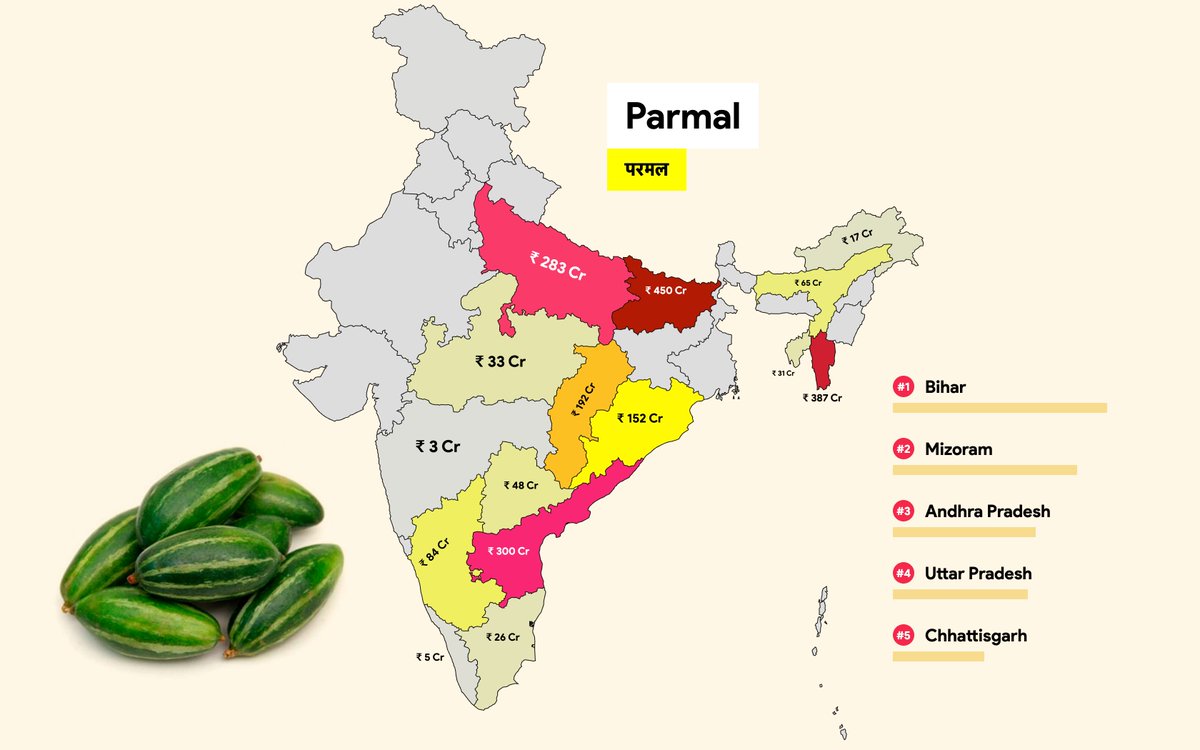
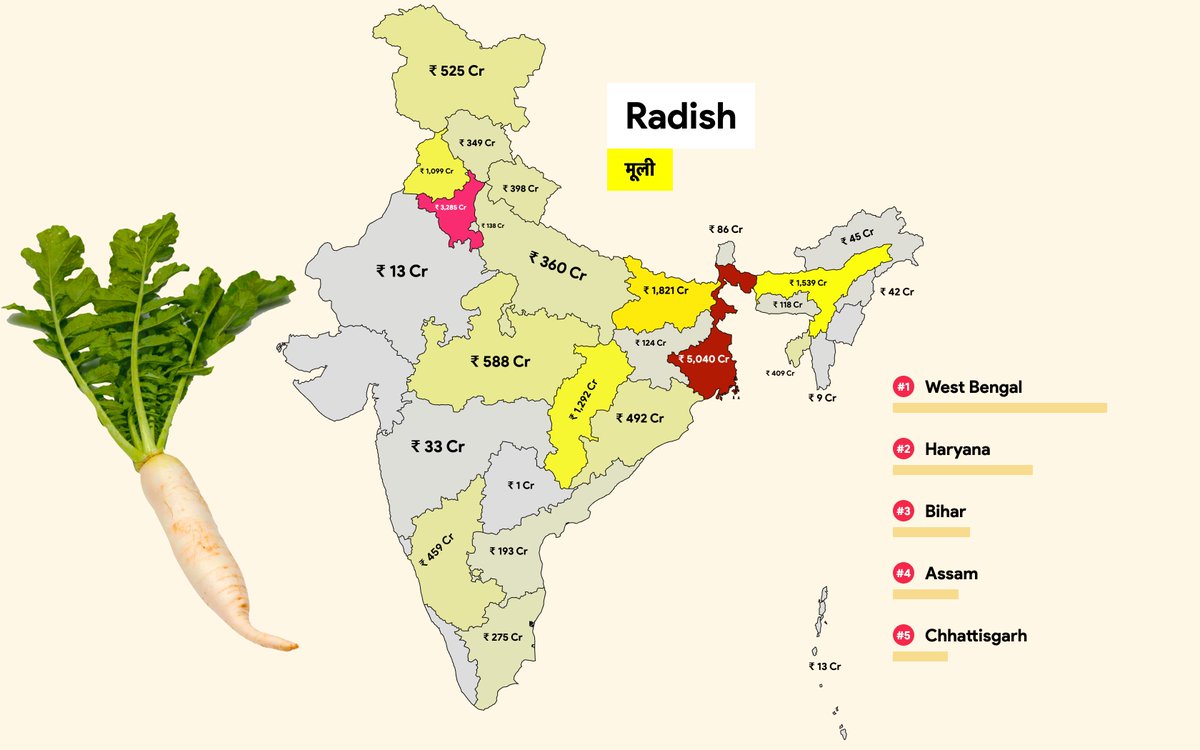
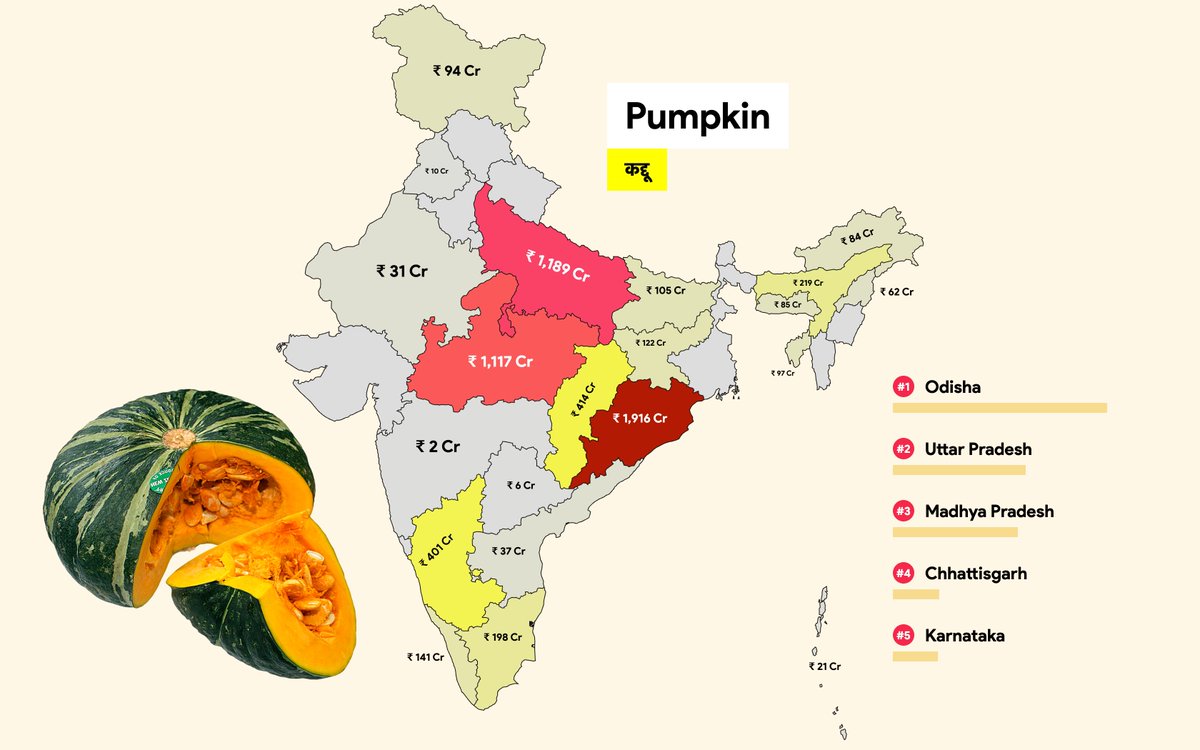
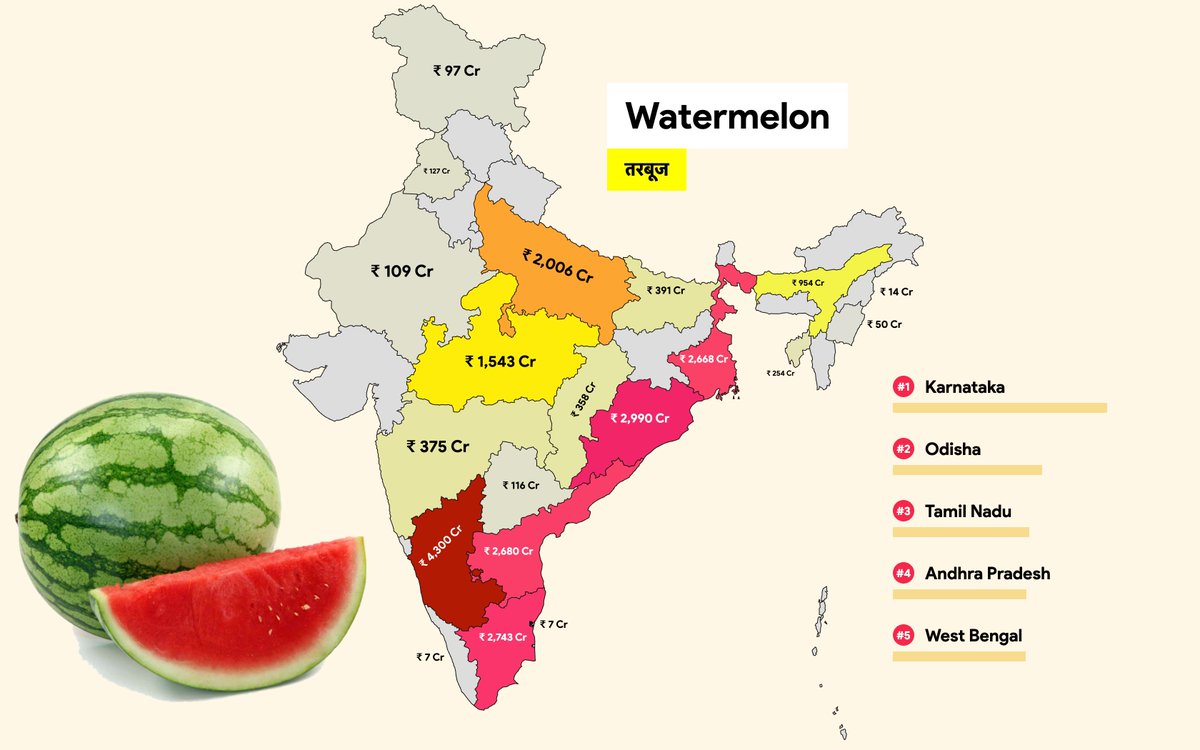
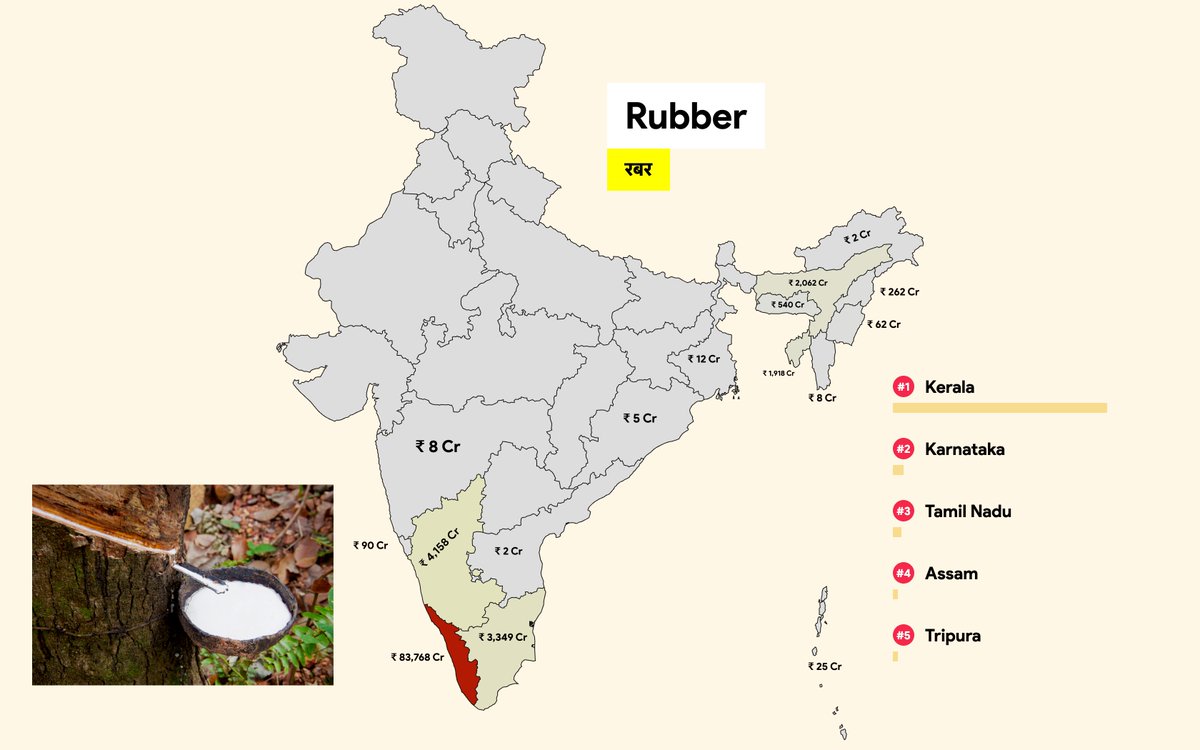
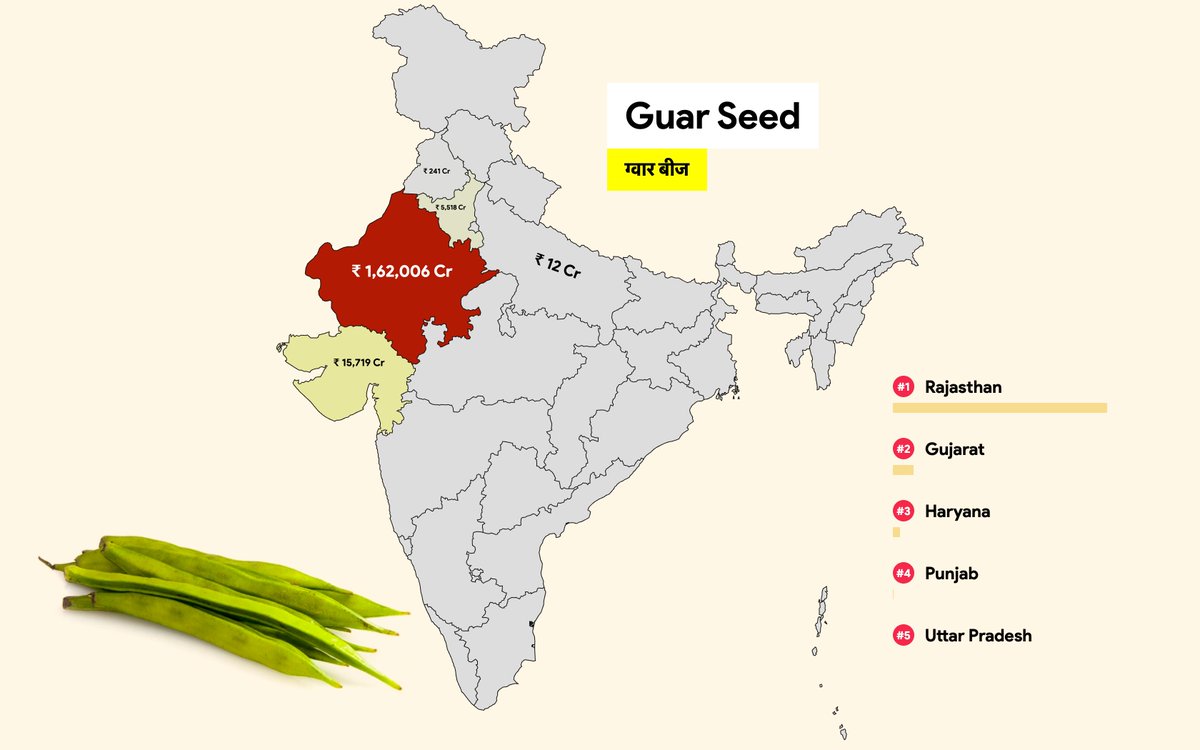
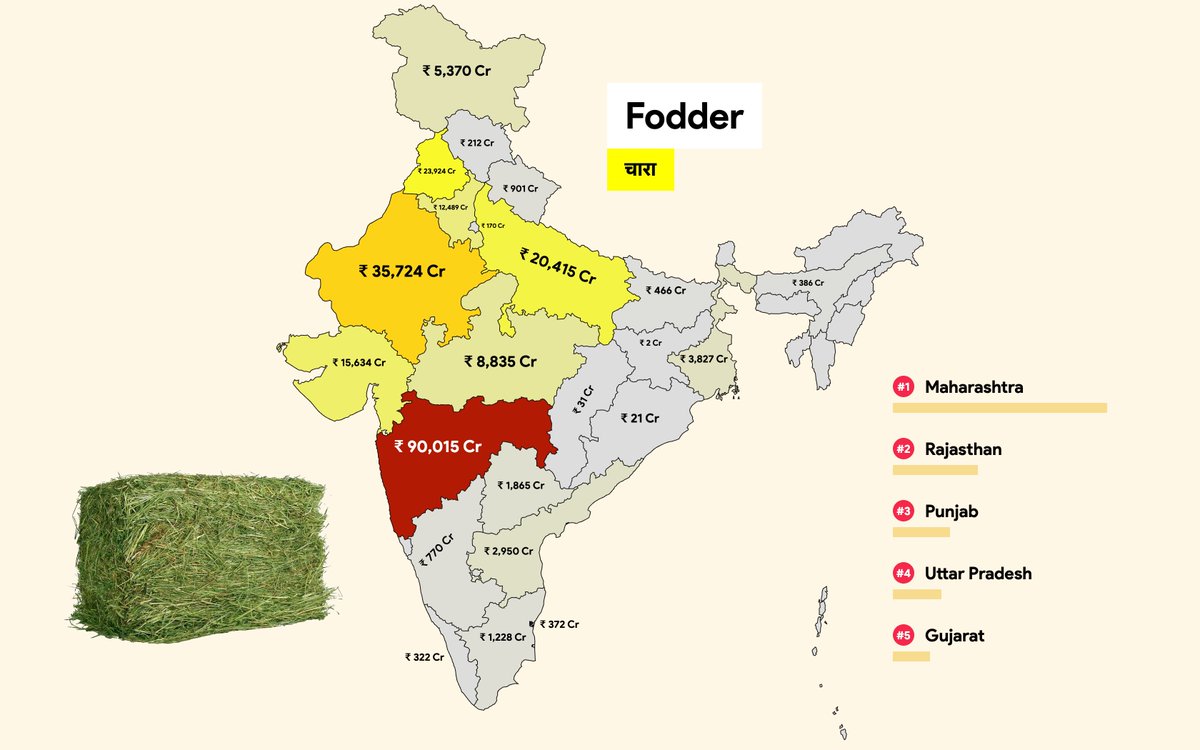
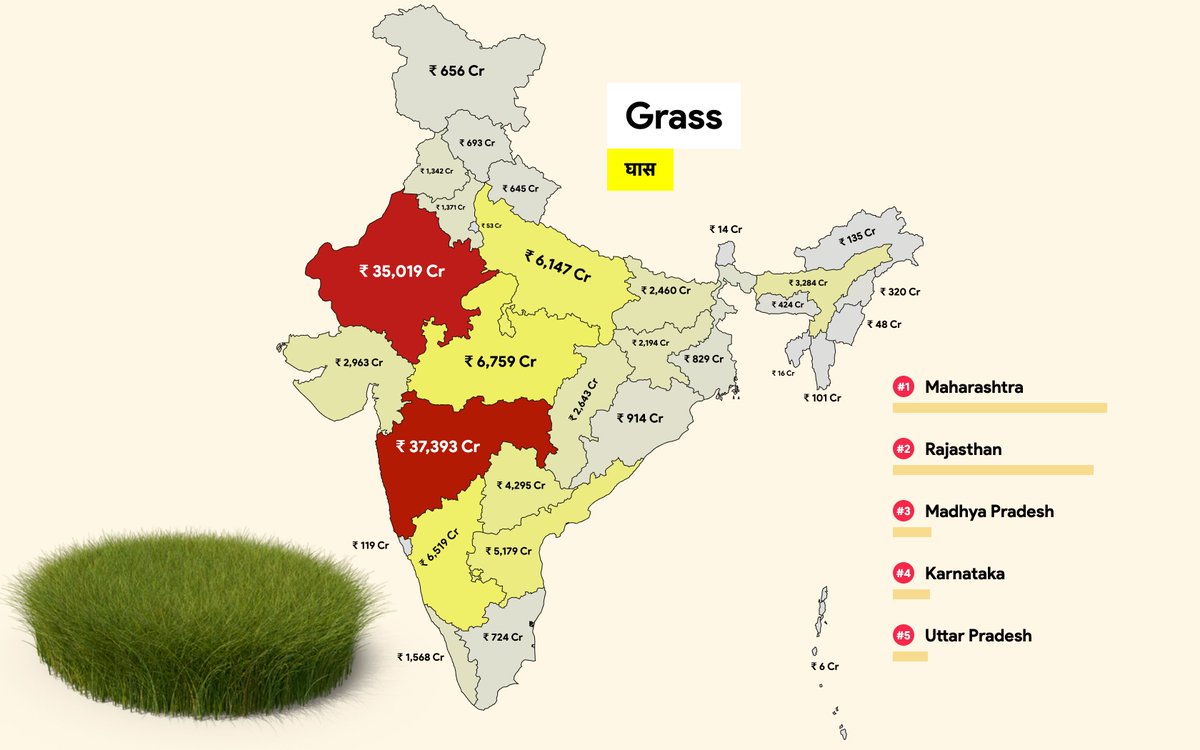
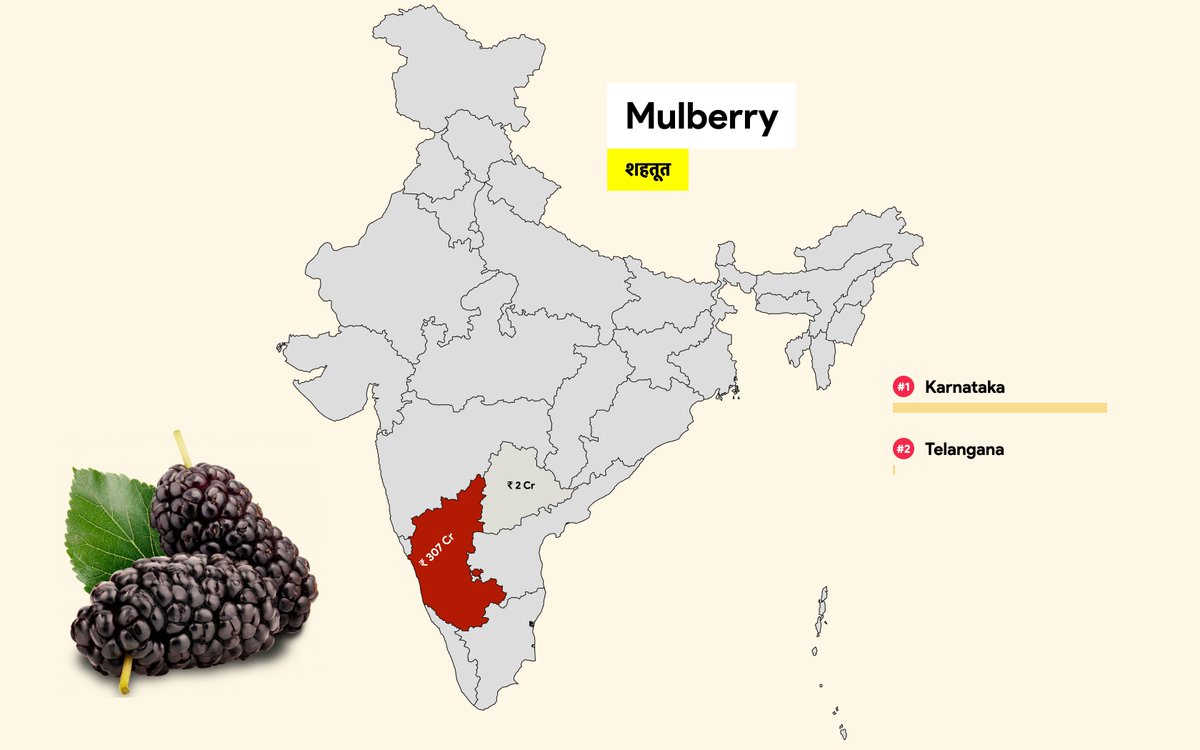
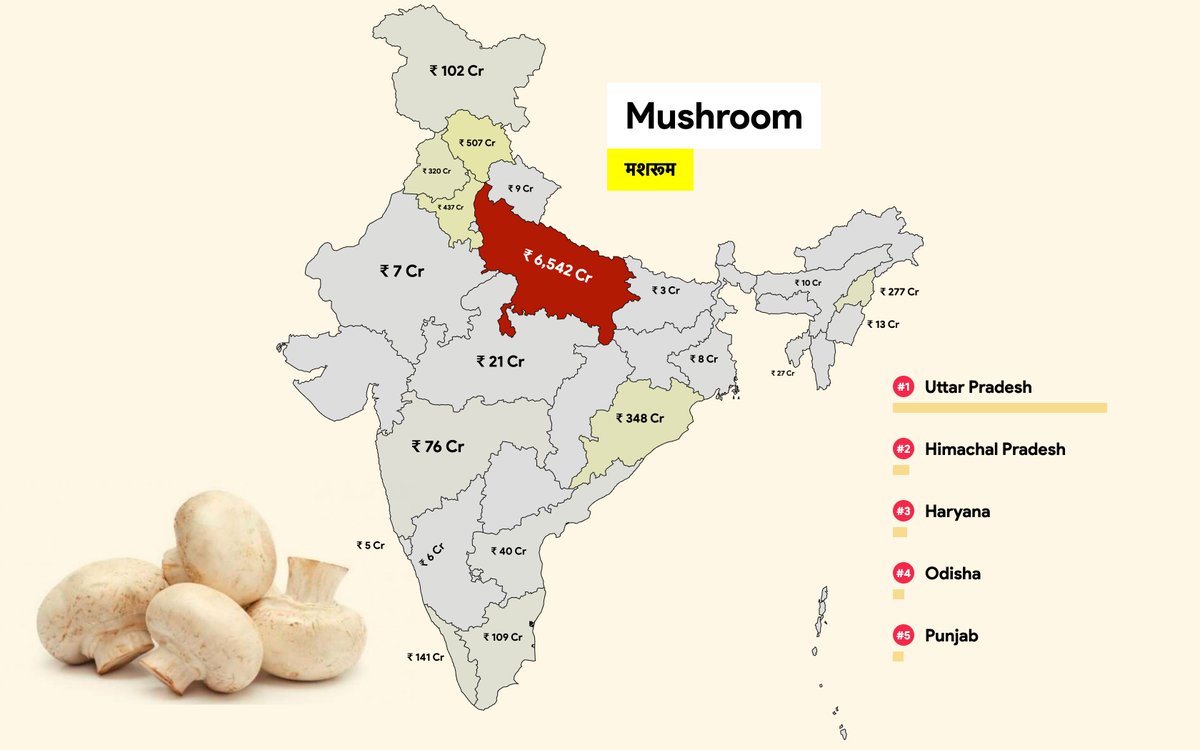
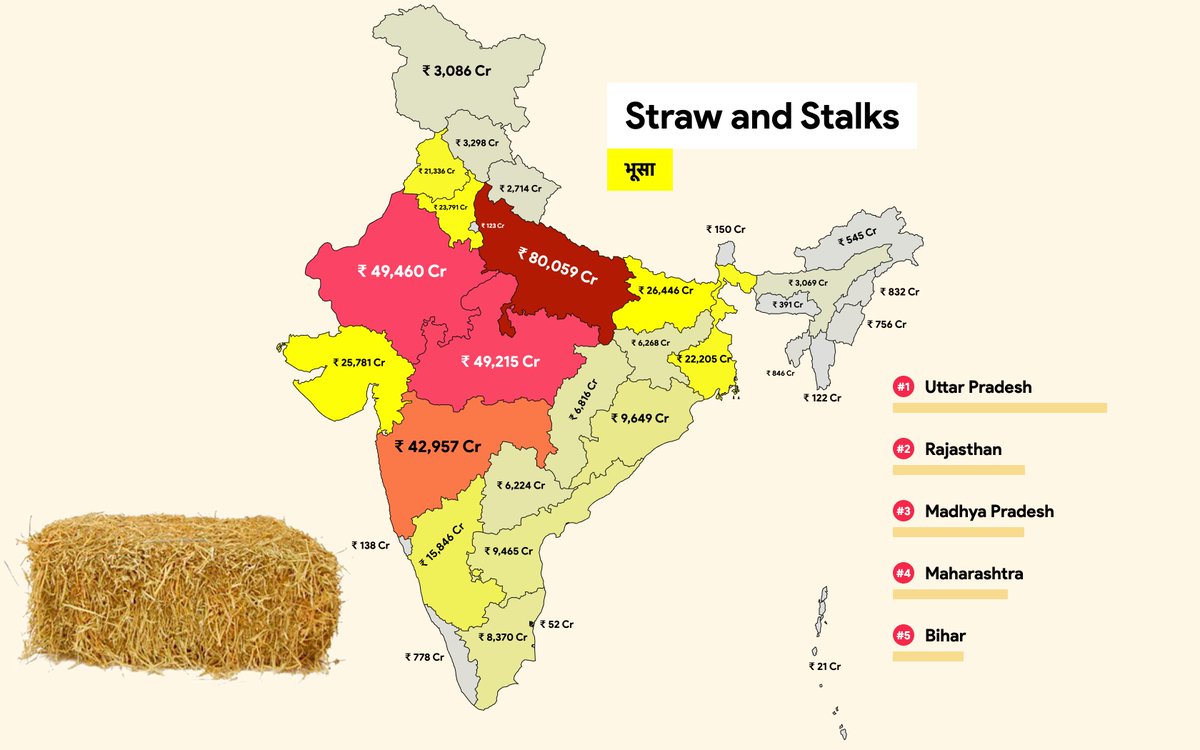
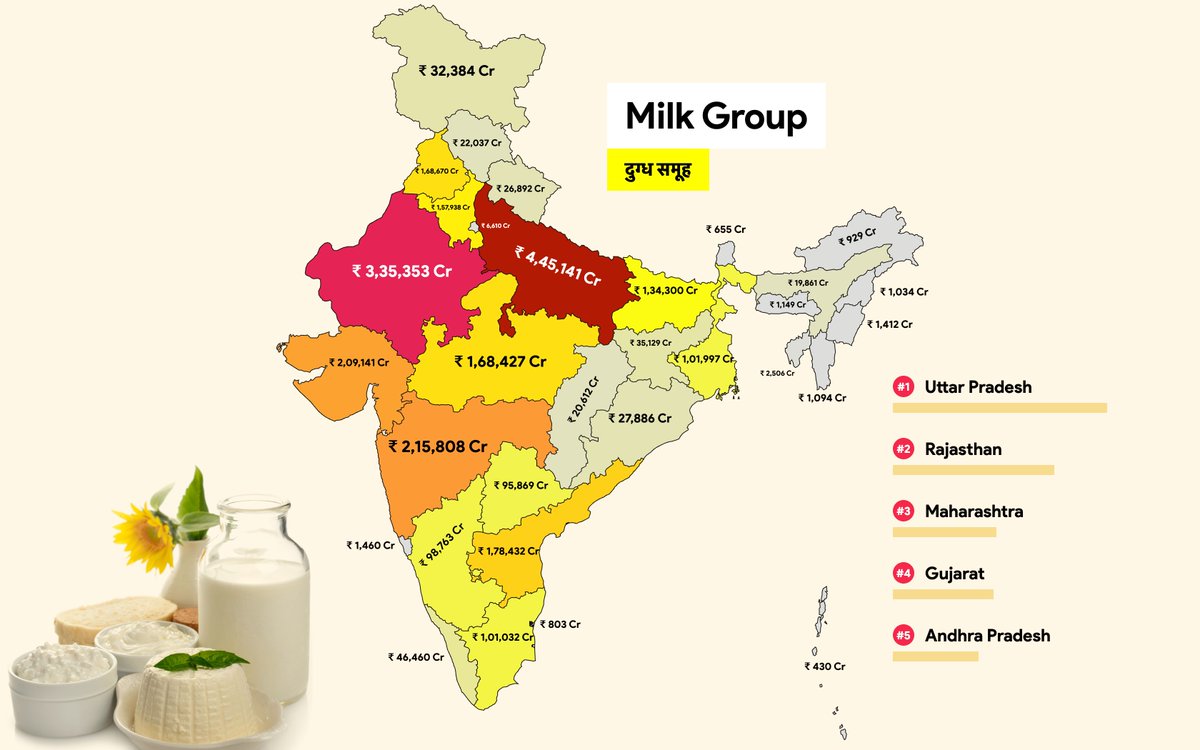
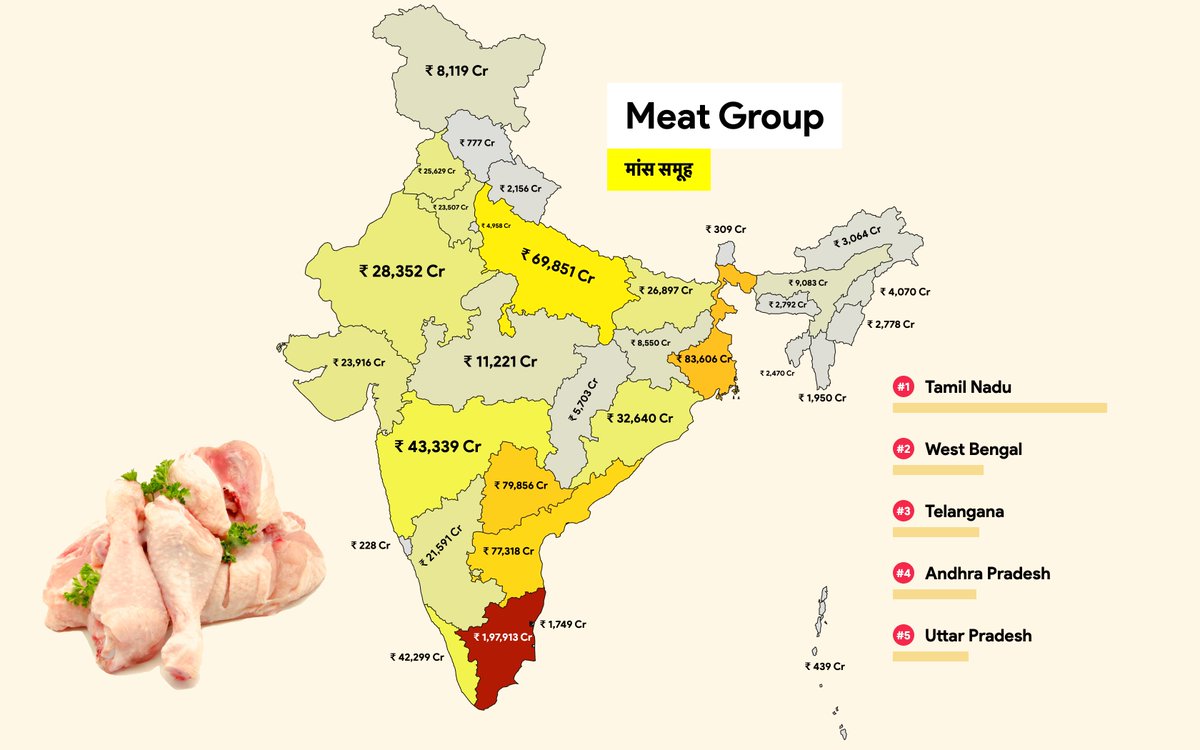
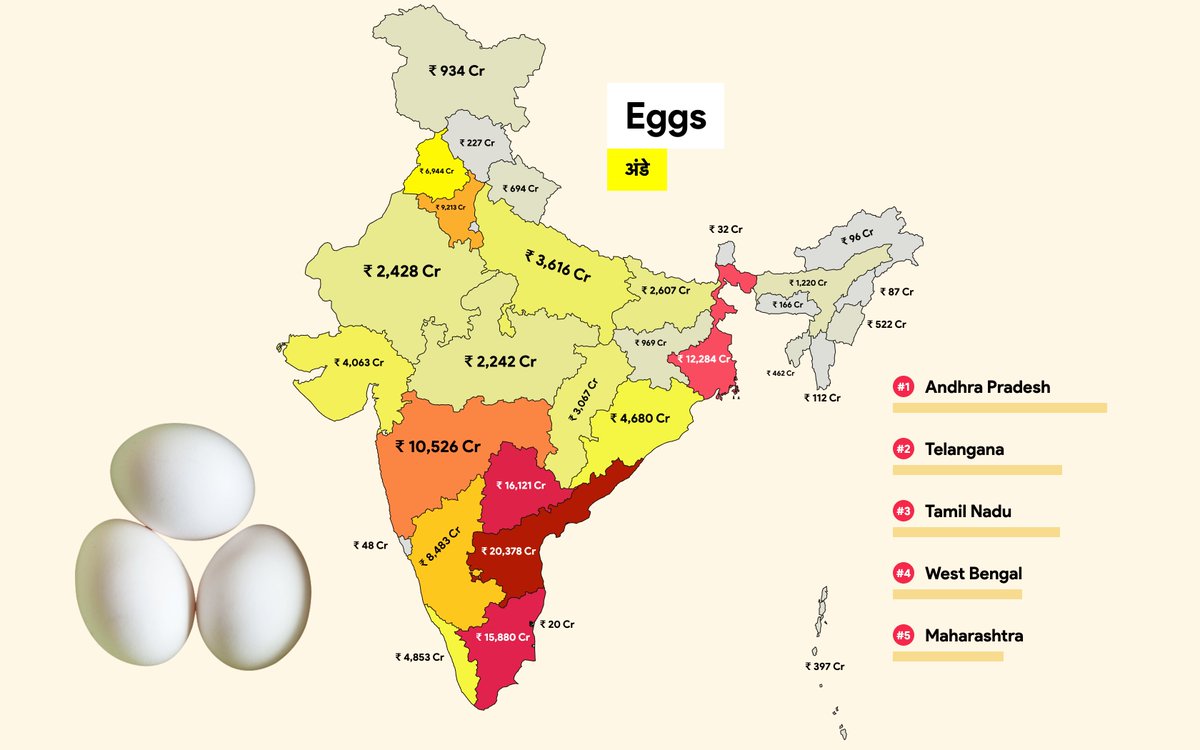
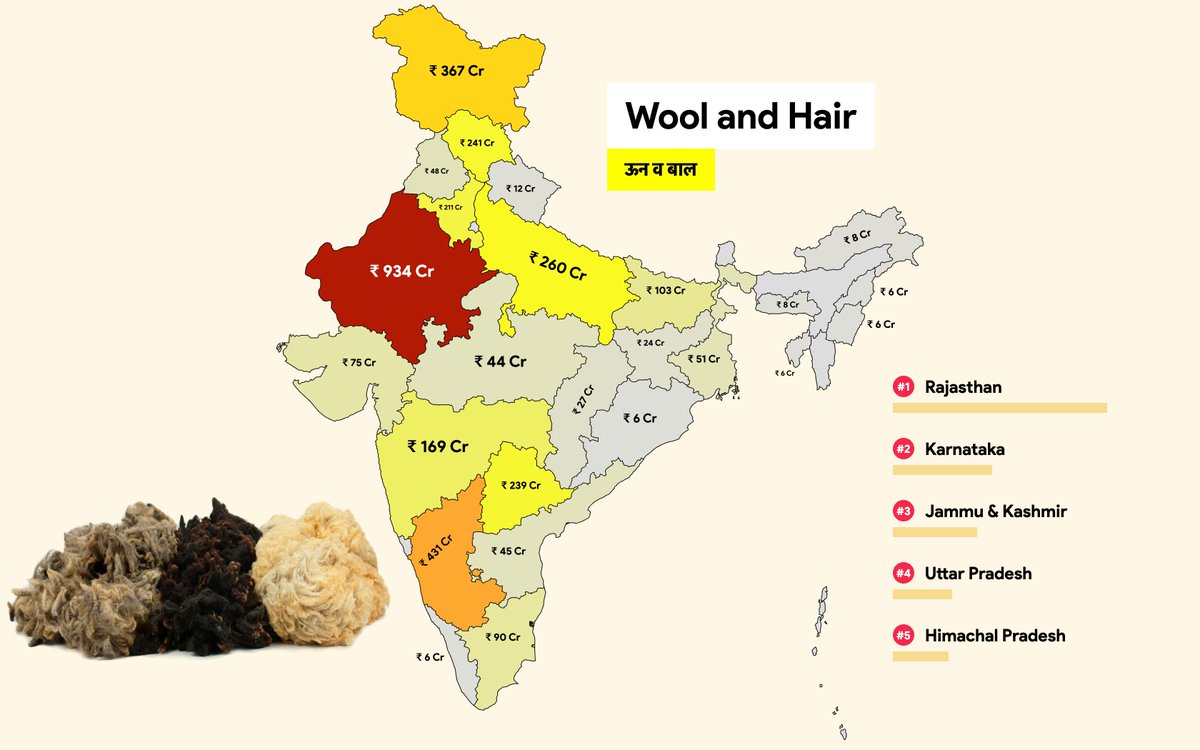
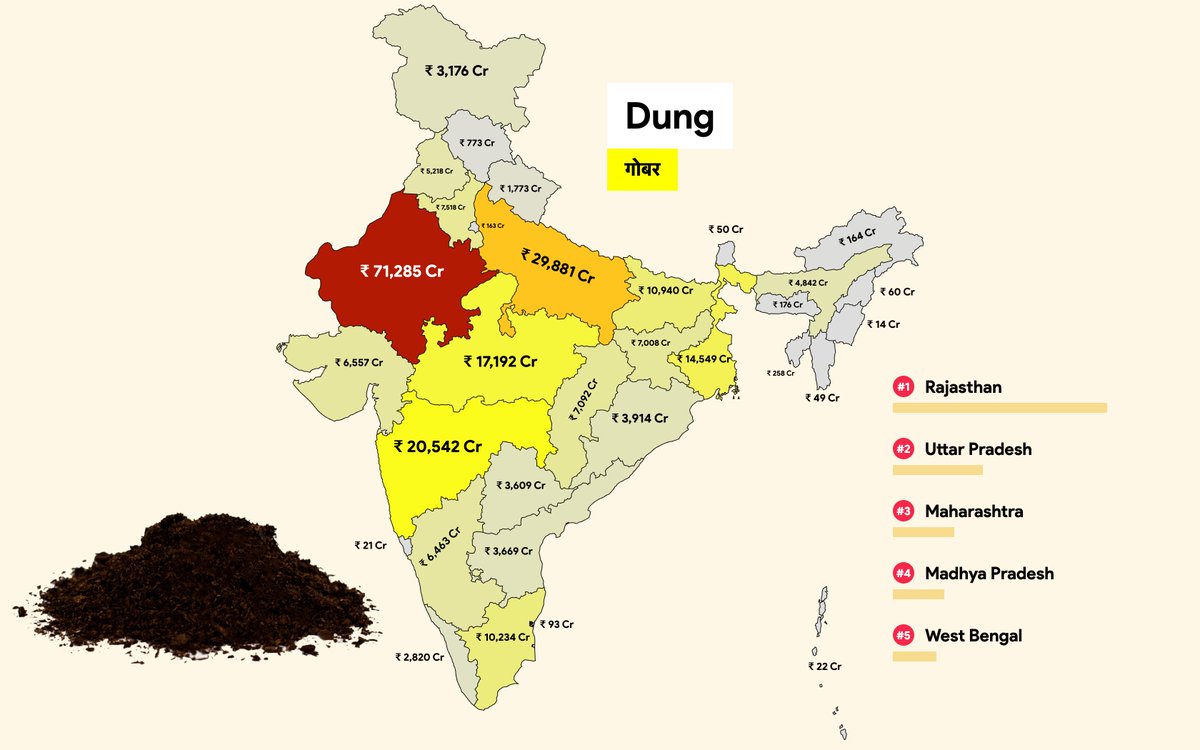
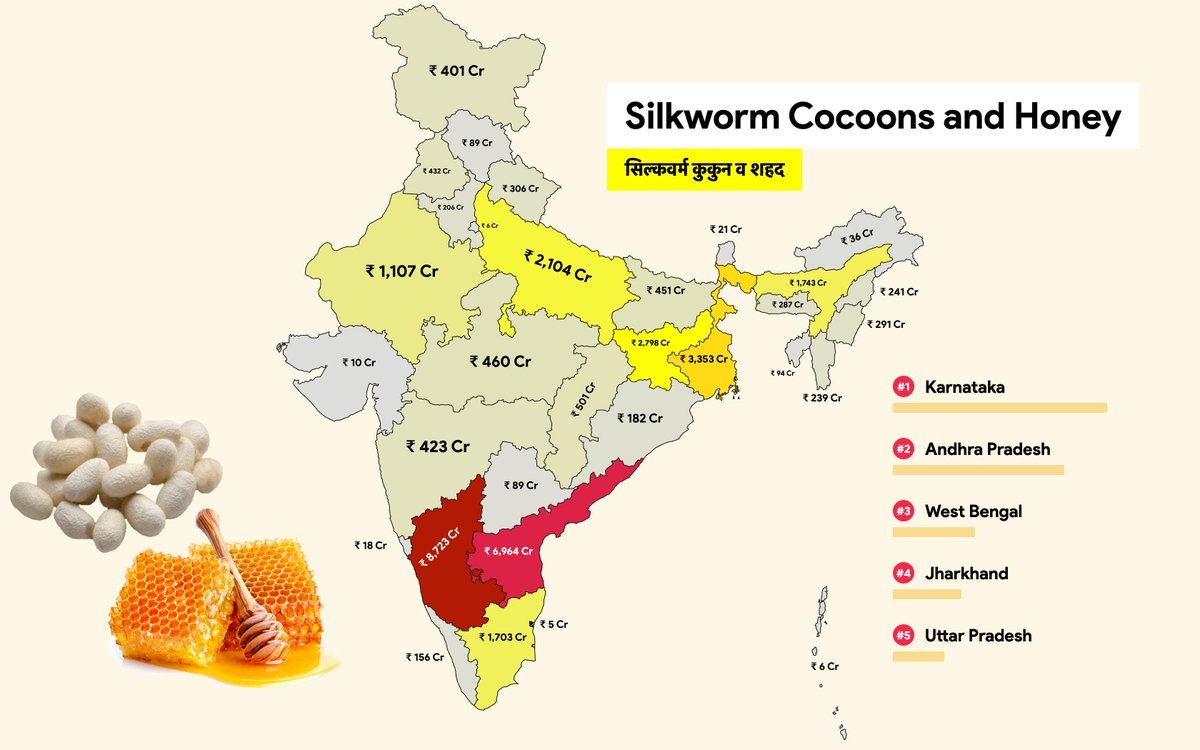
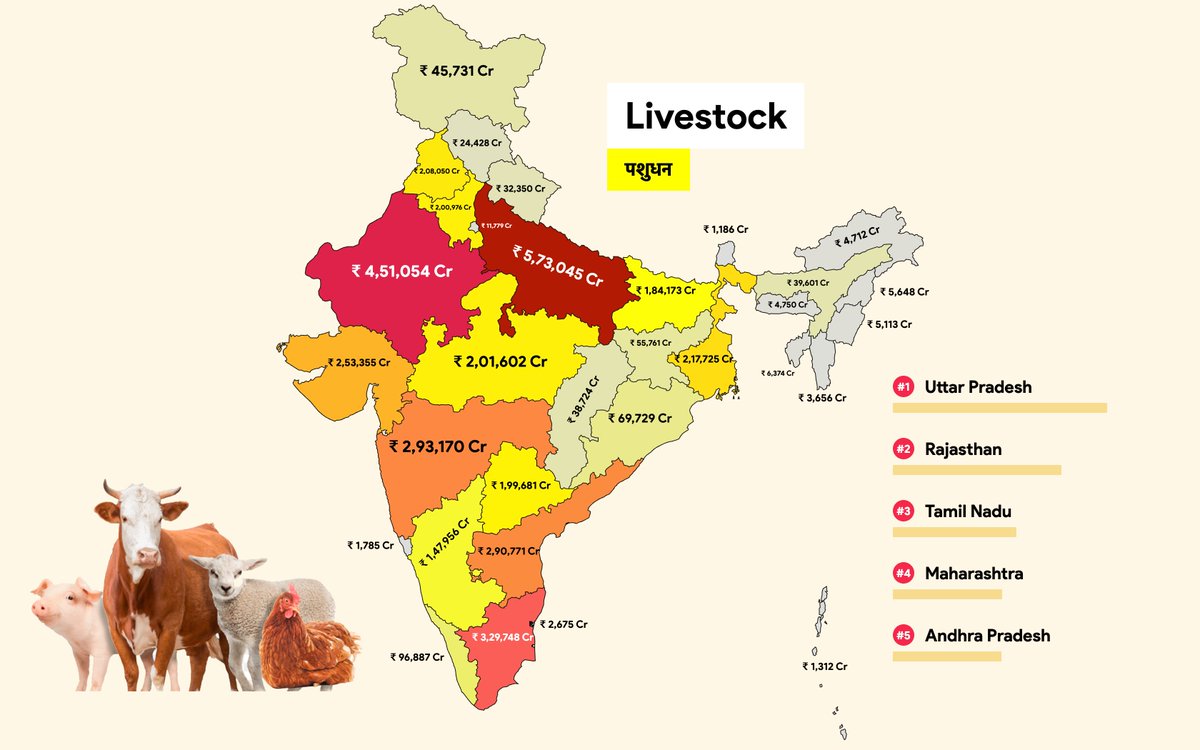
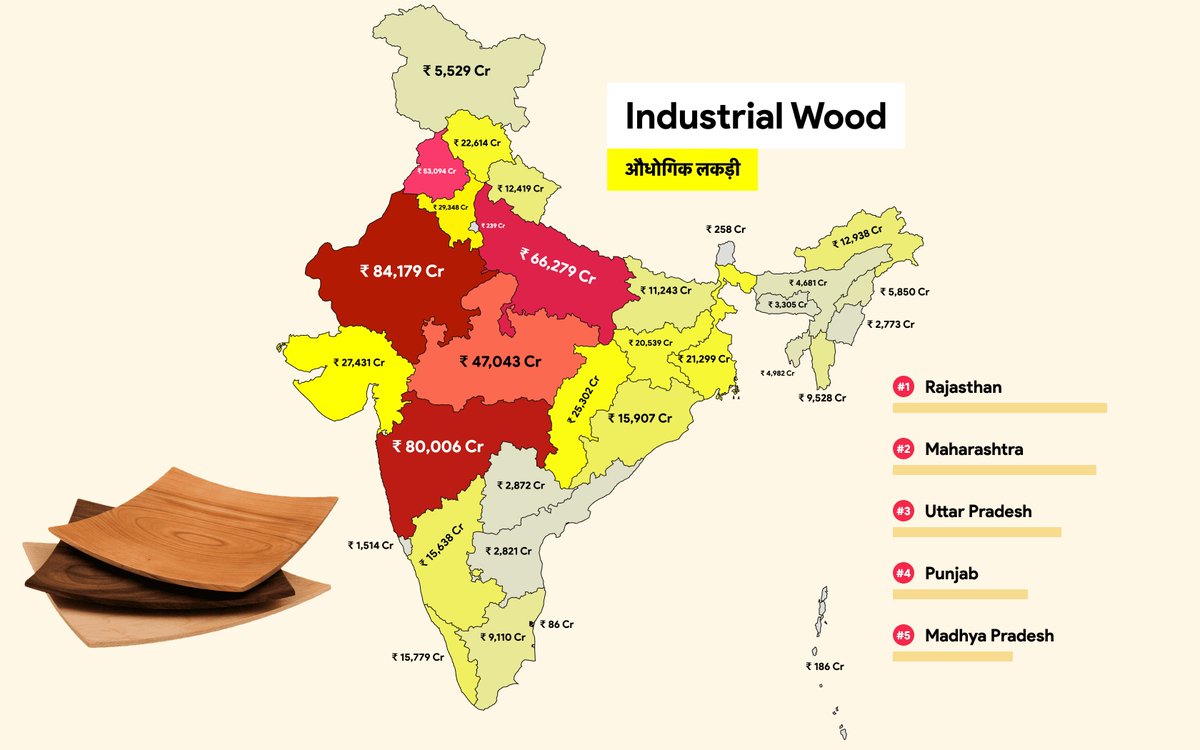
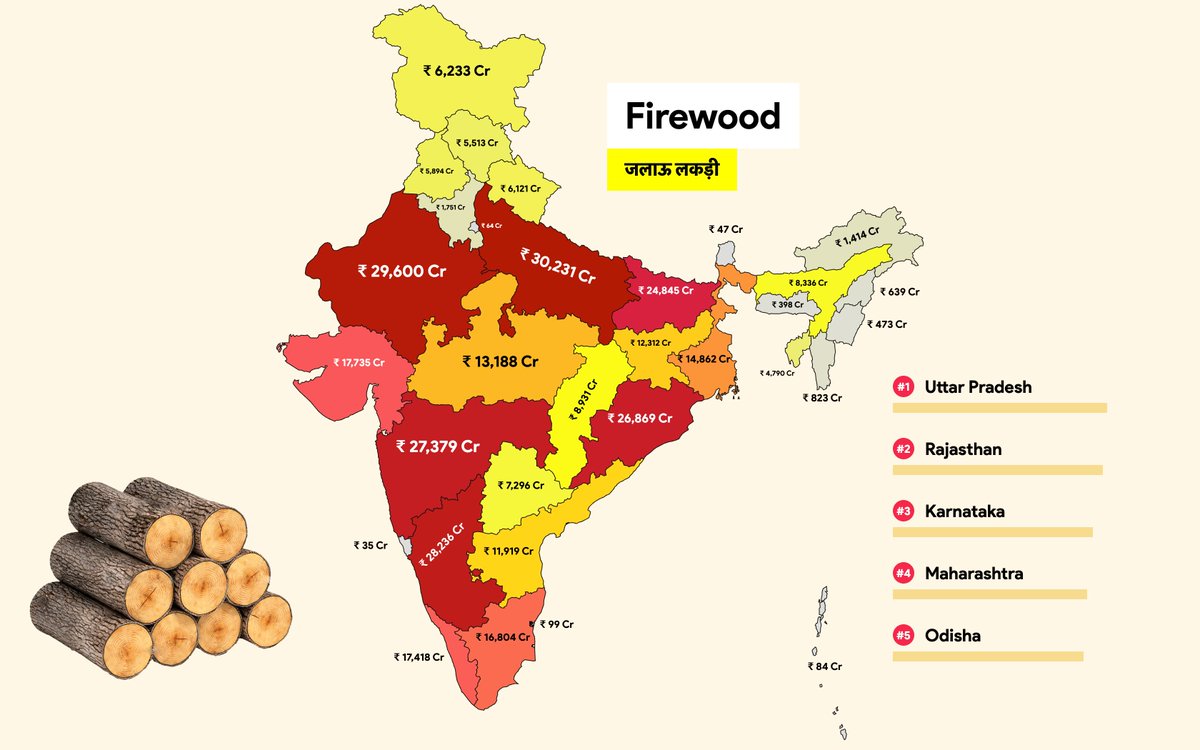
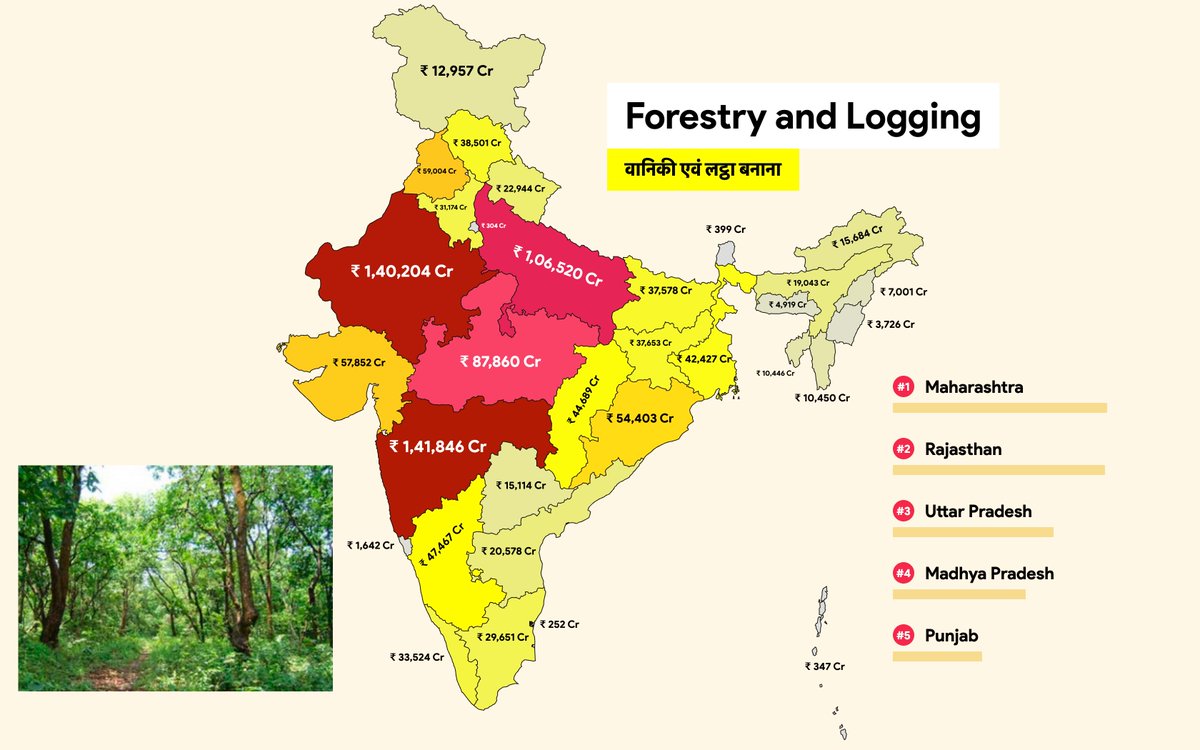
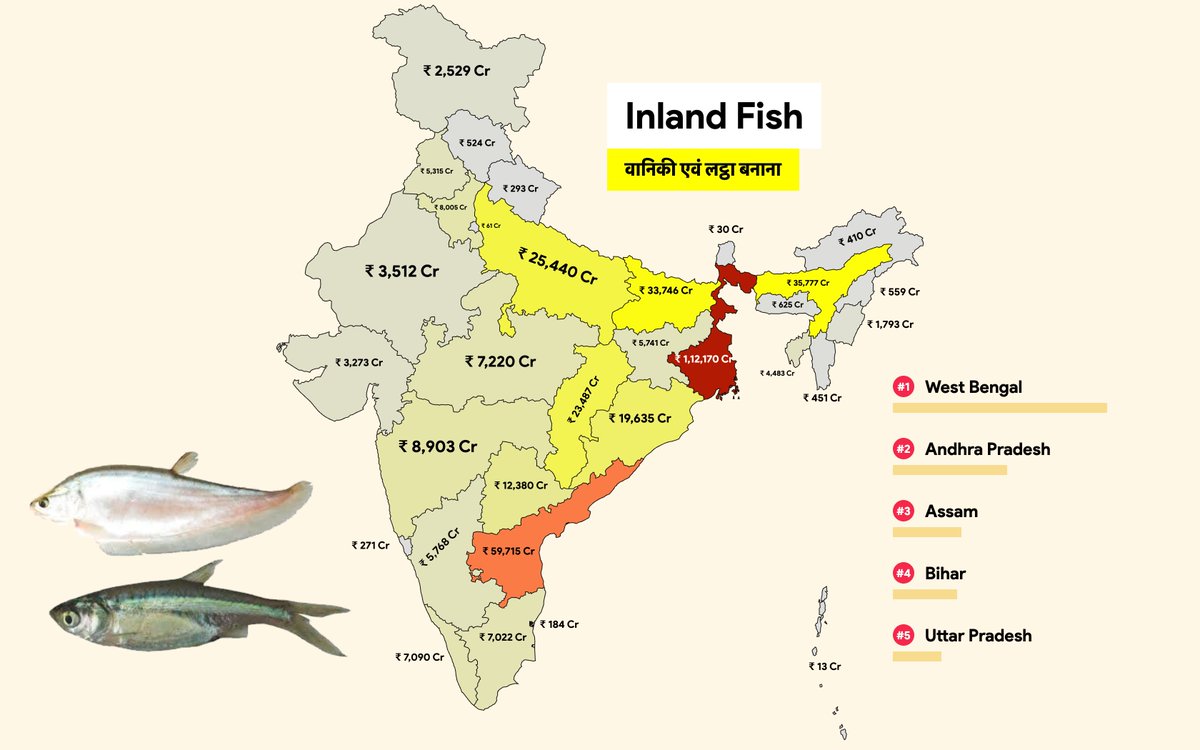
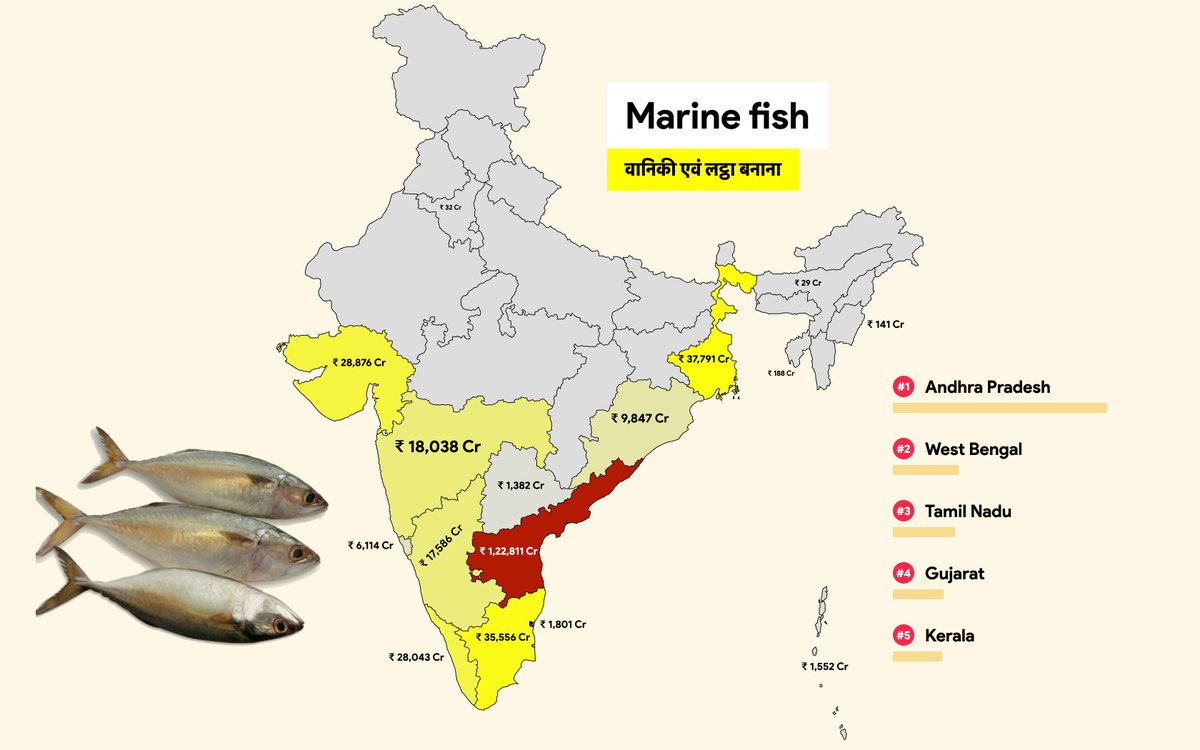
If you'd like to support me in making data about India more accessible, kindly consider supporting on Patreon: patreon.com/indiainpixels or get a gift for your loved ones here: indiainpixels.xyz
β’ β’ β’
Missing some Tweet in this thread? You can try to
force a refresh

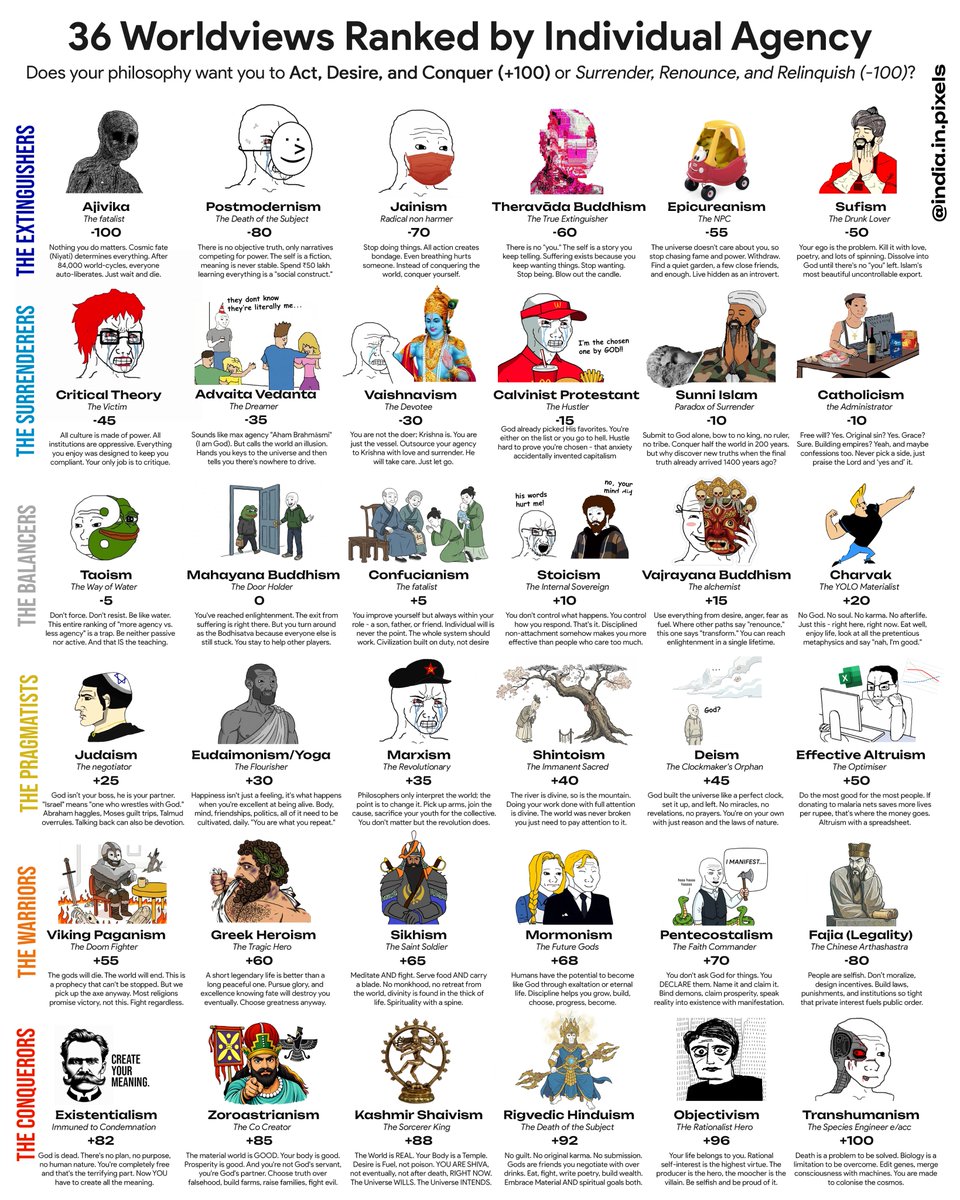
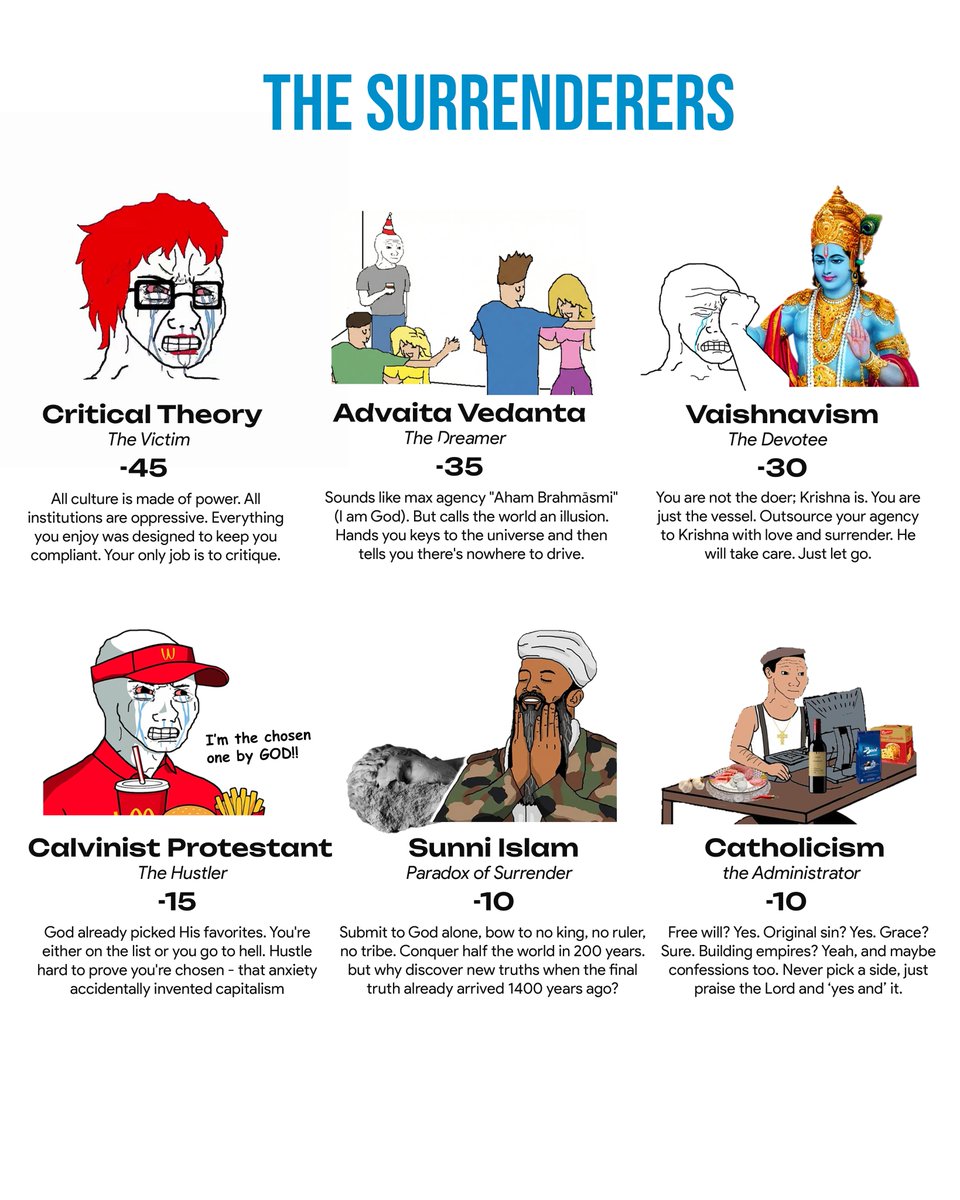
A high agency worldview will want you to act, desire, and conquer while a low agency one will want you to surrender, renounce, and relinquish.
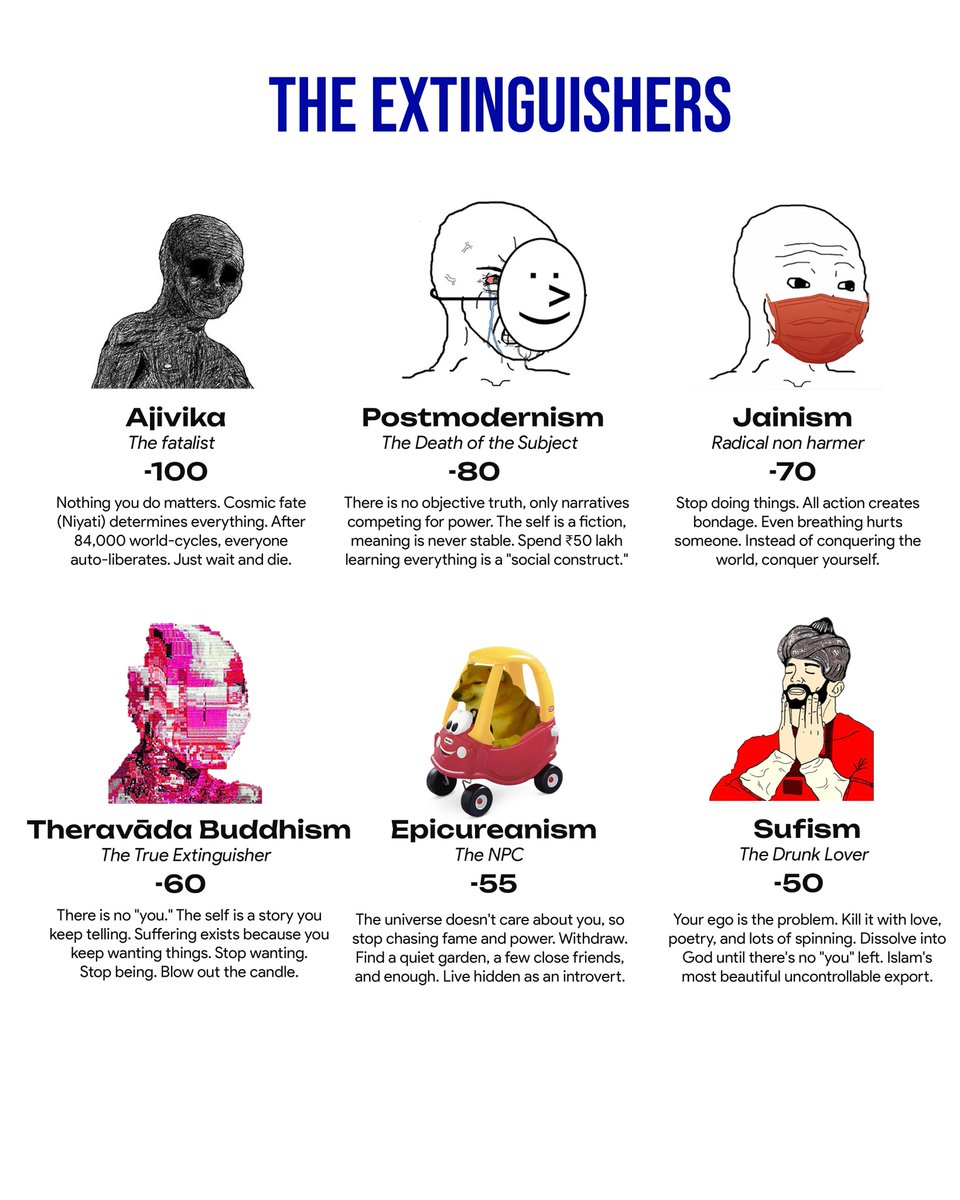
THE EXTINGUISHERS (-100 to -50)
The void zone. Philosophies that want you to stop doing, stop wanting, stop being. Some say fate decides everything. Some say the self doesn't exist. Some spent βΉ50 lakh to reach that conclusion. The quietest corner of human thought.
THE SURRENDERERS (-45 to -10)
The paradox zone. Every entry here says "let go", then accidentally built empires, invented capitalism, or became billionaires. The gap between what a philosophy preaches and what its followers produce is where history gets interesting.
You've probably heard the phrase "33 koti devata" and assumed it means 33 crore gods but in early Vedic Sanskrit, koti doesn't only mean crore but also "class" or "type."
The 33 Vedic gods are classified as
8 Vasus + 12 Adityas + 11 Rudras + 2 Ashvins = 33 divine pillars of Vedas.
The four categories at a glance
Vasus: Deities of Material Elements
The primordial forces that shape reality: matter, space, light, and time itself.
Adityas: Personified Solar Deities
A luminous lineage that upholds αΉta (cosmic order), protects oaths, and channels prosperity.
Rudras: Storm Deities
Fierce winds that carry the breath of life, stirring prana through all living beings.
Ashvins: The Twin Healers
Dawn-riding physicians who rescue the lost and restore youth, sight, and vitality.
The Twelve Adityas
Indra: Storm King
Wielder of the thunderbolt. He shatters drought and vanquishes demons.
Aryaman: Guardian of Social Bonds
Protector of customs, pathways, and marriage covenants.
Tvashtr: The Divine Smith
Cosmic craftsman who shapes forms and forges Indra's vajra.
Varuna: Keeper of αΉta
Sovereign of cosmic law who binds falsehood with his celestial noose.
Bhaga: The Fortune Giver
Distributor of shares/wealth, offspring, and earthly success.
Savitr: The Impelling Sun
Divine inspirer at dawn, the radiant source of the Gayatri mantra.
Mitra: Friend of the Covenant
Patron of oaths and keeper of morning's gentle light.
AαΉΕa: The Share Allotter
Assigns destinies, portions, and divine boons.
Vishnu: The Three-Stride Pervader and Preserver
Cosmic measurer who encompasses earth, sky, and heaven.
Pushan: The Path Guide
Guardian of roads, herdsman of cattle, and companion of travelers.
Daksha: Master of Ritual Skill
Embodiment of order, craft, and sacrificial precision.
Vivasvat: The Solar Progenitor
Radiant ancestor of Manu, source of human lineages.
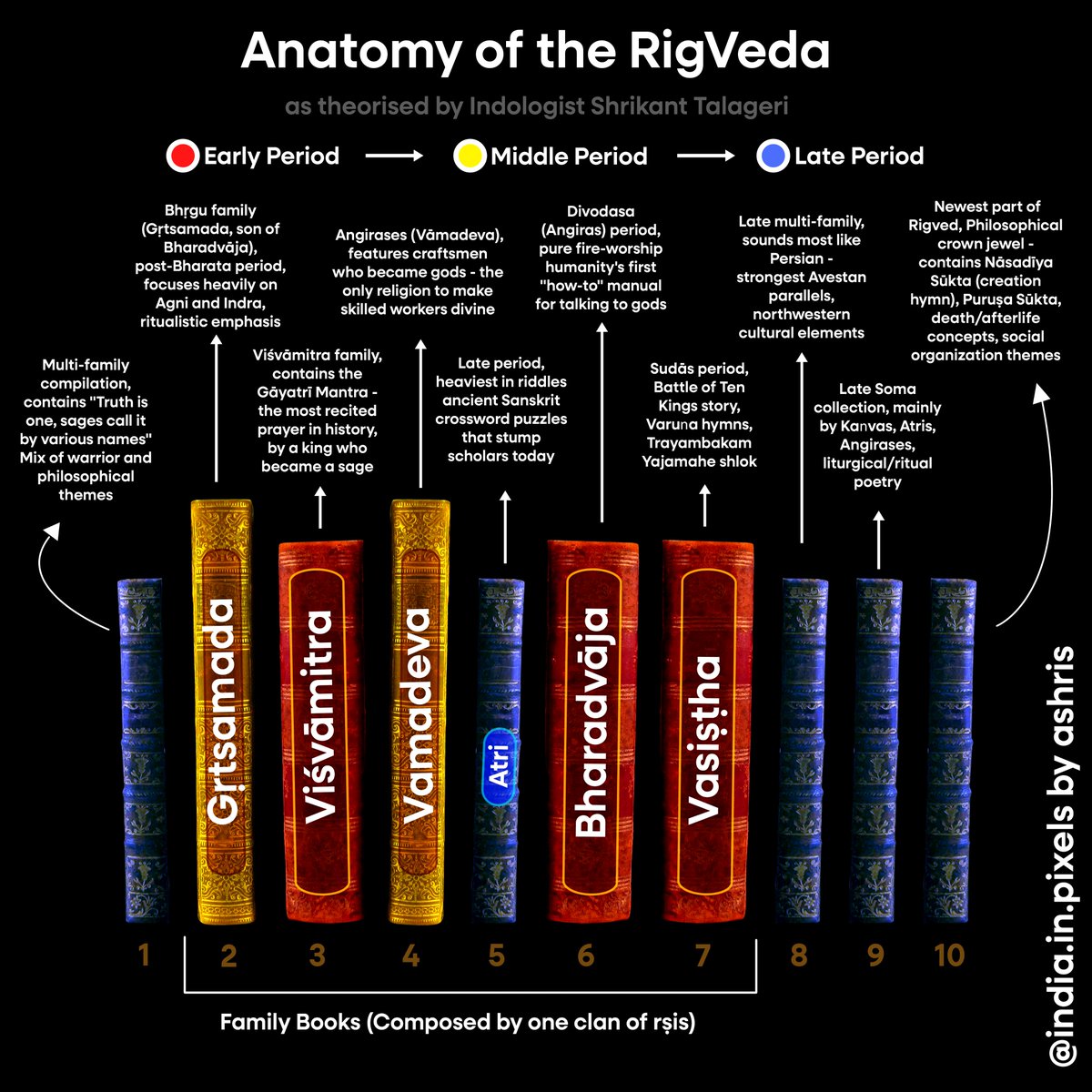
The Rigveda comprises 1,028 hymns organized into 10 books. Scholarly consensus holds that these books were not composed in their current numerical sequence.
In this thread, we explore the chronology proposed by Shrikant Talageri for the 10 Mandalas of the Rigveda.
Dr. Talageri proposes that chronologically based on internal structure and geneologic data, the temporal order for the mandalas is
6β3β7β4β2β5β8β9β10, with Book 1 containing material from multiple periods.
This chronology is established through several criteria: linguistic features, metrical patterns, ritual development, and geographical references.
The geographical data proves particularly revealing, showing a consistent pattern of expanding knowledge from eastern to western regions (proving the Out of India theory according to Dr. Talageri)
The Mahabharata, as we have it today, is a layered text. Scholars divide it into three broad compositional phases: Jaya, Bharata, and Mahabharata. Each layer added new material over time, expanding the core.
Jaya is the earliest layer, dated around 1000β800 BCE. It had about 8,800 verses. It focused only on the Kurukshetra war. No background stories, no philosophy, just a direct war report.
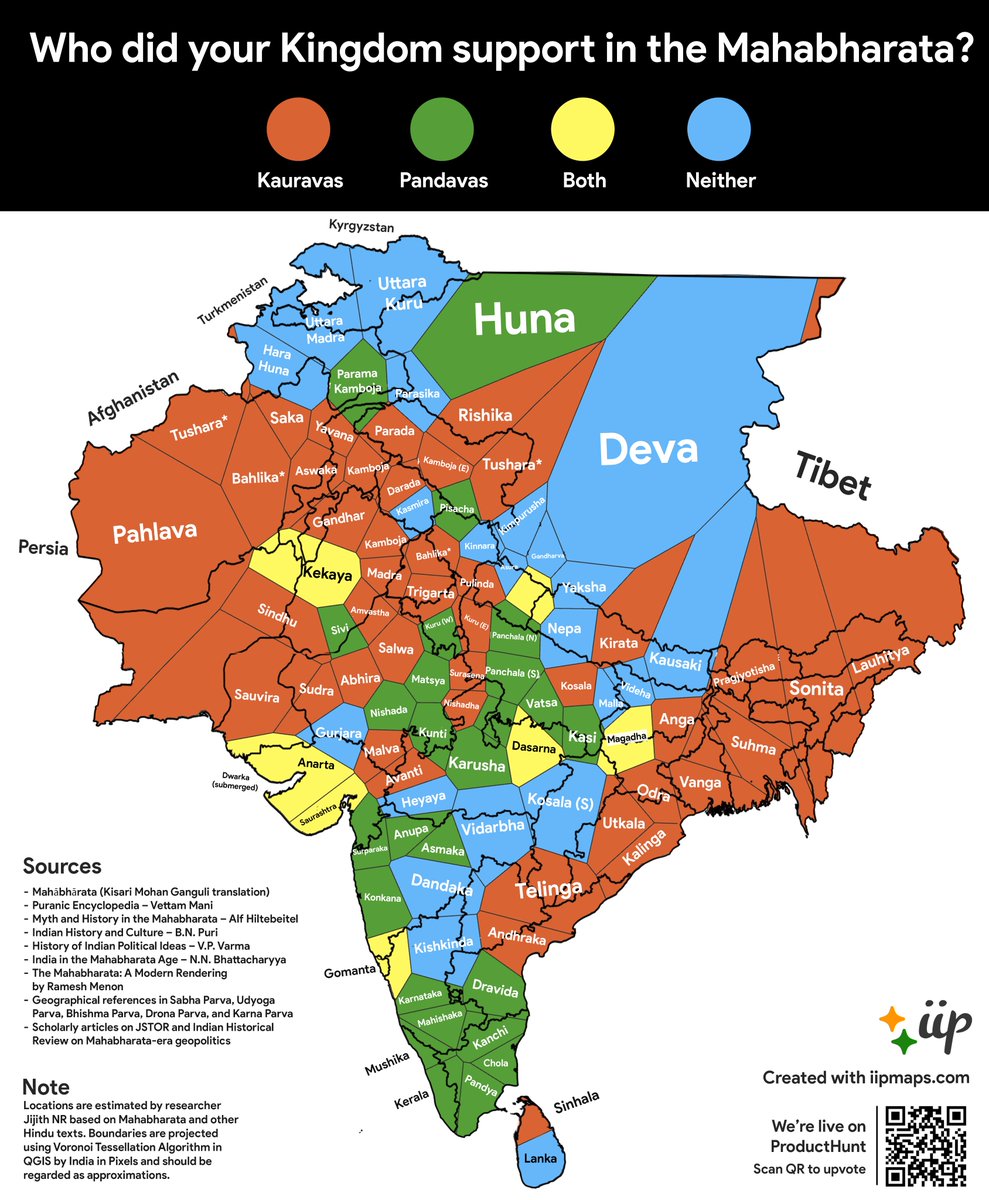
Who supported whom in the Mahabharata War?
We mapped every kingdom mentioned in the Mahabharata based on ancient texts and modern scholarship to answer one burning question:
Did your ancestors fight for the Pandavas or the Kauravas? [Thread]
The Mahabharata wasnβt just a family feud.
It was a pan-Indian conflict, drawing in tribes from Persia to Assam, Sri Lanka to the Himalayas. This war was for all purpose and intents a world war of that time. βοΈπ
Using the Kisari Mohan Ganguli translation and 7+ scholarly sources, we tracked down every kingdomβs role in the war.
π Kauravas
π’ Pandavas
π‘ Both
π΅ Neither
π₯ Kaurava coalition:
The northwest, Gangetic core, and some eastern powers.
Think: elite Vedic clans, early Indo-Aryan migrants, conservative powers.
Key allies:
Gandhara (Shakuni)
Kalinga
Sindhu (Jayadratha)
Madra (Shalya)
Kambojas, Sakas, Yavanas