Sujata Hingorani and Supriya Das’s parents were partially vaccinated but died of covid-19 nine days apart.
The two sisters desperately tried to save their parents’ lives. But in India, many hospitals are full; crematoriums and graveyards are backlogged. wapo.st/3uKFE0Z
On April 16, Sujata found her father, Malay Kumar Chatterjee, a hospital bed after visiting seven different locations across New Delhi.
On April 18, another patient picked up the phone to tell her he had died hours earlier, “and no doctors were there to check.”
On April 19, Sujata cremated her father, without any other family there, during a cursory service at dark.
She barely had time to mourn. Her mother’s oxygen levels were dropping. wapo.st/3uKFE0Z
Sujata’s mother, Indira, tested positive for the virus, and a chest scan indicated she had mild pneumonia. A doctor prescribed remdesivir.
Sujata's relatives helped secure vials, but there was no one available to administer the medication.
On April 25, the family next tried to get Indira a transfusion of plasma from a survivor of covid-19.
For two days they sent pleas for help on WhatsApp.
On April 27, they picked up the plasma and rushed to Indira. It was too late.
“I could only helplessly watch, while she fought on … on her own,” Sujata later wrote of her mother on Facebook.
“We had so much to do together,” Supriya wrote, remembering her mom on her daughter’s seventh birthday.
📸: (Rebecca Conway for The Post)
The ordeal — documented in videos and texts by Sujata — has become horrifyingly ordinary in India.
Finding adequate care for covid-19 patients in New Delhi, a city of 21 million, became nearly impossible.
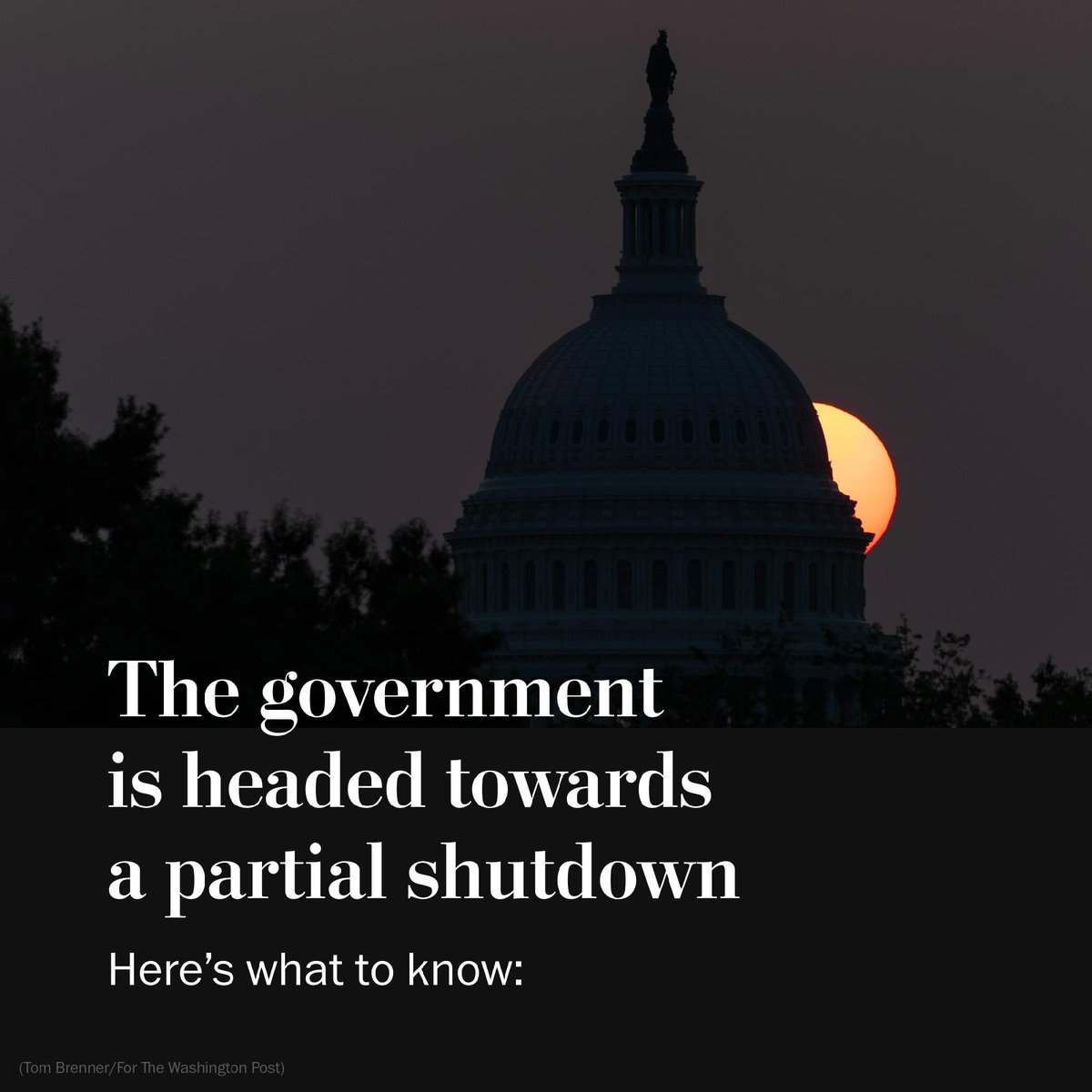
The federal government is on track to shut down at the end of Friday, as congressional Democrats push for changes to ICE policies as part of a sweeping funding package. wapo.st/4rlfPS0
After a series of shootings by federal agents, Democrats say they will not vote to fund DHS without new accountability measures.
But the funding is lumped into one piece of legislation with money for several other departments. wapo.st/4q6slnl
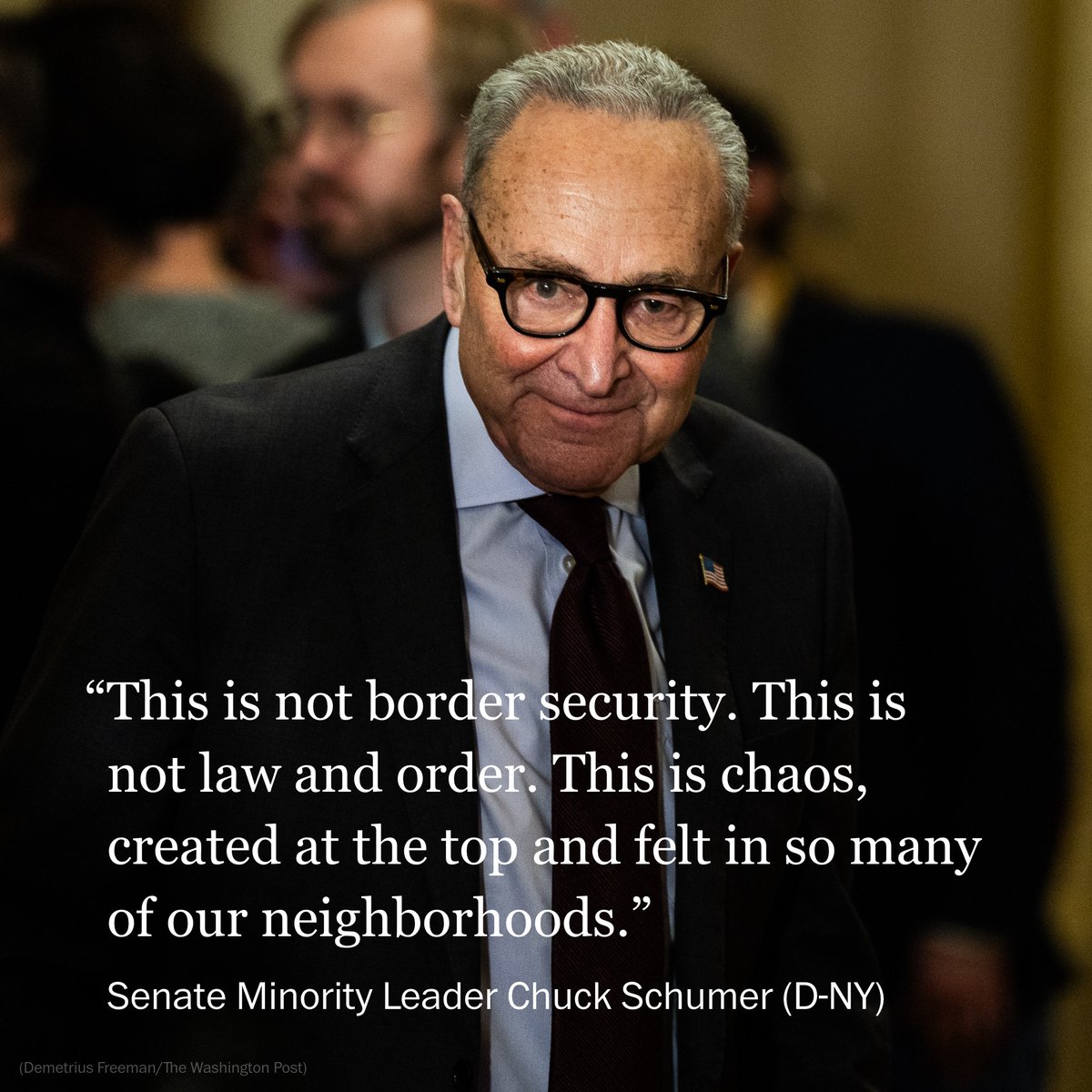
Minority Leader Chuck Schumer said the party agreed on three main goals:
° Require warrants in some cases and ICE coordination with state and local law enforcement
The United States plans to administer Venezuela for an extended period of time as it rebuilds the country’s oil industry, President Donald Trump said Saturday, holding open the door to an extended occupation of a nearby nation.
The mission to take Maduro out of power was named “Operation Absolute Resolve,” Joint Chiefs Chairman Gen. Dan Caine said.
The operation began at 10:46 p.m. and involved more than 150 aircraft, launching from 20 different bases. wapo.st/3NsHBx5
The U.S. recently deployed two Army Delta Force units, which established a “pattern of life” on Maduro ahead of the operation by tracking his location and daily movements, according to a person familiar with the deployment. wapo.st/3NsHBx5
Goods from nations with which the U.S. does hundreds of billions of dollars of trade, such as India, Switzerland and South Africa, will see new taxes of up to 39 percent, with India’s rate set to jump to 50 percent in three weeks.
Tariffs are like a sales tax applied at the border to an importer.
They're an opportunity to raise public revenue and can theoretically incentivize domestic production and protect certain industries from being undercut by foreign competitors.
President Trump announced full bans on 12 countries and partial bans on seven others on Wednesday. They are set to go in effect on June 9.
Here’s what you need to know:
The countries with a full ban are Afghanistan, Myanmar, Chad, Republic of Congo, Equatorial Guinea, Eritrea, Haiti, Iran, Libya, Somalia, Sudan and Yemen.
While Burundi, Cuba, Laos, Sierra Leone, Togo, Turkmenistan and Venezuela are affected by a partial ban.
How were the countries with travel bans selected? Trump said it’s in the interest of national security, writing that the U.S. must ensure those admitted to the country “do not bear hostile attitudes toward its citizens, culture, government, institutions, or founding principles.”
As the coronavirus tore through the world in 2020, and the United States confronted a shortage of tests designed to detect the illness, then-President Donald Trump secretly sent coveted tests to Russian President Vladimir Putin for his personal use. washingtonpost.com/politics/2024/…
Putin accepted the supplies but took pains to prevent political fallout.
He cautioned Trump not to reveal that he had dispatched the scarce medical equipment to Moscow, according to “War,” a new book by Washington Post associate editor Bob Woodward. washingtonpost.com/politics/2024/…
Four years later, the personal relationship between the two men appears to have persisted, Woodward reports, as Trump campaigns to return to the White House and Putin orchestrates his bloody assault on Ukraine.
Mark Robinson, the firebrand Republican nominee for governor in North Carolina, has for years made comments downplaying and making light of sexual assault and domestic violence. wapo.st/3KQffZ6
A review of Robinson’s social media posts over the past decade shows that he frequently questioned the credibility of women who aired allegations of sexual assault against prominent men, including Harvey Weinstein, Bill Cosby and now-U.S. Supreme Court Justice Brett M. Kavanaugh. wapo.st/3KQffZ6
In one post, Robinson, North Carolina’s lieutenant governor, characterized Weinstein and others as “sacrificial lambs” being “slaughtered.” wapo.st/3KQffZ6