
These are the Presidents of the major Specialist Medical Colleges in Australia and Aotearoa New Zealand
Dr Karen Price
@brookmanknight
President of the Royal Australasian College of General Practitioners.
@RACGP
@brookmanknight
President of the Royal Australasian College of General Practitioners.
@RACGP

Dr Vanessa Beavis
@VBeavis
President of the Royal Australian and New Zealand College of Anaesthetists. @ANZCA
@VBeavis
President of the Royal Australian and New Zealand College of Anaesthetists. @ANZCA




Dr Clare Skinner
@claski
President-elect of the Australasian College of Emergency Medicine @acemonline
@claski
President-elect of the Australasian College of Emergency Medicine @acemonline

Dr Sarah Chalmers
@drsarahchalmers
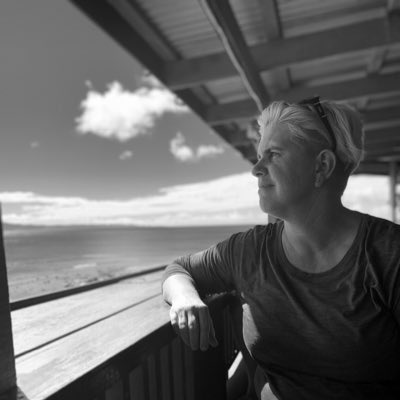
President of the Australian College of Rural and Remote Medicine @ACRRM
@drsarahchalmers
President of the Australian College of Rural and Remote Medicine @ACRRM
Dr Jacki Small
@DrJackiSmall
President-elect of the Royal Australasian College of Physicians. @TheRACP
@DrJackiSmall
President-elect of the Royal Australasian College of Physicians. @TheRACP

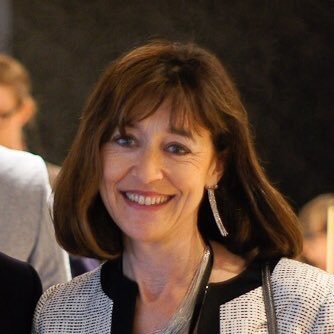
Dr Elizabeth Moore
President of the Royal Australian and New Zealand College of Psychiatrists @RANZCP
President of the Royal Australian and New Zealand College of Psychiatrists @RANZCP



Feel free to add to this thread.
Sorry, Dr Elizabeth Moore is President-elect of RANZCP.
I tried to look for photo and logo in a hurry and failed to address the President-elect title. Sorry.
I tried to look for photo and logo in a hurry and failed to address the President-elect title. Sorry.
Other key Medical associations:






Associate Professor Nada Hamad
@nadahamad
President, Bone Marrow Transplant Society of Australia and New Zealand. The Australia and New Zealand Transplant and Cellular Therapies. @ANZTCT1
@nadahamad
President, Bone Marrow Transplant Society of Australia and New Zealand. The Australia and New Zealand Transplant and Cellular Therapies. @ANZTCT1




Prof Pamela McCombe,
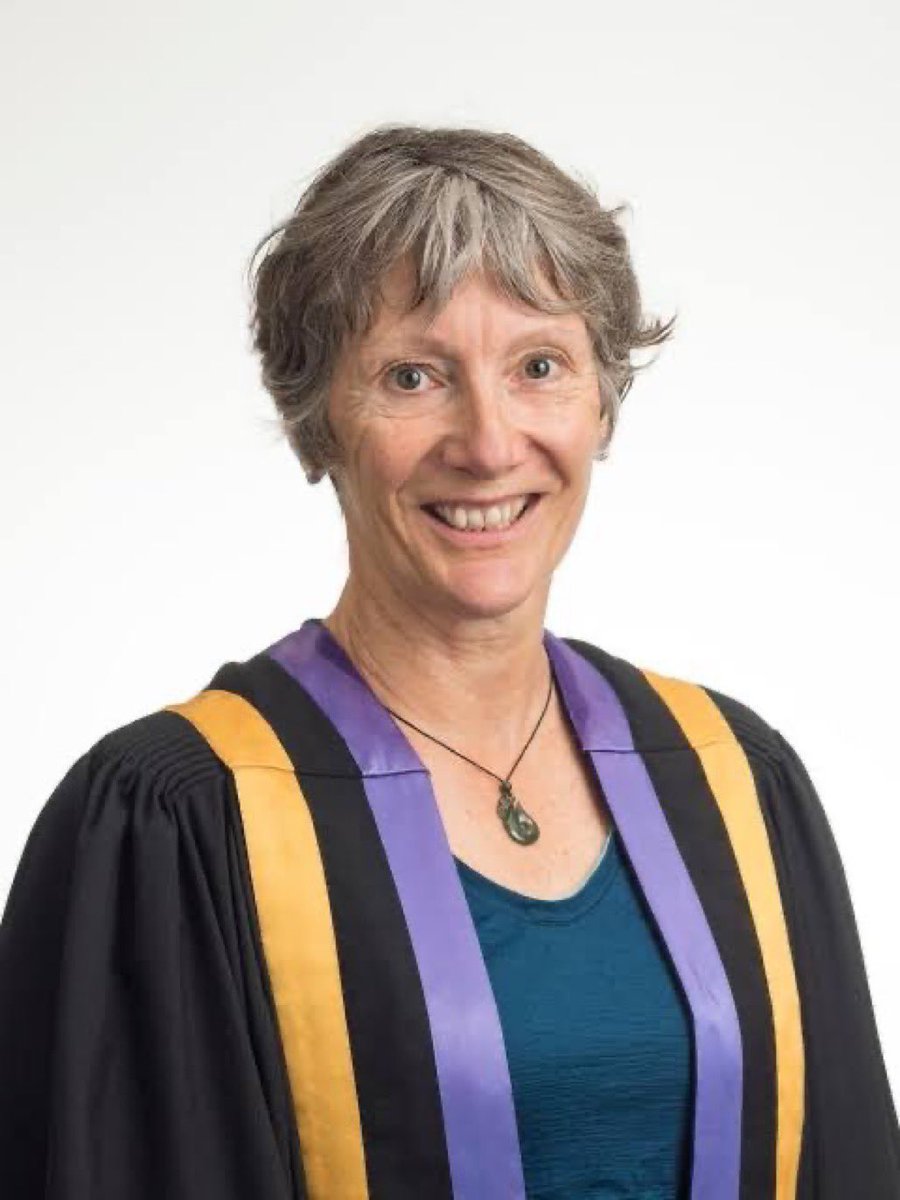
President, Australian and New Zealand Association of Neurologists.
President, Australian and New Zealand Association of Neurologists.


Dr Sally Butchers
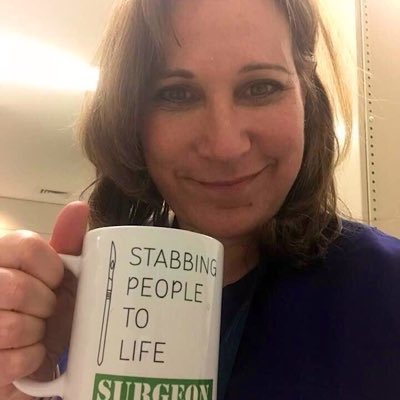
President, General Surgeons Australia.
President, General Surgeons Australia.


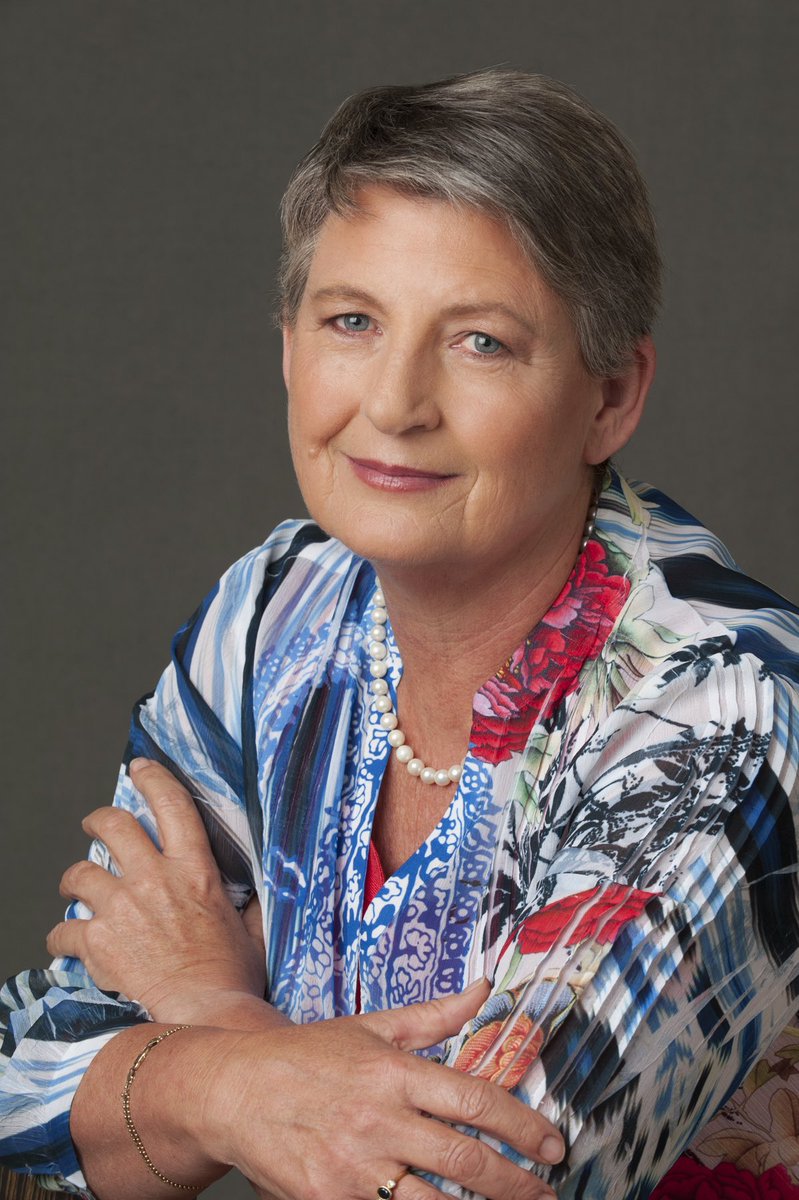



Dr Melanie Walker
@DrMelanieWalker
President, Breast Surgeons of Australia and New Zealand @BreastSurgANZ
@DrMelanieWalker
President, Breast Surgeons of Australia and New Zealand @BreastSurgANZ


Professor Katie Flanagan
@KatieLouFlan
President elect of the Australasian Society of Infectious Diseases
@KatieLouFlan
President elect of the Australasian Society of Infectious Diseases
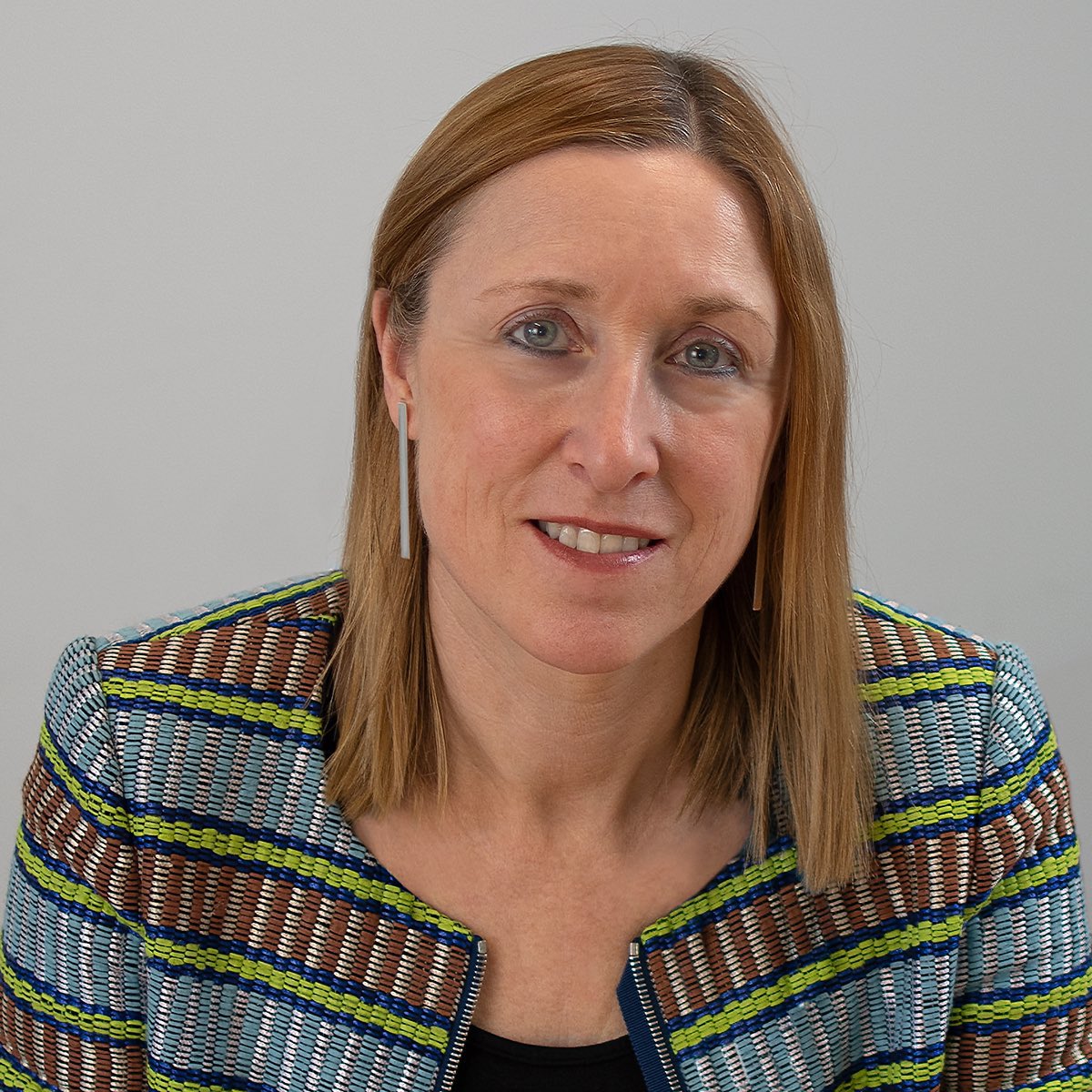

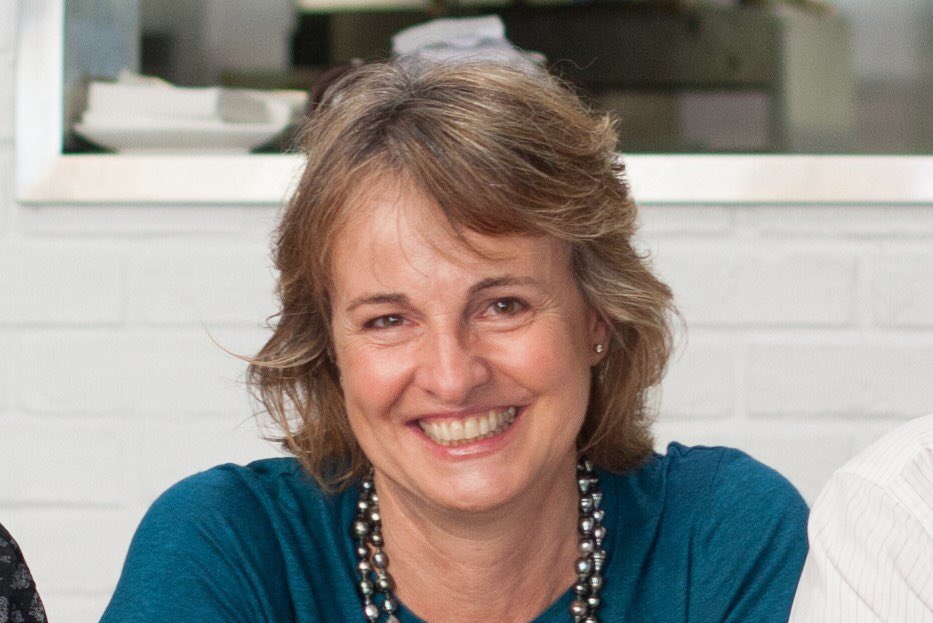

Dr Sonia Davison
President of the Australasian Menopause Society.
President of the Australasian Menopause Society.


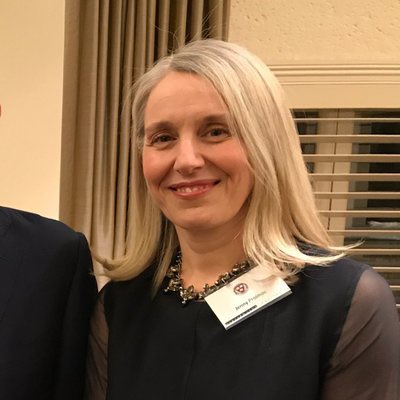



A/Prof Brigid Lynch
@drbrigidmlynch
President, Australasian Epidemiological Association
@AustralasianEpi
@drbrigidmlynch
President, Australasian Epidemiological Association
@AustralasianEpi
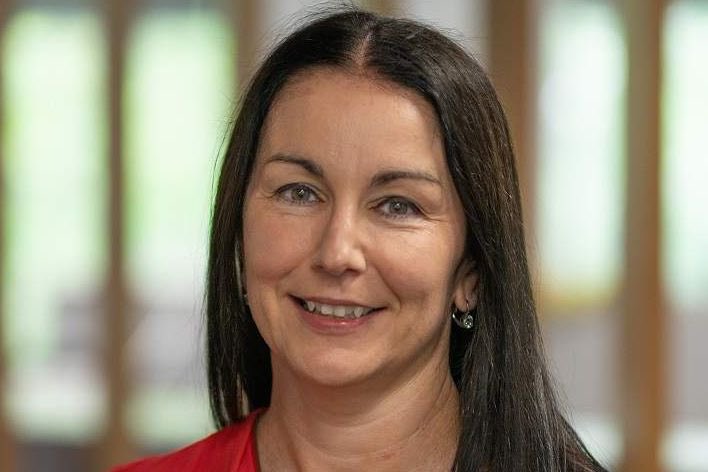

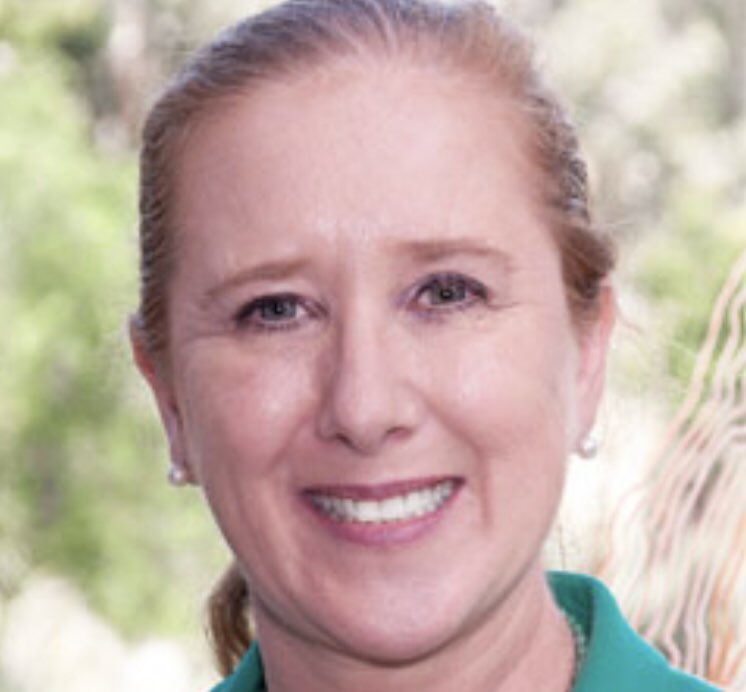



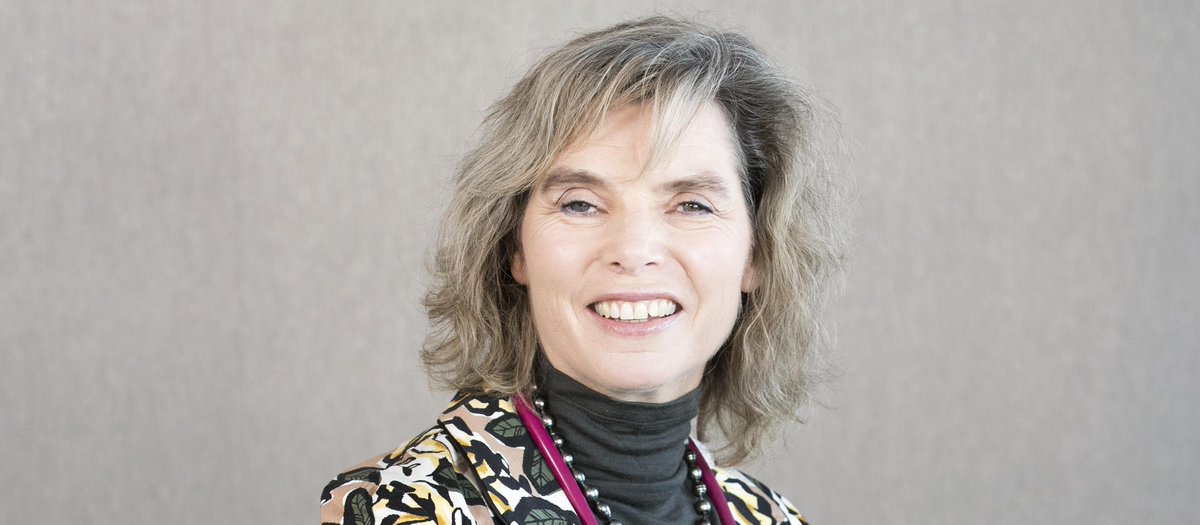





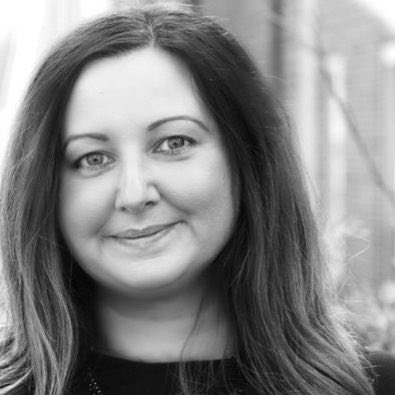



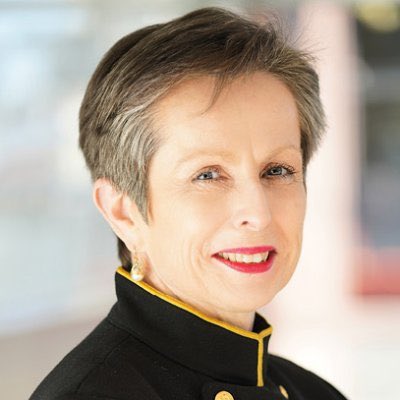

Dr Kate Stannage.
Past president of Australian Paediatric Orthopaedic Society.
Past president of Australian Paediatric Orthopaedic Society.
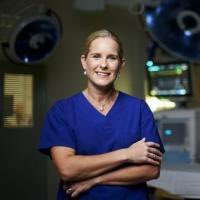

Dr Nicole Williams
Current President of Australian Paediatric Orthopaedic Society.
Current President of Australian Paediatric Orthopaedic Society.


• • •
Missing some Tweet in this thread? You can try to
force a refresh






