Comfort women existed after WW2 as well.
To recruit prostitutes for the Korean and UN forces, the Korean government continued to use the name "慰安婦" which Japan had named during wartime.
The following articles are all about comfort women for the US and UN armed forces.
To recruit prostitutes for the Korean and UN forces, the Korean government continued to use the name "慰安婦" which Japan had named during wartime.
The following articles are all about comfort women for the US and UN armed forces.
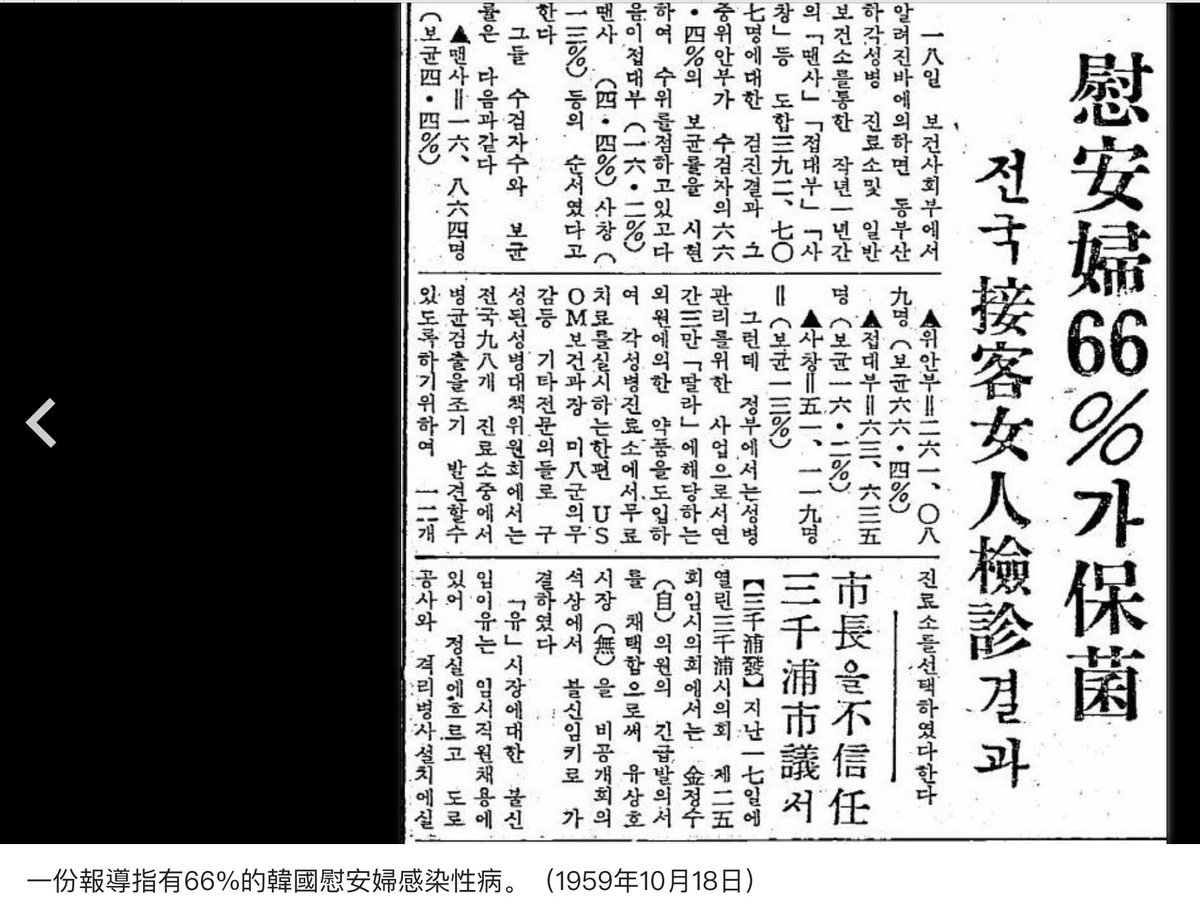
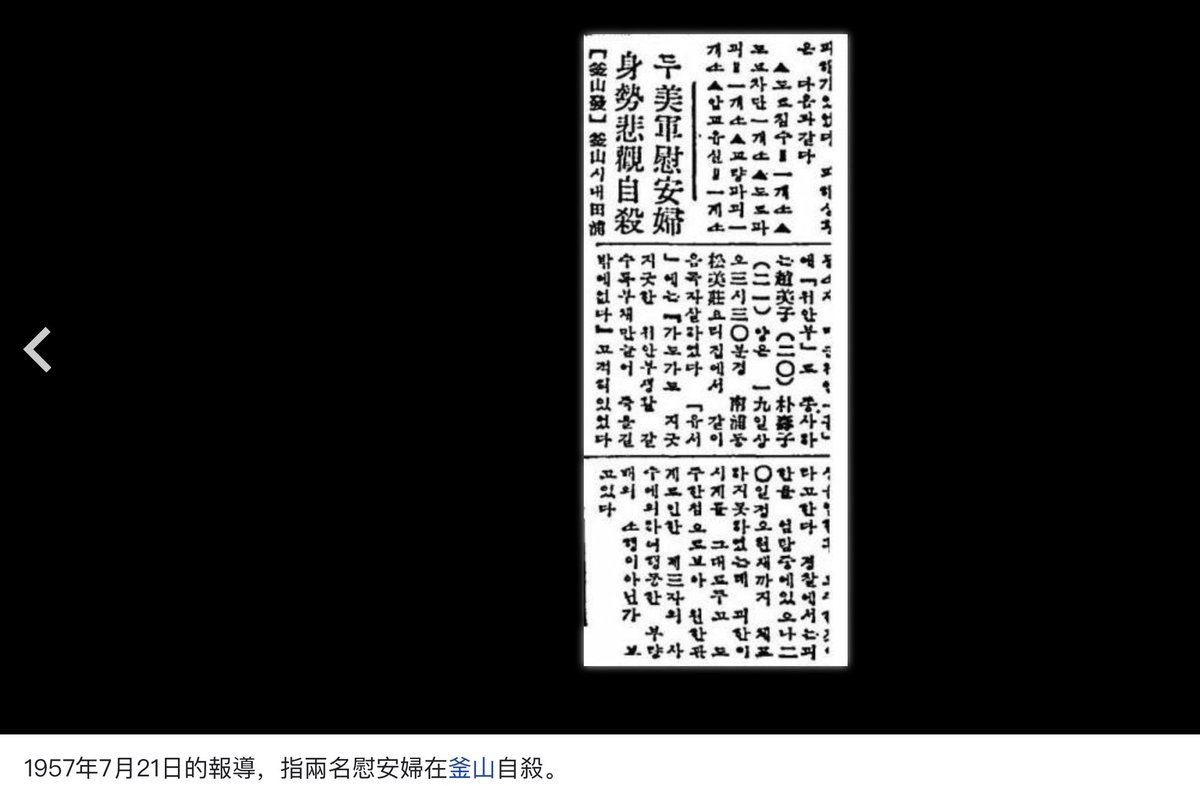

According to the 1952 "Special Comfort Women Performance Statistics" in the Korean Army's personnel files, 89 “comfort women“ belonging to 4 platoons in Seoul and Gangneung provided sexual services to 204,580 servicemen per year.

American military comfort women were also known as 洋公主(Western princesses).
Here are some articles from the 1950s and 1960s on the subject of the "Western Princesses".
Here are some articles from the 1950s and 1960s on the subject of the "Western Princesses".
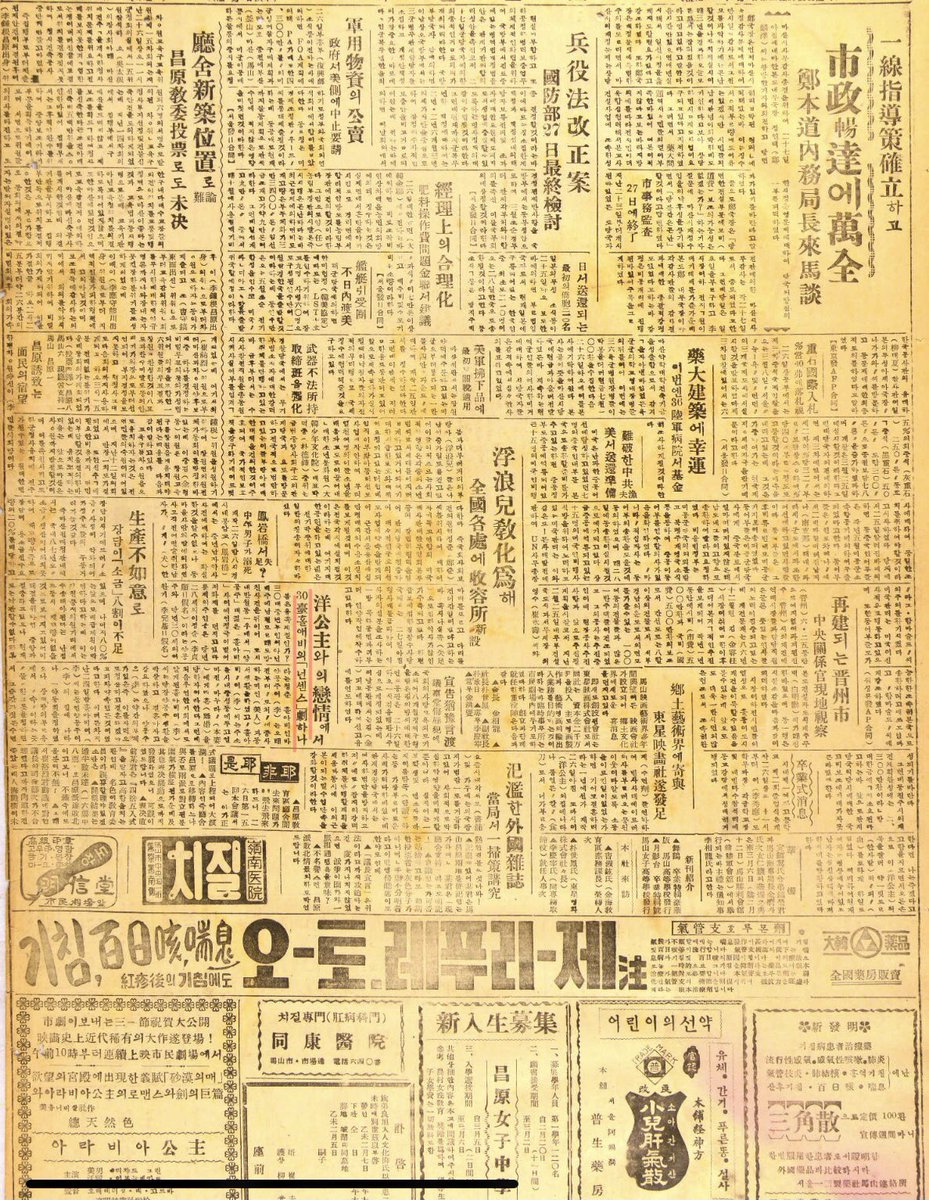
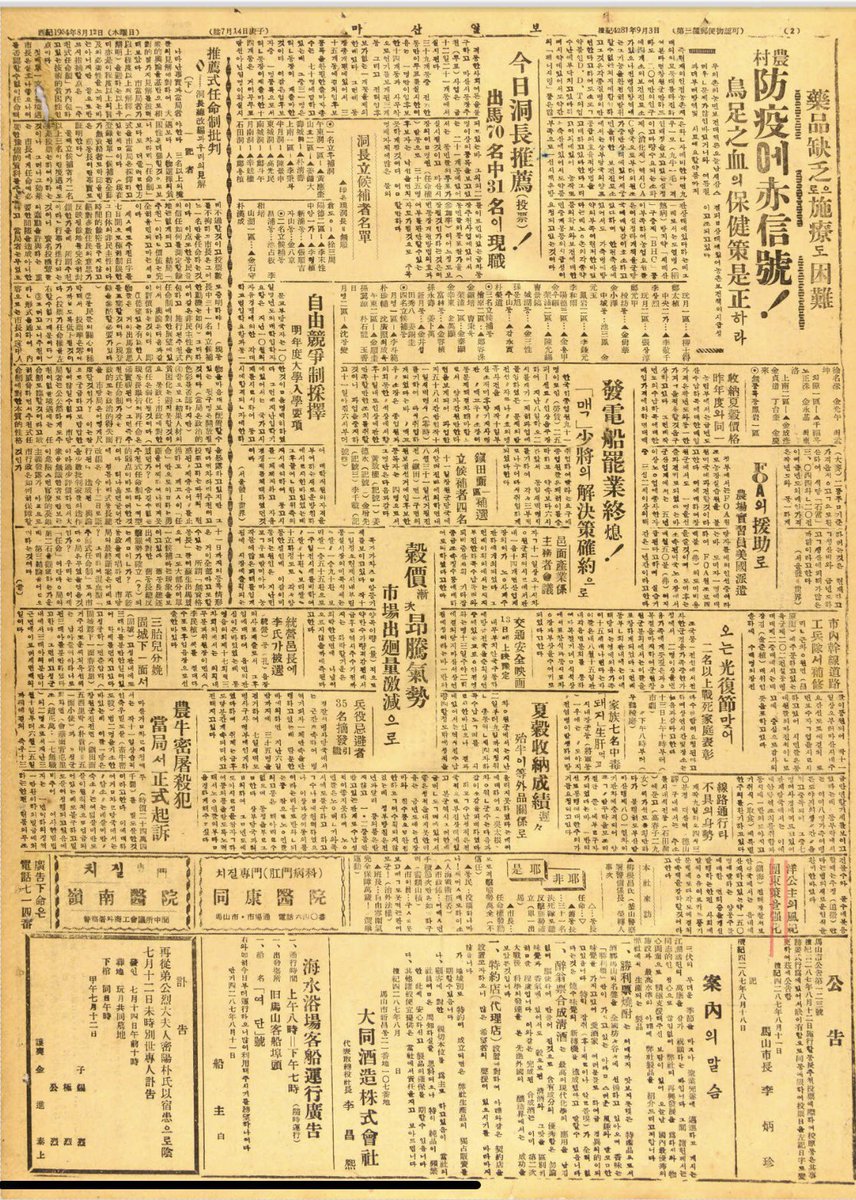

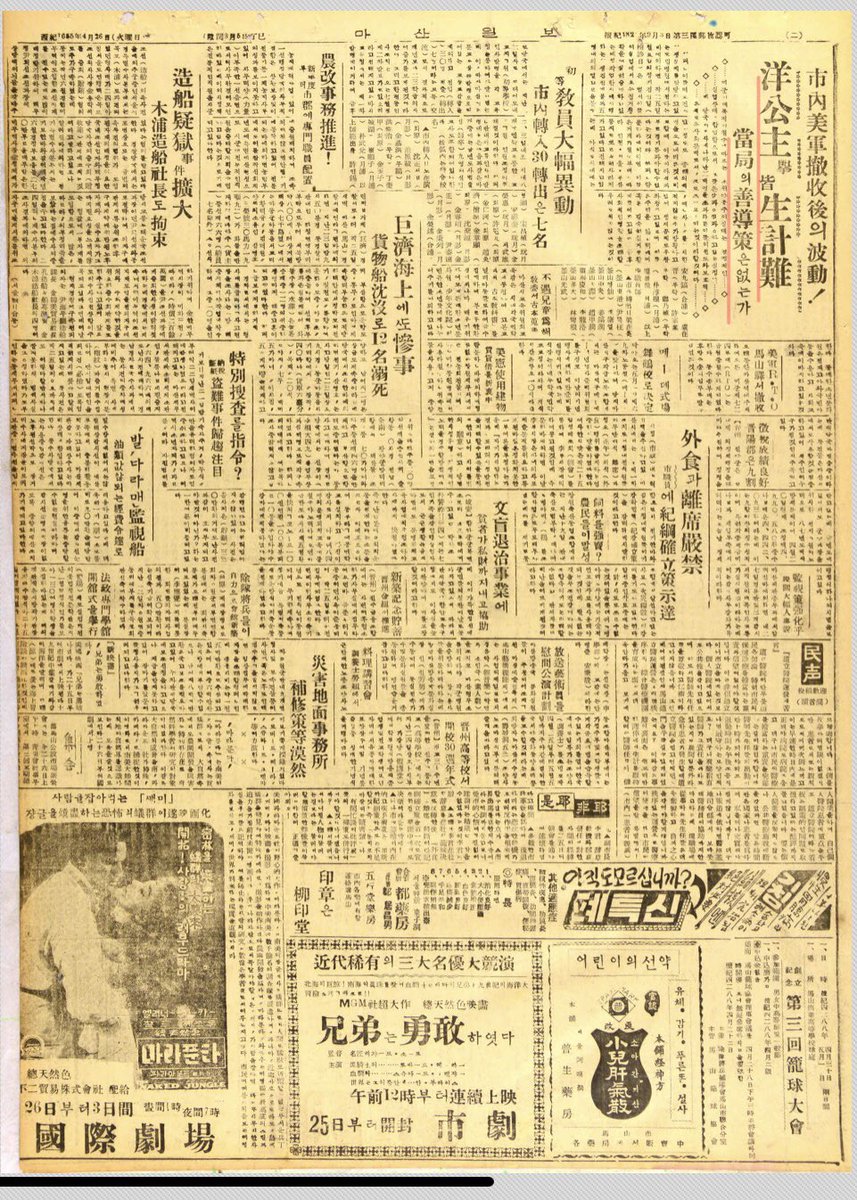
Some of them were so despondent about their lives that they attempted suicide or were beaten by American soldiers.
Comfort women with venereal disease were sent to the place called the monkey house.
Comfort women with venereal disease were sent to the place called the monkey house.
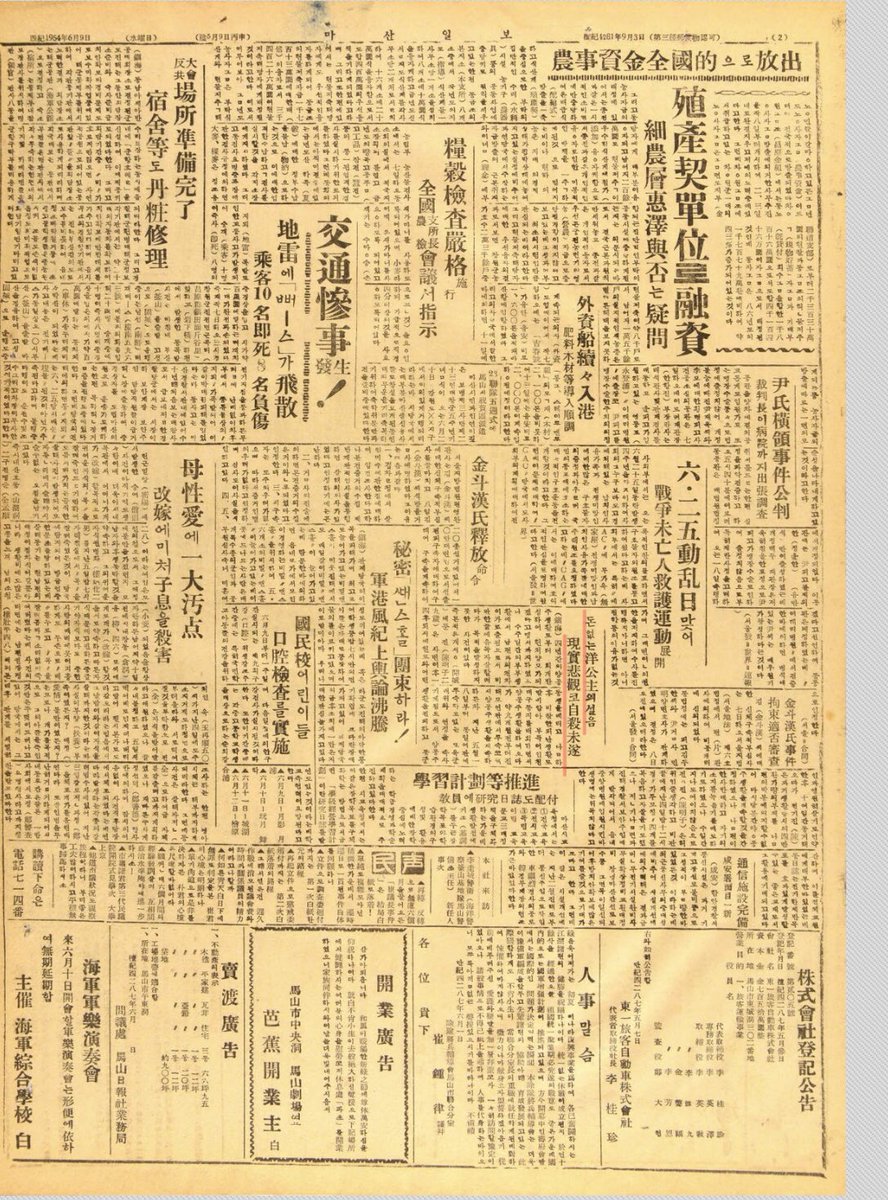
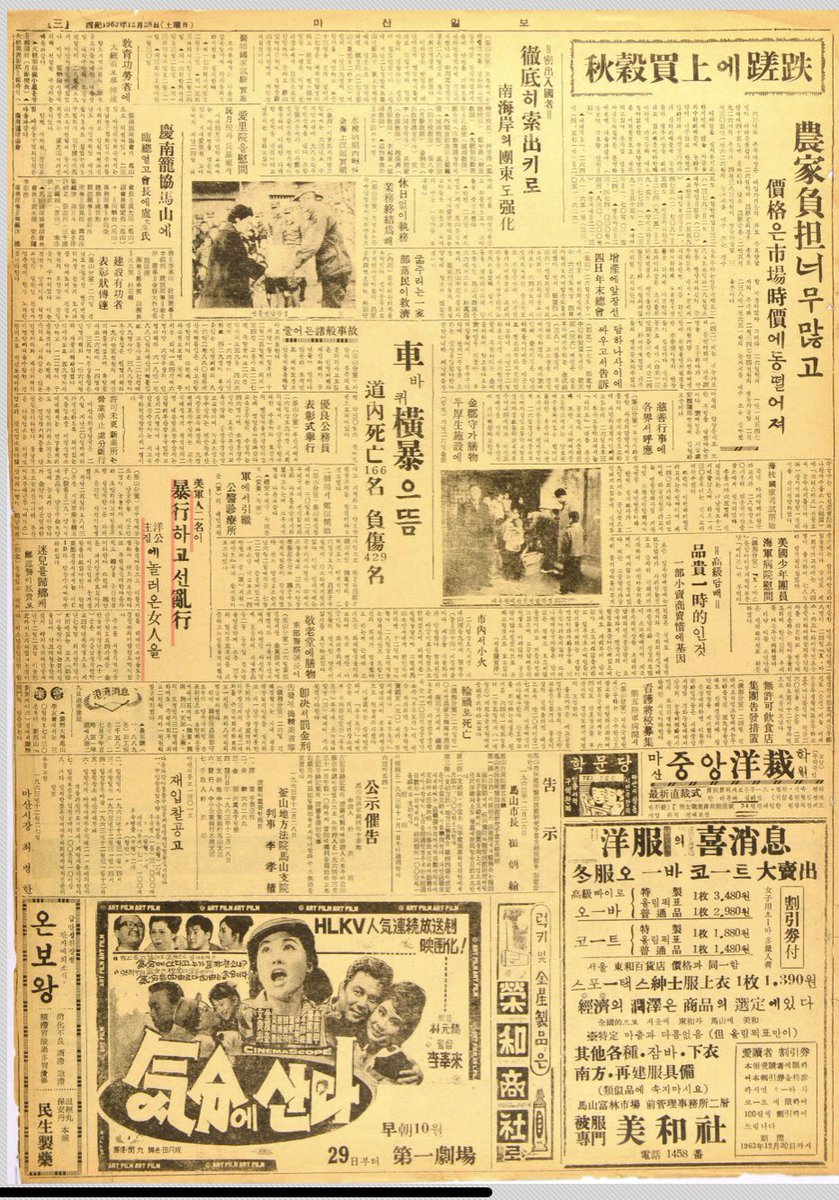
122 former U.S. comfort women filed a lawsuit against South Korea for damages in 2014, but three years and three months have passed without a final decision by the Supreme Court, and 10 of the plaintiffs have died.
ifm.kr/news/308907
ifm.kr/news/308907
The brothels were renamed "Juicy Bars" and continued to be used by the US military until recently.
Many of the women who worked there were foreigners brought from the Philippines and other countries, and it became a hotbed of human trafficking. stripes.com/news/juicy-bar…
Many of the women who worked there were foreigners brought from the Philippines and other countries, and it became a hotbed of human trafficking. stripes.com/news/juicy-bar…
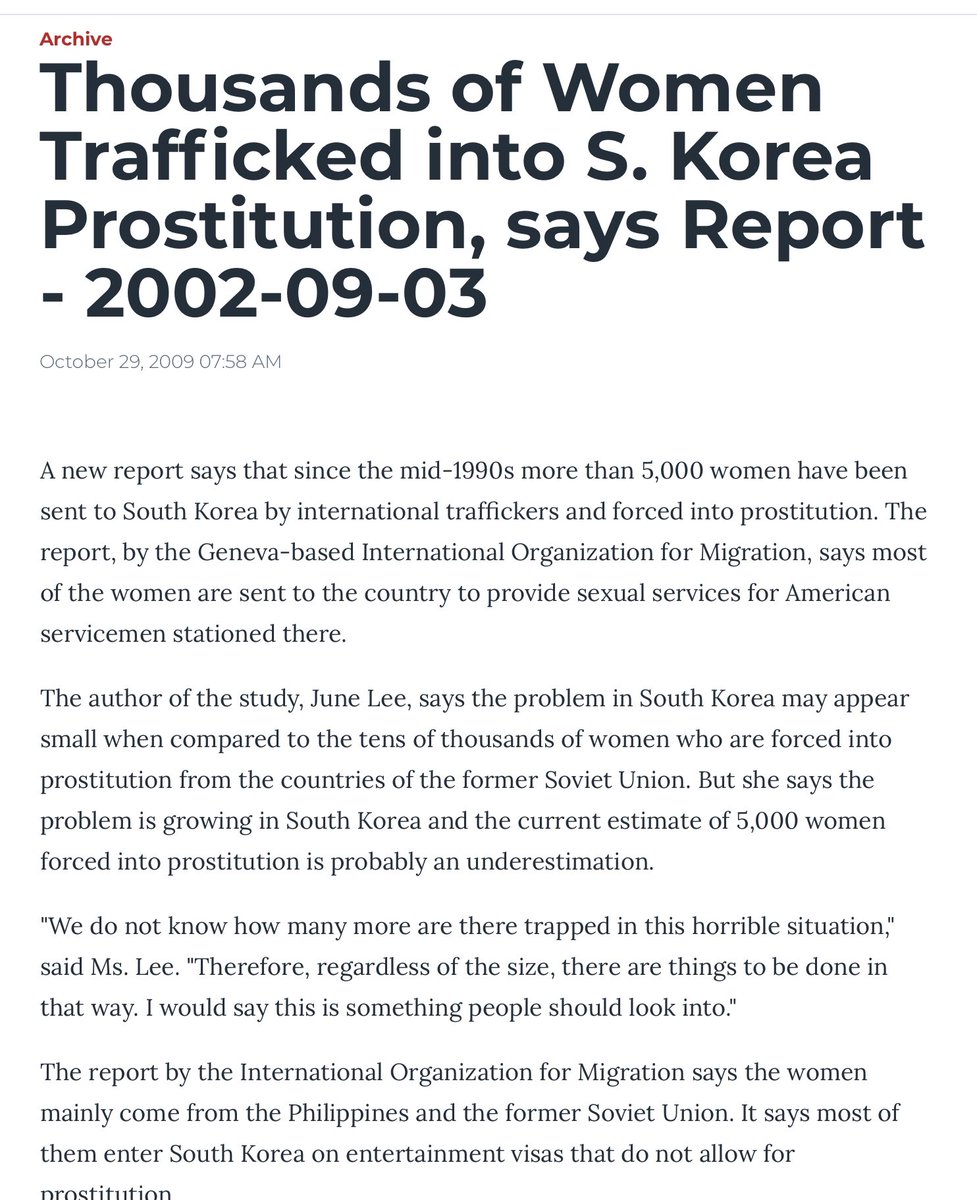
My point here is not to blame the US.
It is about that the Korean government, academics and journalists who attack Japan, demonised by many lies, continue to ignore this fact.
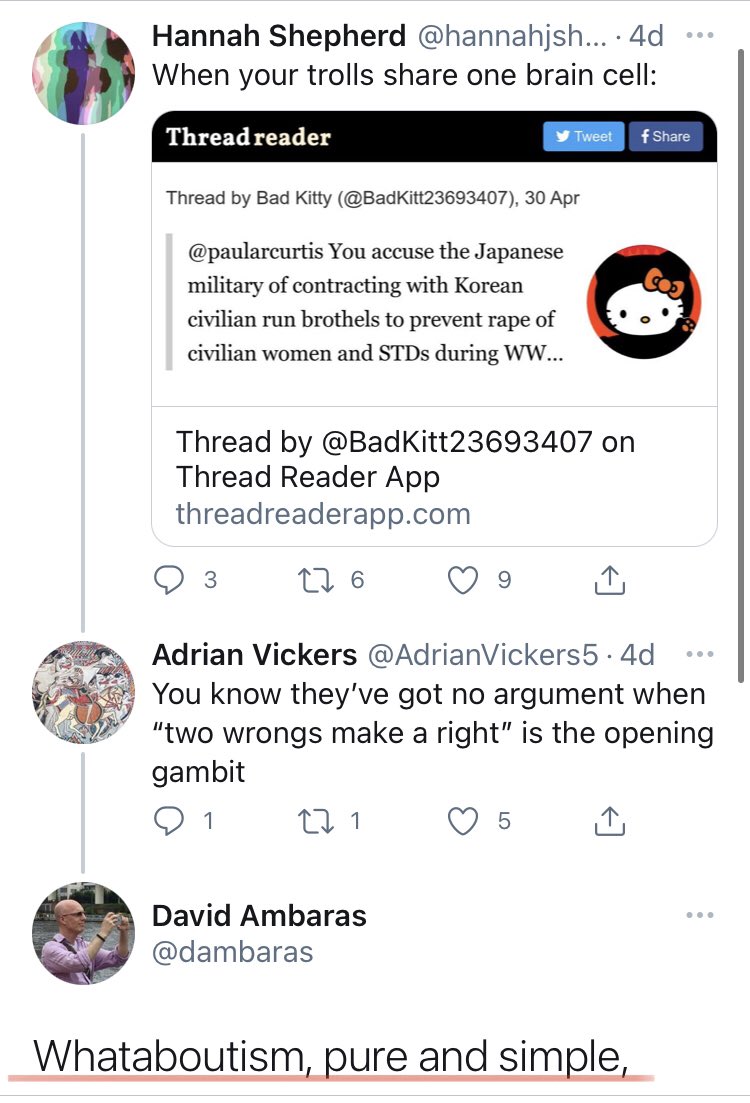
"What aboutism" does not work here.
It is about that the Korean government, academics and journalists who attack Japan, demonised by many lies, continue to ignore this fact.
"What aboutism" does not work here.
https://twitter.com/r9dtzoflqh53xtv/status/1364969127065120779?s=21

• • •
Missing some Tweet in this thread? You can try to
force a refresh