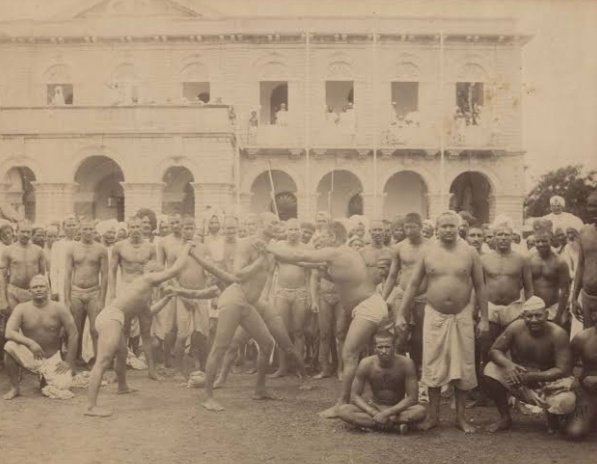
Colonial Bengal's muscular nationalism gave rise to the wrestling and akhada culture in Bengal, which in turn, placed India on the globe's wrestling map. The Guho family and their disciples are credited for establishing & popularizing the art of wrestling in Bengal.
+
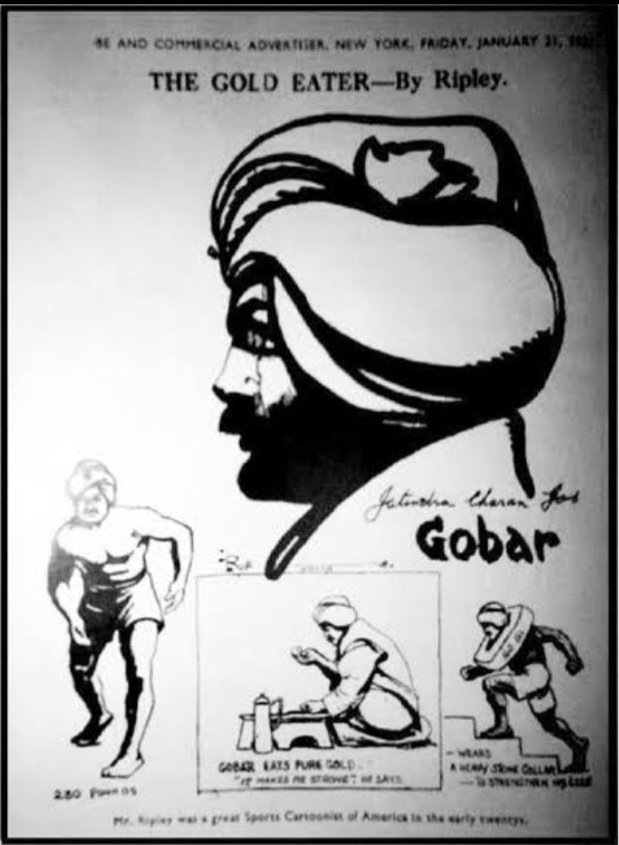
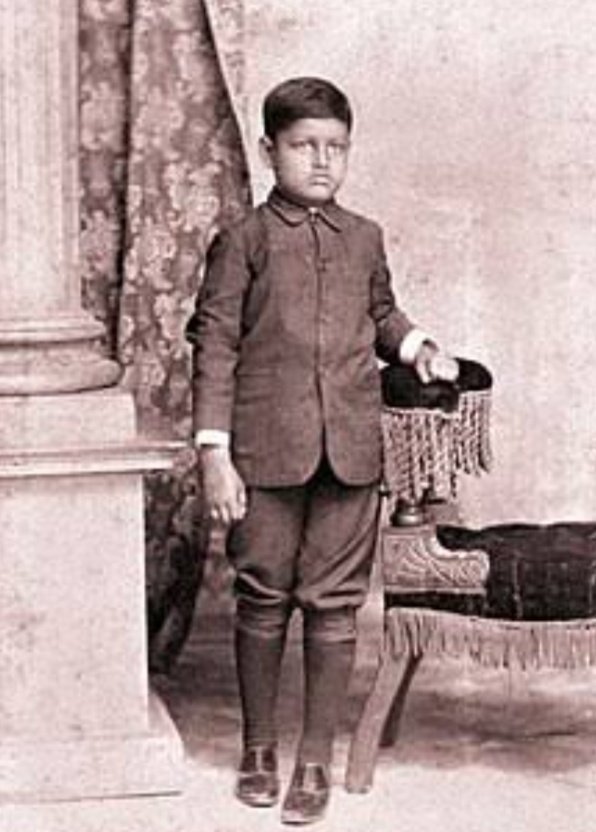
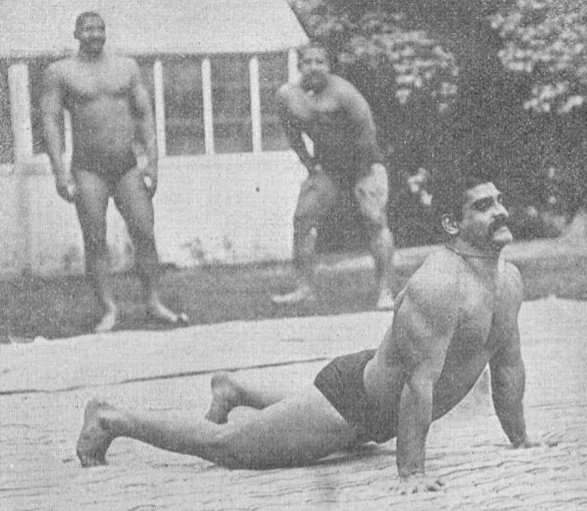
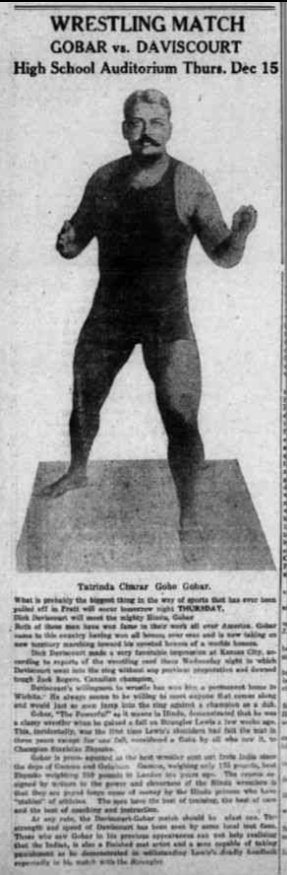
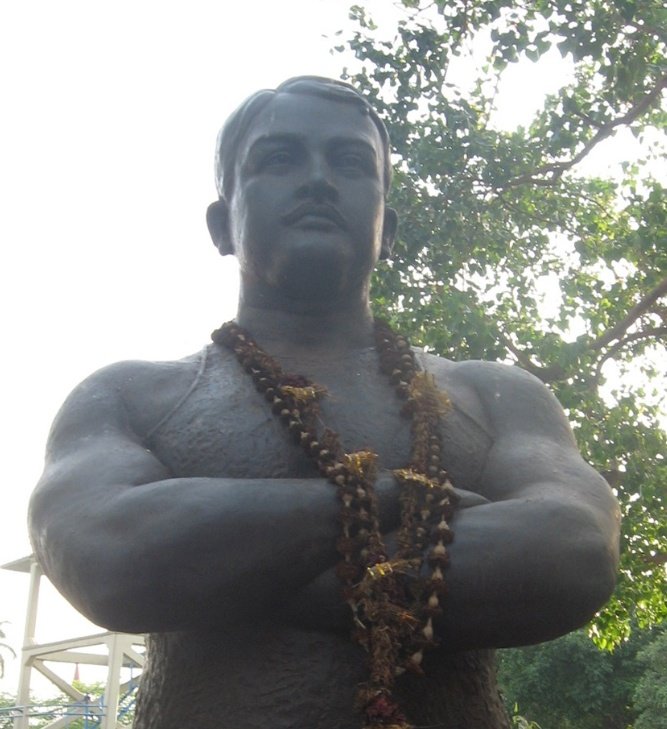
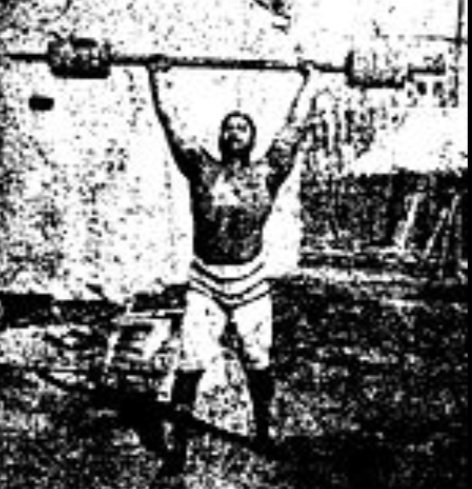
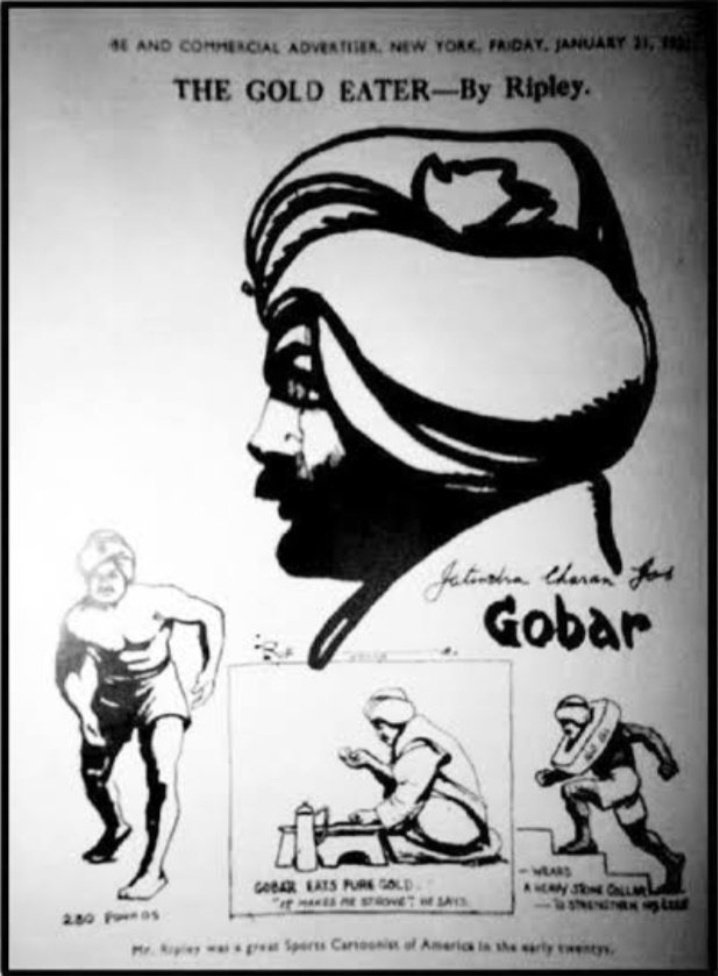
Starting with Gobor Guho (Jatindra Charan Guho), born into the family of wrestlers, he is the best known wrestler of his time from Bengal or even India. On reaching adulthood, he was 6'1" and weighed around 130 kgs. His expanded chest measured 48 inches.
+
Born to Ramcharan Guho, son of great wrestler Ambika Charan, Gobor learnt the art of wrestling under the tutelage of his uncle Khetracharan & grandfather Ambika. The latter set up an akhada near Hatibagan, that became a breeding ground for revolutionary nationalist activities.
+
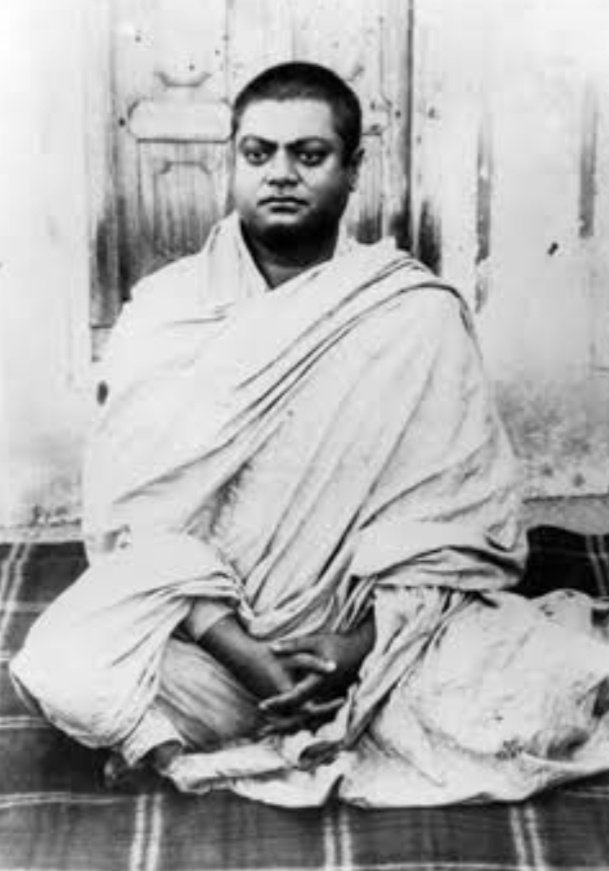
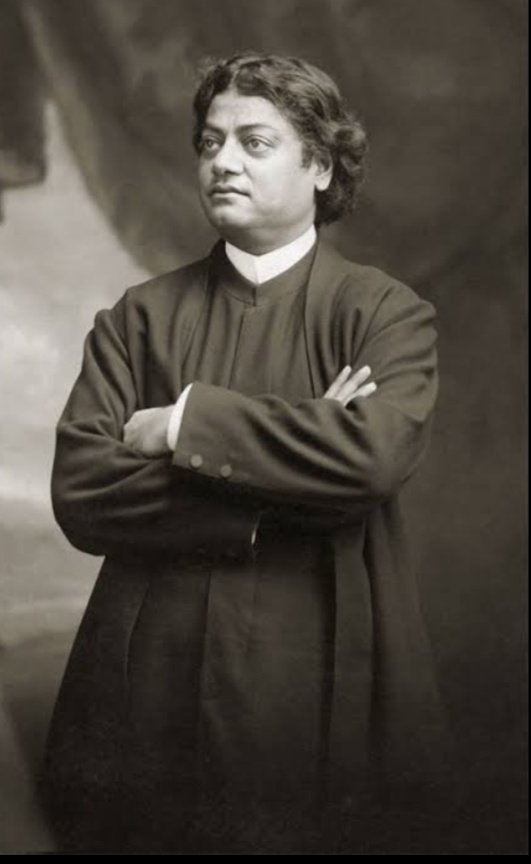
Ambika Charan Guho was introduced to wrestling by his grandfather Shiv Charan Guho. Ambika and his son Khetracharan later taught wrestling to the great Hindu saint Swami Vivekananda and the great Biplobi freedom fighter Bagha Jatin or Jatindranath Mukherjee.
+
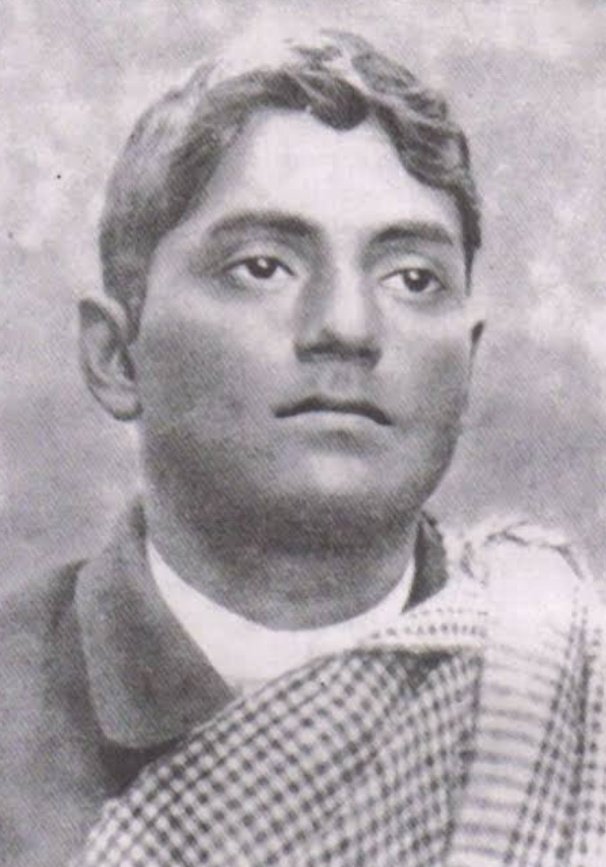
Bagha Jatin was famous in the 'biplobi' circles for his chastity & desire to die for the nation. His guru Swamiji sent him to Ambika Guho's akhada for training. As we know the rest, Bagha Jatin, hugely popular for his courage & physical strength died fighting for Bharat Mata.+
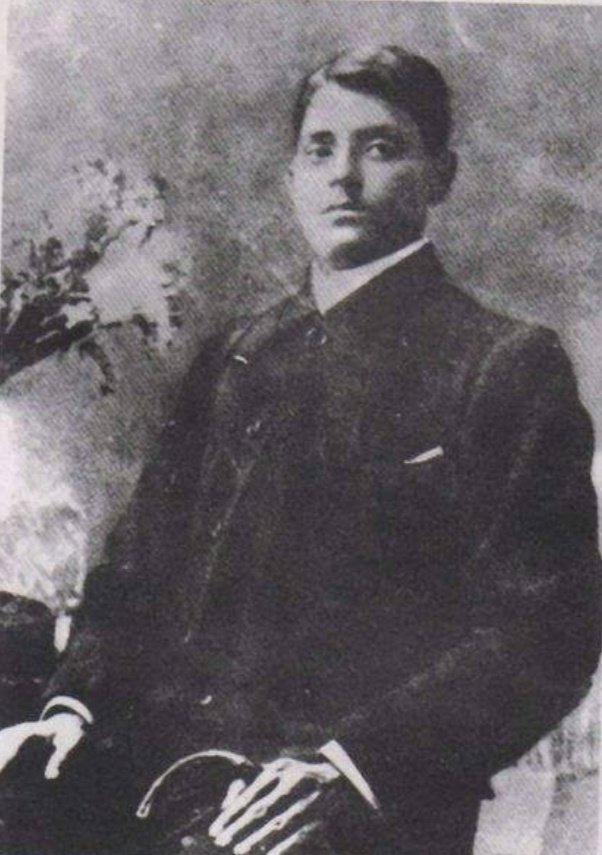
Coming back to Gobor Guho, he toured Europe several times in his life, starting in 1910, to compete in wrestling competitions. In his second trip to Europe in 1913, he defeated Jimmy Campbell, the highest ranked wrestler of Scotland.
+
He also grounded Jimmy Esson, the Scotch Giant despite suffering illegal blows from the latter. However, he was not awarded thr "John Bull Belt" despite being a British subject, as he was not a bona fide British.
+
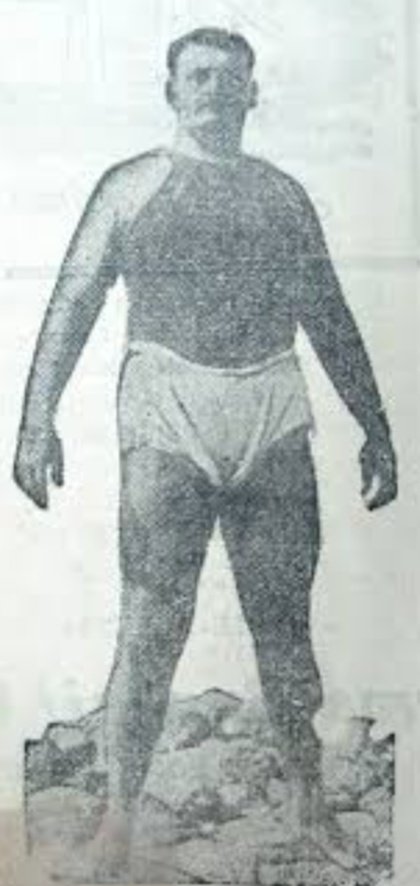
However, his greatest competition took place in the US, against Ad Santel, the light heavyweight champion of the world. He was beautifully defeated by the "Hindu Giant" Guho. The Kansas City Post described this victory as 'The Invasion of "Hindu Menace".
+
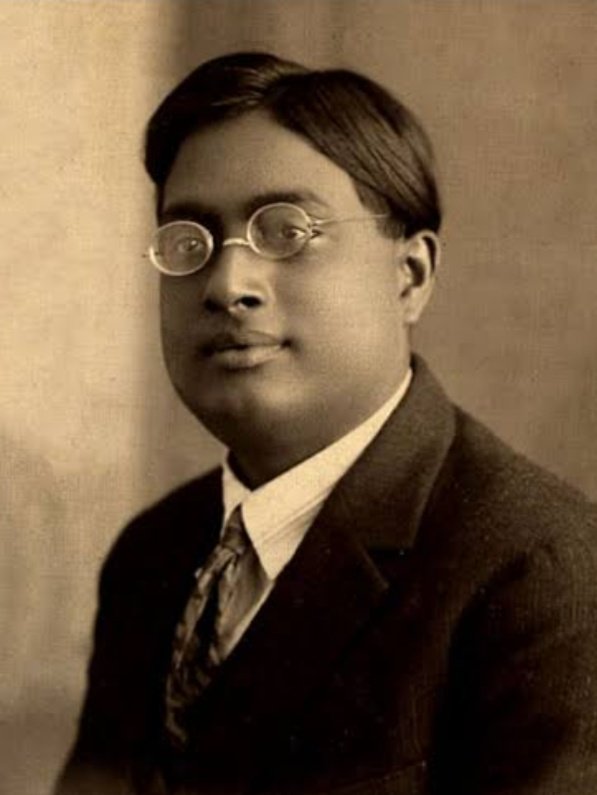
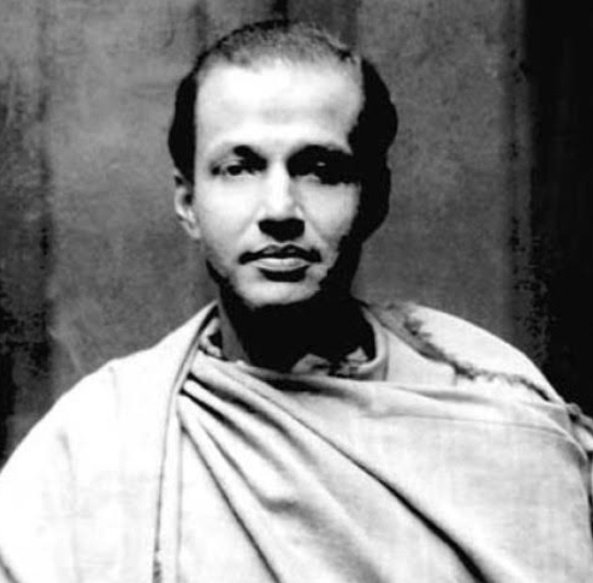
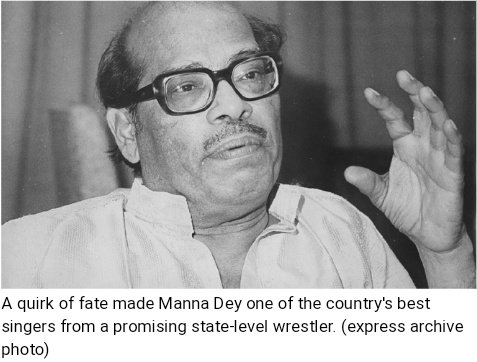
Guho was not only an exceptional wrestler but also an intellectual who delivered lectures on Tagore's works. He was a trained Hindustani Classical vocalist. In Calcutta, he set up his own akhada which trained scientist Satyen Bose, poet Sudhindranath Dutta & singer Manna Dey.
+
A popular example of British characterization of a Bengali man, "By his legs you shall know a Bengali... either skin and bones or very fat or globular, also turning at the knees with round thighs like a woman's. The Bengali's leg is the leg of a slave." (G.W. Steevens, journo)
+
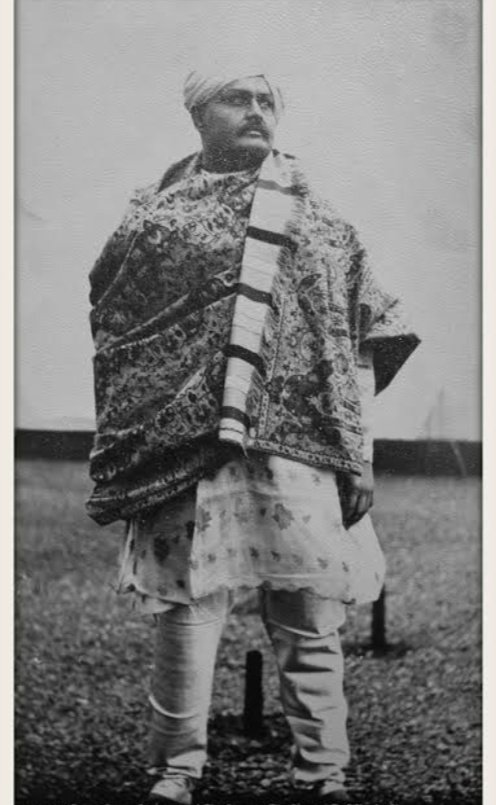
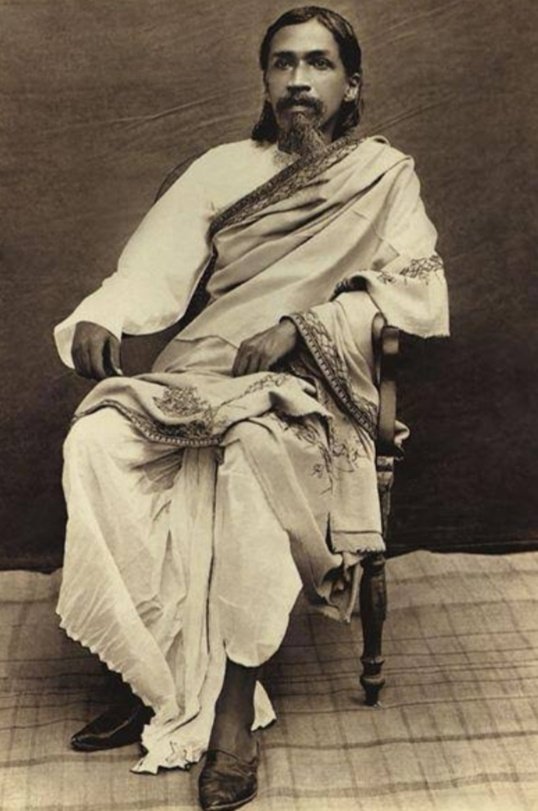
This led to the regeneration of both the Bengali mind & body in the late 18th CE. With the collective effort of intellectuals like Bankim C, Rajnarayan Basu, Swamiji, wrestlers like Guhos, yoga gurus like Ghosh, revolutionary leaders like Jatin, Bengal set an example for India.
+
I could not add the contributions of men like Nabagopal Mitra, Rajnarayan Basu, Satishchandra Bas, but their contributions need to be reminded to the masses. The 'effeminate' Bengalis must be attributed for institutionalising militant nationalism to fight the 'manly' British.
• • •
Missing some Tweet in this thread? You can try to
force a refresh

Have a few thoughts on this.
There's no denying the fact that Ray expected his audience to be "intelligent" - intelligent here does not imply high education or cultural background, but the ability to comprehend objectively.
What he deserved was an intelligent audience that would watch his art or atleast an engage in constructive criticism. He often got none from the masses beyond Bengal but received plenty from the masses in Bengal & globally. Other parts of India, was majorly averse to his art.
People shitting on Ray for calling the Indian audience backward have happily consumed brain dead movies that were produced in Bollywood (exceptions being those movies directed by Bengali exports) for decades now.
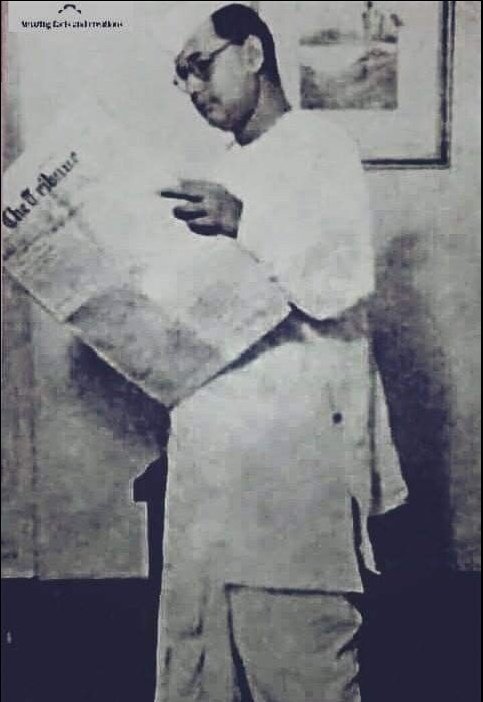
Lots of people hating on Bose for his alleged Nazi connections.
In J.H. Voigt's (noted German writer) words, Netaji made a distinction between the Nazi regime and the German nation. His joining hands with Hitler was not an expression of his support of the Nazi ideology.
+
"It was nothing but the abortive attempt to rally German support, and later also Japanese, to gain independence for India."
He specifically mentions that Bose was impressed with the German military success but unhappy about Hitler's policy.
+
Voigt observed that the only cause which Bose had was India's independence. Thus, he had to overcome his strong inhibitions to Nazi ideology & threw in his lot with Hitler. He was prepared to do nothing for Germany but anything including harnessing German interests for India.
+
Read about another Bengali wrestler of the colonial period. Bhabendra Mohan Saha, better known as Bheem Bhabani for his wrestling prowess, was connected to the akhada of another eminent wrestler family of his time, the Gohos of North Calcutta.
+
A physically weak child, Saha was often bullied by other kids. Moreover, he contracted malaria frequently causing his physical strength to deteriorate. This is when he decided to join akhada and build his body.
+
He initially joined Atindrakrishna Basu's akhada, where he learnt the basics of wrestling. He gained prominence after defeating senior wrestlers of his time by employing superior tact and speed. He next moved to Kheticharan Goho's akhada (relative of the great Gobor Goho).
+
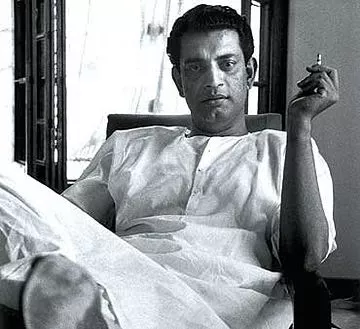
This year marks the completion of Satyajit Ray's centenary, yet the ghosts of poverty porn & exoticization allegations have not stopped lurking around. Routinely attacked by the Indian RW, here's why some of his most criticized works have little to do with these allegations.
+
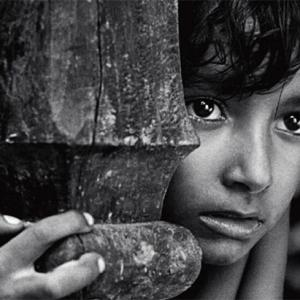
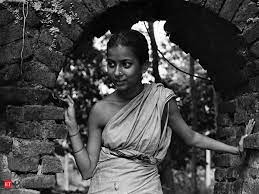
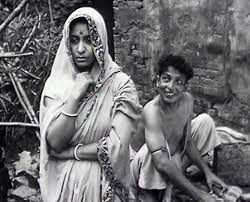
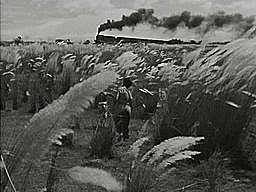
Ray's 1st & India's 1st film that received international acclaim, was more of Bibhutibhushan Bandapadhyay's creation than Ray's. It was a bildungsroman novel set in rural Bengal, an emerging genre then, where the author traces the moral and psychological growth of a character.
+
Coming to "romanticizing poverty", it must be noted that Panther Panchali was Bibhutibhushan's partly autobiographical work, greatly influenced by his own childhood. Calling this poverty porn is the denial of a man's experiences and more importantly Bengal's rural history.
+
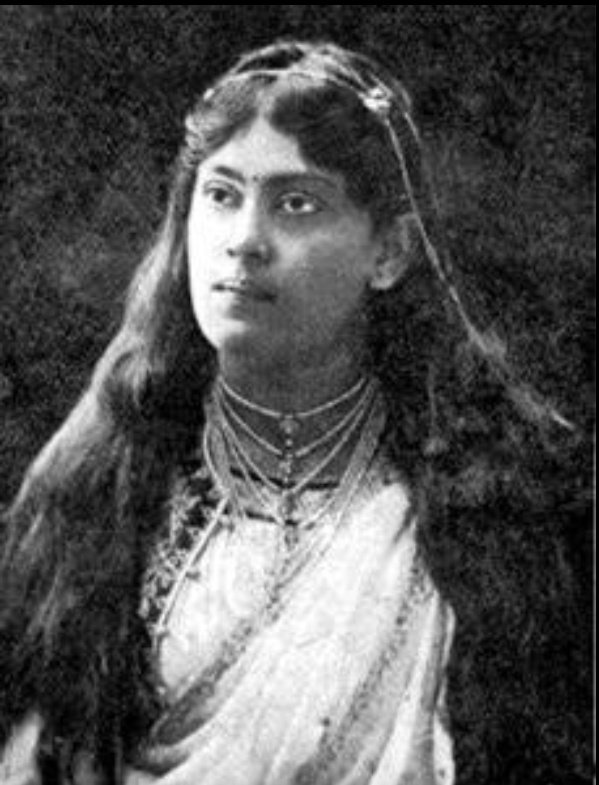
Masculine nationalism was not limited to the 19/20th ce Bengali men, but was also propagated by prominent women of the Bengali society. One such woman was Sarala Debi, who comes from the Tagore family, a Brahmo family that has been constantly accused of promoting effeteness.
+
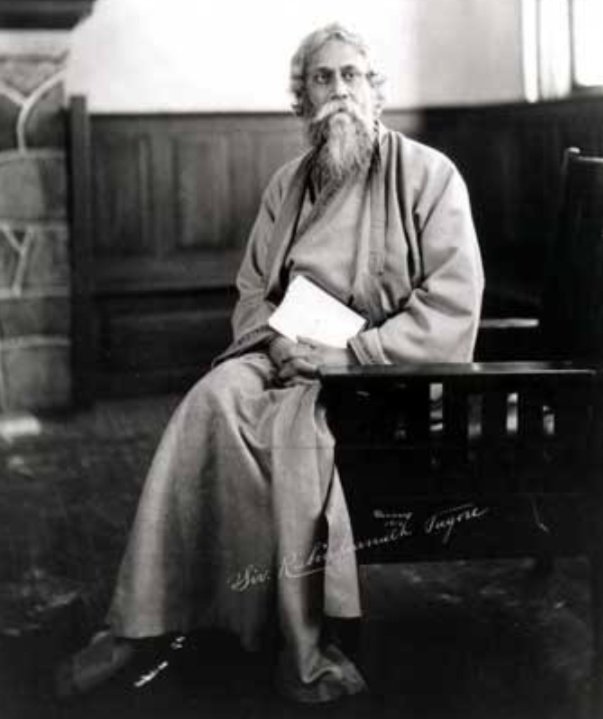
Sarala Debi Ghosal was Gurudev's niece and had close ties with Swami Vivekananda. She was introduced to militant nationalism through Bankim Chandra Chatterjee's Anandamath & Aurobindo Ghosh. She felt that the Bengali society needed to regain manhood through martial training
+
She oft quoted, "battles of England are fought & won in the fields of Eton." which credits public schools of Eton that promoted careers in military, civil services & church for the martial success of England. She believed only muscular nationalism could revive the civilization.
+