
Today @RuhakanaR--Uganda's PM--handed over his office.
Dr. Rugunda has been a constant presence in public life. He first appears in the archival record in 1969, when--as VP of the Nat Union of Students @Makerere--he visited the US ambassador.
Here's the diplomat's report. 1/
Dr. Rugunda has been a constant presence in public life. He first appears in the archival record in 1969, when--as VP of the Nat Union of Students @Makerere--he visited the US ambassador.
Here's the diplomat's report. 1/


2/
Rugunda was a high school student, about to enter university. The subjects of their discussion: the US's dismal treatment of black Americans & the ongoing war in Vietnam.
Two weeks later Rugunda was back at the US embassy with further criticism of the US war in Vietnam.
Rugunda was a high school student, about to enter university. The subjects of their discussion: the US's dismal treatment of black Americans & the ongoing war in Vietnam.
Two weeks later Rugunda was back at the US embassy with further criticism of the US war in Vietnam.


3/
After Idi Amin came to power many NUSU leaders went into exile. Rugunda went to @UCBerkeley, where he did an MA in Public Health. Photo below from 1978.
After Idi Amin came to power many NUSU leaders went into exile. Rugunda went to @UCBerkeley, where he did an MA in Public Health. Photo below from 1978.
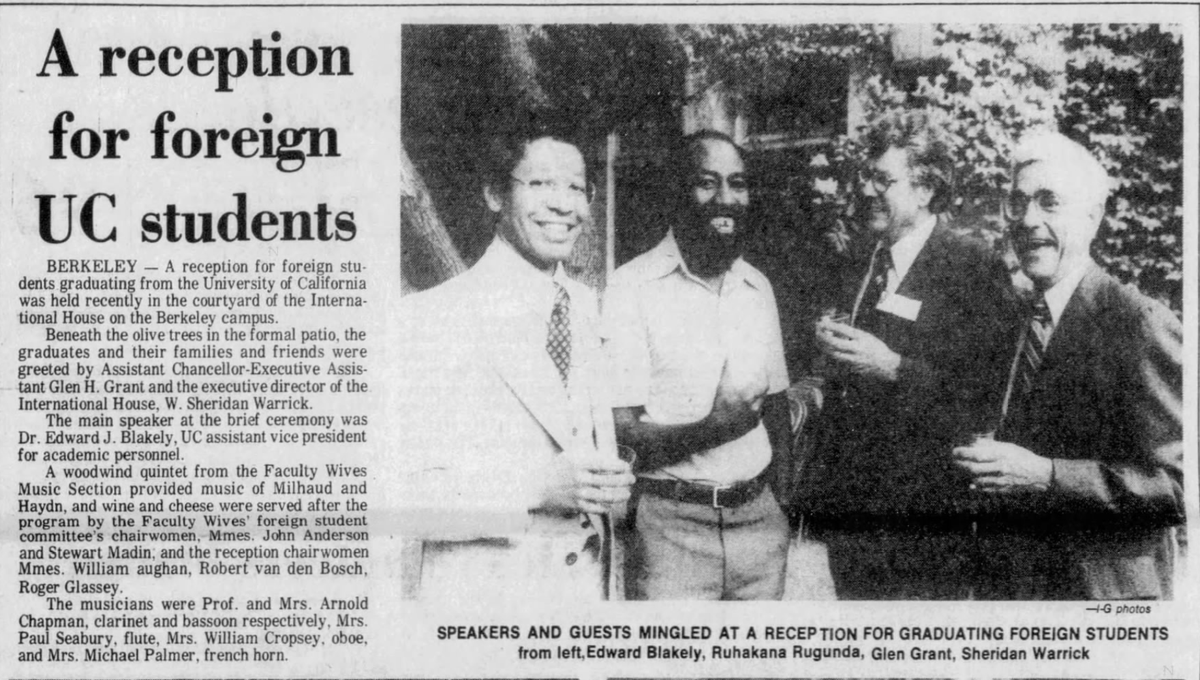
4/
After @NRMOnline came to power in 1986 Dr. Rugunda became Minister of Health. Uganda's health system--formerly the best in Africa--was in a shambles. Dr. Rugunda played a key role in rebuilding infrastructure & confronting AIDS, a mortal challenge to many people.
After @NRMOnline came to power in 1986 Dr. Rugunda became Minister of Health. Uganda's health system--formerly the best in Africa--was in a shambles. Dr. Rugunda played a key role in rebuilding infrastructure & confronting AIDS, a mortal challenge to many people.
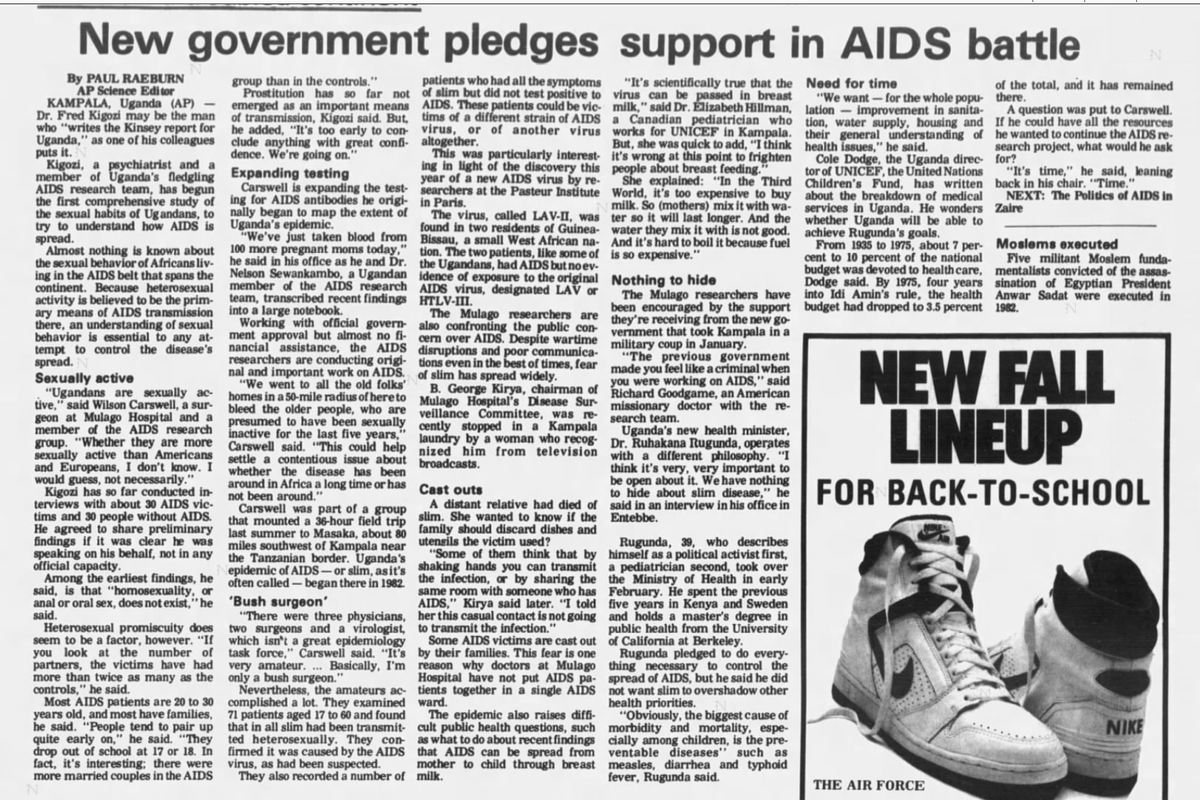
5/
In later years Dr. Rugunda served as Transport Minister, Uganda representative to the UN, Minister of Foreign Affairs & in other roles.
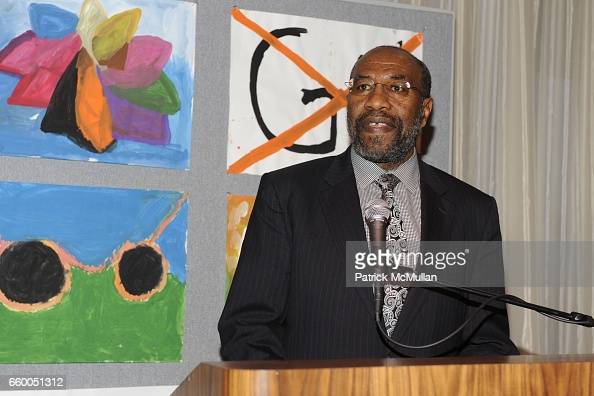
Here he is as Minister of Internal Affairs in 2006, discussing his ongoing efforts to bring an end to the war with Joseph Kony's LRA.
In later years Dr. Rugunda served as Transport Minister, Uganda representative to the UN, Minister of Foreign Affairs & in other roles.
Here he is as Minister of Internal Affairs in 2006, discussing his ongoing efforts to bring an end to the war with Joseph Kony's LRA.
6/
Good wishes to @RuhakanaR as he moves into a new role as advisor to Uganda's president. I very much hope that--in due course--we'll have an autobiography to read!
Good wishes to @RuhakanaR as he moves into a new role as advisor to Uganda's president. I very much hope that--in due course--we'll have an autobiography to read!
• • •
Missing some Tweet in this thread? You can try to
force a refresh






