SOULBLACK Profile picture
Jul 10, 2021 20 tweets 7 min read Read on X
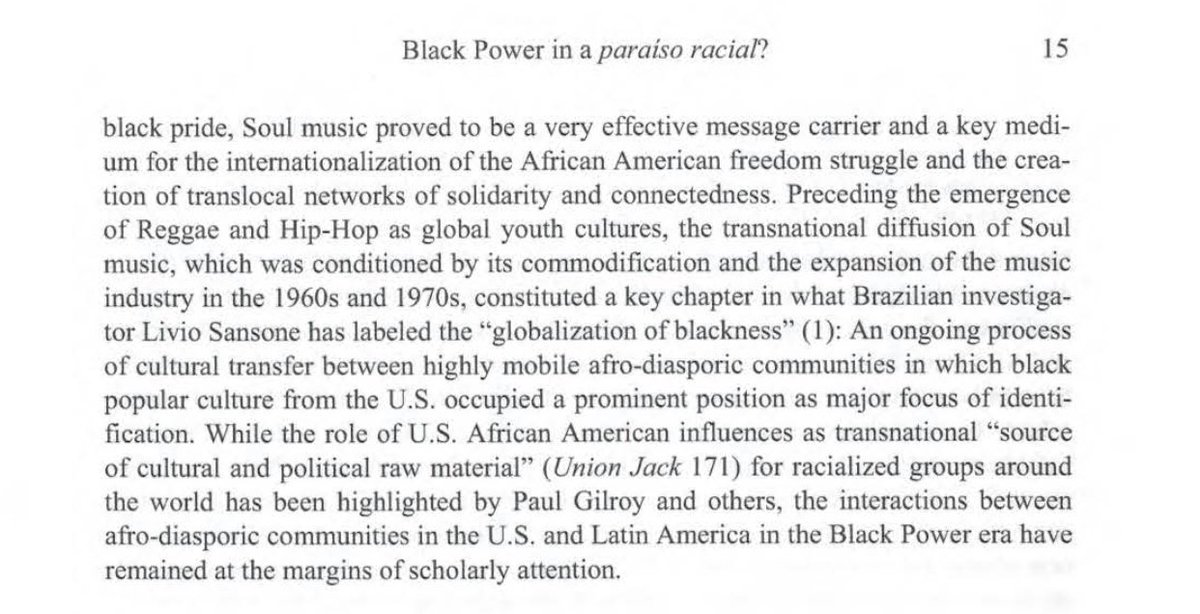
The global adoption of Black American “Black Power” has a fascinating history. US civil rights/Black Pride movements of the 50s and 60s inspired many people to adopt the Black American self identification of “Black” and apply our philosophies to their struggles. A few examples.
West Indians in London adopted “being black” and philosophies of Blackness in the early 70s due to US Black Pride movements. They started screaming “Black Power.” And gained a new sense of Black Pride that they didn’t have in the West Indies
Also the stylized Afro (BA hair style) was embraced by Black youth. Many white people in London were also inspired to join in the fight. Some white people in The UK adopted the term “Black.”
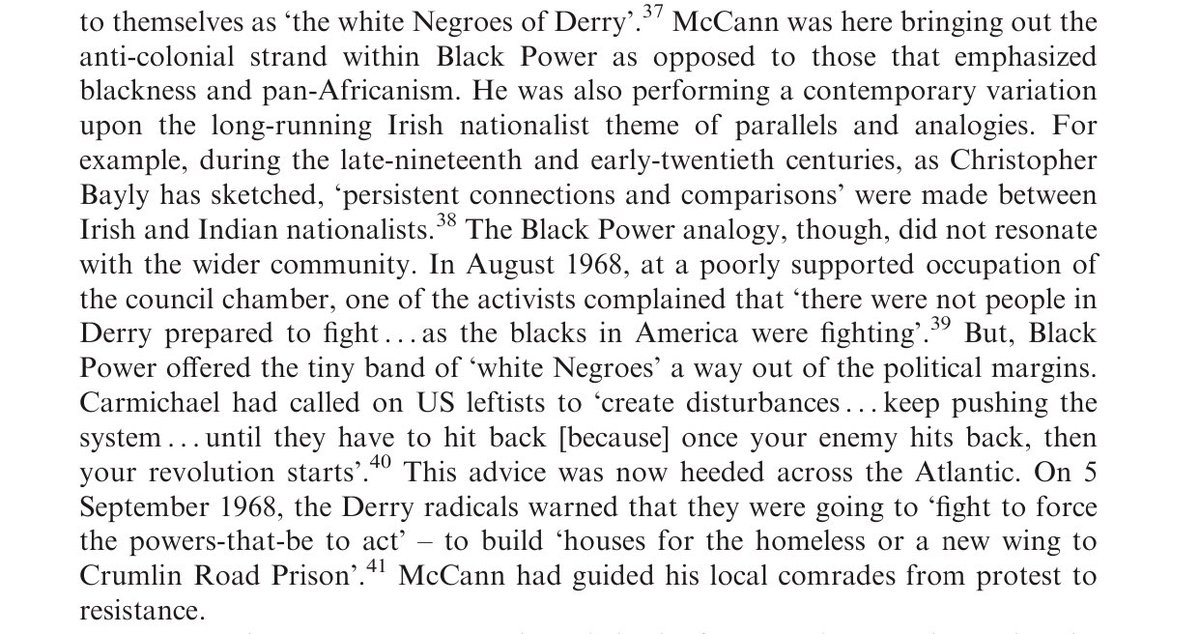
In Ireland around the same time “Black Power” ideologies were being adopted by Black Irish people, but also it heavily impacted White Irish justice fights. The used “Black Power” as a base for activism. Some even called themselves the “white negroes of Derry.”
Early 70s in India a group of young writers created the “Dalit Panthers.” Inspired by the Black Panther party, they used Black Power philosophies to fight against governmental injustices and atrocities done to “untouchable” communities.
In New Zealand, during the same time, the Polynesian community was inspired by the Black Panther Party, and it’s philosophies to create “The Polynesian Panthers.”
The Australian Panther party was created by the Aborigine community who adopted the proud self identification of “Black” during the 70s. They were facing much discrimination, and needed to organize. Using “Black Power” they did just that.
The Australian Black Power movement, was also inspired by the Black Arts Movement in the US. Aborigines set up the “Black Theatre.”
The Brown Berets took inspiration from the Black Panthers. They modeled their militant look after the BPP. They learned tactics and philosophies from Black American activist.
The “Israeli Panthers” also modeled themselves after the Black Panther Party.
The Black Panther x PLO/Palestinian Panther Party connection.
Dhoruba al-Mujahid bin Wahad (Richard Earl Moore) further explaining that connection and influence.
The Young Lords were a Puerto Rican/Latino Gang, that was radicalized and Politicized by the Black Panther Party.
Felipe Luciano (Last Poets) speaking on the Young Lords.
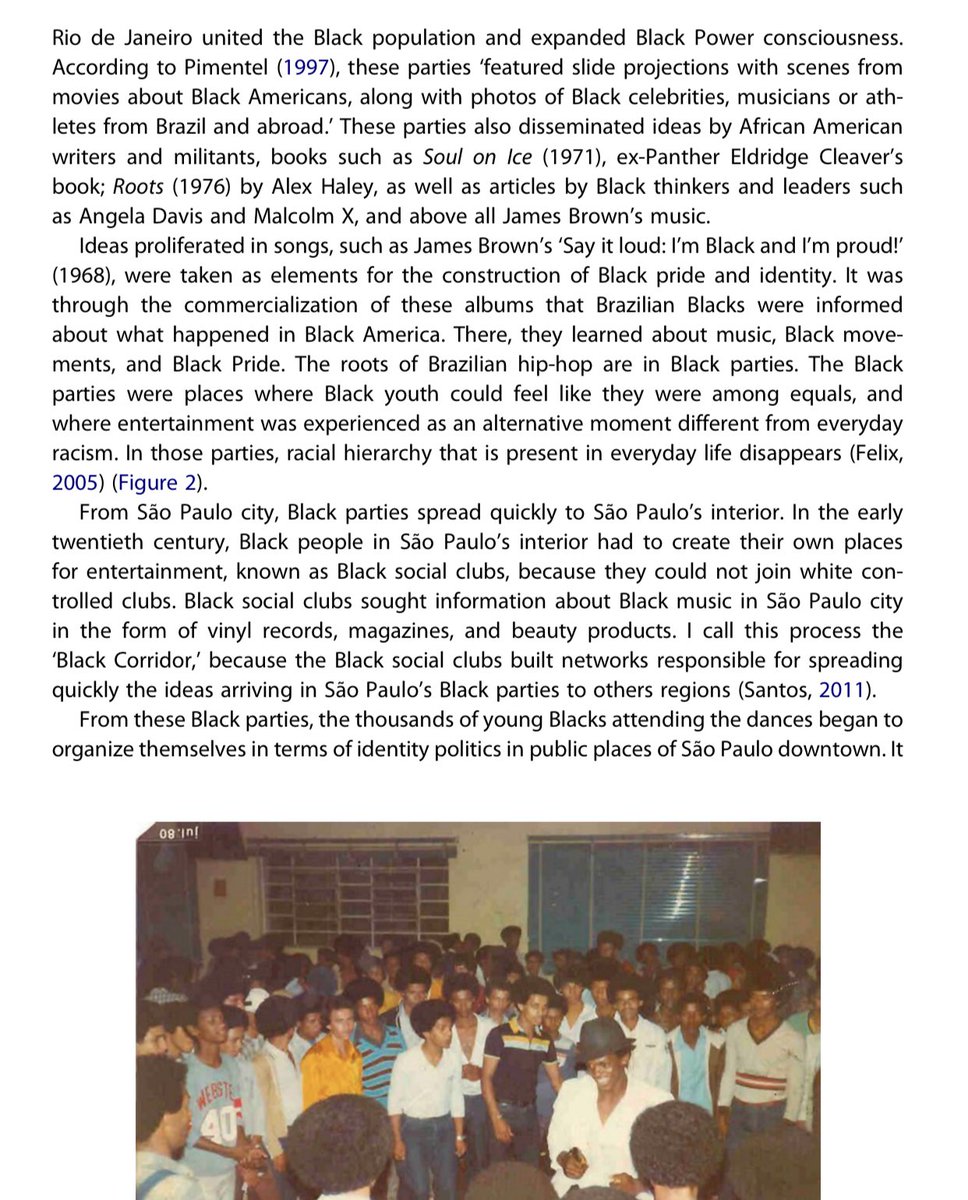
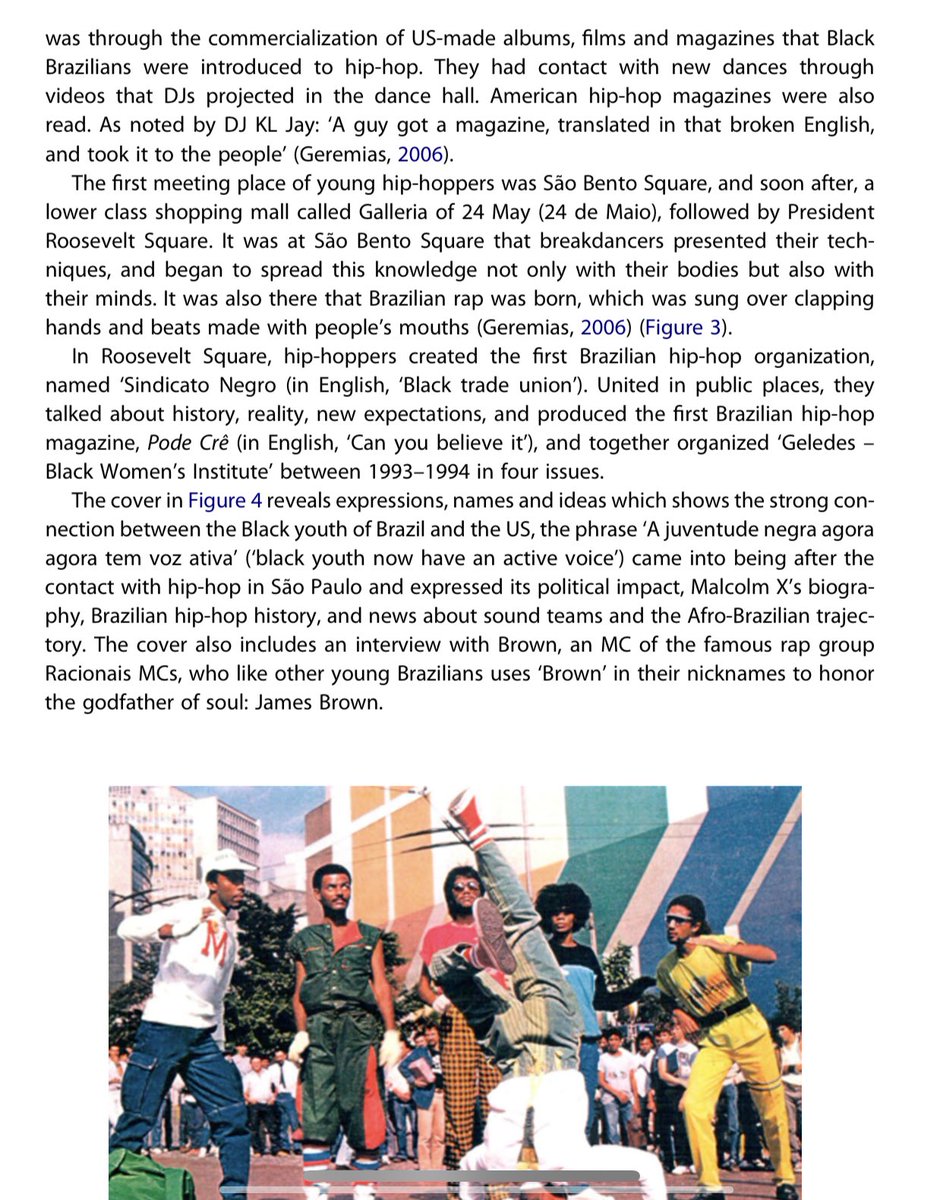
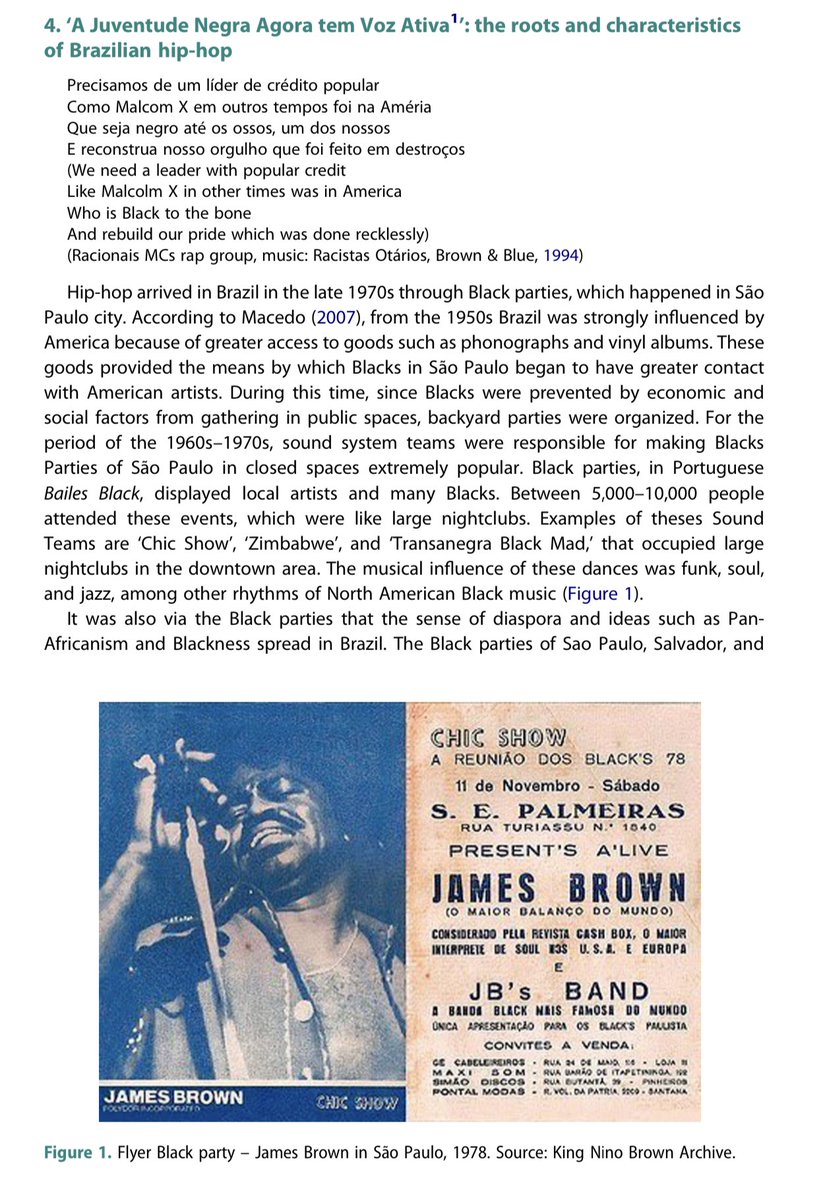
It was Black American music that transported ideologies of Black Pride to Brazil. In the 50s/60 Brazilians threw “Black Parties,” where they listened to BA Soul/RnB music. Similar to Jamaican “Blues Parties.” Funk and Hip Hop had a major impact on Brazilian Black consciousness.
When Fela Kuti (Nigeria) visited the US, he studied Black American writers and scholars. He read the Autobiography of Malcom X, which inspired him to be a “Black Hero.” He took what he learned and applied it to his music and politics. He wrote his first radical songs in America.
Fela Kuti’s words.

• • •

Missing some Tweet in this thread? You can try to force a refresh

 

Keep Current with SOULBLACK

SOULBLACK Profile picture

Stay in touch and get notified when new unrolls are available from this author!

Read all threads

This Thread may be Removed Anytime!

PDF

Twitter may remove this content at anytime! Save it as PDF for later use!

Try unrolling a thread yourself!

how to unroll video
  1. Follow @ThreadReaderApp to mention us!

  2. From a Twitter thread mention us with a keyword "unroll"
@threadreaderapp unroll

Practice here first or read more on our help page!

More from @BlackPowerBA

Nov 14, 2022
Short Thread. They sound good, but there is a reason this doesn’t sit well with some Black Americans. Historically, we have always been inclusive with our musical traditions, which has lead to whitewashing/erasure. Our music is sacred to us, we have the right to gatekeep. 1926 twitter.com/i/web/status/1…
People try to bash Black Americans by jealously saying we have “no culture,” but when we go up about aspects of our culture that are sacred to us, we get told to be quiet. People in the comments not understanding and dismissing our concerns. It’s something we know too well.
Black Americans aren’t overreacting, we are doing what we’ve had to do for over a century. Others have always learned from Black American music styles, but our inclusiveness always ends in people omitting origins and respect. 1959.
Read 7 tweets
Mar 4, 2022
There is NOTHING wrong with the celebration of their cultures. It’s beautiful. Embrace that uniqueness. The problem is the hypocrisy when using “African” in this way while many of the same people get upset that we use “Black” exclusively at times. Some quick thoughts…
This is at an HBCU, a college solidified in Black American history and culture. Pan Africans will tell everyone to claim “African.” However this kind of thing challenges that. “African” here, means something specific. But ain’t we “all African?” Not always, right? I get it.
Aren’t all black ppl there “African?” “African takeover days” at HBCUs are about highlighting the native cultures of continental Africans, migrants/their descendants. Dope. But when Black Americans say we “aren’t African” we get scolded. We aren’t denouncing African cultures.
Read 7 tweets
Mar 1, 2022
Black Americans have a long history of “music competition.” Old traditions like The Dozens, Toasting, and “Blues/Jazz Cutting” all influenced our music battle culture. A “cutting contest” in the 1920s-40s was a joust of skill between musicians to see who was best. Example
Here is a depiction of Scott Joplin in a Piano cut contest. The objective was to play faster and louder, introduce new rhythms, while being more skillful and showing off new techniques. And don’t forget to keep the crowd moving. If you stumble, you lose.
Usually held in a small house or Bar/Juke joint at events called “Rent Parties,” two musicians would go head to head. If you got into a cutting contest, you better have bought your all. Kansas City in the 1930s was a notorious hub for Jazz cutting contest.
Read 12 tweets
Dec 10, 2021
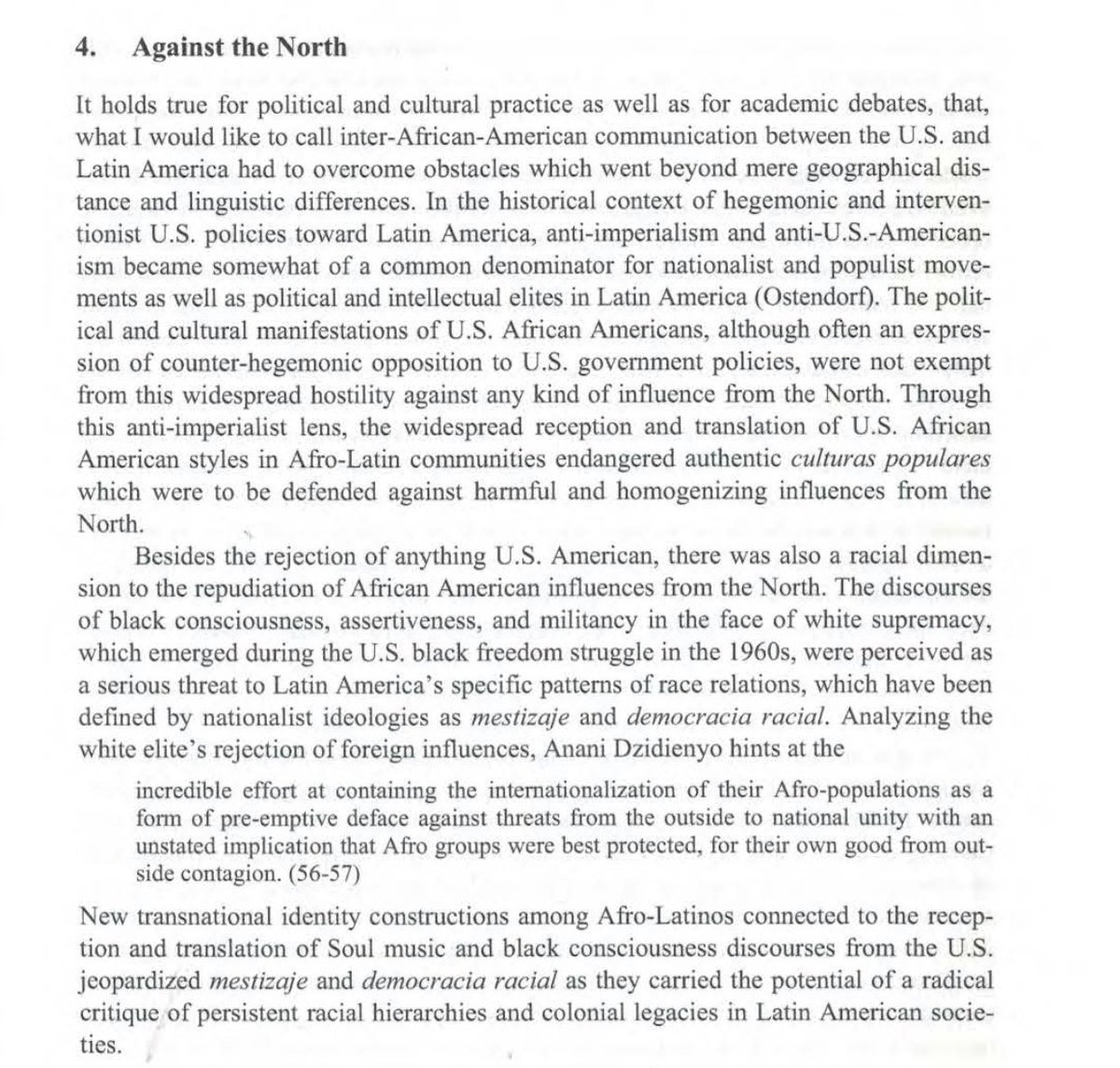
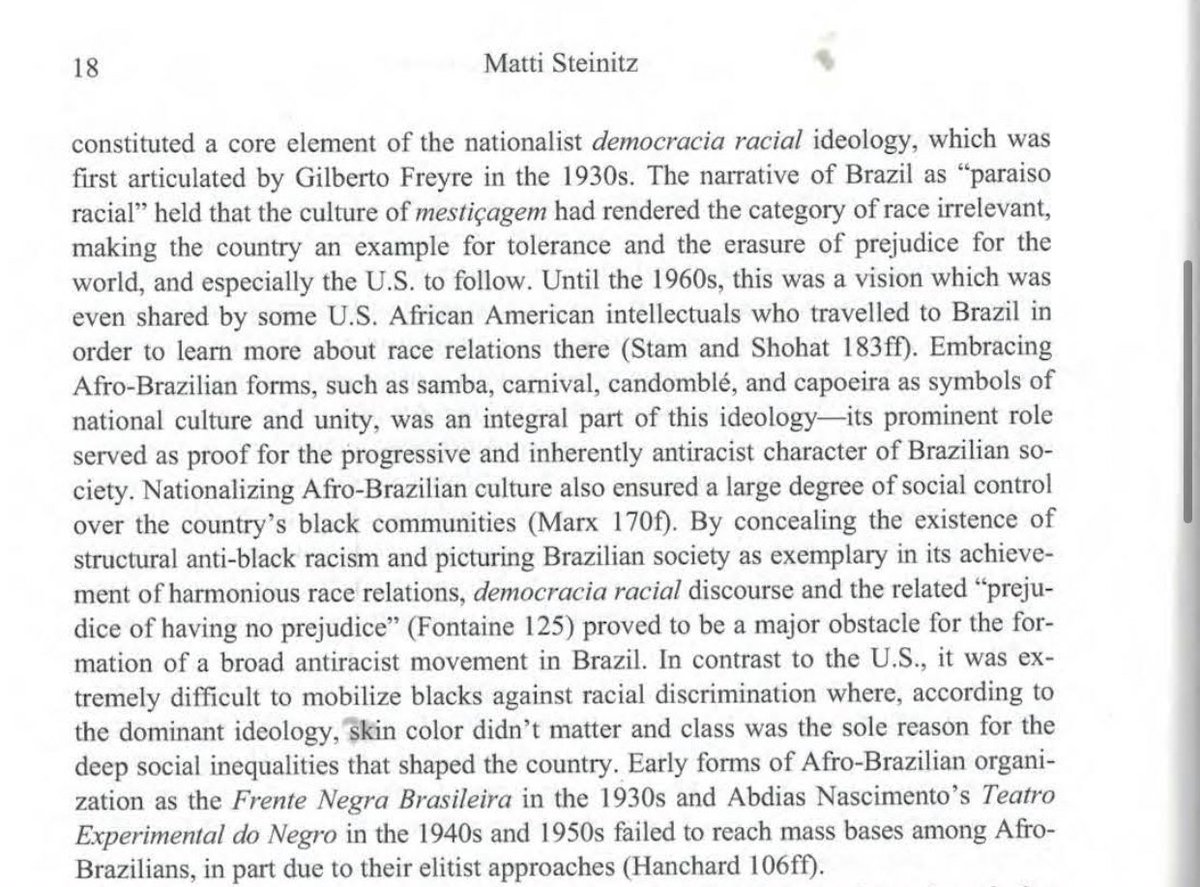
The influence that Black American 🇺🇸 Soul on 🇧🇷 in the mid 60s and 70s is larger than you’d think. I briefly touched on this with my thread on the global reach of Black Power. But there’s much more to the story.
In the 70s Soul Music was a key factor in the spreading of “Blackness” throughout Latin America. Soul music was monumental in carrying messages of Black Pride and Power across South America. Soul music and philosophies would hit Brazil the hardest.
Latin American politicians in the mid 60s were against anything from the U.S. Black American politics and movements were also looked down upon. They viewed the Black Power movement as a threat to race relations. They had been promoting “racial harmony.”
Read 15 tweets
Nov 9, 2021
Louis Armstrong in 1956 on his first trip to Ghana. He performed in front of a crowd of 100,000. The Gold Coast record and world record of that time. Many Ghanaians, except for people “in the know” were not familiar with the sounds of Black American Jazz music.
In front of a smaller crowd, Louis Armstrong wants to see people dance. It took them a while but they slowly started getting in the groove and feeling the rhythms.
Louis Armstrong and many other Jazz musicians were known as “Jazz Ambassadors.” The US wanted to clean up its global image, and Jazz was a way to spread “positivity.” Armstrongs trip to Ghana was an effort to bridge gaps between Black American and continental Africans.
Read 5 tweets
Oct 1, 2021
An early example of the Black American cultural tradition, called “Playing the Dozens.” A game y’all probably know as “Scoring,” “Gunning,” “cutting” “Lookin boy” etc. Jelly Roll Morton’s “The Dirty Dozen” recorded in the mid 30s. He first heard it played in Chicago around 1908
This is game and tradition is at the very root of the Black American rap and “jive” traditions. “Capping” and “Toasting” come from these roots. Memphis Minnie “The New Dirty Dozen” 1930.
Speckled Red in 1929
Read 9 tweets

Did Thread Reader help you today?

Support us! We are indie developers!


This site is made by just two indie developers on a laptop doing marketing, support and development! Read more about the story.

Become a Premium Member ($3/month or $30/year) and get exclusive features!

Become Premium

Don't want to be a Premium member but still want to support us?

Make a small donation by buying us coffee ($5) or help with server cost ($10)

Donate via Paypal

Or Donate anonymously using crypto!

Ethereum

0xfe58350B80634f60Fa6Dc149a72b4DFbc17D341E copy

Bitcoin

3ATGMxNzCUFzxpMCHL5sWSt4DVtS8UqXpi copy

Thank you for your support!

Follow Us!

:(