The last King of a nation, overthrown by its people who formed a Republic.
But the King was not done yet and he sieged his former capital.
The future of the new Republic hangs in balance.
Story in the evening ...
But the King was not done yet and he sieged his former capital.
The future of the new Republic hangs in balance.
Story in the evening ...
https://twitter.com/Arby_K/status/1413324678509170690
Lucius Tarquinius was born in 6th century BC in Rome. He was the son (more likely grandson) of Lucius Tarquinius Priscus, King of Rome. The time of the Roman Kingdom is semi legendary, but there were written records of Lucius Tarquinius in existence till 2,000 years ago. 1/10 
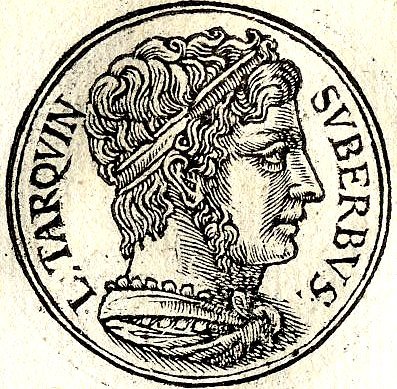
Lucius Tarquinius Priscus, born as Lucumo, was a Greek based in the Etruscan city of Tarchuna, but shifted to Rome. He became prominent in Rome seizing power in 616 BC, when King Ancus Marius died leaving young sons under the care of Tarquinius. 2/10
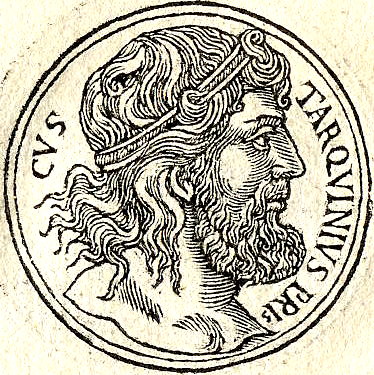
Tarquinius Priscus and his successor (and later son-in-law), Servius Tullius ushered in a period of expansion for Rome. The public works carried out at the time, like the Walls of the Capitoline Hills and the sewers, saw heavy Etruscan influence. 3/10
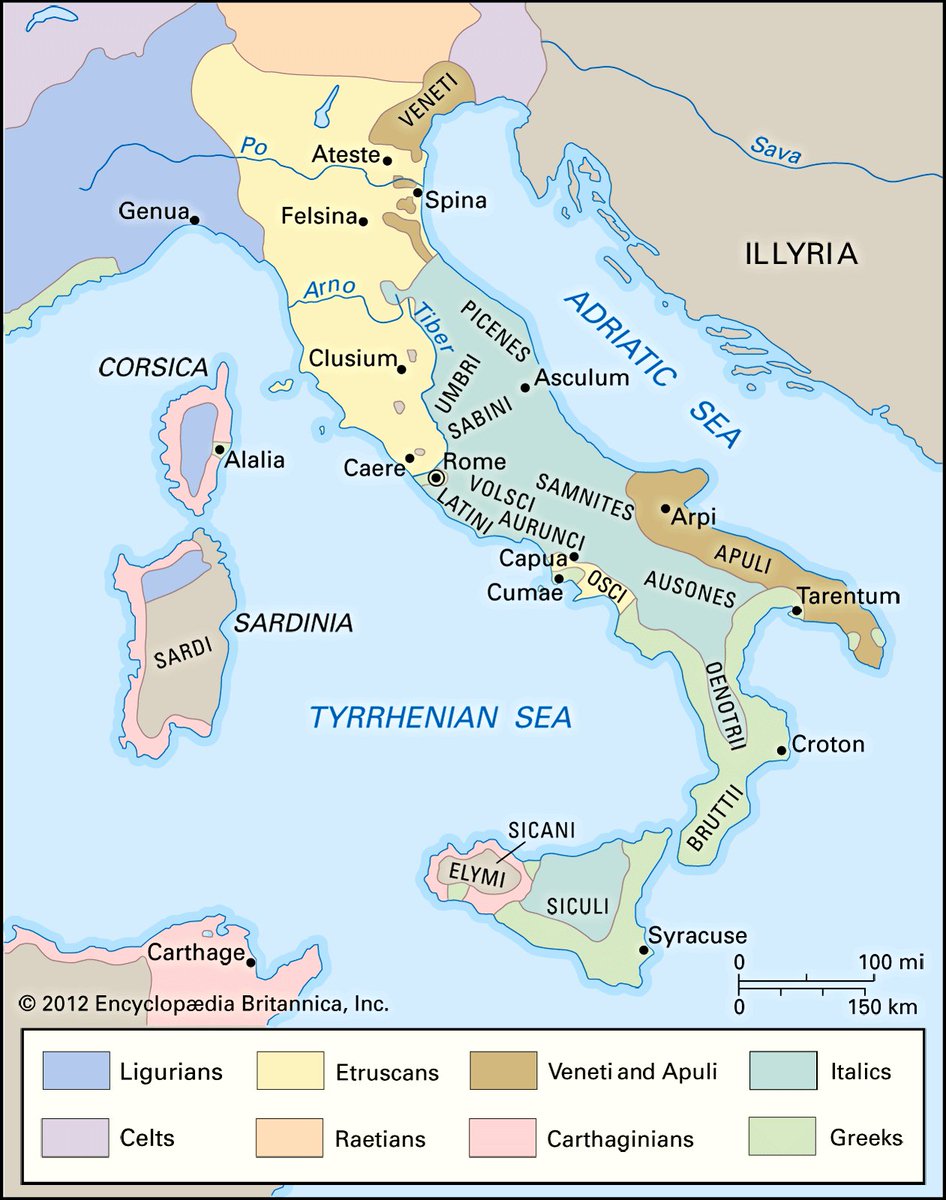
The younger Lucius Tarquinius married a daughter of Servius Tullius. He was also well connected with the other prominent Roman families. This gave him influence in the Senate, which was composed of members from the leading families of the Roman Kingdom and advised the King. 4/10
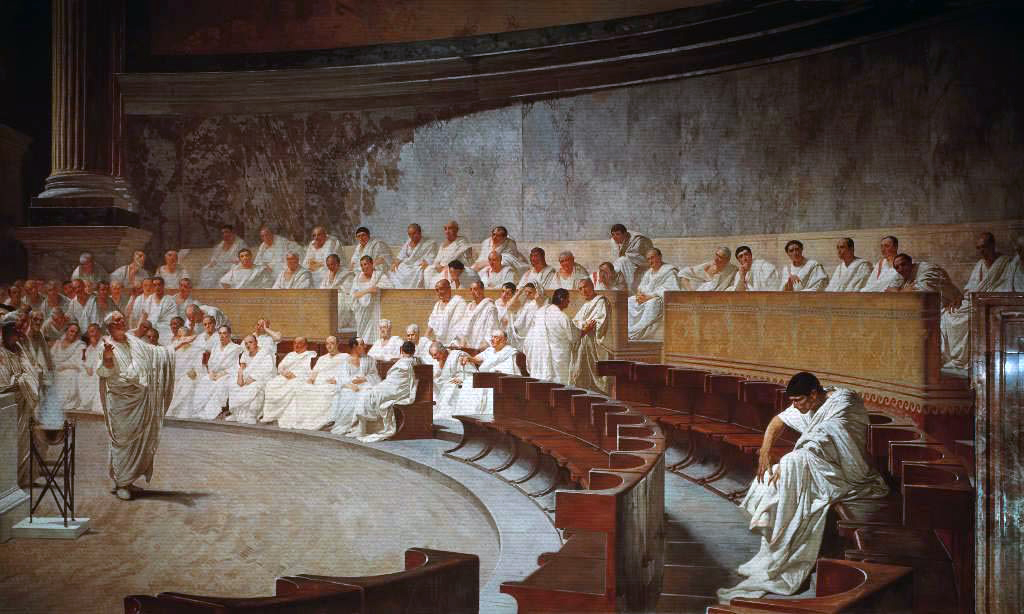
In 535, Lucius Tarquinius with the help of the Senate, felt slighted by Tullius, overthrew the King and got himself elected in his stead. Servius Tullius was soon killed as well. Tarquinius was given the cognomen Superbus (Proud) for his style of rule. 5/10
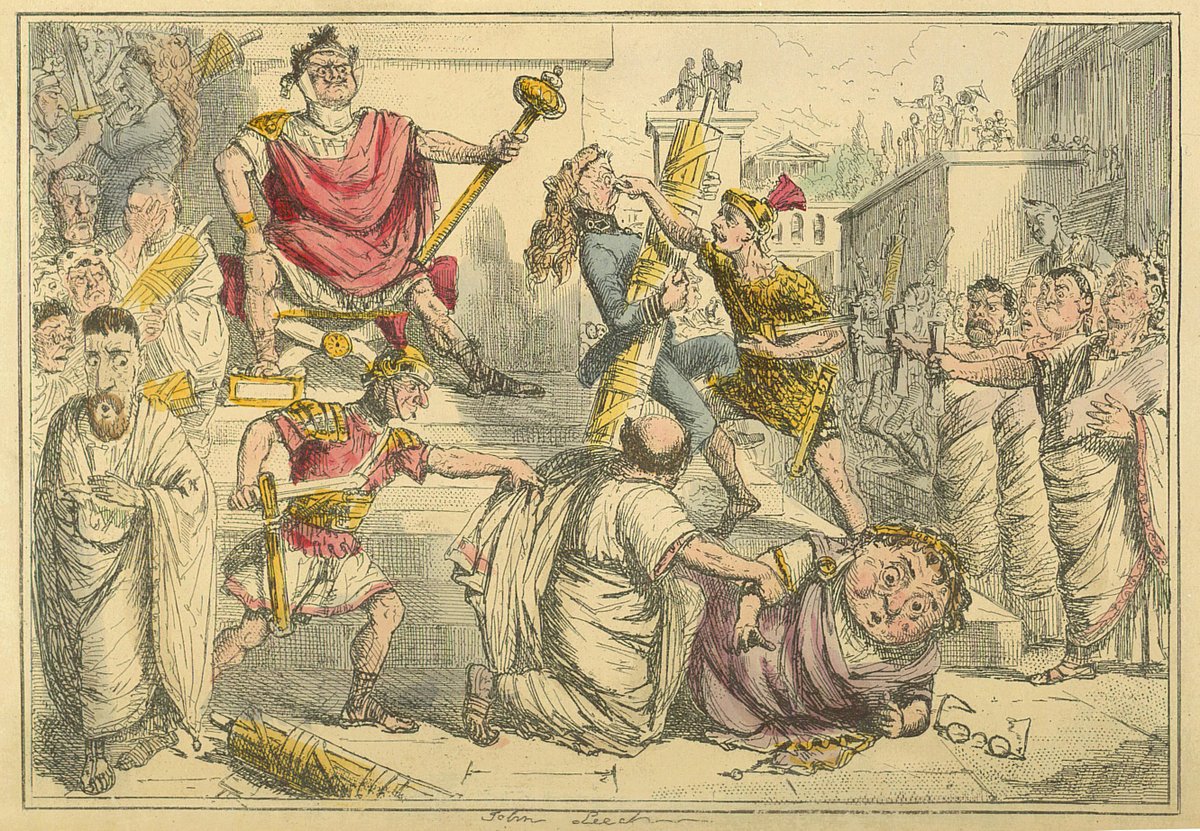
Tarquinius Superbus also continued in the same vain as his predecessor, ignoring the Senate. He allied with Tusculum, by marrying his daughter to their chief. He defeated the Volsci tribe and his son Sextus Tarquinius conquered Gabii by subterfuge. 6/10
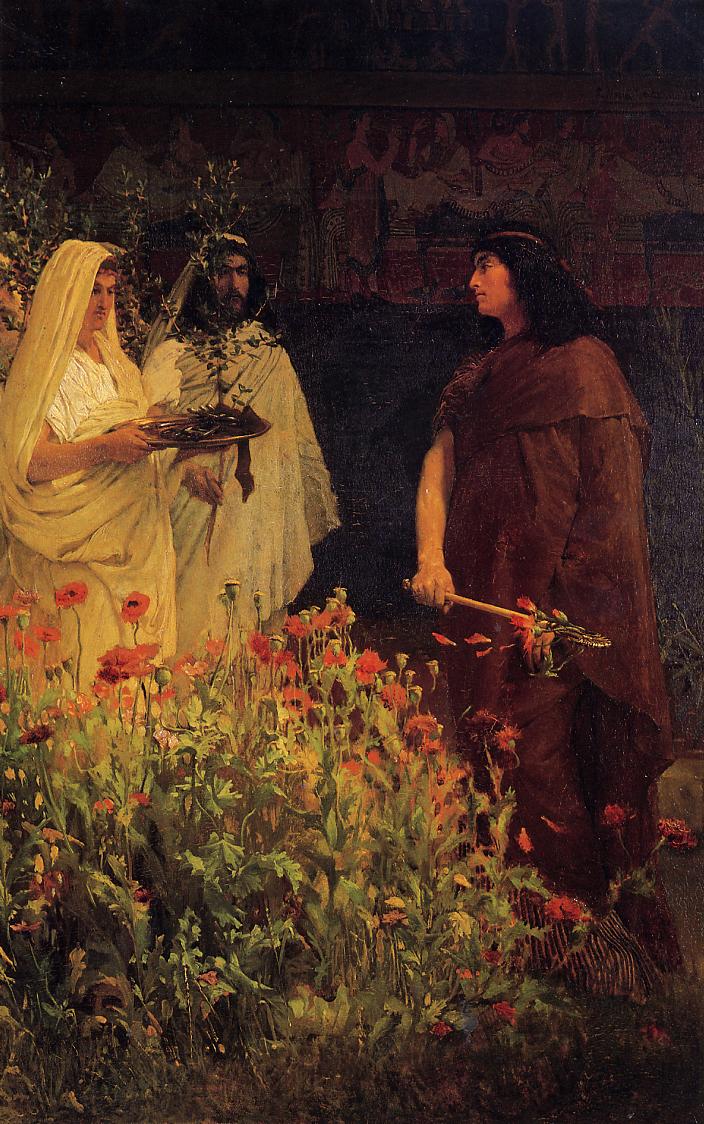
But it was Sextus that led to the downfall of Tarquinius Superbus. Mirroring the rape of the Sabines during the founding of Rome, Sextus raped Lucretia, a Roman noble, who then killed herself. Her husband, Lucius Tarquinius Collatinus, took up arms against the King. 7/10
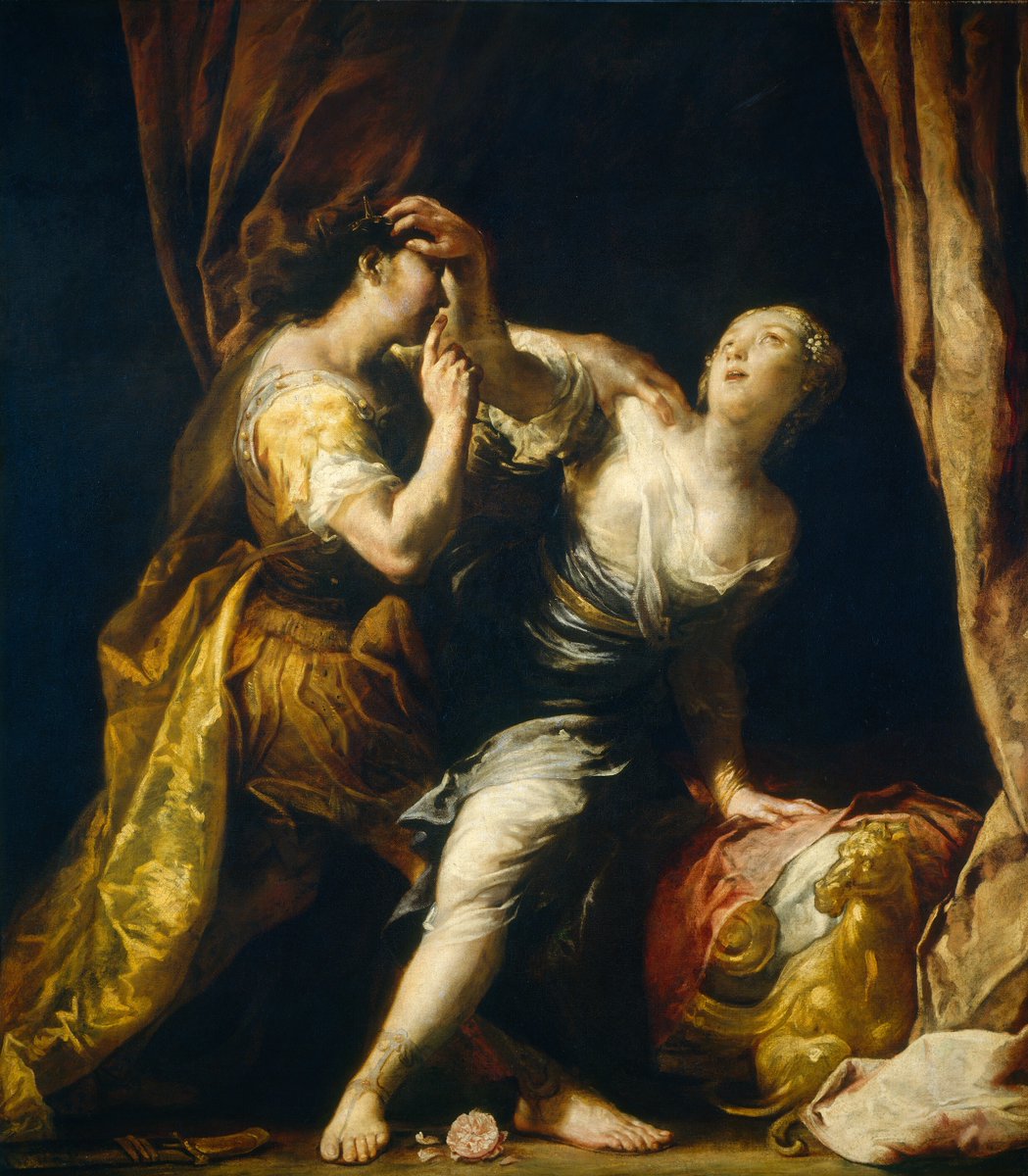
Tarquinius Collatinus, who was joined by Lucius Junius Brutus and Publius Valerius Poplicola, summoned the Roman comitia (Assembly) and demanded the King be removed. With the King away on war, his wife and son, Sextus, fled the city. Sextus was killed in Gabii. 8/10

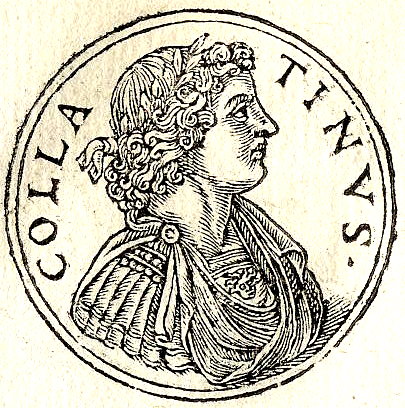
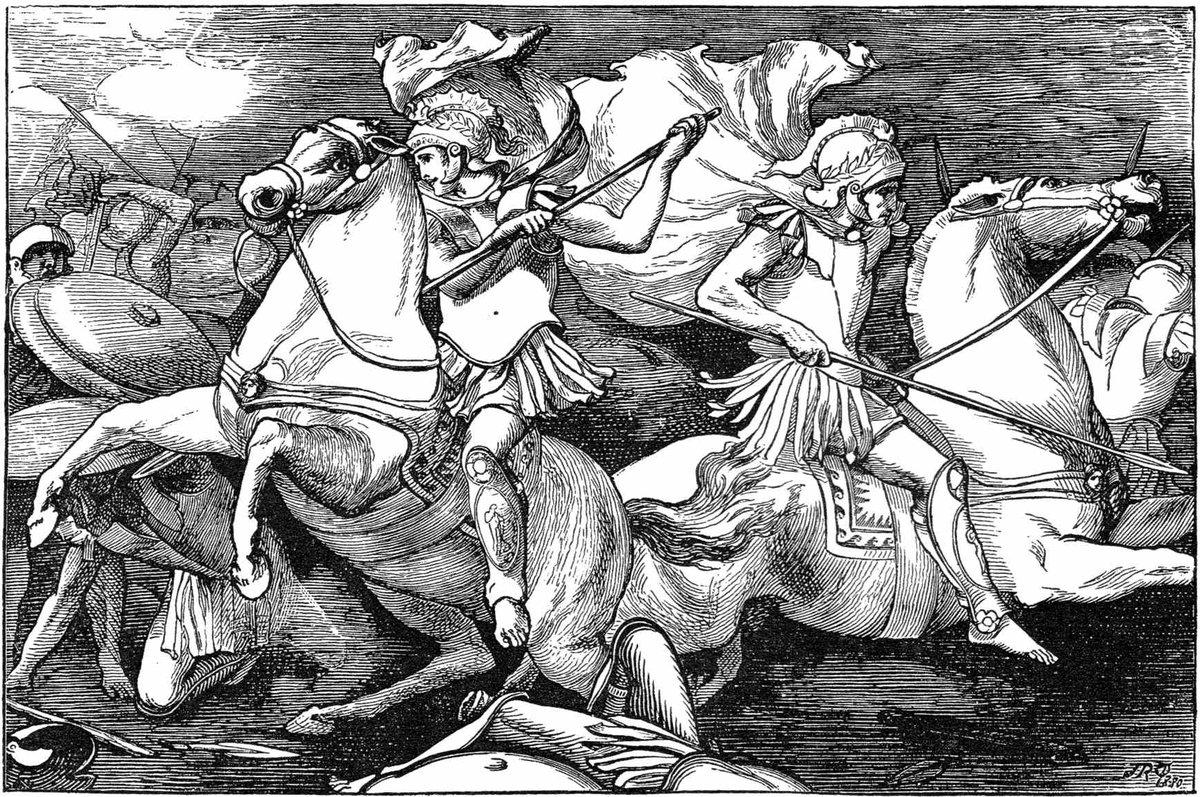
When Tarquinius threatened the city with the support of Caere, Veii and Tarchuna, Brutus and Valerius led the Roman forces against the former King. Tarquinius Superbus was defeated at Silva Arsia and his son Arruns was killed. 9/10
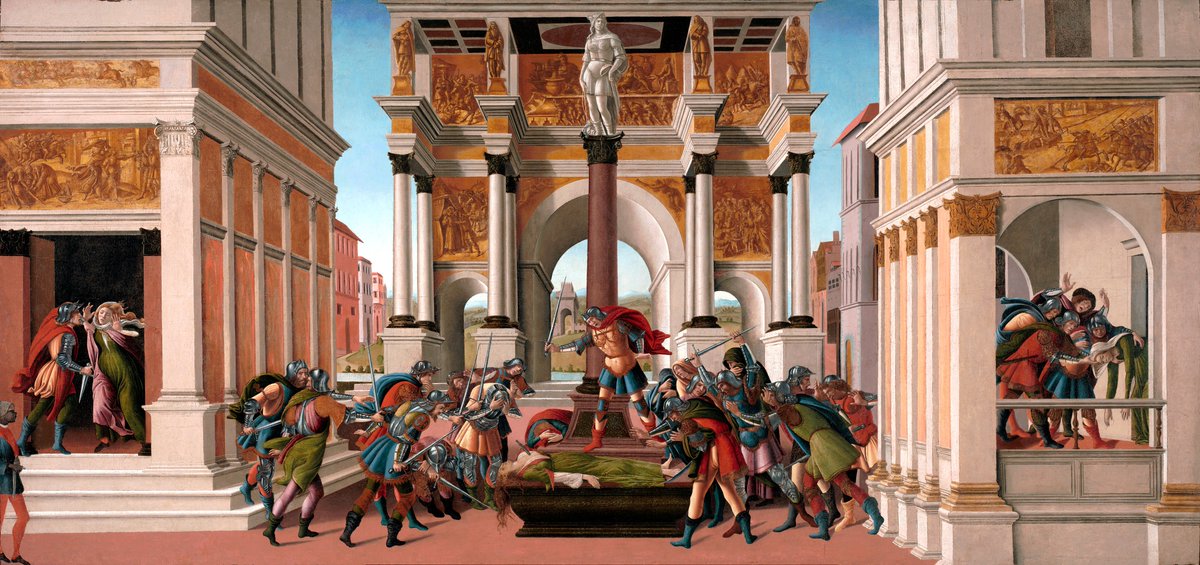
Tarquinius returned with the support of Etruscans and later Tusculum, but could not return to power. Brutus & Collatinus (initially) were elected as Consuls, two rulers instead of one. Brutus swore an oath to never allow a monarch in Rome, as per Livy 500 years later. 10/10
• • •
Missing some Tweet in this thread? You can try to
force a refresh