1) A story of one of Rome's most tragic archaeological losses and one of its most tantalising remaining possibilities..
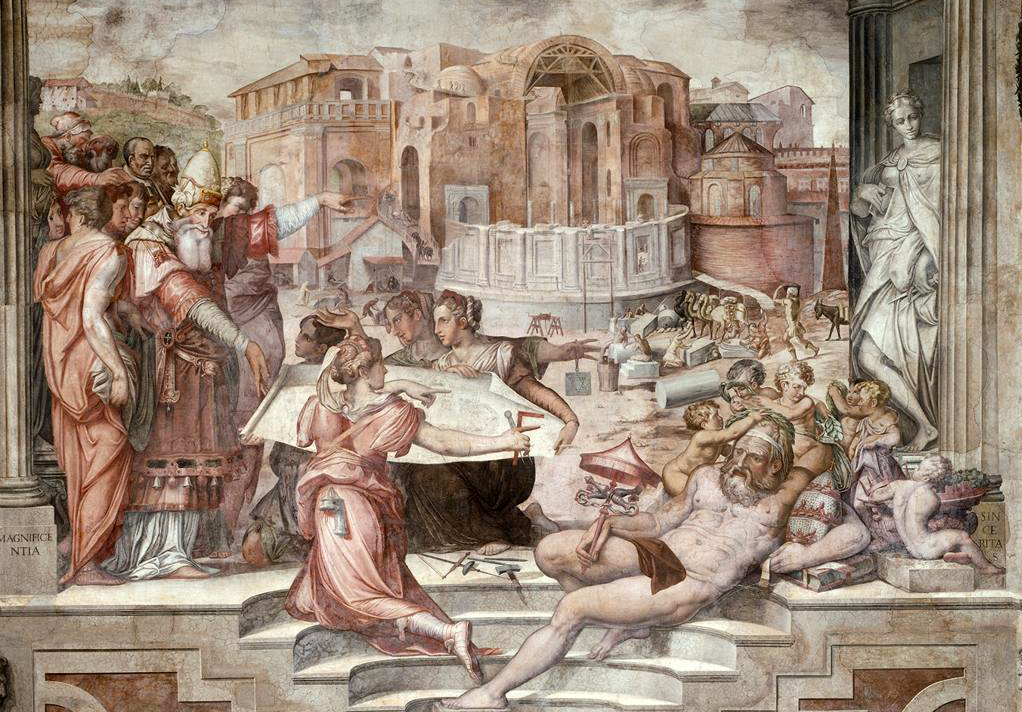
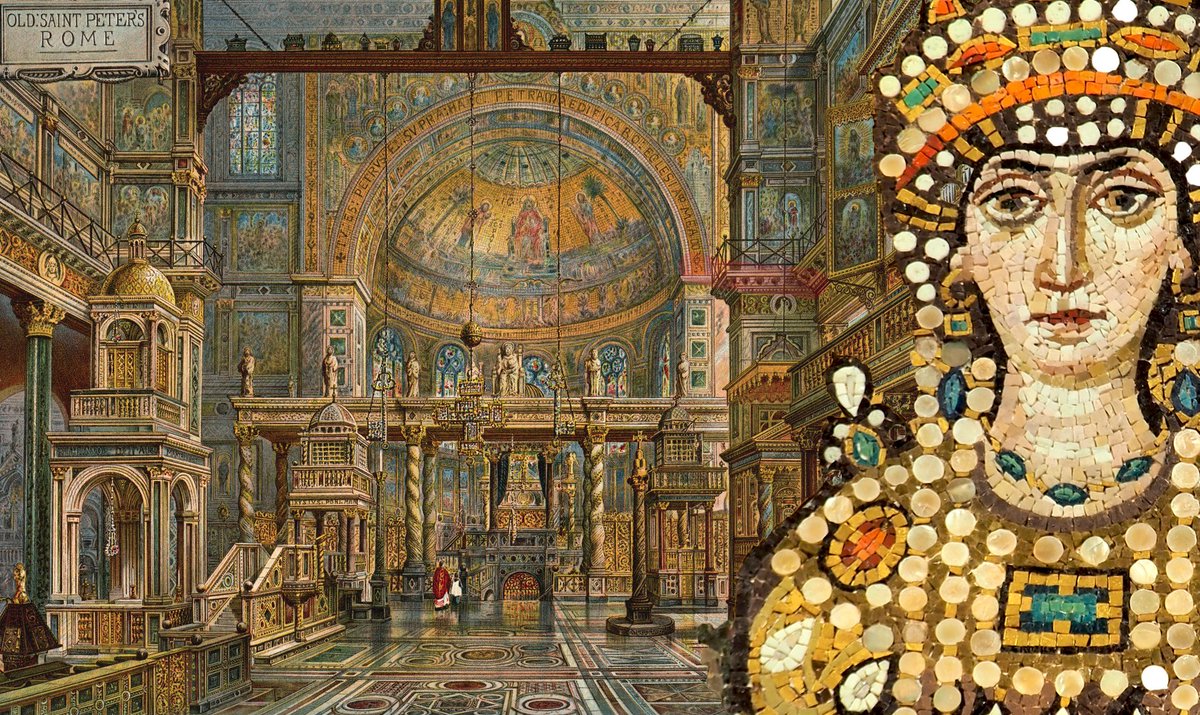
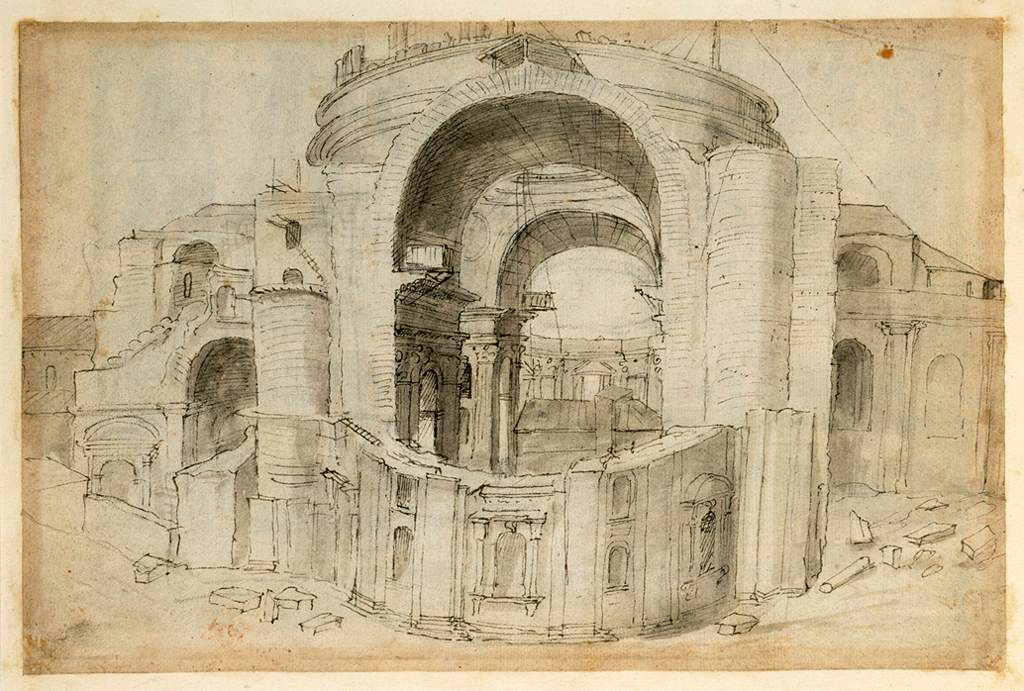
4th February 1544. Demolition of the Old St. Peter's Basilica continues, making way for the new basilica sure to be the greatest church in all of Christendom..
4th February 1544. Demolition of the Old St. Peter's Basilica continues, making way for the new basilica sure to be the greatest church in all of Christendom..
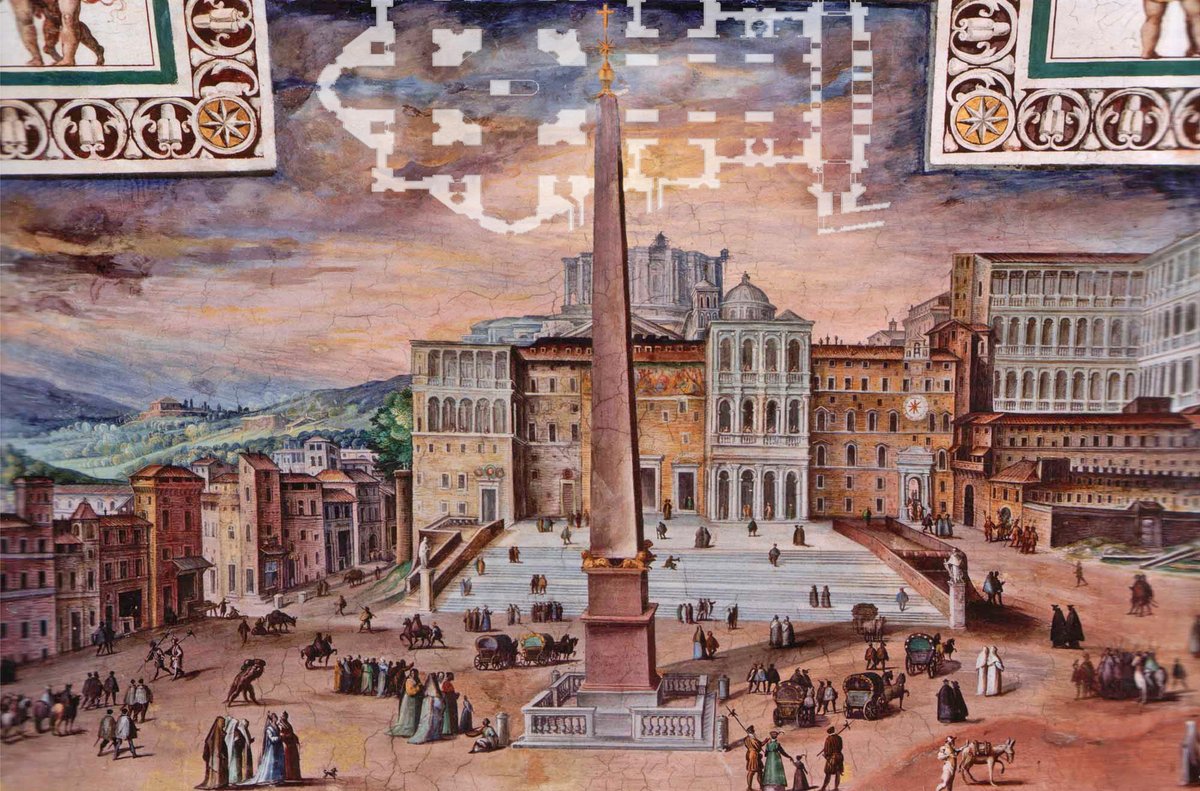
2) As workers cleared away the ancient, half-buried rotunda known as the Chapel of St Petronilla adjoining the basilica transept, they made a remarkable discovery: a large and beautifully carved Roman sarcophagus. When they opened it, they could not believe what they saw..
3) Inside lay the body of a young Roman empress robed, veiled and shrouded in cloth of gold and accompanied by the greatest selection of precious objects ever documented from a Roman burial. Before examining her grave further, let's first explore how she came to be buried there..

4) The Vatican Hill or Mons Vaticanus lay outside the ancient city boundaries, not included in the traditional Seven Hills of Rome. Here Caligula chose to build a large racing circus on imperial-owned land alongside the Via Cornelia, with construction finished by his successors..
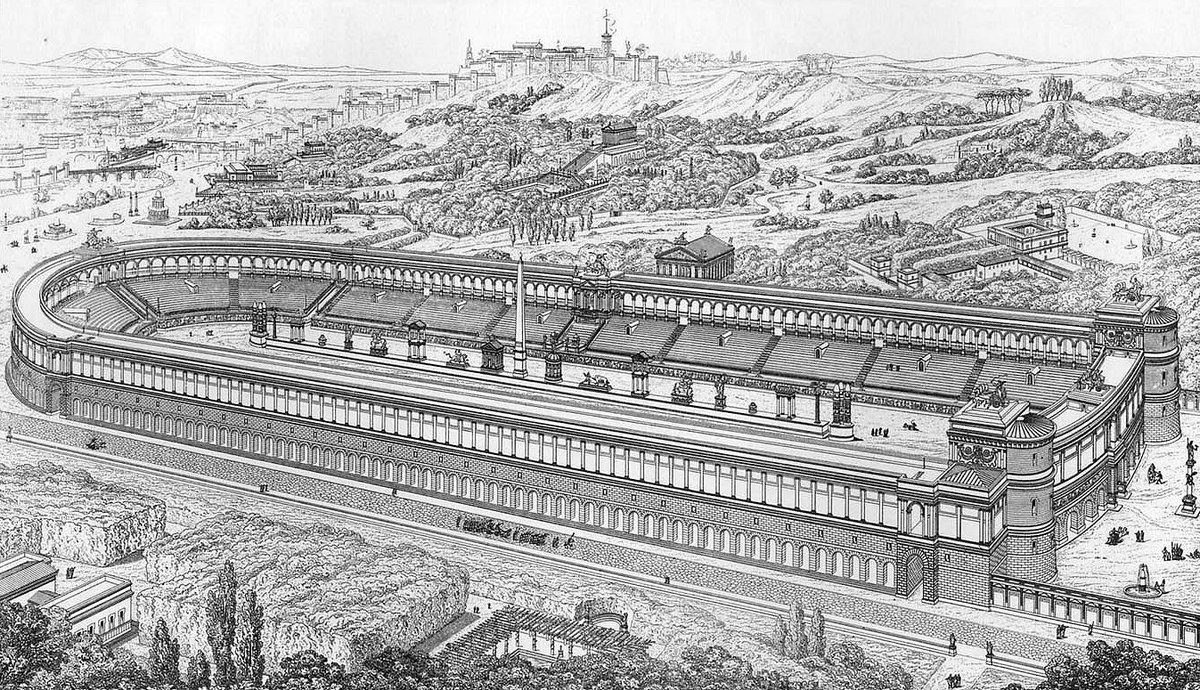
5) Outside the city and across the Tiber, the Vatican soon gained a reputation as a 'hill of prophetic cults’, becoming a lively centre of worship for various exotic religions; where one might find followers of Mithras, Isis, the Magna Mater, or a certain Jesus of Nazareth..

6) In the aftermath of the Great Fire of 64 AD, this undamaged circus became the focal point for the first state-sponsored executions of the young sect known as Christians. Here Peter the Apostle is said to have been crucified upside-down on the central spina of the racetrack..

7) In the following decades the area around the circus and alongside the Via Cornelia became densely packed with tombs - a necropolis for adherents to various cults but especially popular with early Christians wishing to be interred at the site of Peter's martyrdom and burial..

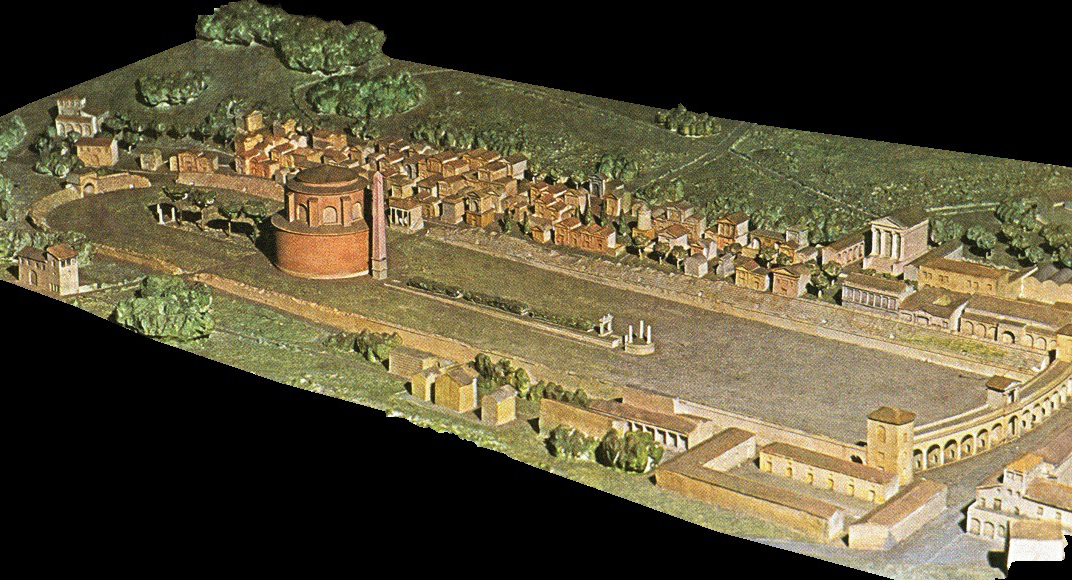
8) The circus is thought to have already fallen into disuse by the middle of the 2nd century, given over to the expanding Vatican necropolis which had begun to infringe on the structure. The Egyptian obelisk erected on the spina by Caligula however, remained standing defiantly..

9) In the early 3rd century a large, domed mausoleum was built next to the obelisk on the circus spina. It is unknown who this circular tomb was intended for but its size and prominent position mean those buried there were likely close to the reigning Severan dynasty..
10) Around the year 320, Constantine began construction of his new Basilica of Saint Peter directly over the ruins of the old circus. The 120-metre-long, five-aisled basilica was aligned so that the central apse was placed directly above the existing tomb of Saint Peter..
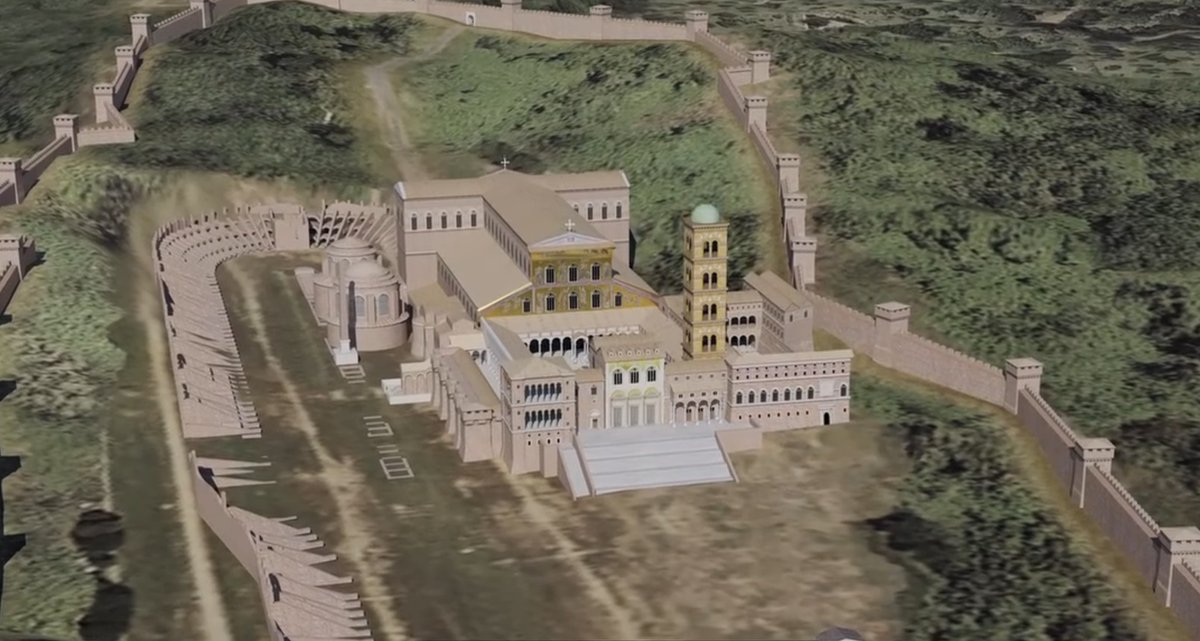
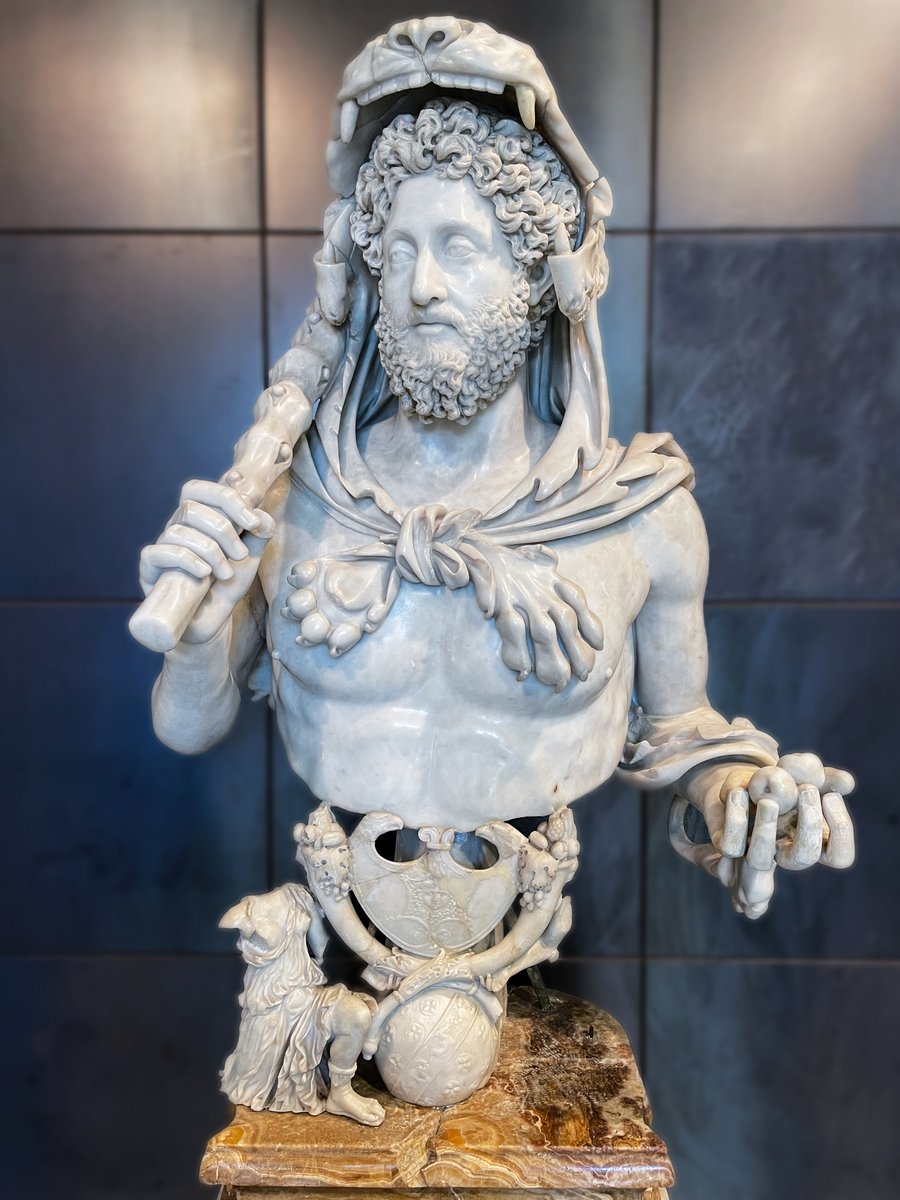
11) Constantine added a second mausoleum rotunda with the construction of his basilica, likely meant for close family members. Entered directly from the basilica transept, its slightly smaller plan shows an effort to align it with the earlier mausoleum and obelisk on the spina..

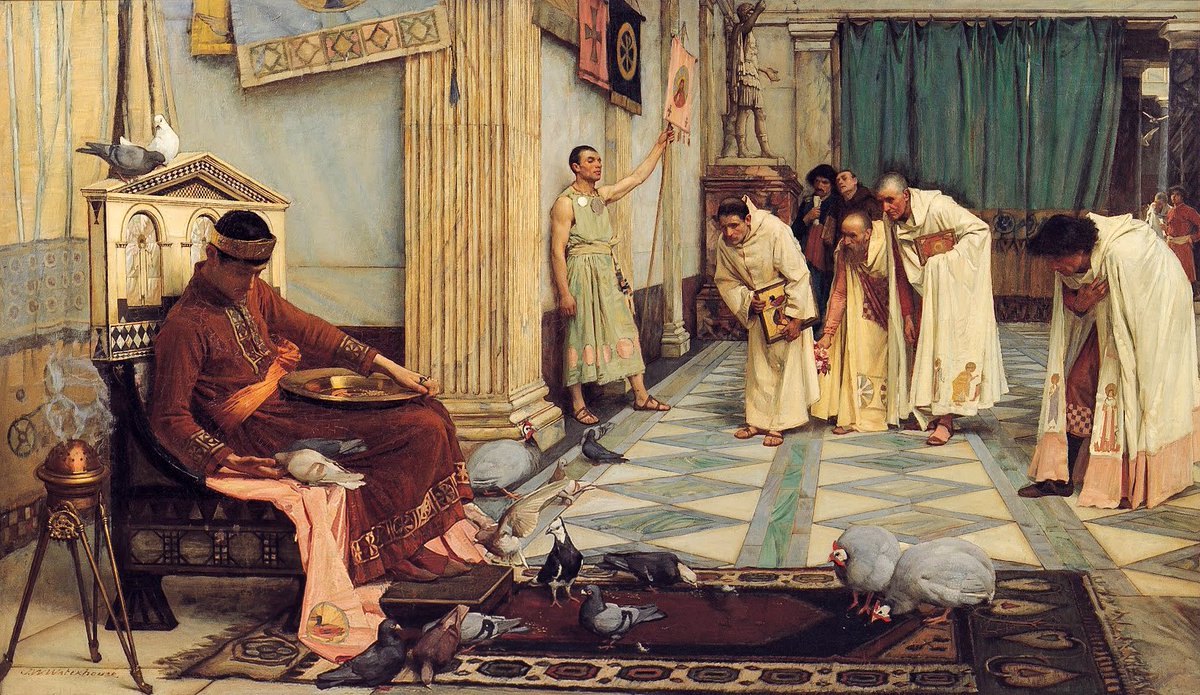
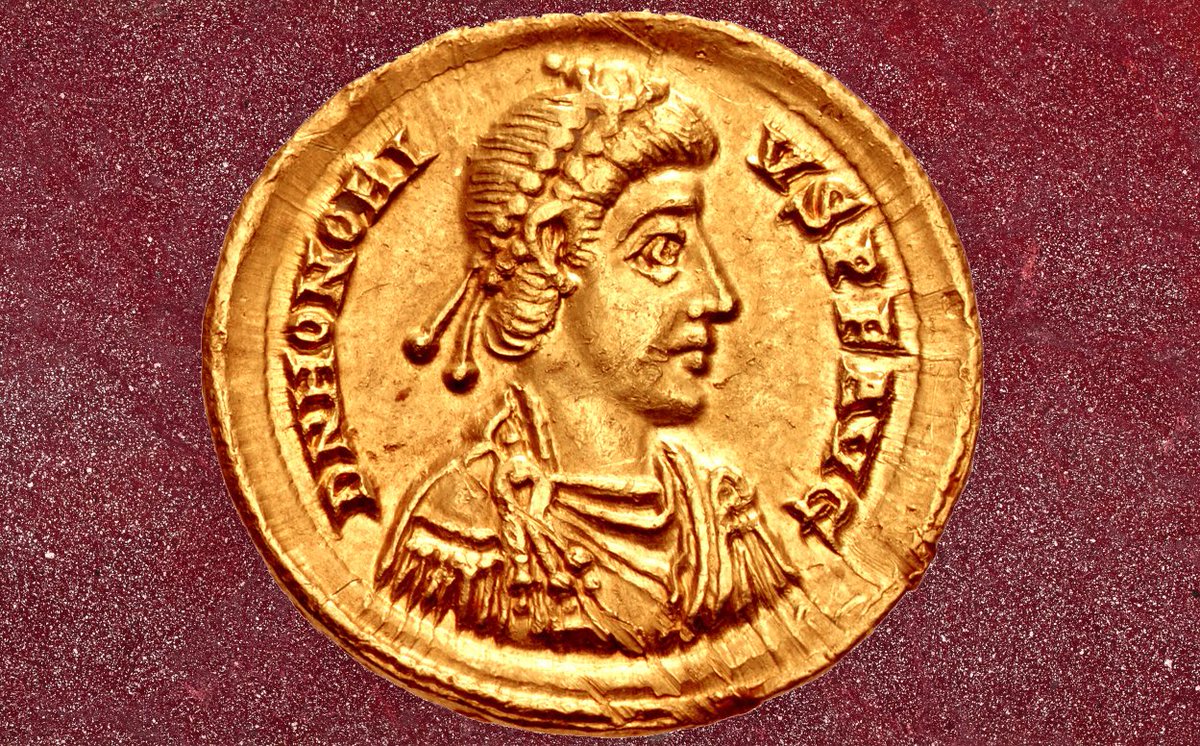
12) By the late 4th century, with the empire in turmoil, the Constantinian mausoleum appears to have been appropriated by the emperor Honorius. The son of Theodosius, his reign is synonymous with the Sack of Rome by the Visigoths in 410 which he was powerless to stop..

13) Honorius died in 423 leaving no heirs. The Western Empire limped on for another few decades with its last ruler deposed in 476. The mausoleum's connection to Honorius was forgotten over the centuries. Incredibly, its sarcophagi remained undisturbed, lost below ground level..
14) So we return to 1544 and the amazement of our construction workers looking into the newly opened burial. As well as the young woman wrapped in many pounds of gold cloth, the treasures that accompanied her are worth listing. She was buried with..
15) ..two solid silver caskets. The first containing 30 vessels carved in crystal and agate, 4 gold vases and a lamp in the shape of a seashell made of gold and crystal. The second casket contained 150 treasures: gold rings with precious stones, earrings, brooches, necklaces..
16) ..hairpins and gold plate engraved with the names of the four archangels - all covered with rare jewels, pearls, and sapphires. There was also a spectacular emerald carved into a bust of Honorius. Further astounding treasures made the identity of the young woman clear..

17) A gold diadem inscribed: 'Domina Nostra Maria, Domino Nostro Honorio' (Our Lady Maria, Our Lord Honorius). Also a gold Agnus Dei medallion with the inscription: 'Maria, our shining flower.' It was soon apparent that the builders had discovered the tomb of..

18) Maria, wife of Honorius and daughter of the famed commander Stilicho. An exquisite gold bulla further proved her identity, inscribed with the names of Honorius, Maria, Stilicho and other family members arranged as a Chi-Ro with the exclamation "Vivatis! (may you live!)
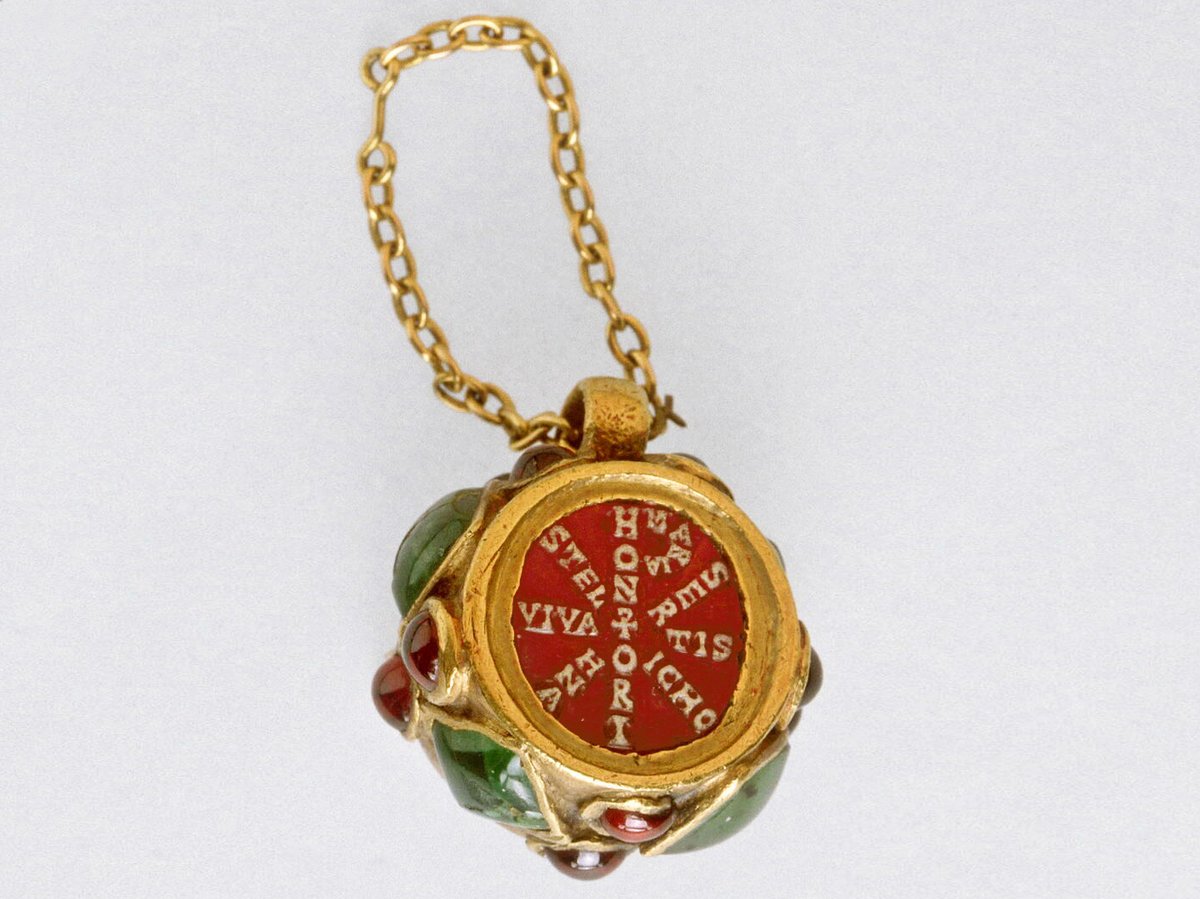
19) Aside from this bulla which was sold to a Milanese nobleman, every treasure from the burial was melted down, broken up and disposed of to fund the construction of the basilica. Once melted, the treasures of Maria's sarcophagus created up to 80 lbs of pure gold..

20) Earlier sarcophagi discoveries in the tomb were similarly disposed of and are today more fully understood; in 1458 the silver-plated coffins of a woman and child wrapped in 16 lbs of gold cloth - now identified as Honorius's sister Galla Placidia and her son Theodosius III..
21) In 1519 another sarcophagus had been found in demolition of the rotunda, containing a "Christian prince" wrapped in 8 lbs of gold cloth. When melted down and sold off the contents of his grave returned 3,000 ducats. The identity of this individual remains a mystery..
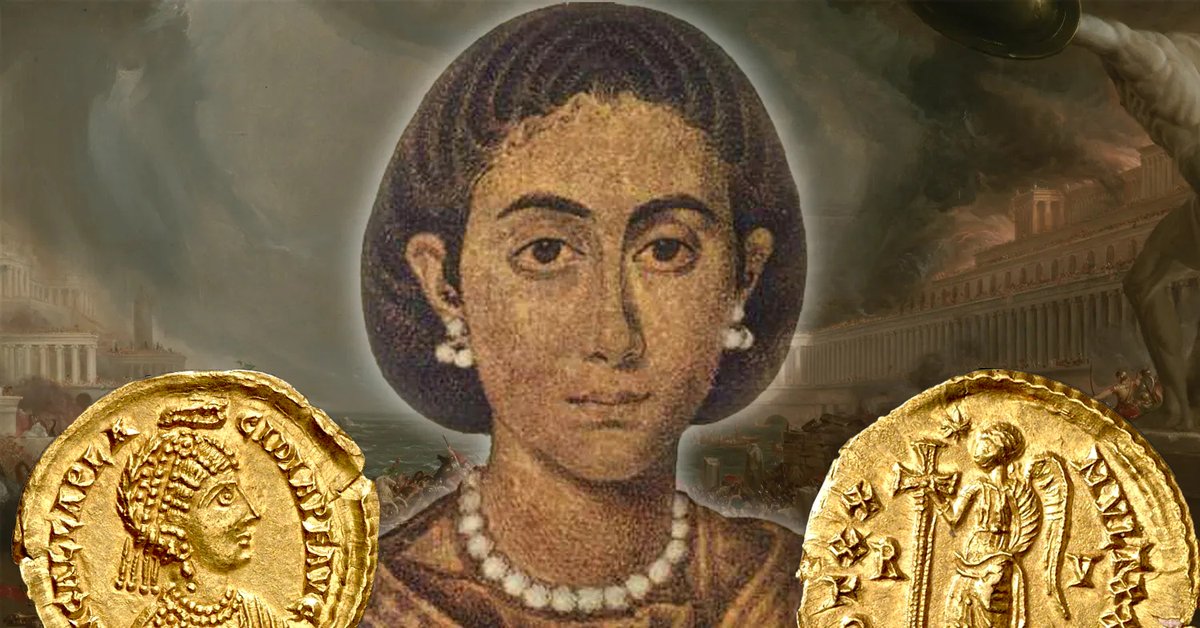
22) Maria had married Honorius when they were both young teenagers, dying just a few years later around 407, supposedly "still a virgin." Honorius promptly married her sister Thermantia instead. Dying as she did at a time of great crisis in a fracturing empire one might expect..

23) ..a humble burial but her grave was no less splendid as we have seen. The finders believed the treasures were clearly "of classical origin; a portion of the imperial state jewels, which Honorius had inherited from his predecessors, and offered to Maria on her wedding day"..

24) After the discovery of Maria's grave in 1544, construction of the new St. Peter's continued apace with no further investigation under the south transept. These intact graves suggest the Mausoleum of Honorius remained miraculously untouched through Rome's multiple sackings..
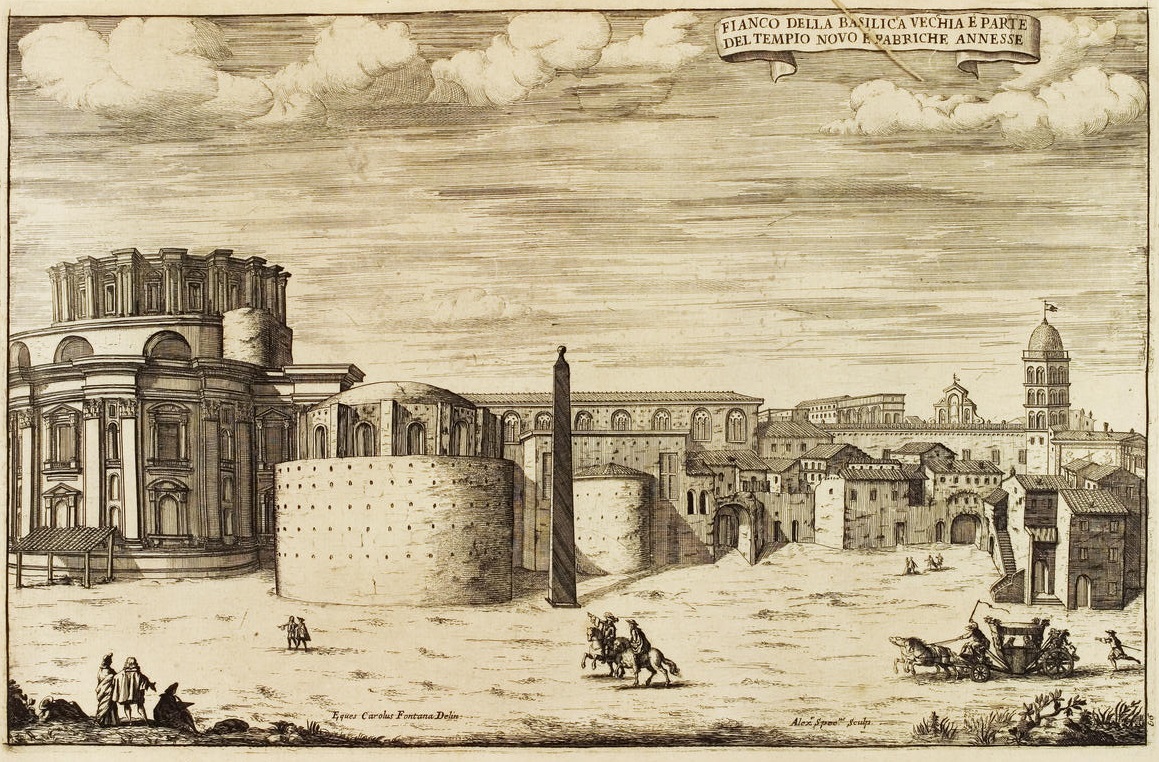
25) Centuries later, St. Peter's Basilica stands just as grandly as hoped with the Mausoleum of Honorius preserved many metres below the marble floors of its south transept. This all leaves us with a fascinating possibility. The sarcophagus not yet discovered is of course..
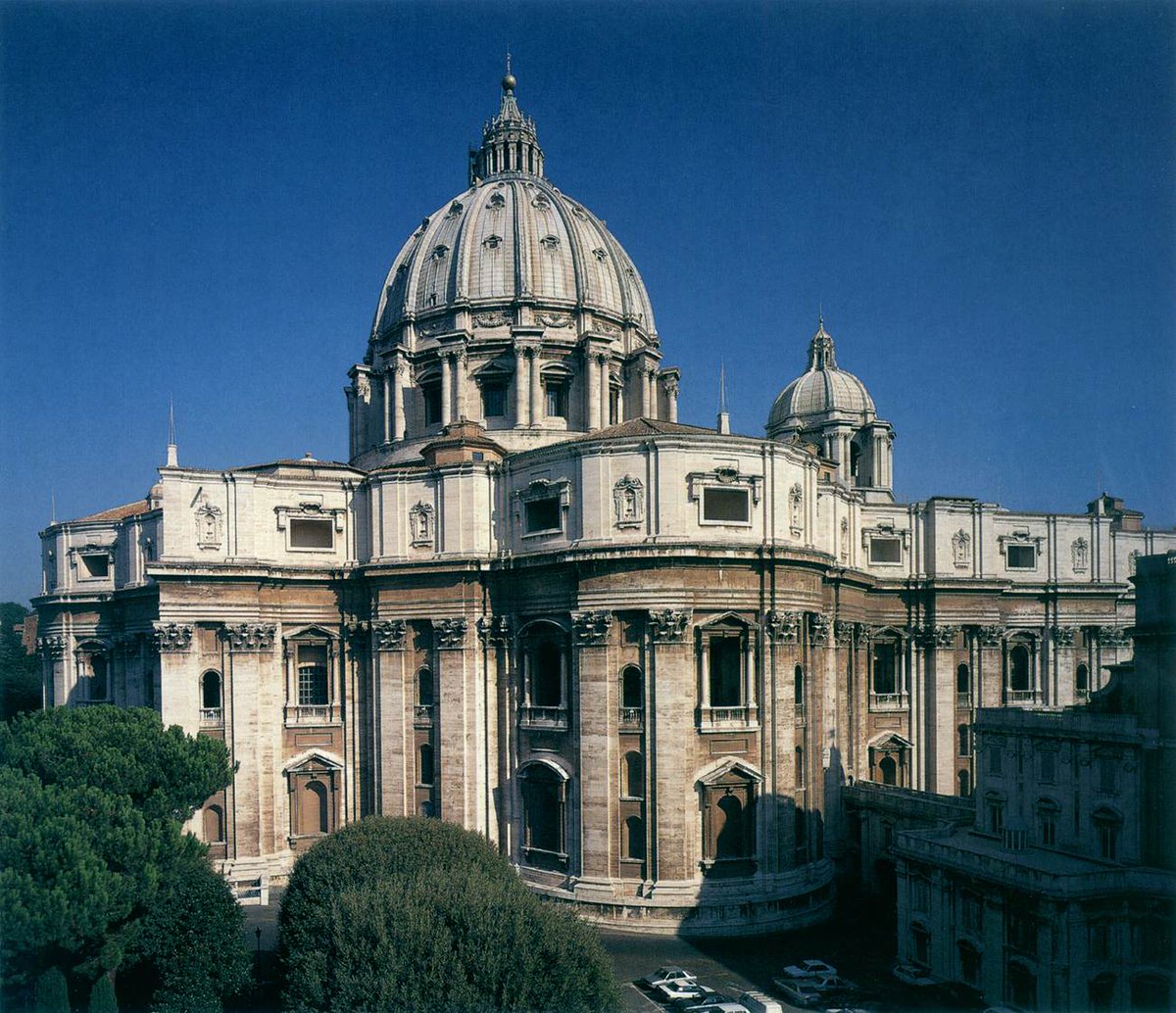
26) ..that of the emperor Honorius himself - who as described by Paul the Deacon (8th century) was buried next to his first wife Maria. If found by modern archaeologists, the sarcophagus of the emperor would surely be one of the greatest historical discoveries of all time. {END}
• • •
Missing some Tweet in this thread? You can try to
force a refresh