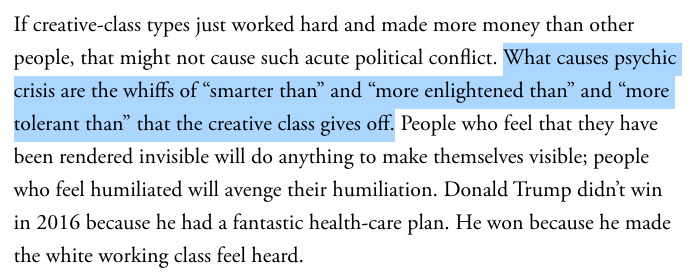
I am begging Atlantic writers to consider another explanation for populism besides that the 21st century has had winners & losers and the winners pulled too far ahead. Trump voters don't resent your success. They resent the ways you actively harm them. theatlantic.com/magazine/archi…
Believe me, populists aren't bothered by how bobos feel about them. It's what bobos do to them.
Brooks cites Robert Wuthnow’s “The Left Behind: Decline & Rage in Small Town America,” mainly to show that small towns are “not diverse” and don’t share bobos’ values of openness. But is that really the biggest takeaway from Wuthnow’s book? amazon.com/Left-Behind-De…
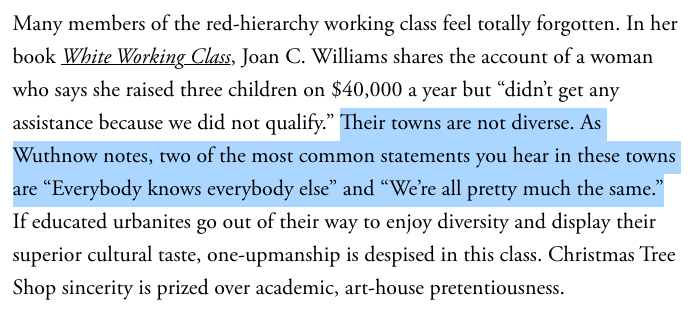
I guess you could say this woman is showing a lack of openness toward pornography. Or you could say that small towns used to be able to go after XXX shops and other social blights and then social liberals threw out centuries of obscenity law by judicial fiat, and now they can’t.
You could say these people show a lack of openness toward public housing. Or you could say the federal govt plopped a housing project on their town, with all its social ills, and despite living in a democracy there was nothing they could do to stop it or even register dissent.

Blue America sets whatever immigration policy it wants, red America has to live with it. Blue state experts swore opioids were safe, red state patients got addicted & died. On and on and on. Wuthnow's subjects have much bigger worries than David Brooks's concept of social status.

It’s always nice to think our enemies hate us for our virtues. David Brooks and George Packer both fall into that trap. But that’s not what’s happening. Everyone should read Wuthnow’s book—and maybe Brooks should re-read it. /END amazon.com/Left-Behind-De…
I did not expect the obscenity law part of this thread to be the most controversial but for the record I have a whole rant on the legal treatment of pornography in the book I wrote (p. 106–113): amazon.com/Boomers-Promis…
• • •
Missing some Tweet in this thread? You can try to
force a refresh

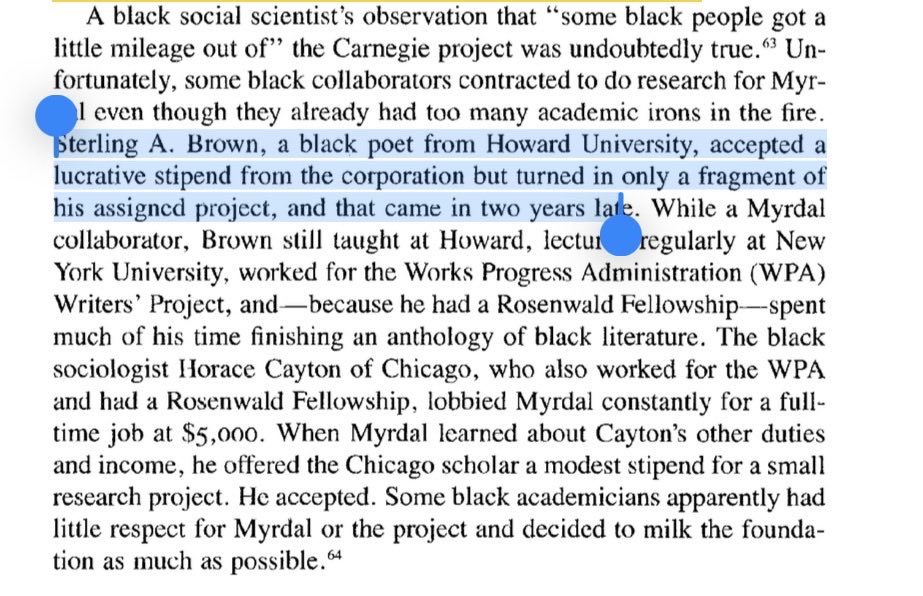
“An American Dilemma” is a perfect example of foundation-led social science because Myrdal splashed around so much money to other scholars for “research.”
“When the generosity of the Carnegie Corporation became known… black academics were demanding salaries of $10,000 or more.”
Naturally, giving away all that money guaranteed good reviews from the relevant experts.
“As his staff member and confidant Guy Johnson put it, ‘If you hadn't involved all these people and spent all this money … the reception [of the book] might not have been as enthusiastic.’”
Gunnar Myrdal originally thought he should have at least one white Southerner read the manuscript, but he couldn’t find a suitably friendly person so he gave up.
How do Russians think about their demographic crisis? This author sat in on a lecture in a demography class at a provincial university and got the standard history. The lesson starts with “the Russian Cross,” the graph showing the moment in 1991 when deaths outpaced births.
“Already in the 1970s and especially the early 1980s, Soviet demographers began to be concerned with the shrinking population… To prevent the decline, the Soviet state introduced a series of ‘paid motherhood’ policies.” These policies had some success in halting the decline.
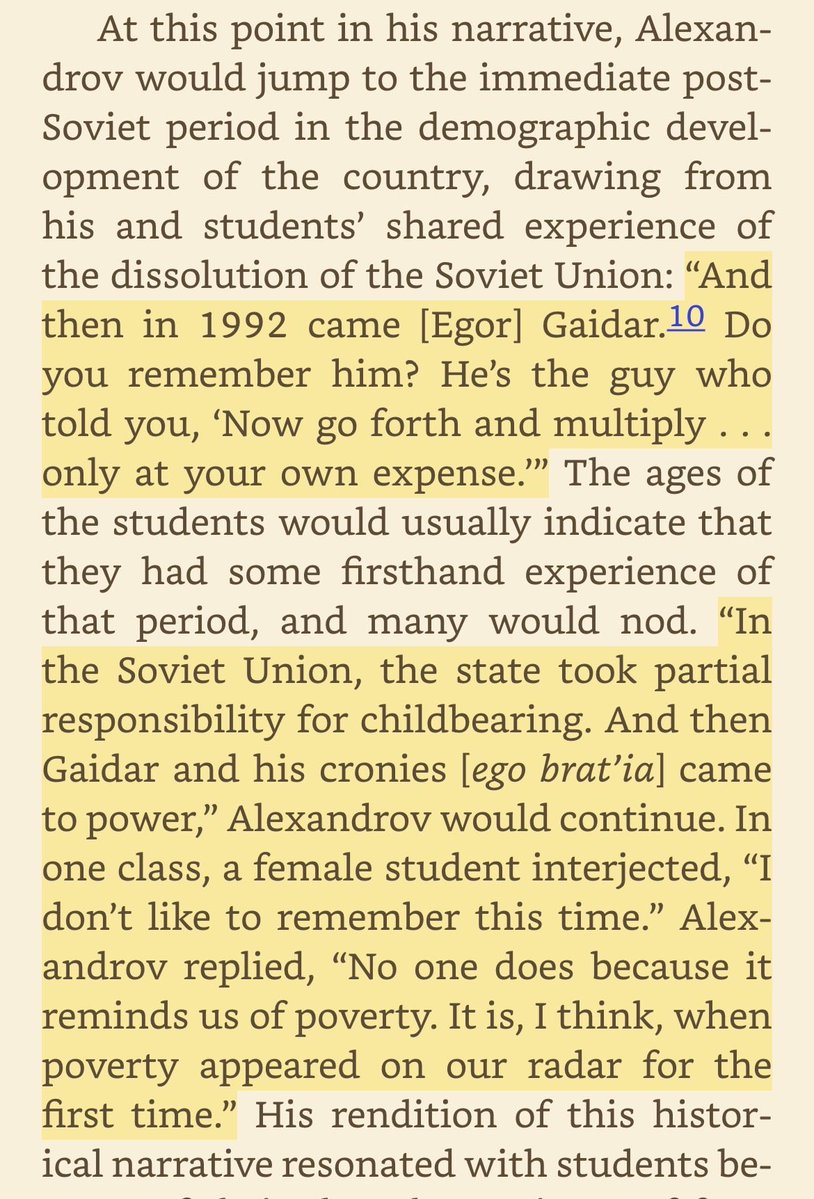
“And then in 1992 came Gaidar. Do you remember him? He's the guy who told you, go forth and multiply, only at your own expense… In the Soviet Union, the state took partial responsibility for childbearing. And then Gaidar and his cronies came to power.” Births cratered.
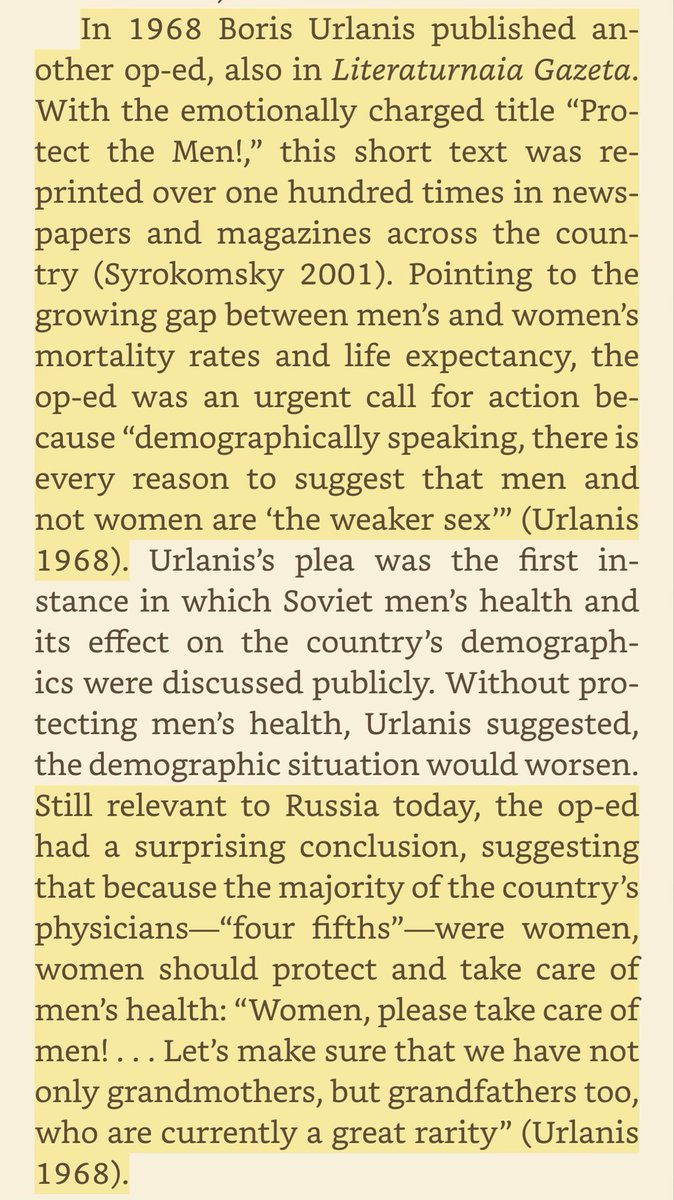
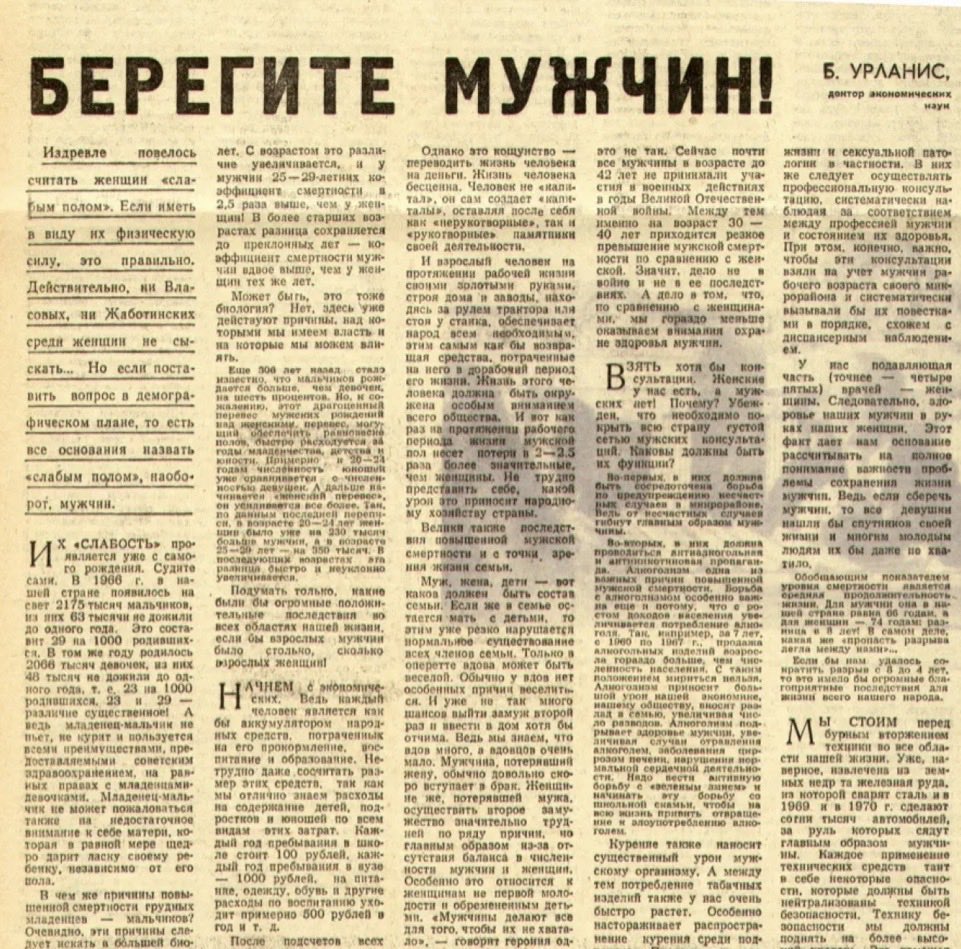
Great Feminization, Soviet-style: In 1968, demographer Boris Urlanis published a bombshell article, “Save the Men!,” arguing that men were the second sex with higher mortality rates. Since nearly 80% of Soviet doctors were female, he said, it was up to women to save the men.
Women were 36 percent of Soviet professionals in 1940, 59 percent in 1980. Universities became majority female in 1976. Technical schools were 57 percent women. “In 1978, 26 percent of Leningrad brides said yes to less-educated grooms; two decades ago only 5 percent did.”
The “Save the Men!” phrase became a cultural landmark and prompted a flurry of responses. It even became a movie in 1982. Marfa Petrovna runs a research institute, hates cooking, and bosses her husband around. Can he reclaim his masculinity and avert their divorce?
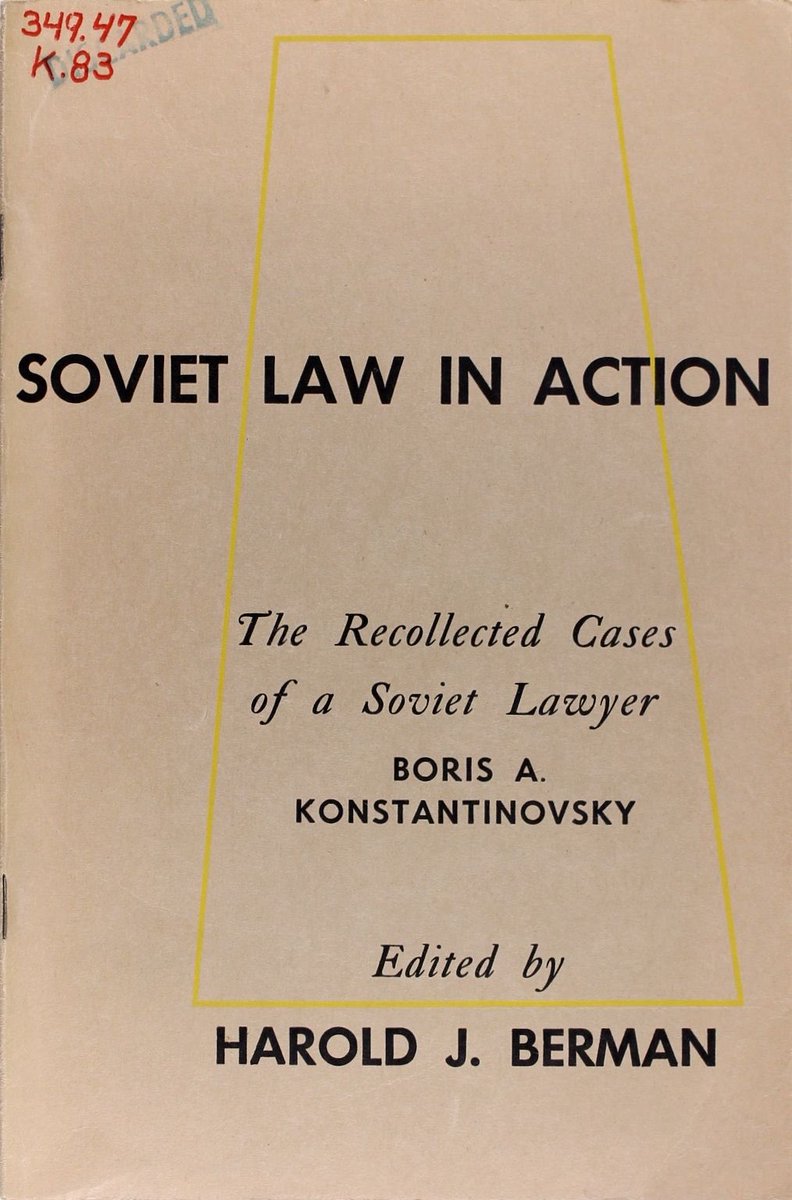
Soviet law is hilarious. A factory manager was imprisoned by the NKVD as a “Trotskyist” and sentenced to a labor camp, but then Yezhov fell and he was one of the political prisoners released. He got his job back—and sued for back pay for the months he was in prison. Successfully.
This poor widow with a young daughter deserves legal relief from the bad housemate who is trying to get the house to himself by driving them out with obnoxious behavior, but her husband was an officer in the White Army so the Soviet court will do nothing for her.
Misha Dresher lied to get into college, concealing that his parents were “class enemies.” When his secret was revealed, he was sentenced for the crime of “swindling” (financial fraud), later reversed on grounds that Misha had made himself “essentially” a worker by good conduct.
Good piece with a simple thesis: The girlboss lifestyle would not exist if it were not massively subsidized.
Cheap immigrant labor to do their cooking, cleaning, and child care; student loans and the whole higher ed sector; email jobs that don’t need to exist; etc.
The thing about decolonization is, every colony in Africa was unique: the white population was small or large, transient or settled; were schools built; was native labor exploited; etc.
Britain tailored independence plans to each specific case—yet the result was always the same.
All the complexities that were pondered in the run-up to independence—the moral claims of various parties, the colony’s unique history, the economic needs of the future state—collapsed before the simple Fanonist logic of white man bad.
Don’t overthink it, is what I’m saying.
“It’s not communism, and it’s not just
sheer racism. It’s race communism. It’s the merging of the two.”
Good podcast on this topic today, Lomez says some wise things: