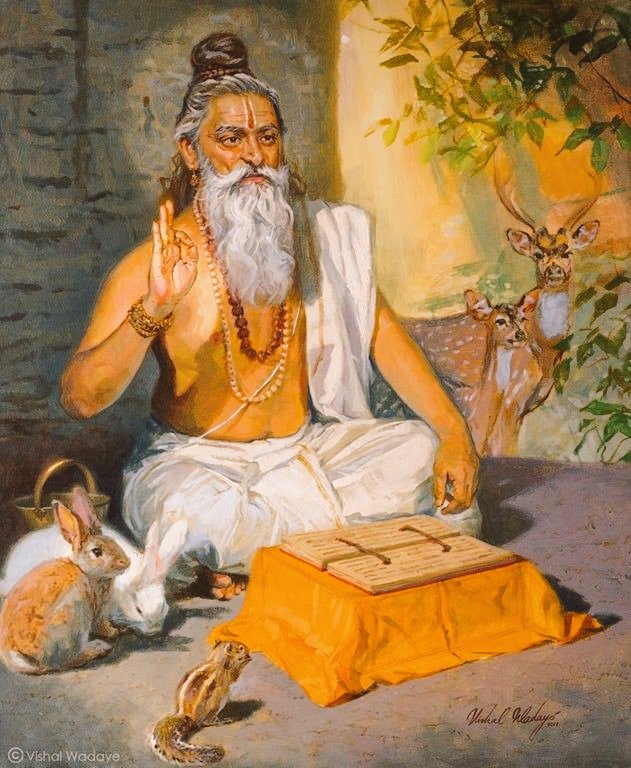
VEDIC COLLEGES IN ANCIENT TAMILNADU :-
There are multiple evidences of setting up of vedic colleges regularly from the time of Rājarāja the great. In all these places, the 3 vedas Rig, Yajur (with an emphasis on Taitirīya samhita) and
There are multiple evidences of setting up of vedic colleges regularly from the time of Rājarāja the great. In all these places, the 3 vedas Rig, Yajur (with an emphasis on Taitirīya samhita) and


Sāma veda (both chandoga sāma & Talvalāra sāma) were included without fail. In one place, AtharvaVeda were also included. In all colleges, vedānta and mimāmsa were invariably included. The two schools of mimāmsa namely kumarila bhatta and prābhākara school were also included.

The next subject of importance was sanskrit vyākarana & pānini's Ashthādhyāyi mentioned by name in Rājarāja's college at Ānur. Besides Ashthādhyāyi, simpler version of grammar->Rūpāvatāra was included in all the four colleges. In the view of Dharmasastra, manusmriti was included.

Last but not the least was exposition of the epics - Mahābhārata & Rāmāyanam included in all. The vedānta of sankarā's school mentioned as Bhagavad pādīyam sārīraka mīmāmsā bhāshyam with a vārtikā was being expounded in the time of Rājarāja at cholamahādevī, a village (cont)
Situated near the Puttur where a vedic college was established after the queen of Rājarāja, by his son Rājendra. Now let's see some of the important vedic Colleges in ancient tamilnadu.
Ānur Vedic college :-
The inscriptions in damaged condition was found in the central Vishnu temple, where it says, in the 14th yr of Rājarāja 1000CE, the village assembly reclaimed 12 patti of lands in the village and with the cultivated paddy from that land, arranged for
The inscriptions in damaged condition was found in the central Vishnu temple, where it says, in the 14th yr of Rājarāja 1000CE, the village assembly reclaimed 12 patti of lands in the village and with the cultivated paddy from that land, arranged for

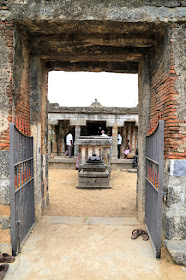
Recitation of all the vedas mainly Rig, Yajus and Sāma, especially the Chandoga Sāmaveda regularly in the Ambalam central hall. The provisions was made with all tax exemptions from a particular month for recitations of Chandoga Sāma & all other vedas by an expert.
Another fragmentary record shows gift of land with all tax exemptions, to musicians who play 2 kālams pipes etc during the morning walking ceremony and during the sandhis. The names of 2 musicians have survived - Sivan perumāl & Isāna.
The great assembly (MahāSabhā) made provisions that the expert should be capable of teaching all the vedas & sāshtras & also 20 chapters of Mimāmsā. Another record shows that Vishnu and Indira was considered as the protectors of Vedic learning.
Ennāyiram vedic college :-
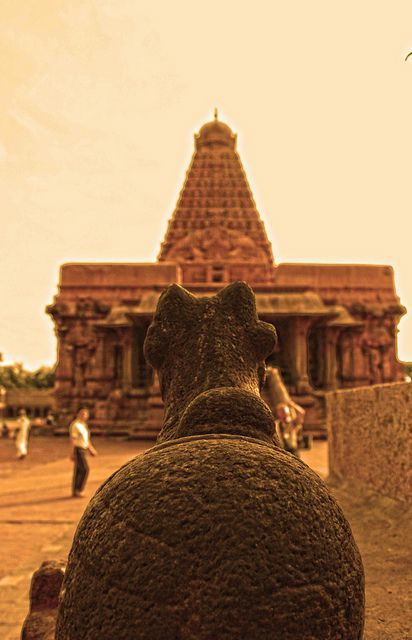
Ennāyiram is a village which was a brahmadeya (Brahmin settlement) established as "Rājarāja chaturvedi mangalam". It has a Vishnu temple at the centre where the main deity is Narasimha ( Mahā ghora svarupī )
Ennāyiram is a village which was a brahmadeya (Brahmin settlement) established as "Rājarāja chaturvedi mangalam". It has a Vishnu temple at the centre where the main deity is Narasimha ( Mahā ghora svarupī )

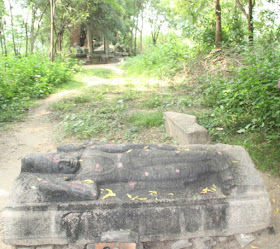
Rajendra brought the ganges water, after conquering the kingdoms upto gangetic plains, and placed it in before the deity and worshipped the god. Thus this place was also known as gangai konda chozhapuram
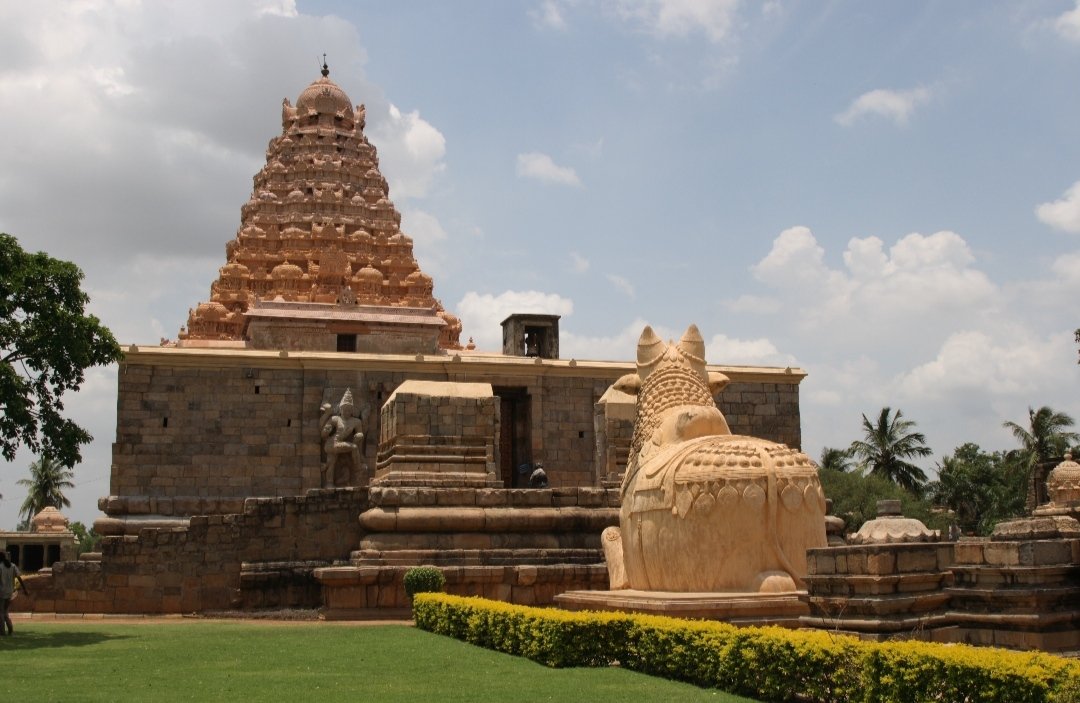
Rajendra also ordered the constitution of the Vedic colleges for 270 students who were registered for full courses. There were also part time students known as Apūrvikal & rajendra made provisions for 70 such students and 21 additional faculties.


Rājendra chozha also made arrangements for recitations of Thiruvāymozhi of Nammāzhvār by four reciters during regular worship. This offering was with a specific prayer that "Srī Rājendra chozhas thiru būjangal varddhikka" ( for the growing strength of Rājendra's shoulders).

Vedic college at Puttur (Karandai):-
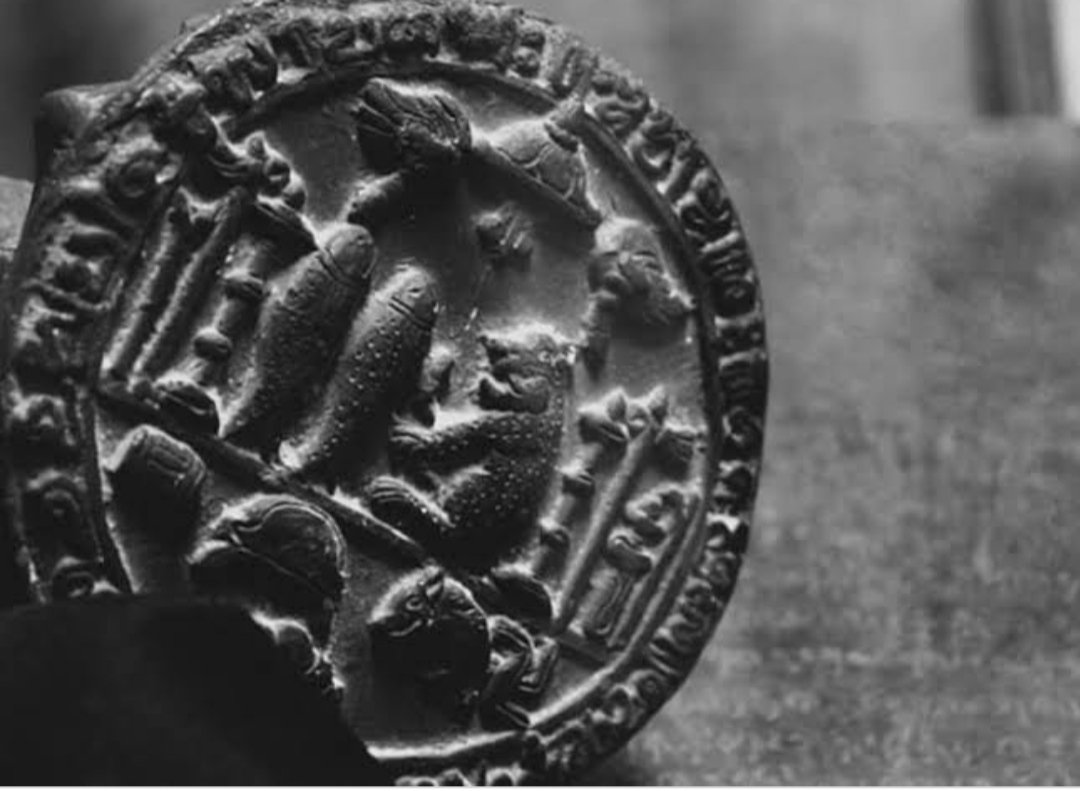
In the Karandai copper plates, it says that the king Rājendra learnt the vedas and sāstras in his young age in addition to training in horse and elephant riding, and use of all weaponry and also he mastered Rājanīthi.
In the Karandai copper plates, it says that the king Rājendra learnt the vedas and sāstras in his young age in addition to training in horse and elephant riding, and use of all weaponry and also he mastered Rājanīthi.

It is found out that over 1000 families of vedic scholars were there in TN during 10th century. Out of this most of them had some titles connected with their qualifications. 4 important qualifications are 1) Dasapuriyan 2) sāhasran 3) Bhattan 4) Kramavittan.
Puttur Tribhuvana mādevi vedic college :--
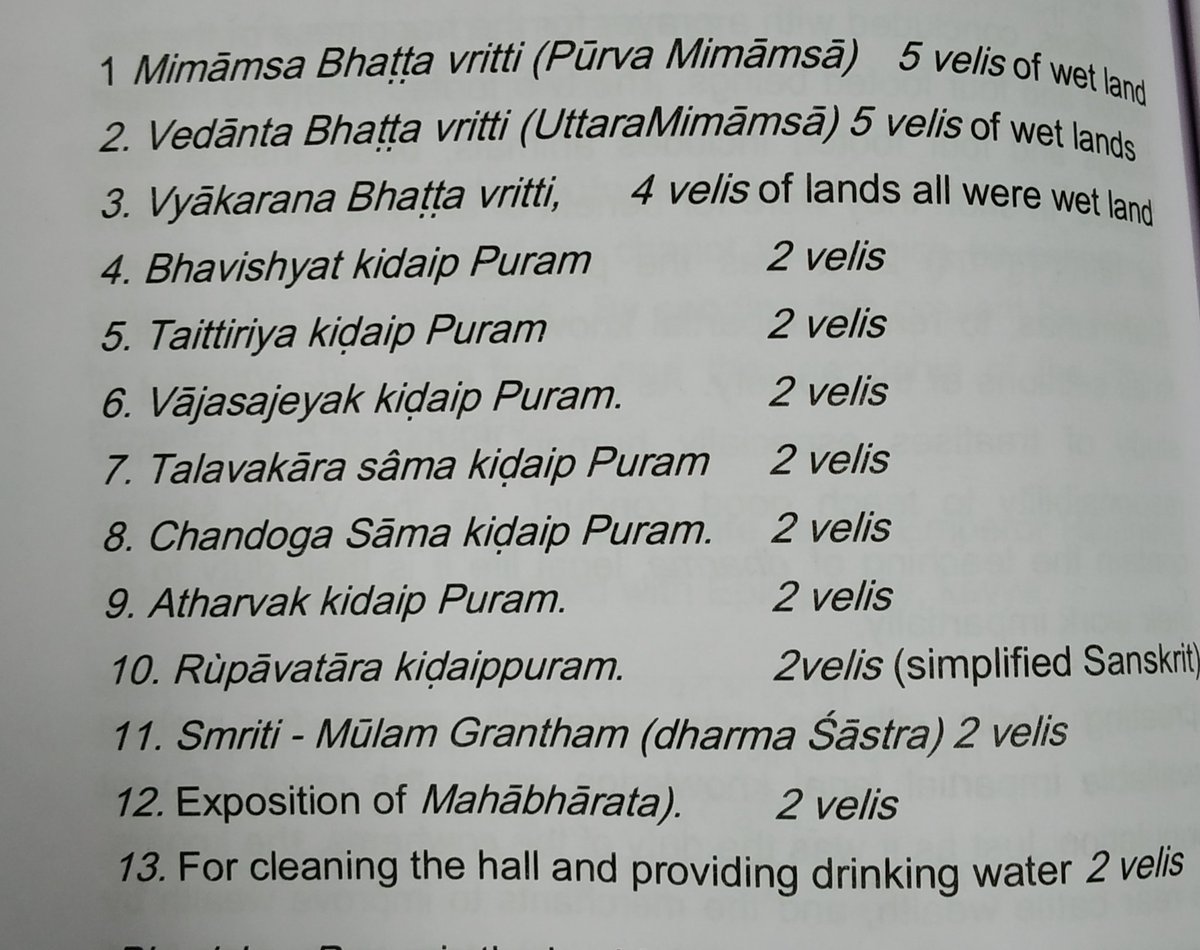
The following are the texts that were taught and the provisions in kinds of land were allotted for that purpose
The following are the texts that were taught and the provisions in kinds of land were allotted for that purpose
Indalur Rājendra chozha vedic colleges :-
Copper plates found at indalur near mayavaram gives information regarding the vedic schools and the subjects that taught there.
Copper plates found at indalur near mayavaram gives information regarding the vedic schools and the subjects that taught there.
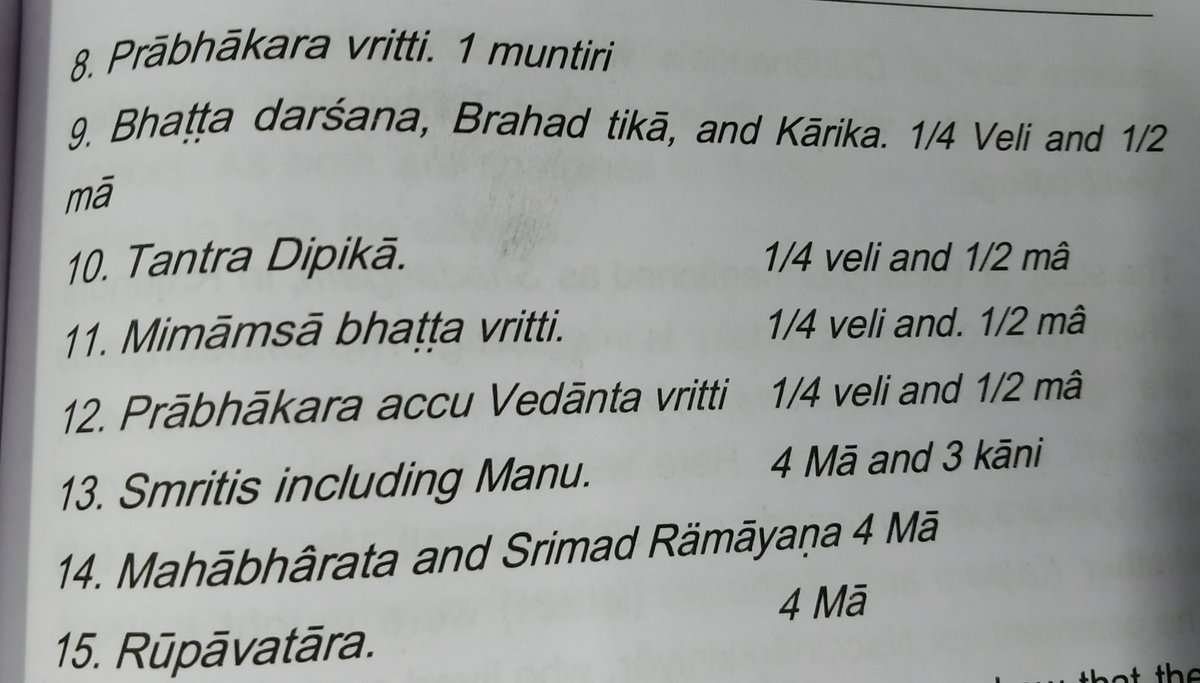
Tribhuvanai Tribhuvana mahādevi vedic college :-
One of the inscriptions found here makes a specific mention of a gift provisions done by Rājendra chozha for several worships in the temple for the well being & conditions his health indicating his sickness during that time.
One of the inscriptions found here makes a specific mention of a gift provisions done by Rājendra chozha for several worships in the temple for the well being & conditions his health indicating his sickness during that time.
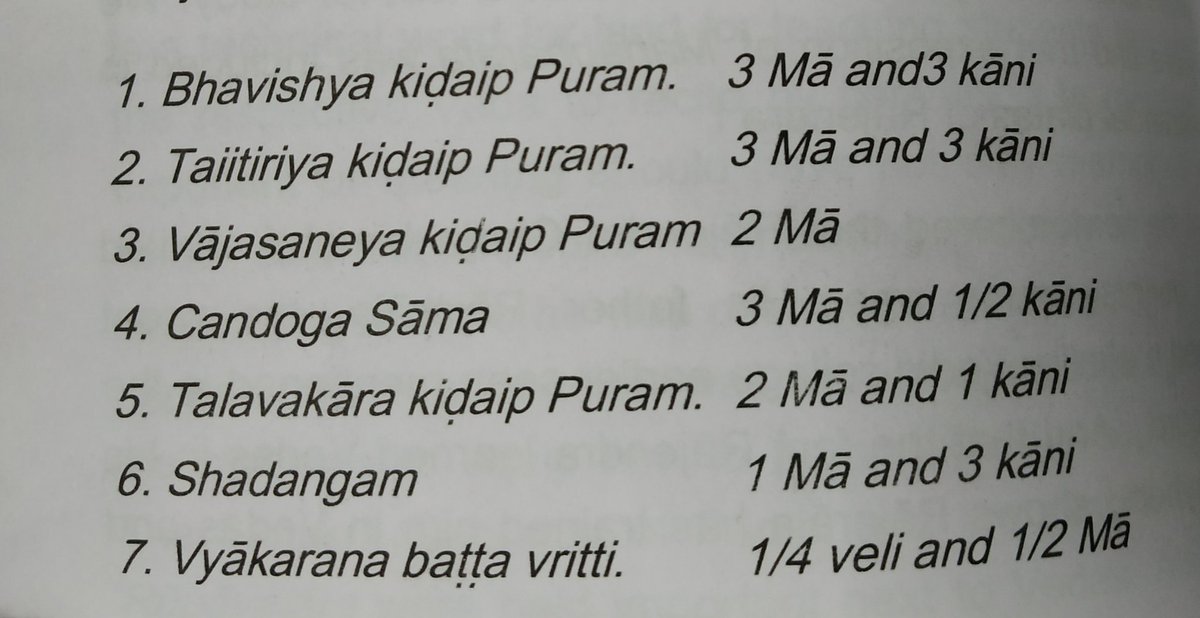
A land was gifted to the temple to feed Brāhmanas during the pūja in the temple in the name of "Rājendra chozhan uttamāgram". In addition to that vedic Colleges was established where the following subjects were taught.
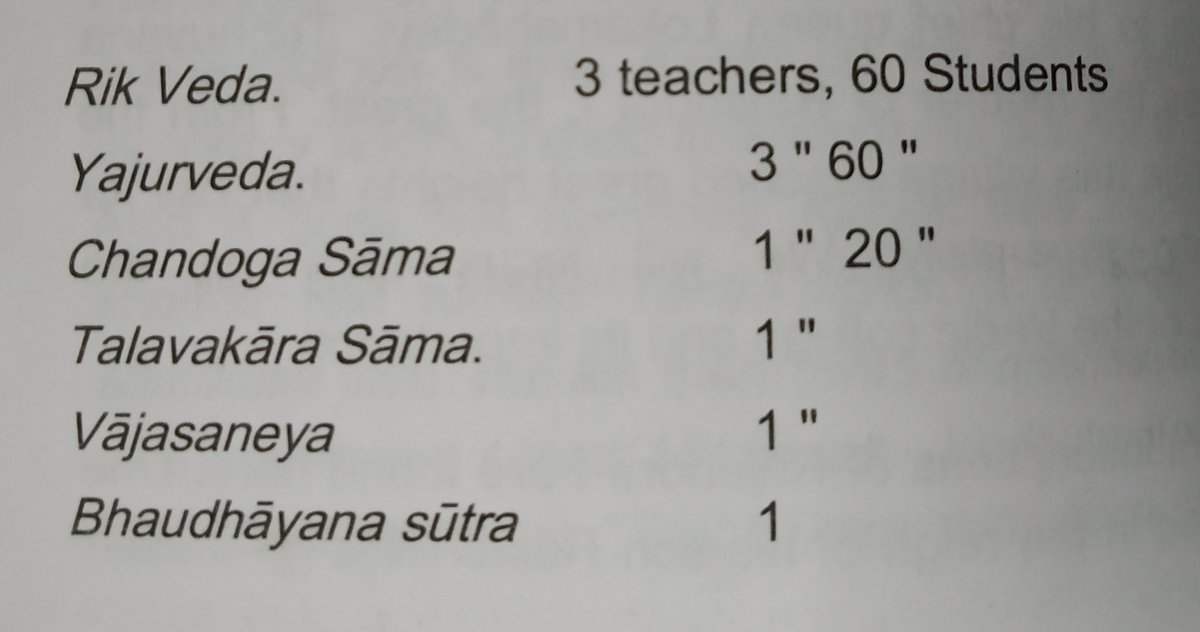
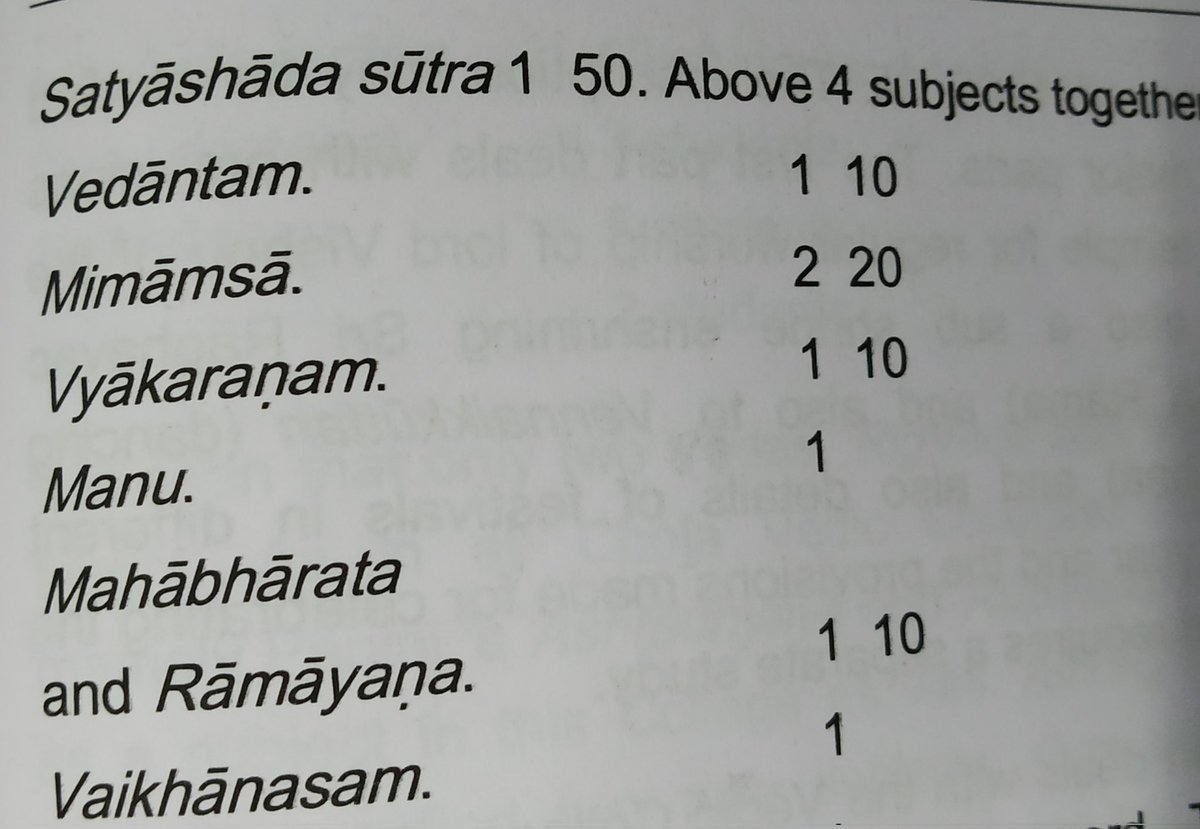
Thirumukkūdal vedic college :-
A very long inscription on the front mandapa of the vishnu temple of thirumukkudal village potrays that the temple was regular worship of lord vishnu & also a subshrine enshrining sri Rāghava chakravarti(Sri Rāma) & also to Vennaikkulūttan(krishna)
A very long inscription on the front mandapa of the vishnu temple of thirumukkudal village potrays that the temple was regular worship of lord vishnu & also a subshrine enshrining sri Rāghava chakravarti(Sri Rāma) & also to Vennaikkulūttan(krishna)
The college was to function in the Mandapa named Jananāthan mandapa in the temple. Jananānathan was a title of Rājarāja, and the list of subjects, teachers and students are given below-
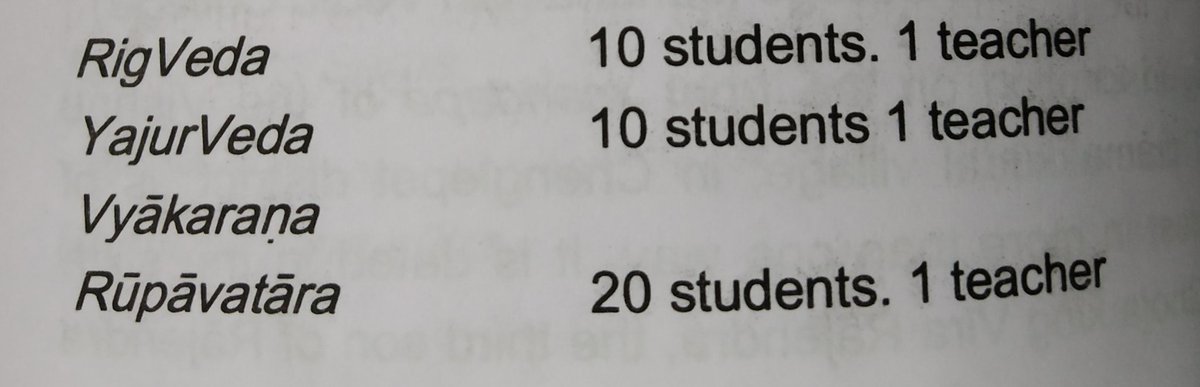

So it is clear from these evidences that the ancient tamil kings especially the chozhas were strong followers of Vedas and lived their life & ruled their kingdoms fully in accordance with the convention of vedic scriptures.
Source : Tamilnadu the land of vedas by Dr.R.Nagaswamy ( ex director of Tamilnadu archeology department & Padma Bhushan awardee in 2018 )
@Dharmicgoks @turbulentflow31 @SriAnuttamanya @Param_Chaitanya @GaikwadAnkur @womaniya108 @Tanvangi17 @arvindneela @tskrishnan @Dr_Strange2021 @Kishoreciyer1 @visundari @FervidIndian @gilgamesh_402 @SirJambavan @realitycheckind @IndianHistory0
@HinduResponse @HindutvaItihas @Avyayah_ @Ethirajans @VedicWisdom1 @krithikasivasw @GhorAngirasa @RapperPandit @RamaInExile
• • •
Missing some Tweet in this thread? You can try to
force a refresh