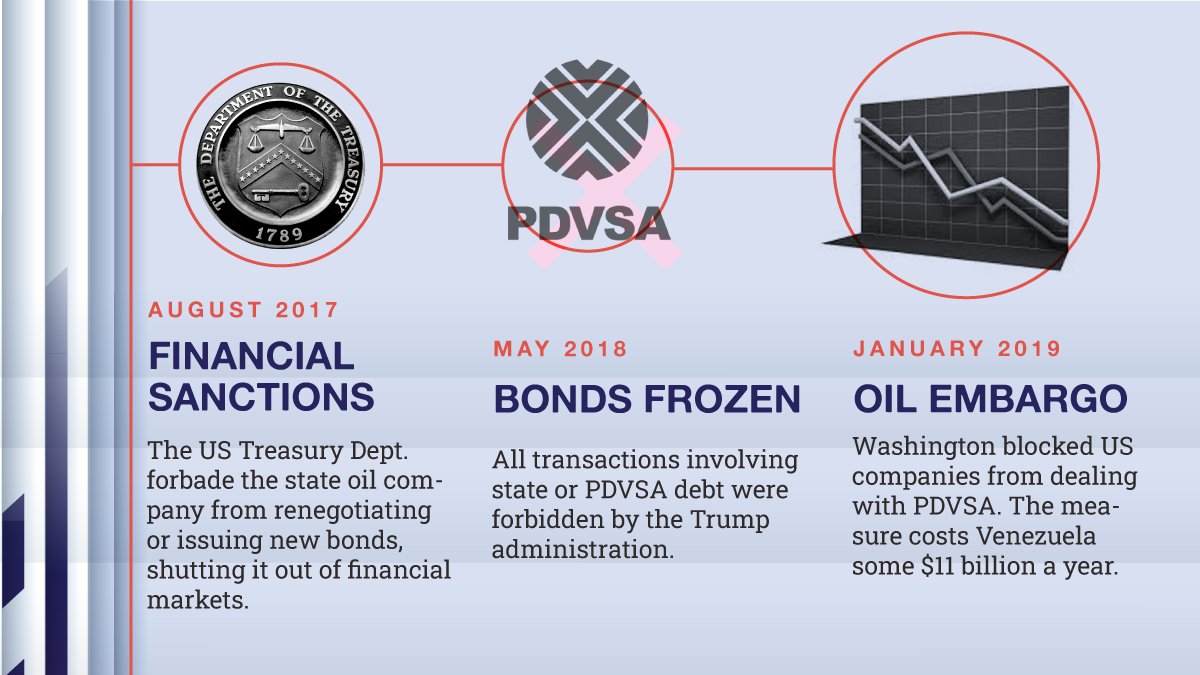
What happens when you sanction a country's main industry and source of foreign income? Say, Venezuela’s oil sector.
An entire population is punished and thousands die, that's what happens. We break down the US oil sanctions in this brand-new infographic. 🧵👇
In 2017, the US levied financial sanctions against PDVSA, followed by an oil embargo in 2019.
While Venezuela's crisis began in 2014 with the global drop in oil prices, economists argue that the level of suffering Venezuelans experience today is primarily due to sanctions.👇
In 2019, Washington seized the CITGO refinery, Venezuela's most important asset abroad.
The Trump administration also imposed a blanket ban on all dealings with Caracas and a diluent ban further crippled the country’s oil output and fuel production. 👇
2020 began with the US levying secondary sanctions to close off Venezuela's remaining oil-exporting lifelines.
Two subsidiaries from Russia’s energy giant Rosneft + other shippers were targeted for carrying Venezuelan crude. 👇
Washington likewise targeted oil-for-food swaps. In case it wasn't clear before, starving the population was always a key part of the regime-change plan.
By the last quarter of 2020, threats were a common occurrence to deter multinationals from dealing with Venezuela. 👇
The former Trump administration finished 2020 by putting an end to crude-for-diesel swaps and sanctioning more companies that dared to make oil transactions with Venezuela.
Acute fuel shortages quickly gripped the country. This continues today 👇
The result of US sanctions against Venezuela's oil industry:
PDVSA’s output fell from an average of 1.911 million barrels per day (bpd) in 2017 to 500,000 in 2020.
Oil output has recovered after hitting historic lows registering 537,000 bpd in June (OPEC source). 👇
Once more, our deepest appreciation goes out to @utopix_cc's Kael Abello for helping us document the murderous sanctions program against Venezuela with this amazing work.
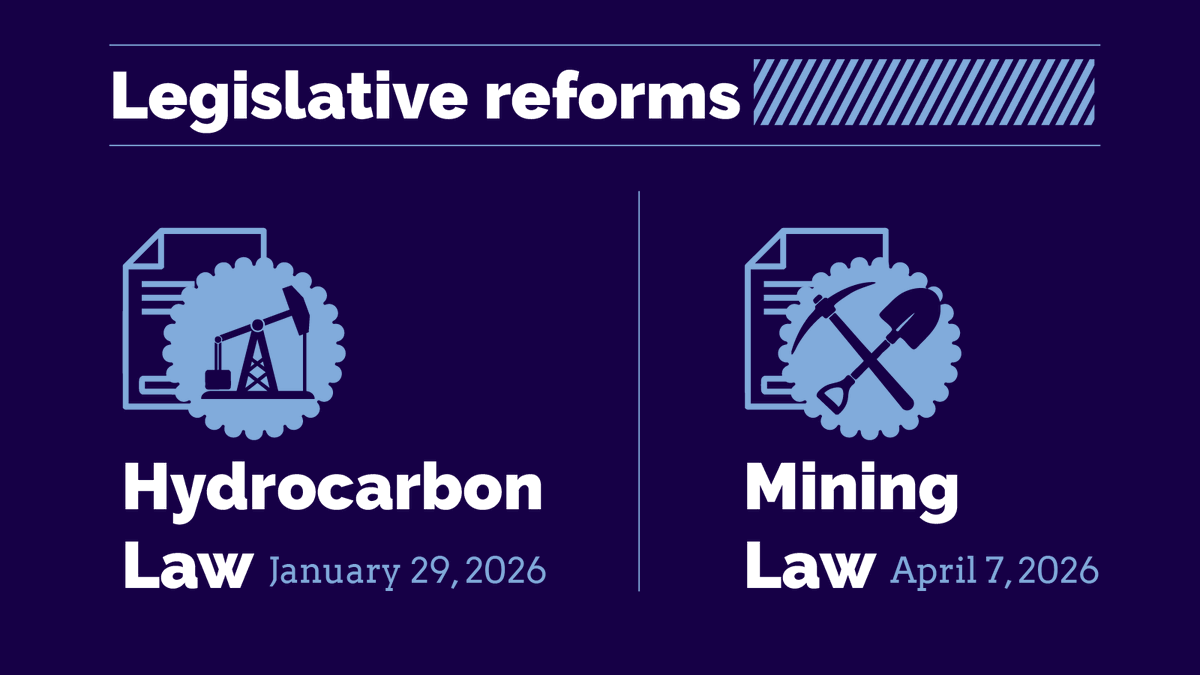
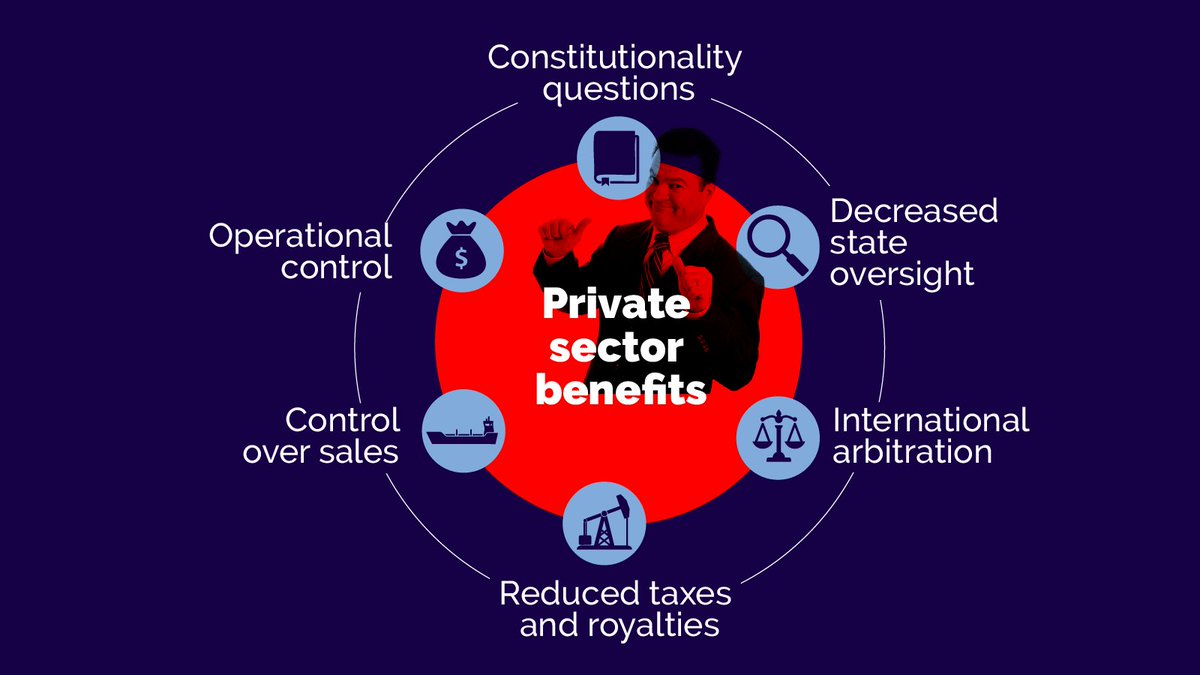
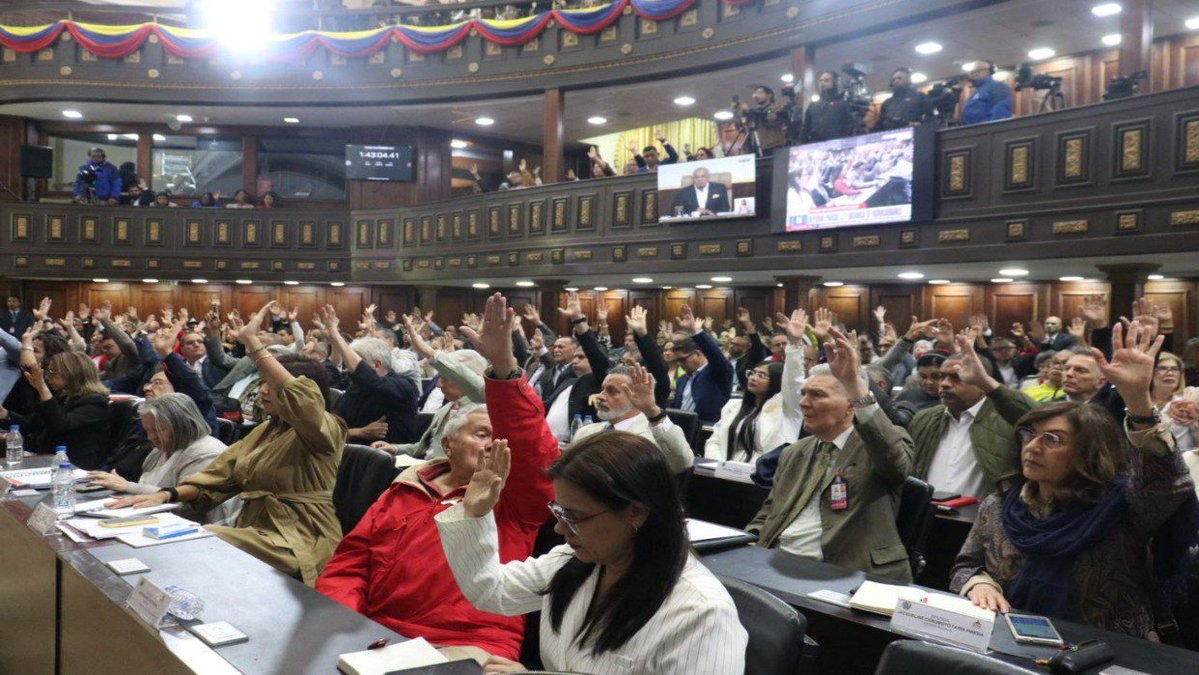
The Venezuelan National Assembly approved a reform to the country’s Hydrocarbon Law in its first discussion. A second discussion and final vote are expected soon. This is arguably the country’s most important piece of legislation, so let’s look at what’s at stake 🧵🧵🧵
Some background: Venezuela’s present energy legislation was established under the Hugo Chávez govts. It was first approved in 2001 and later had some amendments. In essence, it reaffirmed the state’s sovereignty over natural resources and established control over the oil industry
Chávez’s reforms mandate that state oil company PDVSA hold majority stakes (in some cases at least 60%) and run oilfield operations. Taxes on oil profits were set 50%, royalties were raised (in some cases from 1%) to 30% across the board
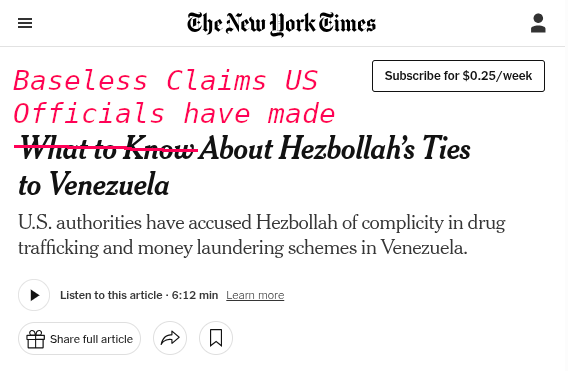
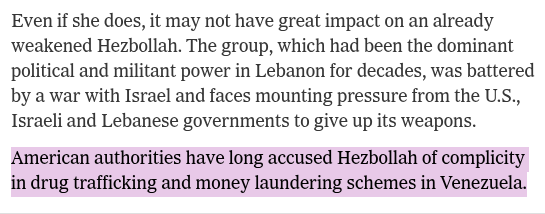
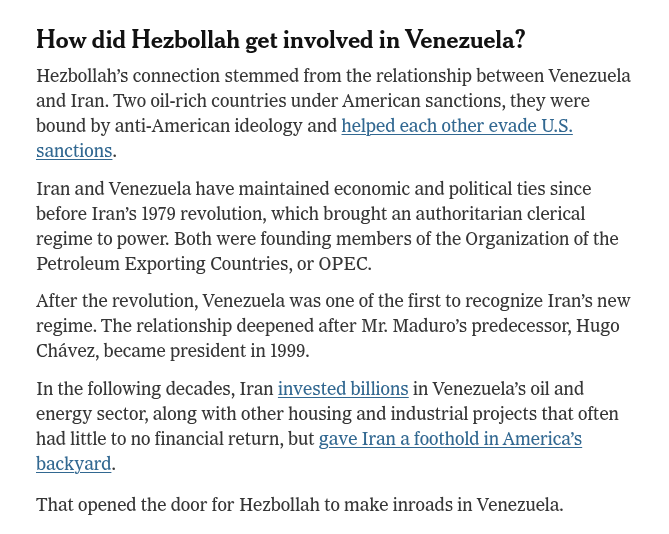
The bar is always high (or low, rather), but every now and then the New York Times delivers an all-time masterpiece of journalistic dishonesty and pliant service to US imperialism. This is a piece about (imaginary ties) between Hezbollah and Venezuela: 🧵 archive.is/FPrMQ
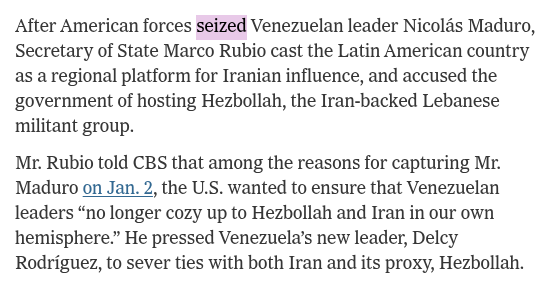
First off, the US kidnapped/abducted Maduro. But US exceptionalism runs so deep that corporate stenographers believe Washington can just "seize" foreign leaders. But the relevant part here is that all we have here are claims by Rubio and US officials
This section is just empty fluff meant to malign Iran and Venezuela. Notice the nonsense of saying the countries are "bound by anti-American ideology" like it's some kind of bad taste in music, as opposed to the result of decades of imperialist attacks
A controversial afternoon (on Twitter) after the orangeman-in-chief lashed out at Colombia after the Petro government refused to accept repatriation flights with shackled migrants in military airplanes. Trump threatened tariffs and sanctions, Petro replied defiantly
Trump's disgusting (even by his standards) xenophobic and imperialist antics barely a week into his term have drawn fierce rebukes across the hemisphere. Honduran President Xiomara Castro called for an extraordinary summit in a few days
Venezuelan President Nicolás Maduro also voice his support, telling his Colombian counterpart he can count on the "strength and experience" of the Venezuelan people and calling for further regional unity
🧵When it comes to reporting about Venezuela, there is no corporate outlet even remotely close to the level of dishonesty of the New York Times. Seriously, it's one piece of misrepresented bullsh*t after another. Follow this thread as we break it down
This is the piece:
The article is not to be taken seriously b/c it starts from a blatant lie. US "prodding" has nothing to do with Venezuela holding elections. It is dictated by the Constitution that they be held this year and they were never in doubt shorturl.at/LFusR
Anyone not high on Western exceptionalism would actually be ashamed of their government meddling in other countries' affairs. But alas, this is the NYT.
In corporate media spiel, "restoring democracy" just means a US puppet being back in the presidential palace
🧵🧵The border dispute between Venezuela and Guyana has flared up recently, leading to a war of words, increased military deployment and increasing signs of US intervention. We have prepared an infographic to explain the history and context of the controversy (thread)
The Essequibo Strip is a sparsely populated, 160,000 square km region spanning to the west of the Essequibo River. It has been the subject of centuries of dispute which, sadly, have never taken into account the indigenous population
Instead, it has always been pretty much about resources. Gold mining is what drove British expansion westward (more on this below), and the recent discoveries of massive oil deposits led to Venezuela and Guyana raising tensions too
About time... Spain's @el_pais reports that the $3 billion in frozen Vzlan assets will soon be released. This was agreed to between the Venezuelan govt and opposition last November! But this thread is to point out the dishonest b.s. from the Spanish establishment's mouthpiece 🧵
This is the article in question:
It essentially relies on anonymous sources who say that the funds will soon be released. El País then covers this fairly straightforward report in a cloak of lies and misconceptionsenglish.elpais.com/international/…
So it begins. How dare Maduro want to access Venezuelan funds? Then it's incredibly disingenuous and racist to claim the govt wants to fix schools/hospitals to "polish its image." If a western govt builds a hospital, it's laudable. If Vzla does it it's to fool voters. GTFOH