
John Babiiha was a veterinarian, a politician, & one of the great survivors of Uganda's history.
Here he is in Sept. 1968, at the second anniversary celebration of the founding of Uganda's republican government. With him was the CO of the Uganda Army, Gen. Idi Amin.
Thread. 1/
Here he is in Sept. 1968, at the second anniversary celebration of the founding of Uganda's republican government. With him was the CO of the Uganda Army, Gen. Idi Amin.
Thread. 1/
2/
Babiiha entered public life in the 1950s as the treasurer of the Tooro Kingdom.
Here he is in 1958, arguing for the 'Dignity and Conventional Prerogatives' of the kings of western Uganda. He feared that Buganda would 'swamp us & take the leading part in the country'.
Babiiha entered public life in the 1950s as the treasurer of the Tooro Kingdom.
Here he is in 1958, arguing for the 'Dignity and Conventional Prerogatives' of the kings of western Uganda. He feared that Buganda would 'swamp us & take the leading part in the country'.

3/
In 1955 Babiiha was made Member of the colonial-era Legislative Council.
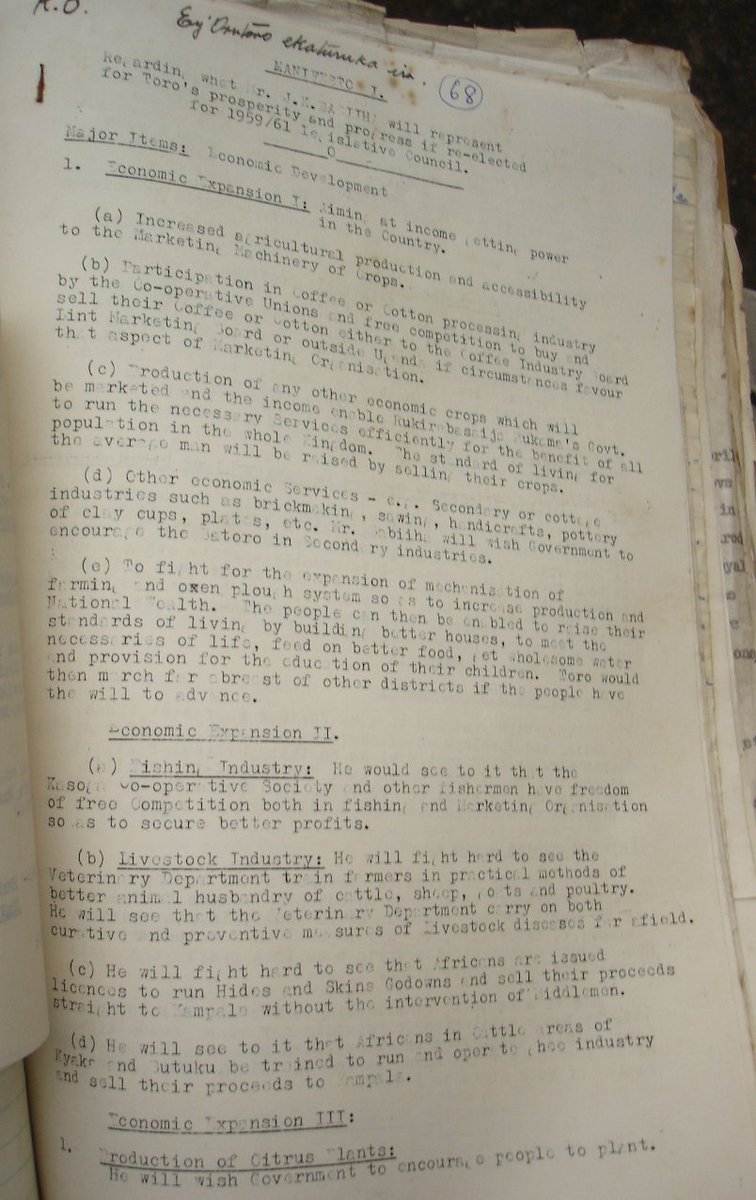
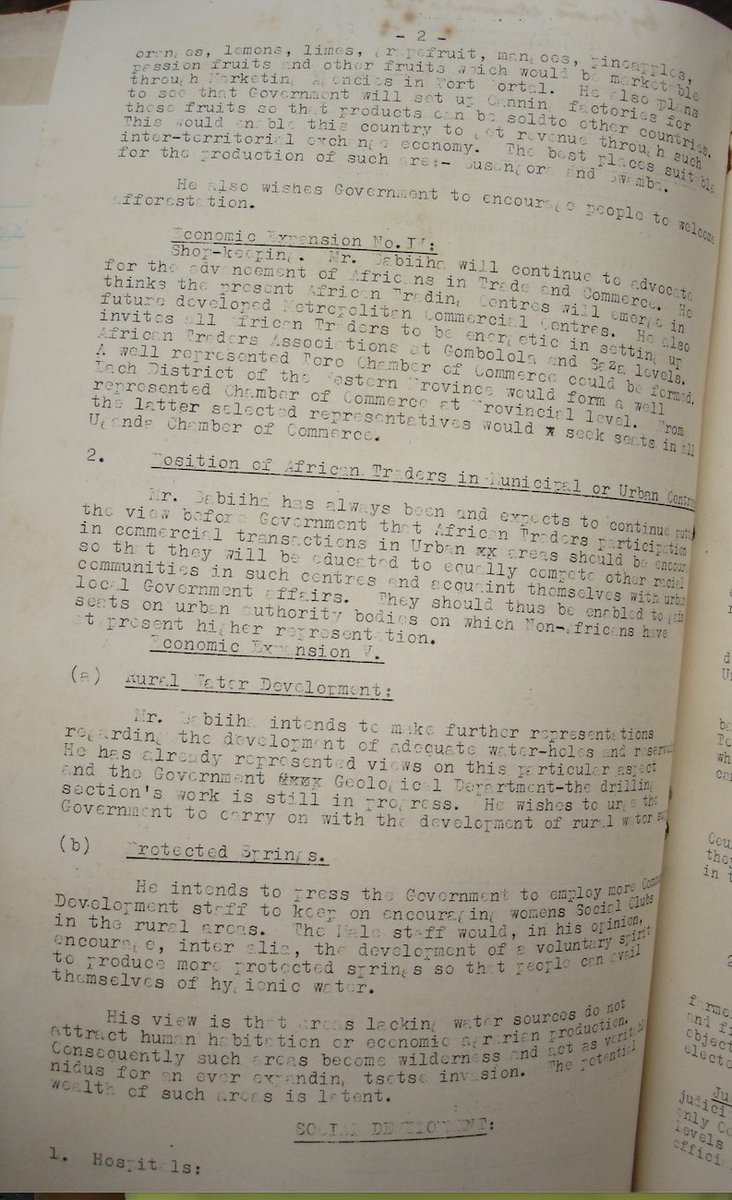
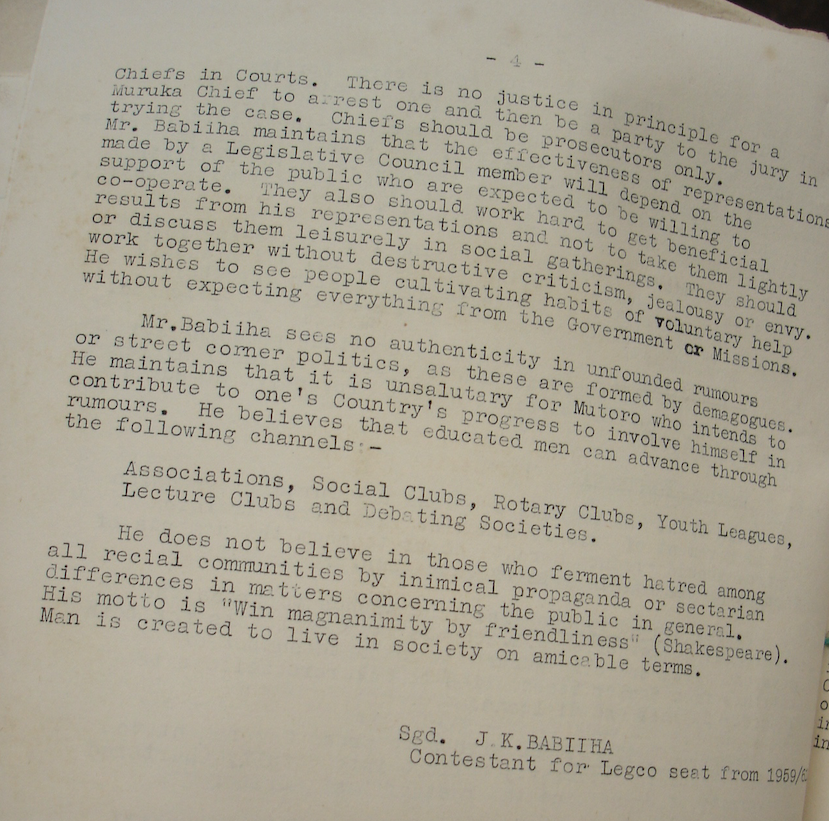
His platform for the 1958 LegCo election: he 'sees no authenticity in unfounded rumors or street corner politics. He maintains that it is unsalutary for a Mutoro...to involve himself in rumors'.
In 1955 Babiiha was made Member of the colonial-era Legislative Council.
His platform for the 1958 LegCo election: he 'sees no authenticity in unfounded rumors or street corner politics. He maintains that it is unsalutary for a Mutoro...to involve himself in rumors'.
4/
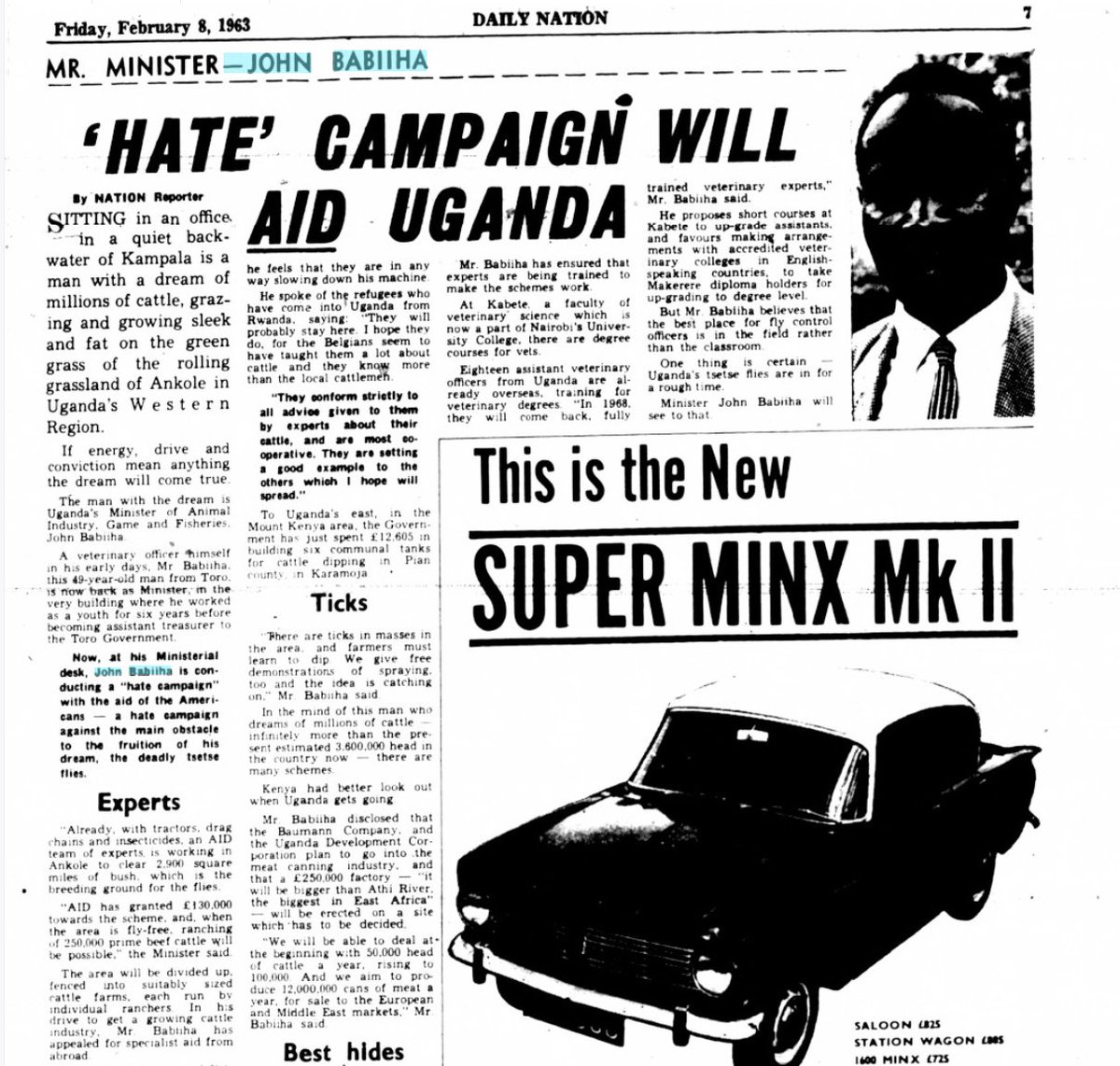
After Uganda's independence PM Milton Obote nominated Babiiha to Parliament & made him Minister of Animal Industry, Game & Fisheries.
Here's a @NationAfrica profile, Feb. 1963.
After Uganda's independence PM Milton Obote nominated Babiiha to Parliament & made him Minister of Animal Industry, Game & Fisheries.
Here's a @NationAfrica profile, Feb. 1963.
@NationAfrica 5/
In 1966 Obote consolidated power in his own hands. He abolished the presidency held by Edward Muteesa. The VP, William Wilberforce Nadiope, was ousted at the same time.
That's how Babiiha became Uganda's 2nd Vice President. Here he is opening a milk plant in Tooro, Oct. 1970.
In 1966 Obote consolidated power in his own hands. He abolished the presidency held by Edward Muteesa. The VP, William Wilberforce Nadiope, was ousted at the same time.
That's how Babiiha became Uganda's 2nd Vice President. Here he is opening a milk plant in Tooro, Oct. 1970.
@NationAfrica 6/
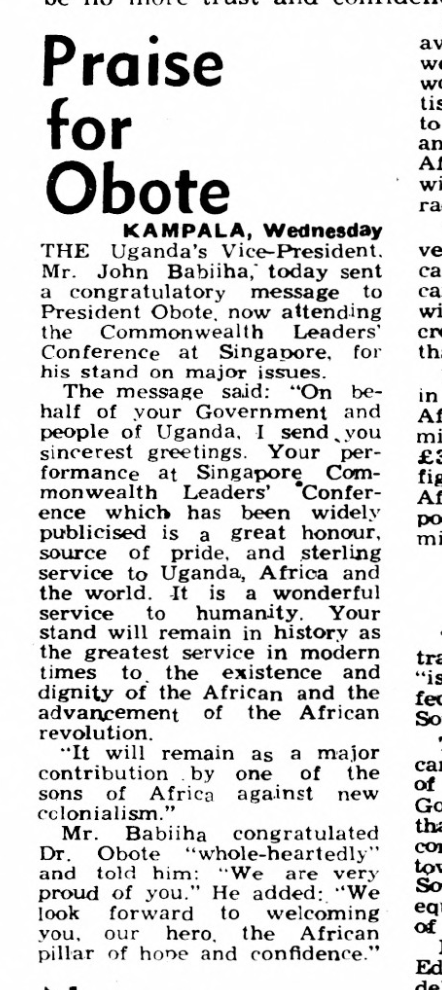
On 21 Jan. 1971--a few days before the govt was overthrown by Idi Amin--VP Babiiha sent a telegram to Milton Obote, who was then in Singapore.
Babiiha: 'Your stand will remain in history as the greatest service in modern times to the advancement of the African revolution.'
On 21 Jan. 1971--a few days before the govt was overthrown by Idi Amin--VP Babiiha sent a telegram to Milton Obote, who was then in Singapore.
Babiiha: 'Your stand will remain in history as the greatest service in modern times to the advancement of the African revolution.'
@NationAfrica 7/
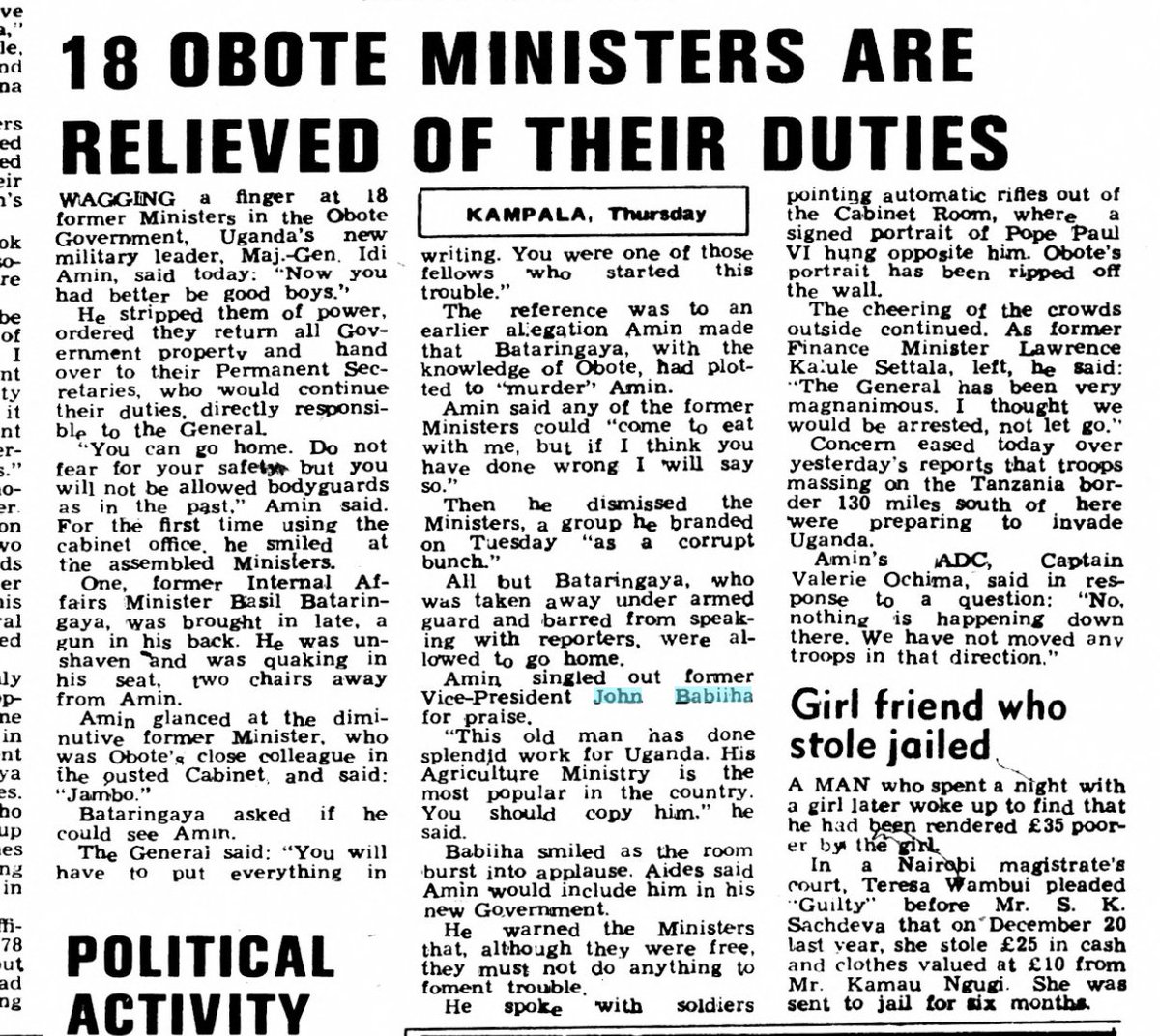
Within a week of sending that telegram Obote had been ousted. The new president--Idi Amin--imprisoned & eventually murdered many of Obote's ministers.
But he had a high view of Babiiha: 'This old man has done splendid work for Uganda. You should copy him'.
Within a week of sending that telegram Obote had been ousted. The new president--Idi Amin--imprisoned & eventually murdered many of Obote's ministers.
But he had a high view of Babiiha: 'This old man has done splendid work for Uganda. You should copy him'.
@NationAfrica 8/
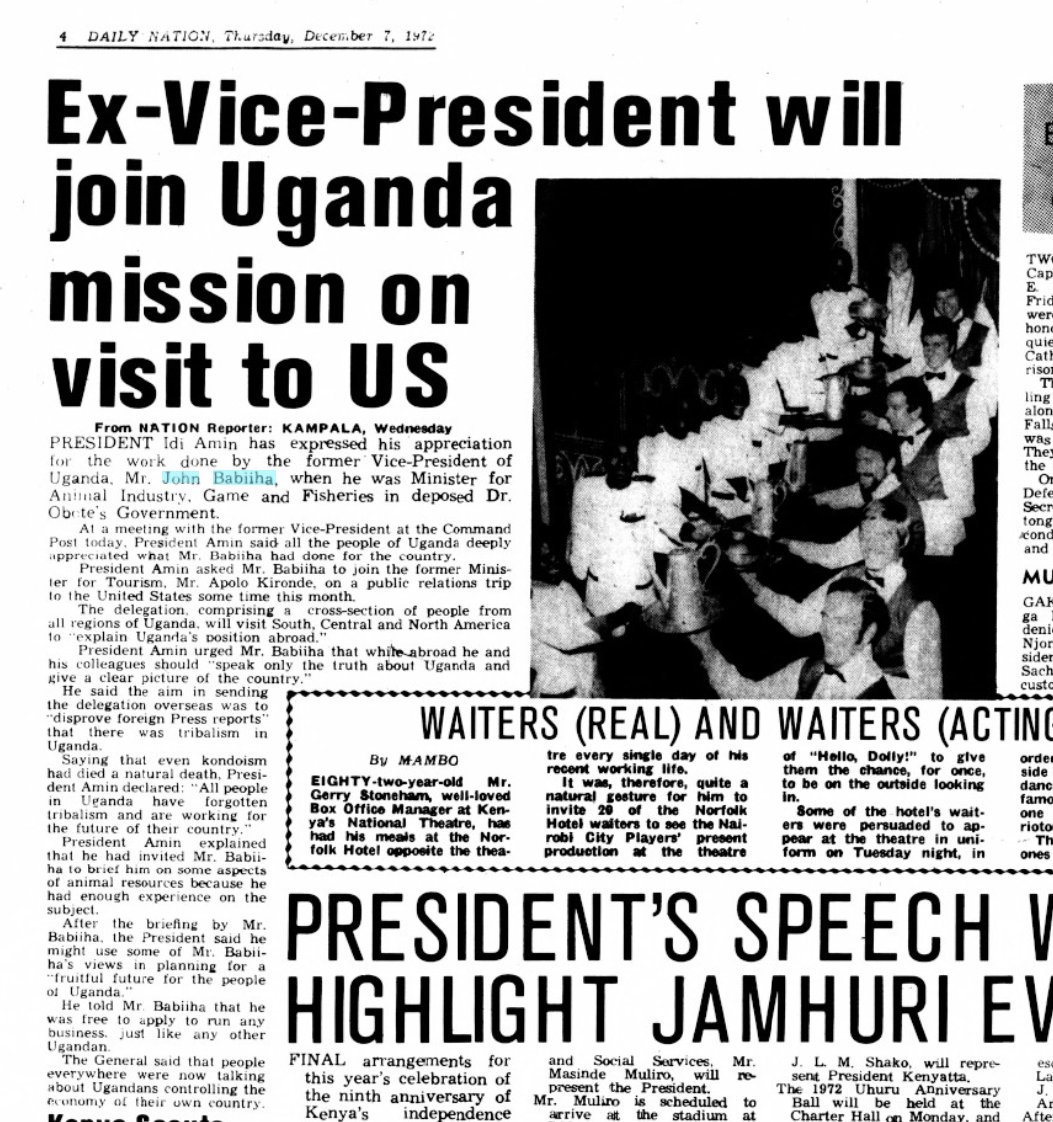
Babiiha became a sometime advisor to Pres. Amin. In Dec. 1972 Amin sent him--together with Apolo Kironde, then Minister of Tourism--to tour the United States & 'explain Uganda's position abroad'.
Babiiha became a sometime advisor to Pres. Amin. In Dec. 1972 Amin sent him--together with Apolo Kironde, then Minister of Tourism--to tour the United States & 'explain Uganda's position abroad'.
@NationAfrica 9/
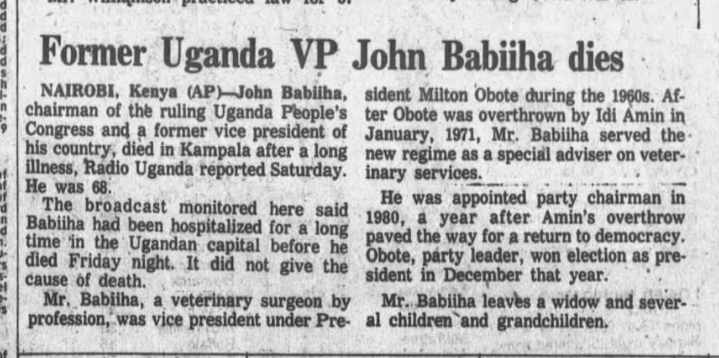
Babiiha survived the 1970s--& in 1980 he was made chairman of the resurgent Uganda People's Congress, the party of Milton Obote, who came back to the presidency.
John Babiiha--whose political longevity is possibly unmatched in Uganda's history--passed away in Feb. 1982.
Babiiha survived the 1970s--& in 1980 he was made chairman of the resurgent Uganda People's Congress, the party of Milton Obote, who came back to the presidency.
John Babiiha--whose political longevity is possibly unmatched in Uganda's history--passed away in Feb. 1982.
• • •
Missing some Tweet in this thread? You can try to
force a refresh






