Trivia: @IAF_MCC's Hindon AFS was an accidental IAF Base. 1960s Palam was largely an IAF airfield with a civil enclave, HQ Ops Command was also located at Palam. As Comets and Boeing 707s started entering commercial service it was decided to make a greenfield civil airport (1/3)
This was fixed up near Gaziabad, east of the river Jamuna. But by the time the airport was completed, MOCA had lost interest in it as the only road link over the river was through the old steel bridge near Red Fort and there were no funds to create more bridges. (2/3)
So, the inevitable happened and the IAF was forced to take over the new airport near the Hindon river (hence the name) and hand over a major part of Palam for commercial operations. 1 June 1965, 28 Wing was inaugurated by ACM Arjan Singh (3/3)
Because of this history, till sometime back (Even now?) Hindon is maintained by the PWD and not by MES like all other military airfields.
• • •
Missing some Tweet in this thread? You can try to
force a refresh

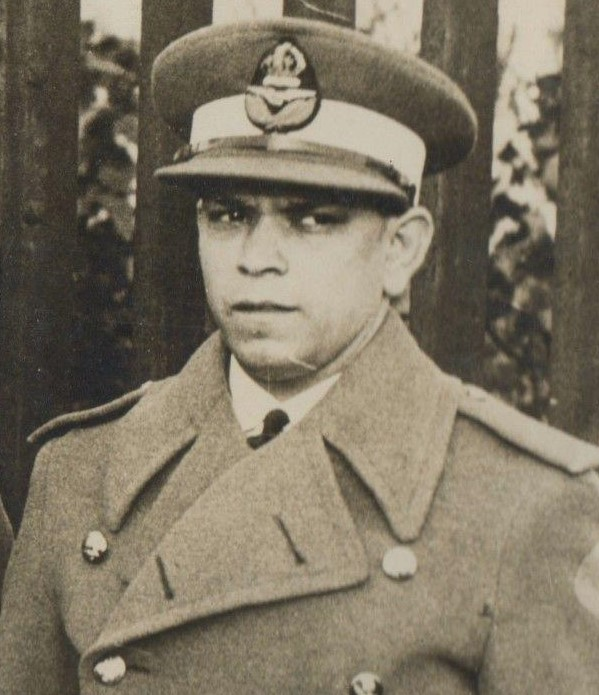
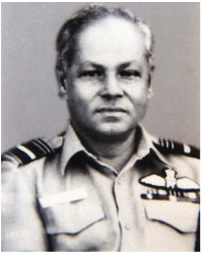
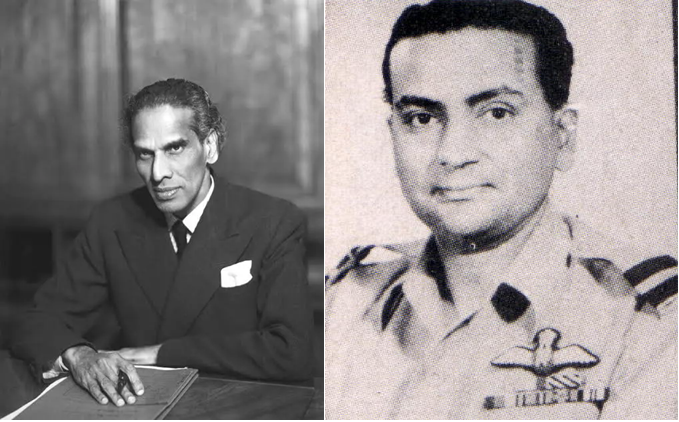
I have been following the GTRE/ Kaveri Engine discussions intently. Before we go further, remember the Indian Air Force officer who started this journey: Air Vice Marshal Sailendra Nath Roy Chaudhury.
Because he built the starting line. (1/25)
#IAFHistory
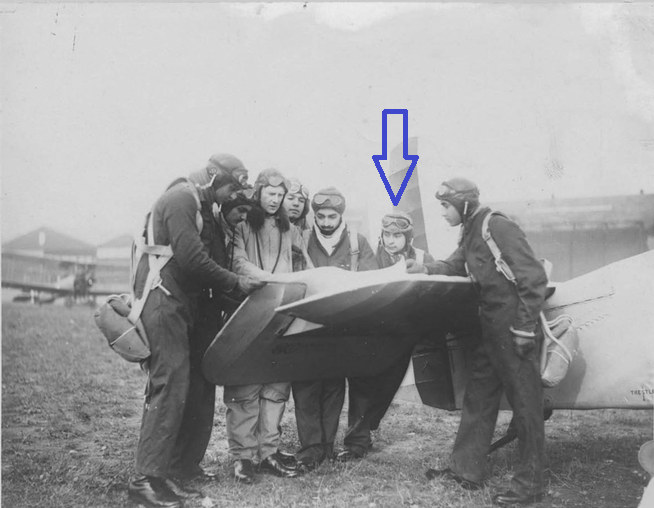
Commissioned on 16 Sep 1947, he was part of what later generations called the “Zero Course”. Ten direct entry engineers, put through the 49th and 50th Pilots Initial Course, then ITW Coimbatore, then Tambaram to train as Technical Engineering officers + Pilots. 2/
They did not complete flying training to earn wings in the conventional sense, though Roy Chaudhury later did earn them. This was the Indian Air Force’s first attempt at direct entry technical officers. The branch’s origin story is here. 3/
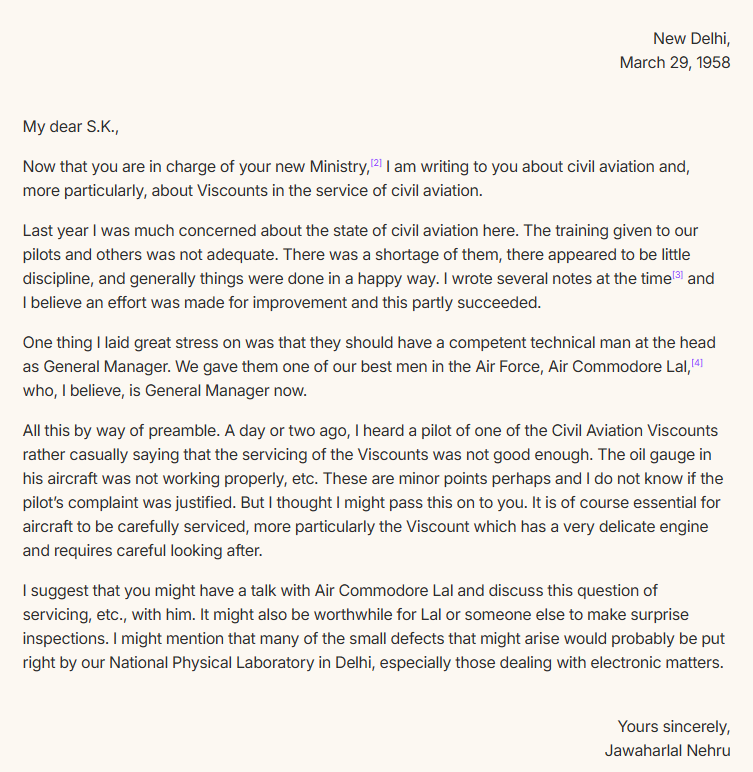
On 20 Nov 1957, Air Cmde PC Lal, then AOC Training Command, hung up his blues and moved to Indian Airlines as GM on a 5 year deputation, to steady a struggling carrier. Few knew this would almost cost India one of its finest Chiefs. (1/12)
#IAFHistory @IAF_MCC
As GM, Lal sat on the committee to choose a replacement for the Dakotas. Three contenders were in play: the Avro HS 748, the Fokker Friendship and a Lockheed design. Defence Minister Krishna Menon was keen that India pick the Avro. 2/
There was one problem. The Avro barely existed. No prototype. No flight record. No performance sheets. Not even complete drawings. Menon still wanted an immediate firm order. Lal, responsible for passenger safety, refused to sign. 3/
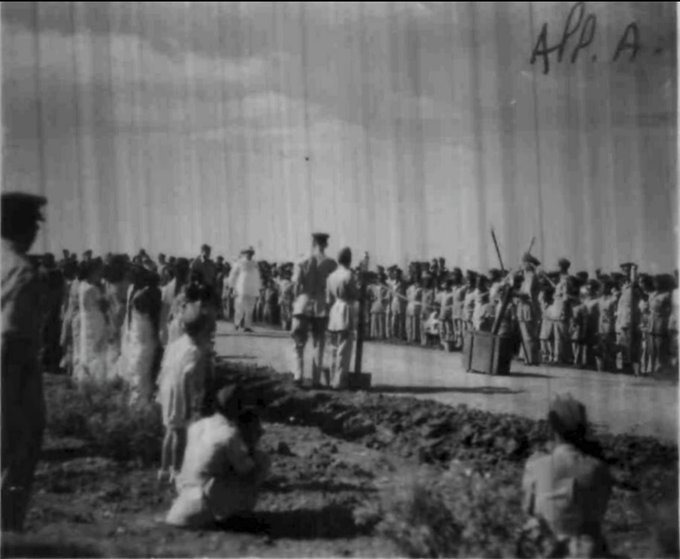
In 1973, when princely titles were history, Jamnagar’s ruler Shatrusalyasinhji D. Jadeja entered uniform as Honorary Wing Commander. The Indian Air Force did not honour a title; it honoured a man who kept serving after titles stopped mattering. (1/14)
#IAFHistory
In 1950, under H.H. Digvijaysinhji's guidance, Jamnagar opened an Indian Air Force station. Roads were laid, land and clearances came quickly, and the base was treated as a civic priority from day one. The bond began as stewardship, not ceremony. 2/
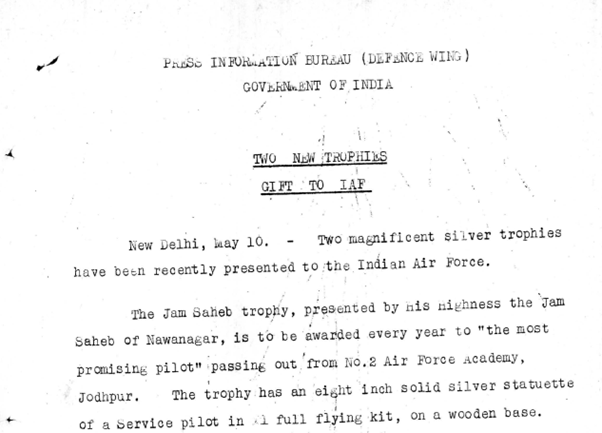
In 1952, Jamnagar gifted an eight-inch silver pilot on wood that went each term to the “most promising” trainee at Jodhpur’s No. 2 Air Force Academy. It rewarded potential over pedigree—an early sign of how the house chose to back the IAF. 3/
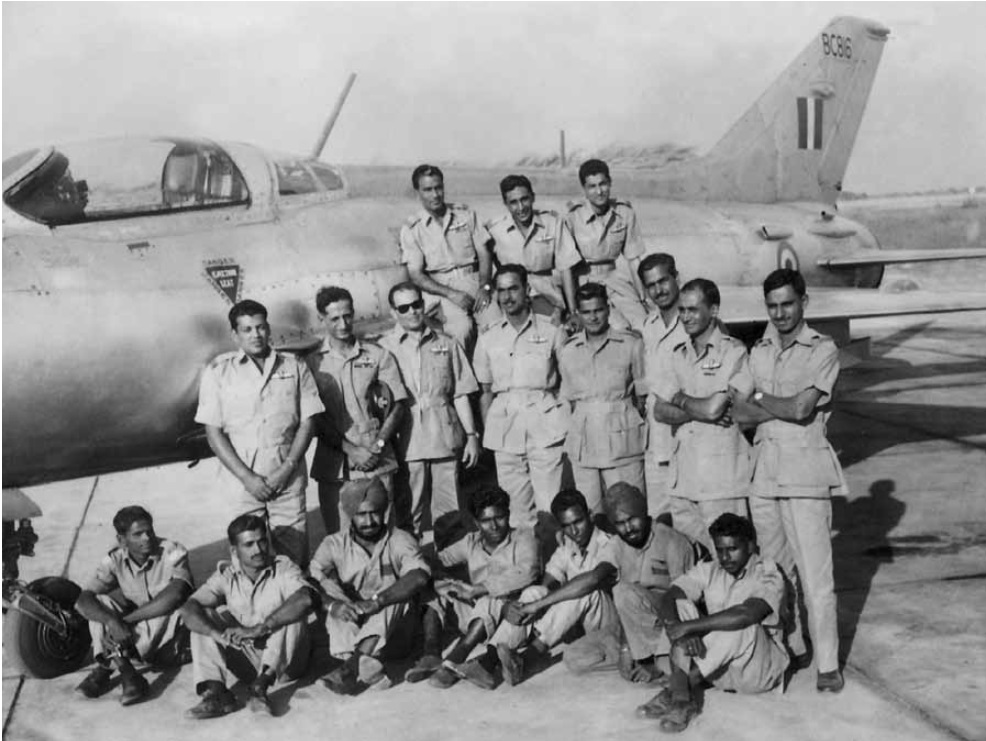
Meant to hide at a quiet base, the @IAF_MCC MiG-21 instead made a home at Chandigarh. A six-month stopgap became four decades. The place where the story begins and ends. Here’s how it unfolded. 🧵(1/16)
#MiG21Nuggets #IAFHistory
After Independence, the IAF used “type bases”: Pune had Tempests, Kalaikunda had Mystères, Ambala had Hunters. That tidy system was still in place when the MiG-21 came up for induction. 2/
Before the team left for the USSR, AVM Pinto told CO designate, (then) Wg Cdr Dilbagh Singh the first MiG-21 squadron would go to Adampur—quiet, remote and ideal for secrecy. 3/
This, right here 👇🏽—is the real reason the MiG-21 earned the "flying coffin" tag. No, it wasn’t the LCA delay. No it wasnt the machine or spares itself.
The real cause lies deeper. The data and context are all there. Few connect the dots. Read On. (1/19)
#IAFHistory
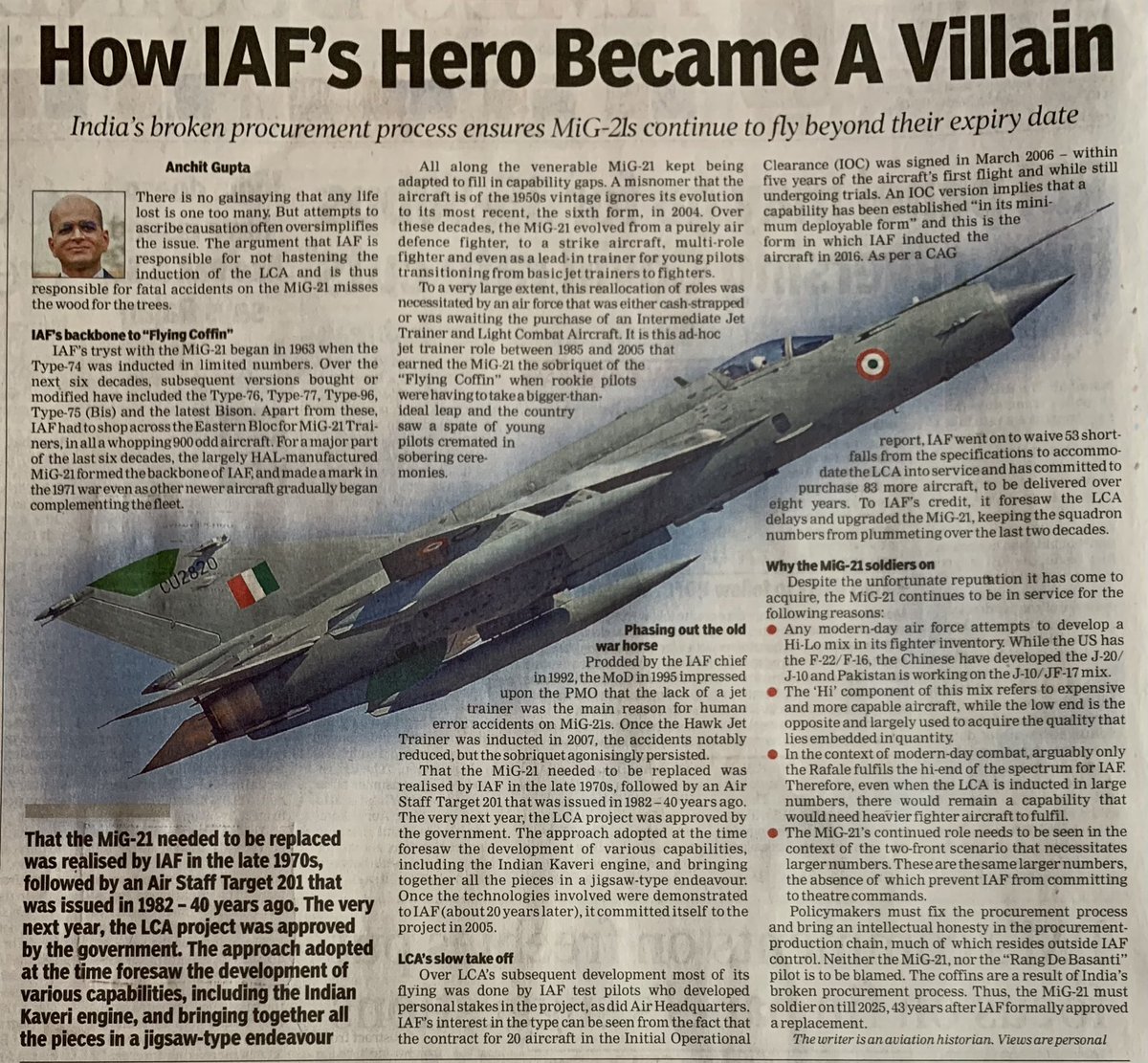
I wrote about this in a @timesofindia editorial a few years ago. The MiG-21 earned the “Flying Coffin” tag not because of its airframe—but because we made it carry the weight of our institutional failure between 1980s -2000s. 2/
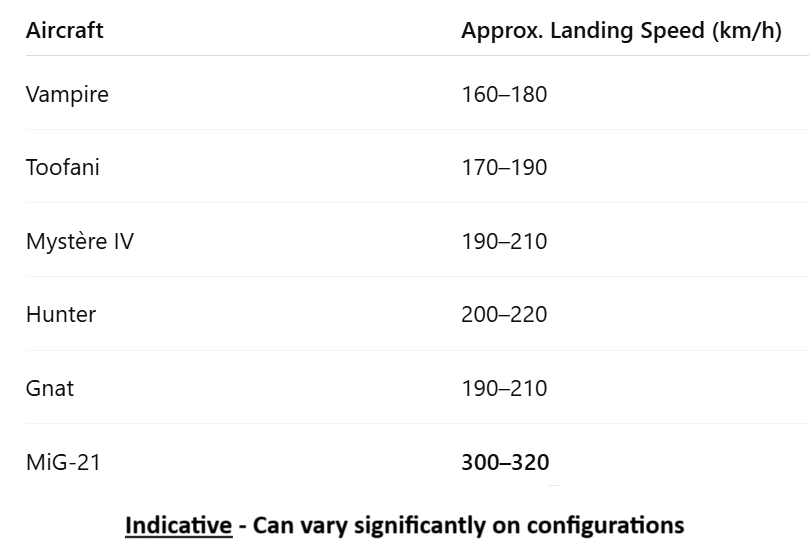
The MiG-21 entered IAF service in 1963, our first supersonic jet. It demanded a steep learning curve—especially in landing, where speeds exceeded 300 km/h. That was 2–3x faster than subsonic jets like the Vampire. It was not beginner-friendly. 3/