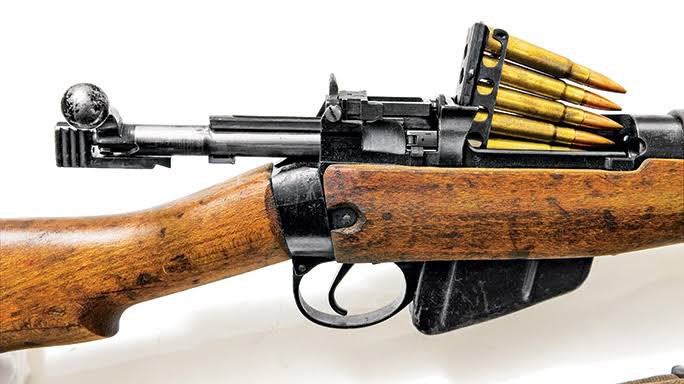
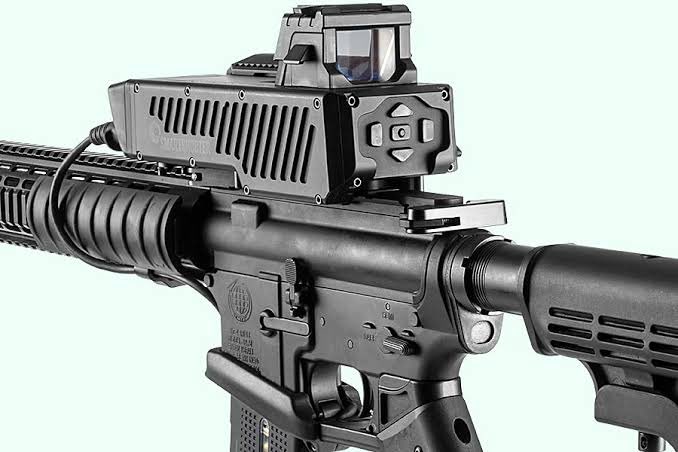
A characteristic common to evolving smart/digital sights is the necessity for the fire control system to control the release of the shot in some modes.
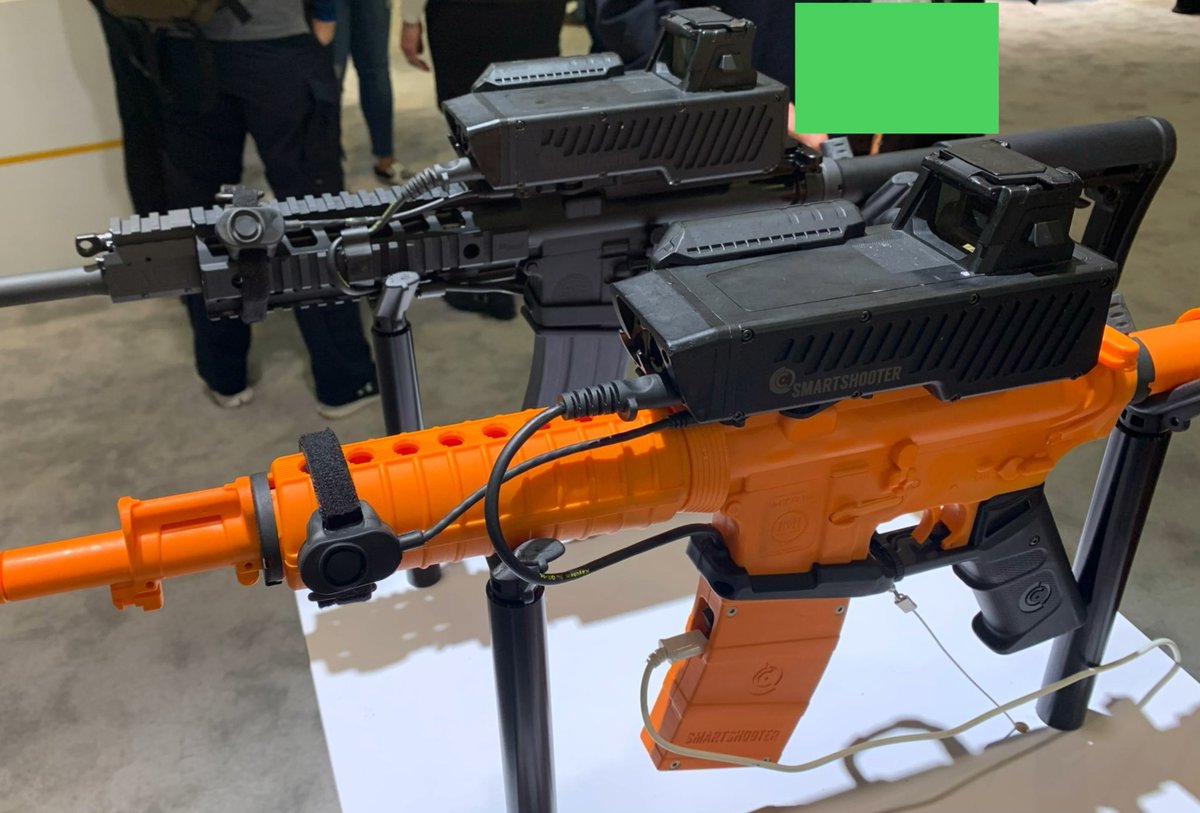
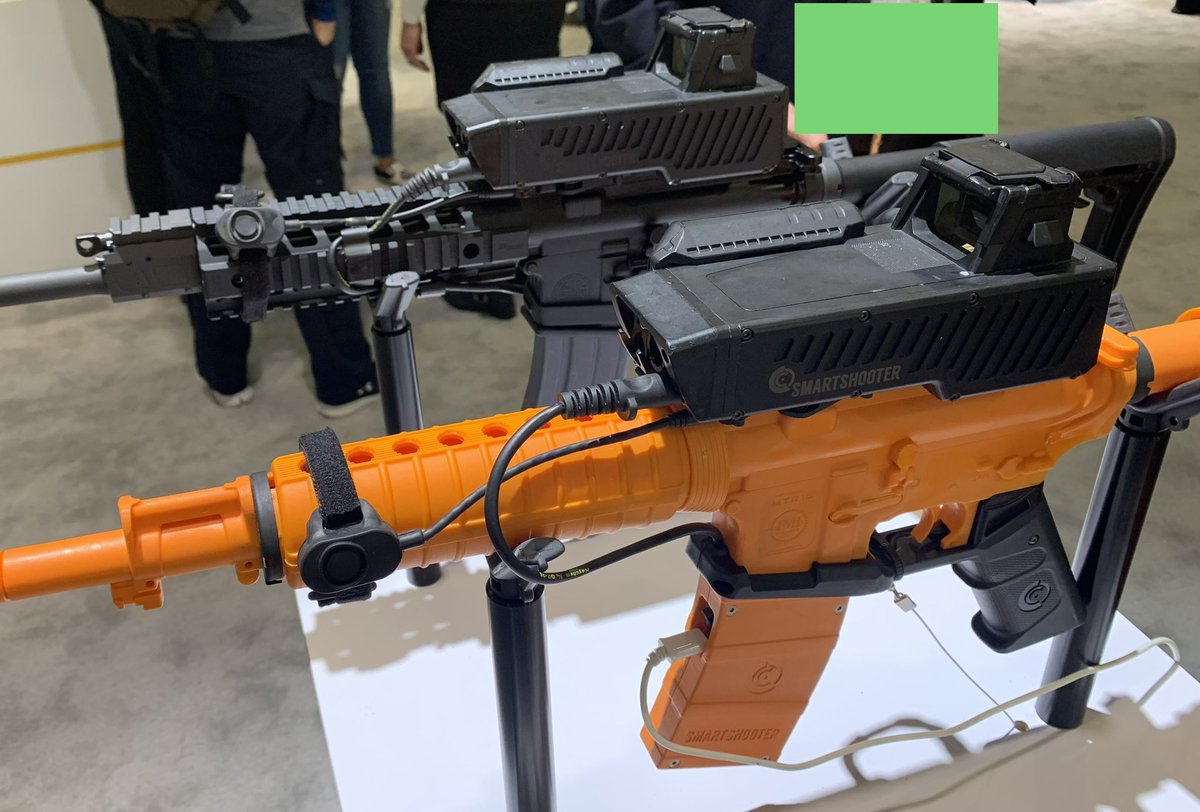
You can see on my 📸 of SMASH in the orange dummy that this is more than “just a sight”.
The patent documents confirm this. 1/
You can see on my 📸 of SMASH in the orange dummy that this is more than “just a sight”.
The patent documents confirm this. 1/
https://twitter.com/nicholadrummond/status/1462024710045196292


Refer to the “Firing Actuator”. Similar on concept to a tank fire control system, this iteration of sight, in some modes, only releases the shot once the first has pulled the trigger *&* the prerequisites for shot release have been met (e.g. barrel passing in front of target). 2/

As can be seen, this kind of system requires more than level 1 integration into a convenient rail mount to the rifle. It requires an interface with the rifle’s mechanical fire control system (sear, hammer, etc). Otherwise the shot cannot be released. 3/
Okay, so what? Without arguing for or against the efficacy of such smart/digital fire control systems, we’re brought rather neatly to my favourite: #neverabullpup
Why? It comes down to the comparative physical displacement of the trigger to the fire control system. 4/
Why? It comes down to the comparative physical displacement of the trigger to the fire control system. 4/
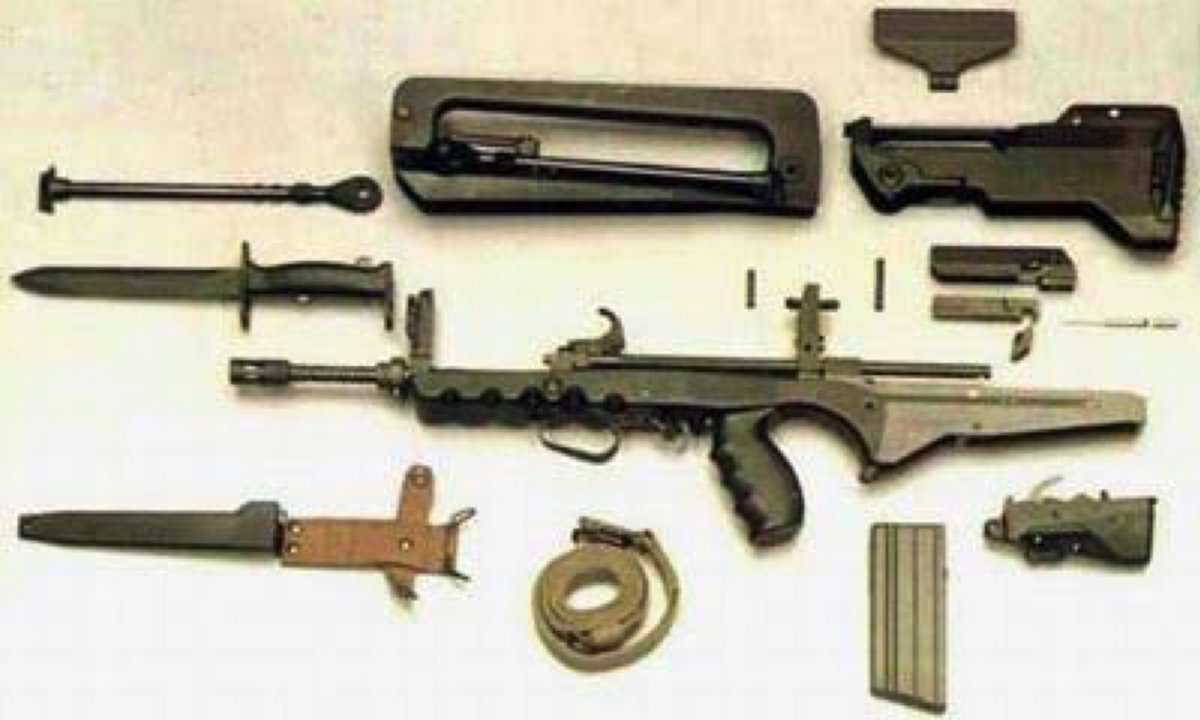
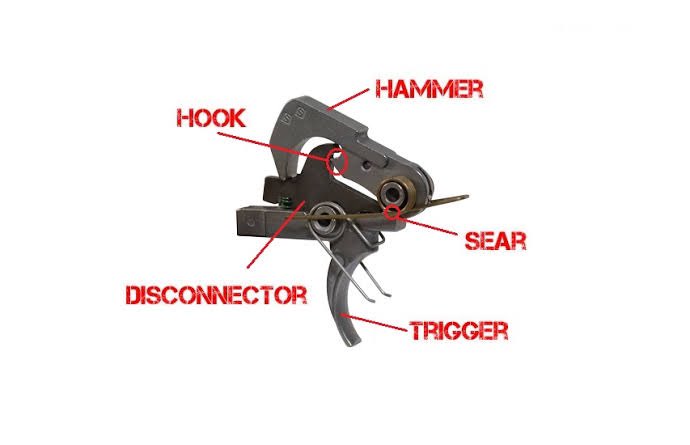
To release the shot, the trigger, once pulled, mechanically disengages the sear allowing the hammer, now released, to fly forward to hit the back of the firing pin. Conventionally configured rifles locate the trigger/sear/hammer in immediate proximity. Not so on bullpups /5
This is why triggers on almost all bullpup rifles are “mushy” compared to conventionally configured rifles. This mushiness becomes more pronounced the further the trigger is located from the mechanical fire control unit/mechanism. Worse still with a progressive trigger. /6
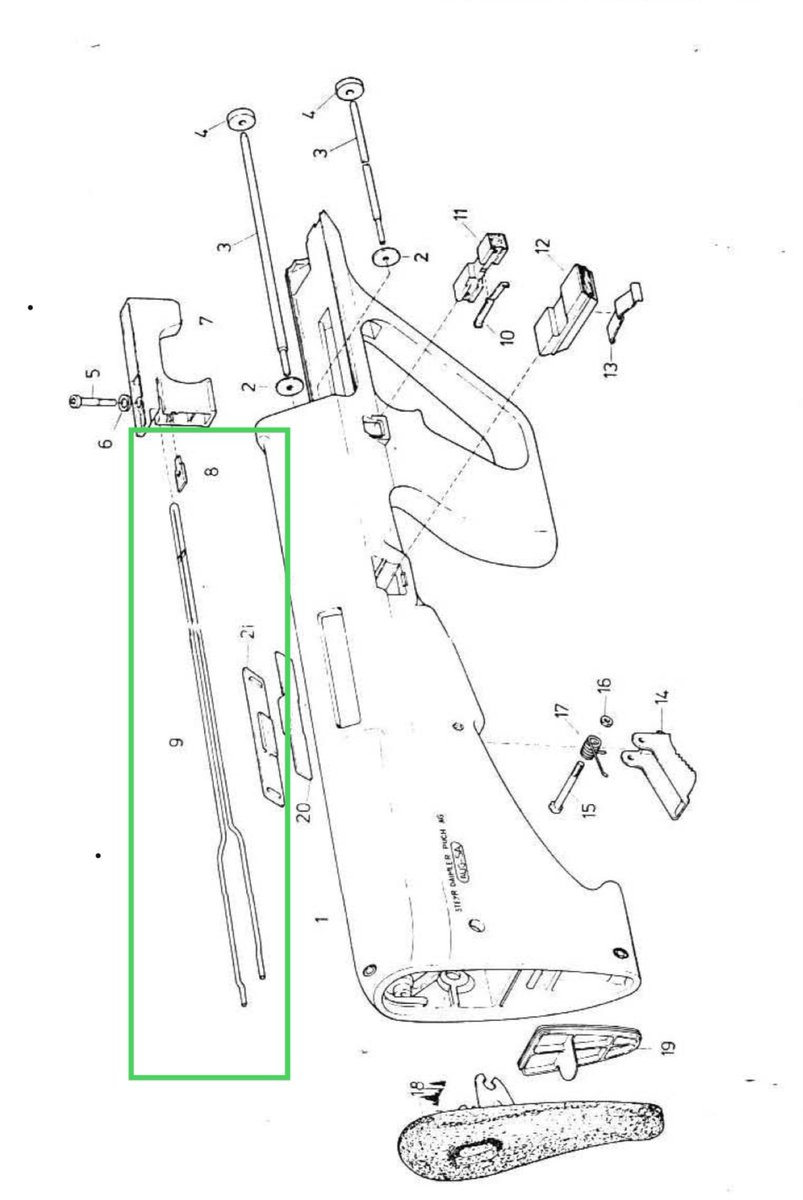
Bullpup triggers, whilst pretty average, are “good enough” for combat applications. For a lot of users, their (bullpup) service rifle will be the only rifle they use, so training can compensate for a technically sub-standard trigger.
Hang on: wasn’t this about smart sights? /7
Hang on: wasn’t this about smart sights? /7
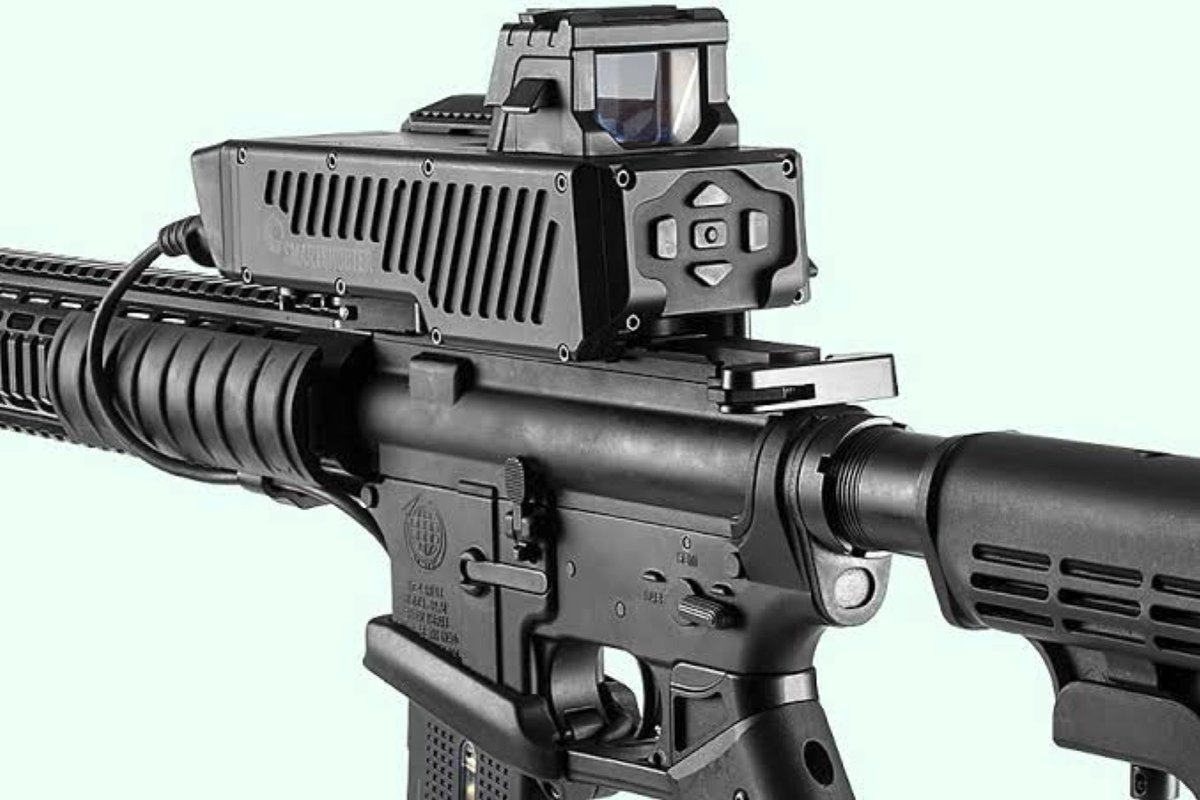
Absolutely! As mentioned, smart sights are closer to AFV fire control systems than to a traditional optic sight. They do more than bolt onto a rail.
What happens if you’re an army w/a largely orphan fleet of bullpup rifles that have been “good enough” for decades? /8
What happens if you’re an army w/a largely orphan fleet of bullpup rifles that have been “good enough” for decades? /8

In an era of smart sights? Your bullpup fleet lags further behind in terms of technical relevance.
Small fleets w/little engineering depth for technical integration drive up costs & introduce capability risk as they fall further behind. Doesn’t mean you can’t win, oc. /9
Small fleets w/little engineering depth for technical integration drive up costs & introduce capability risk as they fall further behind. Doesn’t mean you can’t win, oc. /9

Like most engineering problems (AJAX), the integration challenges presented by bullpups wrt smart sights can be solved with clever engineering, elaborately resourced schedules, & lots of $£€.
Bullpups continue to “solve” one problem (barrel length, less & less relevant)…/10
Bullpups continue to “solve” one problem (barrel length, less & less relevant)…/10
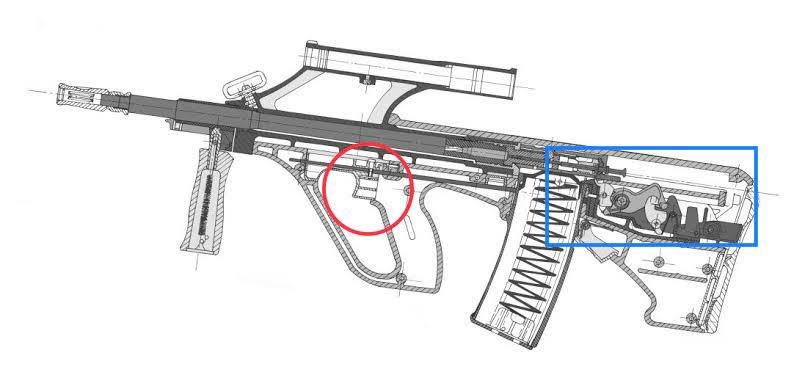
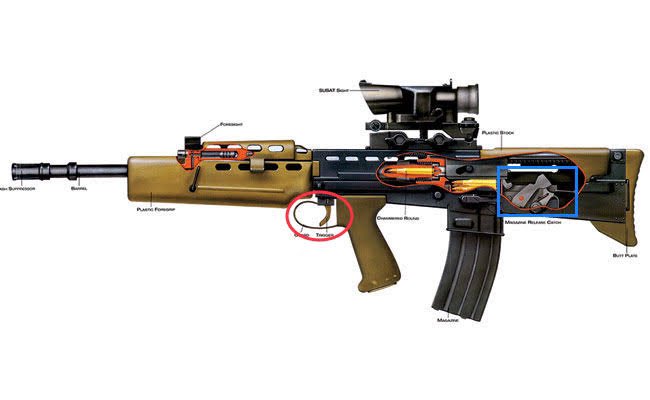
But introduce more (length of pull - no, a moveable pistol grip or a long optics rails aren’t solutions to this), while hamstringing easy integration of the current & next generation of digital smart sights. Opportunity costs of nano-fleets of bullpups continue to escalate. /11
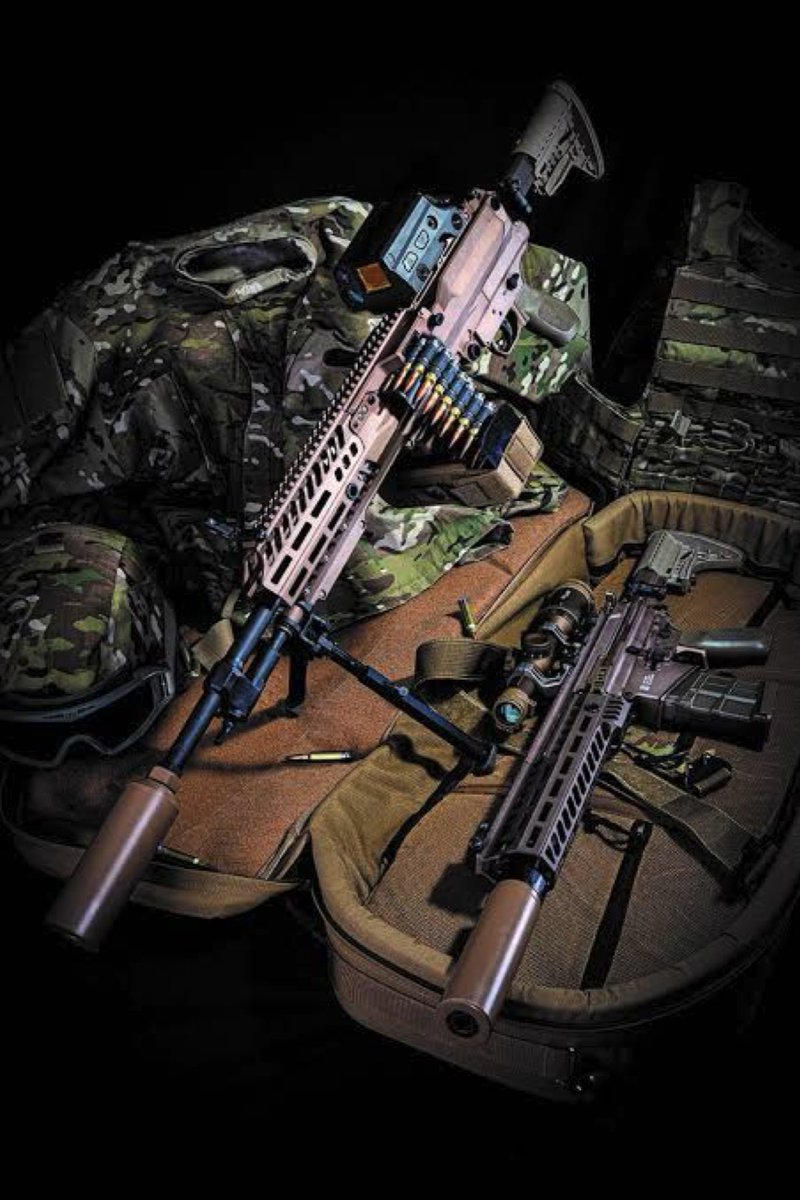
Anyway, some more factors to take into account when people are discussing why their service rifle is “good enough” or they sprout off traditional metrics to emphasise why there’s no reason to change horses.
Off to find a cloud to yell at /fin
Off to find a cloud to yell at /fin
• • •
Missing some Tweet in this thread? You can try to
force a refresh