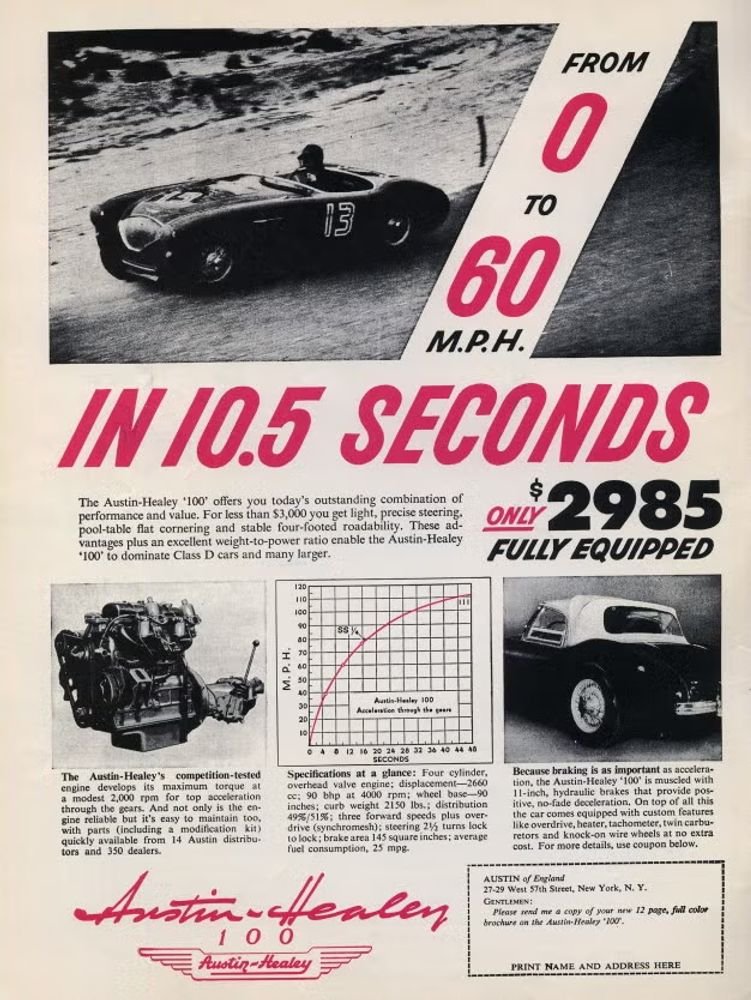
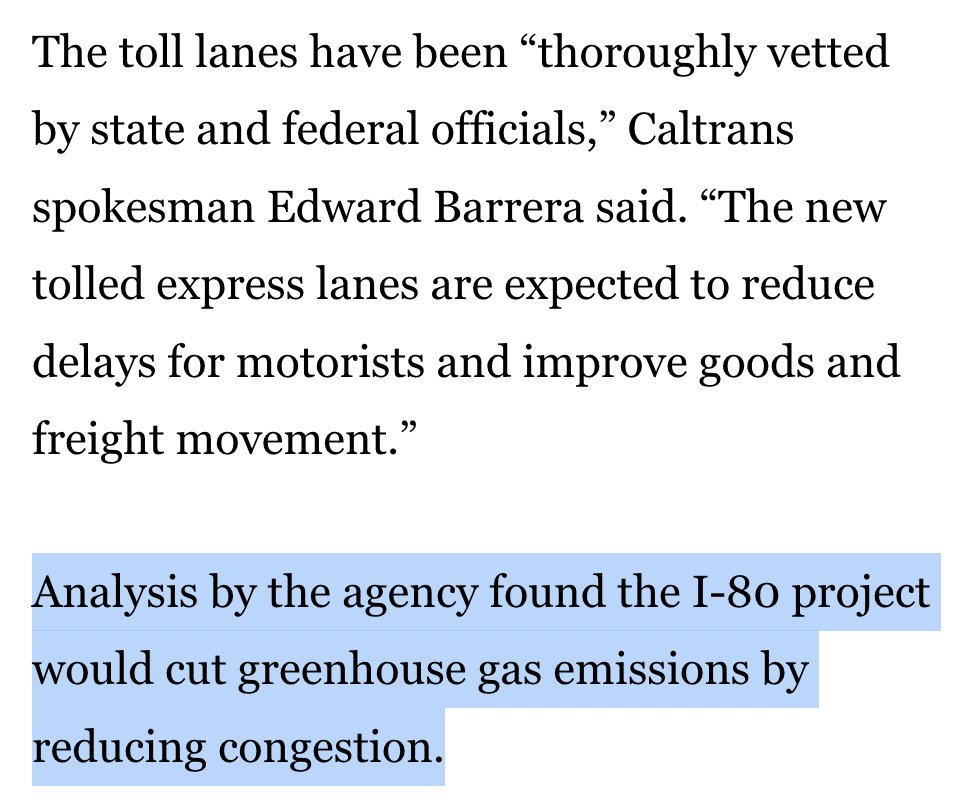
In @TheAtlantic, I argued that the USA must stop claiming that human error alone causes 94% of traffic deaths (~40k per year, and rising).
Beyond being incorrect, it’s a deeply damaging myth.
A 🧵:
theatlantic.com/ideas/archive/…
Beyond being incorrect, it’s a deeply damaging myth.
A 🧵:
theatlantic.com/ideas/archive/…
Laying blame on the driver (or pedestrian or cyclist) is convenient for many powerful forces in transportation. But it’s counterproductive.
People do make mistakes that lead to crashes. But more often than not, other factors could’ve prevented or mitigated the collision.
People do make mistakes that lead to crashes. But more often than not, other factors could’ve prevented or mitigated the collision.
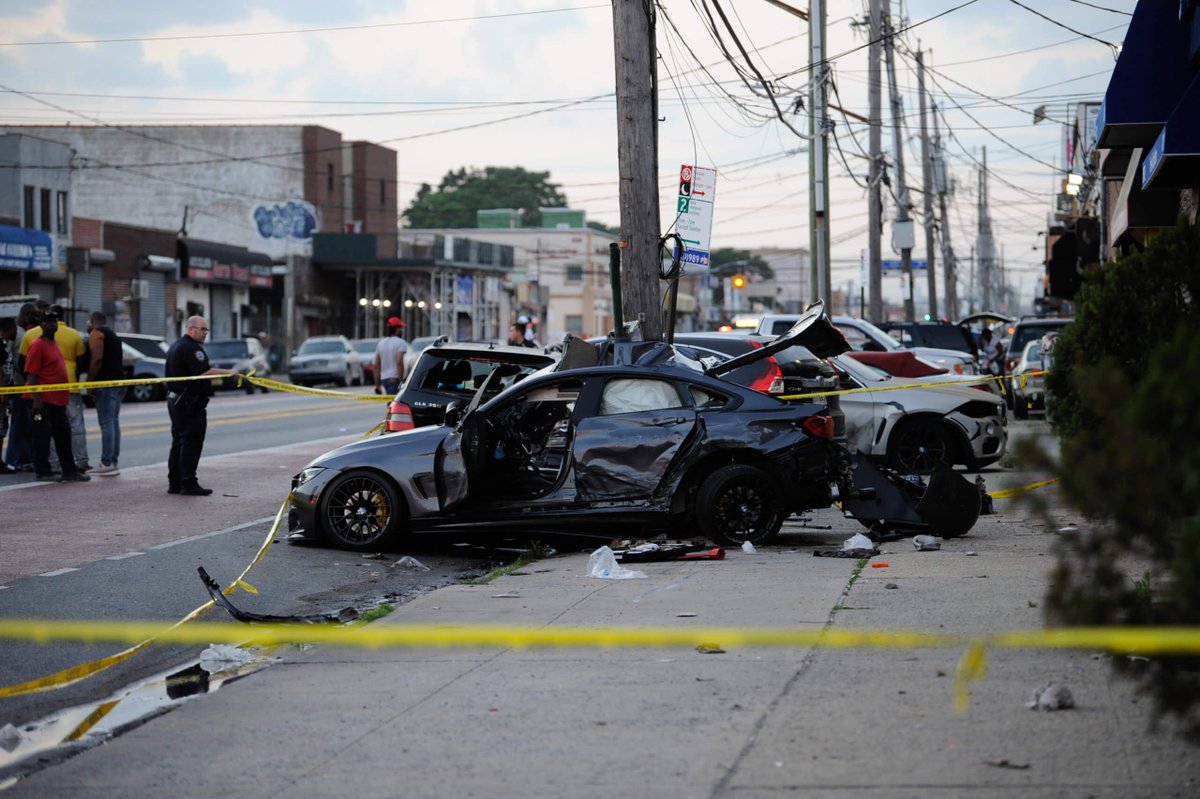
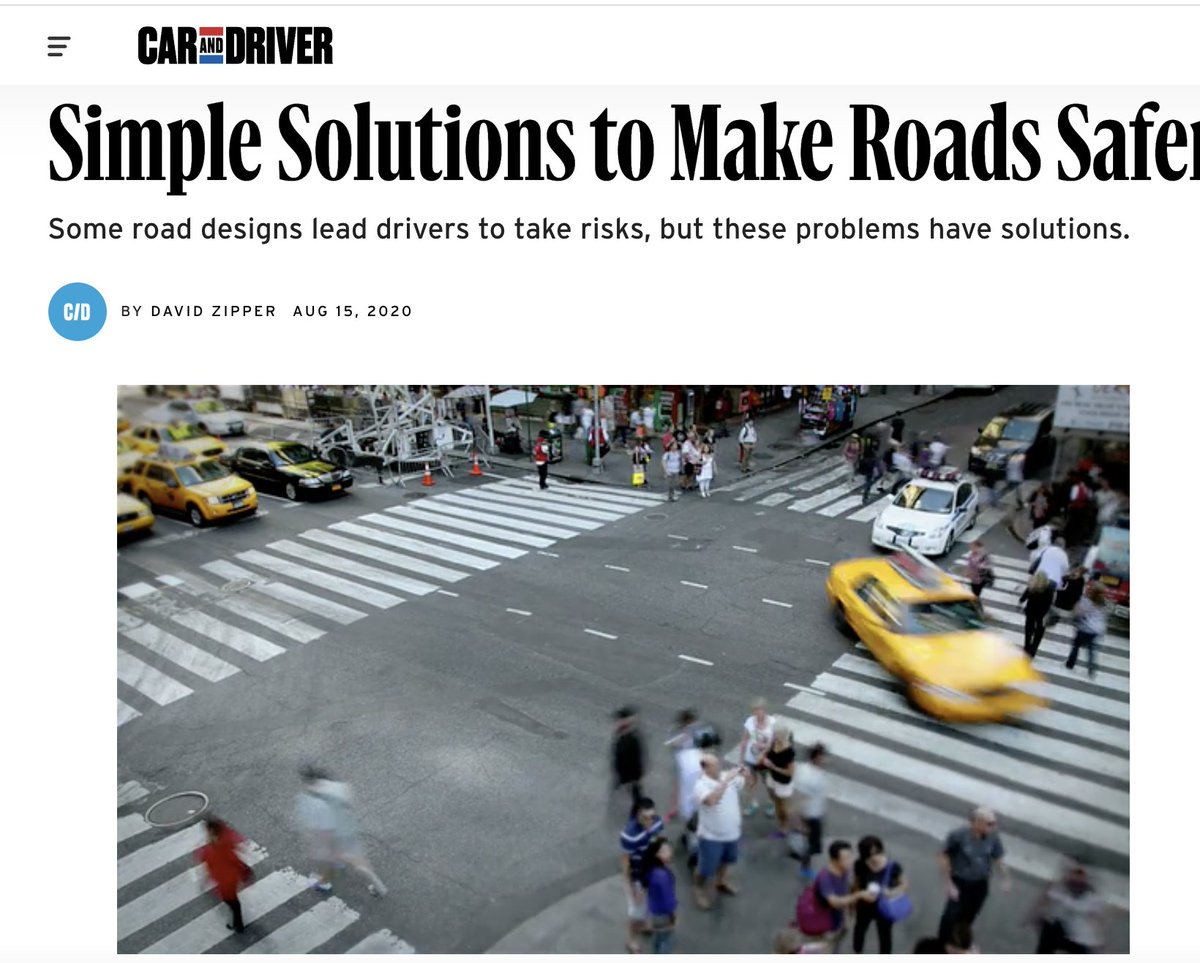
What if the road engineer designed a less confusing intersection? What if the truck wasn’t so heavy or tall? What if the cyclist had a protected bike lane?
Focusing solely on human error ignores questions like these.
caranddriver.com/features/a3360…
Focusing solely on human error ignores questions like these.
caranddriver.com/features/a3360…
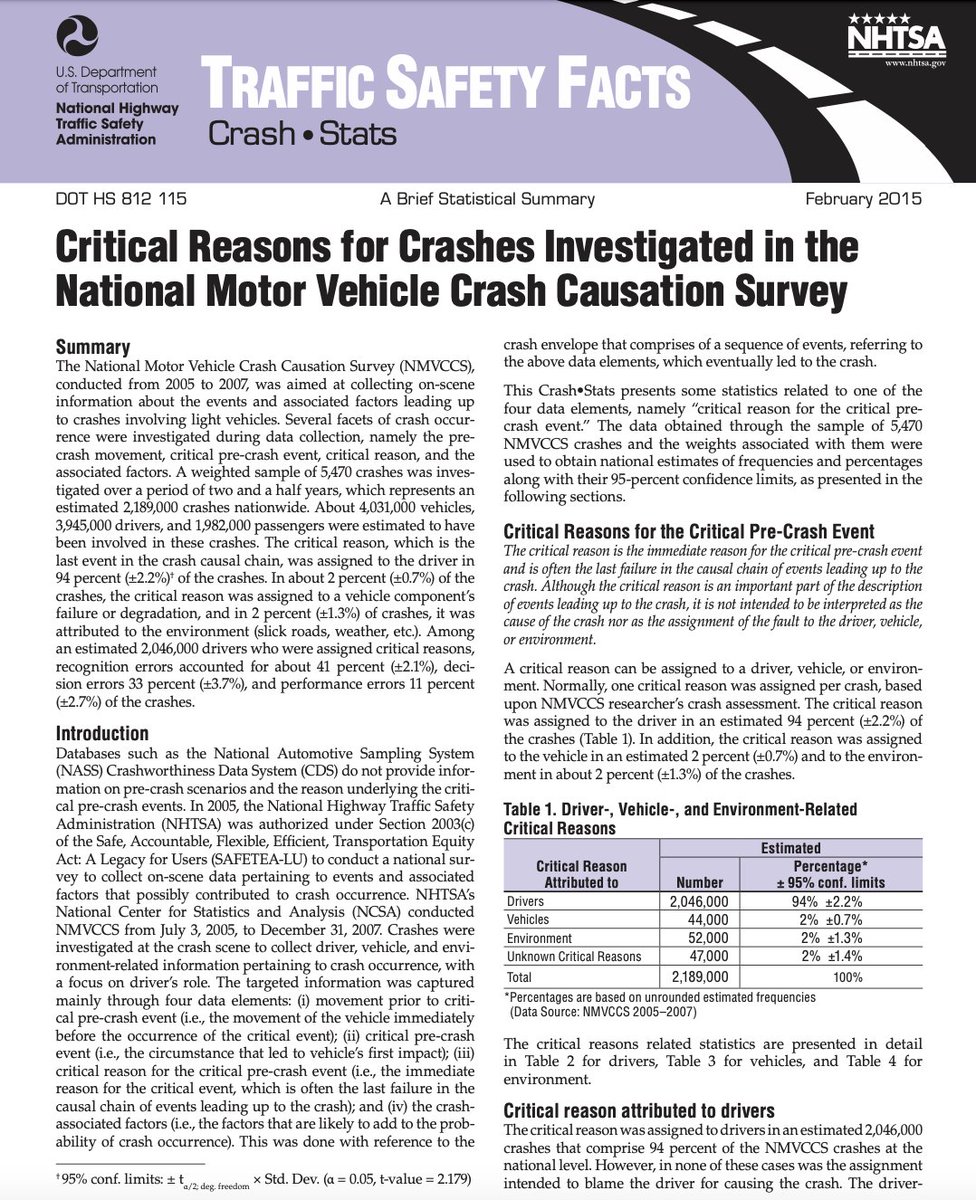
.@NHTSAgov, the road safety agency, gave birth to the 94% myth.
In a 2015 memo, NHTSA called human error “the critical factor” in 94% of crashes, defined as "the last failure in the causal chain of events" - NOT a sole cause.
But that context was subsequently ignored.
In a 2015 memo, NHTSA called human error “the critical factor” in 94% of crashes, defined as "the last failure in the causal chain of events" - NOT a sole cause.
But that context was subsequently ignored.
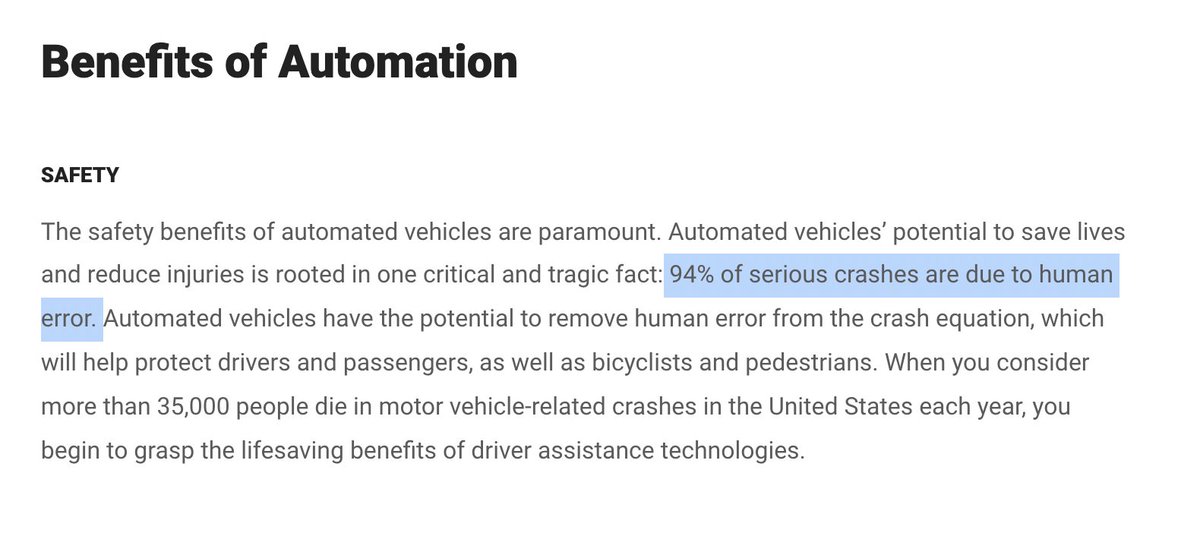
Now, NHTSA’s own website states, simply and misleadingly, that “94% of serious crashes are due to human error.” nhtsa.gov/technology-inn…
Ex-@USDOT secretary Elaine Chao has repeated the 94% myth too: fortune.com/2017/02/26/tru…
Ex-@USDOT secretary Elaine Chao has repeated the 94% myth too: fortune.com/2017/02/26/tru…
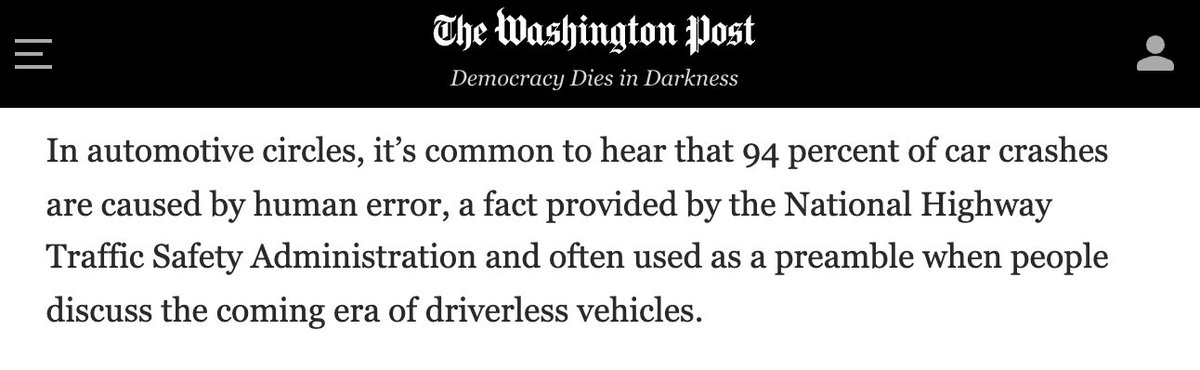
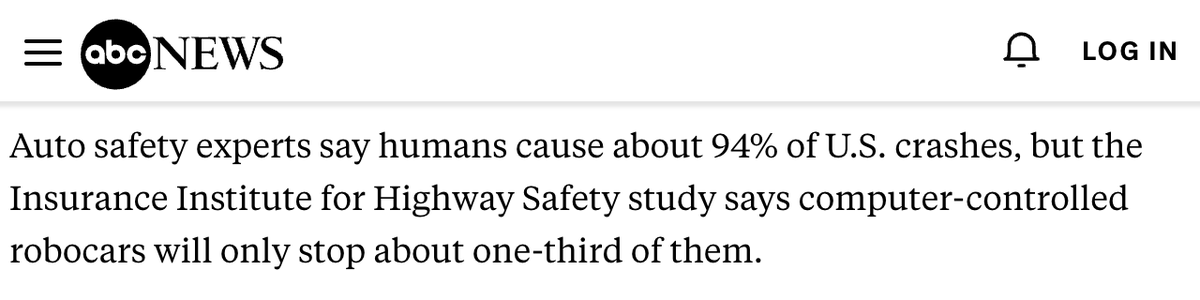
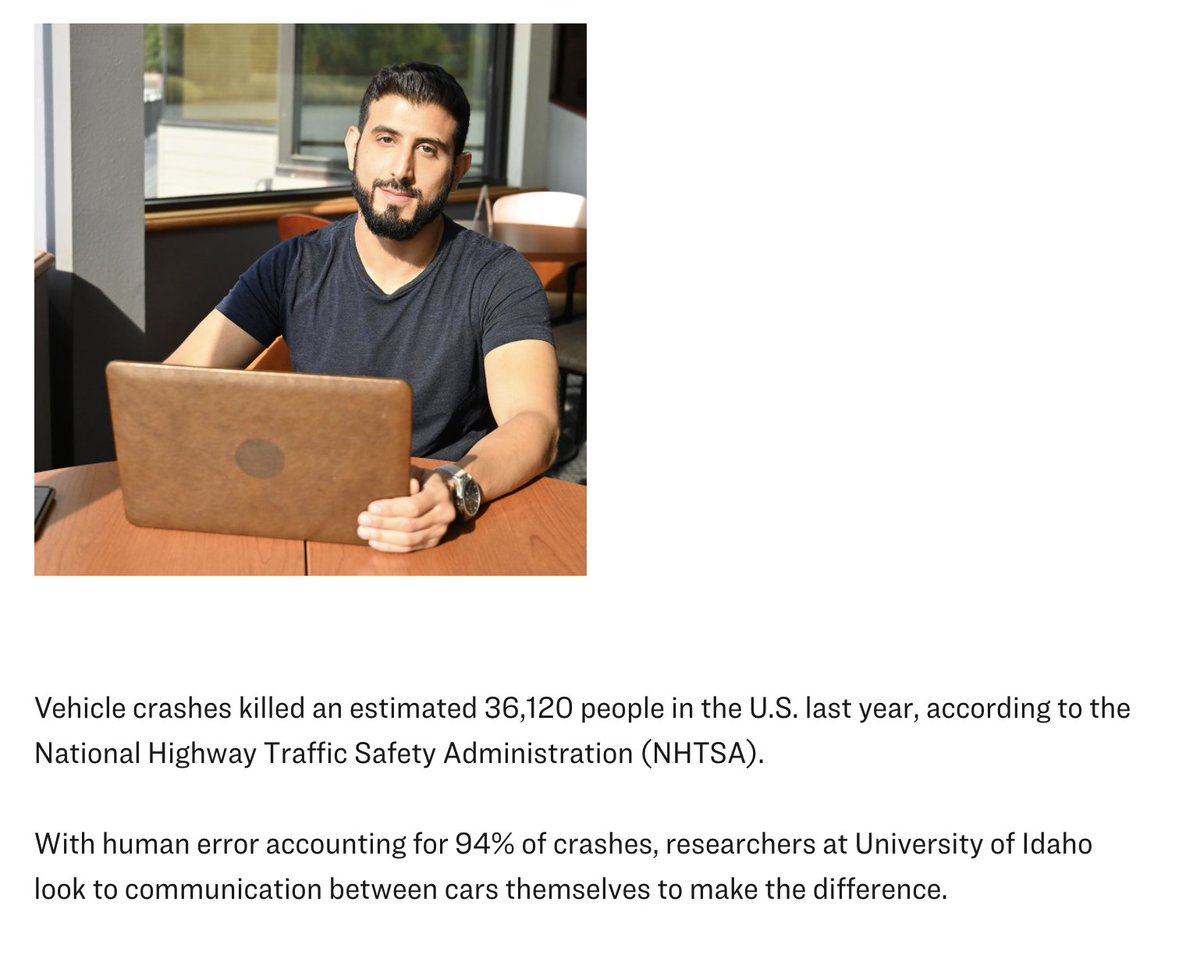
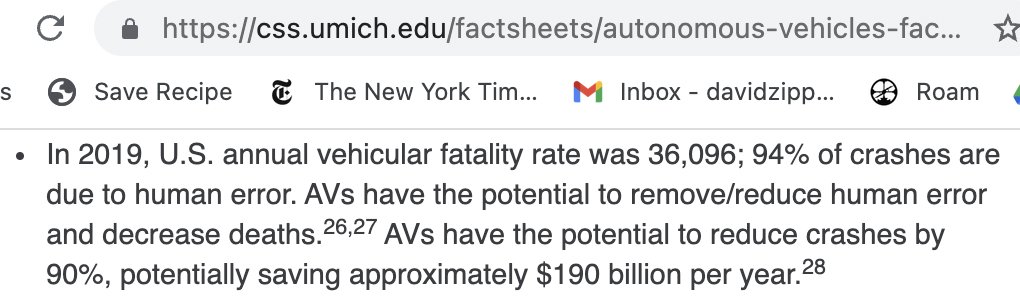
With USDOT’s apparent blessing, journalists and academics have helped the 94% myth go viral.
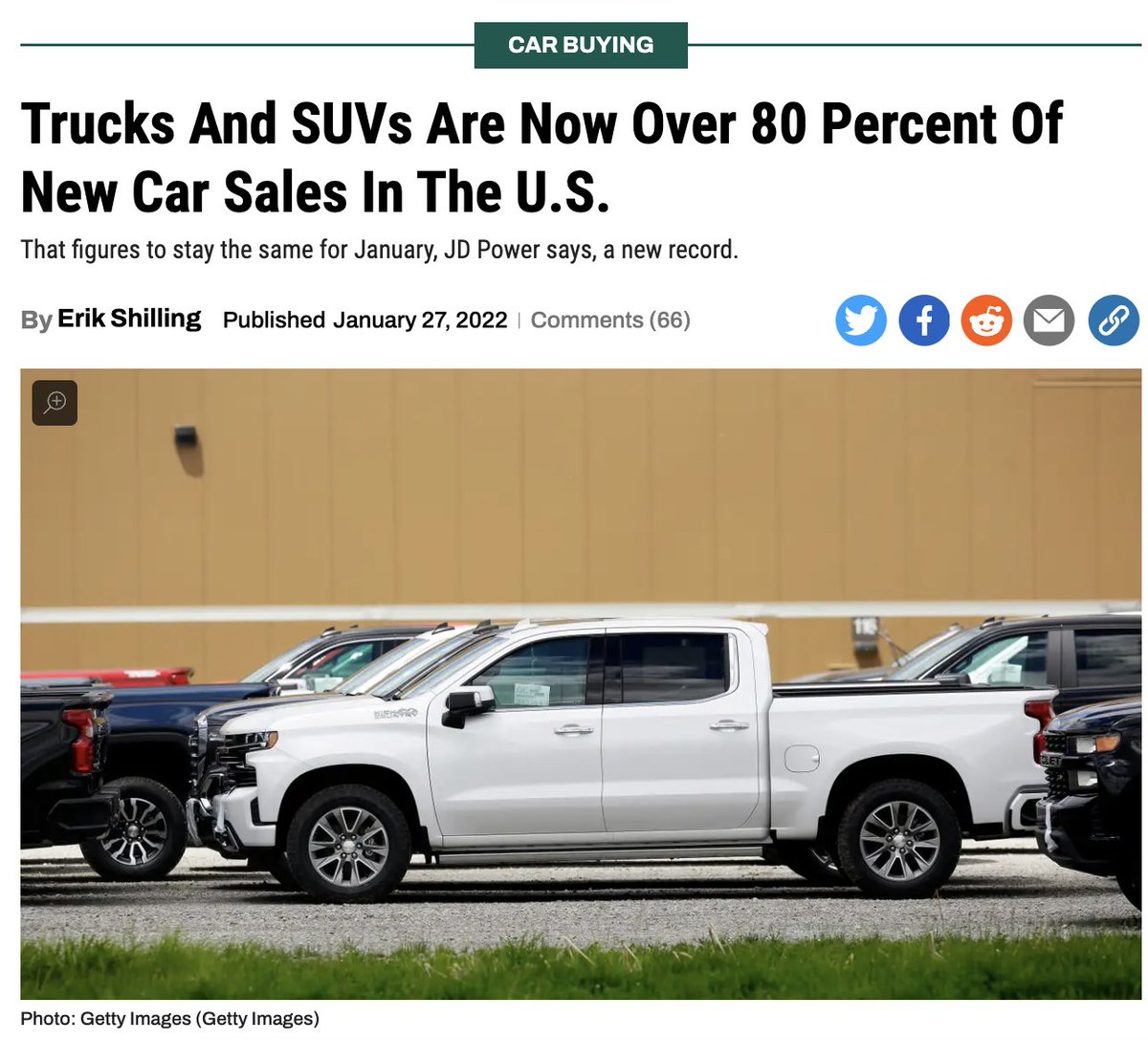
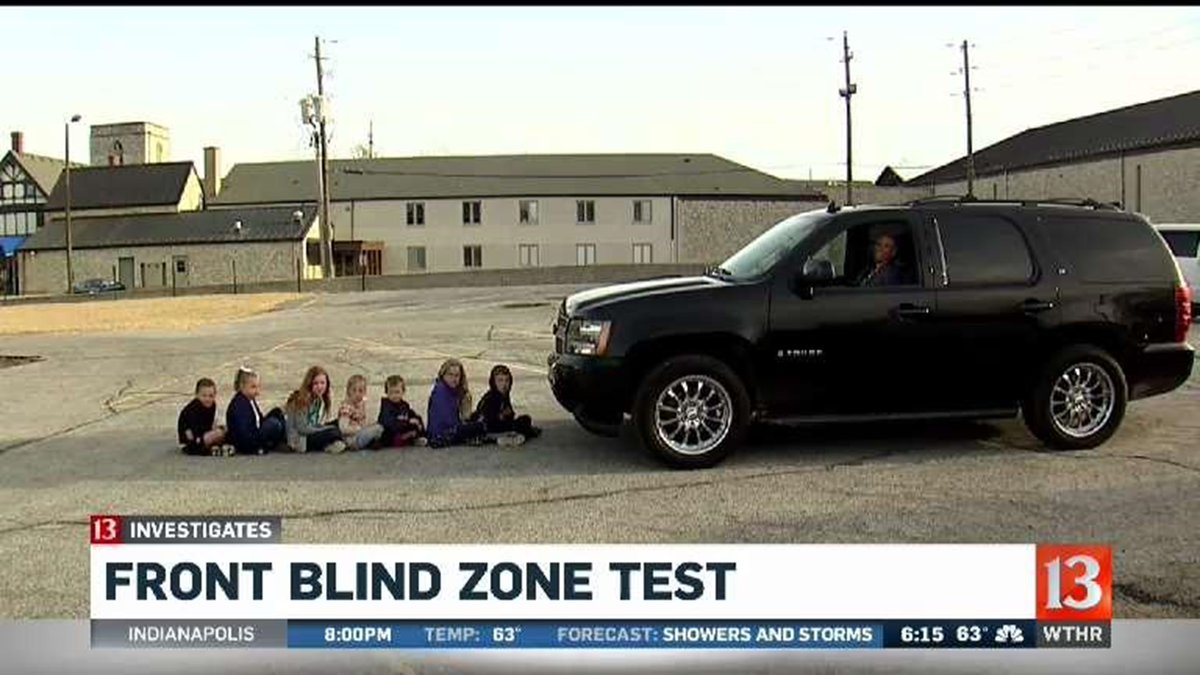
Blaming human error is useful for carmakers, who escape scrutiny for building ever-larger SUVs and trucks that endanger other street users.
It also helps them sidestep criticism for refusing to offer safety tech features across all their models.
wthr.com/article/news/i…
It also helps them sidestep criticism for refusing to offer safety tech features across all their models.
wthr.com/article/news/i…
Even more than carmakers, autonomous vehicle companies have embraced the 94% myth. It underpins their claim that AVs will make crashes a thing of the past.
That's not going to happen.
That's not going to happen.
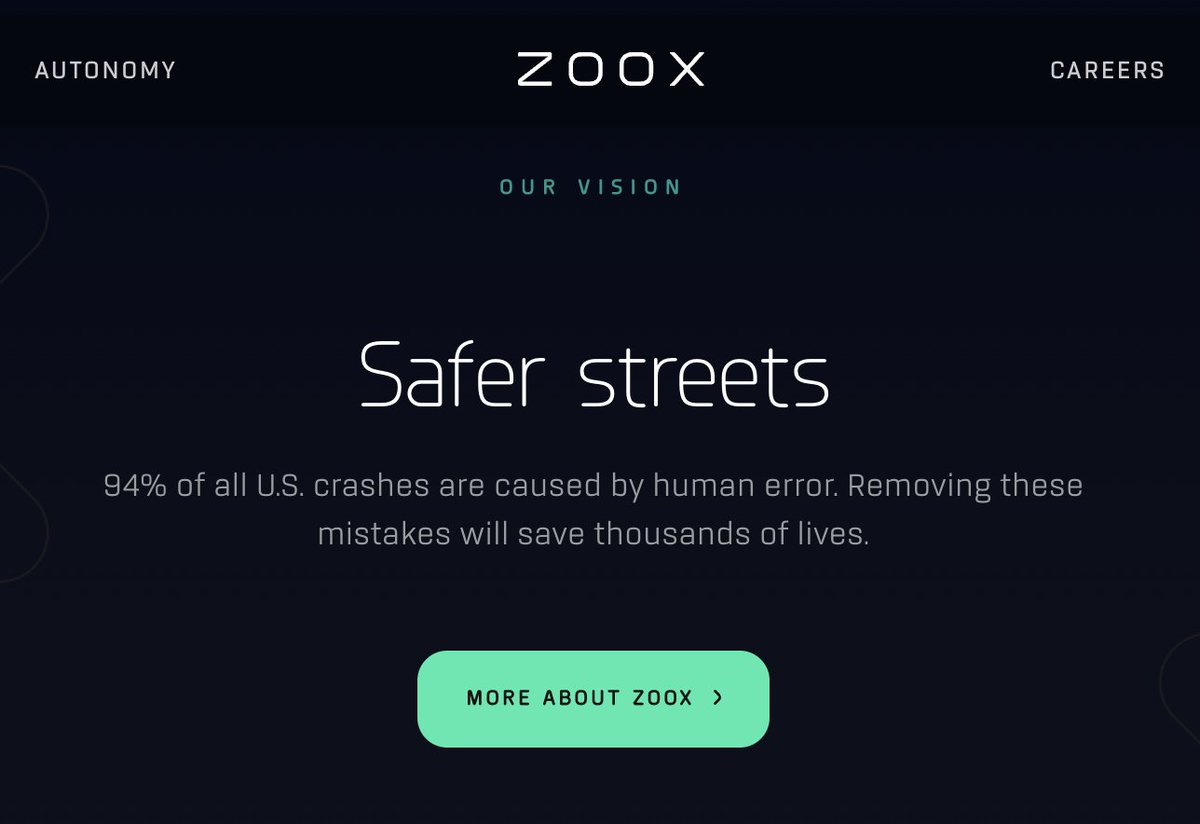
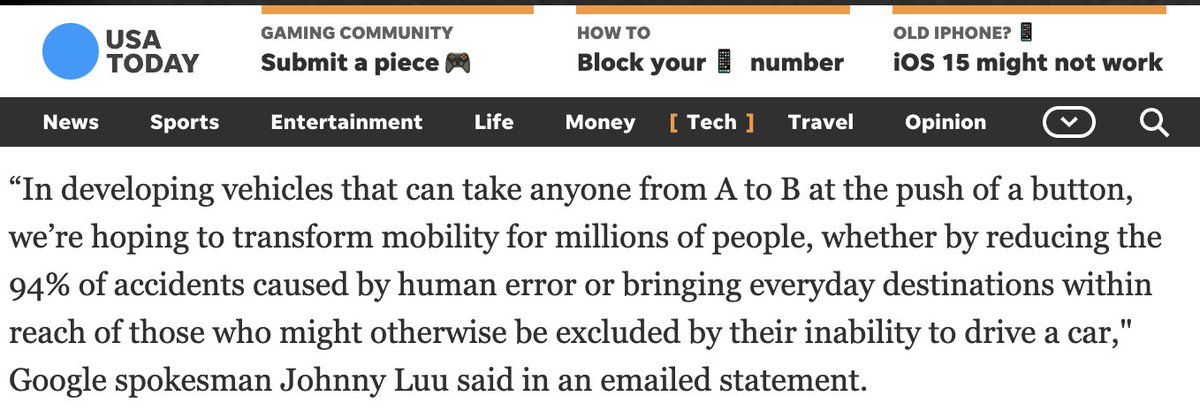
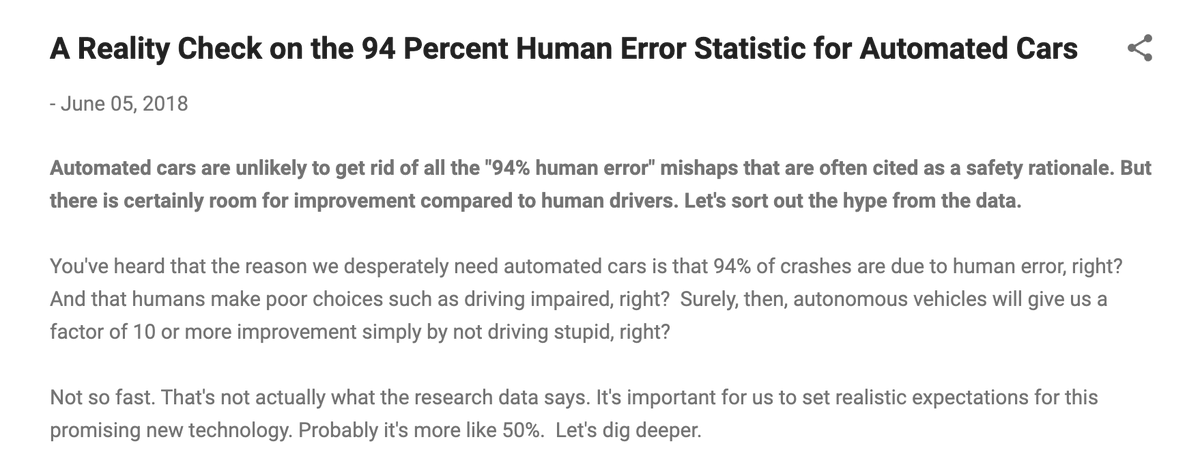
As Carnegie Mellon prof @PhilKoopman has shown, AV companies vastly exaggerate their potential to reduce crashes. AVs make mistakes too. safeautonomy.blogspot.com/2018/06/a-real…
Focusing on AVs distracts us from steps we could take *right now* to improve safety, like adjusting road & car design.
Focusing on AVs distracts us from steps we could take *right now* to improve safety, like adjusting road & car design.
Worse, pinning blame on human error lets state transportation departments off the hook.
By targeting road users, state DOTs ignore their own responsibility to design safer streets and roads.
By targeting road users, state DOTs ignore their own responsibility to design safer streets and roads.
https://twitter.com/TxDOT/status/1291148224120541184?s=20
The predictable result: A road safety industry that pours millions of public dollars into “education campaigns,” implying that if people would be more careful, the crashes would cease.
The value of these efforts is dubious at best.
denver.cbslocal.com/2019/09/04/gia…
The value of these efforts is dubious at best.
denver.cbslocal.com/2019/09/04/gia…
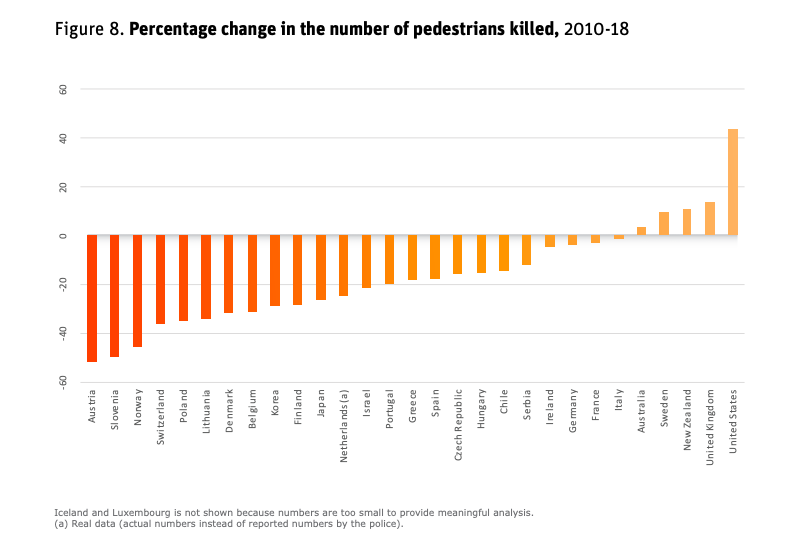
As the USA downplays the danger of unsafe cars and infrastructure, the national traffic fatality rate is rising - and surging for pedestrians/cyclists. Meanwhile, Europe and East Asia have shown steady declines.
Chart from @ITF_Forum: itf-oecd.org/road-safety-an…
Chart from @ITF_Forum: itf-oecd.org/road-safety-an…
What should the USA do? First, follow NTSB Chair @JenniferHomendy's suggestion and dump the 94% myth.
That should start with NHTSA, which gave birth to it.
That should start with NHTSA, which gave birth to it.
https://twitter.com/JenniferHomendy/status/1445159115370733574
Rather than pour money into wasteful education campaigns, focus on designing safer cars and streets.
Europeans created Vision Zero as a way to examine all crash causes - but in the USA it's turned into an empty catch phrase and an excuse for politicians' inaction.
Europeans created Vision Zero as a way to examine all crash causes - but in the USA it's turned into an empty catch phrase and an excuse for politicians' inaction.
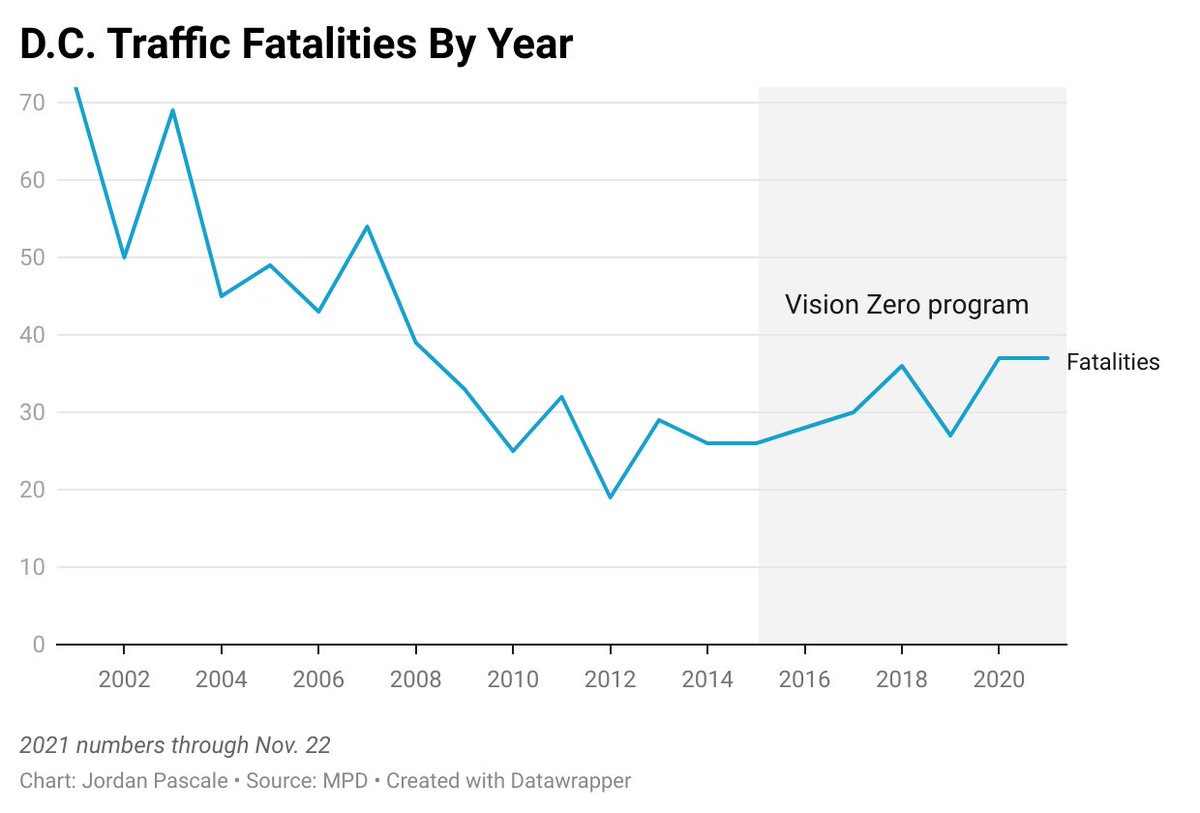
Where possible, shift crash investigations away from police - who instinctively search for a person to blame -and toward local DOT staff trained to find dangerous infrastructure.
That’s what NYC is starting to do.
nyc.streetsblog.org/2021/03/25/pas…
That’s what NYC is starting to do.
nyc.streetsblog.org/2021/03/25/pas…
Update the New Car Assessment Program (the one with crash test dummies) to evaluate risk posed to pedestrians and cyclists. The EU, Japan, and Australia already do this.
(This change was included in the infra. bill, and NHTSA should get moving.)
bloomberg.com/news/articles/…
(This change was included in the infra. bill, and NHTSA should get moving.)
bloomberg.com/news/articles/…
Finally, all of us should challenge claims that a crash was caused by the speeding driver, the jaywalking pedestrian, or the helmetless cyclist.
Look deeper - and search for contributing factors.
Safer roads begin when we stop blaming road users alone.
theatlantic.com/ideas/archive/…
Look deeper - and search for contributing factors.
Safer roads begin when we stop blaming road users alone.
theatlantic.com/ideas/archive/…
• • •
Missing some Tweet in this thread? You can try to
force a refresh