Handy thing you might not know: all @dubcilib Dublin libraries have a home energy saving test kit, which you can take out for free (as you would a book)
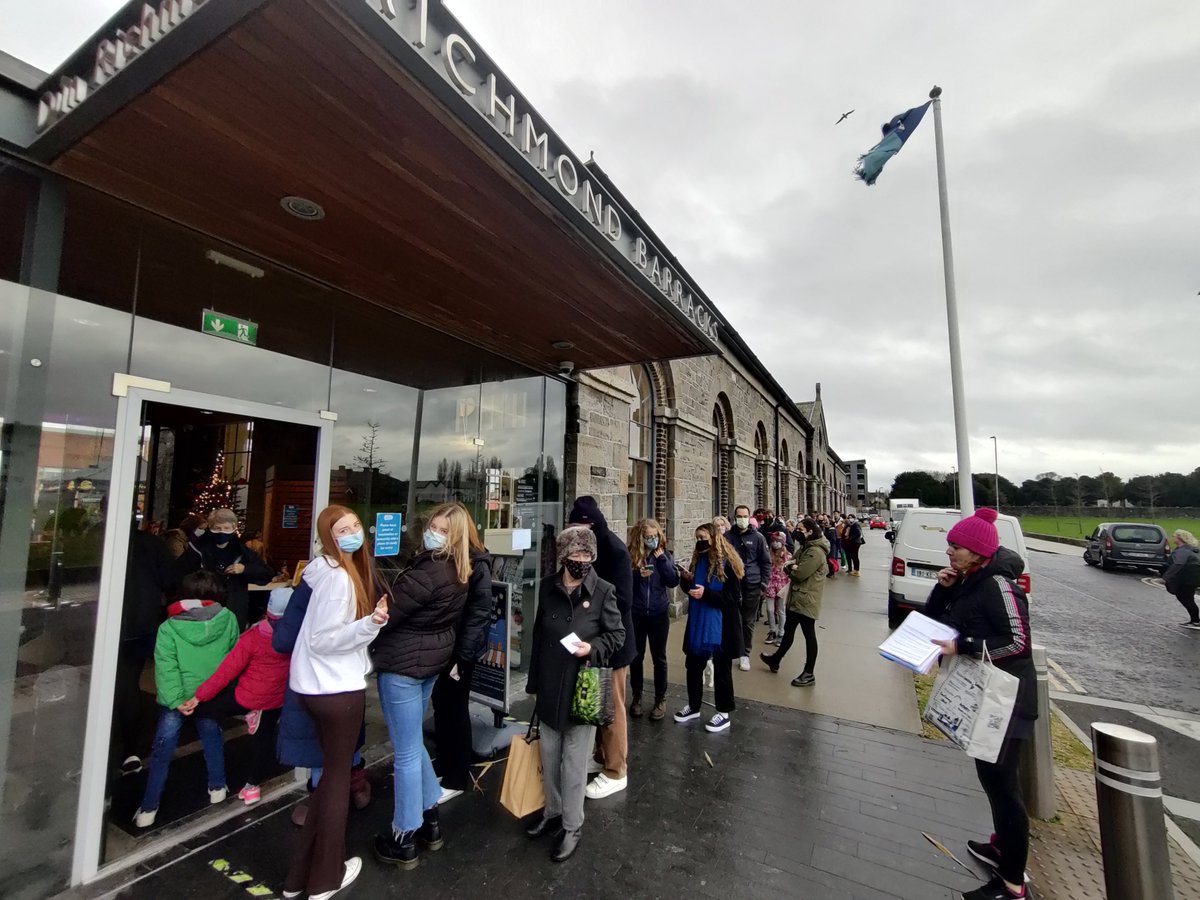
I picked it up in Inchicore library in the stormy winds (pictured, for no reason) and gave it a go.
Thread on what's in it:
I picked it up in Inchicore library in the stormy winds (pictured, for no reason) and gave it a go.
Thread on what's in it:

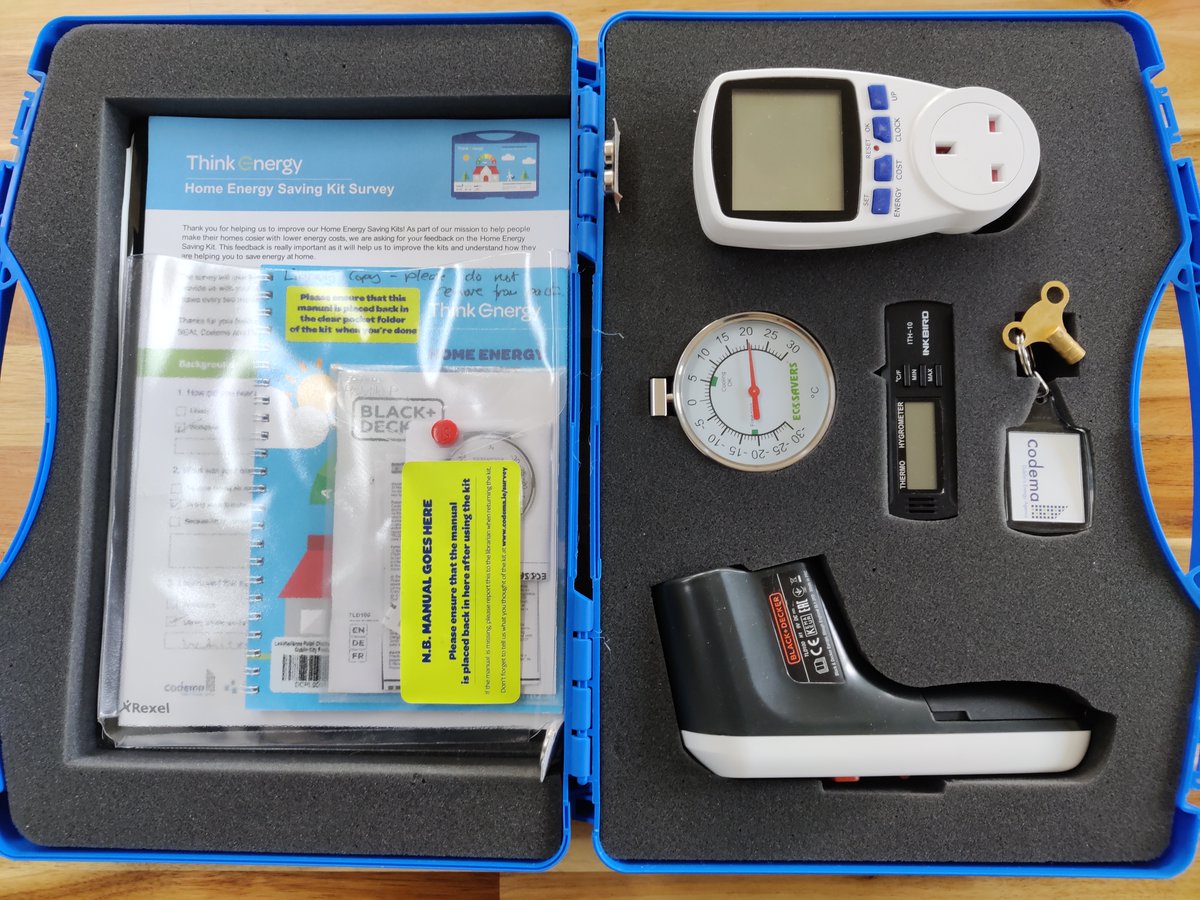
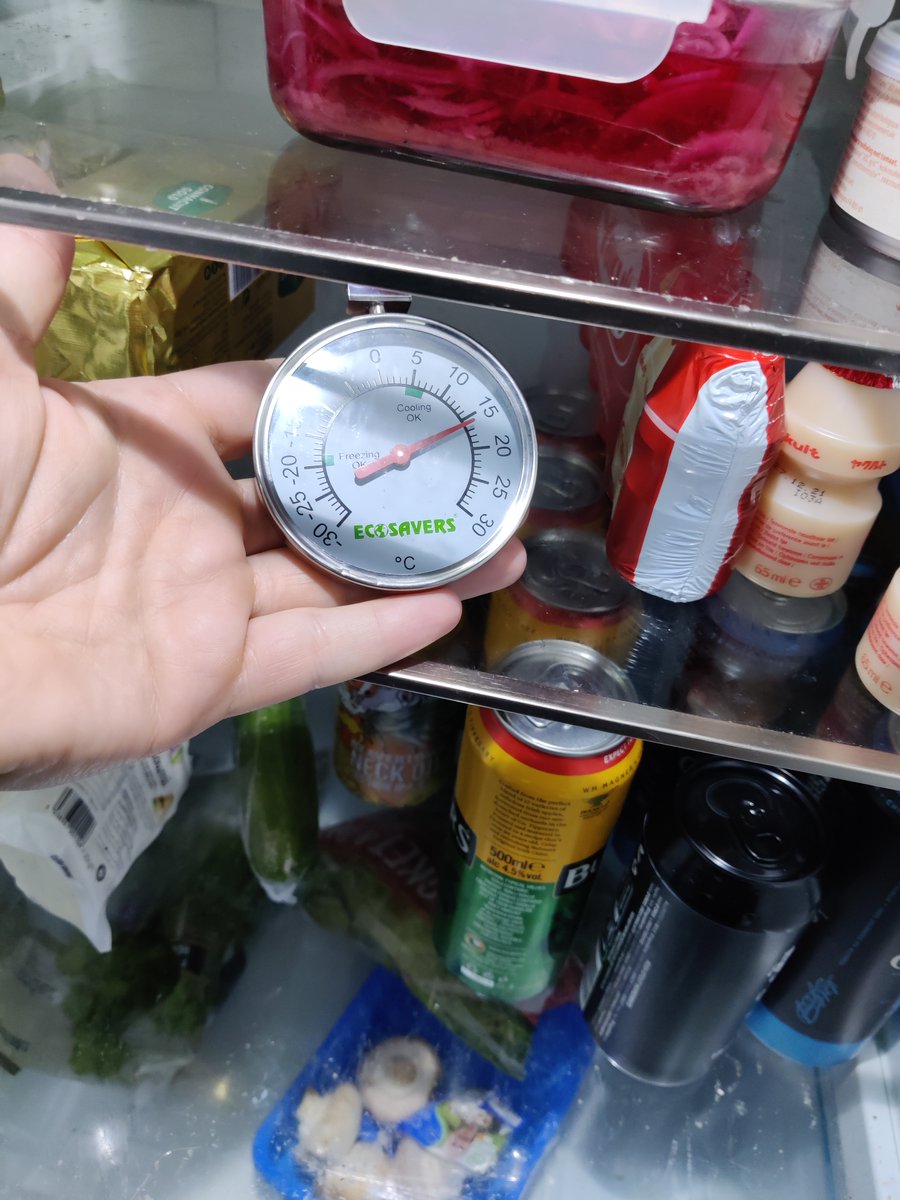
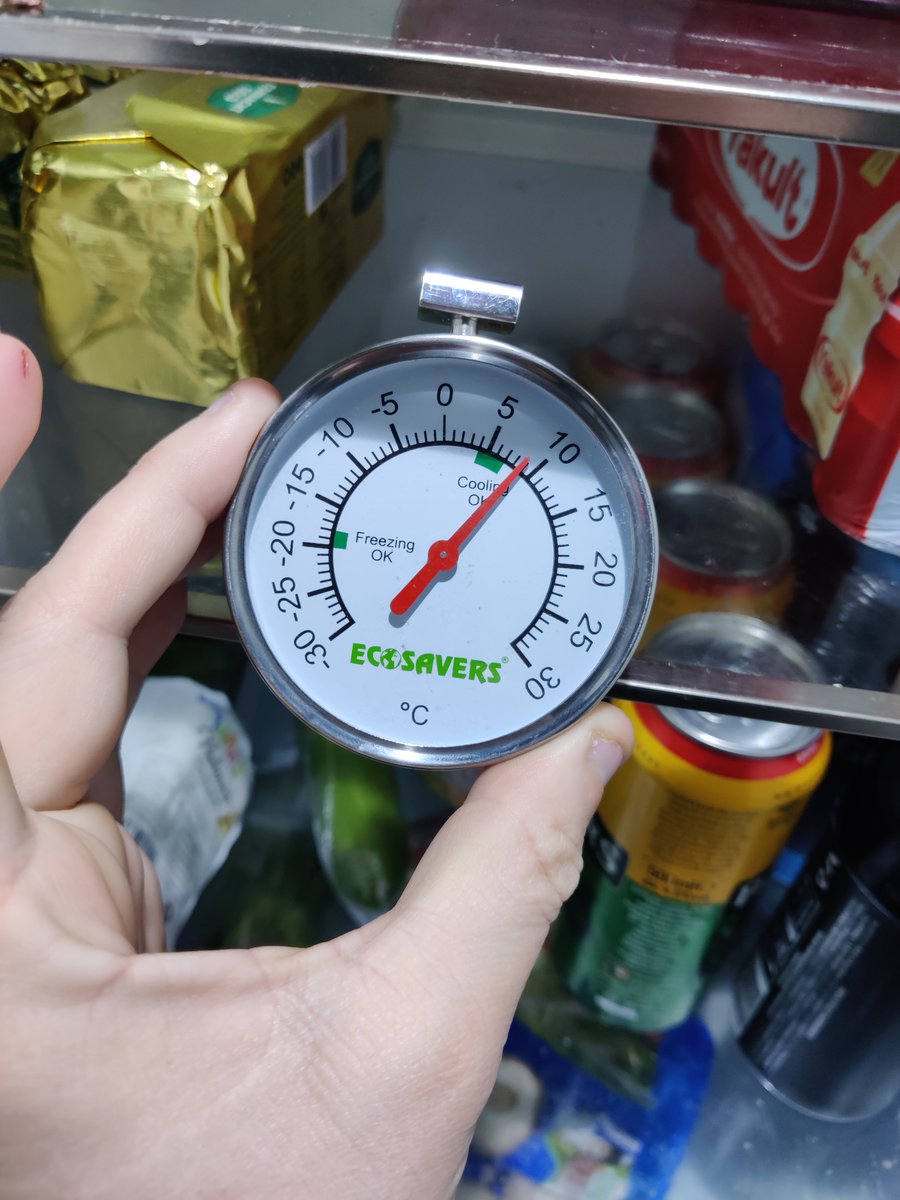
The first bit I used was a fridge/freezer thermometer. You pop it in for 30 minutes and it'll tell you the actual temperature inside and if you're overusing energy.
Turned out my fridge should be colder, but freezer was about right.
(I'll accept no judgement on fridge contents)
Turned out my fridge should be colder, but freezer was about right.
(I'll accept no judgement on fridge contents)

Second bit was this room thermometer and hygrometer. It tells you the temperature and also the humidity %.
I used it in every room in the house around the same time to see which rooms were getting colder. Largely as I'd thought, but the hall/stairs was really cold.
I used it in every room in the house around the same time to see which rooms were getting colder. Largely as I'd thought, but the hall/stairs was really cold.
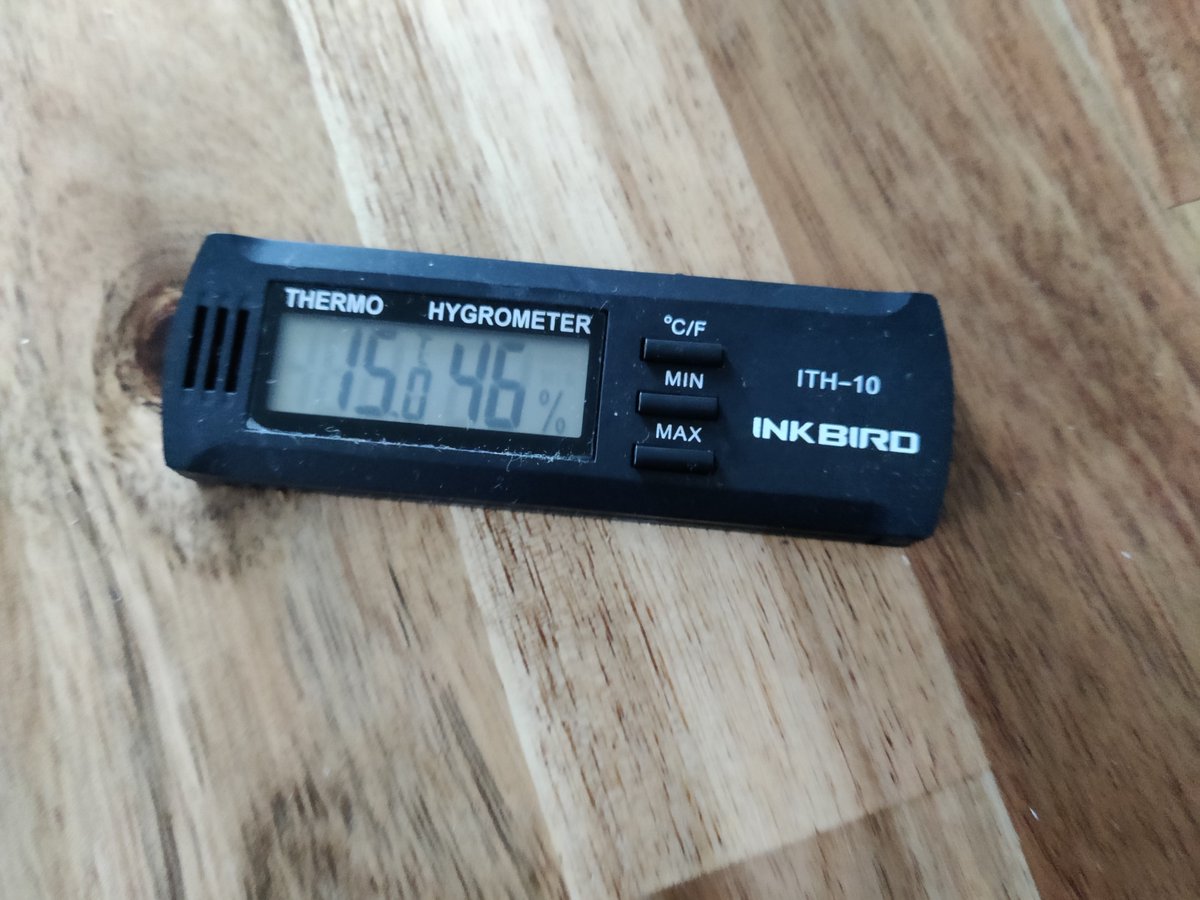
Humidity was fairly even, thankfully. Generally 40%-50% ish, with a higher figure of 62% in bathrooms, which I guess makes sense.
I think humidity is a way of checking general ventilation, and where needs action.
I think humidity is a way of checking general ventilation, and where needs action.
The third bit of the kit was by far the most interesting: a thermal leak detector. It reads the surface temperature of something, using some form of witchcraft.
You set a reference temperature, then shine it around, and it'll tell you where there's a substantial change in temp.
You set a reference temperature, then shine it around, and it'll tell you where there's a substantial change in temp.

Here's a video of it in action. I set the reference temperature on one wall, then shine it on the bit of the door which I suspected of leaking in cold air.
The light goes blue to indicate a big drop, as on the indicator. (Red means increase - when I shine on the radiator.)
The light goes blue to indicate a big drop, as on the indicator. (Red means increase - when I shine on the radiator.)
This was probably the most useful piece in the kit. I was able to confirm the door was letting in a lot of cold, rule out some walls I thought might be leaking heat, and confirm that the vents I thought were shitty were, indeed, shitty.

In terms of practical impact, I suspect this is the most actionable. I'll get some draft excluder stuff for the door and look into the vents to see what I should do there. The previous folks had them stuffed with tea towels, which I imagine would hamper good ventilation too much!
The fourth piece of the kit was a radiator key, which allows you to bleed radiators - let out trapped gas and make sure they're working efficiently.
Apparently the energy savings/efficiencies from bleeding a radiator are *massive*.
Apparently the energy savings/efficiencies from bleeding a radiator are *massive*.

I quickly realised the radiators in my place didn't need a key (they just turn by hand), but it was a useful reminder. Bleeding all the rads in the house, I found two were full of air and the others ok.
This took ten mins for the whole place and was ridiculously easy.
This took ten mins for the whole place and was ridiculously easy.

The last piece of kit was an electricity use monitor plug. It tells you how much power something you plug in uses.
The handy function is to see kWh use over time. I found, for example, that the laptop was using very little energy over an hour. The kettle used a lot in a few mins
The handy function is to see kWh use over time. I found, for example, that the laptop was using very little energy over an hour. The kettle used a lot in a few mins

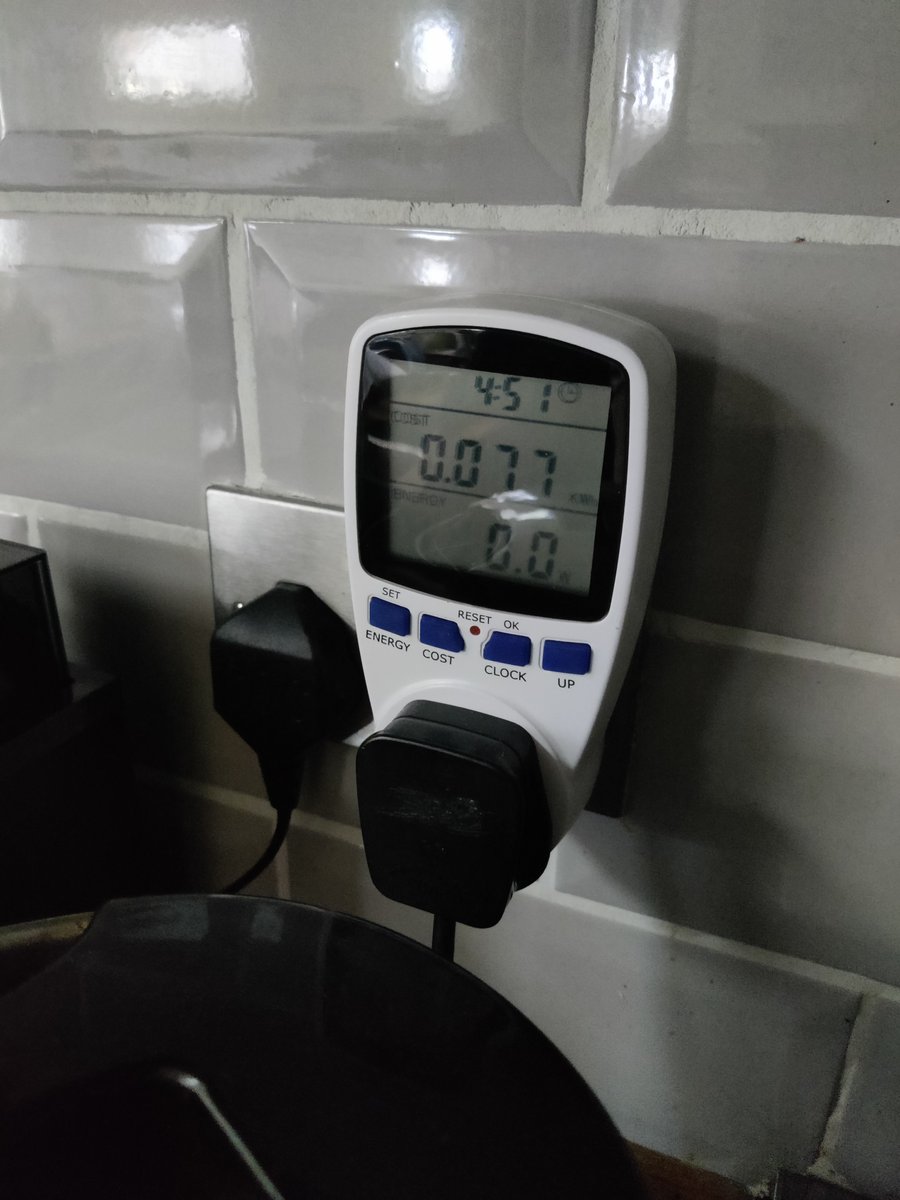
I'd say this would also be good to test overnight on something that's left on standby.
I found this was handy for spotting what things to worry about and what things are fine. Laptop was v efficient - but boiling too much water really adds up. Useful info.
I found this was handy for spotting what things to worry about and what things are fine. Laptop was v efficient - but boiling too much water really adds up. Useful info.
The folks at @CodemaDublin, Dublin's energy agency, also put together a guide for the pack. It's really well done - all relates to exactly the same gear that's in the box and is really simple to understand.
A+ for simple language and good design.
A+ for simple language and good design.
They also include a booklet on other energy-saving tips, which is nice.
When you're googling this stuff, it's sometimes very US or UK focused, and sometimes there's stuff that doesn't really apply. Nice to have something really Dublin/Ireland specific.
When you're googling this stuff, it's sometimes very US or UK focused, and sometimes there's stuff that doesn't really apply. Nice to have something really Dublin/Ireland specific.

I really liked the kit. Definitely worth doing.
A lot of the issues it'll raise are outside of our immediate control, or v expensive to remedy. The energy transition isn't going to be done individually - it's systemic.
But there's still a lot of useful info there to act on.
A lot of the issues it'll raise are outside of our immediate control, or v expensive to remedy. The energy transition isn't going to be done individually - it's systemic.
But there's still a lot of useful info there to act on.
For me, I've got clearer info on the electrical items to be wary of overusing, and the things I don't really have to worry about.
And I have info on where cold air is creeping in, and can get some draft excluding tape to fix that at low cost.
And I have info on where cold air is creeping in, and can get some draft excluding tape to fix that at low cost.
You can find your nearest Dublin City library here: dublincity.ie/residential/li…
All of them should have at least one kit. I think the other Dublin council libraries have them too.
Thanks to @dubcilib and @CodemaDublin for putting this great kit together. Fully recommend!
All of them should have at least one kit. I think the other Dublin council libraries have them too.
Thanks to @dubcilib and @CodemaDublin for putting this great kit together. Fully recommend!
(If you're thinking of getting the one in Inchicore/Richmond Barracks, I still have it! But will likely drop it back on Thursday or Friday!)
• • •
Missing some Tweet in this thread? You can try to
force a refresh