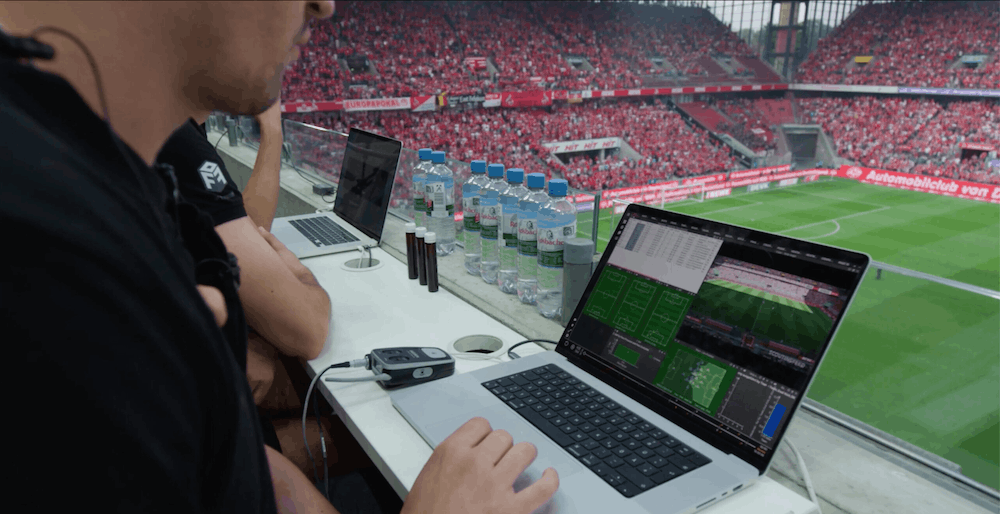
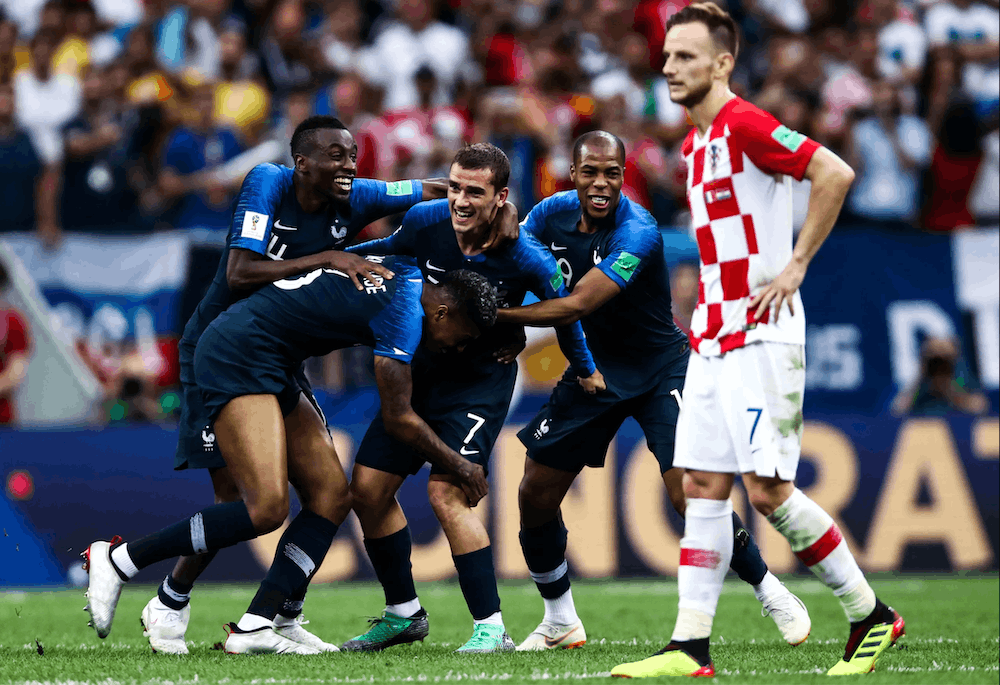
Team intentions serve as principles that guide individual actions.
These team intentions are what make a team 'click', they form the foundation of team communication, they align individuals to a greater goal.
Often this is misunderstood but, Guardiola explains 🧵👇
These team intentions are what make a team 'click', they form the foundation of team communication, they align individuals to a greater goal.
Often this is misunderstood but, Guardiola explains 🧵👇

Jorge Valdano: Coaches have more and more power and players less freedom. Do you agree?
Guardiola: No, I completely disagree. No, Absolutely not.
Valdano: You don’t think that the method is taking control of the player?
Guardiola: No, I completely disagree. No, Absolutely not.
Valdano: You don’t think that the method is taking control of the player?

Pep: "The method is about everyone knowing what we're trying to do. I’ve never taken any freedom away from any player. The method is ‘we’re all going in this way, understanding in this way, in this place or that place we’re going to do this thing.’ I don’t see it more than this."

🗣"Imagine, “play whatever you want, do whatever you want”, it would be chaos. In modern football, total chaos."

🗣 "Players can’t have the freedom to make decisions in each moment without having the collective direction. One player is great alongside another player. One player on their own is nothing."

🗣 "What we try to do is with the use of the method, the idea, enhance the individual abilities of each player based on what we have observed.
It’s not saying, 'you play here, you don’t move from here, you don’t do this, you don’t do that.' No, I’ve never done that."
It’s not saying, 'you play here, you don’t move from here, you don’t do this, you don’t do that.' No, I’ve never done that."

🗣 "In the end, in a game where there is so much uncertainty, we give them some security to do something and to give them something that is much more controlled in their minds, not only for us coaches but for them too."

🗣 "With our method, or whatever you want to call it, we want to give possible solutions to that uncertainty that the game always has. We want to give players the security that within what will happen, they will be able to solve it."

🗣 "From there, if the player has the ball and the defender is there or there or there, their decision can’t be controlled. It’s completely their decision."

As you can see, Guardiola sees the value in aligning individuals through a collective direction. These team intentions serve as the possible team solutions to certain situations that the game presents.
They never should tell the player what to decide.
They never should tell the player what to decide.
Aristotle said, "The whole is greater than the sum of the parts... things which have several parts and in which the totality is not a mere heap, but the whole is something beyond."
By providing collective direction, the players become more than what they could be separate.
By providing collective direction, the players become more than what they could be separate.
As cliche as it may sound, this is the beauty of teamwork.
However, this can only be accomplished when the team intentions are set and the individual's autonomy is respected, which results in individuals' actions bringing to life those team intentions.
However, this can only be accomplished when the team intentions are set and the individual's autonomy is respected, which results in individuals' actions bringing to life those team intentions.
And that's just the first step 😉
We also need to be able to identify game situations that players will face, prepare players for those situations based on team intentions, and repeat the process.
We also need to be able to identify game situations that players will face, prepare players for those situations based on team intentions, and repeat the process.
If you've enjoyed this thread, go back to the top and share it with your network.
https://twitter.com/IJaSport/status/1476908509870452739
• • •
Missing some Tweet in this thread? You can try to
force a refresh