Thread on Actor William Smith
1/11
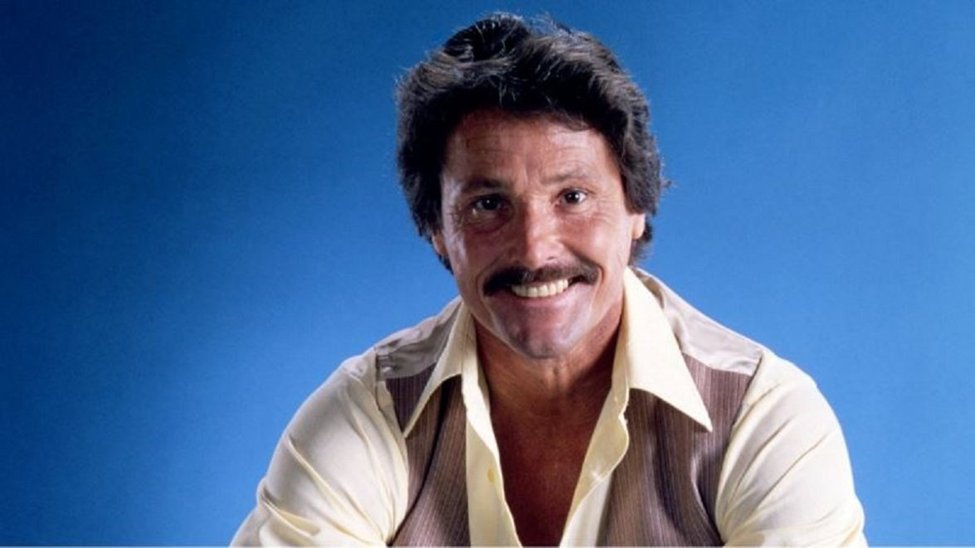
Character actor supreme and Renaissance Man, William Smith, was one of my favorite people in Hollywood.
1/11
Character actor supreme and Renaissance Man, William Smith, was one of my favorite people in Hollywood.
2/
Born in Missouri, in 1933, he grew up on a cattle ranch. He joined the USAF at 18, where he found a talent for languages. He learned Russian, German, French and Serbian, and became a Russian Intercept Interrogator, flying ferret missions over the USSR.
dailykos.com/stories/2018/1…
Born in Missouri, in 1933, he grew up on a cattle ranch. He joined the USAF at 18, where he found a talent for languages. He learned Russian, German, French and Serbian, and became a Russian Intercept Interrogator, flying ferret missions over the USSR.
dailykos.com/stories/2018/1…
3/
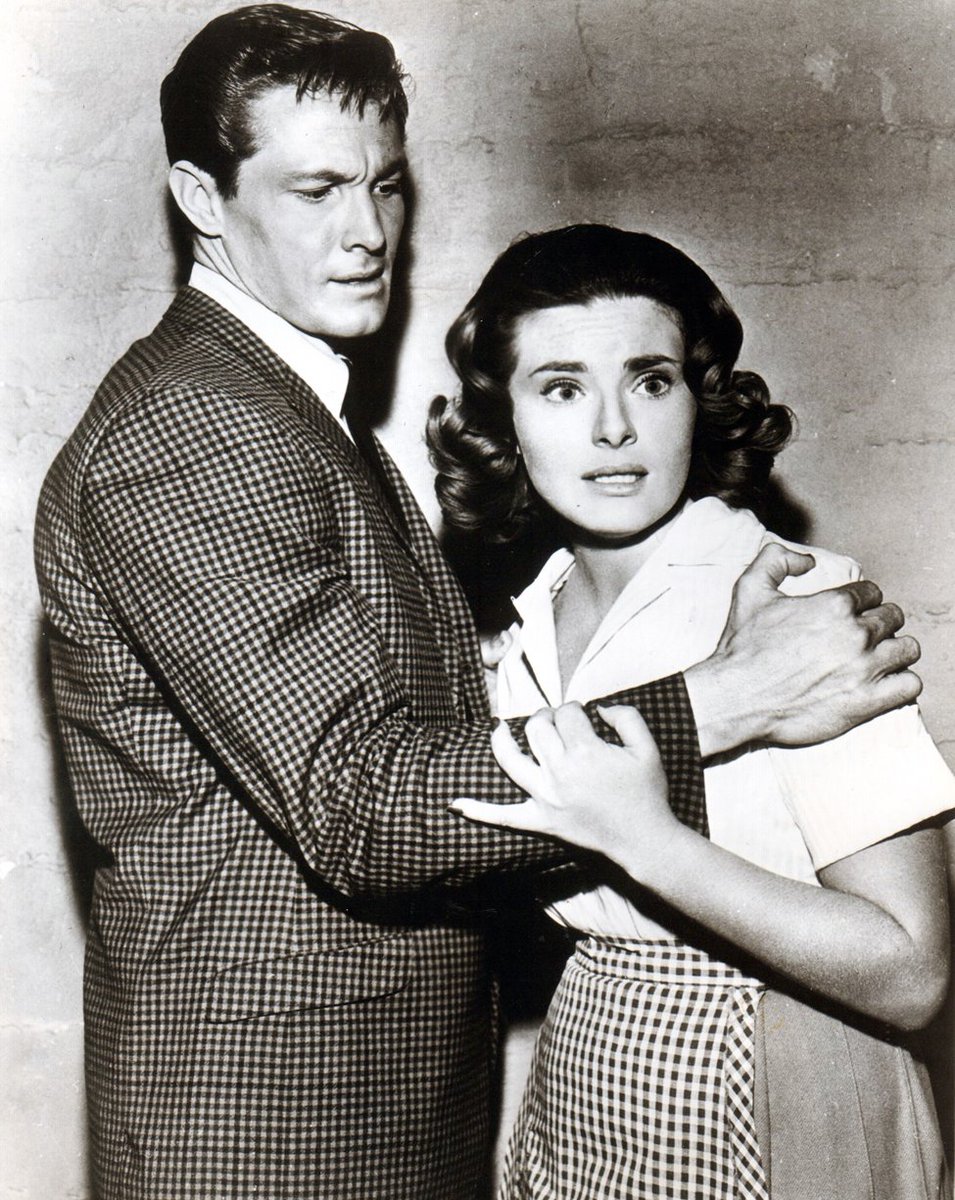
Smith was working on a PhD and a career in gov’t intelligence when he got called for his first big break with MGM. Thus began his prolific acting career. His first, big roles were as a policeman in “The Asphalt Jungle” and a cowboy in “Laredo.”
Smith was working on a PhD and a career in gov’t intelligence when he got called for his first big break with MGM. Thus began his prolific acting career. His first, big roles were as a policeman in “The Asphalt Jungle” and a cowboy in “Laredo.”
4/
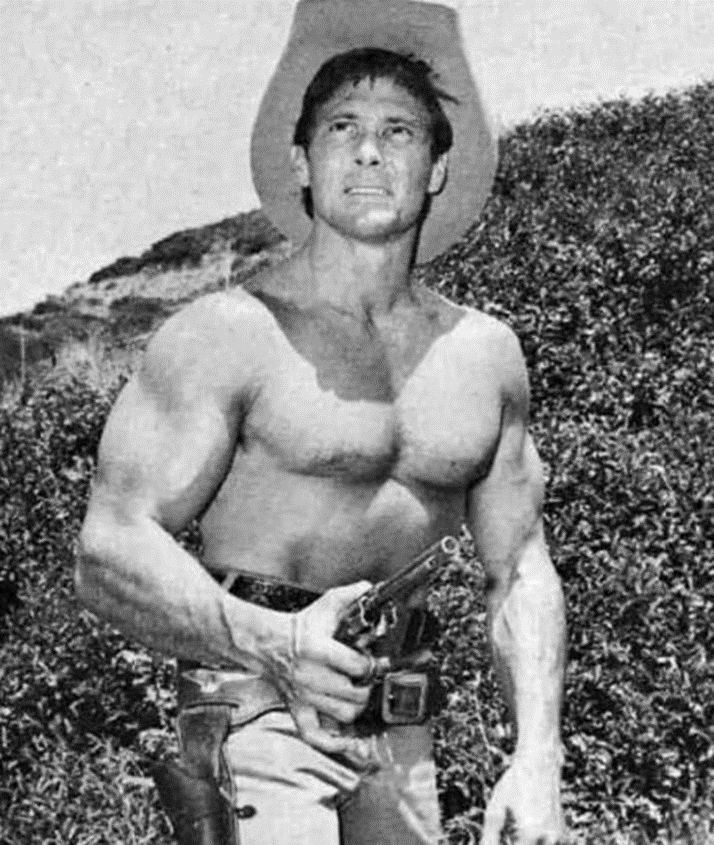
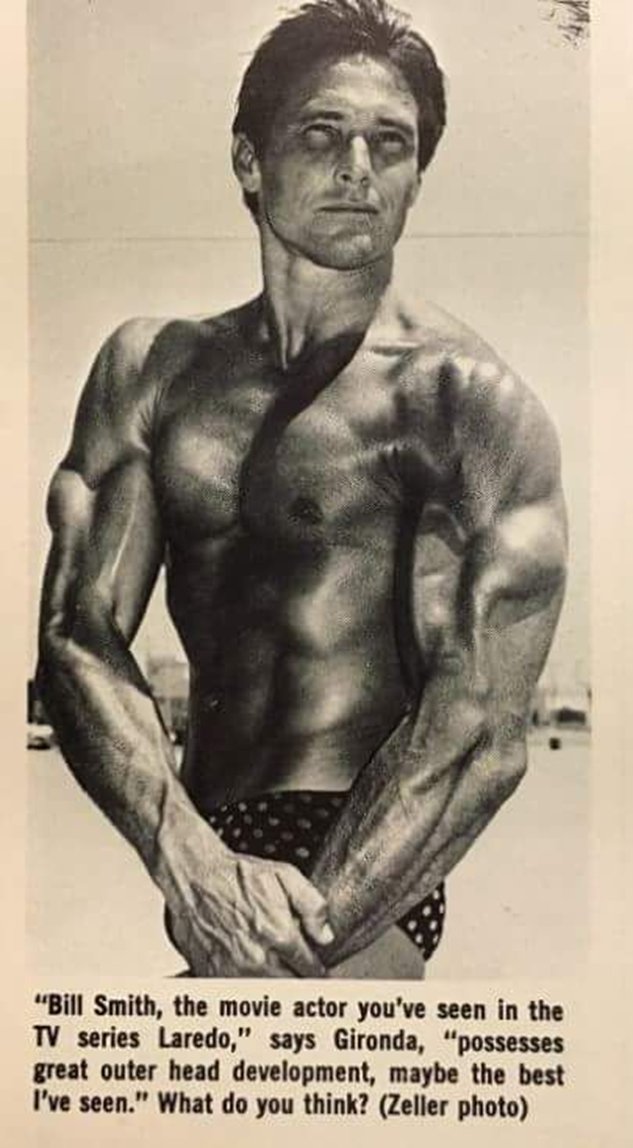
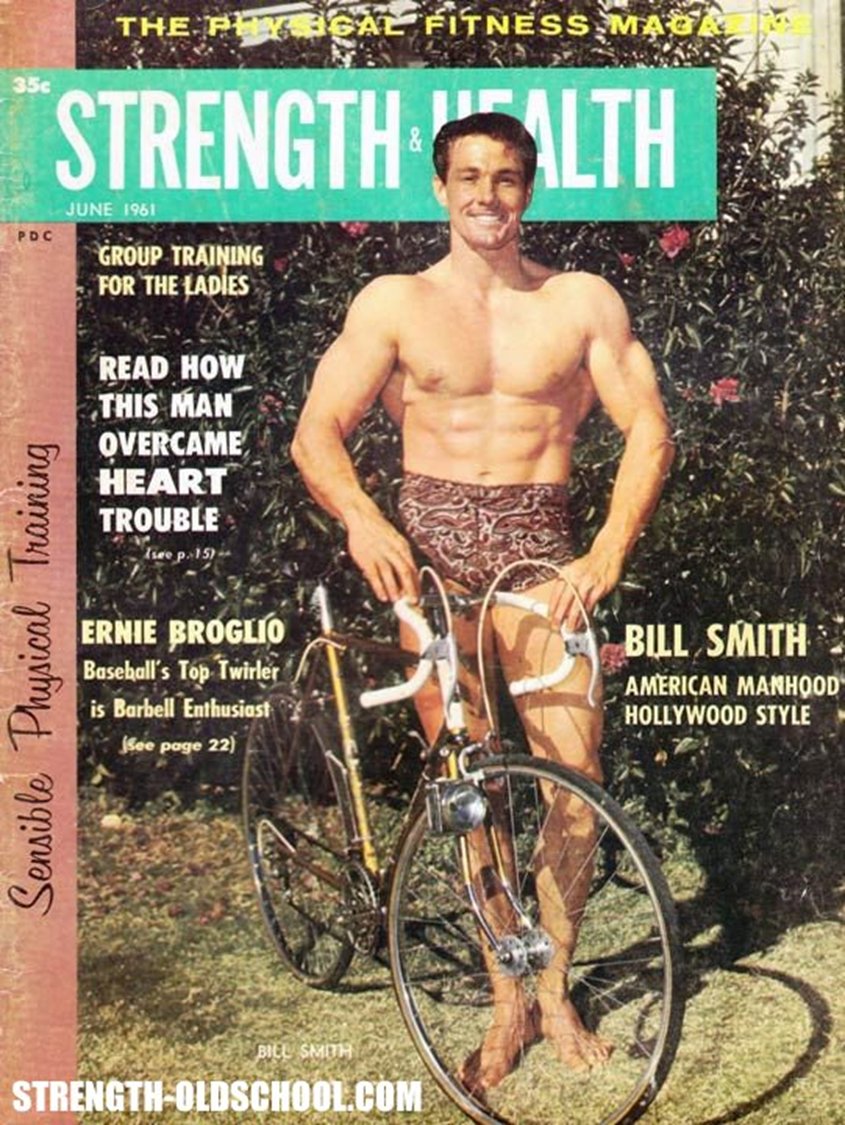
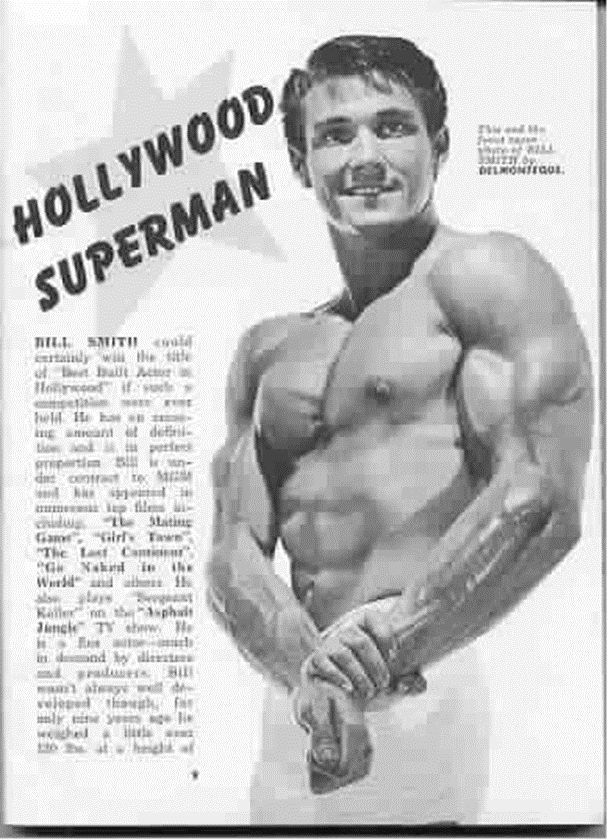
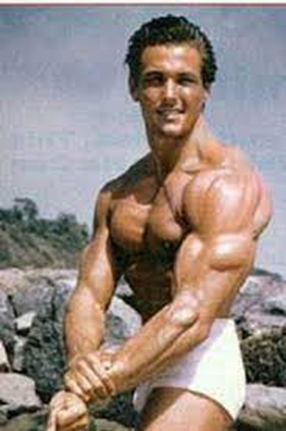
Smith remained admirably fit and appeared in numerous magazines.
Smith remained admirably fit and appeared in numerous magazines.
5/
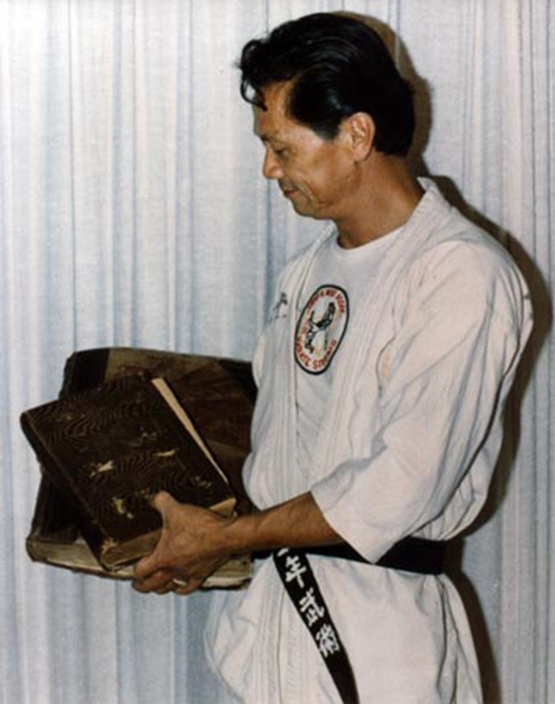
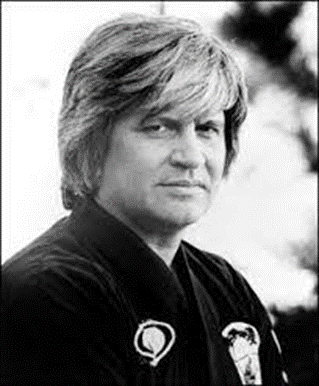
He also studied martial arts: Kung Fu under the tutelage of Jimmy Woo, and Kenpo under Ed Parker Jr.
He also studied martial arts: Kung Fu under the tutelage of Jimmy Woo, and Kenpo under Ed Parker Jr.
6/
Smith achieved some remarkable feats of athleticism during and after the USAF
-31-1 as an amateur boxer
-35 inverted handstand dips at Muscle Beach
-5,100 continuous sit-ups over a 5 hours
-Two-time Arm Wrestling World Champion, 200-lb. class, Petaluma, CA
Smith achieved some remarkable feats of athleticism during and after the USAF
-31-1 as an amateur boxer
-35 inverted handstand dips at Muscle Beach
-5,100 continuous sit-ups over a 5 hours
-Two-time Arm Wrestling World Champion, 200-lb. class, Petaluma, CA
7/
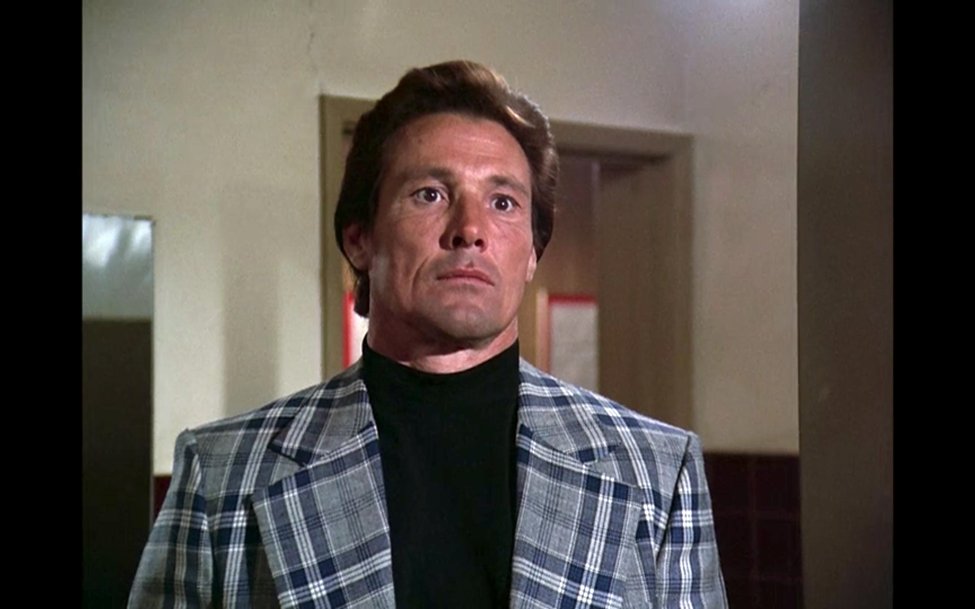
The first role in which I ever saw him was as a goon in the James Garner show, “The Rockford Files.”
The first role in which I ever saw him was as a goon in the James Garner show, “The Rockford Files.”
8/
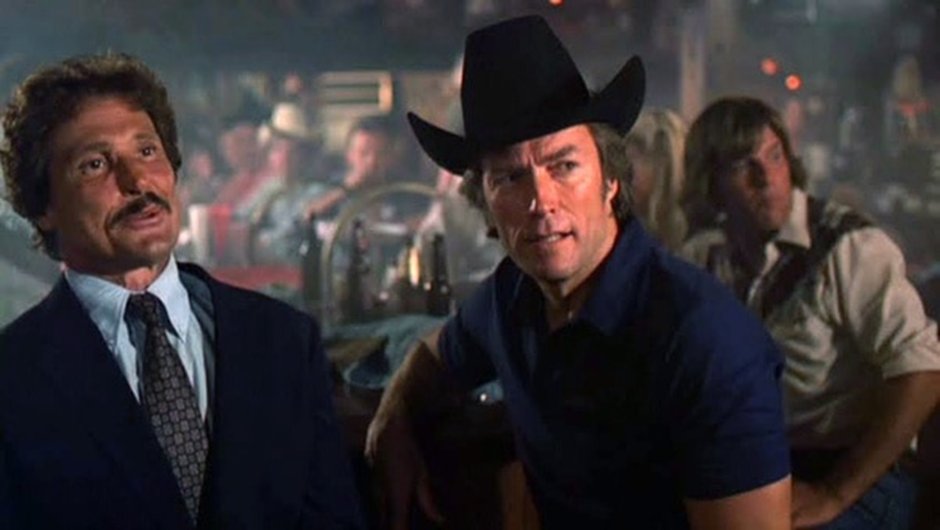
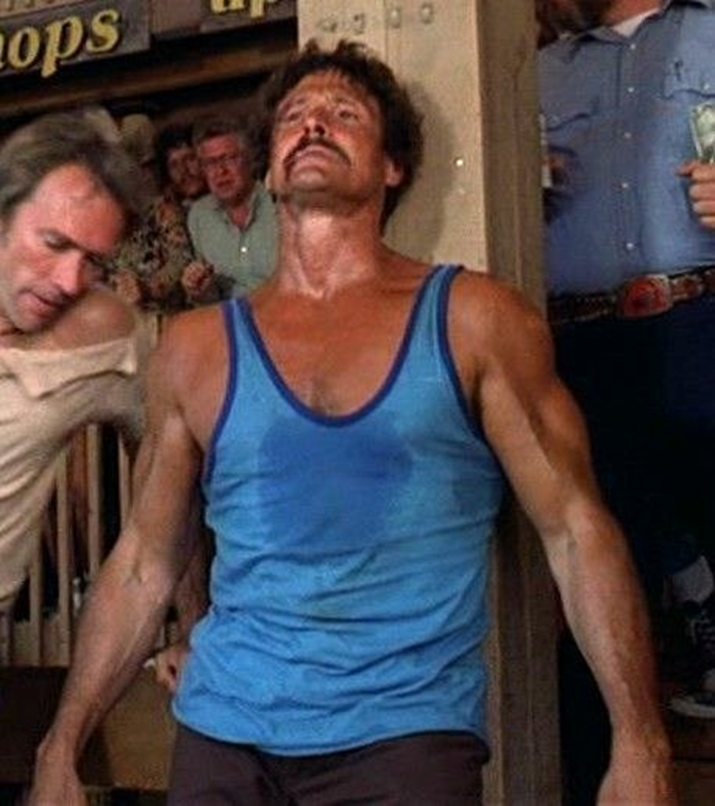
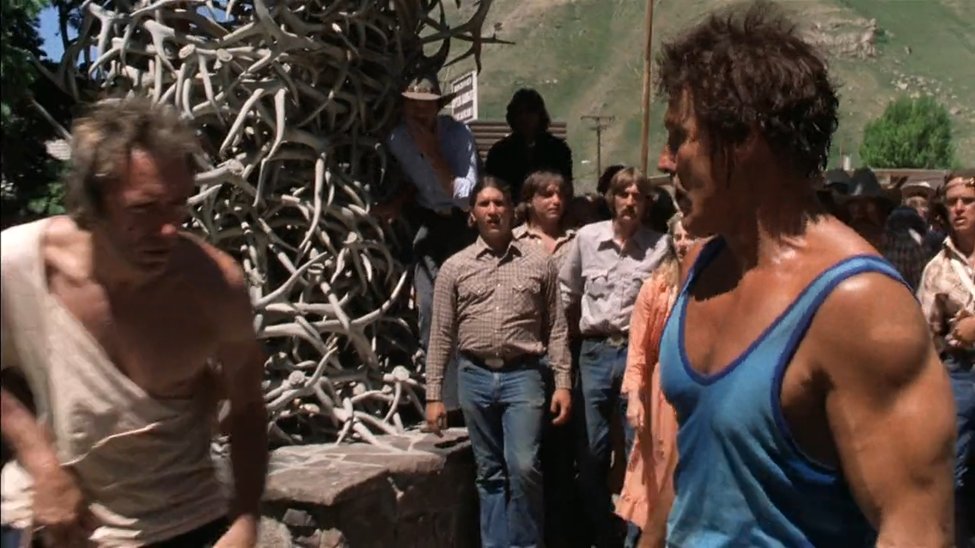
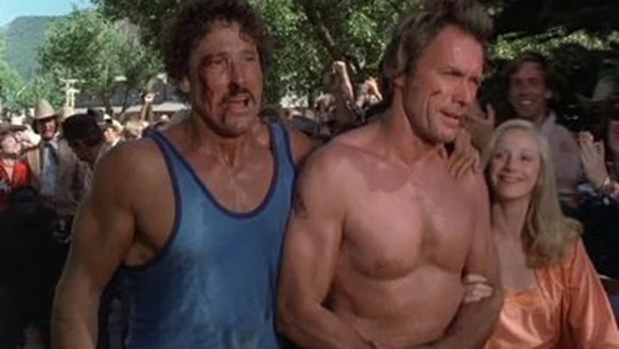
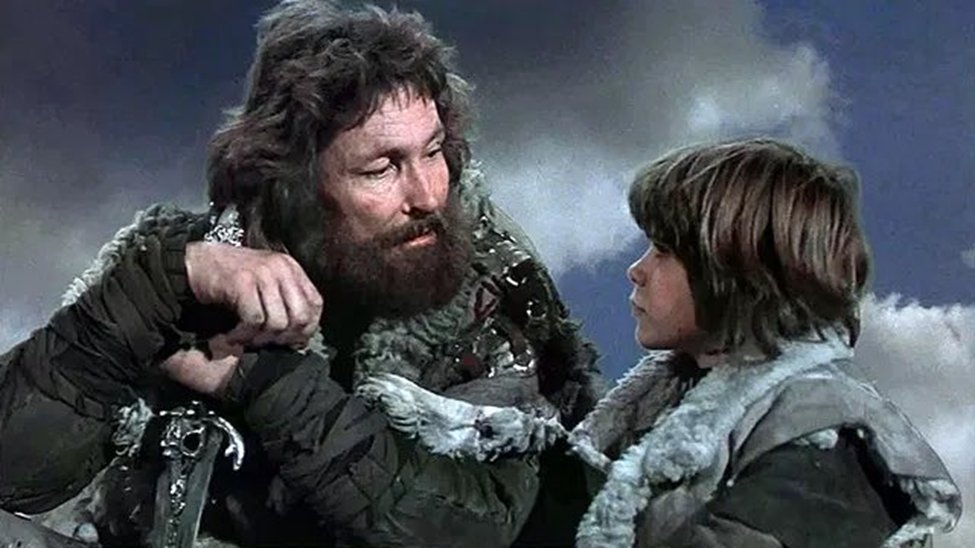
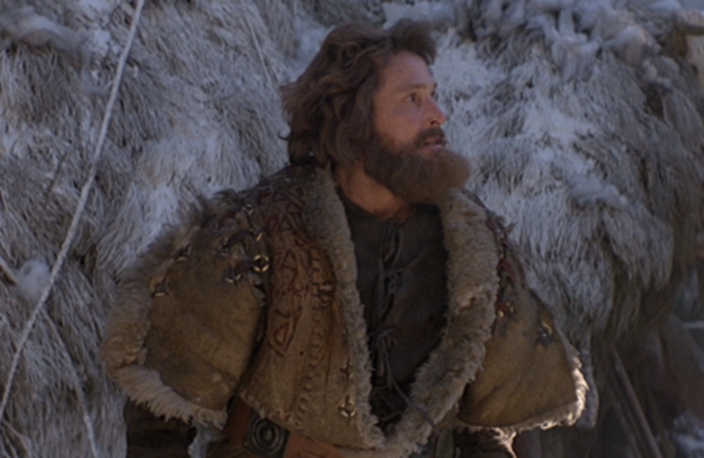
In the 80s, he was in two of my favorite roles:
Jack Wilson, the rival/friend of Clint Eastwood’s Philo Beddoe in “Any Which Way You Can,”
In the 80s, he was in two of my favorite roles:
Jack Wilson, the rival/friend of Clint Eastwood’s Philo Beddoe in “Any Which Way You Can,”
@AmandaMilius 10/
In another Milius film, “Red Dawn,” (1984) Smith played Spetznaz Col. Strelnikov. His Russian was still fluent enough that he spoke all of his own Russian lines in the film (timestamped).
In another Milius film, “Red Dawn,” (1984) Smith played Spetznaz Col. Strelnikov. His Russian was still fluent enough that he spoke all of his own Russian lines in the film (timestamped).
@AmandaMilius 11/end
In the late 1990s, Smith began transitioning into voice acting for animated films and video games. Sadly, he passed away in July, 2021, at age 88.
They don’t make them like him anymore.
In the late 1990s, Smith began transitioning into voice acting for animated films and video games. Sadly, he passed away in July, 2021, at age 88.
They don’t make them like him anymore.
• • •
Missing some Tweet in this thread? You can try to
force a refresh