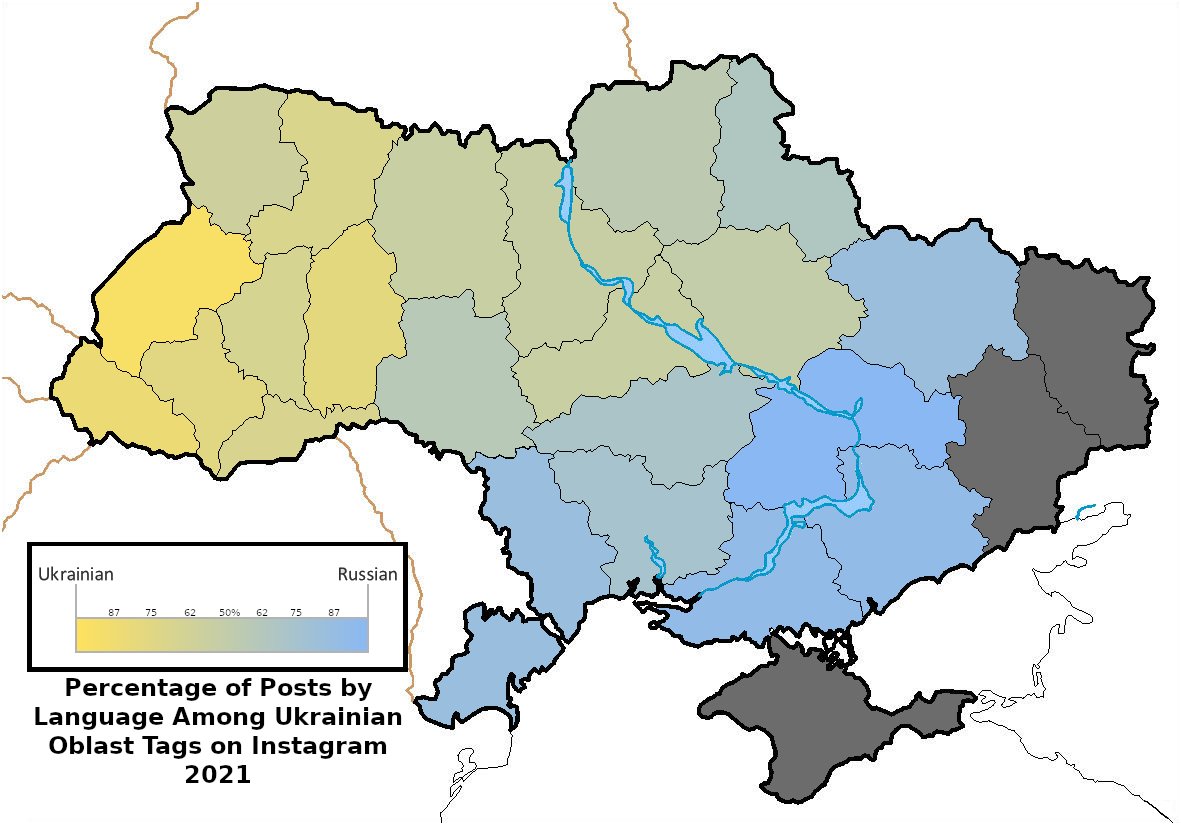
A small research project I did on demonstrated language use of Ukrainians on social media (Instagram). I calculated the percentage of what language posts were in each of Ukraine's oblasts.
Overall, results displayed a higher use of Russian than Ukrainian.
Overall, results displayed a higher use of Russian than Ukrainian.
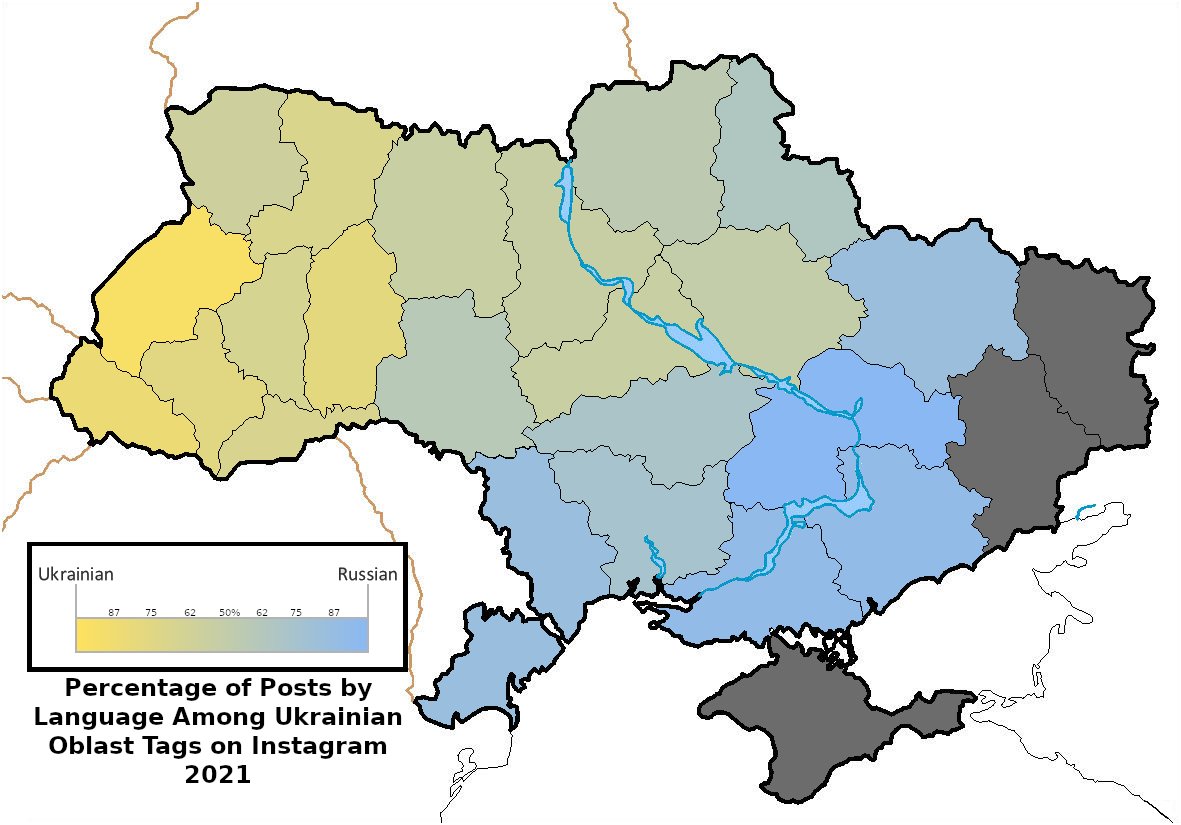
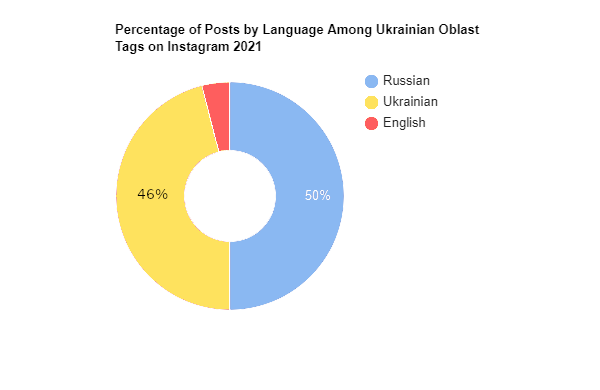
Languages found in samples were overwhelmingly limited to Russian and Ukrainian; English was negligible. Results also reflected the stereotypical Russian East/South vs Ukrainian West divide.
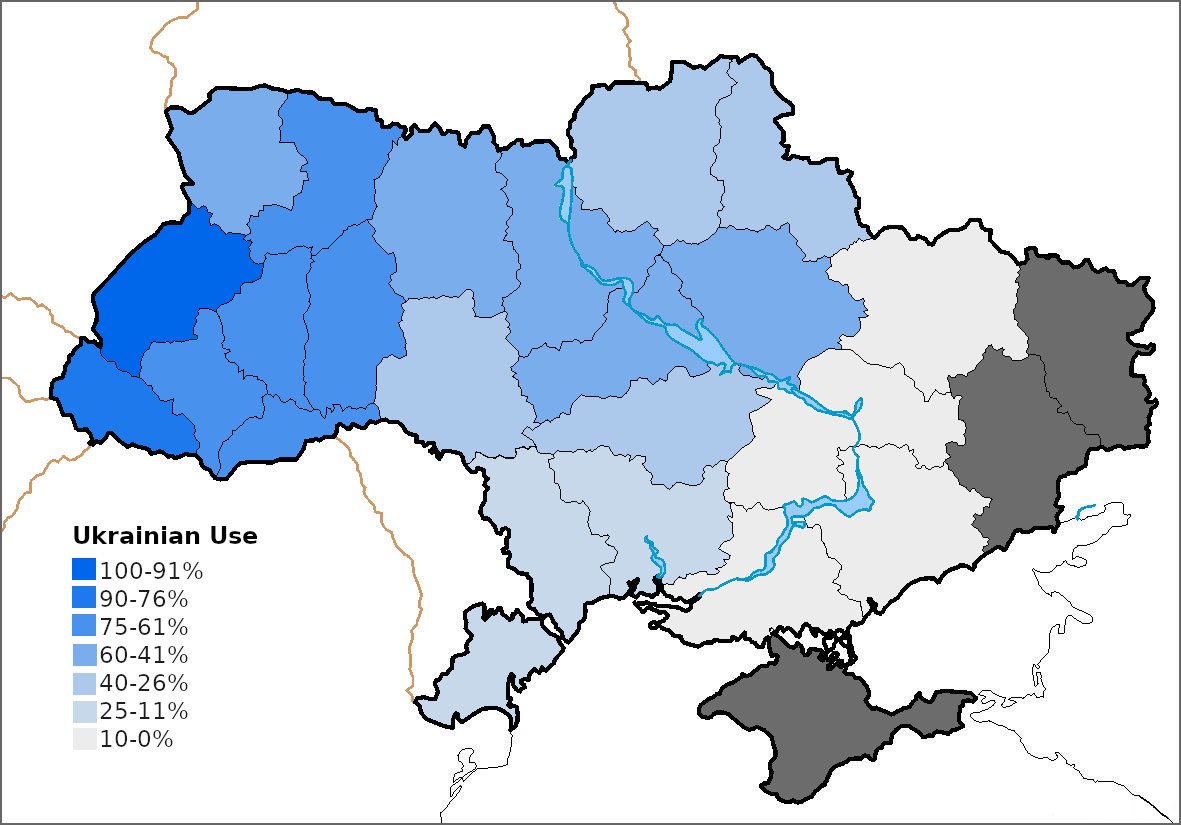

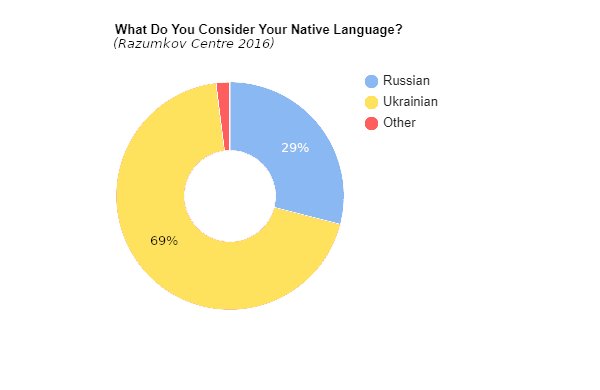
However, when compared against each other, my data contrasted with other surveys about the "native language" of Ukrainians, demonstrating a far higher use of Russian.

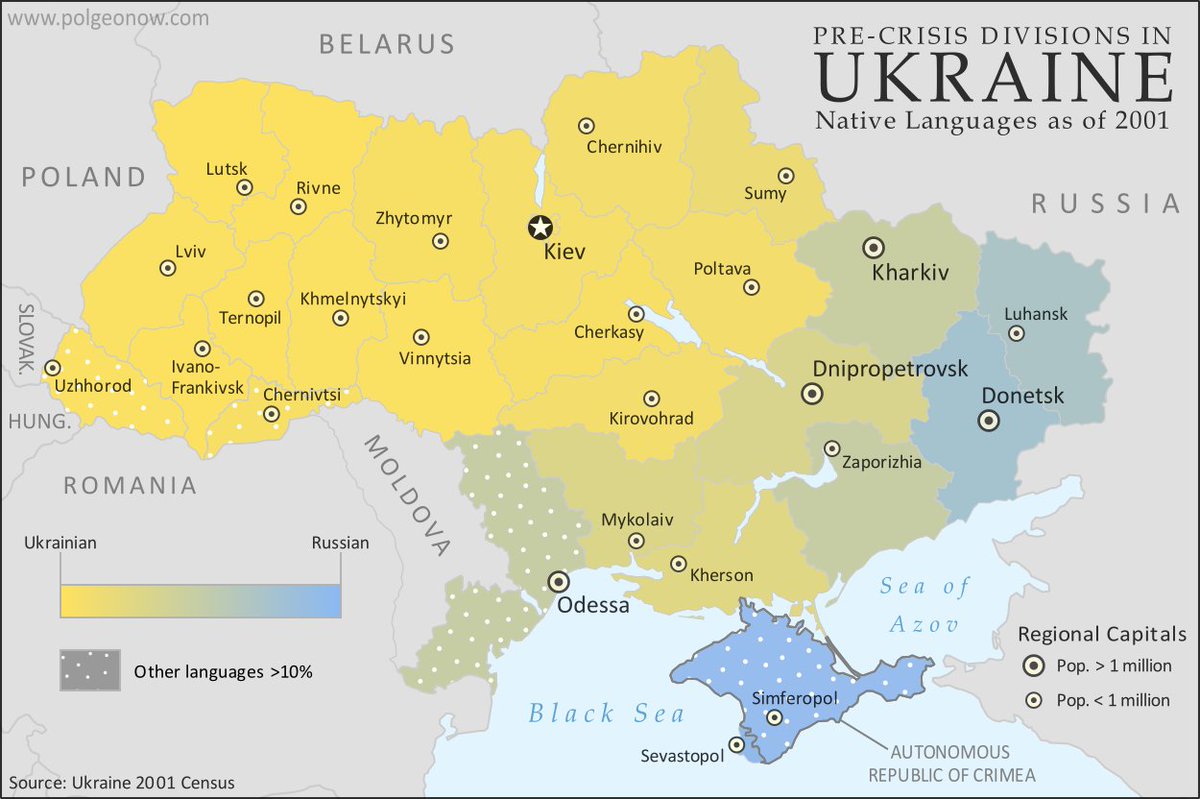
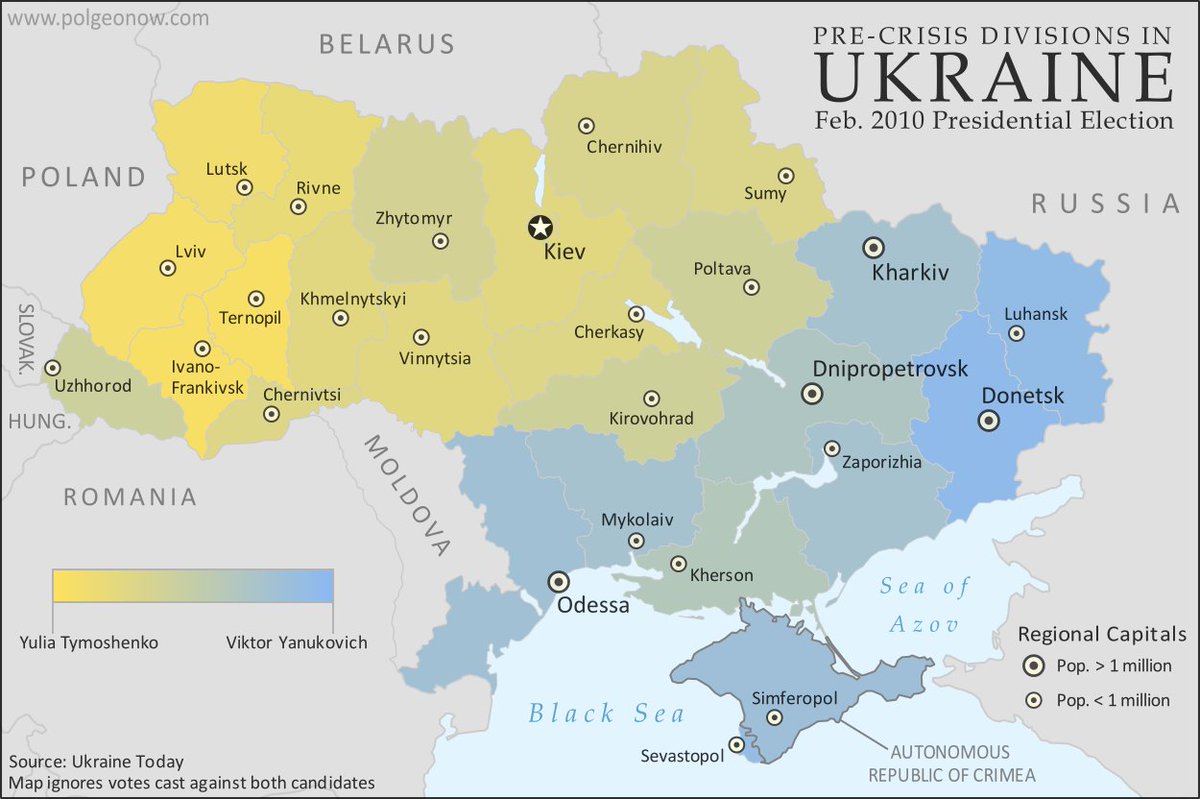
My data more closely resembled pre-2014 voting patterns, such as the 2010 presidential election. This probably indicates Ukrainians are using Russian (+getting information from Russian language sources) at much greater levels than what they claim as their native language.
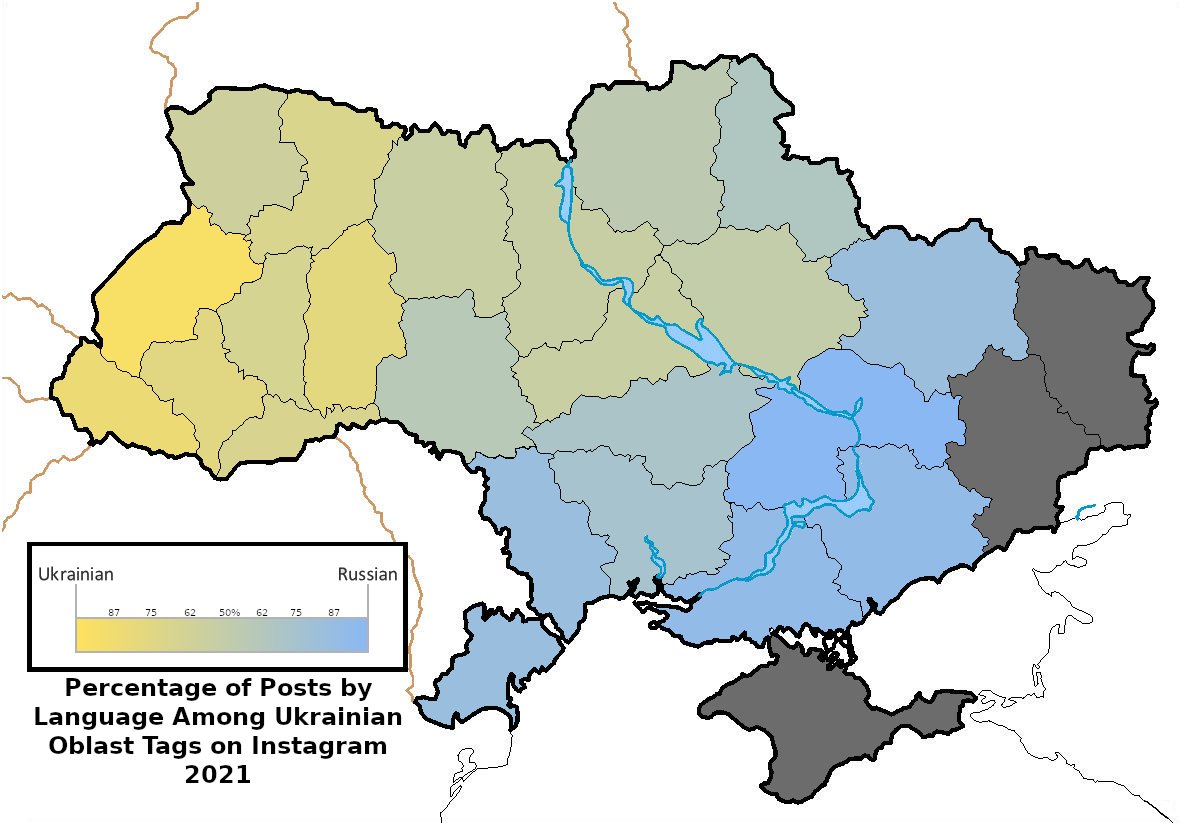
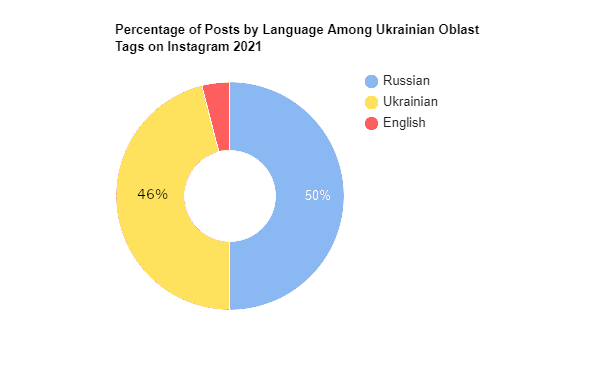
Russian accounted for 50% of all posts in the entire country. This is higher than Ukrainian, which was still used by less than half of the population despite efforts to strengthen Ukrainian language use since 2014.
Data about self-declared language knowledge from VK in 2015 also reflect similar results to my Instagram data. The fact that such data comes 6 years old from a site with an expected Russian bias raises questions on how much language use has really changed.

One interesting finding was that almost all forms of grassroots advertising or marketing (thus excluding paid advertising registered with Instagram itself) was in Russian. Perhaps when profit is put on the line, Ukrainians still chose to use Russian?
Also important to note that Instagram is a social media site used mostly by young people (overwhelmingly 18-34). Facebook, with an older demographic, reports that about 75% of Ukrainian users use the site with a Russian-language interface.
• • •
Missing some Tweet in this thread? You can try to
force a refresh