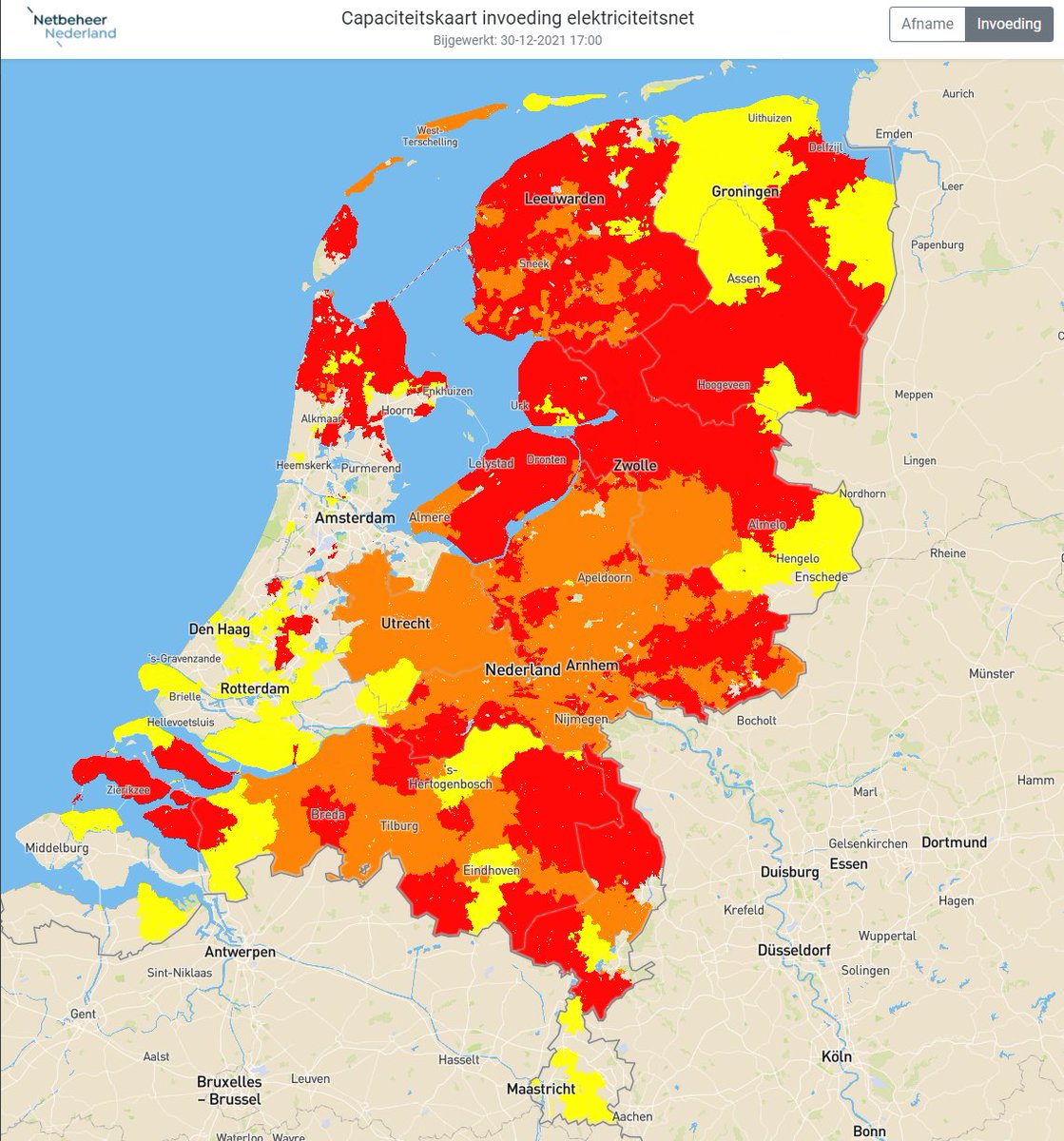
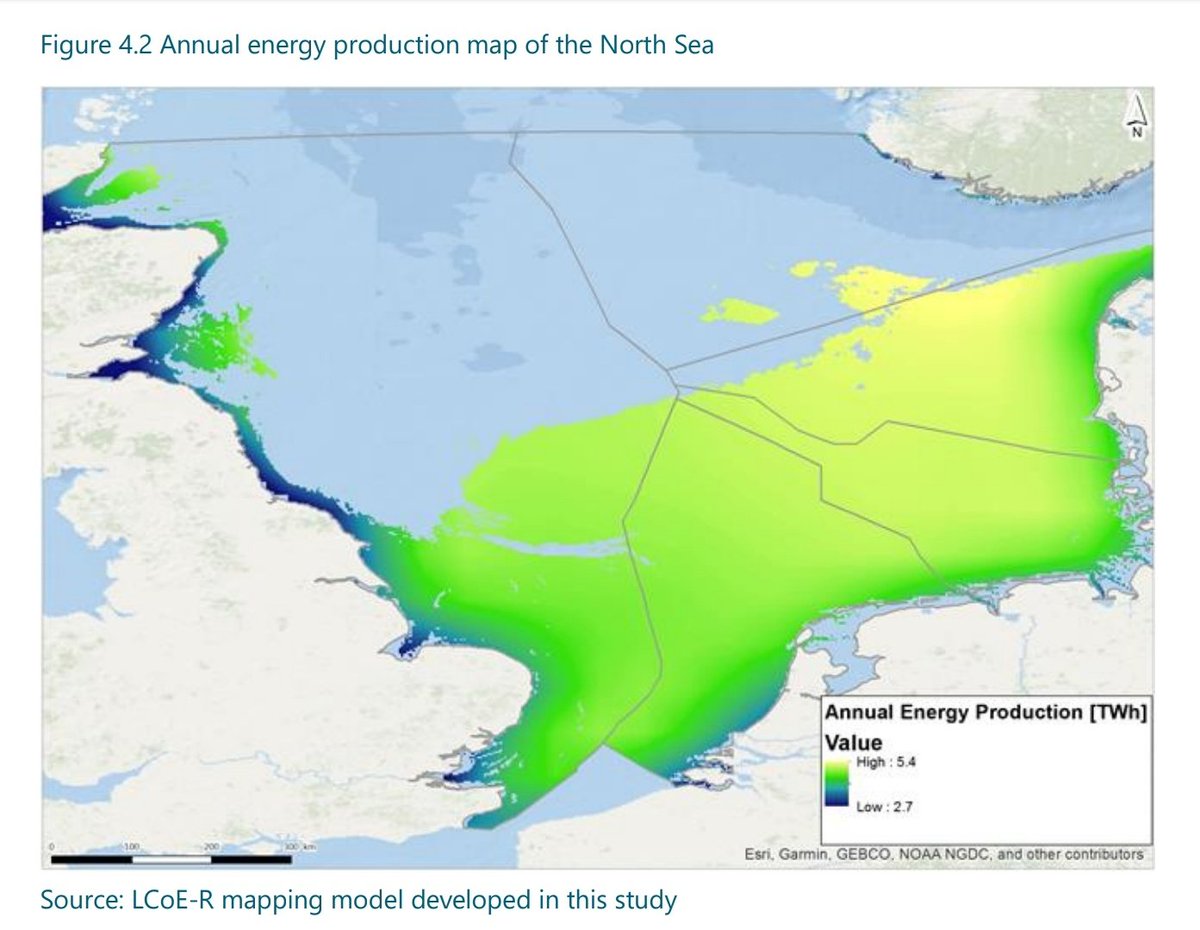
Wind and solar drive the energy transition, but what system questions are still open for a country like 🇳🇱?
1⃣Local vs centralized
2⃣Enough renewables + import H2
vs oversize renewables + P2G and/or export to 🇩🇪🇧🇪
3⃣Which firm low-carbon sources?
4⃣Gradual vs. fast transition
🧵
1⃣Local vs centralized
2⃣Enough renewables + import H2
vs oversize renewables + P2G and/or export to 🇩🇪🇧🇪
3⃣Which firm low-carbon sources?
4⃣Gradual vs. fast transition
🧵
1⃣Local and distributed vs centralized and utility scale:
@DrChrisClack finds in 'Why Local Solar For All Costs Less' that the transition is cheaper when we start with grid upgrades, flex and storage in the built environment.
📰vibrantcleanenergy.com/wp-content/upl…
🎙️xenetwork.org/ets/episodes/e…
@DrChrisClack finds in 'Why Local Solar For All Costs Less' that the transition is cheaper when we start with grid upgrades, flex and storage in the built environment.
📰vibrantcleanenergy.com/wp-content/upl…
🎙️xenetwork.org/ets/episodes/e…
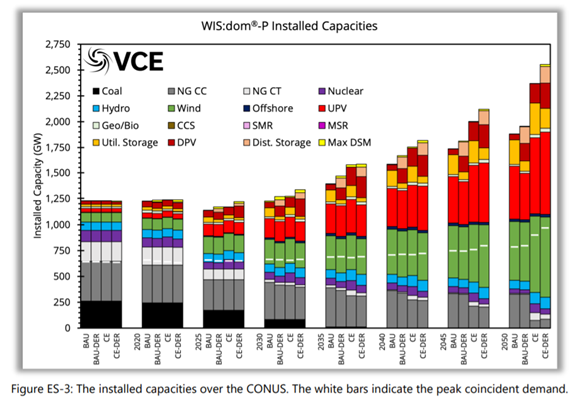
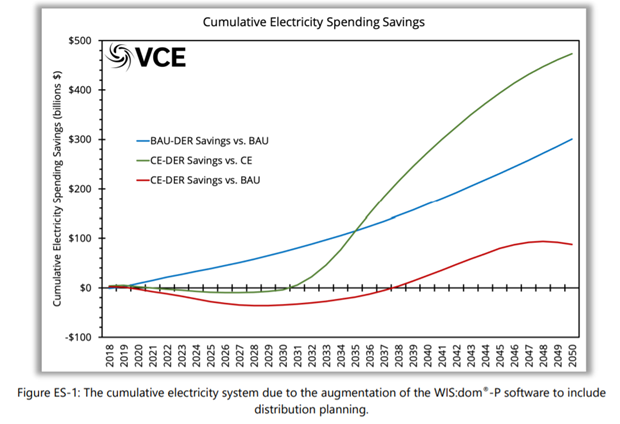
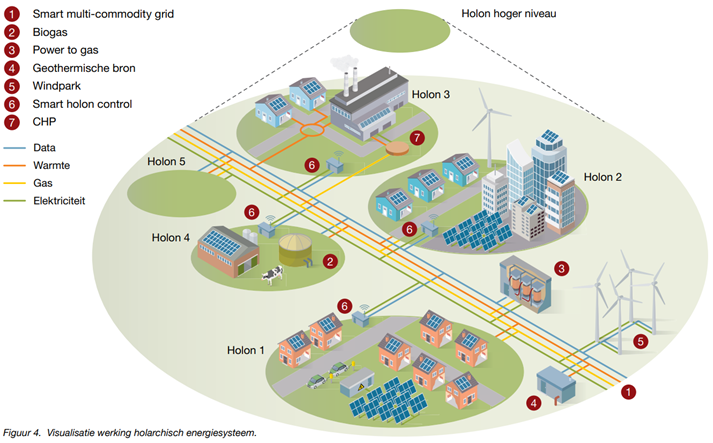
This year together with @AukeHoekstra we will make the HOLON-tool for testing policy changes to better facilitate local energy initiatives and semi-autonomous energy systems (SAES). Let’s find out it local is better and cheaper…
📰topsectorenergie.nl/sites/default/…
📰topsectorenergie.nl/sites/default/…
2⃣ Enough renewables + import H2
vs oversize renewables
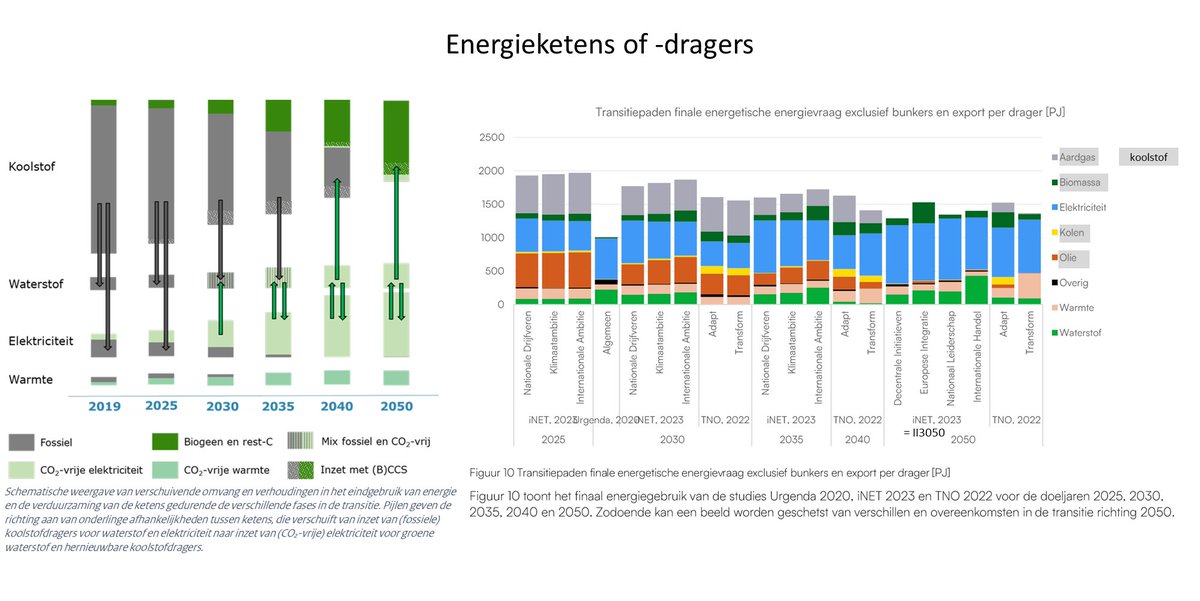
II3050 (Integral Infrastructure Survey) covers this in scenarios EU+international vs. regional+national. They find that without sufficient oversizing P2G can’t compete with imported H2.
📰netbeheernederland.nl/_upload/files/…
vs oversize renewables
II3050 (Integral Infrastructure Survey) covers this in scenarios EU+international vs. regional+national. They find that without sufficient oversizing P2G can’t compete with imported H2.
📰netbeheernederland.nl/_upload/files/…
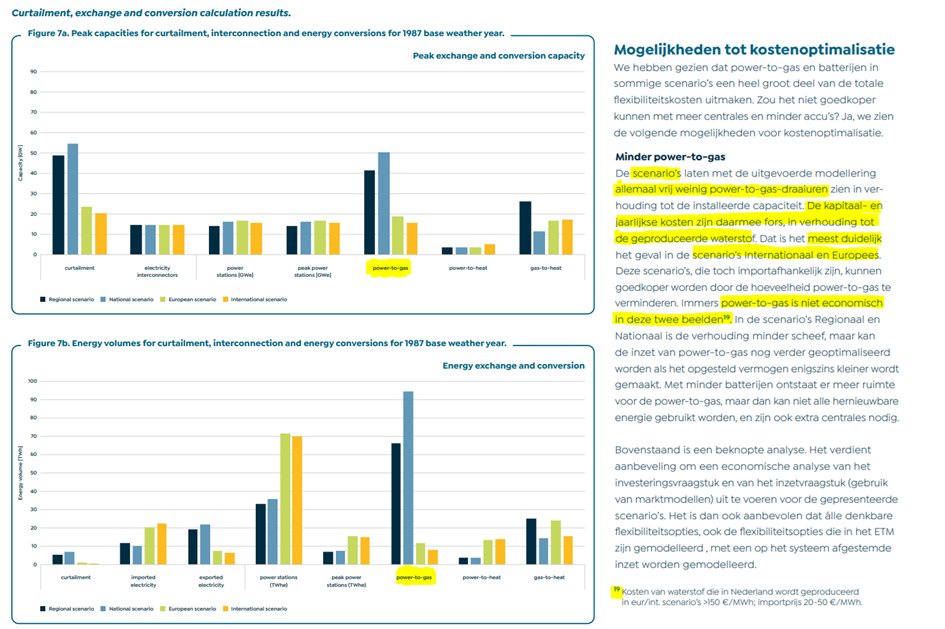
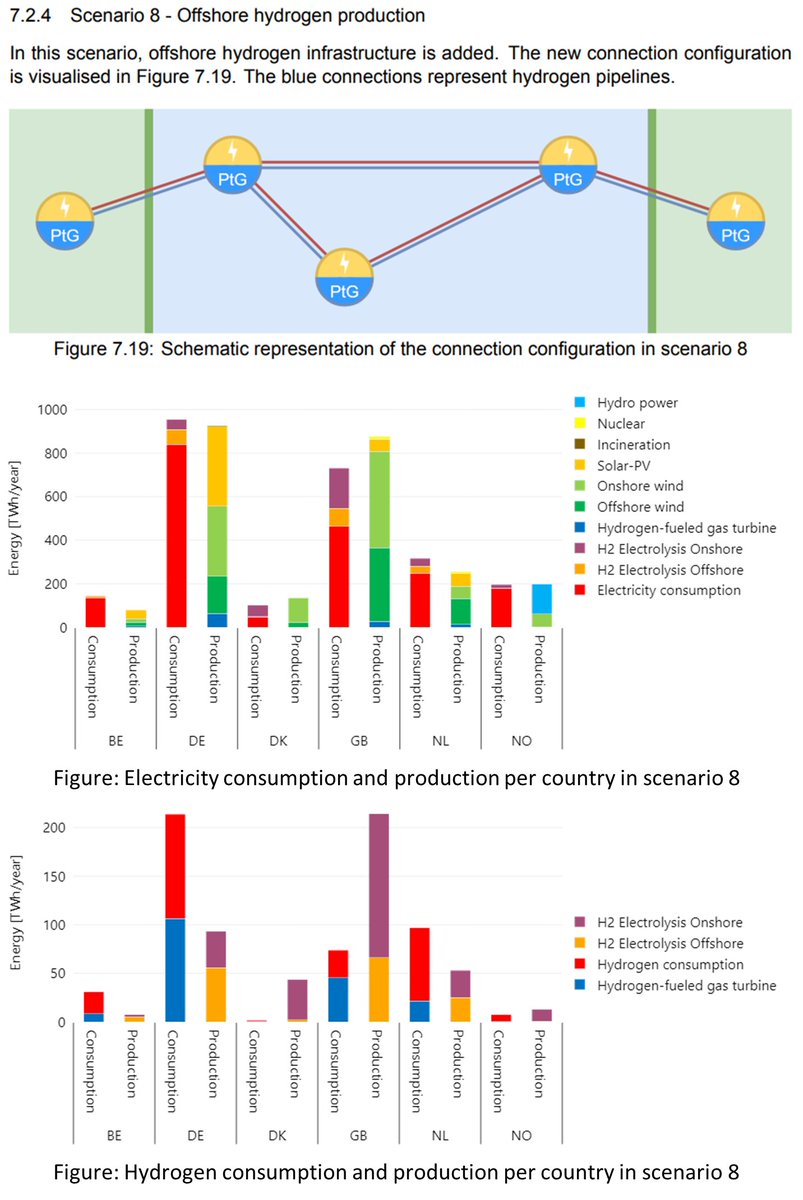
This suggest that there is no optimum in the middle but rather that there are multiple local optima. When already having started oversizing offshore wind and then finding out P2G can't compete would be very costly, because then the grid isn’t upgraded for transporting this energy
This is where the ‘and/or export to 🇩🇪🇧🇪 part’ comes in. This is currently not part of the Dutch policy scenarios. @RonnieBelmans argues grid expansion should be prioritized over P2G for the integration of renewable energy
🎙️ open.spotify.com/episode/5mwa8a…
🎙️ open.spotify.com/episode/5mwa8a…
Exporting oversized offshore wind as electricity to our neighbors 🇩🇪&🇧🇪 (they have a smaller sea area), should have been the EU governance scenario in my opinion. This study for 2040 shows massive congestion toward the boarder with 🇩🇪&🇧🇪…
📰offshorewind.rvo.nl/file/view/5504…
📰offshorewind.rvo.nl/file/view/5504…

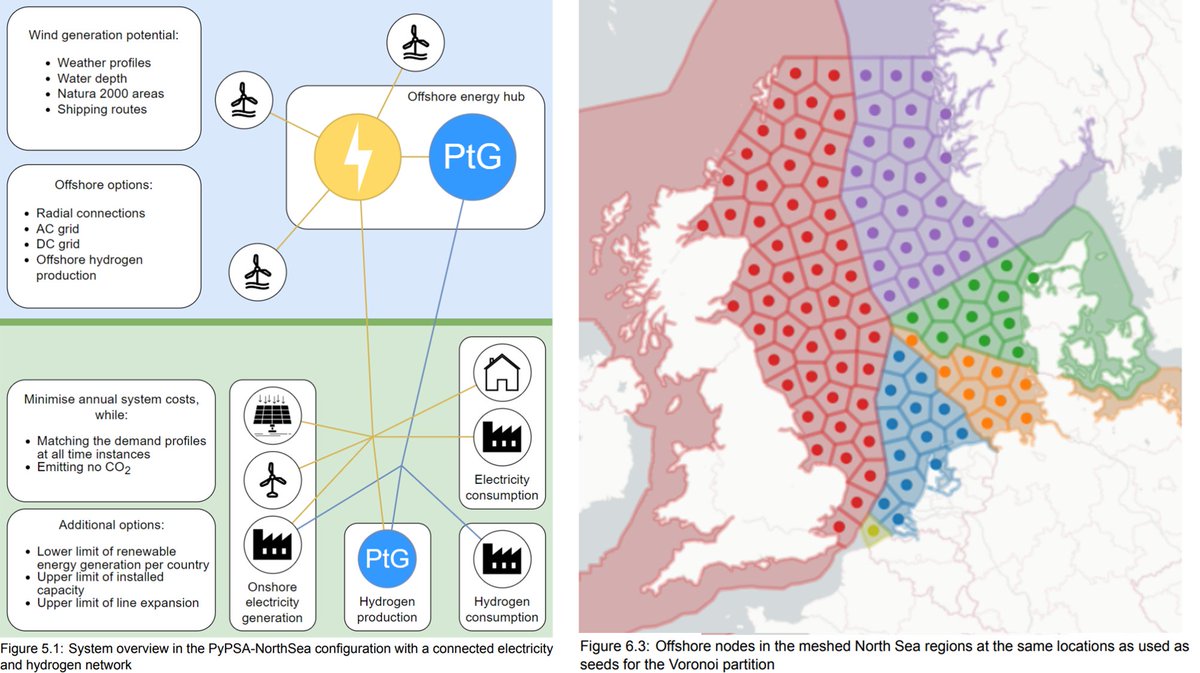
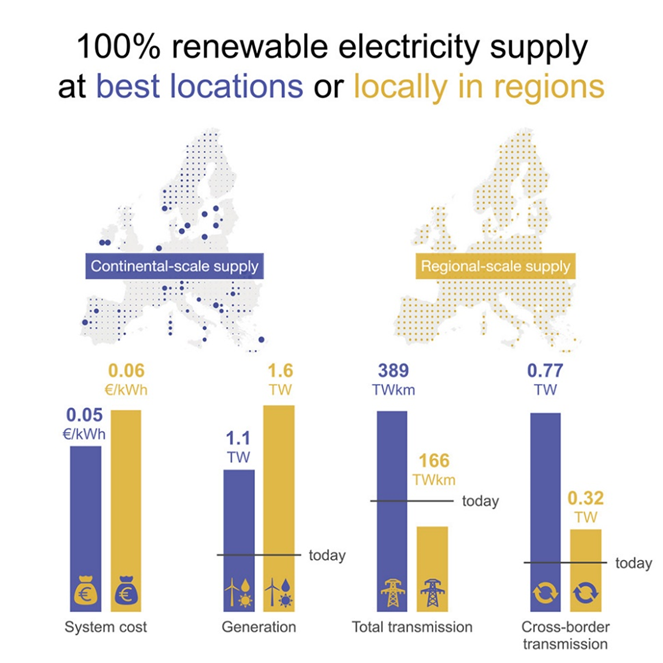
Energy system optimization studies by @timtroendle and @fneum_ show that a continental optimization with large transmission expansion is cheaper than national/regional optimization.
📰 doi.org/10.1016/j.joul…
📰 doi.org/10.1016/j.epsr…
📰 doi.org/10.1016/j.joul…
📰 doi.org/10.1016/j.epsr…

3⃣Which firm low-carbon sources?
Many studies only model batteries and hydrogen storage. These can get us to 100% renewable, however a more diversified set of technologies might be cheaper. 🔋
Many studies only model batteries and hydrogen storage. These can get us to 100% renewable, however a more diversified set of technologies might be cheaper. 🔋
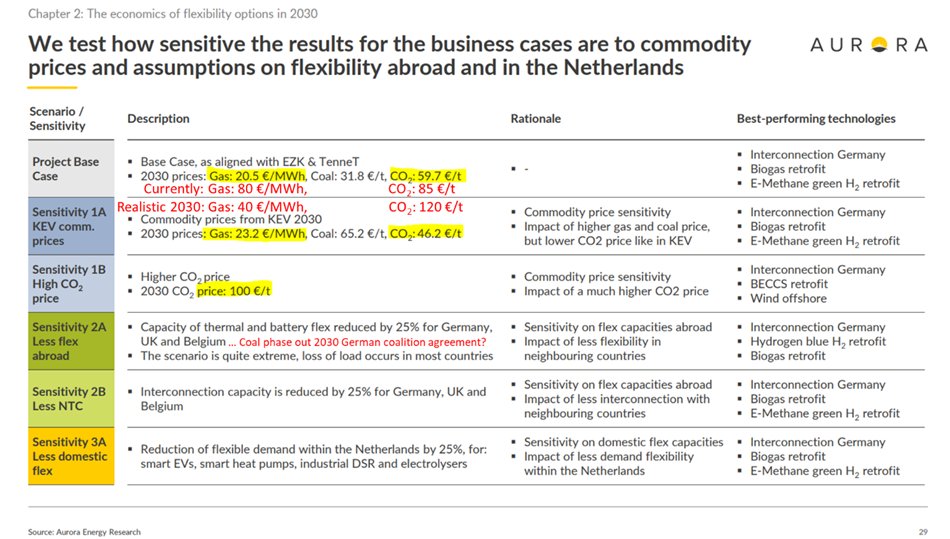
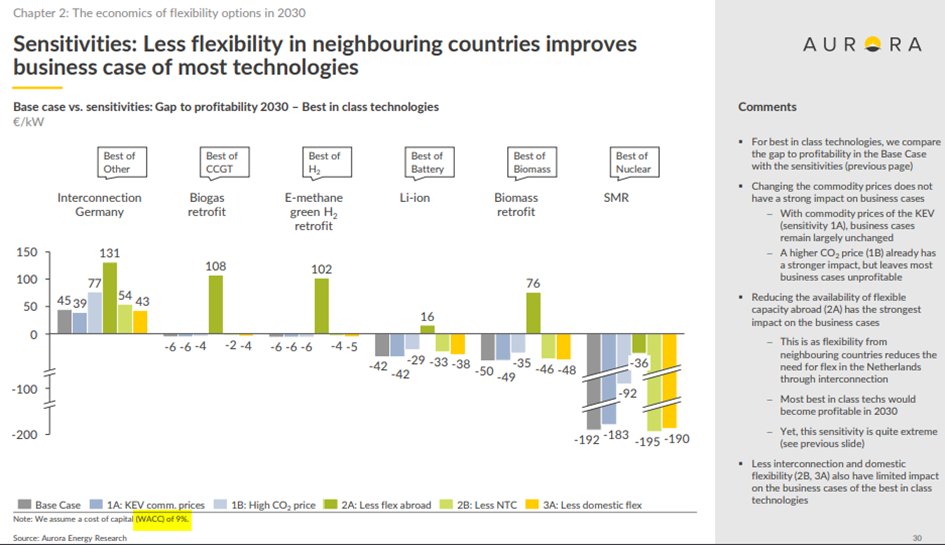
The study ‘CO2-free flexibility options for the Dutch power system’ looks broader, but the assumptions feel outdated. With a more realistic WACC, carbon and commodity and price, I estimate many more technologies will be profitable.
📰 rijksoverheid.nl/documenten/rap…
📰 rijksoverheid.nl/documenten/rap…
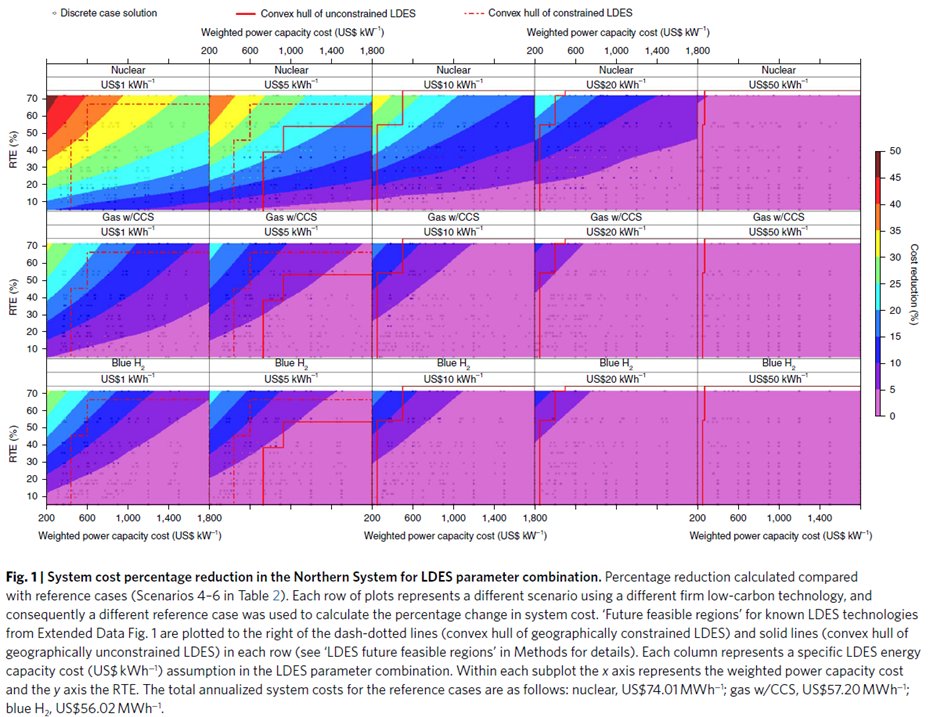
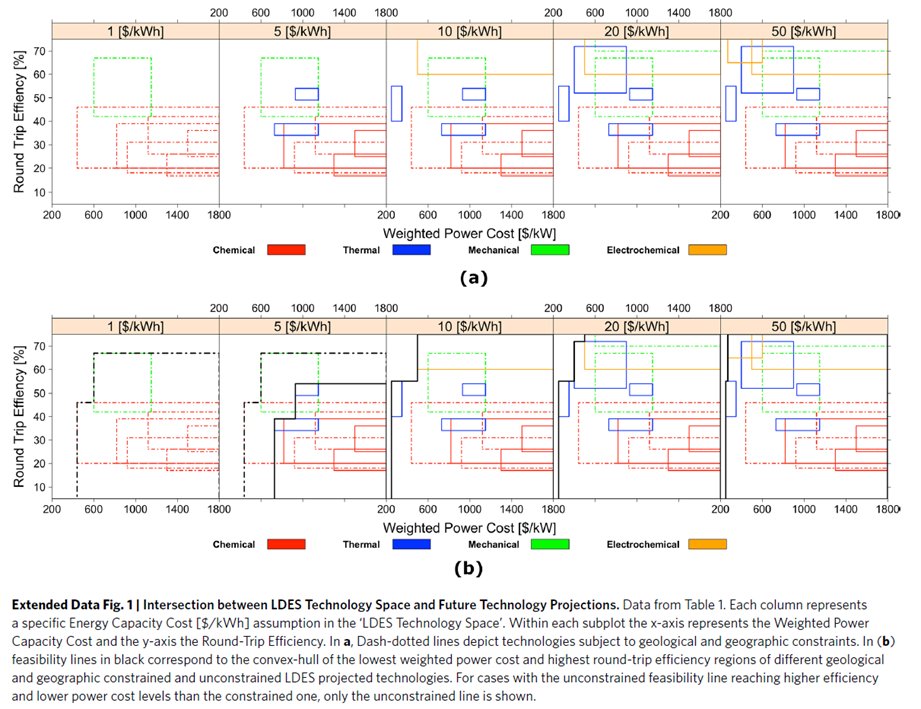
Under what conditions long duration energy storage techniques can compete with firm sources like nuclear or gas with CCS is very well explored in this paper by @JesseJenkins
📰 dx.doi.org/10.1038/s41560…
🎙️open.spotify.com/episode/2JkgVv…
📰 dx.doi.org/10.1038/s41560…
🎙️open.spotify.com/episode/2JkgVv…
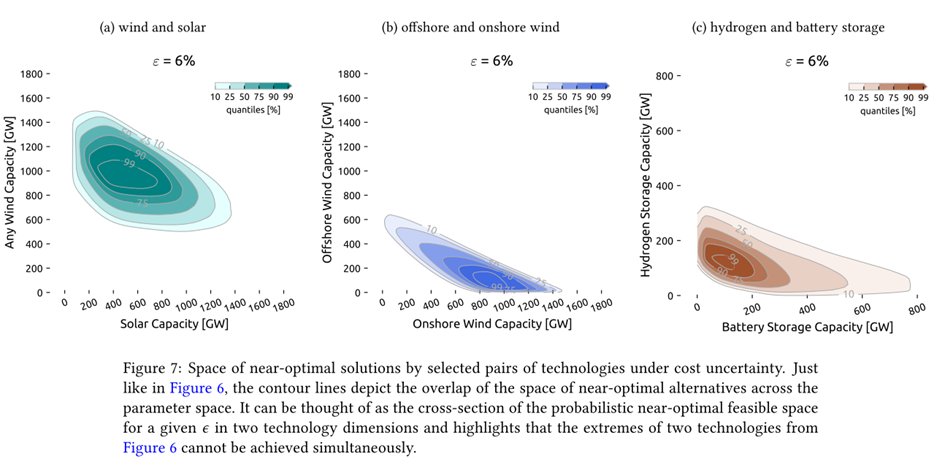
It would definitely be worth exploring the near-optimal solutions space under cost uncertainty like @fneum_ and @nworbmot did, but with some additional (storage) technologies. (tip: discussed April 1⃣st @#EnergyTwitterFridayAfternoonDrink)
📰 arxiv.org/abs/2111.14443
📰 arxiv.org/abs/2111.14443
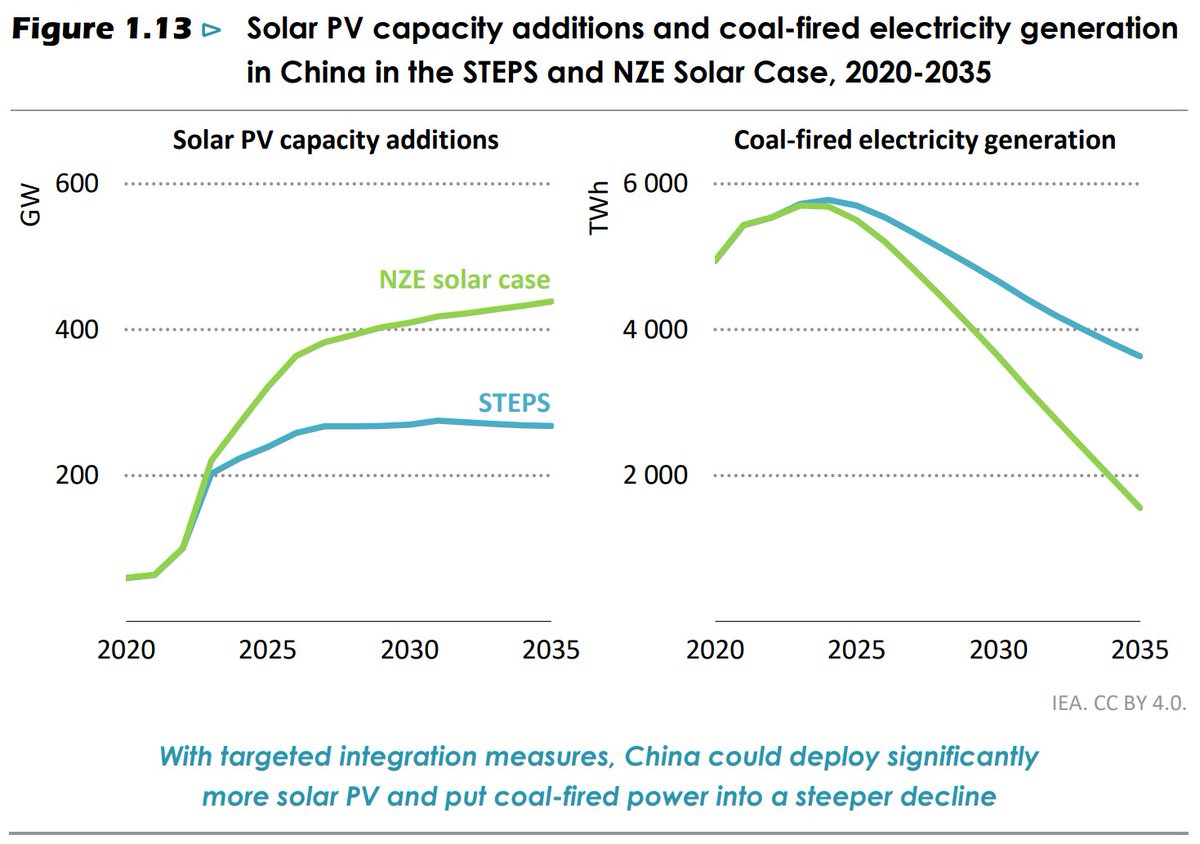
4⃣Gradual vs fast transition
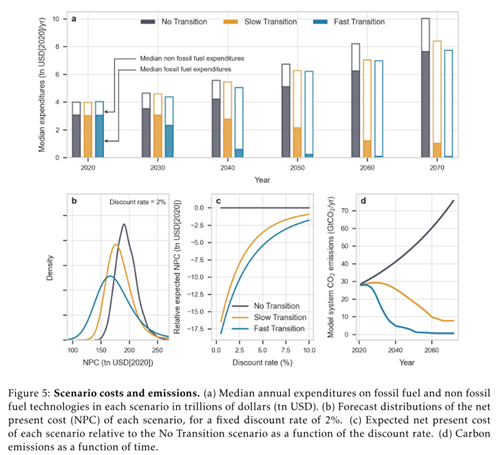
This study shows that for the world a fast transition is cheaper than a gradual transition, due to technology learning curves.
📰 inet.ox.ac.uk/publications/n…
🎙️ xenetwork.org/ets/episodes/e… @TransitionShow
This study shows that for the world a fast transition is cheaper than a gradual transition, due to technology learning curves.
📰 inet.ox.ac.uk/publications/n…
🎙️ xenetwork.org/ets/episodes/e… @TransitionShow

A small country like 🇳🇱 doesn’t have a huge effect on learning curves.
However given we are in the EU ETS a smart strategy is decarbonizing quickly before the carbon prices hurt too much. We need smart policies to accelerate the energy transition.⚡️📈
However given we are in the EU ETS a smart strategy is decarbonizing quickly before the carbon prices hurt too much. We need smart policies to accelerate the energy transition.⚡️📈
• • •
Missing some Tweet in this thread? You can try to
force a refresh