
What has Scotland given the world? Television, penicillin, strontium, ice hockey, Lemmings and red cabbage indicator. Yes, when he wasn’t tinkering with steam engines, James Watt, born in Greenock OTD but not OTDate in 1736, invented the #GardenIndicators staple. (1/8) 
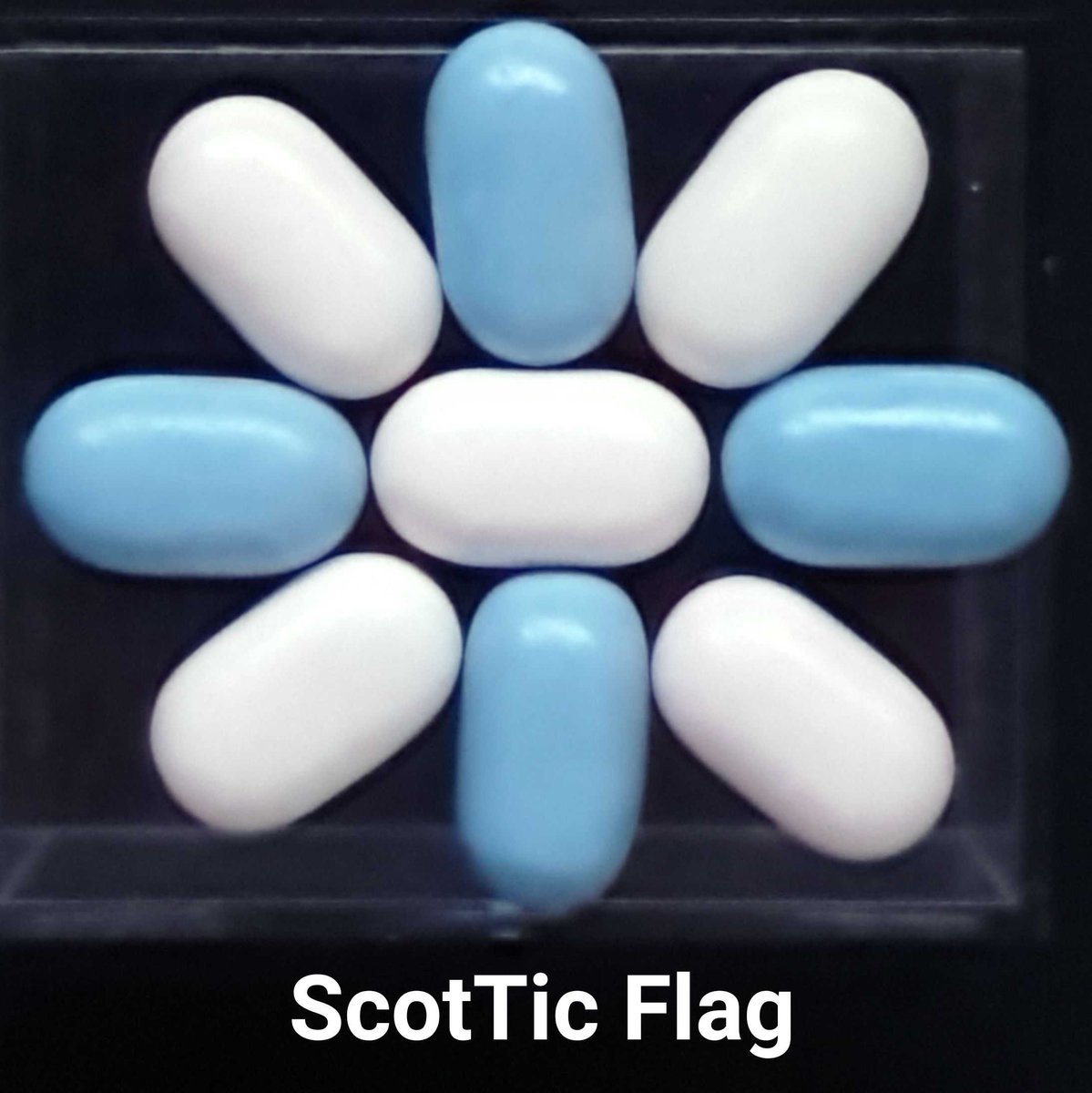
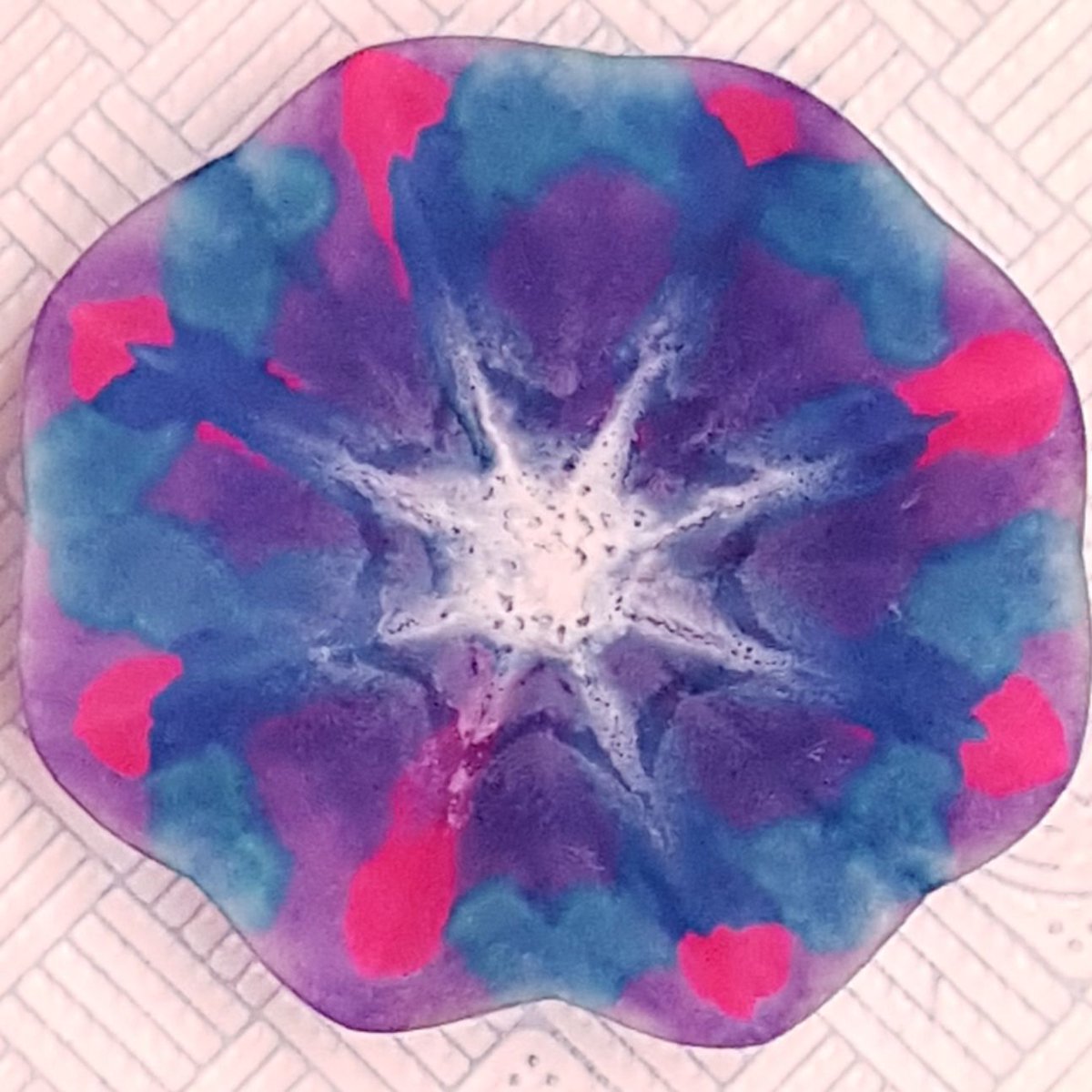
Boyle’s syrup of violets was old news and litmus was the latest in indicator technology. Watt noted litmus is sensitive to one part sulfuric acid in 100 000 parts of water (0.1 mM, pH 4, though moles and pH hadn’t been invented yet), and even carbon dioxide turned it red. (2/8)
Litmus was great for showing the neutral or “saturation” point in reactions between most acids and alkalis. However, Watt found nitrites, salts of nitrous acid, turned it red. Extracts of rose, iris and violet all turned green, correctly indicating an alkaline solution. (3/8)
Short of flowers in winter, Watt tried what he could get his hands on, and found red cabbage was even better than litmus, turning red in acids and green in alkaline solutions, including nitrites. First mention: bottom of page 356 doi.org/10.1098/rstl.1… (4/8)
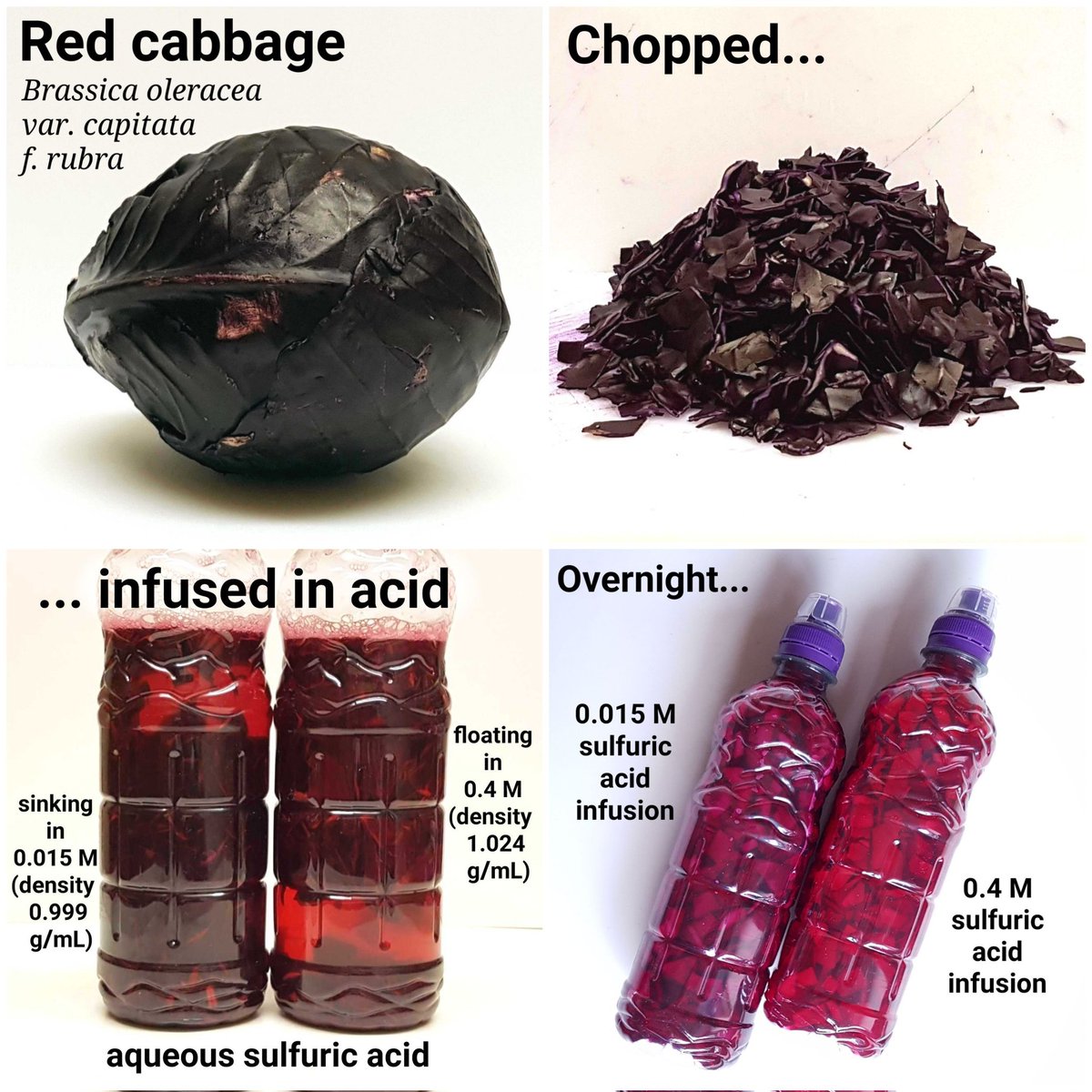
Noting the cabbage extract “is very subject to turn acid and putrid”, Watt suggests using dilute sulfuric acid to extract and preserve the colouring matter. When required for a test, a sample of the acidic extract is neutralised with calcium carbonate then filtered. (5/8)
Can red cabbage detect 10 ppm of sulfuric acid? Can it detect carbon dioxide? Here's the neutralised extract in action. (6/8)
Watt made his own test papers but found they didn't last long, and observed that alum in writing paper interfered. Nowadays we know anthocyanins degrade easily and that some of them form complexes with aluminium. (7/8)
Watt's paper in Philosophical Transactions is a delight. doi.org/10.1098/rstl.1…
"long s" (looks like f) is used except at the end of a word
sensible = sensitive
saturation = neutralisation
volatile alkali = ammonia
oil of vitriol = sulfuric acid
fixed air = carbon dioxide (8/8)
"long s" (looks like f) is used except at the end of a word
sensible = sensitive
saturation = neutralisation
volatile alkali = ammonia
oil of vitriol = sulfuric acid
fixed air = carbon dioxide (8/8)
• • •
Missing some Tweet in this thread? You can try to
force a refresh




