

🧵I see that Sue Grey & Dr Matt Shelton have made a video claiming "proof" that they have found "undeclared nanotech" in the Pfizer shots.
There is so much bullsh*t in this video but let's start with the basics....from a nanotechnologist (that's me) 1/7
There is so much bullsh*t in this video but let's start with the basics....from a nanotechnologist (that's me) 1/7
The images provided claim to be from a "dark field microscope at low magnification" in many of the clips they show video's of objects floating around under a cover slip.
Nanotechnologists don't use light micrscopes to view nanotech as the wavelength of light is too large! 2/7
Nanotechnologists don't use light micrscopes to view nanotech as the wavelength of light is too large! 2/7
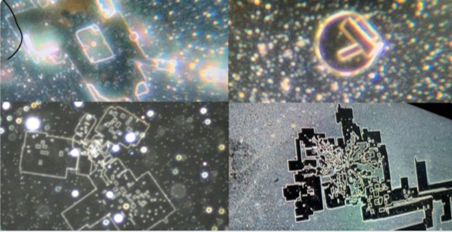
Put simply, light microscopes are not powerful enough to see nanotech, so whatever is being shown is not nanotech. Nanotech is too small to be seen using this equipment. Also using it at 'low magnification' means that whatever they are looking at is BIG...hair size, not nano! 3/7
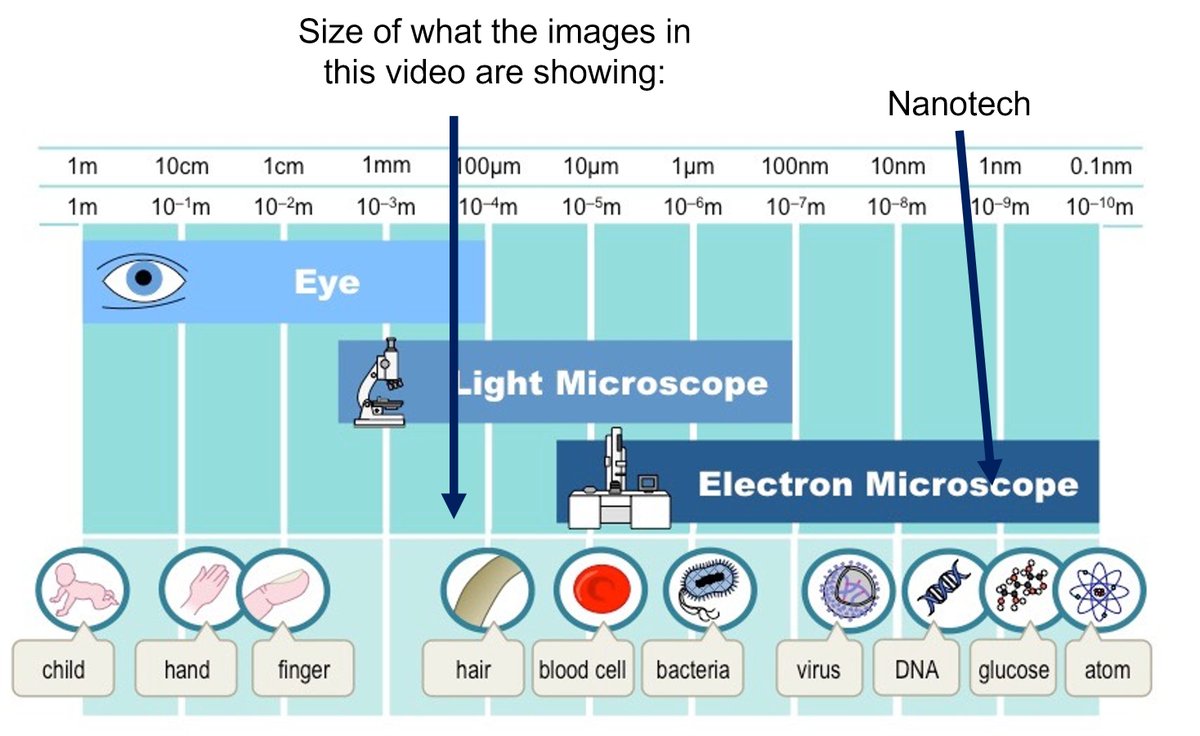
As nanotechnologist we use electron microscopes. We can't just put a sample under a cover slide and look at it. We blast electrons at a dehydrated sample that is pulled under a vacuum. This means things can't just float around in our images 4/7
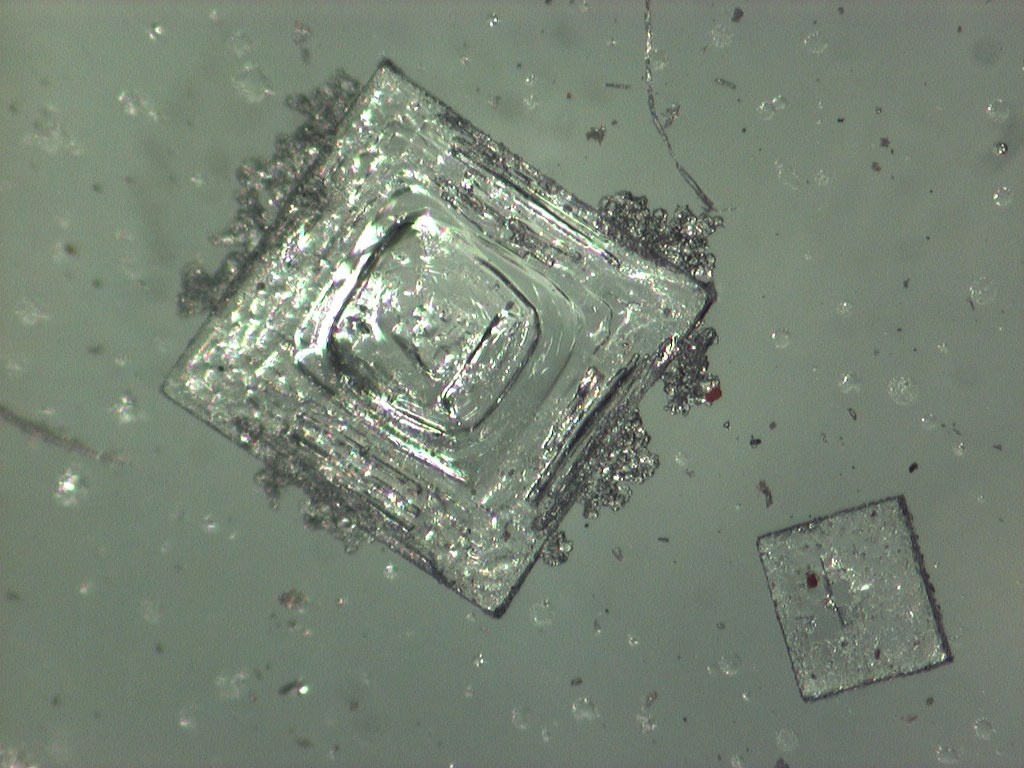
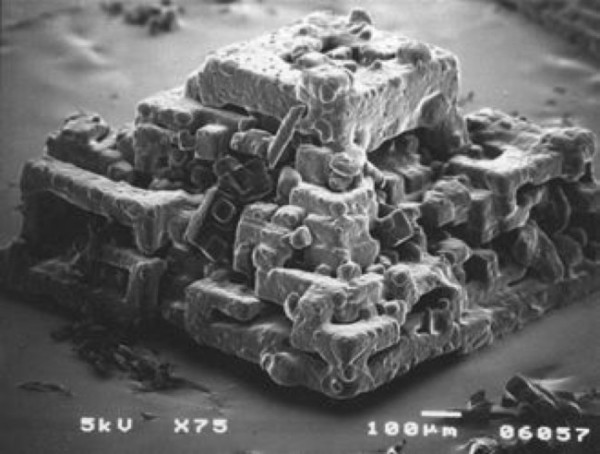
Under a microscope, bog standard things like dust and dirt look magical (and maybe a bit scary). Let's take common table salt which is a cubic crystal. Under both the light microscope and electron microscope it looks amazing (and maybe computer chip-like), but it's just salt 5/7

The author buys a high spec gaming computer so the images can be processed better. Resolution (the smallest distance apart that two points on a sample can be seen separately) is directly related to the light collecting capability of the optical microscope - not the computer! 6/7
So in summary - the images showing to "prove" undeclared nanotech in the vaccines doesn't show any nanotech at all. In fact it looks more like macro-scale dirt under a regular microscope with the author spending lots of money on a computer they didn't need🤷🏻♀️cc @TristramCheer 7/7
• • •
Missing some Tweet in this thread? You can try to
force a refresh



