Successful black communities and towns. #BlackHistoryMonth
A THREAD!
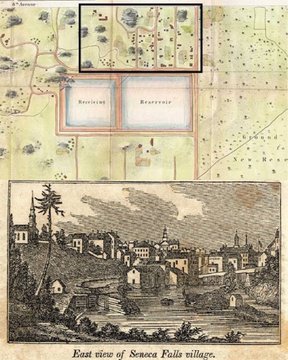
Did you know that an entire Manhattan village owned by black people was destroyed to build Central Park.
The community was called Seneca Village. It spanned from 82nd Street to 89th Street.
A THREAD!
Did you know that an entire Manhattan village owned by black people was destroyed to build Central Park.
The community was called Seneca Village. It spanned from 82nd Street to 89th Street.


Blackdom, New Mexico
It was founded by Frank Boyer and Ella Louise McGruder and it was the first black town in New Mexico. It was a safe haven for our people. It had a population of 300 residents by 1908.
In 1919, the town struck oil!
It was founded by Frank Boyer and Ella Louise McGruder and it was the first black town in New Mexico. It was a safe haven for our people. It had a population of 300 residents by 1908.
In 1919, the town struck oil!


The residents then created the Blackdom Oil Company, and they became set for generations of wealth but tragedy struck too…
The town suffered a drought and became uninhabitable. Families left and by the end of World War I, it was essentially a ghost town.
The town suffered a drought and became uninhabitable. Families left and by the end of World War I, it was essentially a ghost town.
Freedman’s Village, Virginia
A place for Free Men, Women, and children. The U.S. government established the Freedman’s Village in May of 1863. It was created to address the rise in number of Black Americans who escaped slavery in the South during the Civil War.
A place for Free Men, Women, and children. The U.S. government established the Freedman’s Village in May of 1863. It was created to address the rise in number of Black Americans who escaped slavery in the South during the Civil War.


Freedman’s Village goal was to house, train and educate freedmen, women and their children and provide food, job training, church services and medical care.
Freedman’s Village was razed to build Arlington National Cemetery.
Freedman’s Village was razed to build Arlington National Cemetery.

Greenwood, Tulsa Oklahoma
Ottawa W. Gurley created the Black Wall Street, an affluent black community in Greenwood in Tulsa.
In 1906 Gurley purchased over 40 acres of land sold exclusively to "coloreds only” in Tulsa. He created an economically independent black township.
Ottawa W. Gurley created the Black Wall Street, an affluent black community in Greenwood in Tulsa.
In 1906 Gurley purchased over 40 acres of land sold exclusively to "coloreds only” in Tulsa. He created an economically independent black township.


Footage of the Prosperous Greenwood, The Black Wallstreet, before the Tulsa Race Riot.
https://twitter.com/AfricanArchives/status/1462076117624496131/video/1
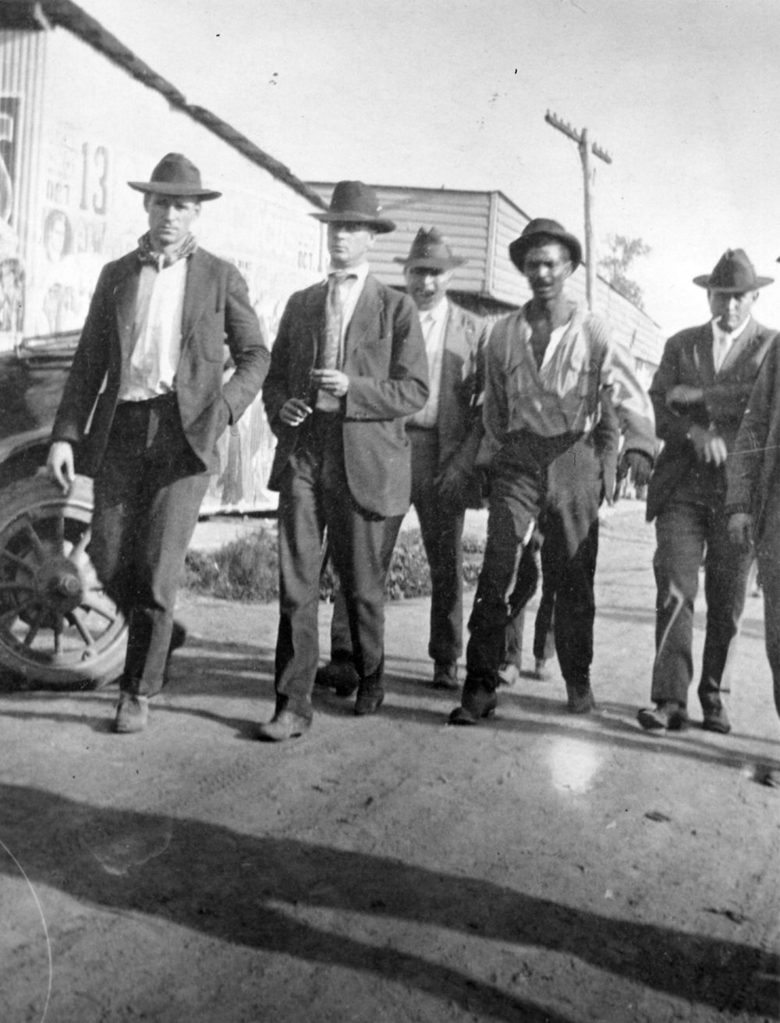
In 1921, The Tulsa Race Massacre happened. White supremacists killed more than 300 African Americans. They looted and burned to ground black homes and businesses in Greenwood.


Glenarden, Maryland
Glenarden got its start in 1910 when a Black man named W.R. Smith purchased multiple tracts of land and founded a residential community about 10 miles from Washington D.C and developed into a middle-class suburban neighborhood.
Glenarden got its start in 1910 when a Black man named W.R. Smith purchased multiple tracts of land and founded a residential community about 10 miles from Washington D.C and developed into a middle-class suburban neighborhood.

It was the third predominately African-American organized town in the state of Maryland. The town and its businesses grew over time. Its name was also changed from the Town of Glenarden to the City of Glenarden in 1994
Weeksville, New York
The town was formed by a black freedman named James Week after purchasing a large tract of land in Brooklyn The town was formed after the state of New York abolished slavery in 1827. It was a self-supporting community of African American Freedman.
The town was formed by a black freedman named James Week after purchasing a large tract of land in Brooklyn The town was formed after the state of New York abolished slavery in 1827. It was a self-supporting community of African American Freedman.


It had the highest rate of property and business ownership in any black urban community at the time. The town also had an independent newspaper called The Freedman’s Torch, one of African-American first newspapers and the first integrated school in Brooklyn, Colored School No. 2


Mound Bayou, Mississippi
The all-black town, Mound Bayou which was started in 1887 by Isaiah Montgomery and his cousin Benjamin T. Green. They bought land for 7$ per acre, a total of 840 acres and grew it into the largest all black town in the nation!
The all-black town, Mound Bayou which was started in 1887 by Isaiah Montgomery and his cousin Benjamin T. Green. They bought land for 7$ per acre, a total of 840 acres and grew it into the largest all black town in the nation!

40 businesses, 6 churches, 3 schools, a bank, hospital, etc. They transformed a swamp into a thriving community.

Fort Mose, Florida
It was the earliest town where enslaved Africans were considered free. Most of the people who lived there were escaped slaves primarily from plantations. It was established in 1738 when Florida was a Spanish colony.
It was the earliest town where enslaved Africans were considered free. Most of the people who lived there were escaped slaves primarily from plantations. It was established in 1738 when Florida was a Spanish colony.

Many were skilled workers, blacksmiths, carpenters, cattlemen, boatmen, and farmers. With accompanying women and children, they created a colony of freed people that ultimately attracted other fugitive slaves.
North Brentwood, Maryland
The Town of North Brentwood, incorporated in 1924, is the oldest incorporated African-American municipality in Prince George’s County. It was a politically and economically sufficient town had its own government and businesses flourished in the town.
The Town of North Brentwood, incorporated in 1924, is the oldest incorporated African-American municipality in Prince George’s County. It was a politically and economically sufficient town had its own government and businesses flourished in the town.


If you love black history threads you can support my page/project via donations on ko-fi.com/africanarchives
• • •
Missing some Tweet in this thread? You can try to
force a refresh