We need to have a little chat about the state of Arkansas in the 1980s.
"The Boys on the Tracks" by Mara Leveritt, Bird Call Press, 1999. 

First, a lay of the land:

Some of the key figures:
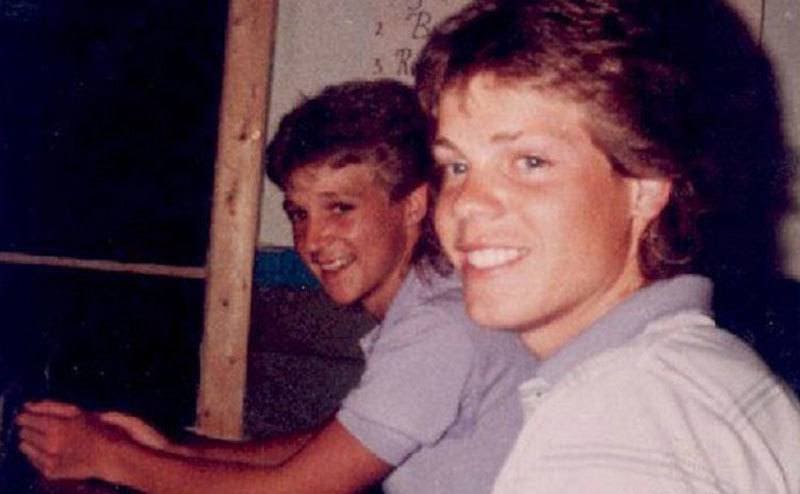
1 Don Henry (left) and Kevin Ives (right),
2 Linda Ives (the primary narrative source for Leveritt's book),
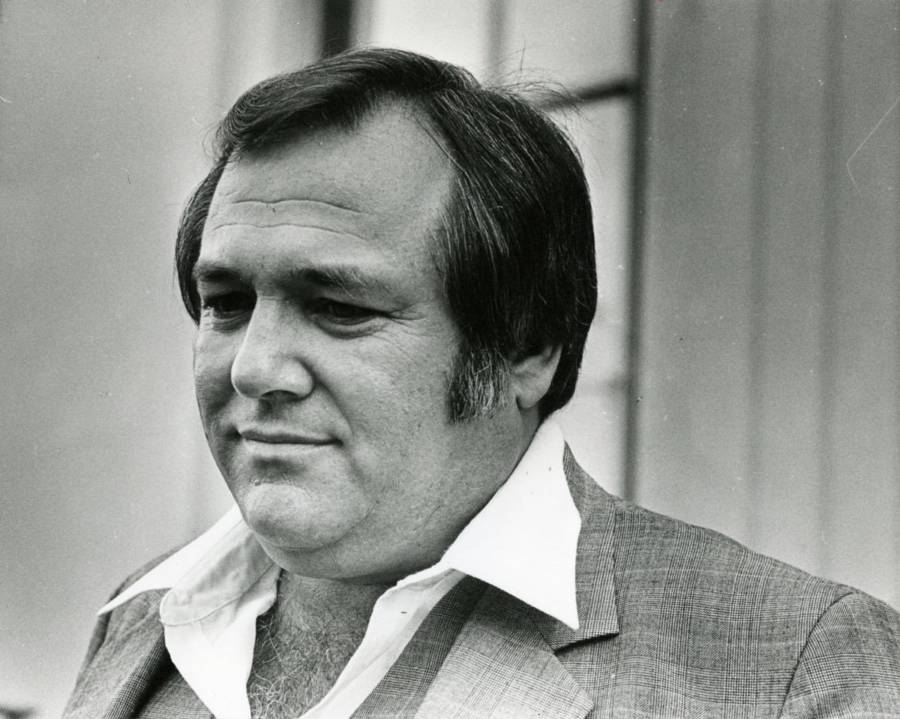
3 Fahmy Malak (AR chief medical examiner, 1979-1992,
4 Barry Seal (aka "The Fat Man")
1 Don Henry (left) and Kevin Ives (right),
2 Linda Ives (the primary narrative source for Leveritt's book),
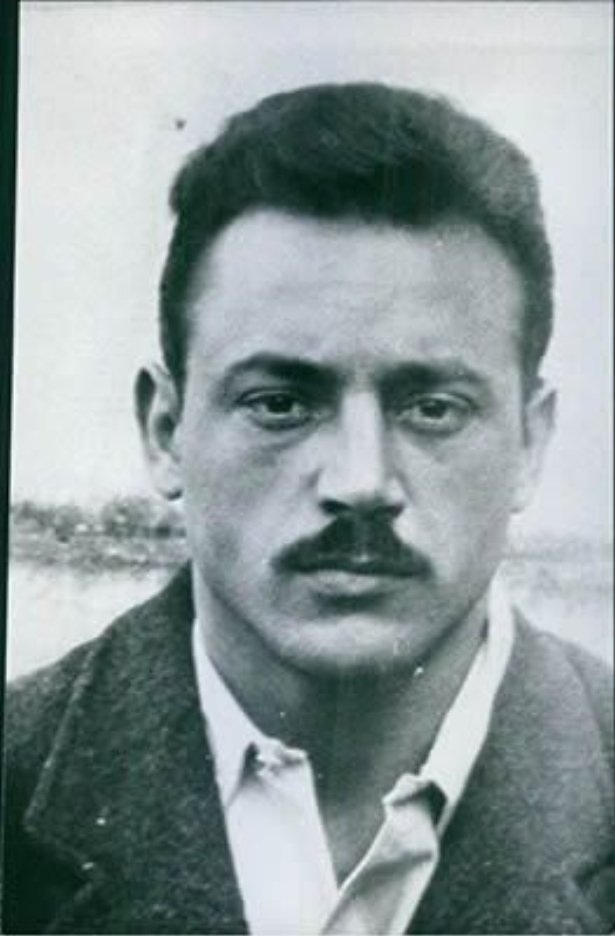
3 Fahmy Malak (AR chief medical examiner, 1979-1992,
4 Barry Seal (aka "The Fat Man")


August 23rd, 1987 - the crew of a Union Pacific train traveling outside of Alexander, AR witness two boys laying motionless on the tracks ahead. Despite blaring their horns and screeching their brakes, the boys never flinched, and were run over:

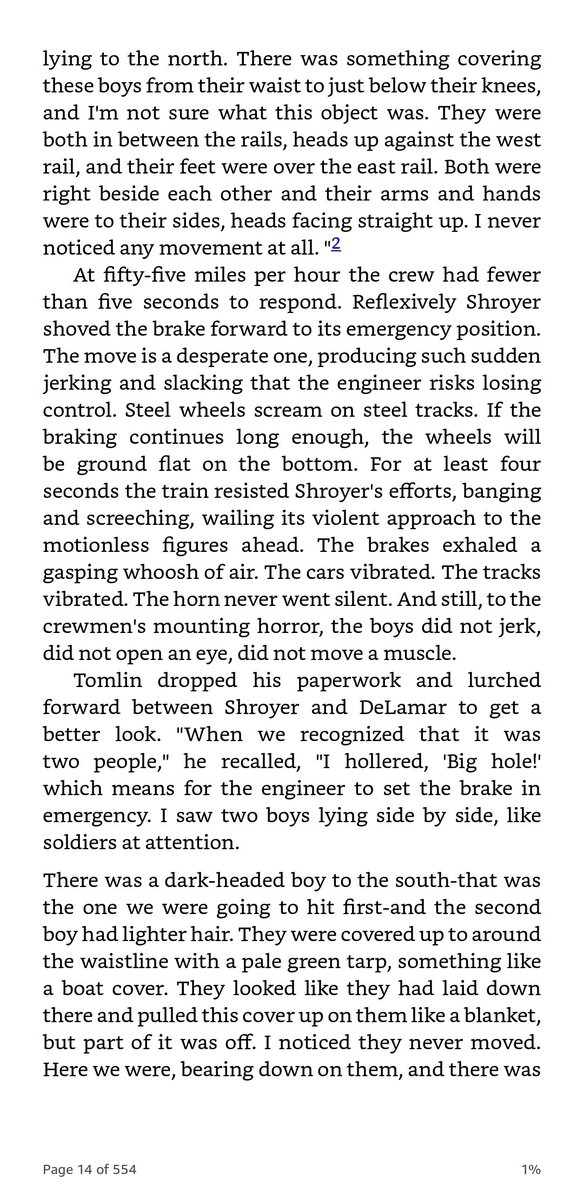


The three crew members were railroad veterans; all three agreed on what they had seen. Two boys, one shirtless, partially covered by a green tarp. A rifle was lying near the head of one of the boys.
As you might imagine, the effect on the bodies was quite gruesome. I'll spare the gory details, but suffice it to say, the crime scene went from one location to several over the course of the quarter-mile it took the train to stop.
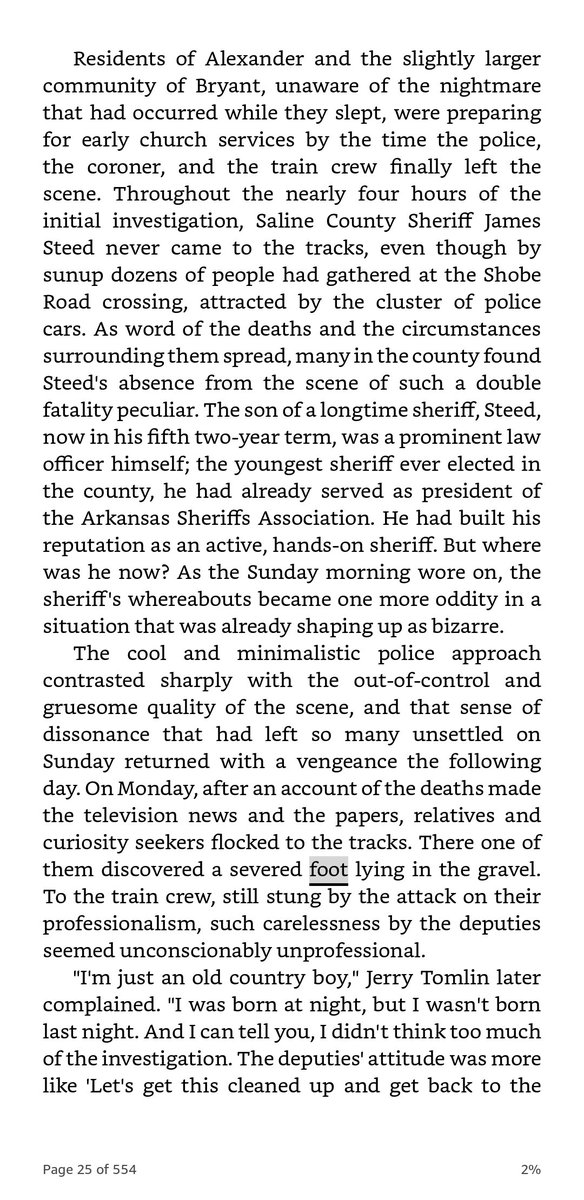
The police, however, were very nonchalant about it from the get-go. The county sheriff never even showed up to the scene. A curiosity-seeker, days later, discovered a severed foot that had been missed by police / evidence teams.


Most importantly, police immediately eliminated foul play from official lines of inquiry, and said as much to the press. These were either accidents or suicides.
Neither explanation was accepted by the families of the victims, 16 year old Don Henry and 17 year old Kevin Ives.
Neither explanation was accepted by the families of the victims, 16 year old Don Henry and 17 year old Kevin Ives.
Larry Ives, Kevin's father, was a lifelong railroad man. In fact, he'd been the engineer on the Texarkana to Little Rock run until June of 1987. If he hadn't switched routes, it very likely would have been him at the controls the night the boys were hit.


The train crew had been first to comment on lack of blood at the scene; a Henry family friend had the same analysis. If the boys had been alive at impact, there should have been a lot of blood at the scene, but there wasn't.
Word got out that the EMTs who'd gone to the scene agreed; the blood didn't look right, and they doubted the train had killed the boys. Linda Ives, Kevin's mother, went to investigate personally. This is what happened next:
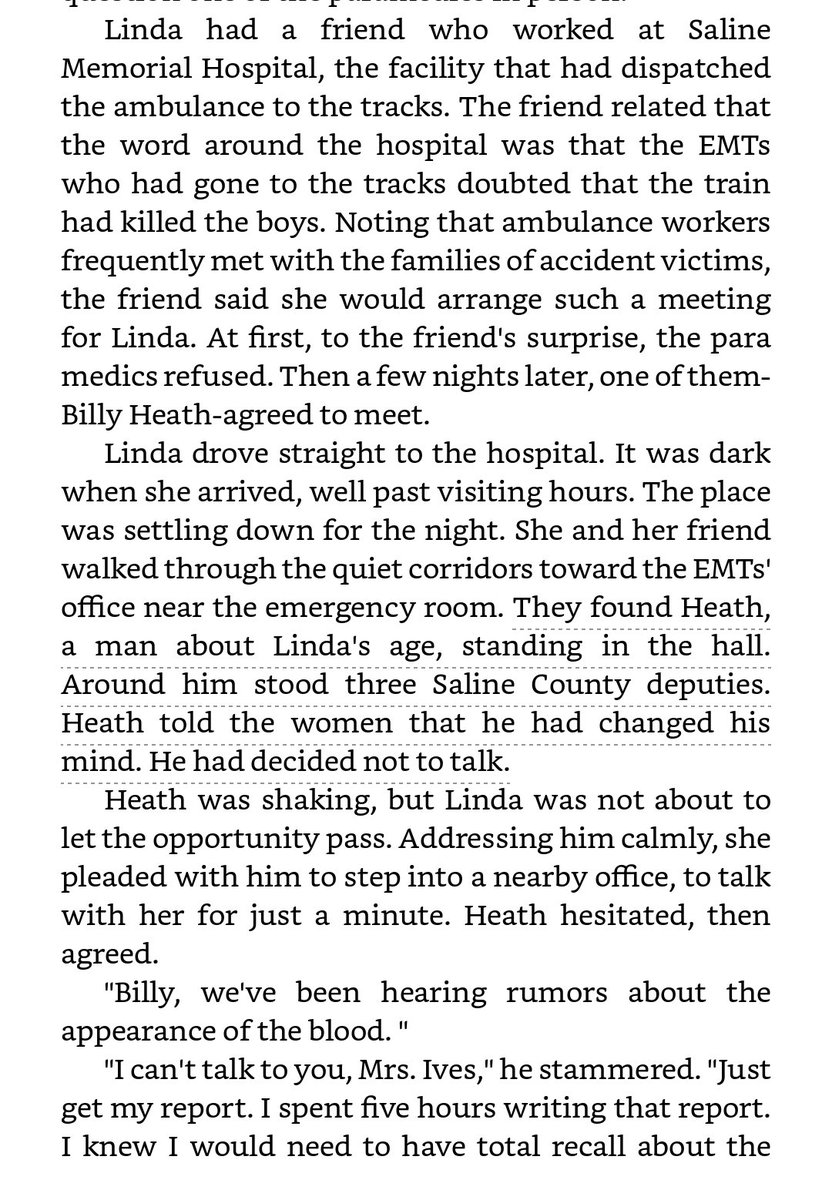


One of the EMTs, Billy Heath, nervously stated he couldn't talk to Linda. He'd been visited by Saline County deputies. He referred Linda to the report he'd written up about his findings; that report disappeared, replaced by a much shorter one.
Investigators had also discovered a bloody piece of cardboard and rifle parts at the scene; they later learned the state crime lab had never tested the cardboard, and that the gun disappeared entirely:

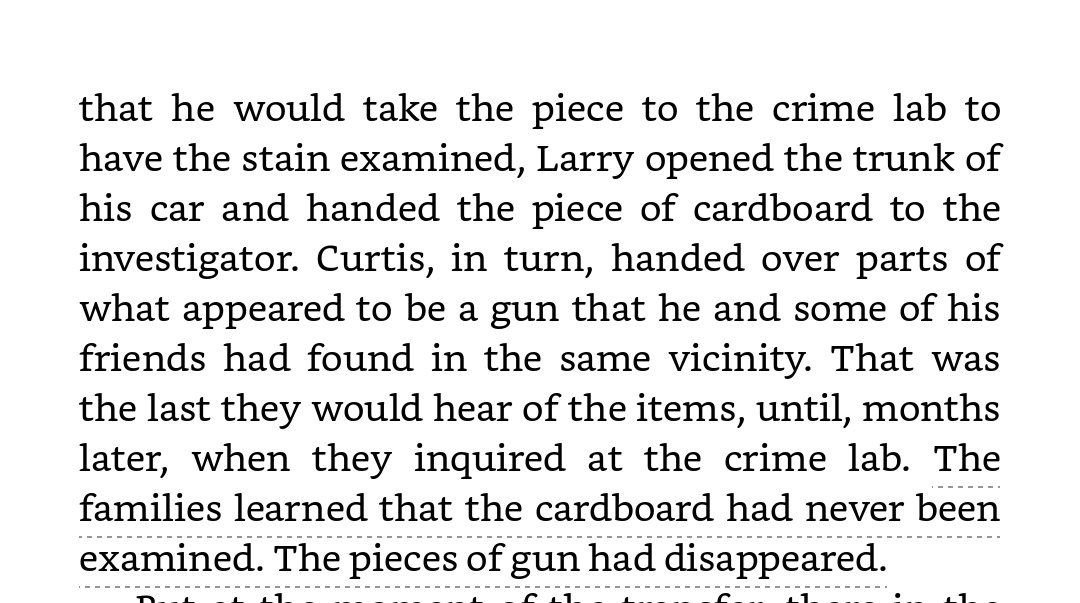
In other words, a cover-up was underway from the get-go.
That brings us to Fahmy Malak.
Malak, an Egyptian native, had been educated in the States and became Arkansas' chief medical examiner in 1979, appointed during Bill Clinton's first term as governor.
Malak, an Egyptian native, had been educated in the States and became Arkansas' chief medical examiner in 1979, appointed during Bill Clinton's first term as governor.
His ruling for the cause of the boys' deaths was - and I am not bullshitting you - "two accidental deaths due to THC intoxication." They'd smoked "20 joints," by his estimation, and in their euphoric state, laid down on the tracks together and never heard the train coming.
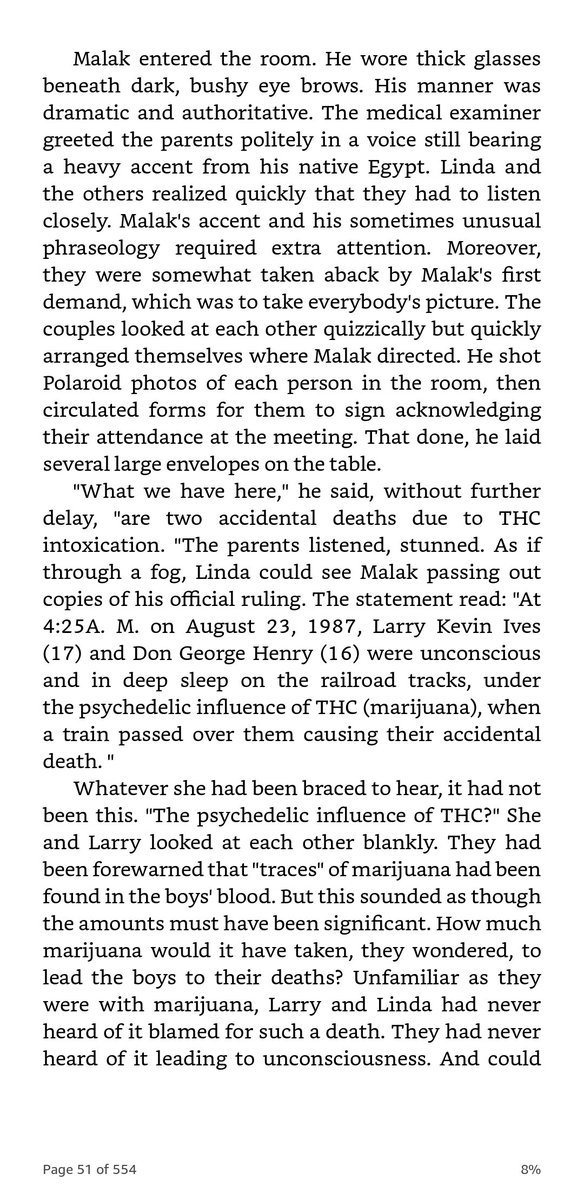


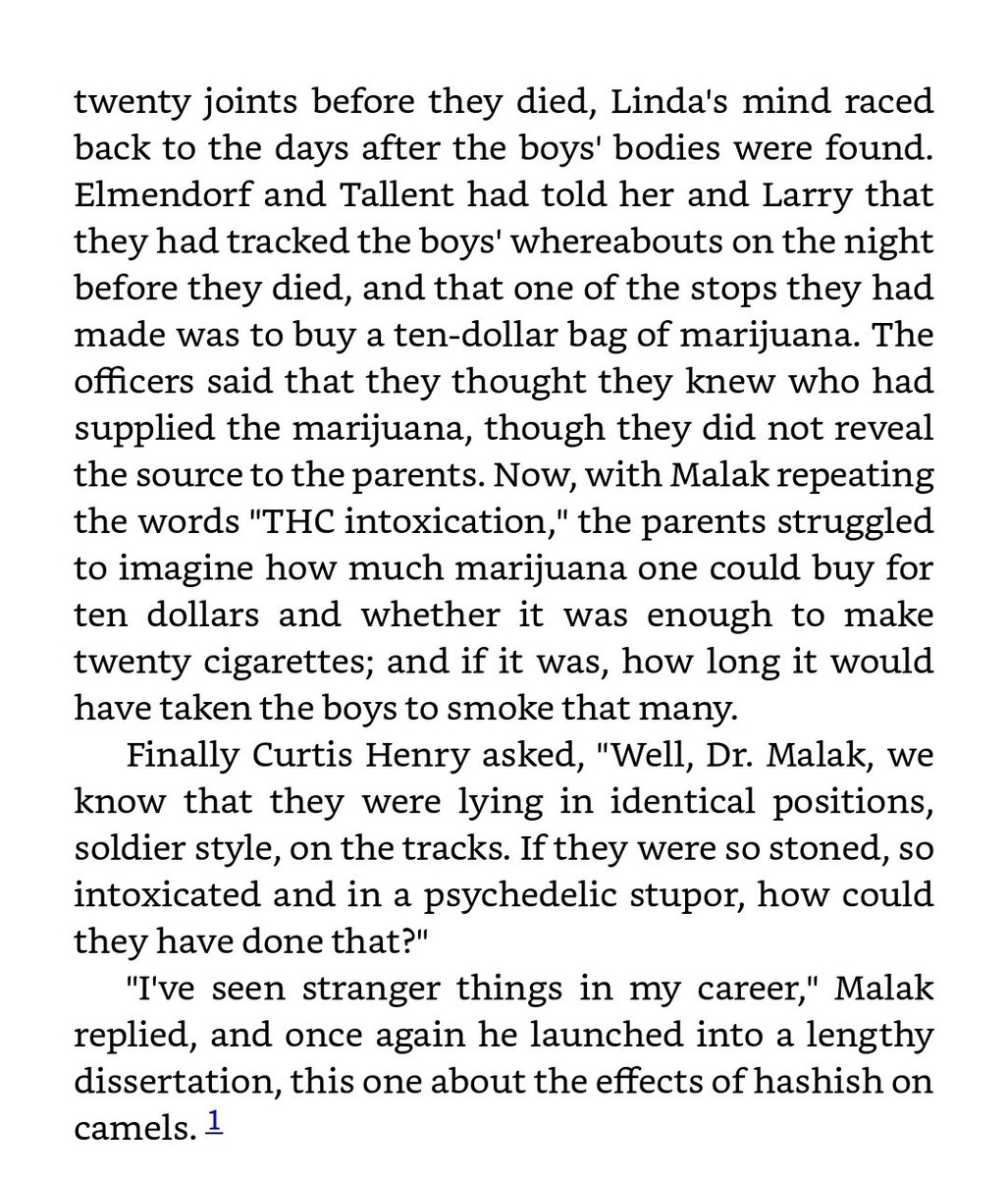
He also became perturbed when the parents pushed for clarification, threatening to pull out the autopsy photos on them.
Now, obviously, that shit is absolutely insane. By this time, Malak had already irked many families of victims with his bizarre, often incoherent rulings. A great rundown can be found in this LA Times article from 1992:
latimes.com/archives/la-xp…
latimes.com/archives/la-xp…
Eventually, the family was able to get the cause of death changed via legal proceedings, but despite that and Malak's many other terrible rulings, the state of Arkansas just couldn't seem to get rid of him:

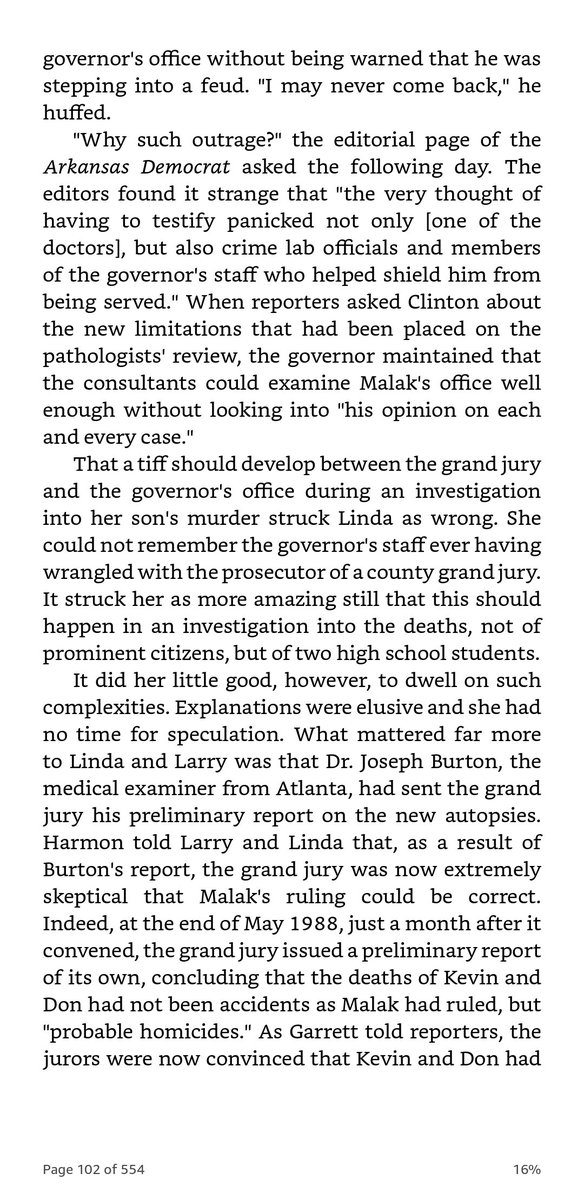
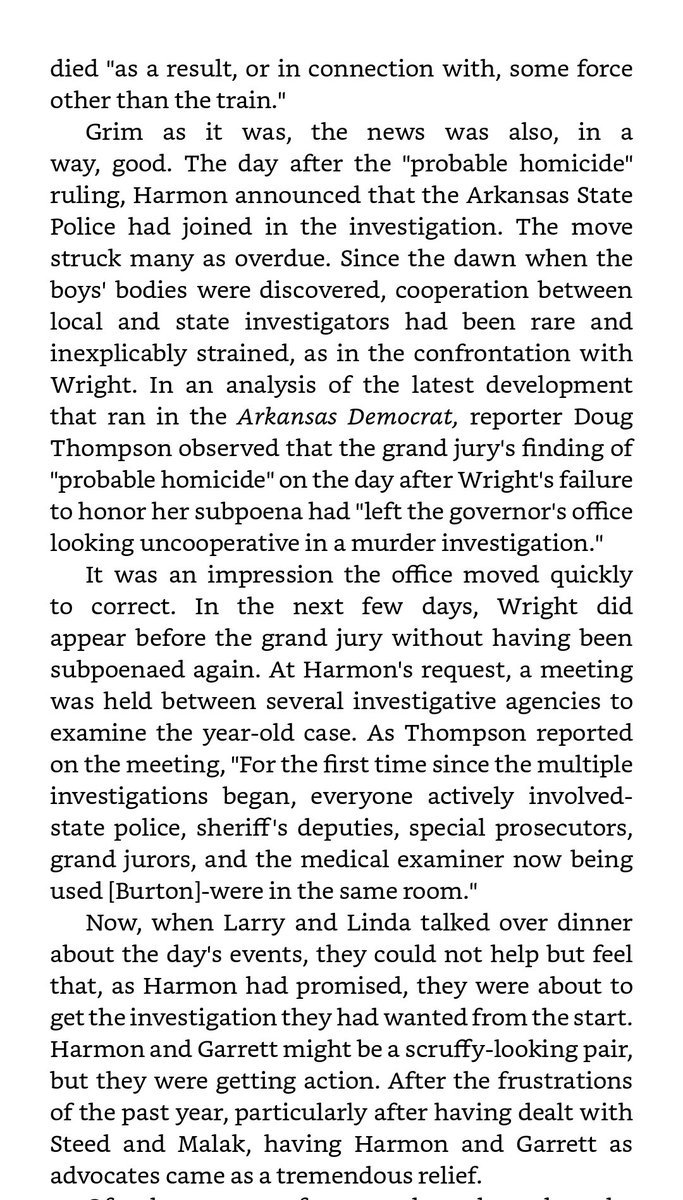
At least a new (competent) pathologist was able to review the physical evidence, and was able to give the families a more truthful account of the boys' injuries prior to being hit by the train:

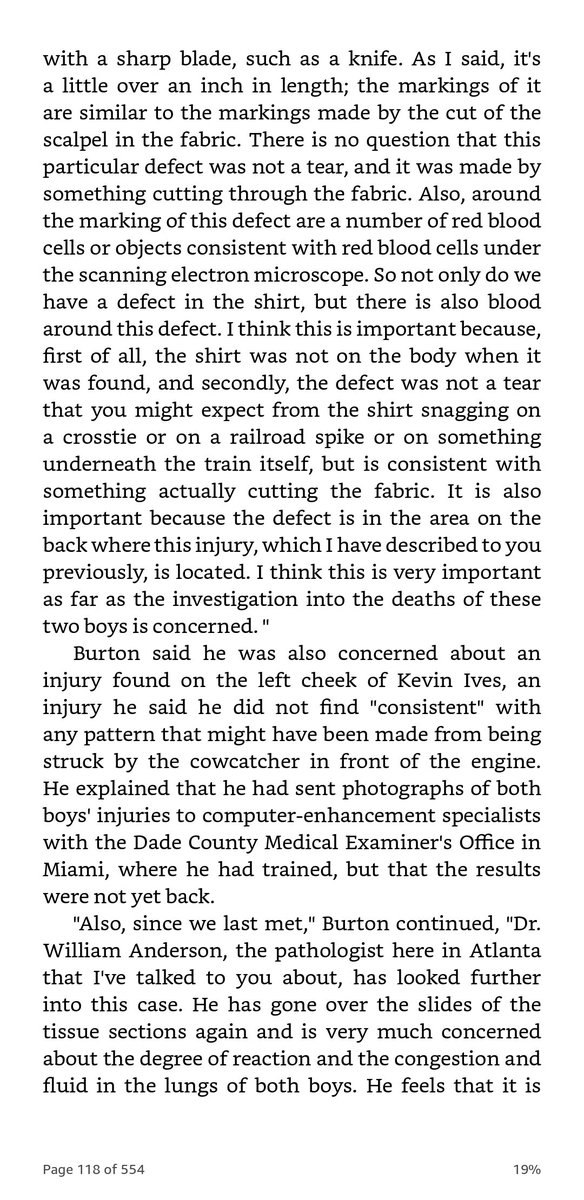
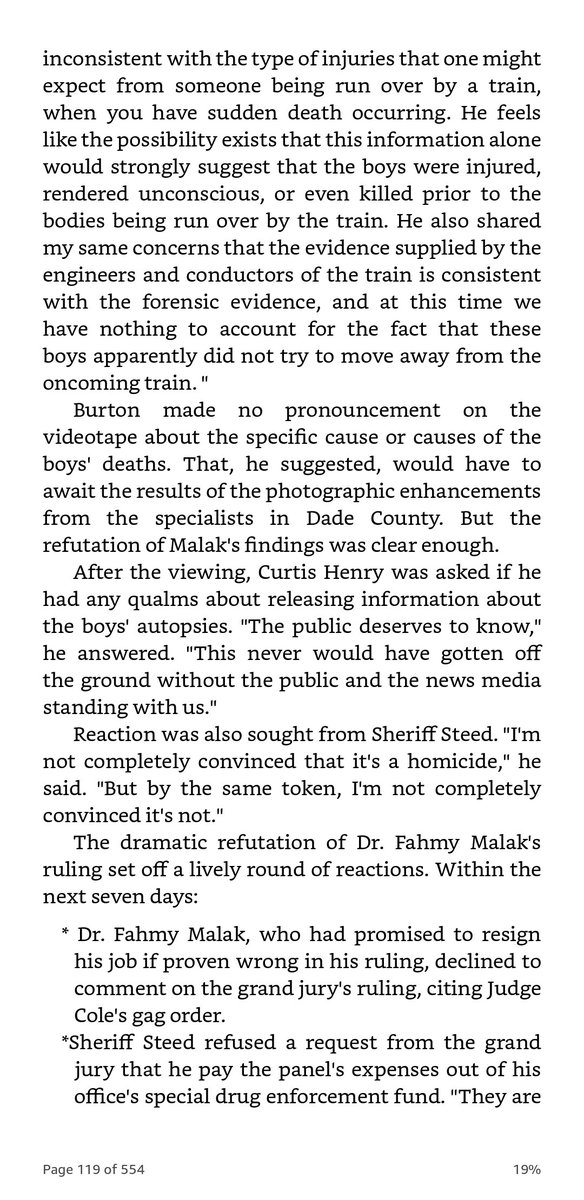
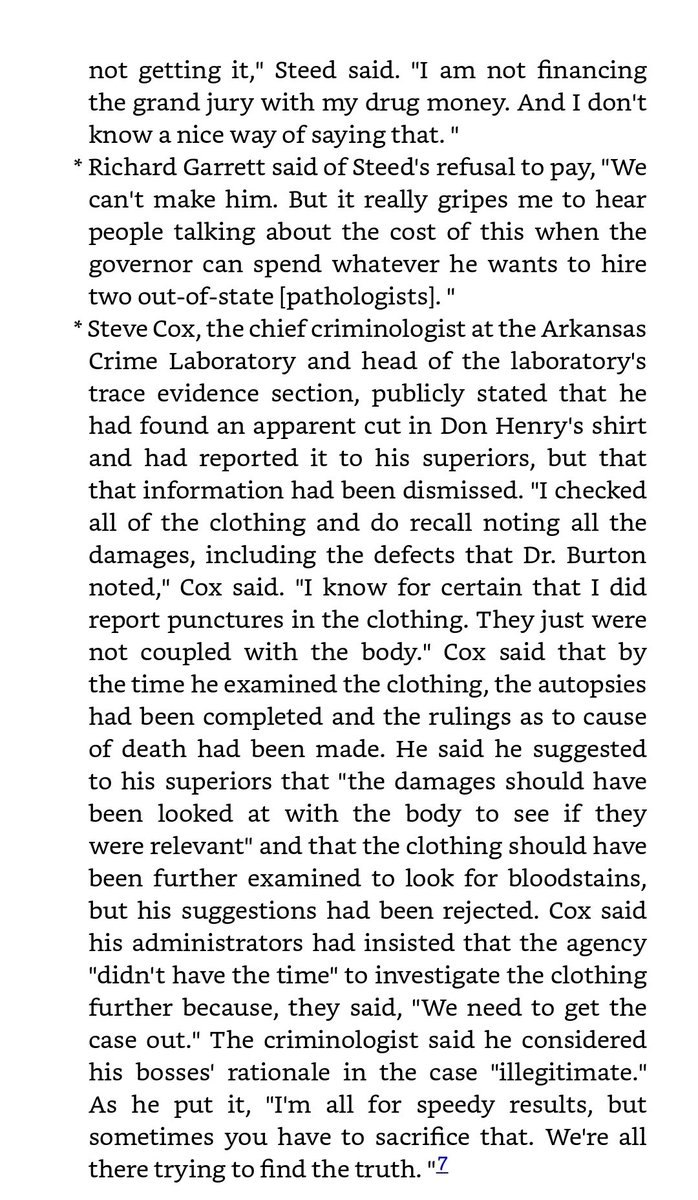
In short, it is likely that Don Henry was stabbed to death, and Kevin Ives had likely been at least knocked unconscious, if not killed, by a blow to the face with a blunt object, possibly the butt of a rifle.
A new review of Malak's work and conduct, brought forward after consistent pressure by a group led by Mrs. Ives, still couldn't take Malak down:


So why WAS Malak so untouchable? Did it have to do with Malak's involvement in a case against Virginia Clinton Kelley, Bill Clinton's mother?
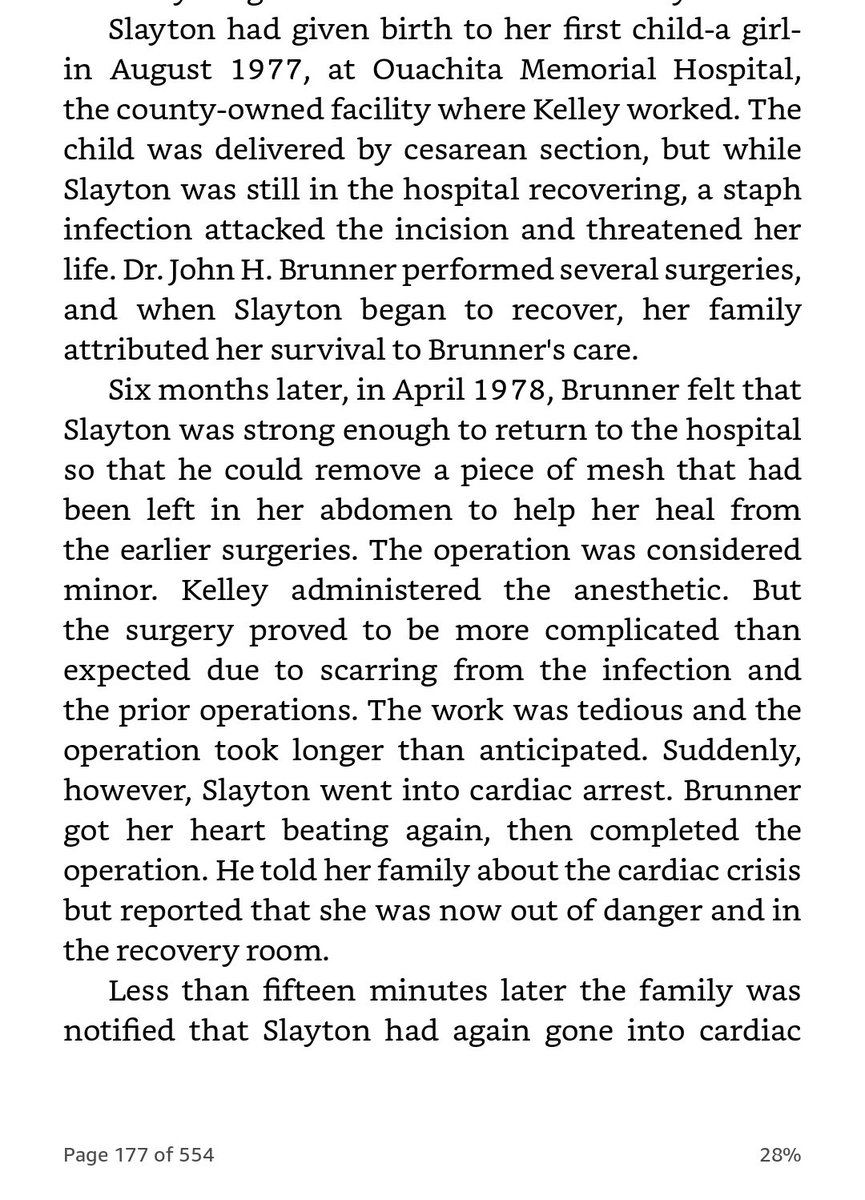
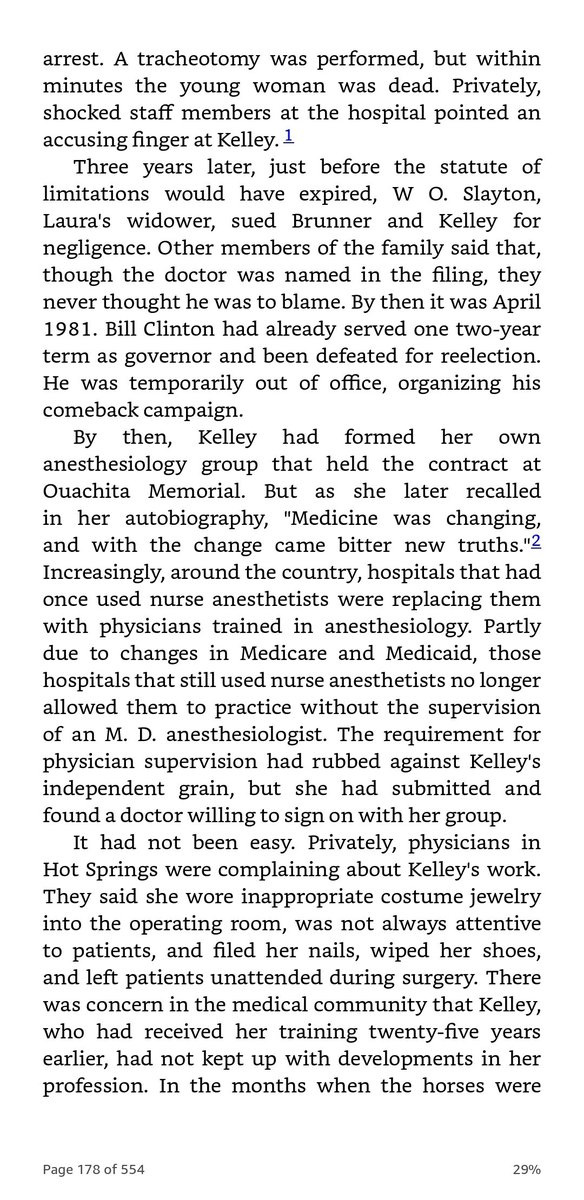
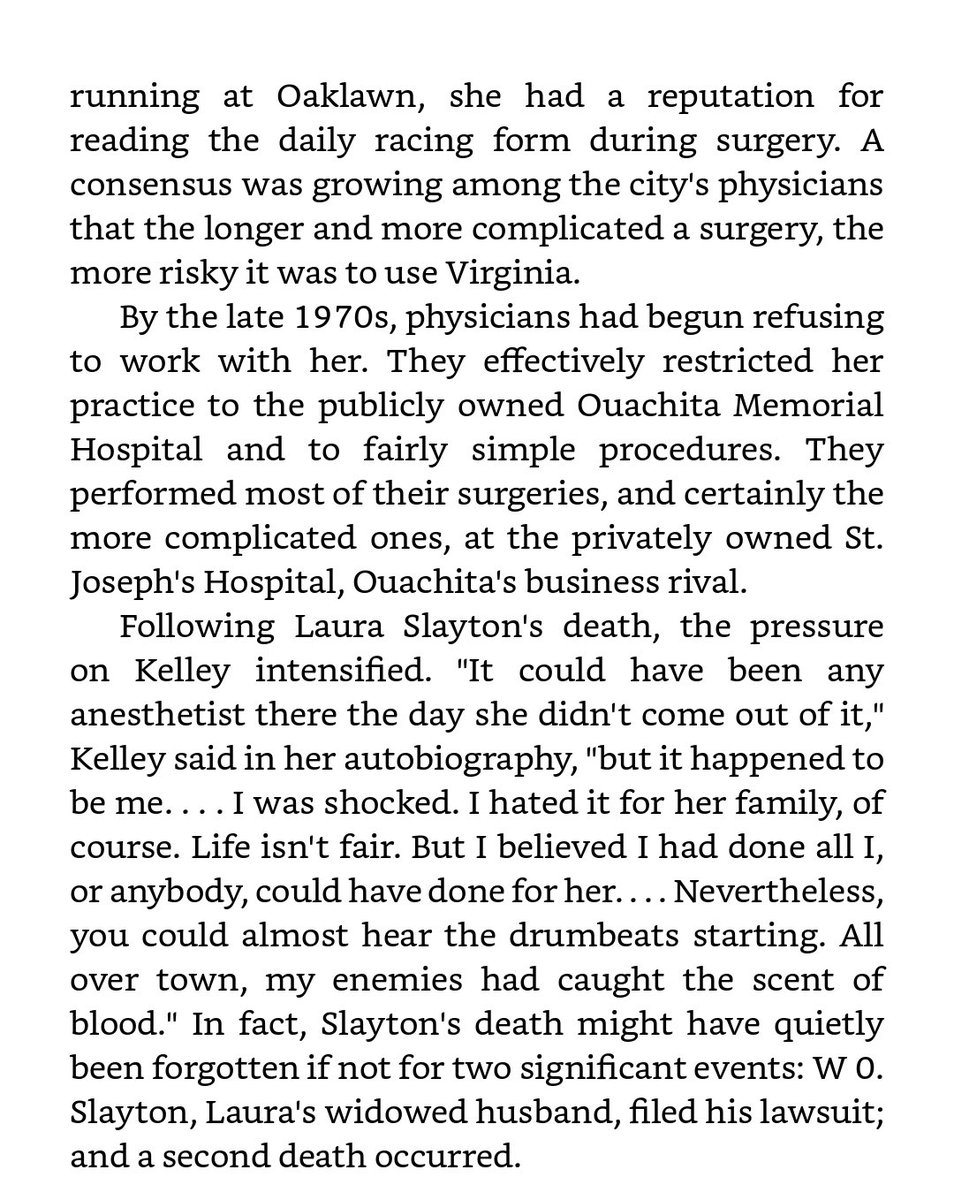
Some context: Kelley was a nurse anesthetist in and around Camden, AR in Ouachita County. She began to gain a reputation for being inattentive, self-involved, and preoccupied with extracurricular activities, and two cases got her in particularly hot water.
The death of Laura Lee Slayton, a young mother who came in for a routine procedure that went horribly wrong, resulting in her death:
Not long after Slayton, and while litigation/reviews were pending for liability in the Slayton case, Kelley botched another procedure, this one on a young woman named Susie Deer:


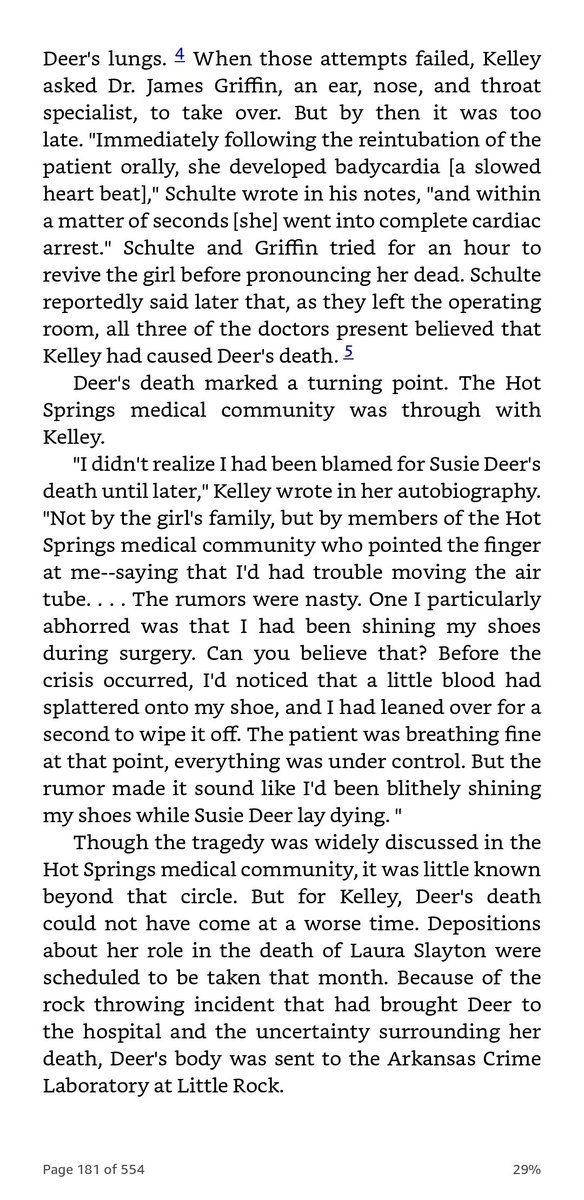
Deer had been hit in the face by a rock thrown through her car window by a man who claimed he'd been called racial slurs by Deer and her boyfriend. The wounds to Deer's face were serious, but not life-threatening. However…
Deer passed away on the operating table. Who do you suppose performed the autopsy?

Malak, of course. And he ruled the manner of death to be homicide, due to the rock. His report never even mentioned the medical malpractice involved by those charged with her care afterward, primarily Kelley.
Malak would remain chief medical examiner until 1991, when he left for a position at the state health department that had been created just for him, at a significant increase in salary.
Unfortunately for Linda Ives and the rest of the boys' loved ones, Fahmy Malak wasn't the only corrupt character involved in the case. Not by a long shot.
This quote from Linda Ives sums up her general experience:
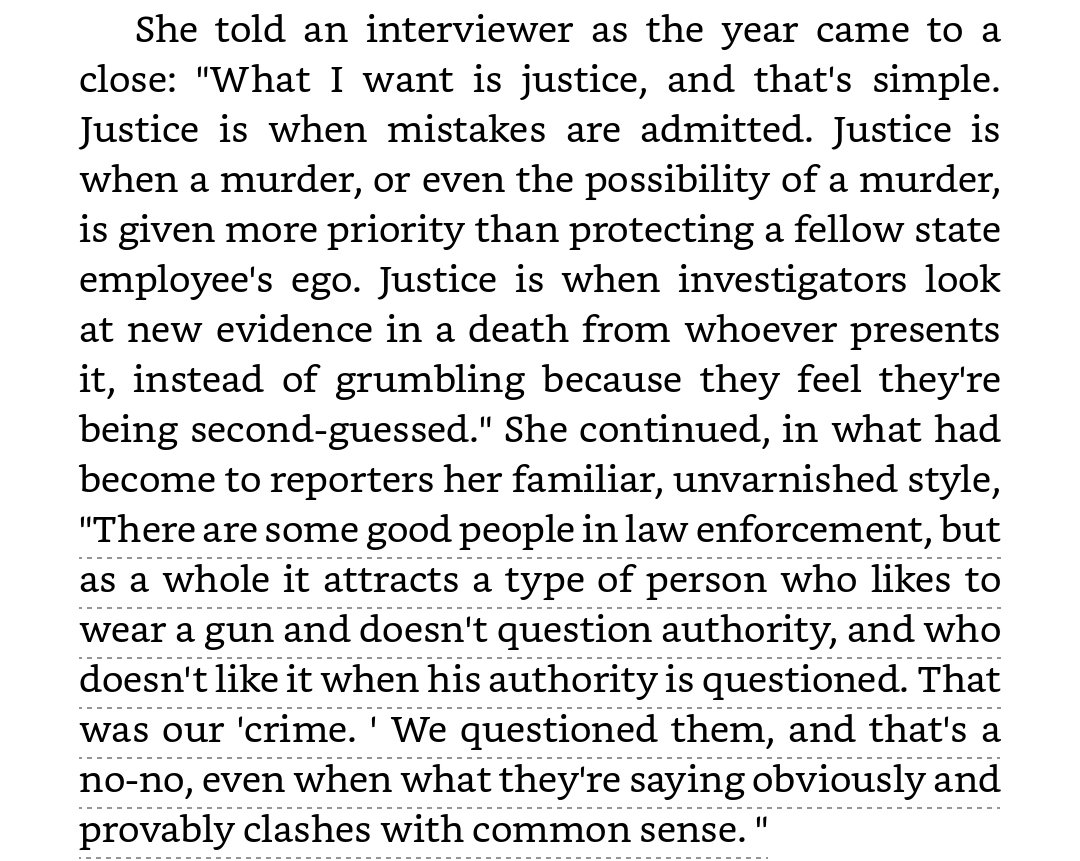
How it all started: Richard Garrett, a district deputy prosecuting attorney, called Linda Ives and told her he and his partner, Dan Harmon, wished to open a prosecutor's hearing into the Ives and Henry deaths.
Such a hearing would be akin to a grand jury investigation; witnesses could be called, via subpoena if necessary, in a special fact-finding inquiry. They were typically used when the cause of death was under dispute, though they were somewhat rare.
Dissatisfied with the local PD investigation into the deaths, the Ives family in particular signed on and assisted Harmon (who wound up taking the lead on the proceedings) and Garrett.
Problem was, Harmon himself was a wild card.
Problem was, Harmon himself was a wild card.
By the time of the Tracks case he had already declared bankruptcy, had his rising star dimmed by scandal and his bad temper, and had once fled the state:


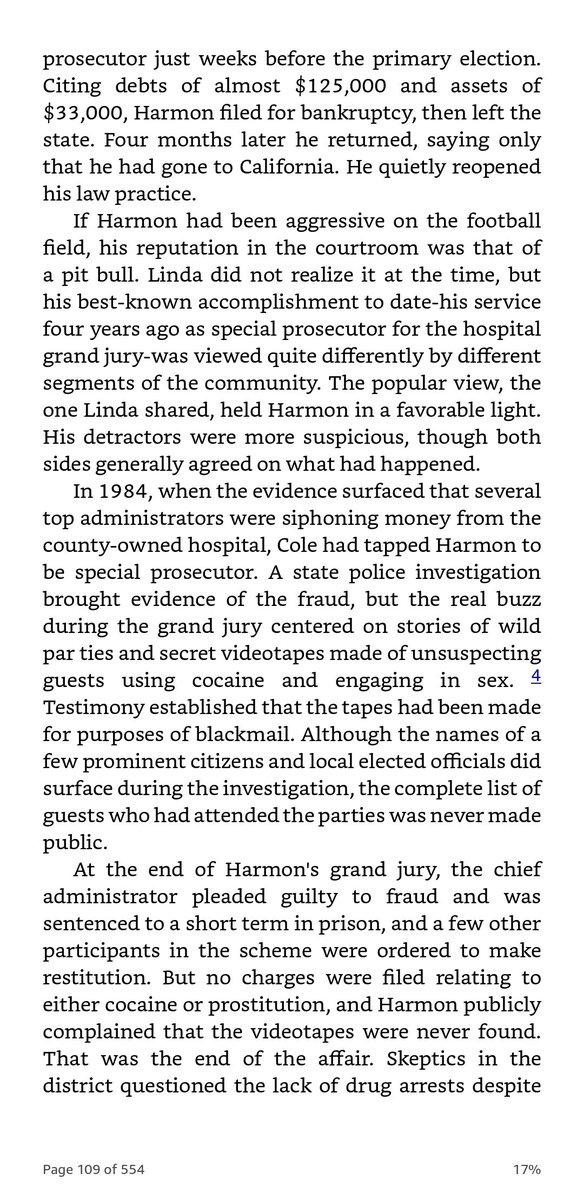

Under Harmon's direction, the inquiry (the book does refer to it as a grand jury) proceedings quickly turned their focus to cops and drugs, with numerous officers and drug dealers being called in to testify:


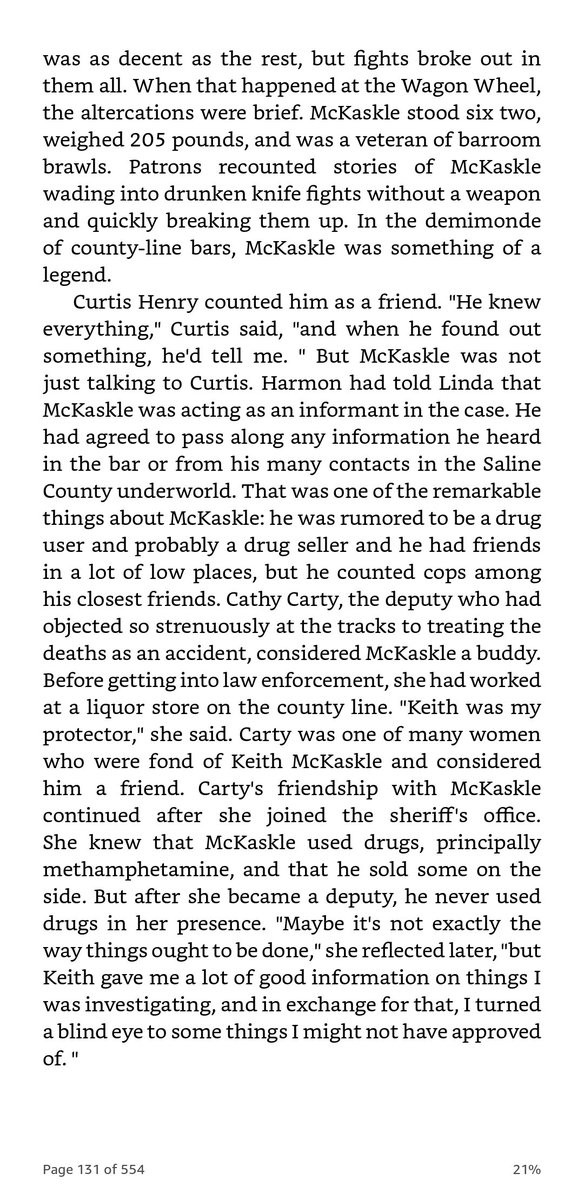
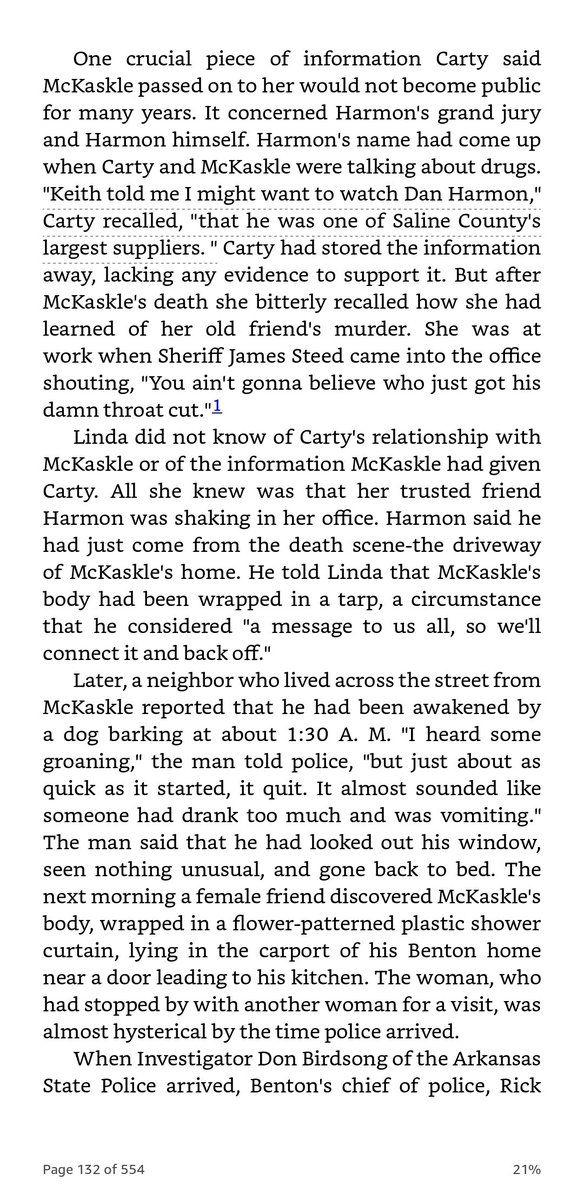
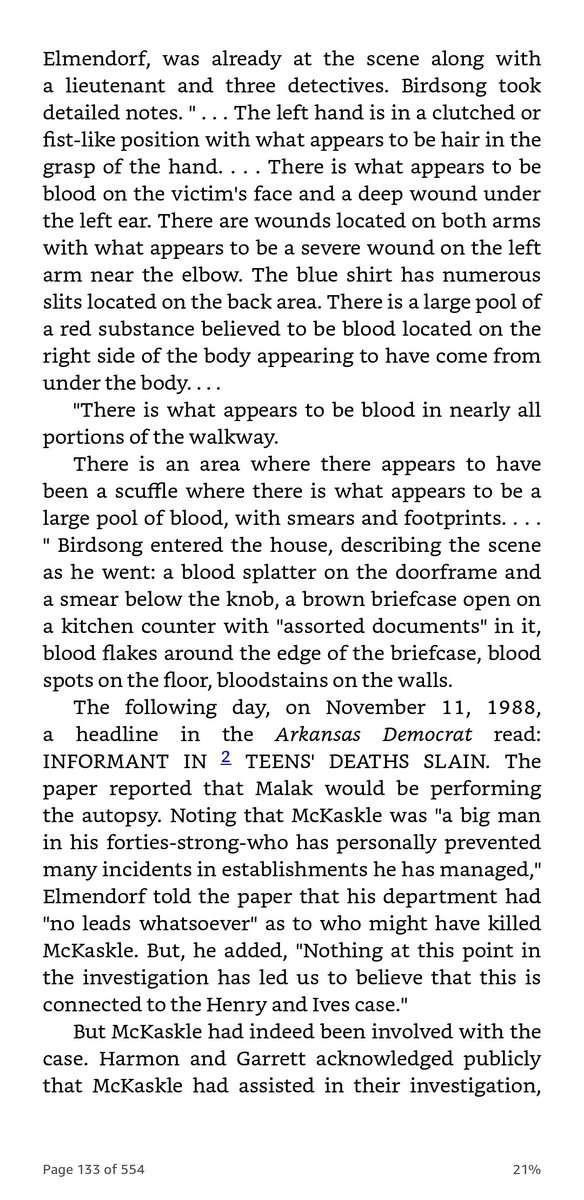
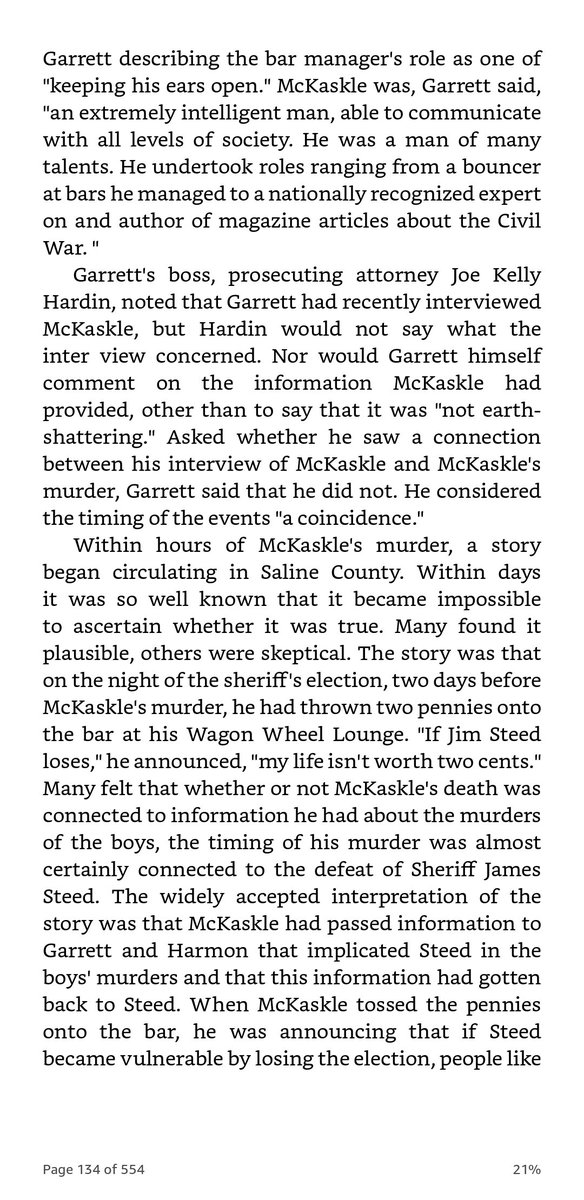
One of the witnesses involved, a drug dealer named Teddye Carter, claimed to be an FBI / Bentonville police informant.
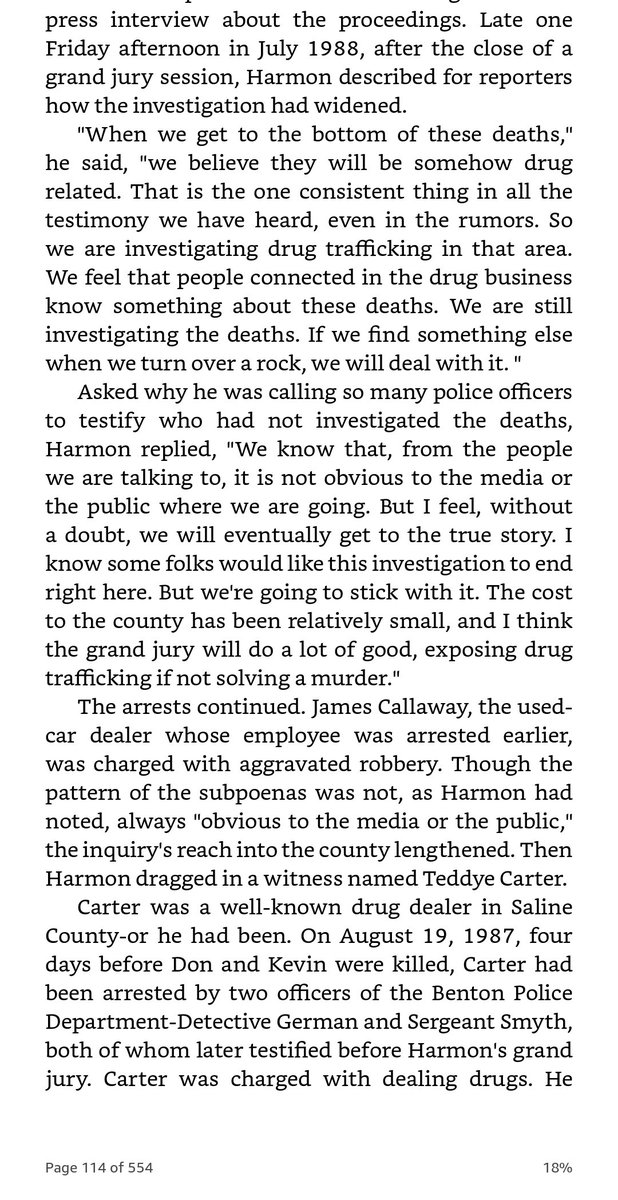

During the proceedings, another drug dealer/ informant named Keith McKaskle, a local bar owner who was rumored to have knowledge of what had happened that night on the tracks, was brutally murdered:


In fact, in the years after the grand jury investigation, the bodies really started to pile up on Saline County:
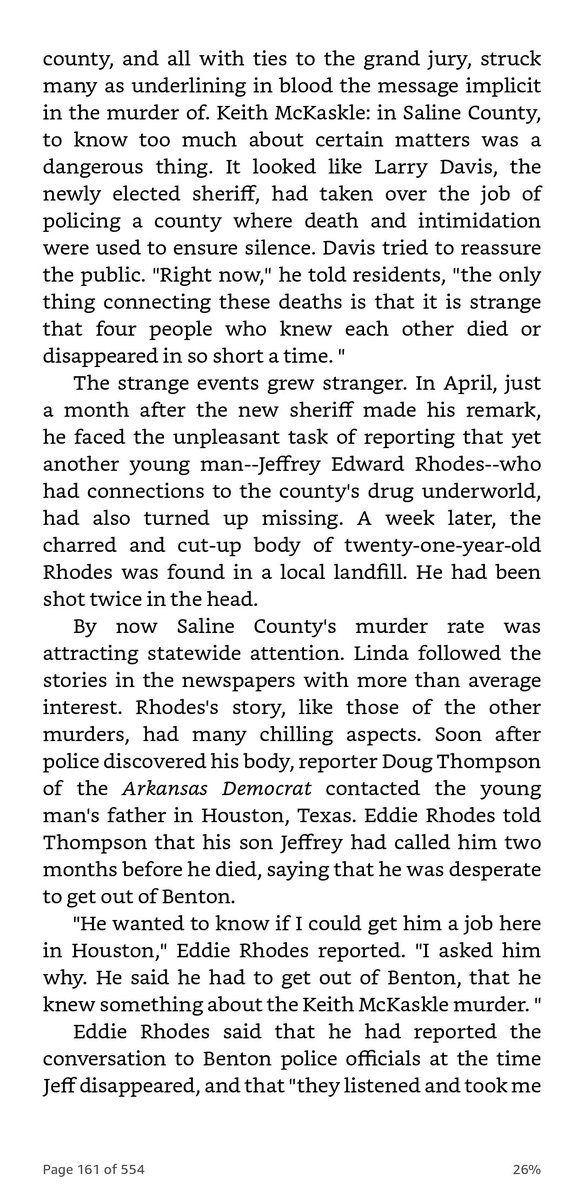
However, the grand jury had concluded without recommendations for charges. They had stated it was "likely" the boys' deaths were related to drugs, but the investigation hadn't turned up a suspect.
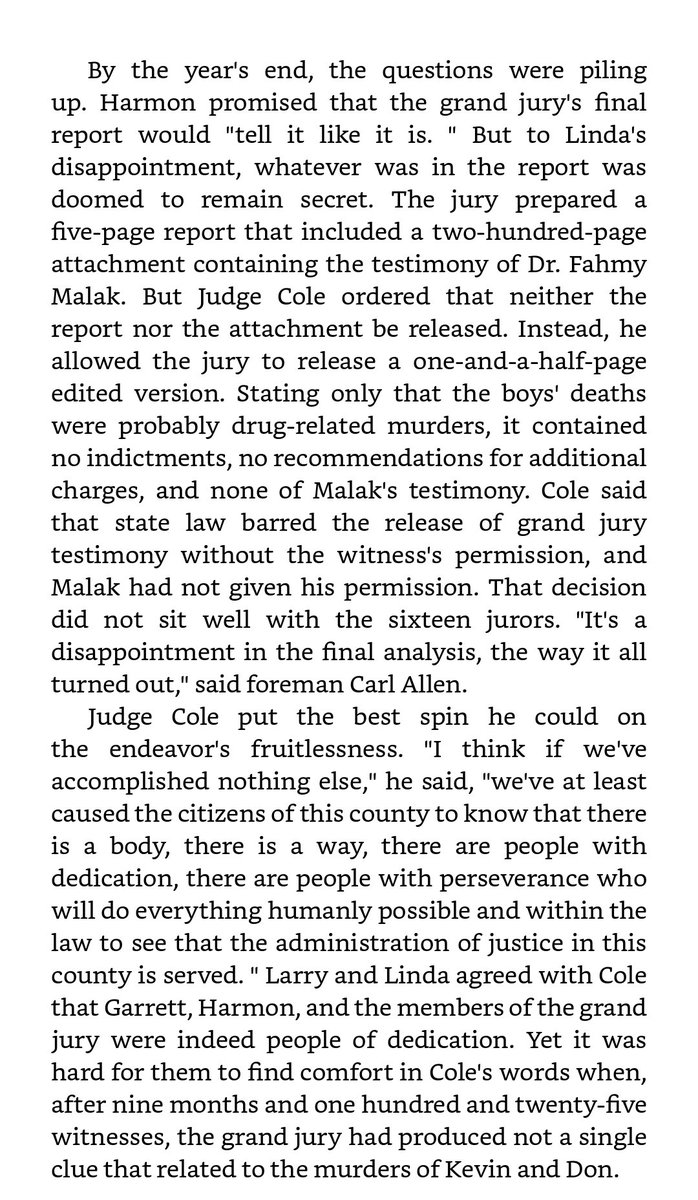
Linda Ives then requested the state police files to look through herself, which is where things really started to get interesting
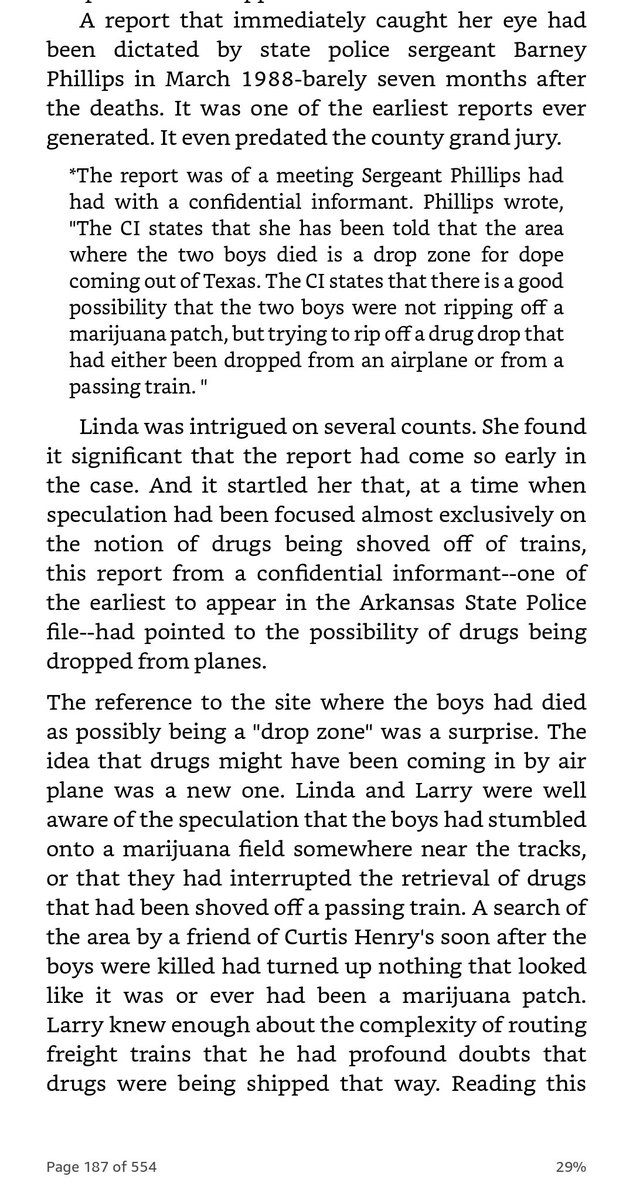


In one of the earliest reports the state police generated, an informant told them the area where the boys died was a drug drop, and they'd likely stumbled onto a stash either dropped from a plane or a passing train
Don Henry's ex-brother-in-law claimed he had seen Don with cocaine in the days prior to his death, and that Don stated he'd found an "ultimate dealer" in Little Rock.
Yet another CI told an investigator he'd heard the boys had overheard a phone call regarding the drop, and had been caught trying to rip it off.
Hard to know how much credibility to lend all these stories, but the deaths' connection to drugs seems more than just a possibility
Hard to know how much credibility to lend all these stories, but the deaths' connection to drugs seems more than just a possibility
Don Henry's father believed as much, and gave the police a detailed theory that sounds about as plausible as any other offered in the book:
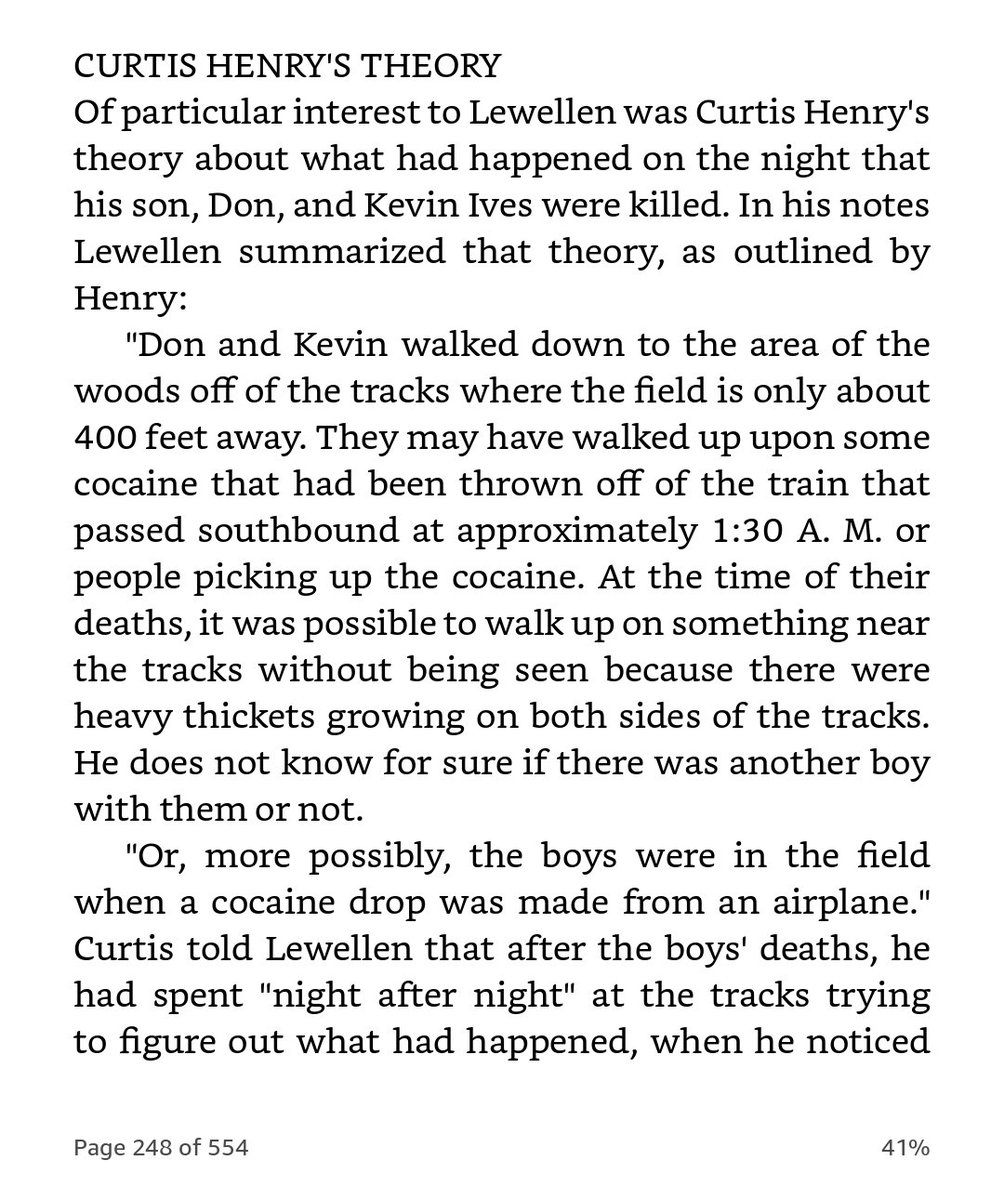

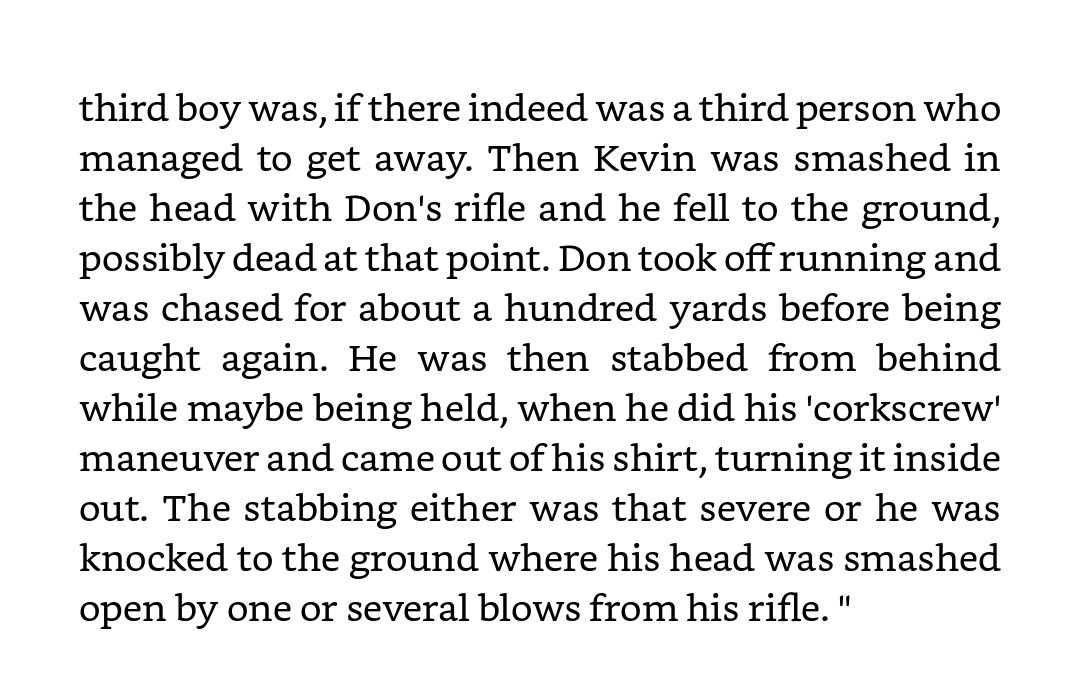
So, Harmon seemed correct to focus on drugs in his prosecutor's hearing. The problem, as everyone discovered later, was that Harmon himself was a target of drug trafficking and money laundering probes:


Throughout the early 90s, stories began to trickle out, then began to spill out into the open, regarding Harmon's erratic behavior and drug use. Several ex-wives and girlfriends alleged he was a regular user and distributor of narcotics.
It got to the point where Harmon (the prosecutor) HIMSELF was alleged by a (credible!!!) witness to have been out at the tracks the night the boys were killed.


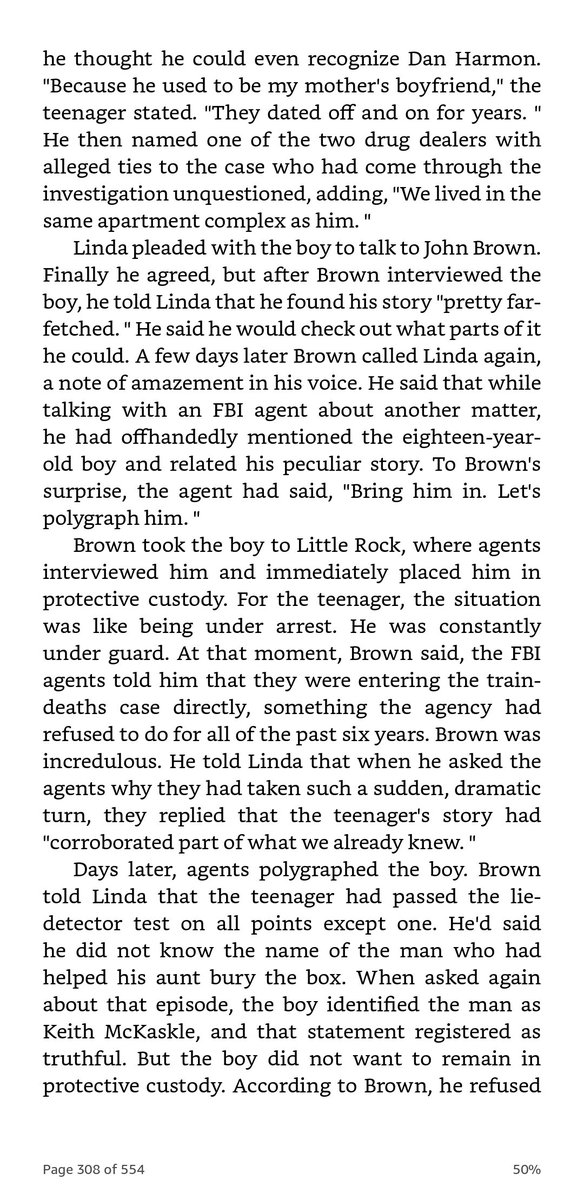

This documentary excerpt has more:
Harmon was, in effect, using the grand jury "investigation" into the boys' deaths as a shakedown operation, intimidating witnesses into silence and eliminating competition through the power of his office.
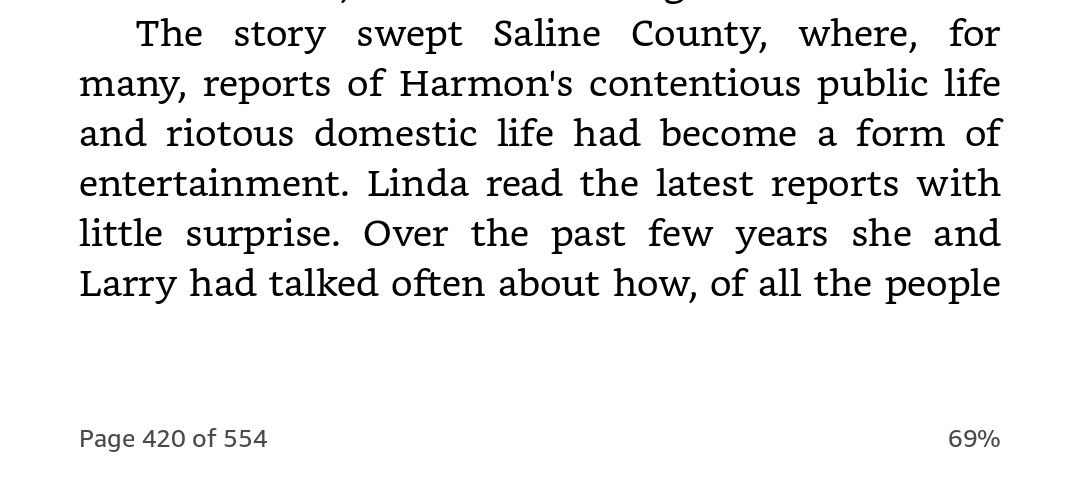

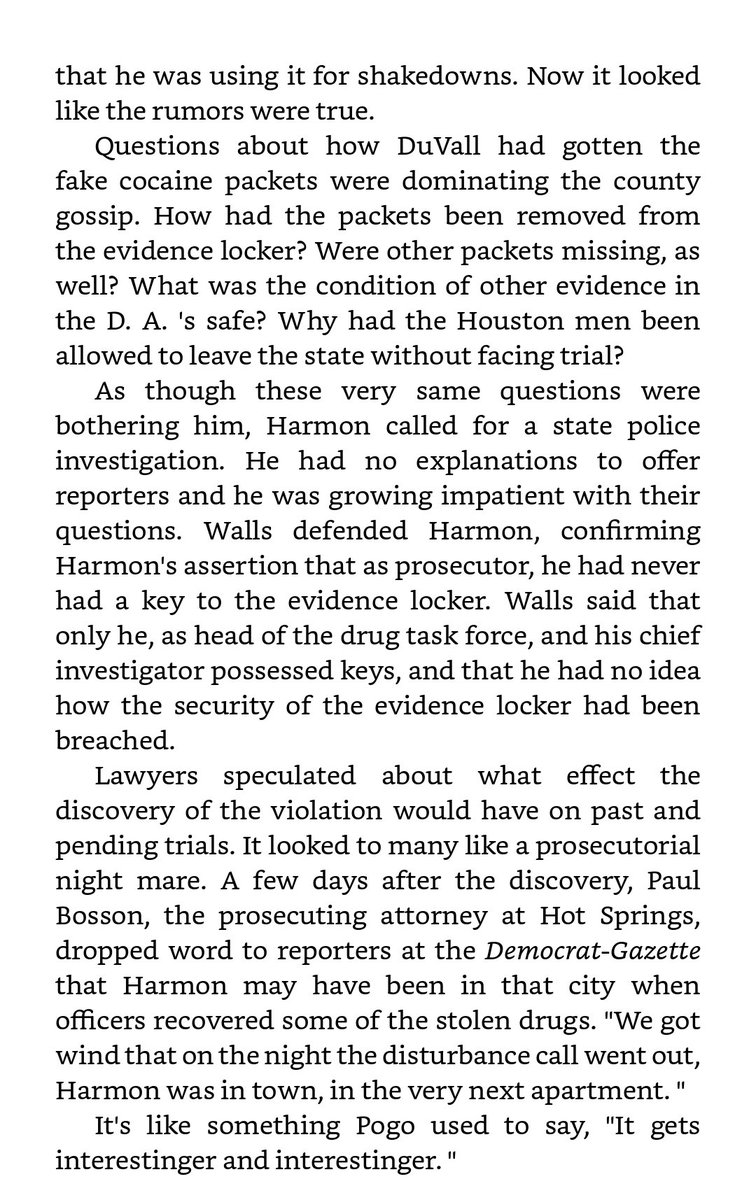
In 1997, Harmon was officially indicted and eventually sentenced for all he'd done as prosecutor:
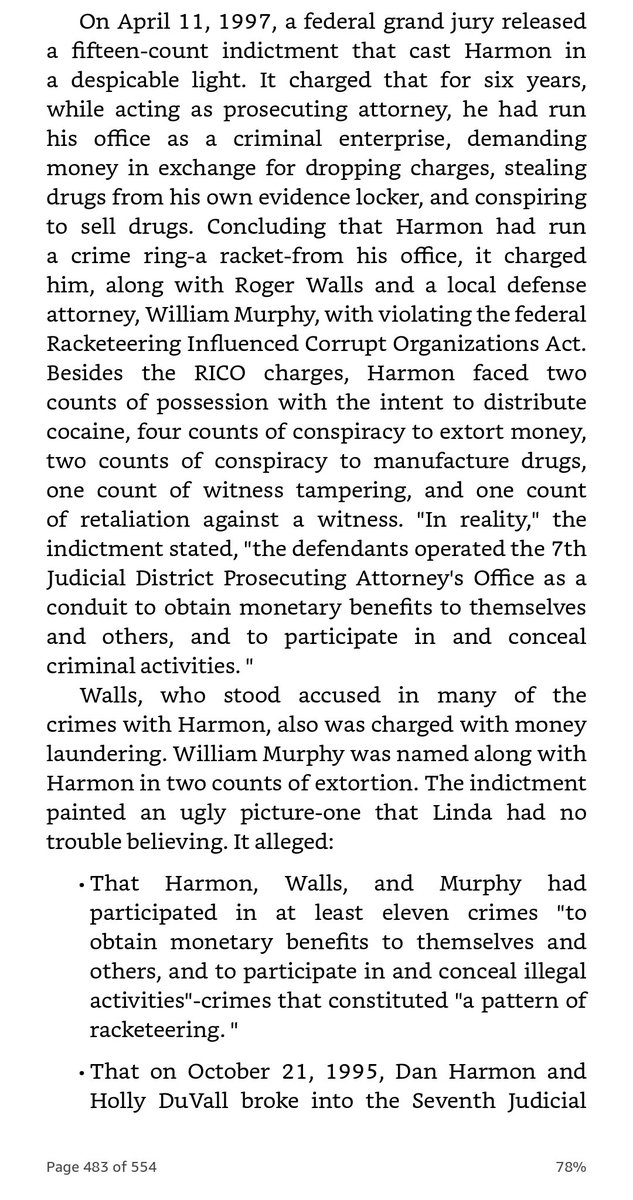
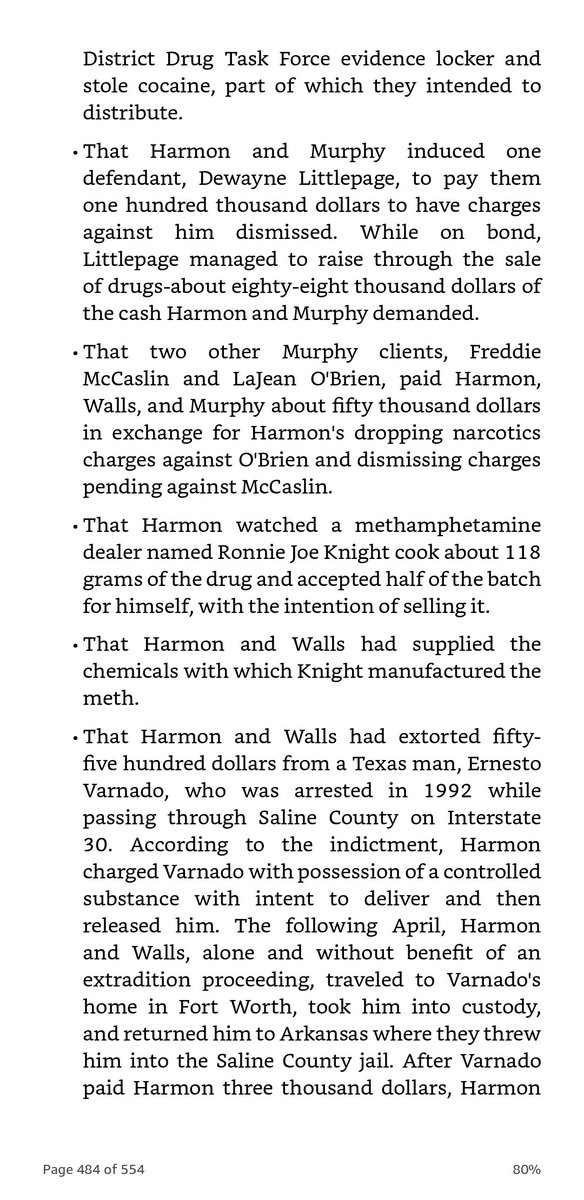

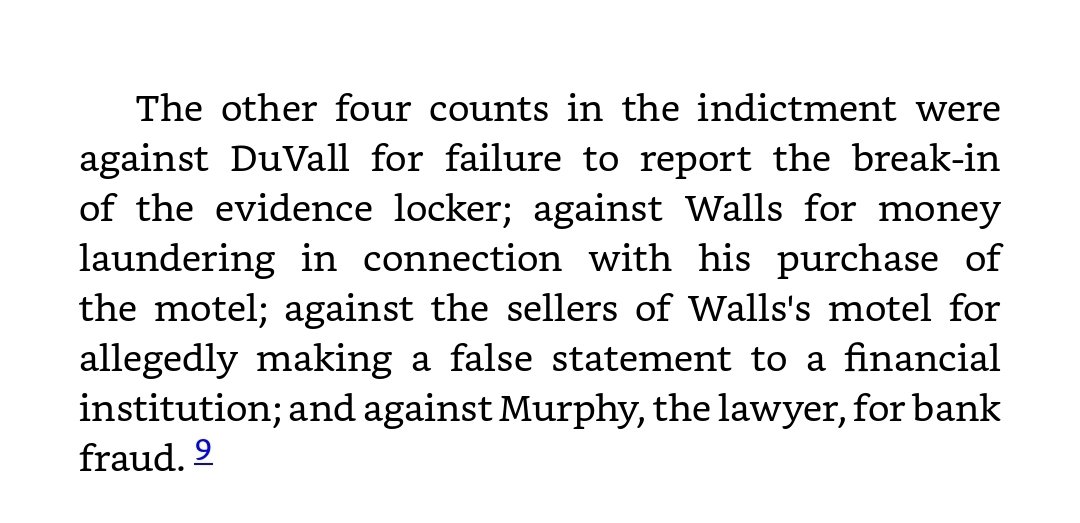
Harmon eventually got caught, but he was small potatoes compared to what was going on about 120 miles west of where the boys had died. Can't conclude this story without an exploration of what Barry Seal and the CIA were doing out in Mena, AR.
Barry Seal:
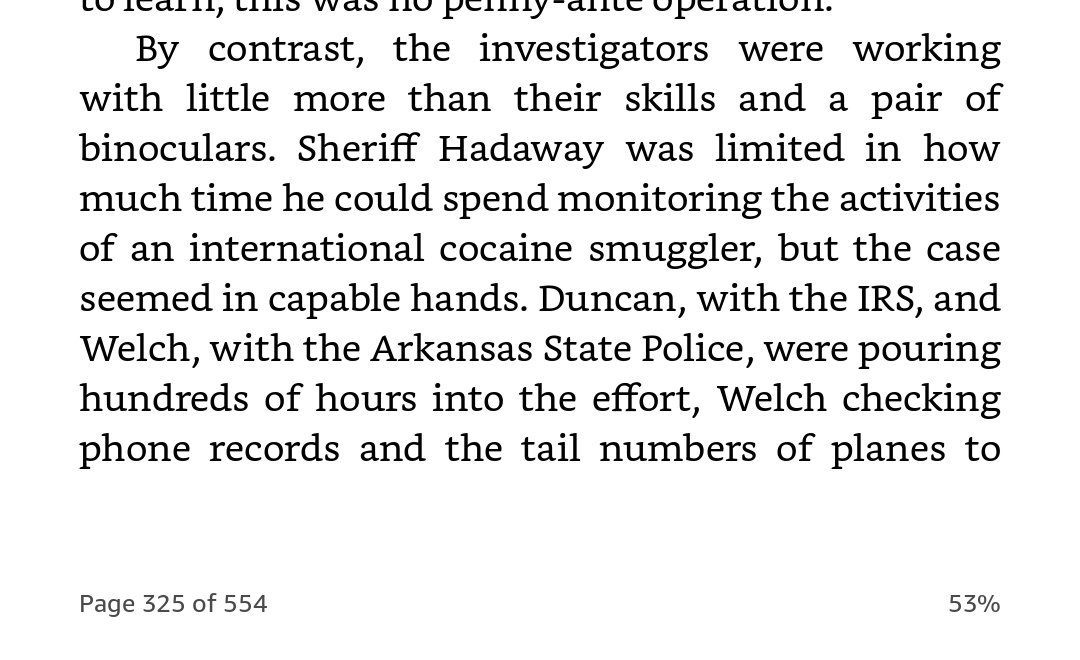
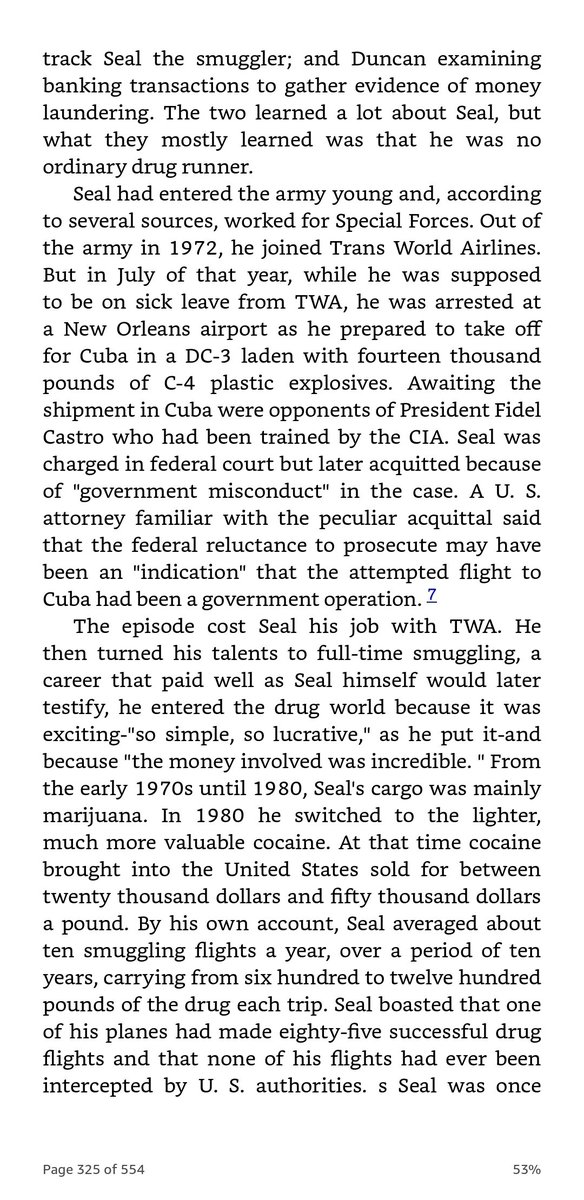


"By his own account, Seal averaged about ten smuggling flights a year, over a period of ten years... Seal boasted that one of his planes had made eighty-five successful drug flights and that none had ever been intercepted by U. S. authorities."
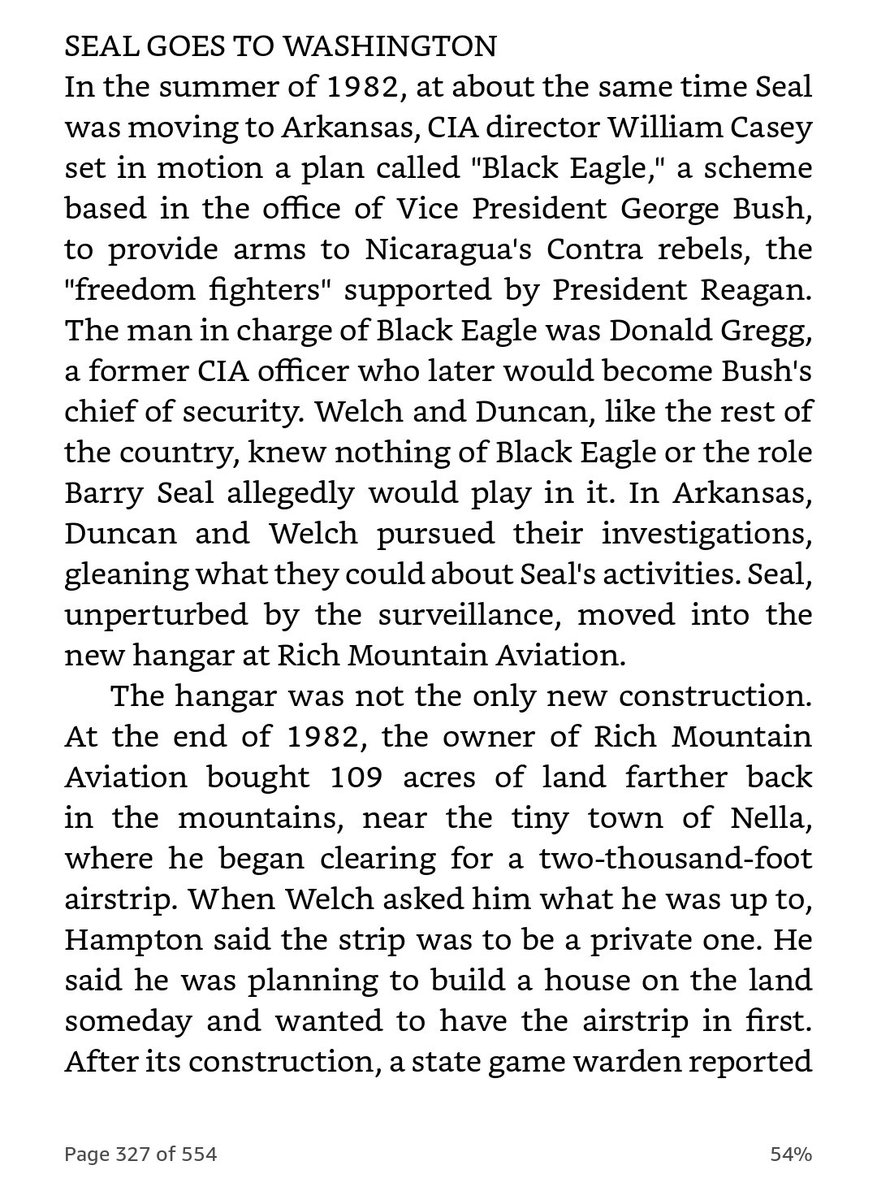
Multiple police agencies and federal agencies had pieced together what Seal was up to, and some had even indicted him, but he continued to operate, business as usual, even when out on bond:

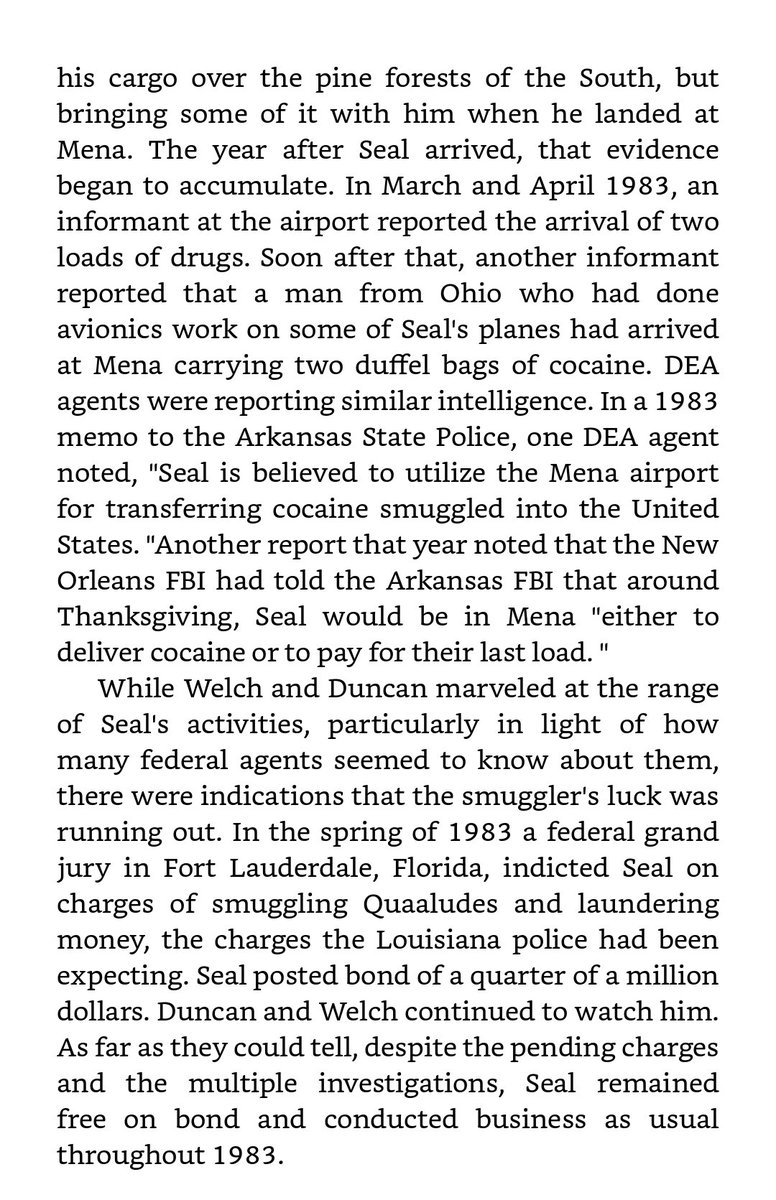
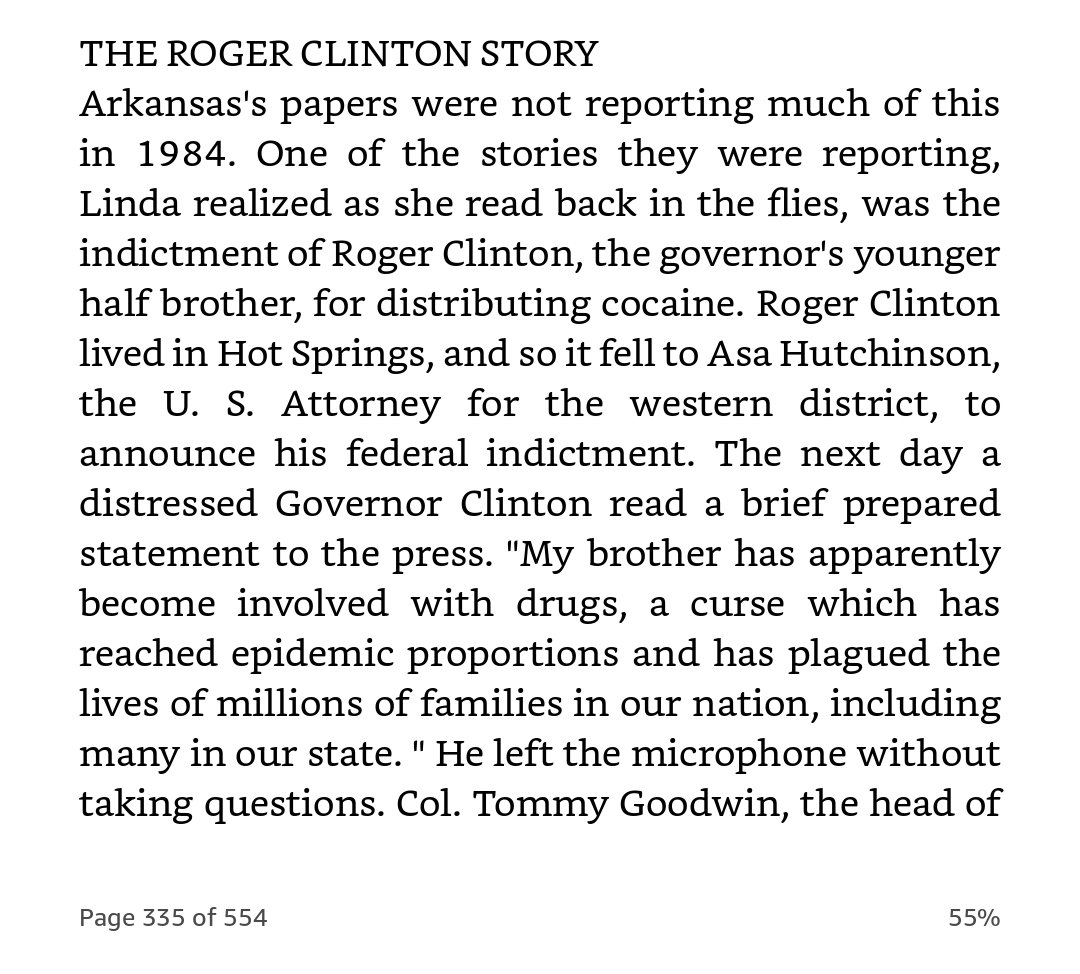
In 1984, Roger Clinton, Bill's younger half-brother, was arrested for distribution of cocaine.


Shortly thereafter, Dan Lasater, a very wealthy "political ally" of Bill Clinton, was also arrested for distribution of cocaine:
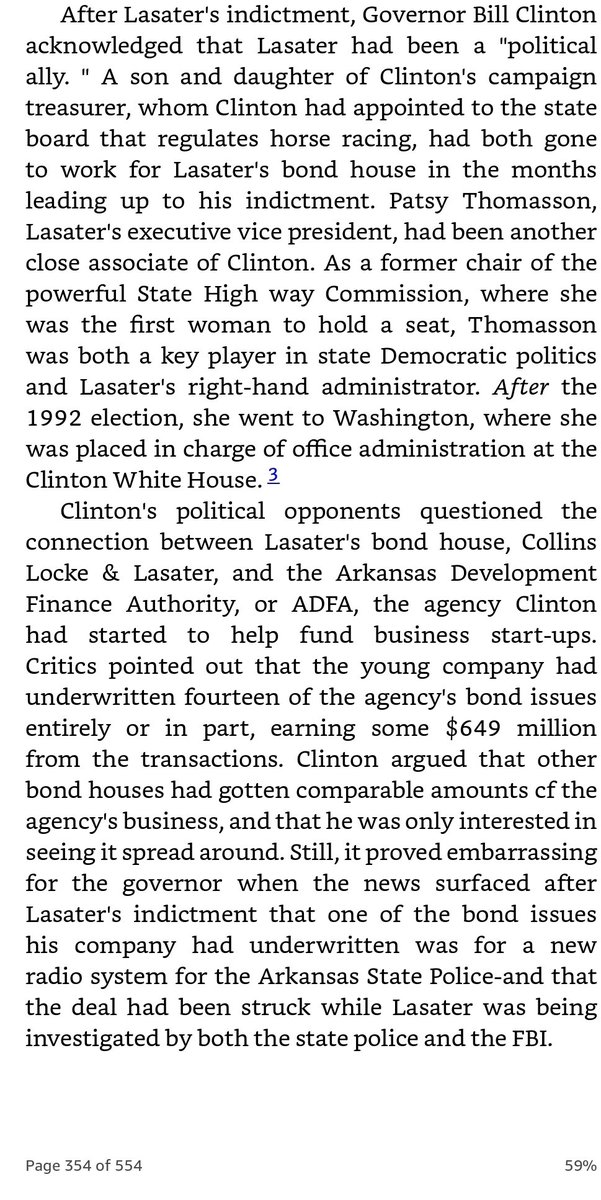
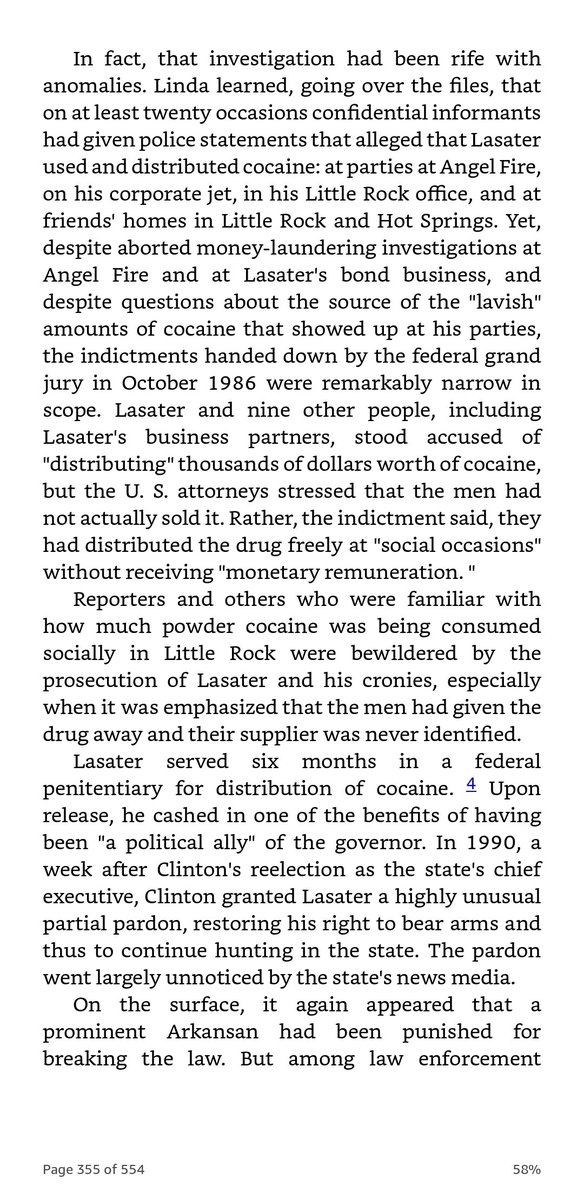
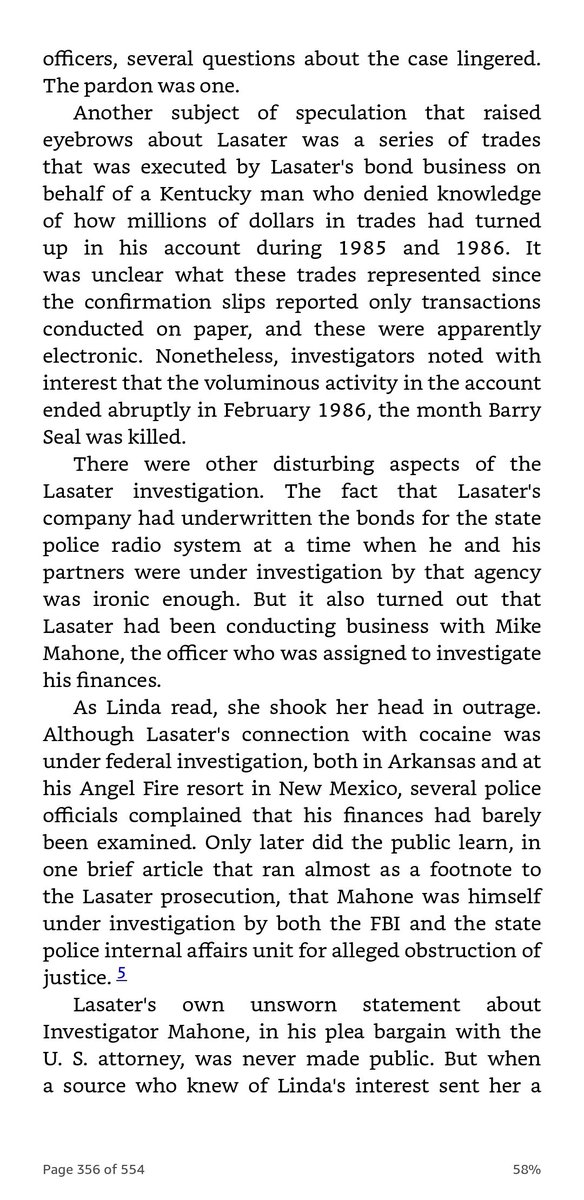
"One of the bond issues (Lasater's) company had underwritten was for a new radio system for the Arkansas State Police-and that the deal had been struck while Lasater was being investigated by both the state police and the FBI."
Lasater wound up being sentenced to 30 months. He served 6.
Part of the reason he got a light sentence was due to the indictment (already narrow in scope) stressing that Lasater and his friends had given out coke for free, rarely seeking "financial remuneration" for it
Part of the reason he got a light sentence was due to the indictment (already narrow in scope) stressing that Lasater and his friends had given out coke for free, rarely seeking "financial remuneration" for it
Lasater may have even had a hand in laundering funds for Seal: "investigators noted with interest that the voluminous activity in the account ended abruptly in February 1986, the month Barry Seal was killed."

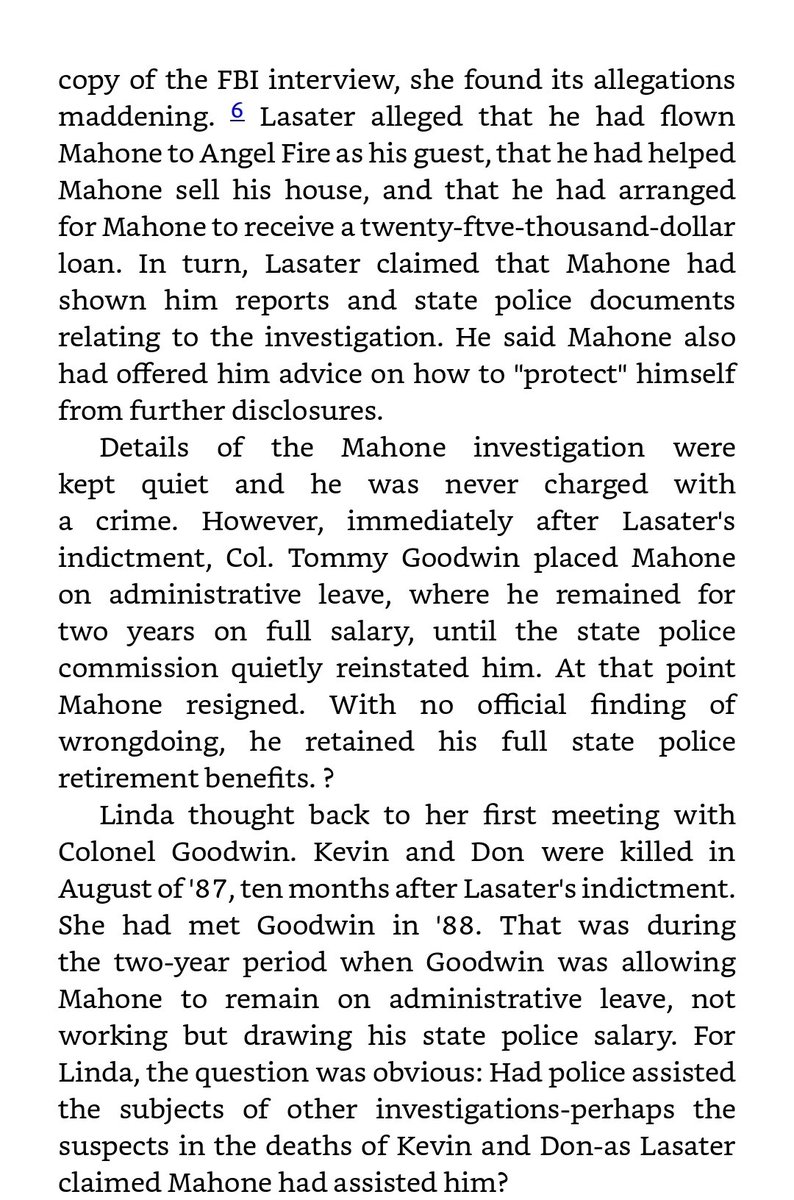
The officer (Mahone) charged with investigating Lasater's finances went into business with him, gave him tips to better protect himself and his assets from prosecutors, and multiple investigators flew on Lasater's plane to World Series and college football games.
After the story got out, officer Mahone was placed on administrative leave for two years, on full salary, until he was reinstated, whereupon he abruptly resigned with full honors and pension. God Bless America.
If you're still here with me, you're cool. Trust me. If you're sick of my clogging your timeline, just hang in there, I'm nearly done.
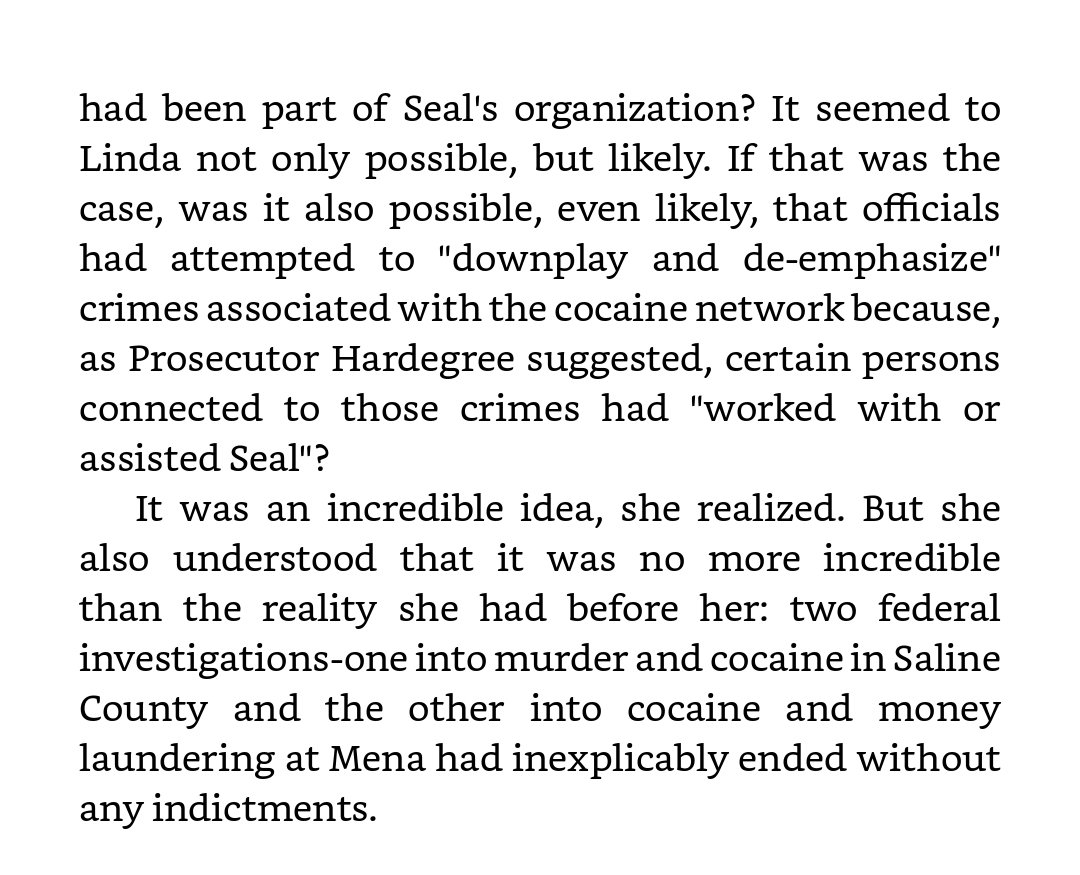
"Here was the prosecuting attorney for the district that served Mena saying that he believed that "not only Seal but all of his confederates… (involved in) illicit drug traffic were protected by the government."


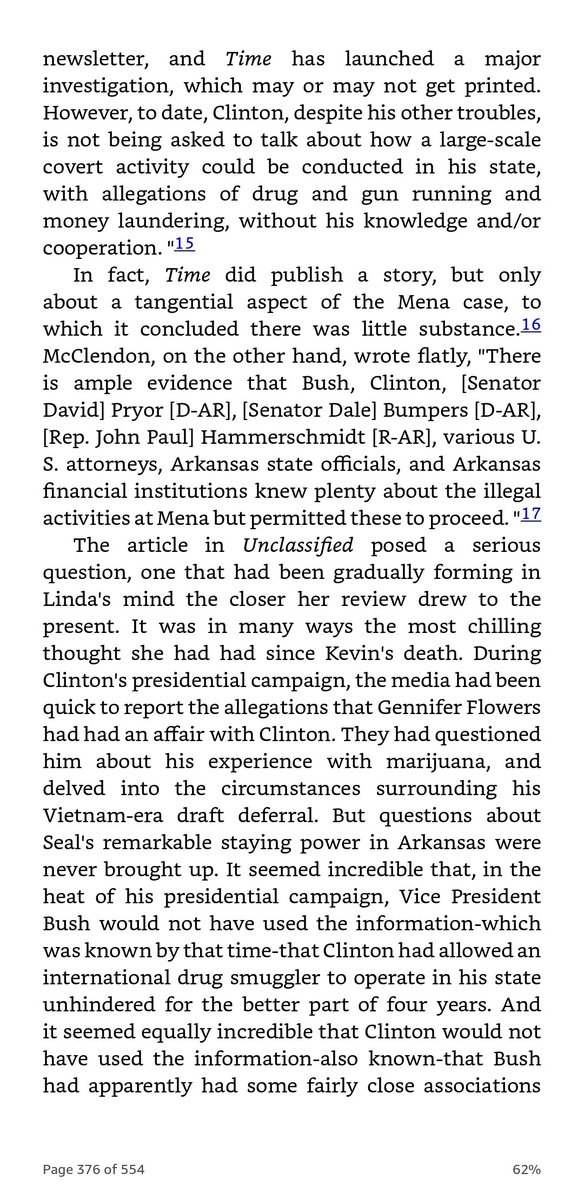
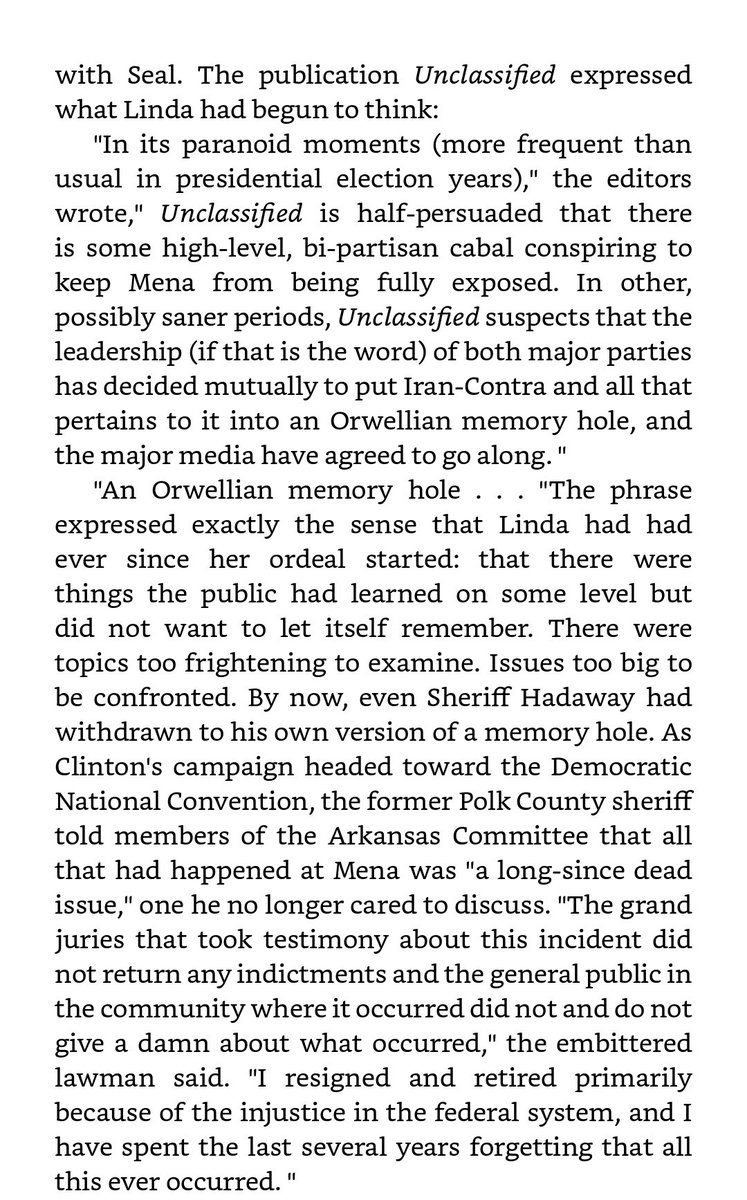
"'Unclassified' (the newspaper of the Association of National Security Alumni) is half-persuaded that there is some high-level, bi-partisan cabal conspiring to keep Mena from being fully exposed."

Another former CIA pilot tells a former Saline County drug task force investigator, Jean Duffey, that the area the boys were killed was a Mena-connected drug drop spot:
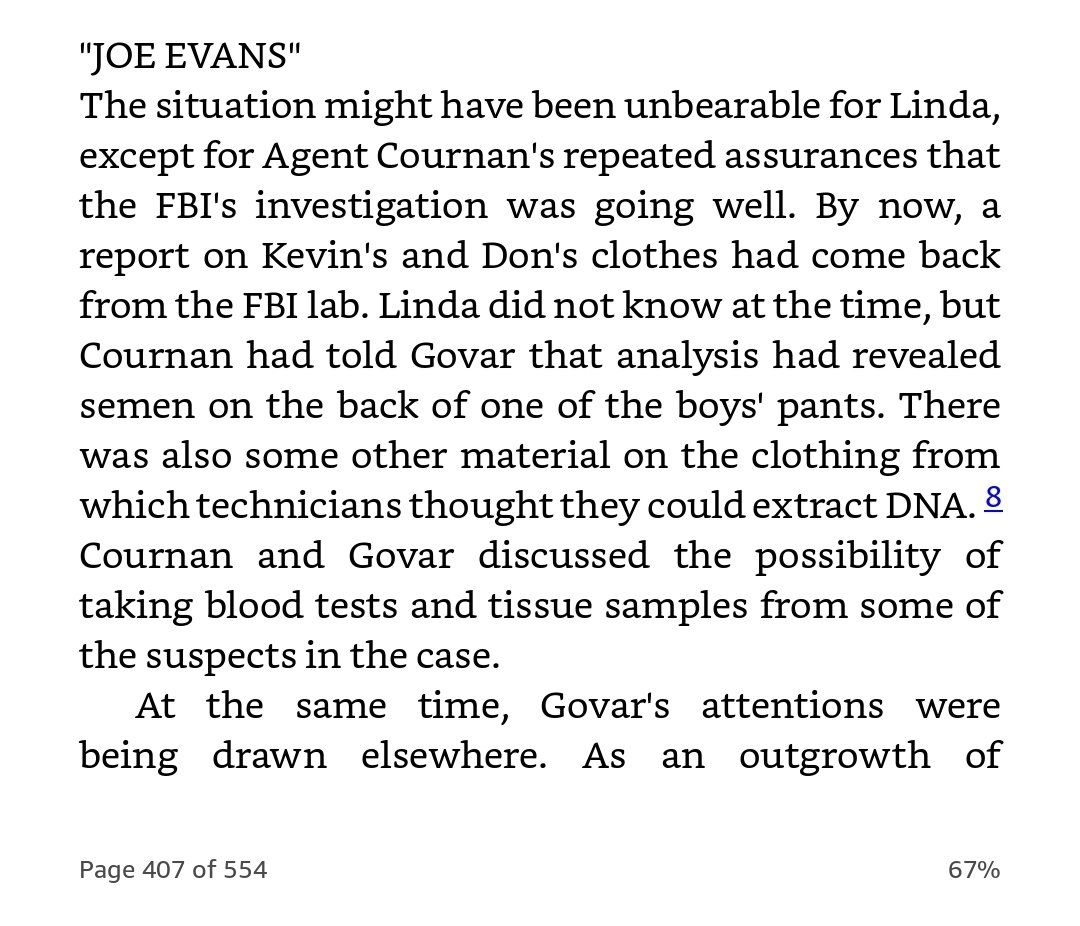
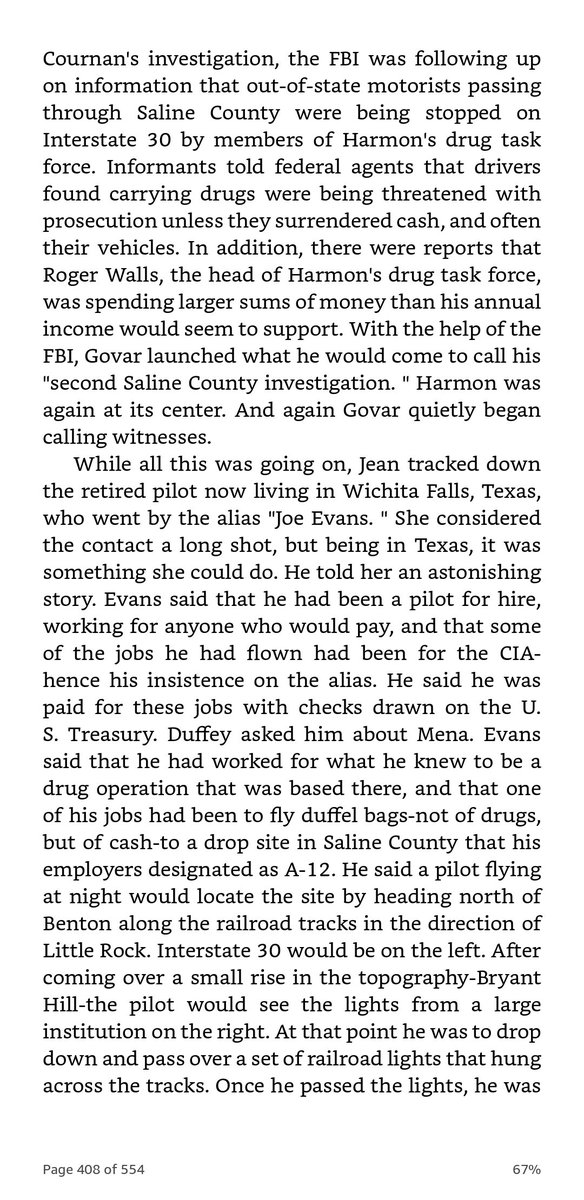
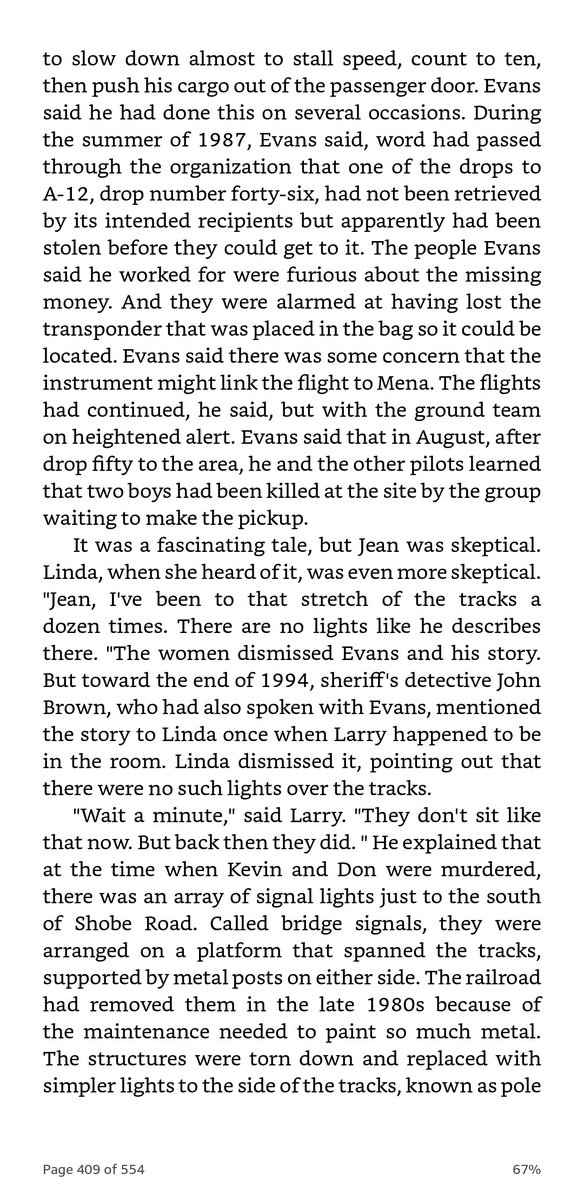
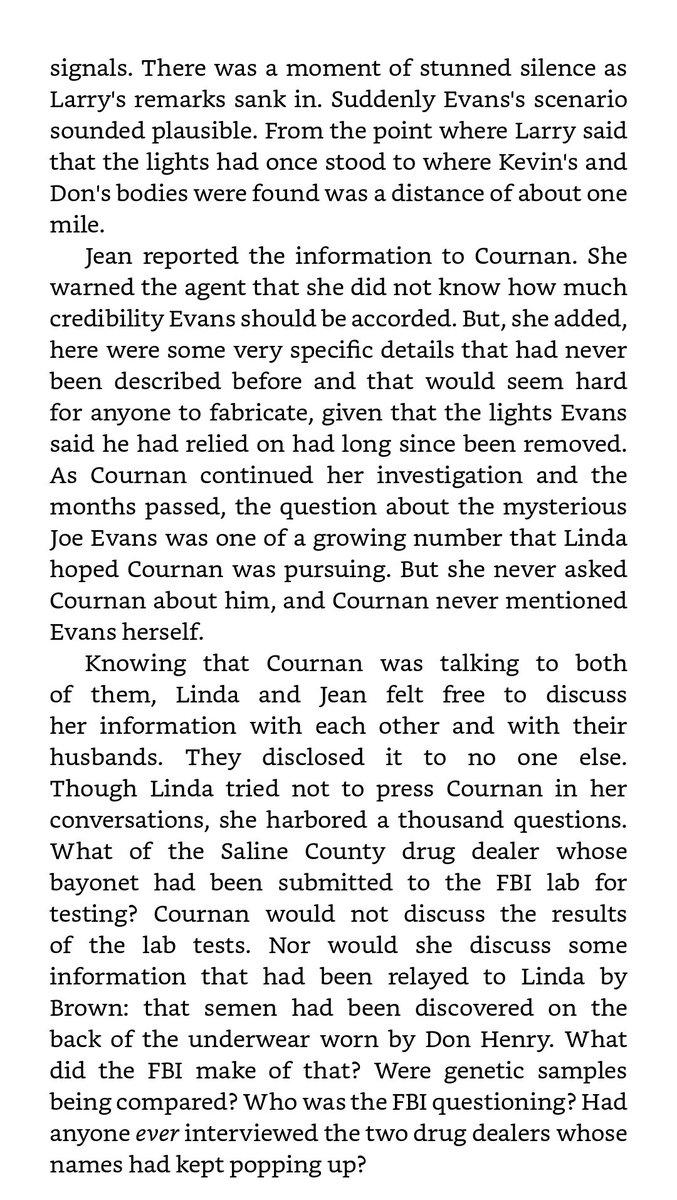
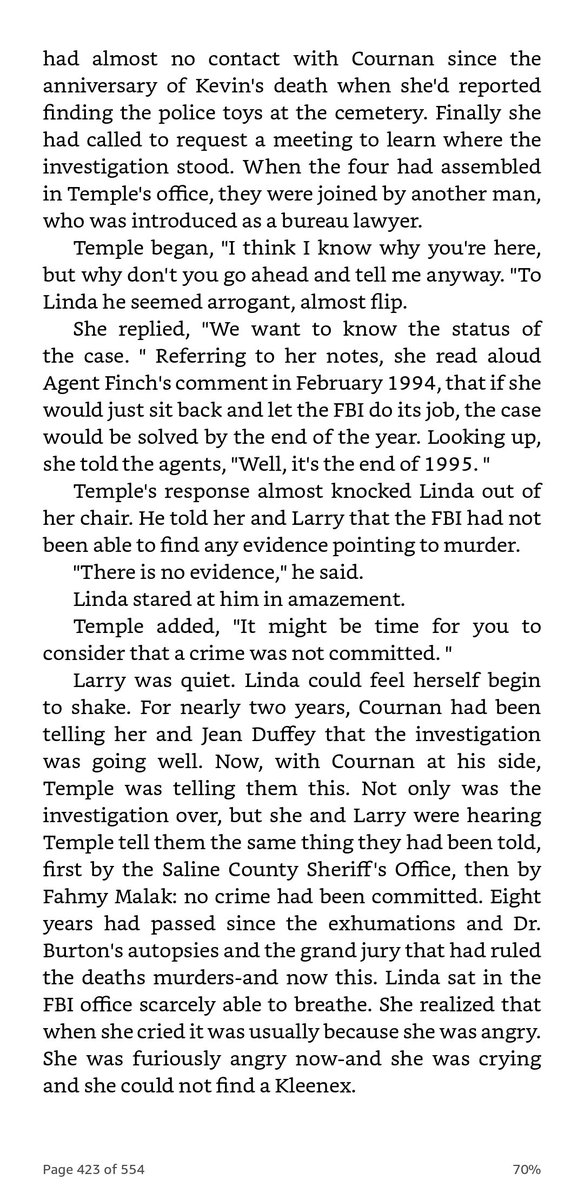
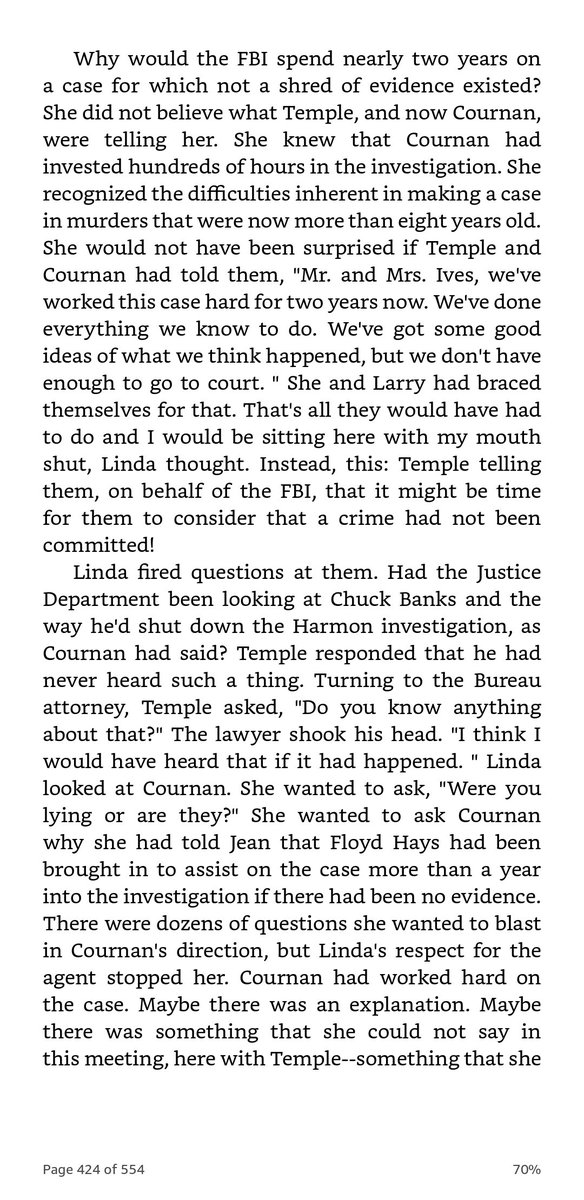
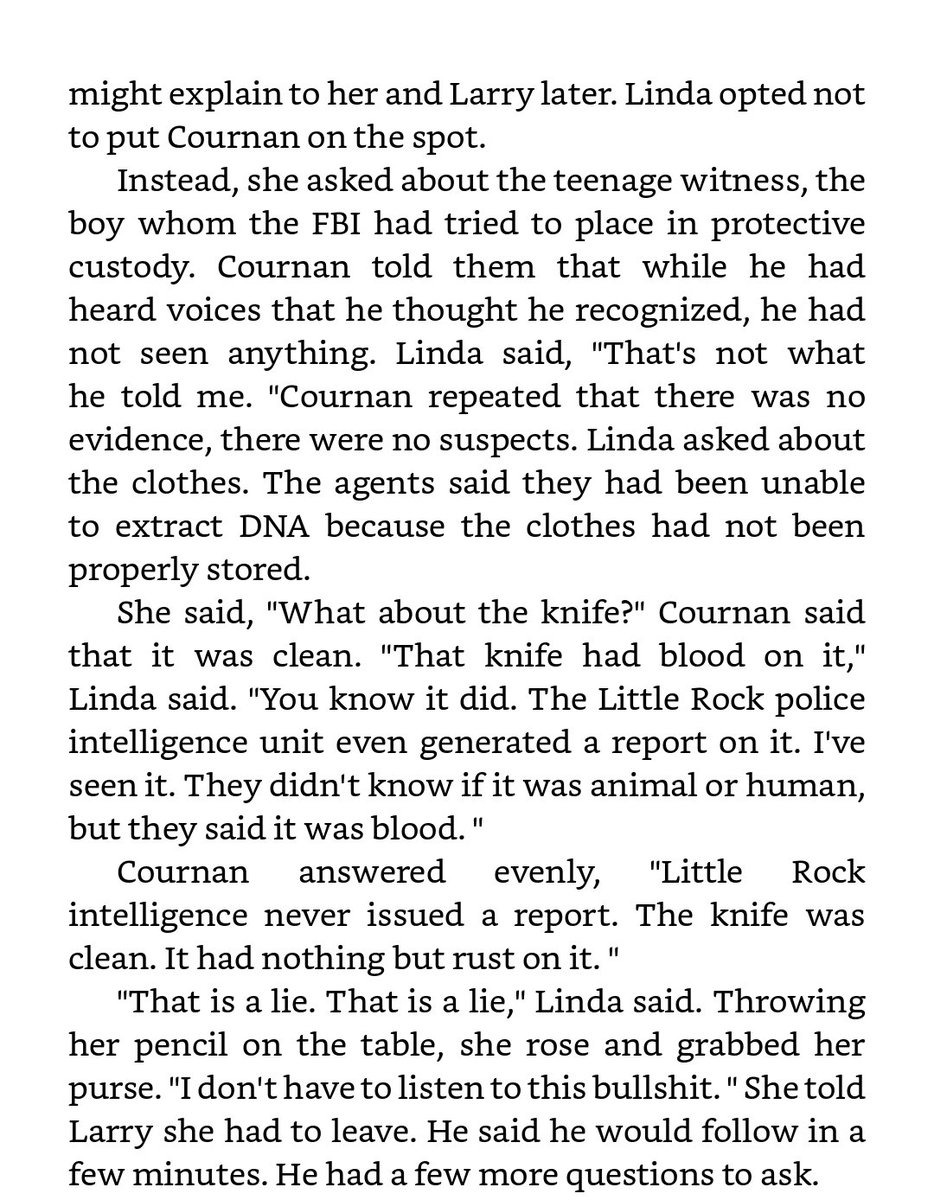
Just to put a bow on it: after putting a lead investigator on the tracks case for two years, and after said investigator (Agent Cournan) assured the Ives family progress was being made…
"It might be time for you to consider that a crime has not been committed."
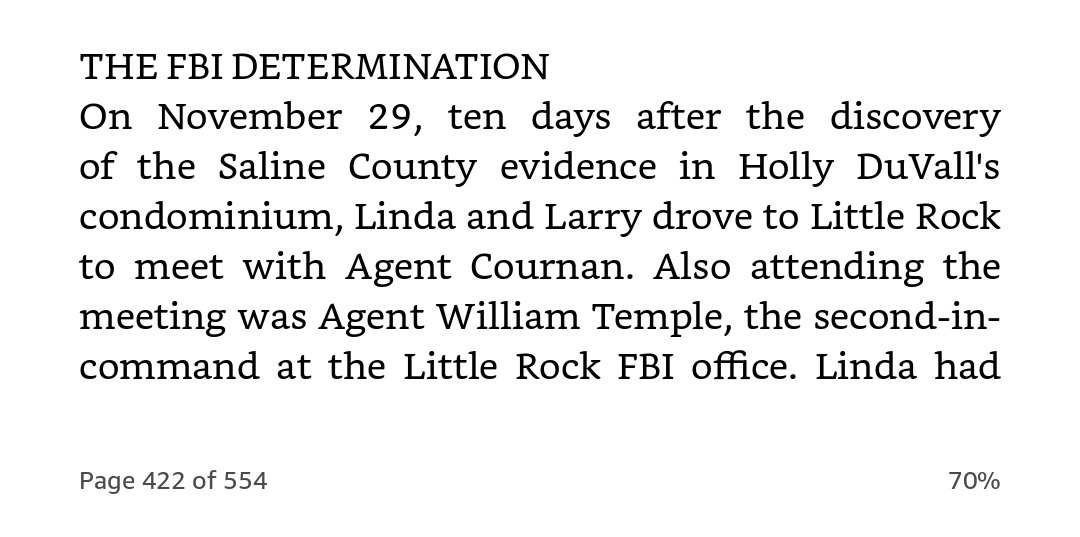
In the final analysis:


"I don't believe I can force the triumph of good over evil. And believe me, I don't have any illusions about which side is going to win. But I'm not just going to lie down and let them roll over me."

Linda Ives passed away in June of 2021. I sure hope she found some comfort and justice on the other side, because she sure as hell didn't find any here.
End.
End.
• • •
Missing some Tweet in this thread? You can try to
force a refresh