
Metatarsalgia 🧵🦶🏼
…is not a diagnosis ☝🏼
Specific locations help to differentiate:
🔹Arthritis/Arthropathy
🔹Gout
🔹Frieburg’s
🔹Sesamoid injury
🔹Bursitis
🔹Morton’s neuroma
🔹Plantar plate
🔹Stress fracture
🔹Overload/synovitis
1/11
…is not a diagnosis ☝🏼
Specific locations help to differentiate:
🔹Arthritis/Arthropathy
🔹Gout
🔹Frieburg’s
🔹Sesamoid injury
🔹Bursitis
🔹Morton’s neuroma
🔹Plantar plate
🔹Stress fracture
🔹Overload/synovitis
1/11

Arthritis, particularly OA most frequently affects the 1st MTPJ. It’s quite common in dancers, secondary to hallux valgus. Inflammatory conditions may cause a number of MTPJs to flare up - see also ‘synovitis’ - 10/11 in this thread…
2/11
2/11

Gout:
The 1st MTPJ is the most common location in the foot for gout. Caused by excess uric acid, think quick onset & severe pain - often at night. Look for heat/swelling/redness. Rich diet & excess alcohol often causative. Pseudo gout (CPPD) is more common in the knee…
3/11
The 1st MTPJ is the most common location in the foot for gout. Caused by excess uric acid, think quick onset & severe pain - often at night. Look for heat/swelling/redness. Rich diet & excess alcohol often causative. Pseudo gout (CPPD) is more common in the knee…
3/11
https://twitter.com/gouteducation/status/1491555008222937088
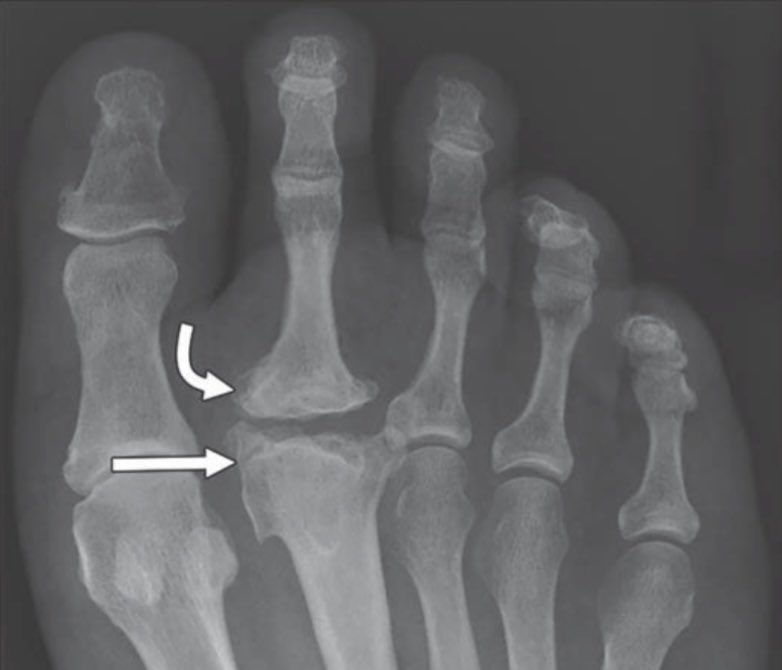
Frieburg’s is characterised by osteonecrosis of the MT head, most frequently the 2nd. It is usually seen in adolescents. Symptoms = tenderness/swelling/⬇️ ROM & are often triggered by repetitive overload or trauma. However, the avascular necrosis can be spontaneous.
4/11
4/11
Sesamoid pain:
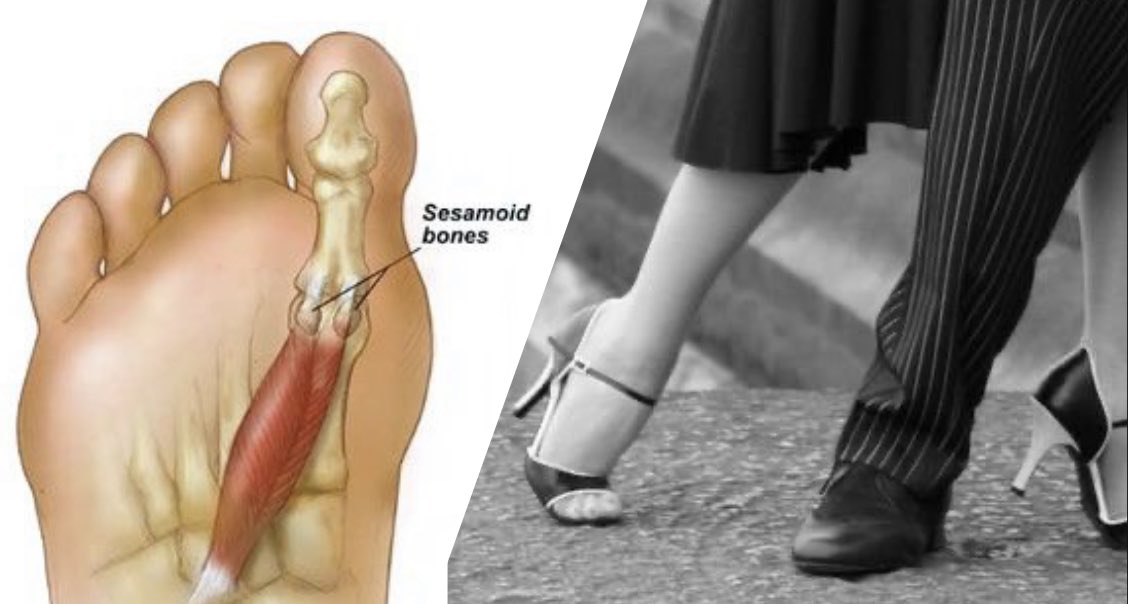
The sesamoid bones lay within the tendon of the FHB. Repetitive overloading or sudden trauma (a hard landing in bare feet) can cause them to degenerate (opathy) or inflame (itis) respectively. A common injury in dancers, especially those who wear heels 👠
5/11
The sesamoid bones lay within the tendon of the FHB. Repetitive overloading or sudden trauma (a hard landing in bare feet) can cause them to degenerate (opathy) or inflame (itis) respectively. A common injury in dancers, especially those who wear heels 👠
5/11
Bursitis:
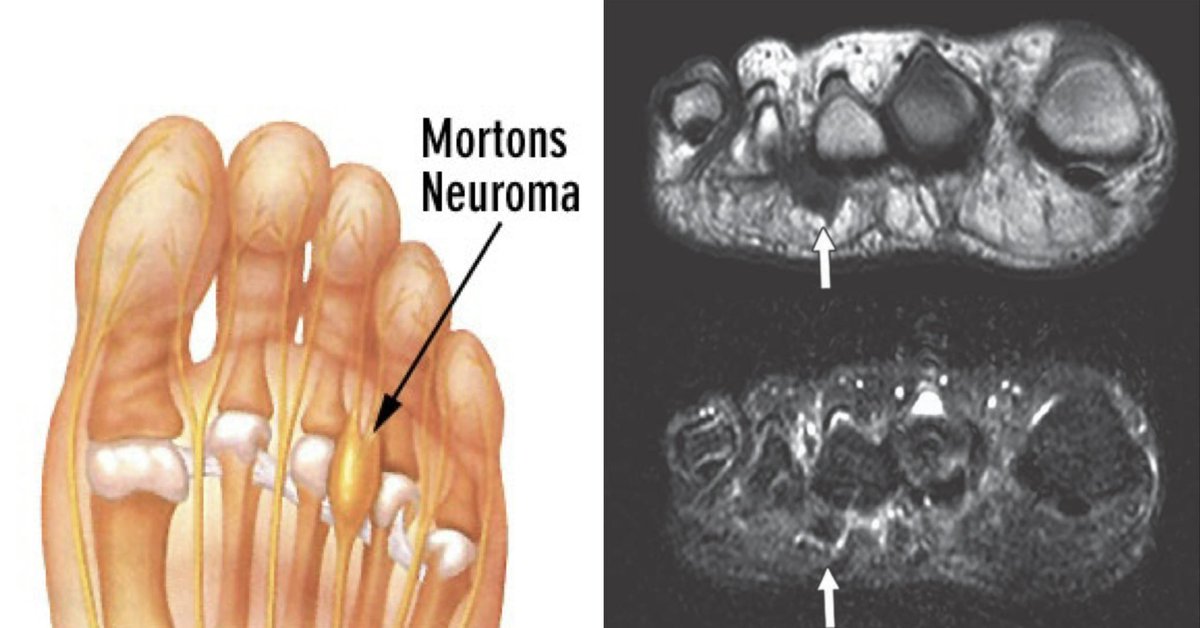
The intermetatarsal bursae sit dorsal to the neurovascular bundle which is responsible for Moron’s neuroma. Bursitis may actually mimic MN in it’s presentation, or be a precursor to MN where the inflamed bursa compresses the nerves, especially in the 3rd webspace.
6/11
The intermetatarsal bursae sit dorsal to the neurovascular bundle which is responsible for Moron’s neuroma. Bursitis may actually mimic MN in it’s presentation, or be a precursor to MN where the inflamed bursa compresses the nerves, especially in the 3rd webspace.
6/11

Morton’s Neuroma can occur in any of the web spaces, but is most common in the 3rd. Pts usually report pain with weight bearing & often a feeling like there’s a stone in their shoe/underfoot. There may also be paresthesia. Mulder's manoeuvre (squeeze test) may be positive…
7/11
7/11
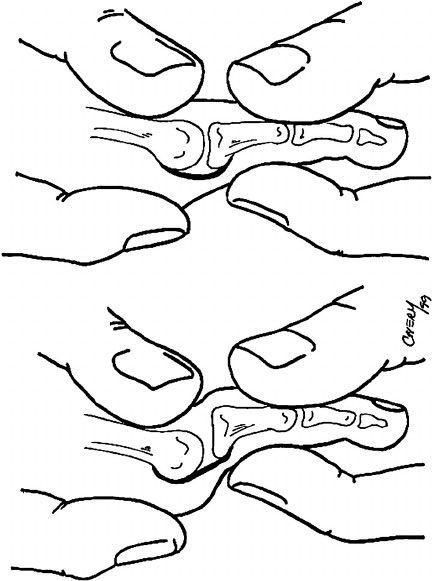
The plantar plate extends from the plantar surface of the MT head to the proximal phalanx.
90% of injuries occur in the 2nd MTPJ. A non-functioning reverse windlass mechanism and/or a +ve vertical stress test = signs of PP injury
See blog for details:
running-physio.com/plantar-plate/
8/11
90% of injuries occur in the 2nd MTPJ. A non-functioning reverse windlass mechanism and/or a +ve vertical stress test = signs of PP injury
See blog for details:
running-physio.com/plantar-plate/
8/11

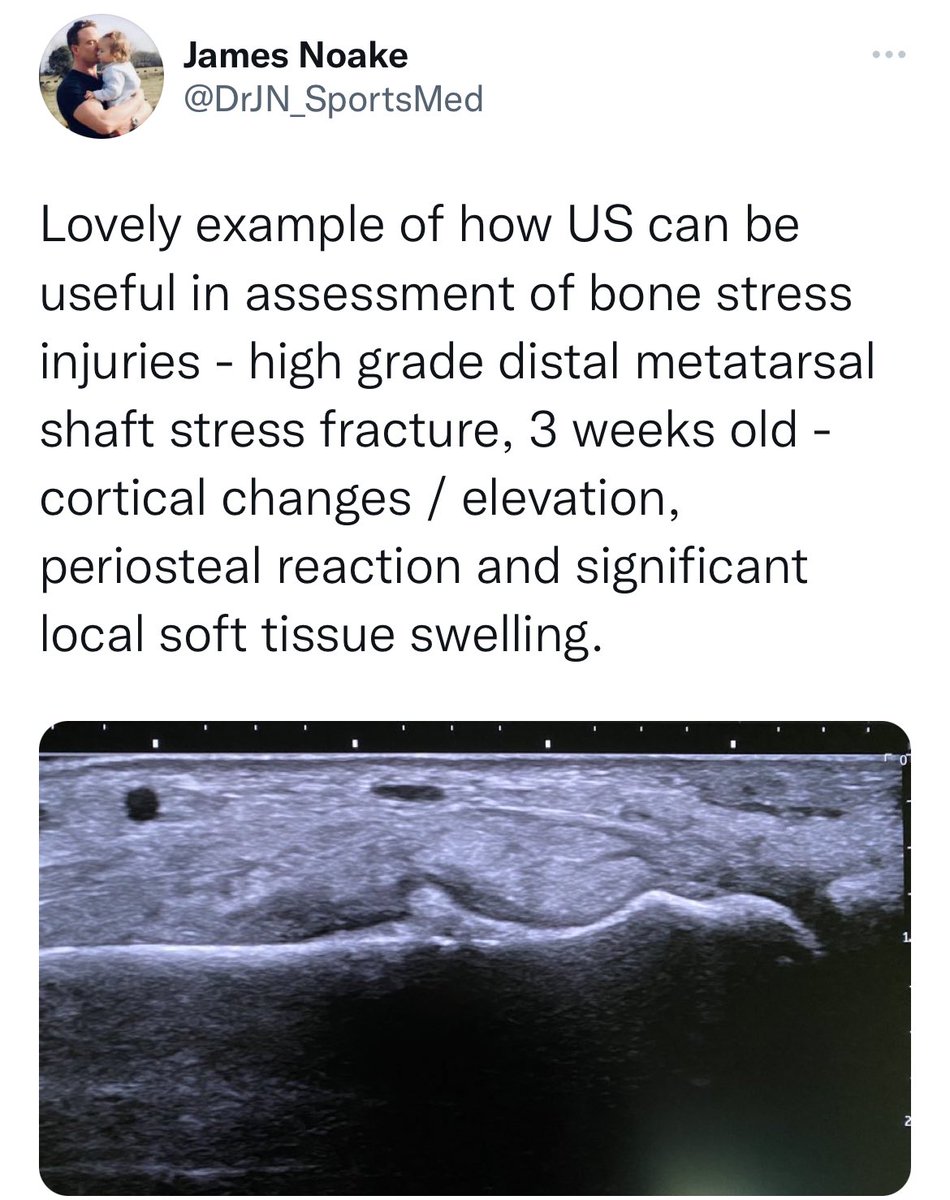
Stress #
Gradual onset pain with recent ⬆️ in loading could be BSI. RED-S = risk factor. Common in dancers, gymnasts, & runners 💃🏃🏿
X-ray may show periosteal reaction after injury has progressed, but MRI or US will pick these up in the earlier stages
9/11
Gradual onset pain with recent ⬆️ in loading could be BSI. RED-S = risk factor. Common in dancers, gymnasts, & runners 💃🏃🏿
X-ray may show periosteal reaction after injury has progressed, but MRI or US will pick these up in the earlier stages
https://twitter.com/drjn_sportsmed/status/1314169927956410368?s=21
9/11

Overload/Synovitis:
Thanks to @suzy_speirs for the suggestion of adding this one in!
Overloading the MTPJs or synovitis caused by an inflammatory condition may act as a precursor to other injuries such as toe deformity or plantar plate injury 🦶🏼
10/11
Thanks to @suzy_speirs for the suggestion of adding this one in!
Overloading the MTPJs or synovitis caused by an inflammatory condition may act as a precursor to other injuries such as toe deformity or plantar plate injury 🦶🏼
10/11
https://twitter.com/suzy_speirs/status/1180363493385658369
References:
X-ray/MRI images from:
🦶🏼pubmed.ncbi.nlm.nih.gov/29470159/
🦶🏼pubmed.ncbi.nlm.nih.gov/28109624/
Conservative Rx 🧵 is on its way!🔜
Thanks for reading 🤓👉🏼🦶🏼👈🏼
11/11
X-ray/MRI images from:
🦶🏼pubmed.ncbi.nlm.nih.gov/29470159/
🦶🏼pubmed.ncbi.nlm.nih.gov/28109624/
Conservative Rx 🧵 is on its way!🔜
Thanks for reading 🤓👉🏼🦶🏼👈🏼
11/11
• • •
Missing some Tweet in this thread? You can try to
force a refresh






